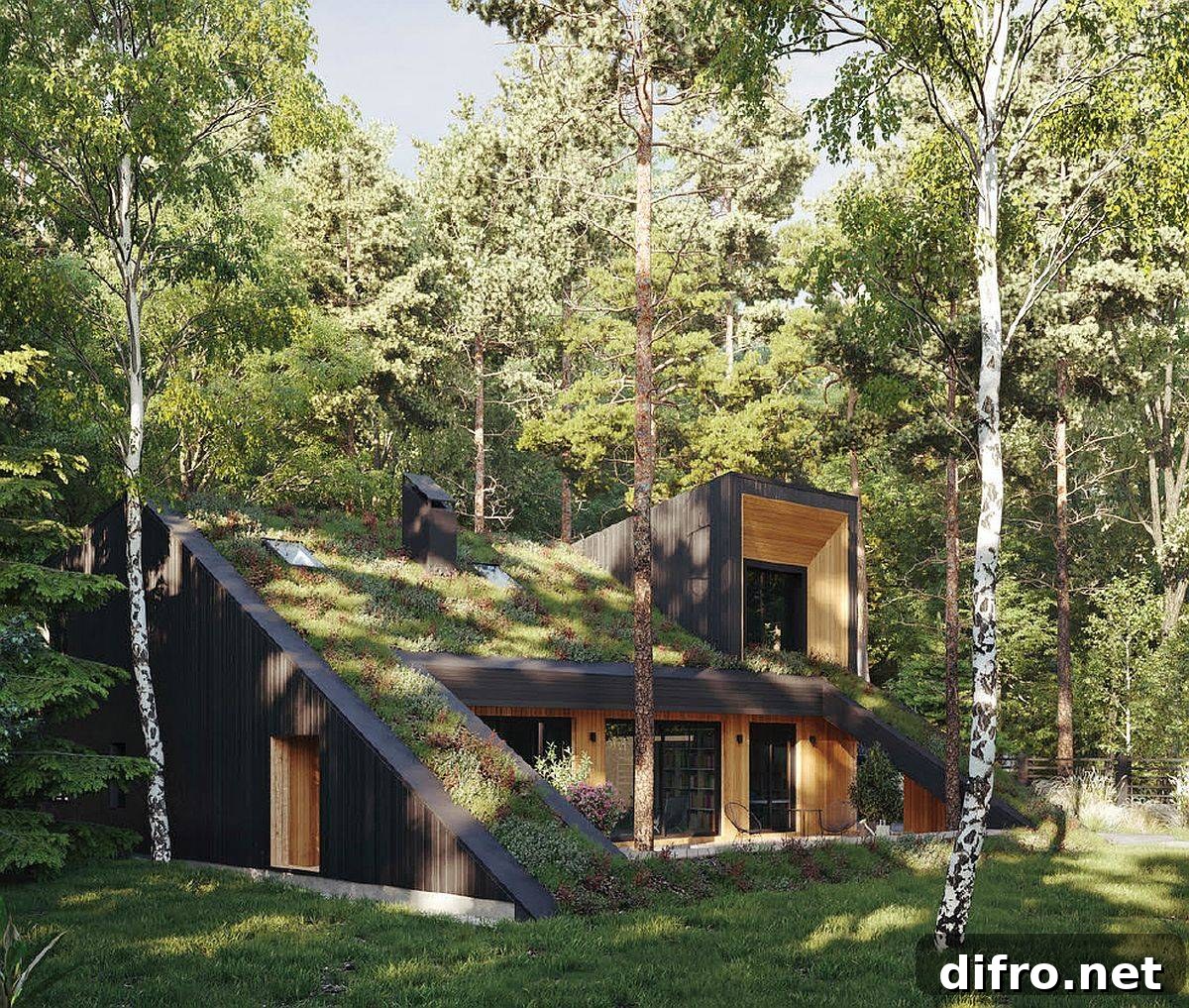
There is little doubt that green homes are the future. Even if you remain skeptical about large-scale clean energy programs or the specifics of global climate change, the practical benefits of an eco-conscious residence are hard to ignore. A sustainable house does more than reduce environmental impact: it improves long-term comfort, lowers operating costs, and supports healthier living. The Hill House in Russia, designed by Snegiri Architects, is a striking example of a modern, energy-efficient home. Its living green roof is the defining feature, helping the building merge with the landscape while enhancing performance.
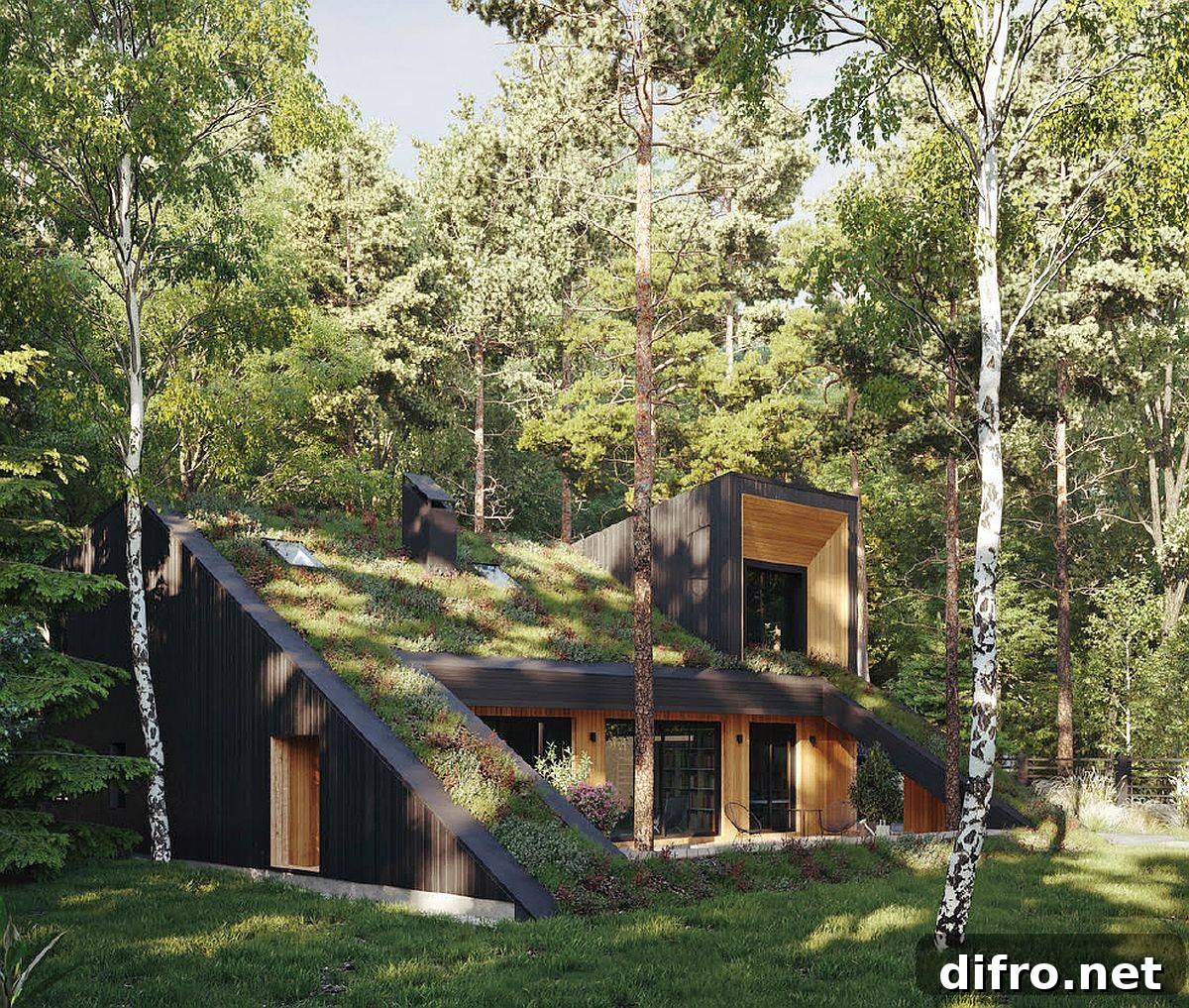
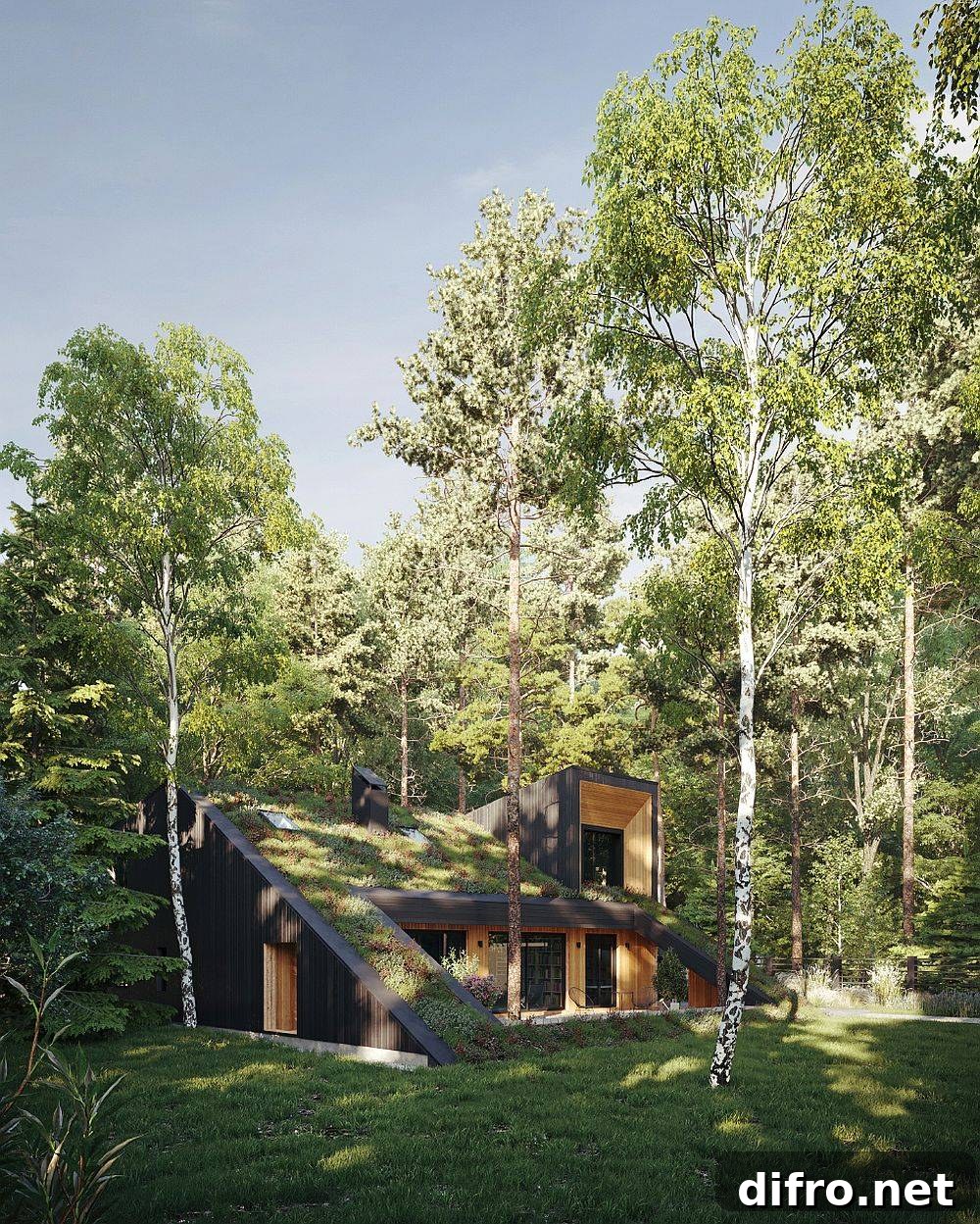
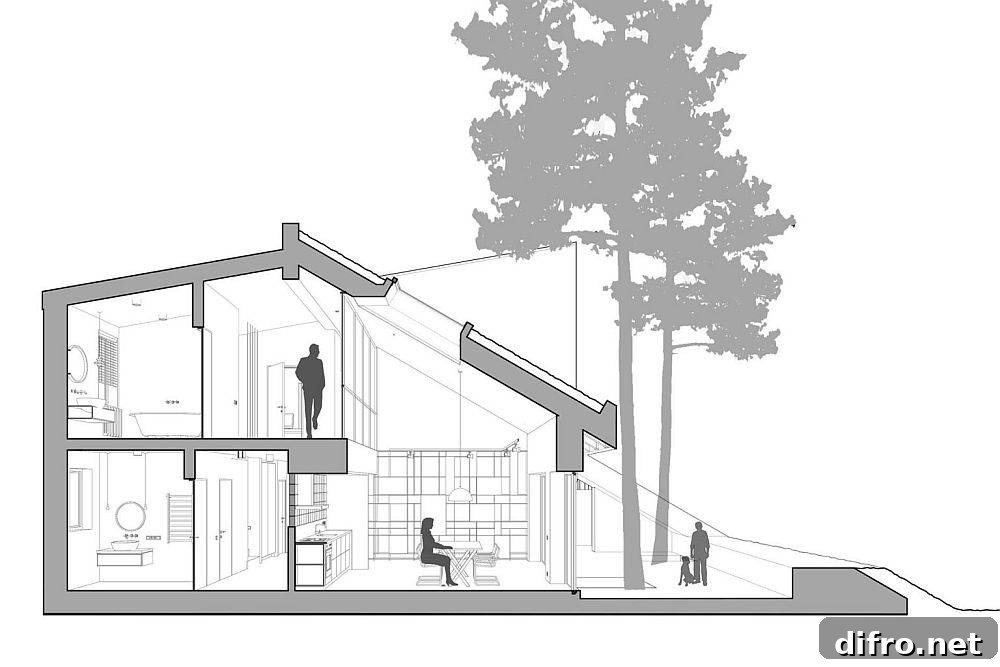
From the rear, Hill House almost disappears into its verdant setting. The roof is planted with stonecrop and dwarf species that form a “live” cover and visually merge the house with the surrounding flora. That planted roof is more than an aesthetic choice: it provides thermal mass, helps stabilize internal temperatures throughout the seasons, and reduces heat loss in winter and overheating in summer. Carefully placed windows and doors complement the green roof, admitting sunlight and passive heat when needed while allowing cross-ventilation during warmer months.
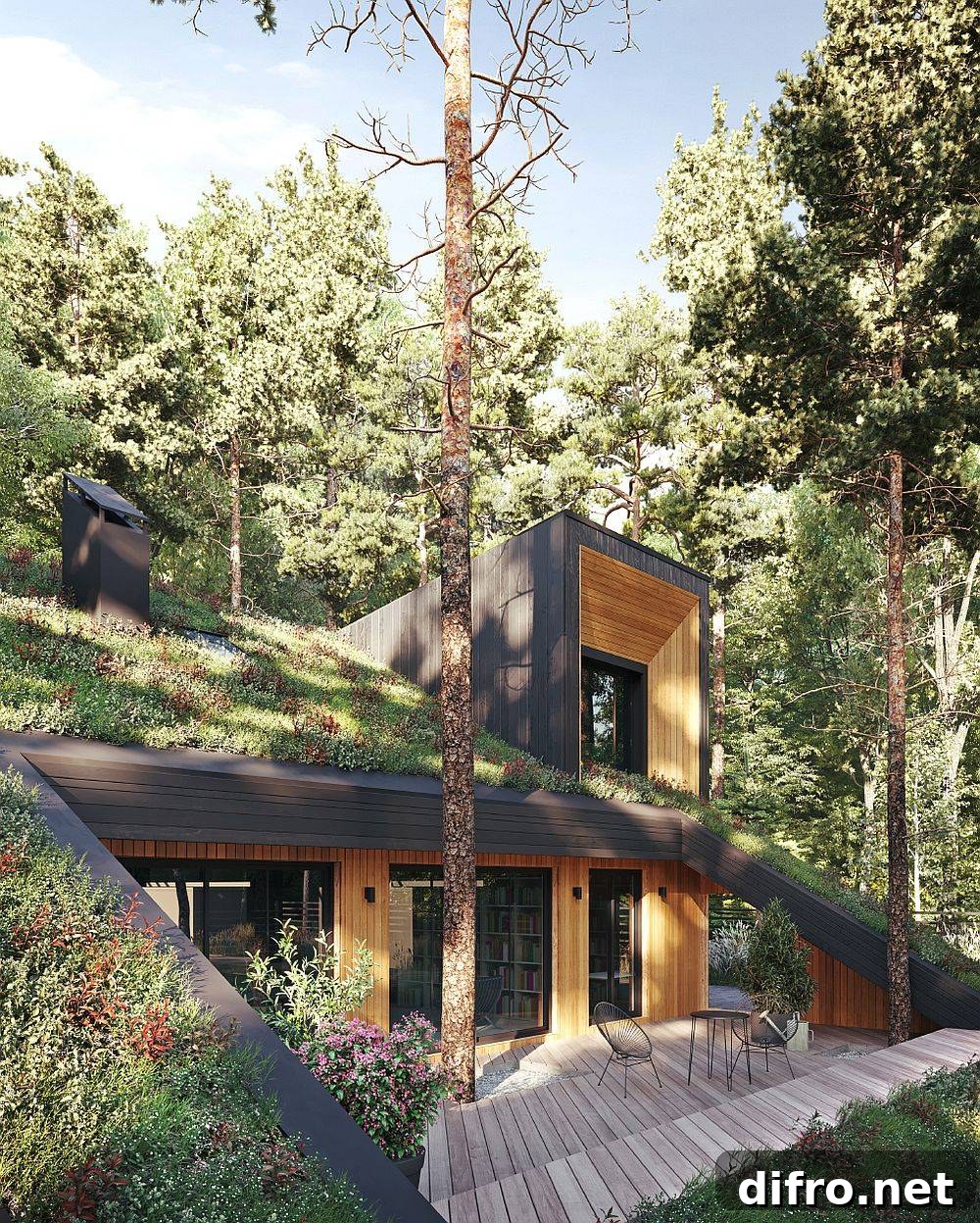
The Hill House balances natural materials and modern detailing. A small wooden deck offers an intimate outdoor space that connects directly to the interior, while robust insulation—such as cold-resistant mineral wool—ensures the envelope performs well in Russia’s variable climate. Strategically oriented glazing maximizes solar gain during cooler months and, together with shading and ventilation strategies, helps keep the interior comfortable without excessive mechanical heating or cooling. Mature trees surrounding the property add another passive layer, shading and sheltering the house while contributing to year-round thermal comfort.
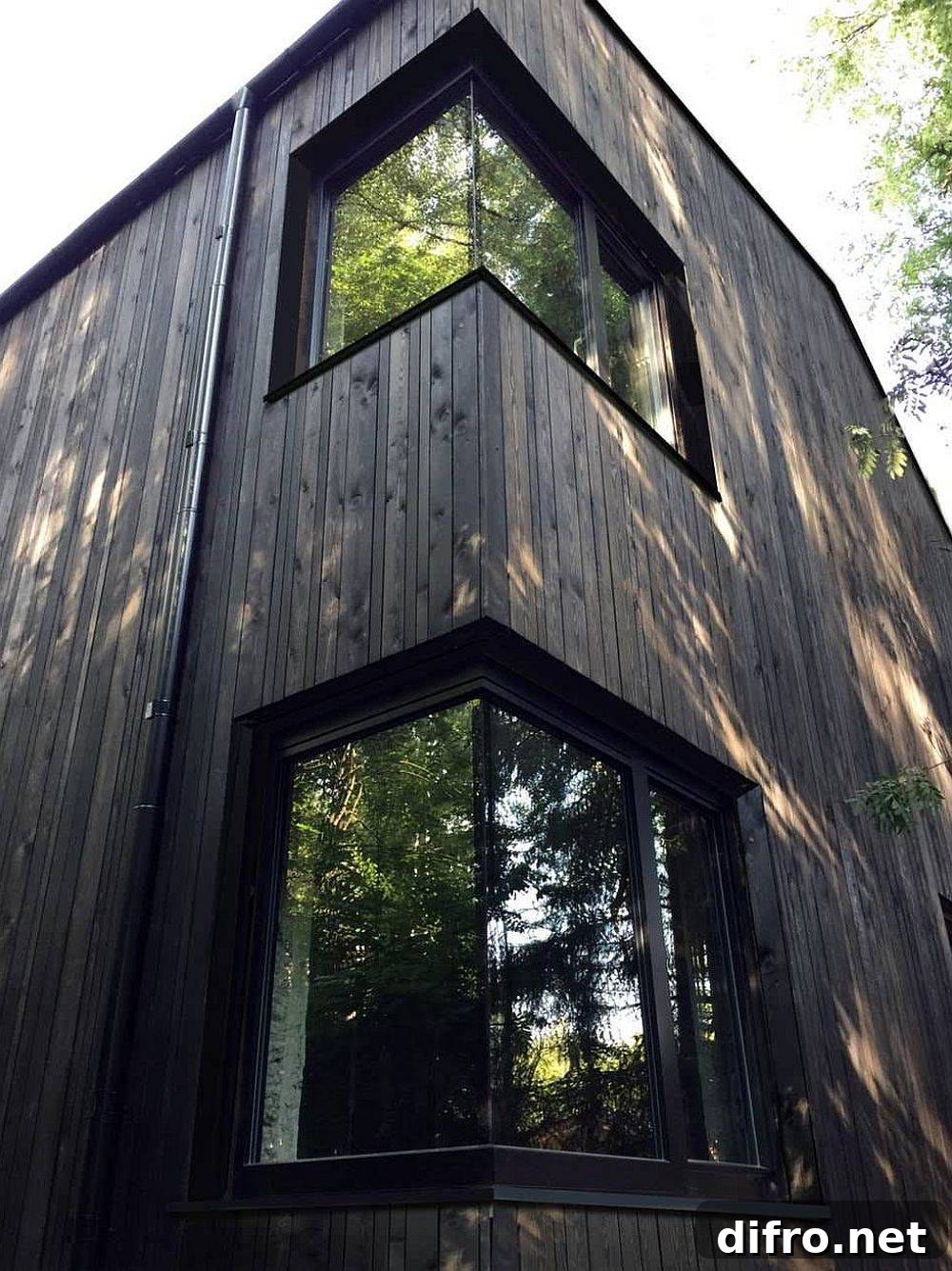
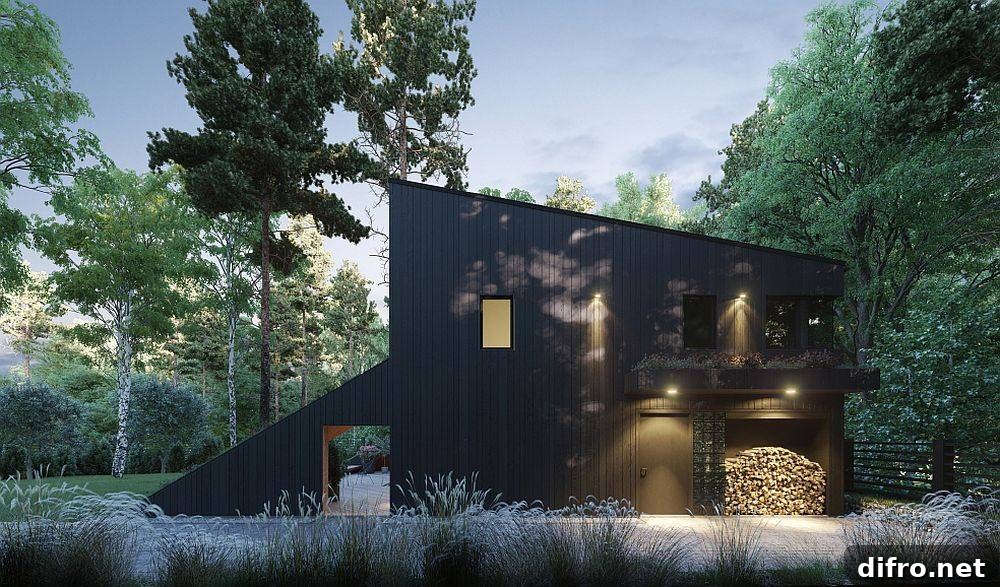
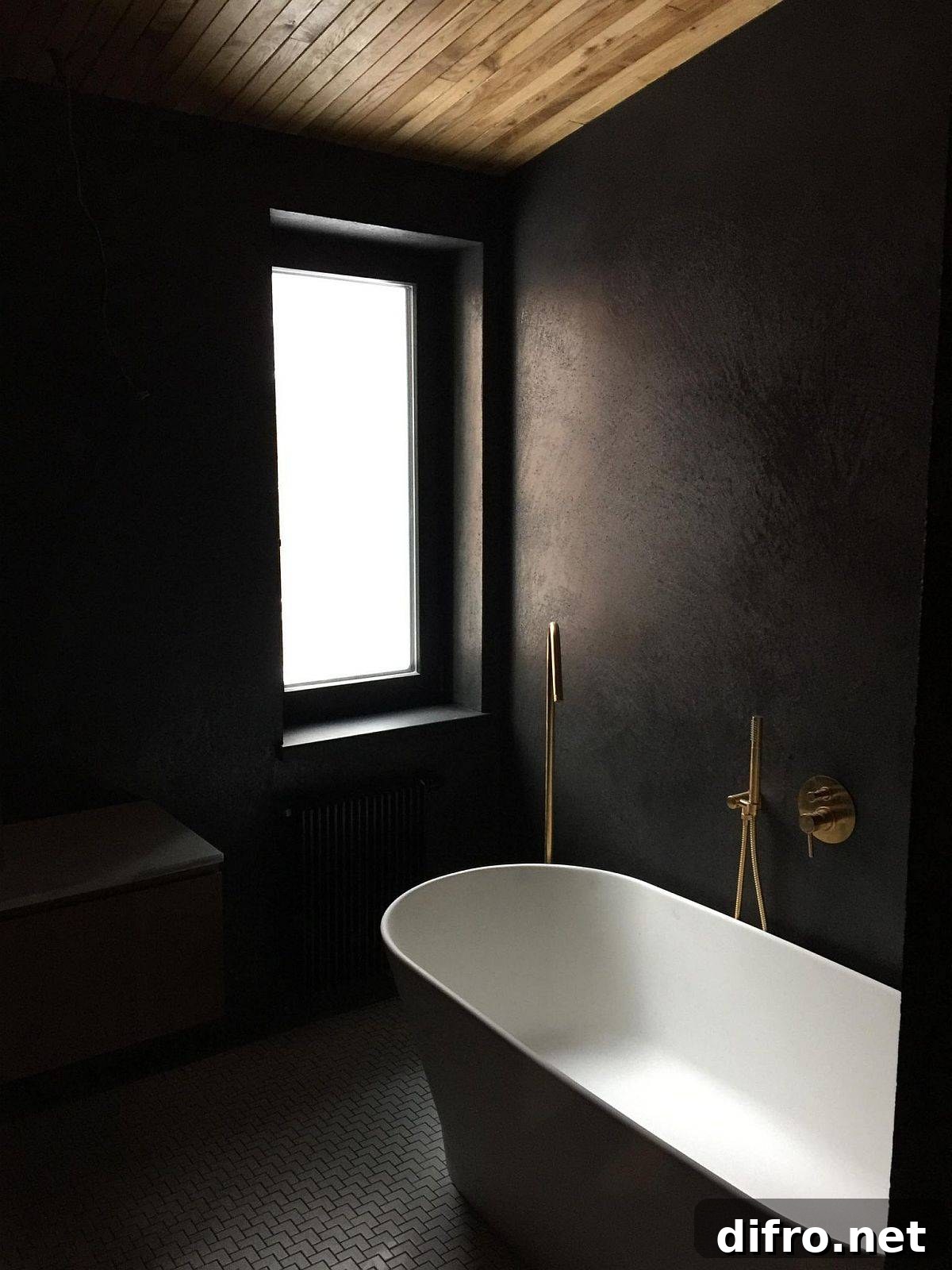
Inside, the home is arranged for efficient living and a refined atmosphere. Large glass doors and windows flood the interior with daylight and capture passive heat on colder days, while the careful organization of rooms maintains a compact, energy-conscious footprint. The client is a fan of modern technology and innovation, so the house is equipped with a comprehensive smart-home system and security features. A parking space near the property includes an electric vehicle charger, reflecting a forward-looking approach to transportation and energy use.
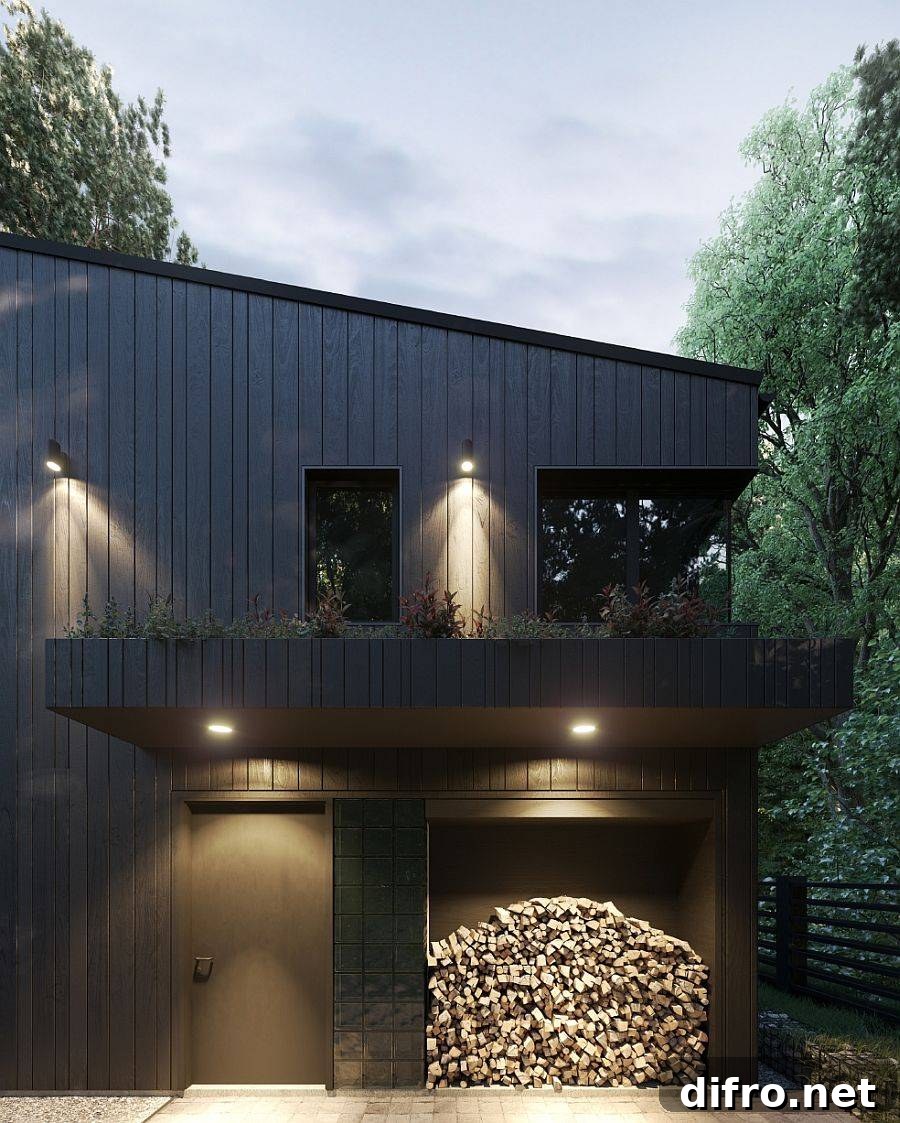
The client appreciates innovation and modern technology, so the project includes an integrated smart-home system and security. A dedicated parking area provides an electric vehicle charger. Alongside a passion for technological advances, the client collects art and vintage furniture, which has influenced the interior design and created a contrast between contemporary systems and classic pieces.
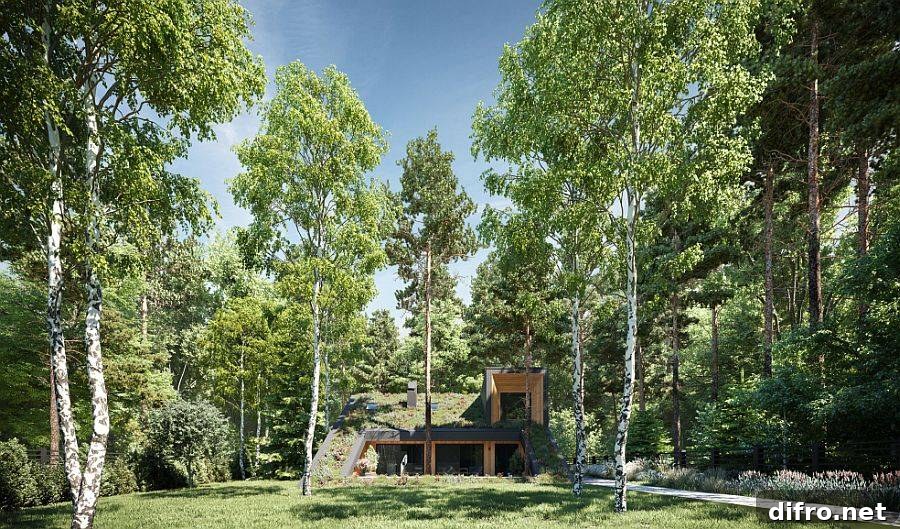
Hill House demonstrates how thoughtful design and simple ecological strategies—green roofs, high-performance insulation, targeted glazing, tree placement and smart technology—can produce a home that is both beautiful and efficient. It is a model for contemporary sustainable architecture: a residence that responds to its climate, respects its landscape, and provides a comfortable, low-energy living environment without sacrificing style.