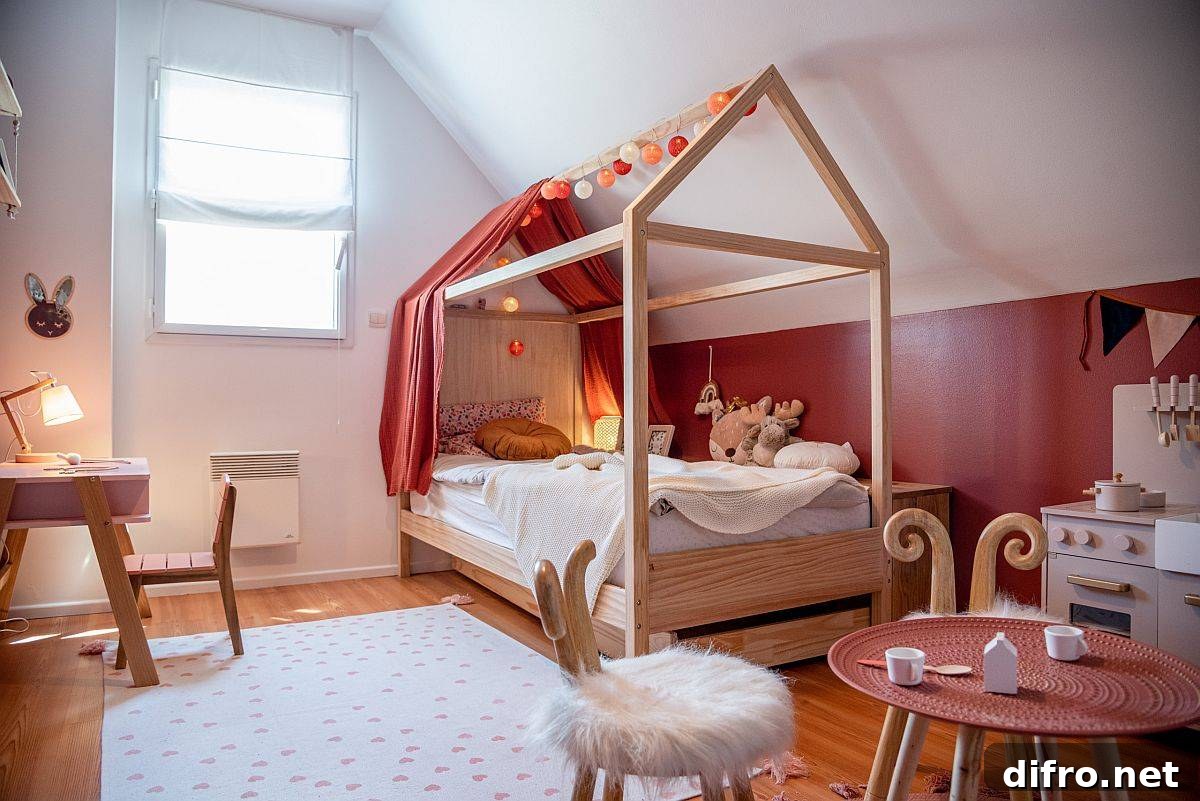
Decorating a kids’ bedroom is a unique challenge that combines practicality with playfulness. Beyond the usual constraints of style, budget and room size, you also need to consider what the child wants and how the space will be used. While many parents default to familiar hues, summer is a great time to experiment with colors that step outside the ordinary. These choices can refresh a room’s mood and personality while remaining practical and long-lasting. Below are five underused but highly effective colors for children’s rooms, plus tips on how to apply them thoughtfully.
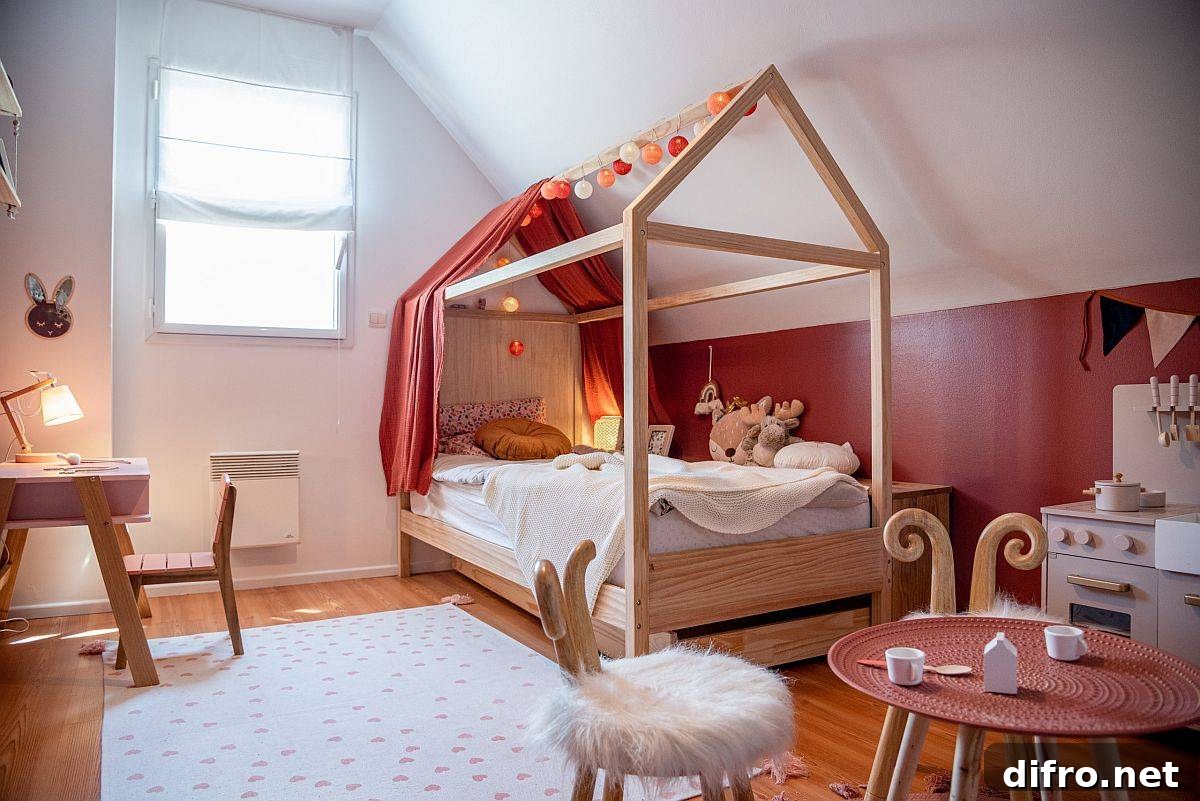
Rather than repeating the same palette of reds, yellows and blues, consider colors that bring different moods and design possibilities into the kids’ bedroom. Some of these shades introduce warmth, some bring calm, and others add an edgy, modern twist. Below are suggestions for using each color with practical pairing and finish ideas to help create a balanced, child-friendly room.
Coral at Its Bright Best
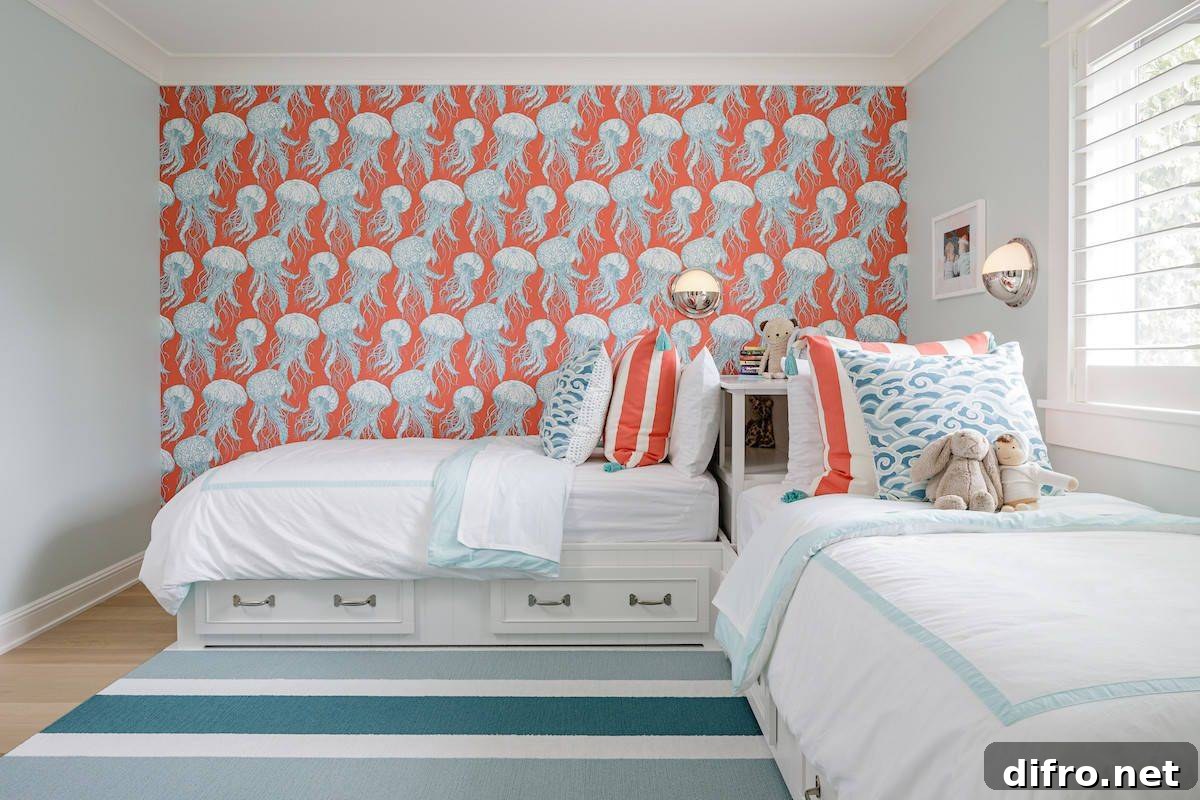
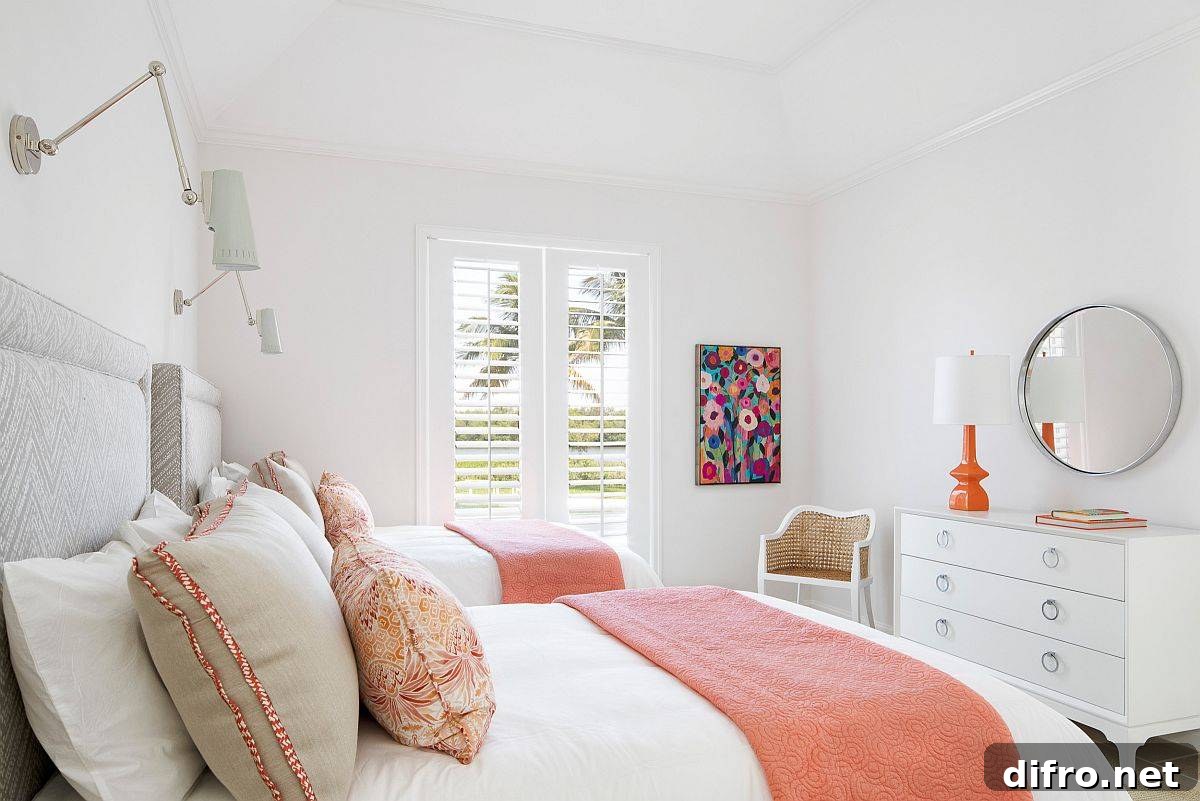
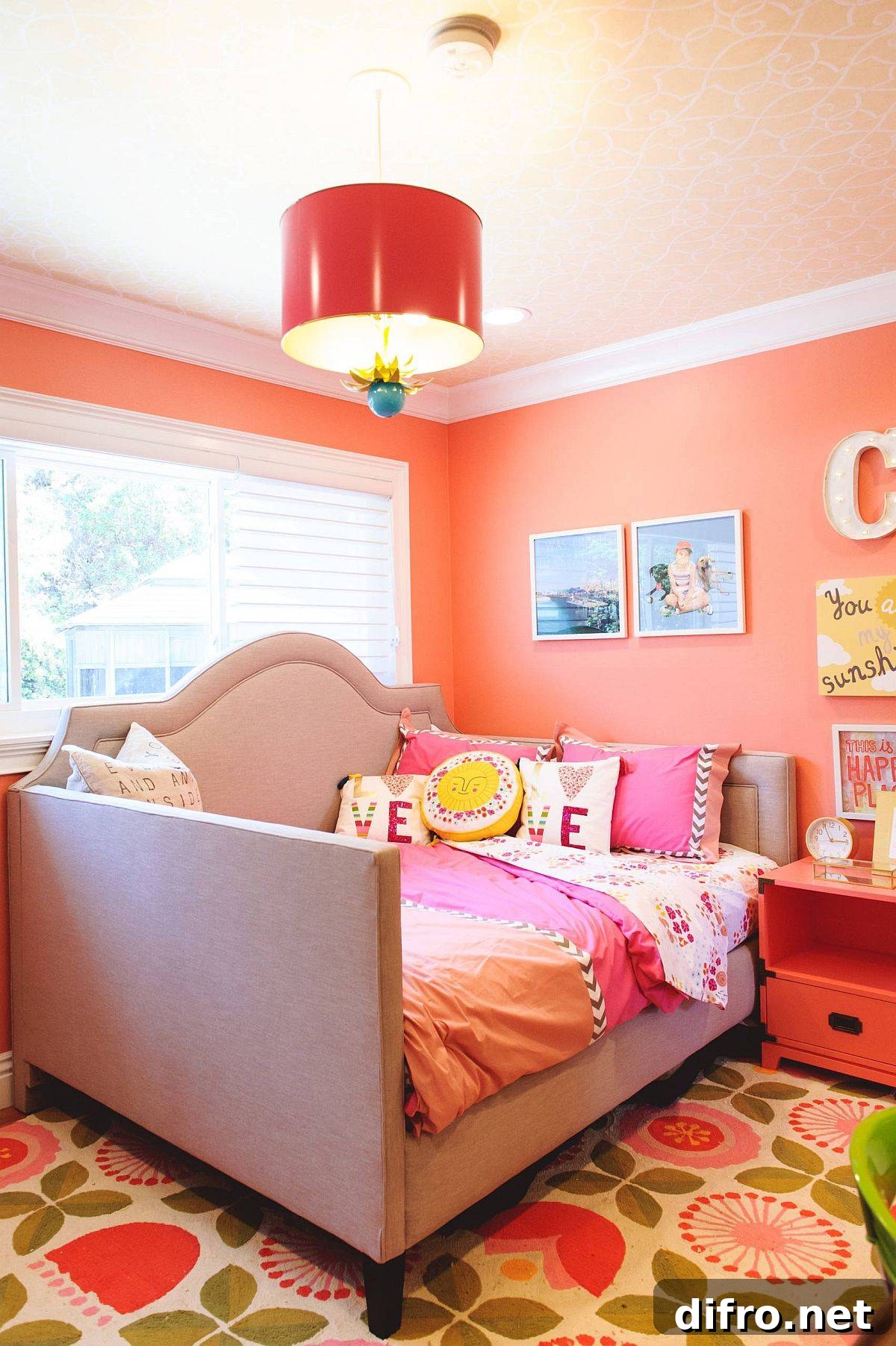
Coral is a lively, versatile color that captures both the warmth of summer and the subtlety of transitional seasons. It works beautifully in modern, beach-style and contemporary rooms, and it can be an attractive alternative to the ubiquitous pink in girls’ rooms. Coral looks great as an accent wall, a painted headboard, or in soft furnishings like curtains and throw pillows. Pair coral with warm neutrals—cream, light wood tones and soft grays—or contrast it with teal or navy for an energetic, balanced scheme. For a child’s room, choose low-VOC, durable paints and consider washable finishes for areas that will see lots of activity.
Terracotta Makes an Impact
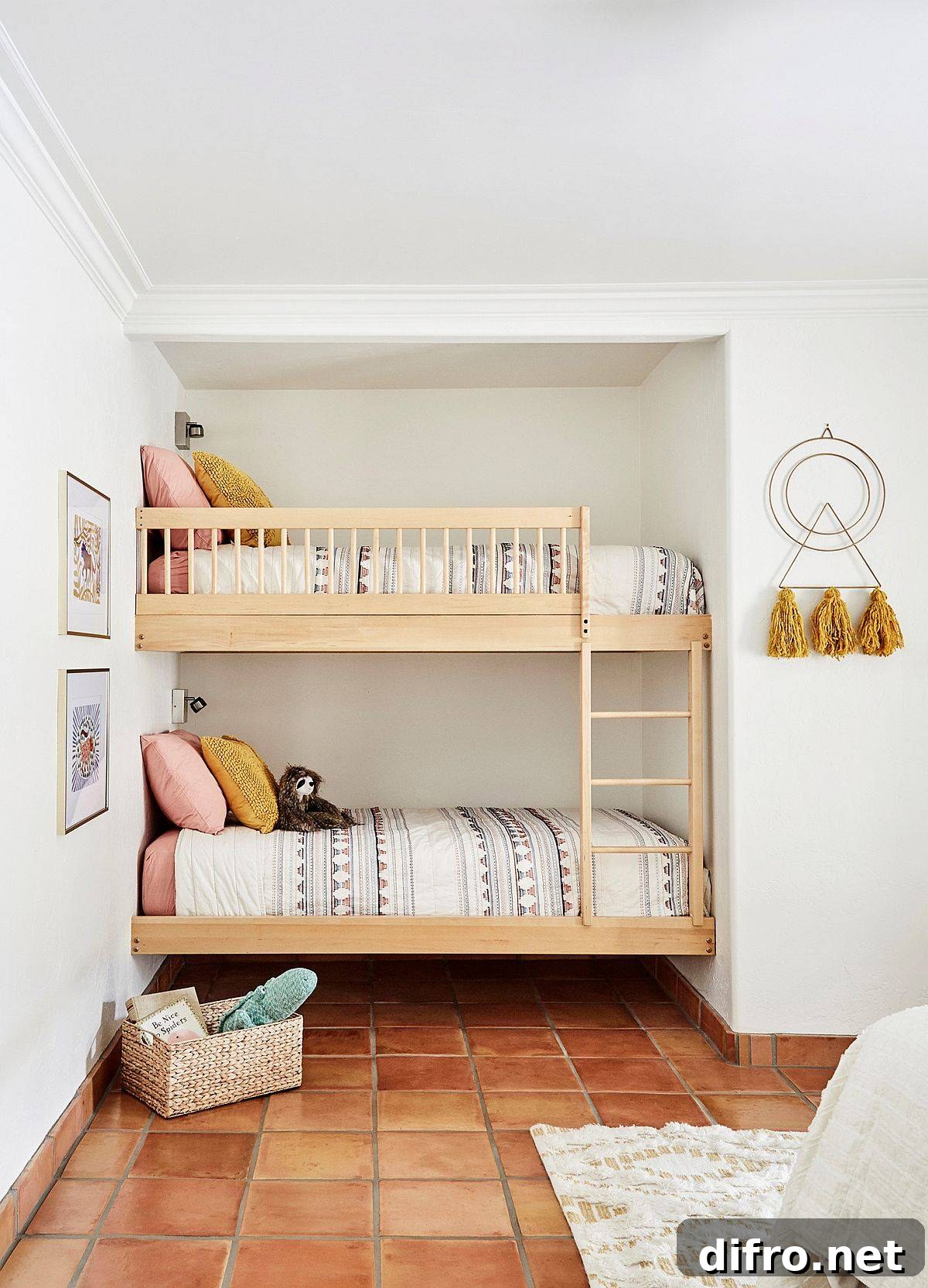
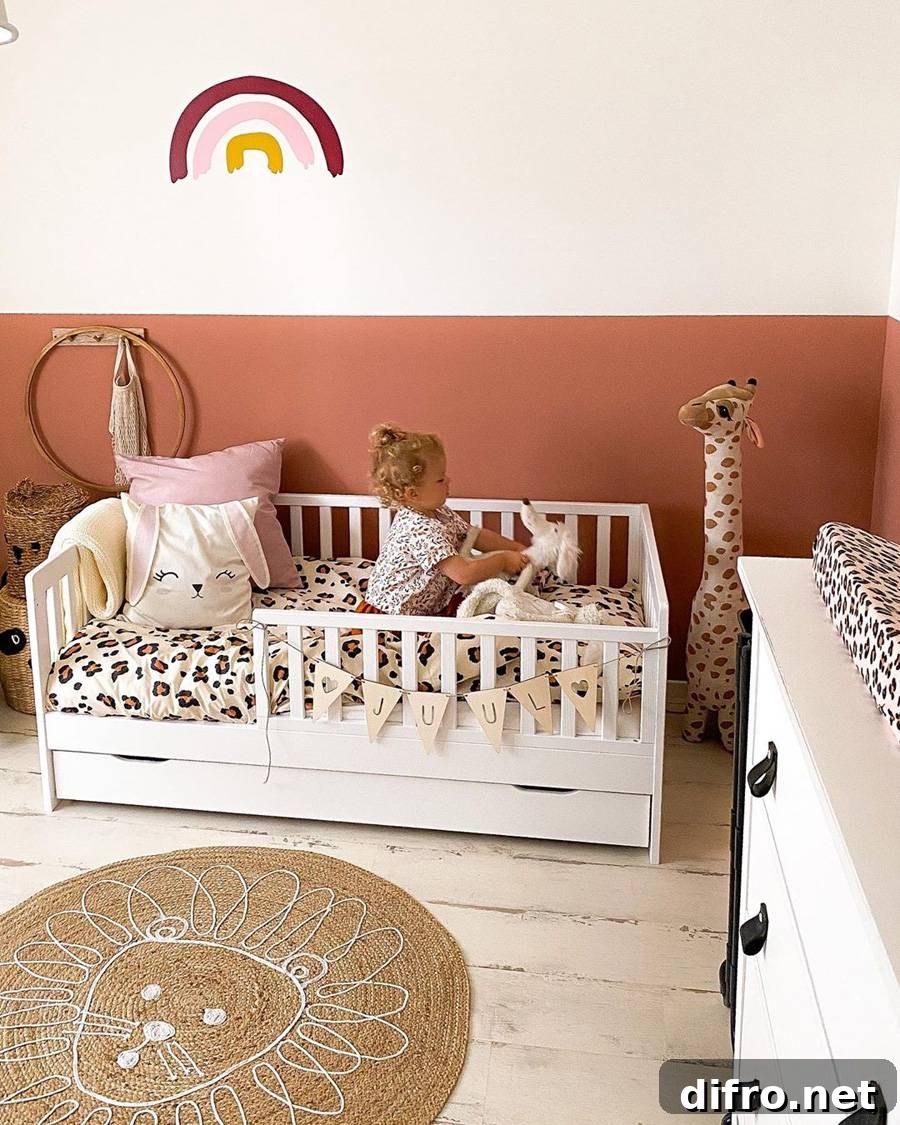
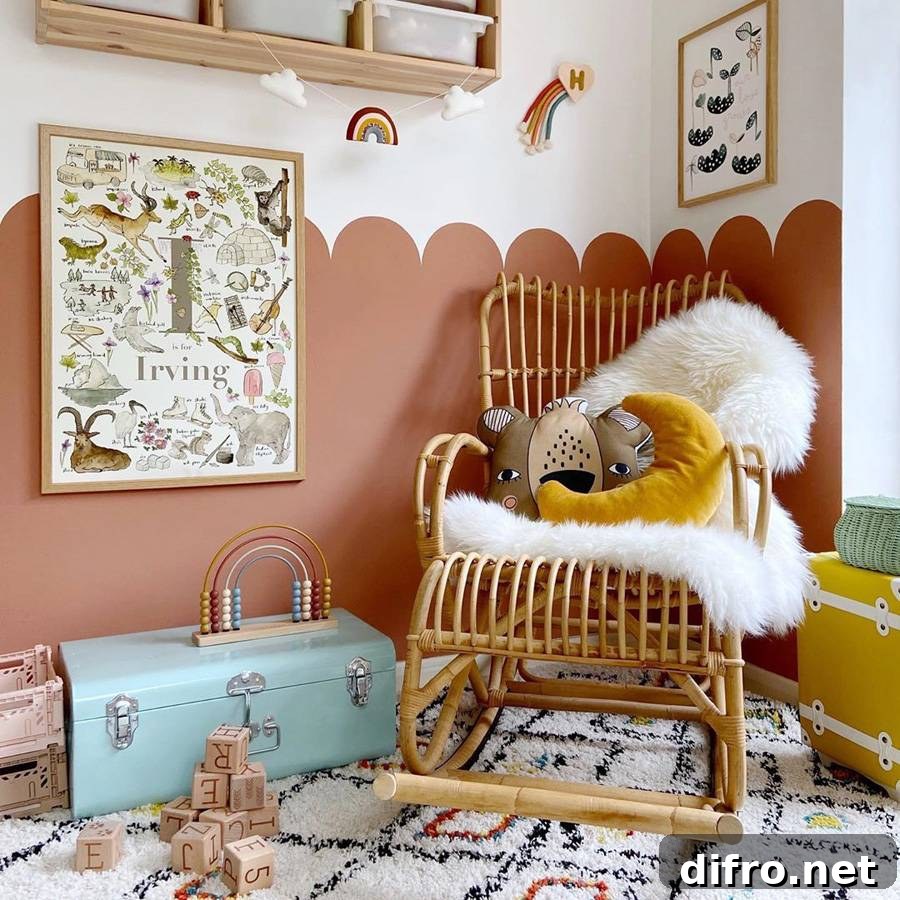
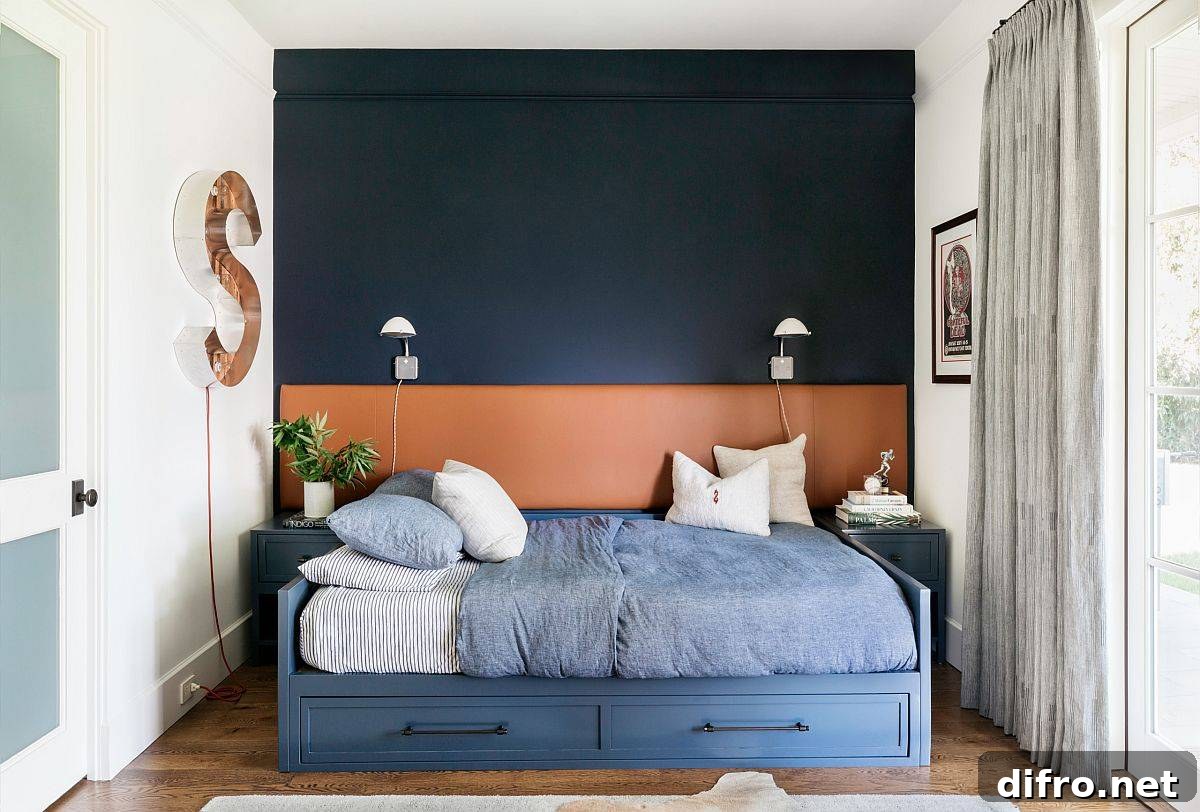
Terracotta offers a warm, grounded tone that’s surprisingly child-friendly and versatile. This earthy color brings a cozy, sculptural quality to a nursery, toddler room or shared bedroom. Use terracotta on an accent wall, for built-in shelving, or in textiles like rugs and cushions. It pairs beautifully with crisp white, soft beiges, clay and natural wood finishes. Terracotta also works well with botanical accents—think potted plants or green textiles—to create a calm, inviting environment. Because terracotta can be strong, balance it with lighter surfaces and ample natural light to prevent the space from feeling heavy.
Less-Used Greens
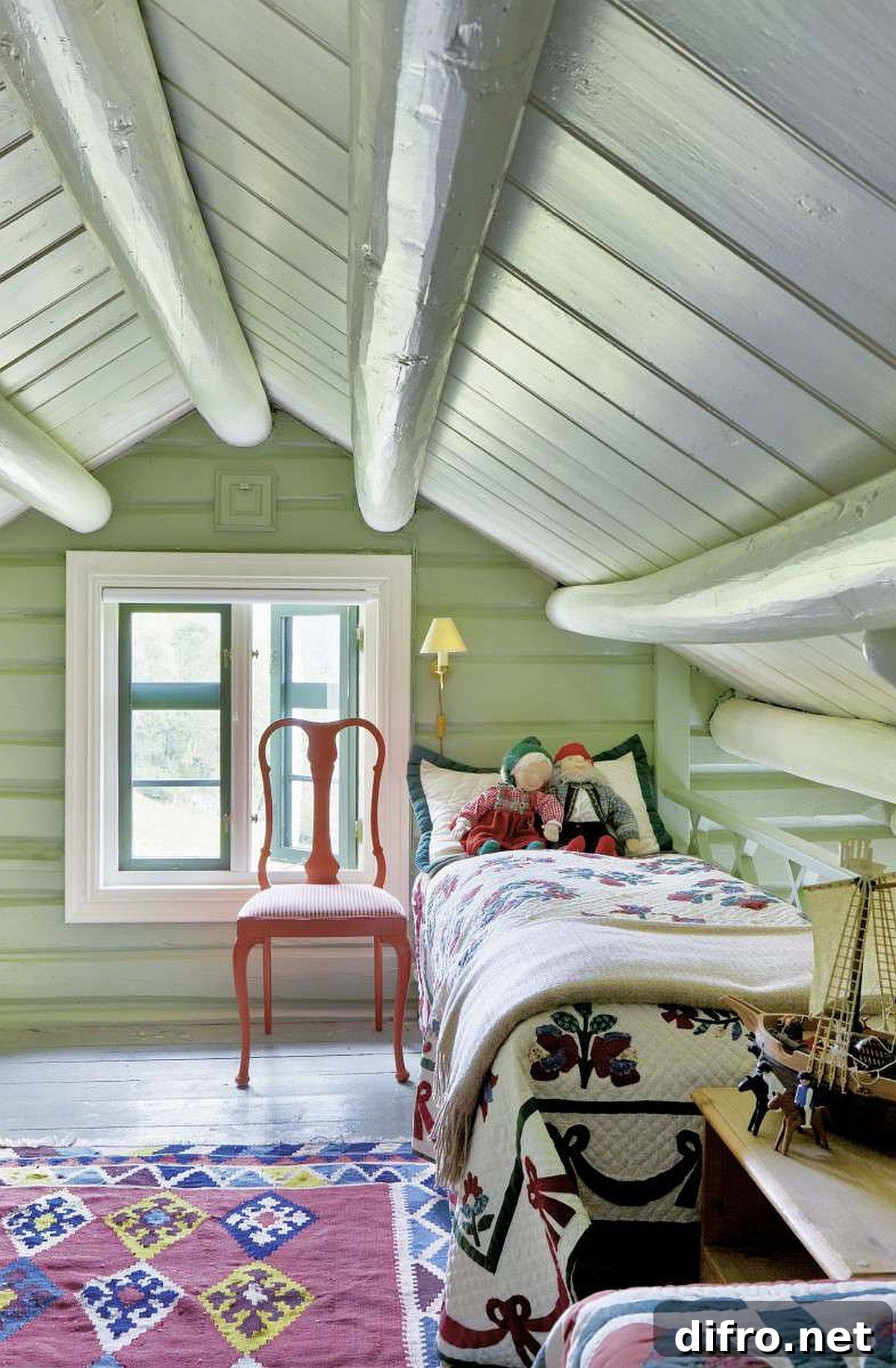
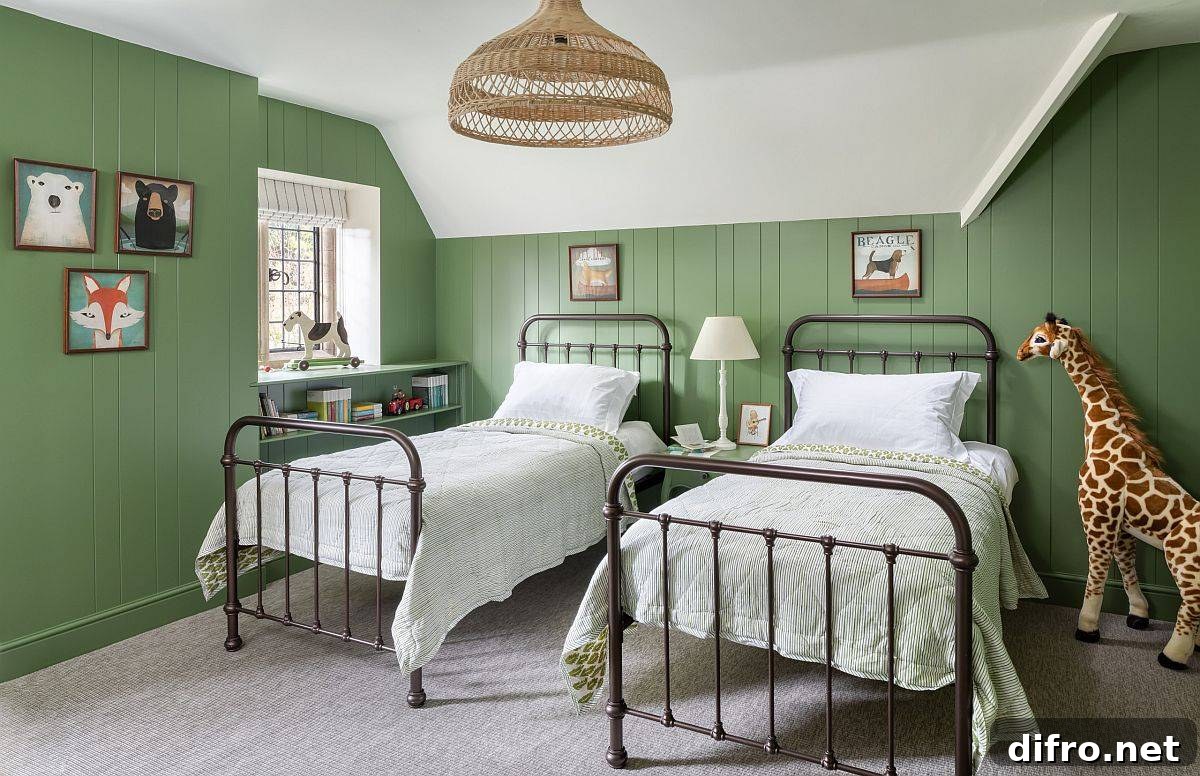
Green is plentiful in nature but less commonly used in children’s bedrooms compared with blues and reds. It’s an excellent choice for parents seeking a refreshing yet calming backdrop. From soft sage and pistachio to richer olive tones, green supports a wide range of design themes including botanical, cabin and Scandinavian looks. It’s a natural partner for wooden furniture, woven textures and white trim. Green promotes a restful atmosphere for sleep, but brighter greens or lime accents can add playfulness in study or play areas. Consider accentuating green with nature-inspired decals, shelf displays of plants or educational wall maps to make the room both beautiful and stimulating.

Black with an Edgy Vibe
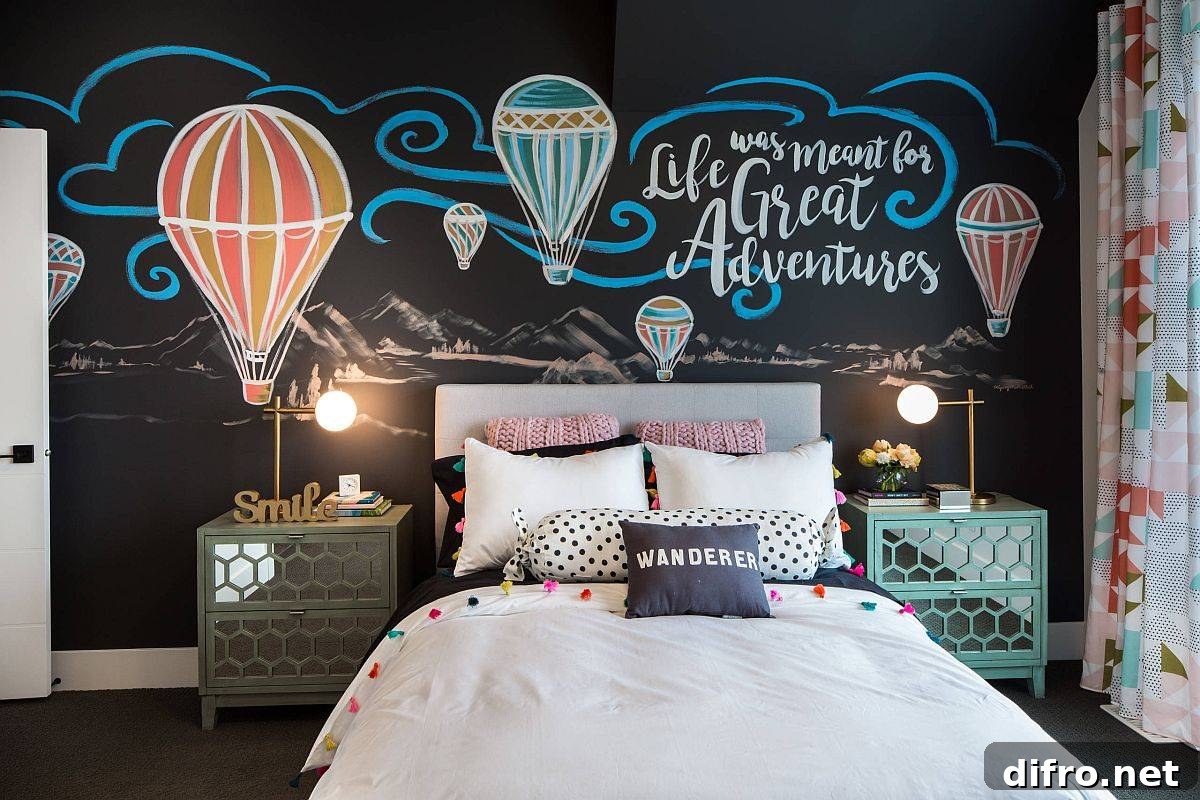
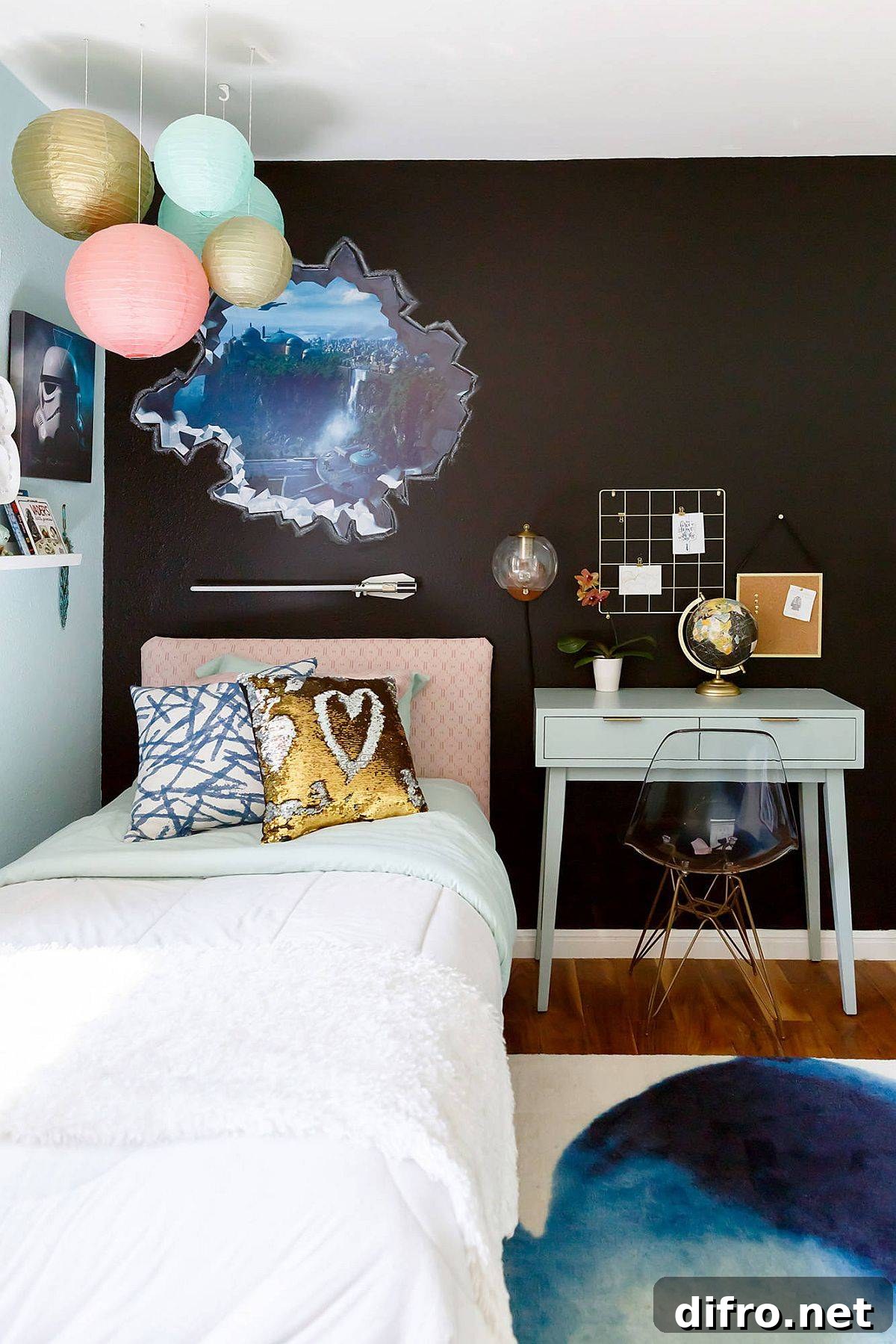
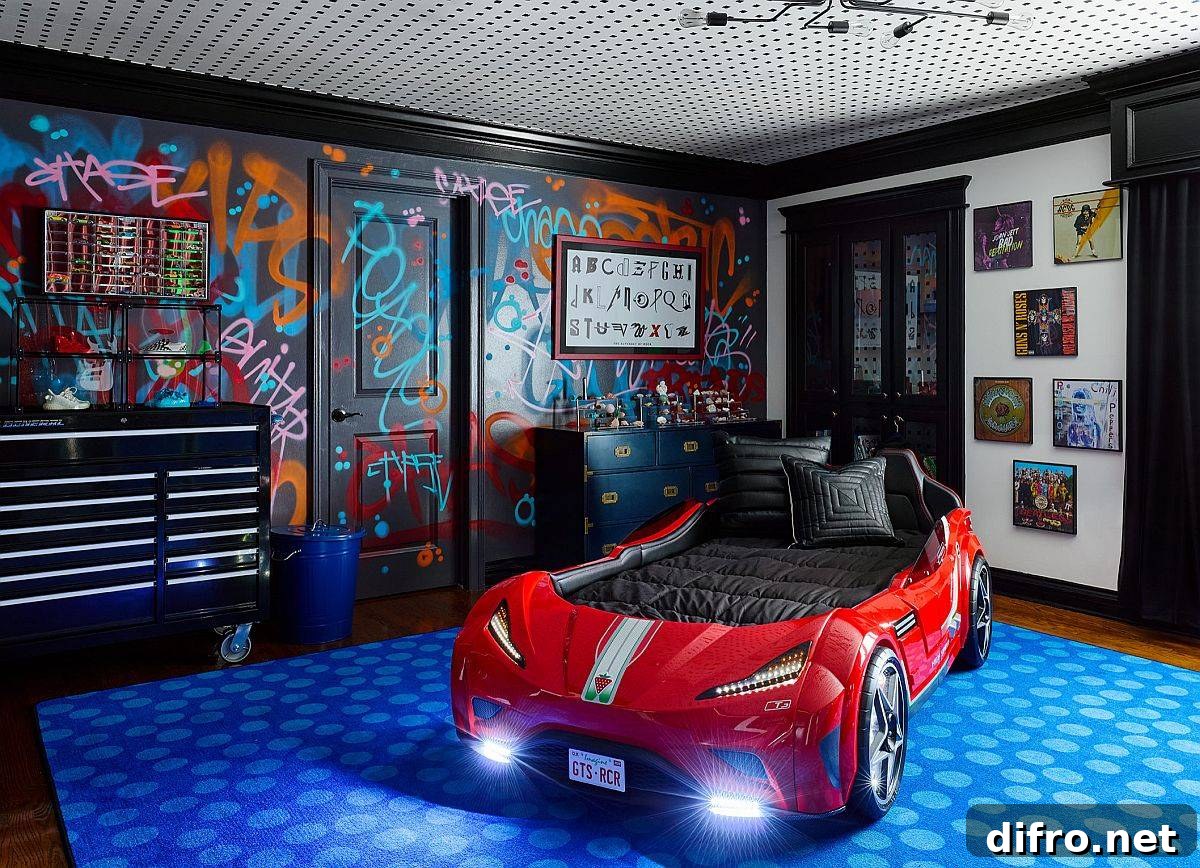
Black may seem unexpected in a child’s room, but used thoughtfully it creates a bold, modern statement. Black works particularly well in tween and teen bedrooms where a sophisticated, grown-up look is desired. Try black as a focal wall behind a bed, in graphic murals or as a background for shelving that highlights colorful toys and artwork. Pair black with bright accents—orange, cyan or hot pink—to keep the space lively. Matte black finishes reduce glare and look contemporary; ensure there is plenty of contrast with lighter furniture and soft textiles so the room remains welcoming rather than severe.
Refined and Spunky Orange
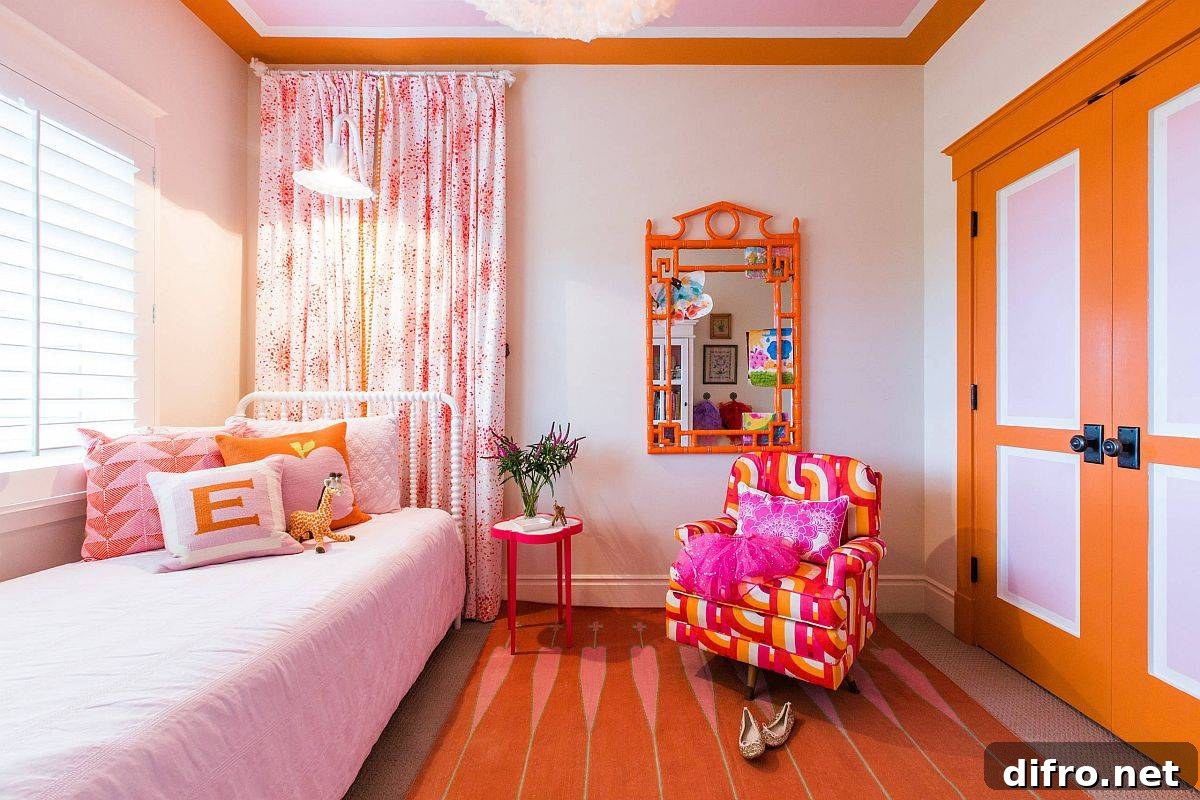
Orange is energetic and playful, making it a natural fit for modern kids’ rooms when applied with restraint. Because of its visual punch, orange works best as an accent—on a feature wall, ceiling detail, lighting fixtures or upholstered pieces. A matte finish often reads more refined than glossy alternatives and helps orange sit comfortably within a broader palette. Combine orange with softer tones like blush, warm gray or natural wood to avoid overstimulation. For families who want to reflect personality and vibrancy without overwhelming the space, small doses of orange through accessories and décor are an effective approach.
When choosing any of these colors, consider the child’s age, natural light, and how the room will be used. Accent walls, textiles and interchangeable décor items are low-commitment ways to try something new without a full redecoration. Opt for non-toxic, washable paints and durable finishes to keep the room looking fresh while supporting a healthy environment for play and rest.