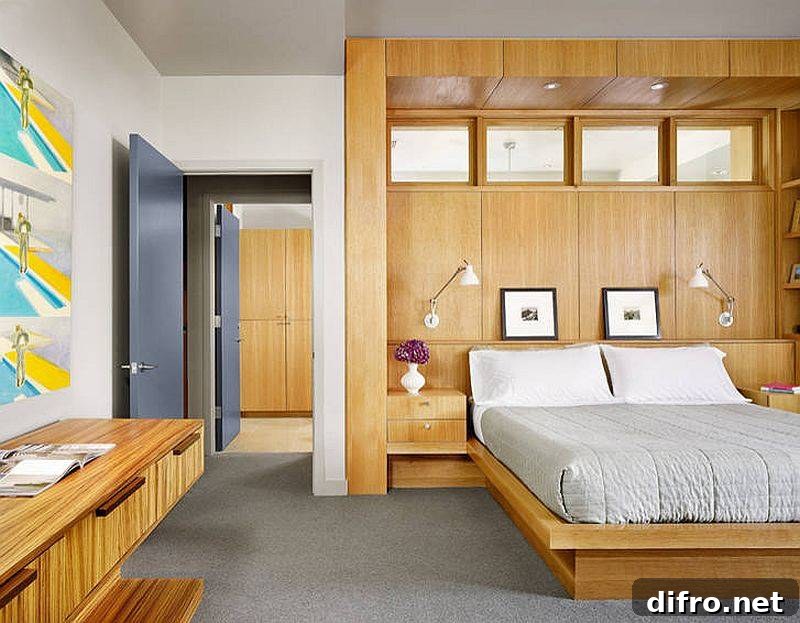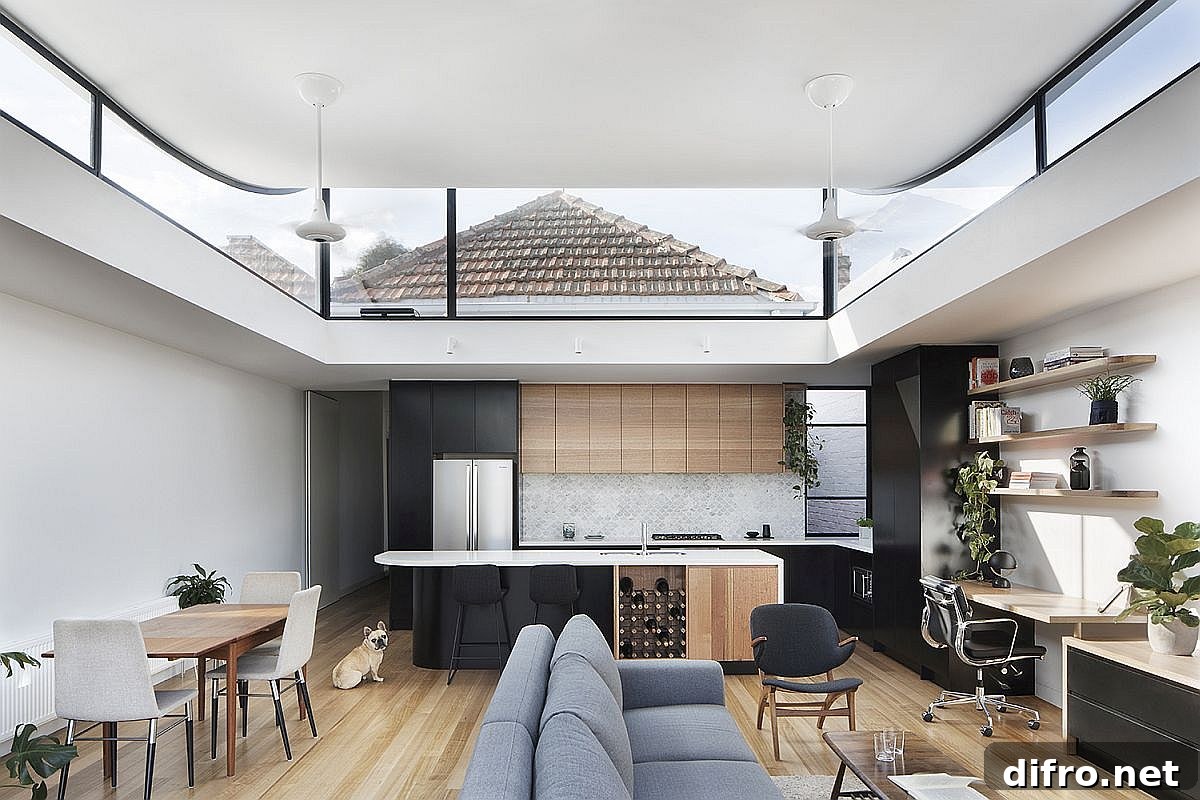
Architectural and interior design often include elements that seem surprisingly rare given how useful and versatile they are. From bold, colorful ceilings to timber-slat partitions, many thoughtful features remain underused. One such overlooked gem is the clerestory window—pronounced “clear-story.” Originating in Roman and Gothic architecture, clerestory windows are set above eye level and reappear in modern design as an elegant way to bring natural light, privacy and architectural interest into contemporary homes.
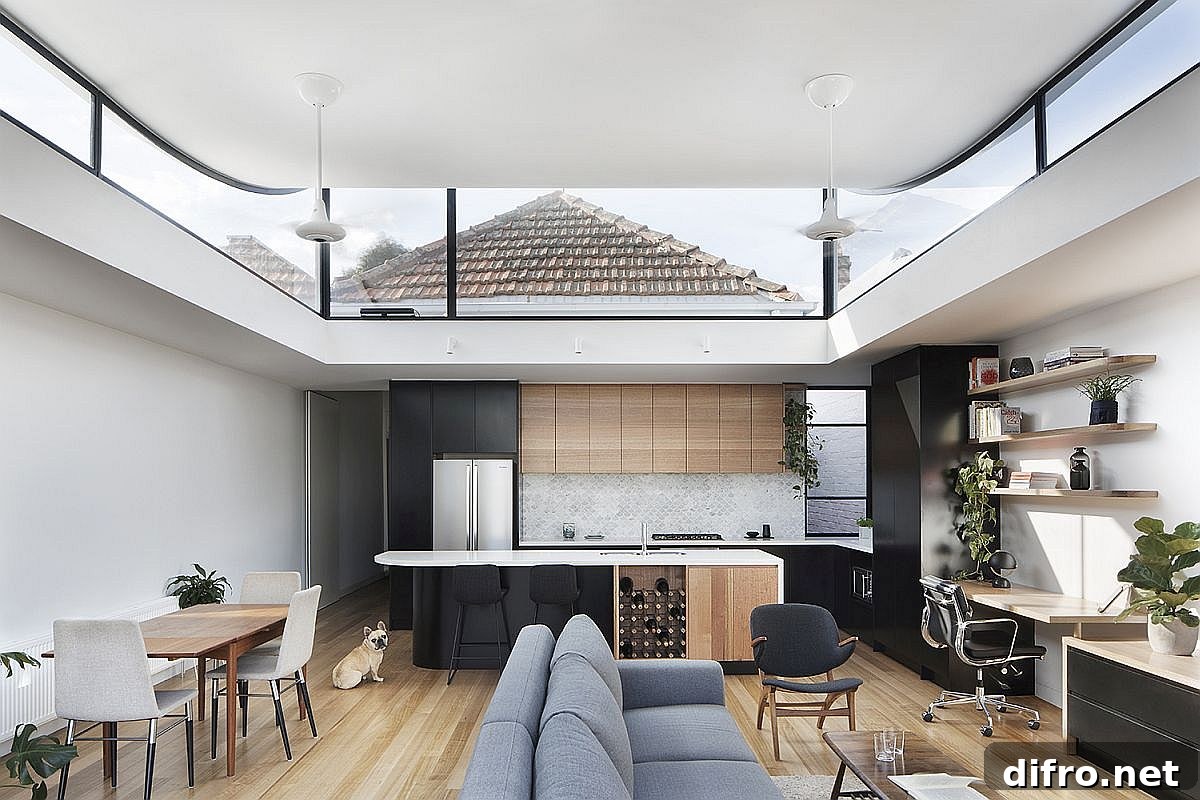
Any window placed notably above the typical sightline qualifies as a clerestory. Because they sit high on the wall, clerestory windows allow daylight to penetrate deep into a space while preserving privacy. They are particularly valuable in compact urban homes and tight floor plans where standard windows are limited or face neighboring properties. Functional and decorative, clerestory windows can transform interiors—softening shadows, reducing reliance on artificial lighting, and bringing a sense of openness without sacrificing intimacy.
Light, Bright and Cheerful
Natural light has a profound effect on mood and well-being. No layer of artificial lighting fully duplicates the quality of daylight: its color rendering, shifting intensity and the way it models surfaces. Clerestory windows deliver unobstructed daylight throughout the day, bridging the gap between conventional windows and skylights. In a bedroom, for example, a clerestory placed above a partition or between public and private zones can admit daylight without compromising privacy—ideal for urban homes where sightlines are a concern.
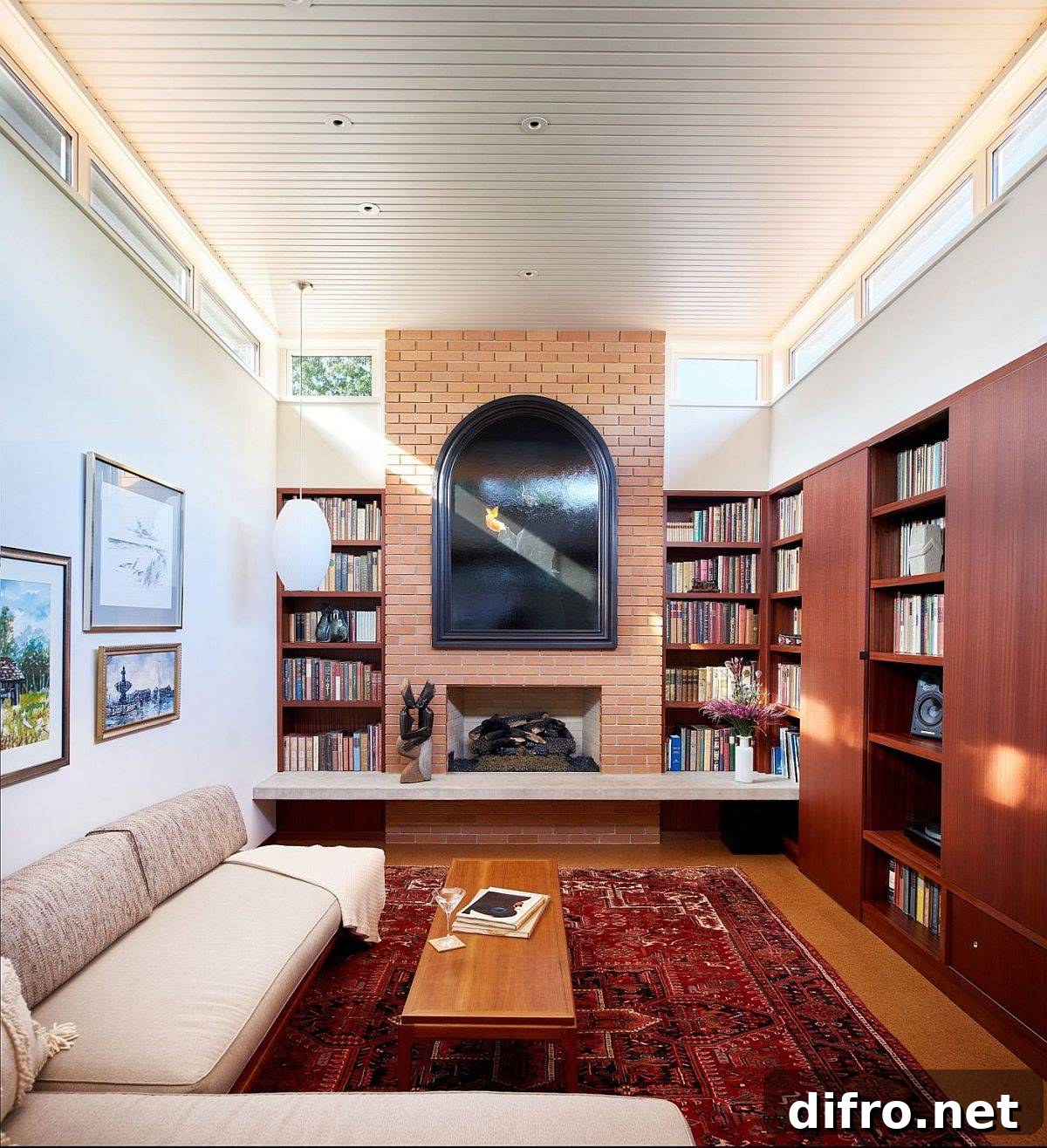
Clerestory windows can be scaled to fit a single room or used across multiple rooms and levels to create dynamic daylighting strategies. They also pair well with high ceilings and open-plan designs, accentuating vertical space and producing a light, airy atmosphere.
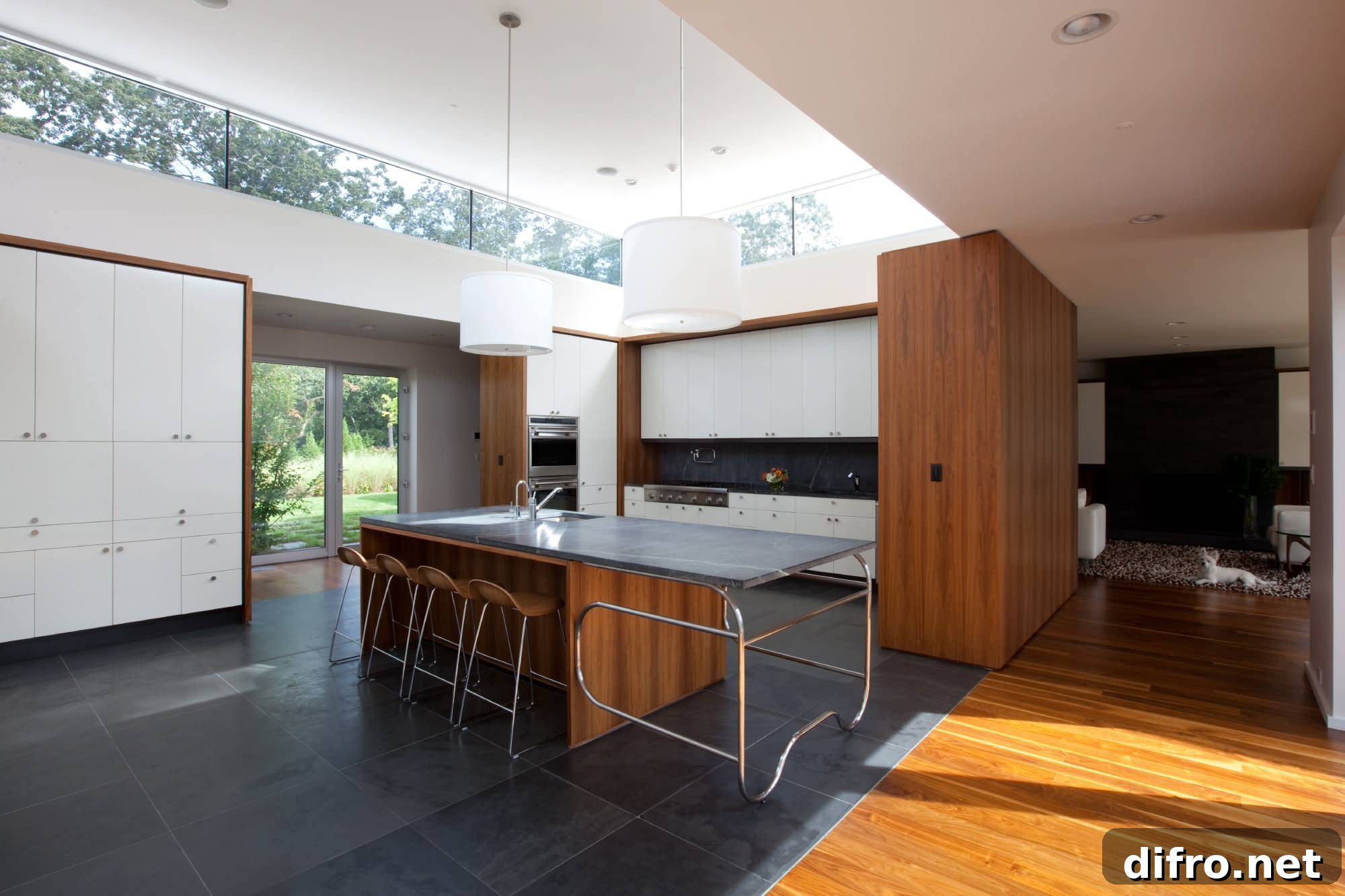
Getting the Direction Right
Orientation and height are the most important decisions when planning clerestory windows. North-facing clerestories provide steady, cool daylight and are well suited to warm climates because they admit light without intense solar heat. South-facing clerestories capture more sun and can contribute passive solar gain in cooler climates. East- and west-facing placements bring morning or late-afternoon light, respectively, which can be useful for balancing daily light cycles.
Consider glazing performance when choosing placement. Low-emissivity (low-E) coatings, insulated frames and appropriate glazing reduce unwanted heat loss or gain while preserving daylight. Operable clerestory windows add cross-ventilation opportunities and can help flush hot air from high ceilings. The exact mounting height should let light reach deep into the room while keeping views and privacy under control.
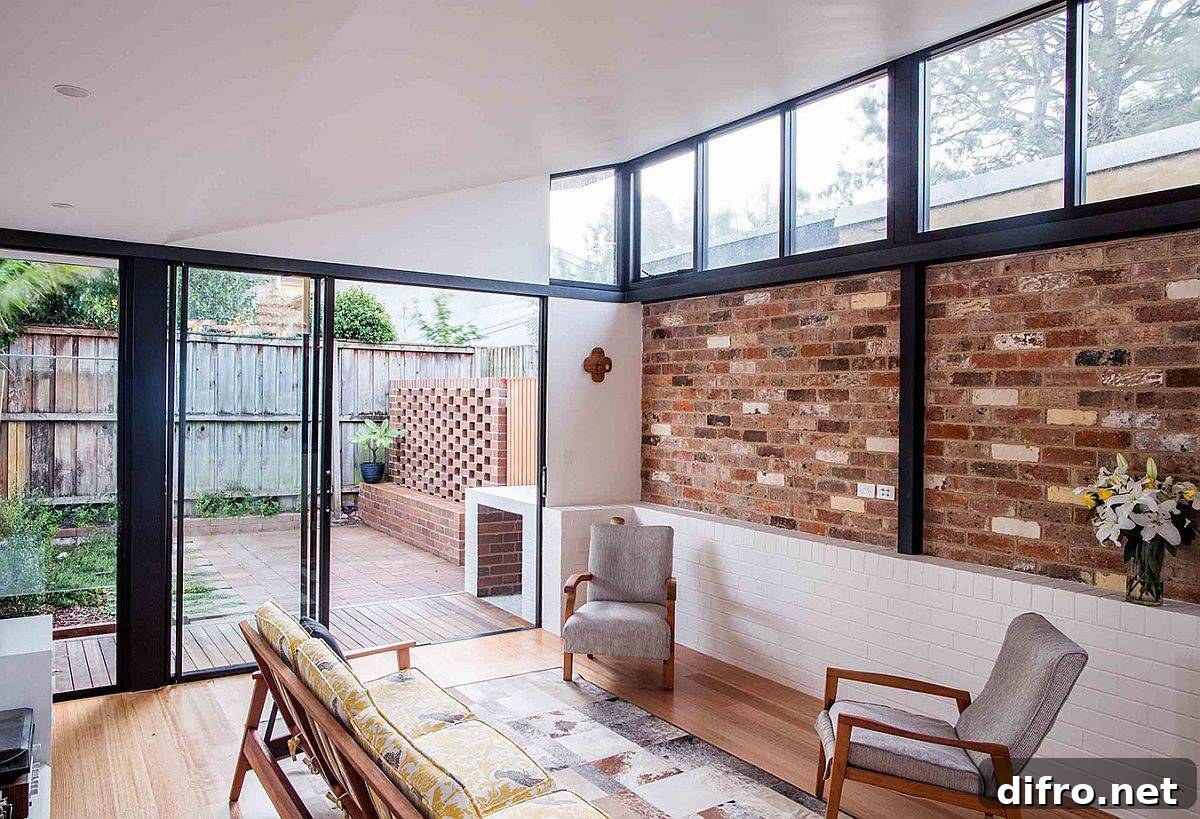
Stylish and Energy-Saving
Clerestory windows are surprisingly versatile. Although rooted in classical architecture, their contemporary iterations suit many aesthetics—from minimal and modern to rustic and eclectic. They can be narrow ribbons of glass, tall vertical panes, triangular infills that follow rooflines, or grouped windows at staggered heights to create rhythm and visual interest.
Beyond style, clerestory windows deliver measurable energy benefits. By increasing daylighting, they lower the need for daytime electric lighting. When used thoughtfully with orientation and high-performance glazing, clerestories can reduce heating and cooling demands—helping homes stay cooler in summer and warmer in winter. They also enable passive ventilation when operable, improving indoor air quality and comfort.
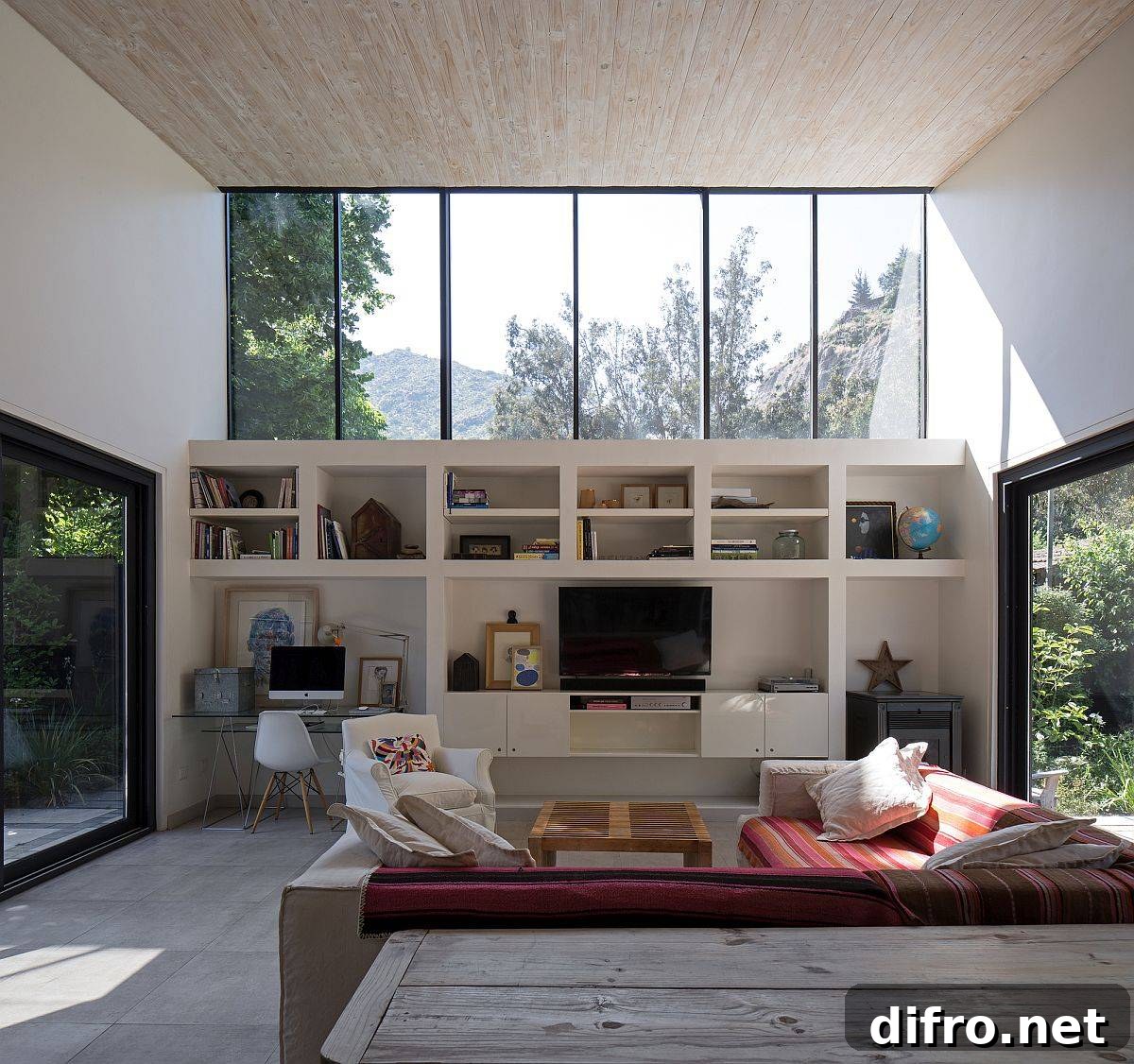
Design tips:
- Align mullions or window proportions with interior elements, such as ceiling beams, to create cohesive lines and a polished look.
- Mix fixed and operable clerestories—fixed panes for uninterrupted light and operable units for ventilation.
- Use frosted, patterned or high sill glazing where privacy is important while still admitting daylight.
- Consider pairing clerestory windows with sliding doors, wrap-around glazing or internal partitions to share light between spaces.
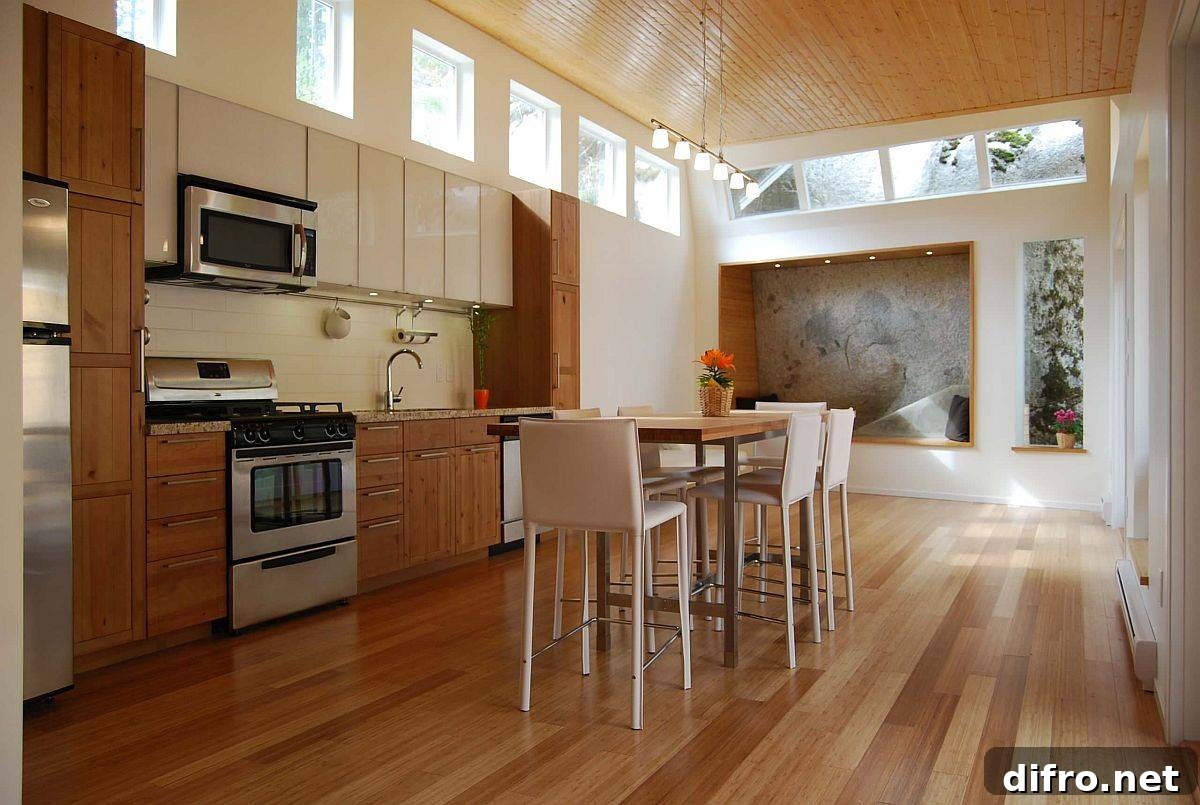
Clerestory windows are a smart, elegant upgrade for many homes. They brighten interiors, protect privacy, enhance ventilation and contribute to energy efficiency—all while adding a refined architectural accent. Whether you are renovating or designing from scratch, placing a clerestory thoughtfully can lift a room’s light, mood and functionality.