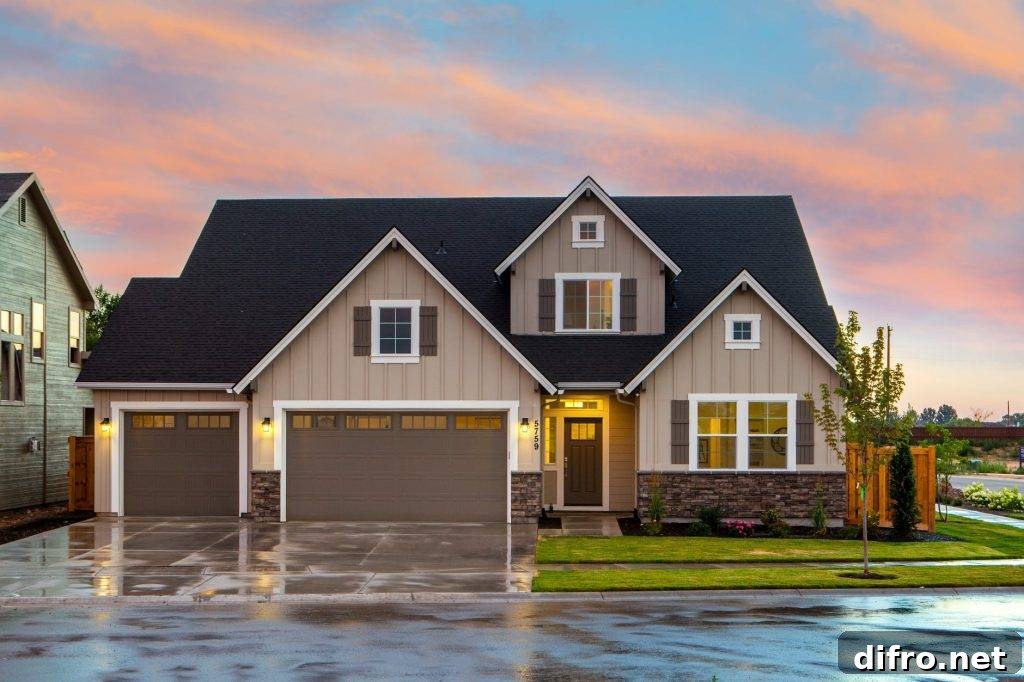
The gable roof, often called a pitched roof, is one of the most common and versatile roof styles. Characterized by two sloping sides that meet at a central ridge, gable roofs shed water and snow effectively and typically cost less to build than more complex roof types such as gambrel or flat roofs. While the basic gable shape is simple, a variety of design variations, materials, and finishes let you tailor the look and function to your home. Below are several popular gable roof styles, their benefits, and a few practical considerations for each.
1. Front Gable Roofs
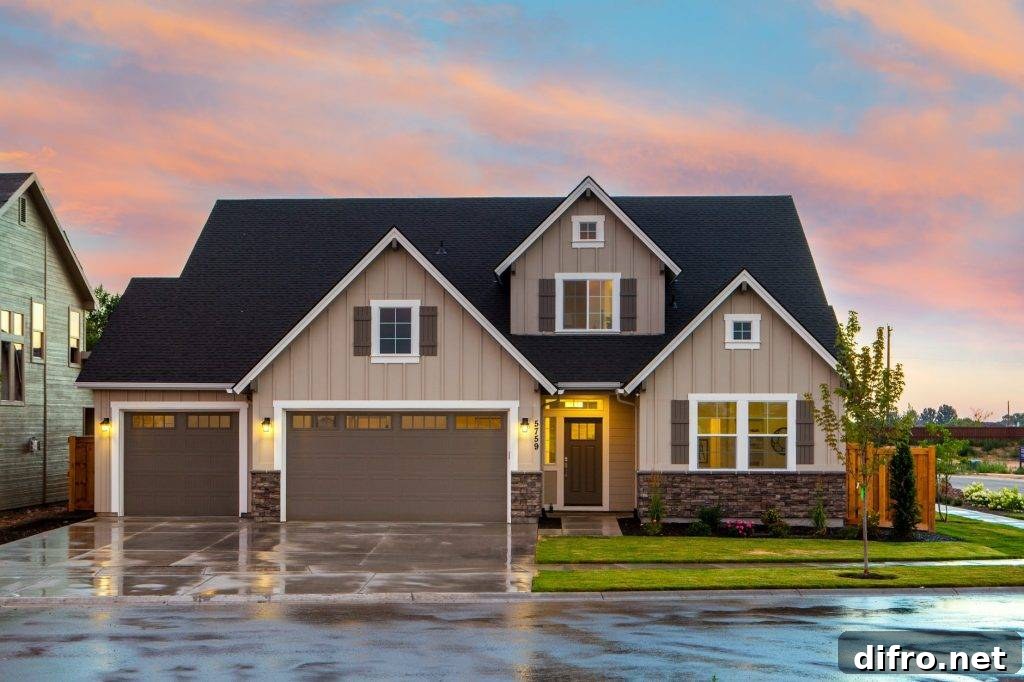
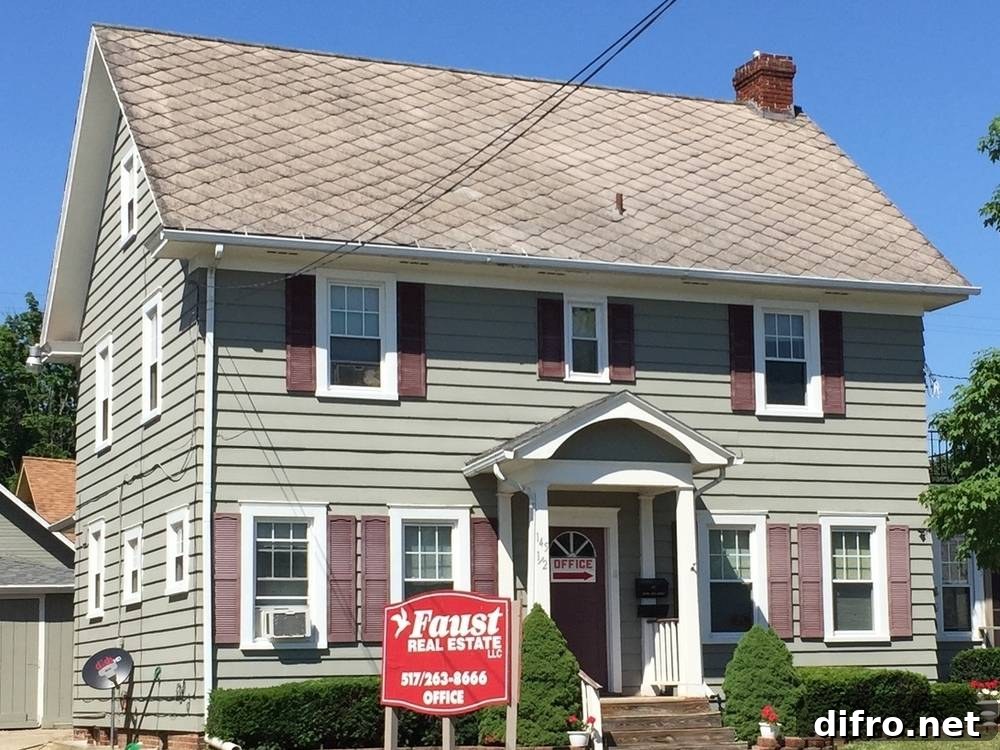
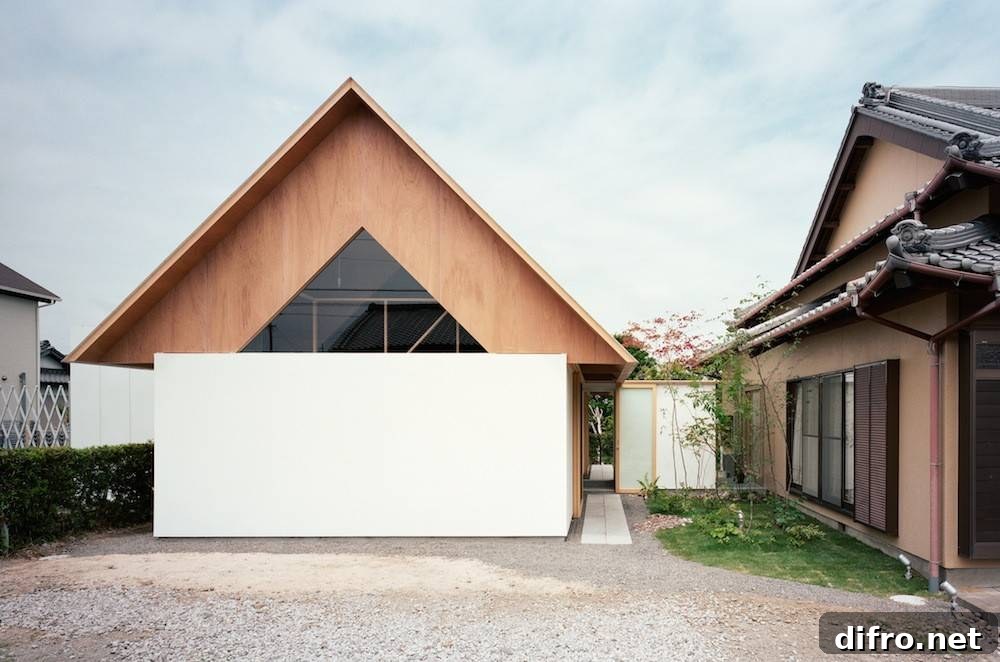
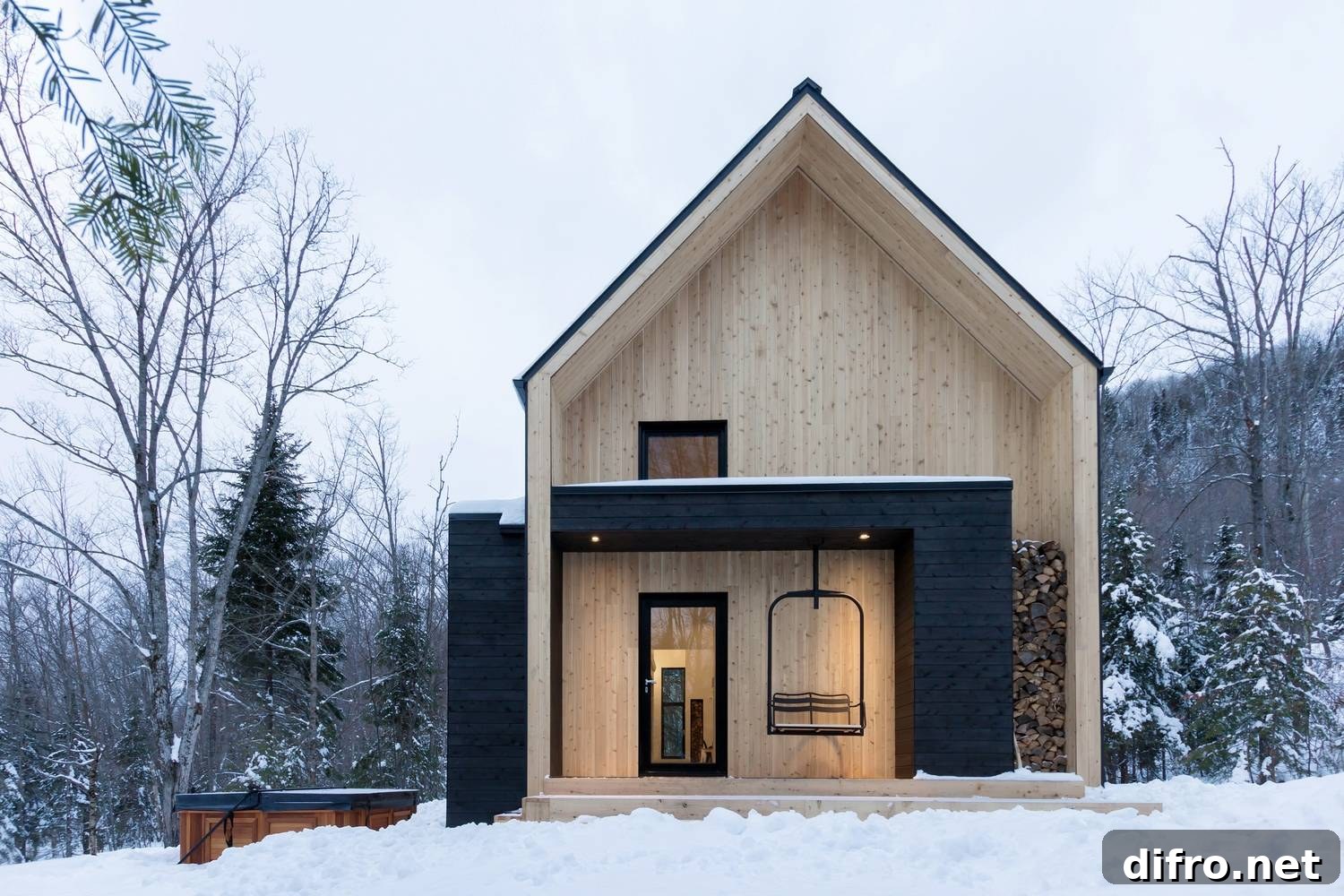
Front gable roofs present the gable end toward the street, creating a strong, familiar silhouette. The front porch gable is often used as a decorative addition or an afterthought to an existing roofline, which makes it a good choice for renovations. A front gable can dramatically improve curb appeal by framing the entry and offering a place for windows or architectural detailing. Be aware that exposed gable ends can be more vulnerable to high winds, so proper bracing and flashing are important. To enhance aesthetics, try contrasting colors or textured materials under the gable, and consider bright, well-placed windows to draw attention to the entry.
2. Dutch Gable Roofs
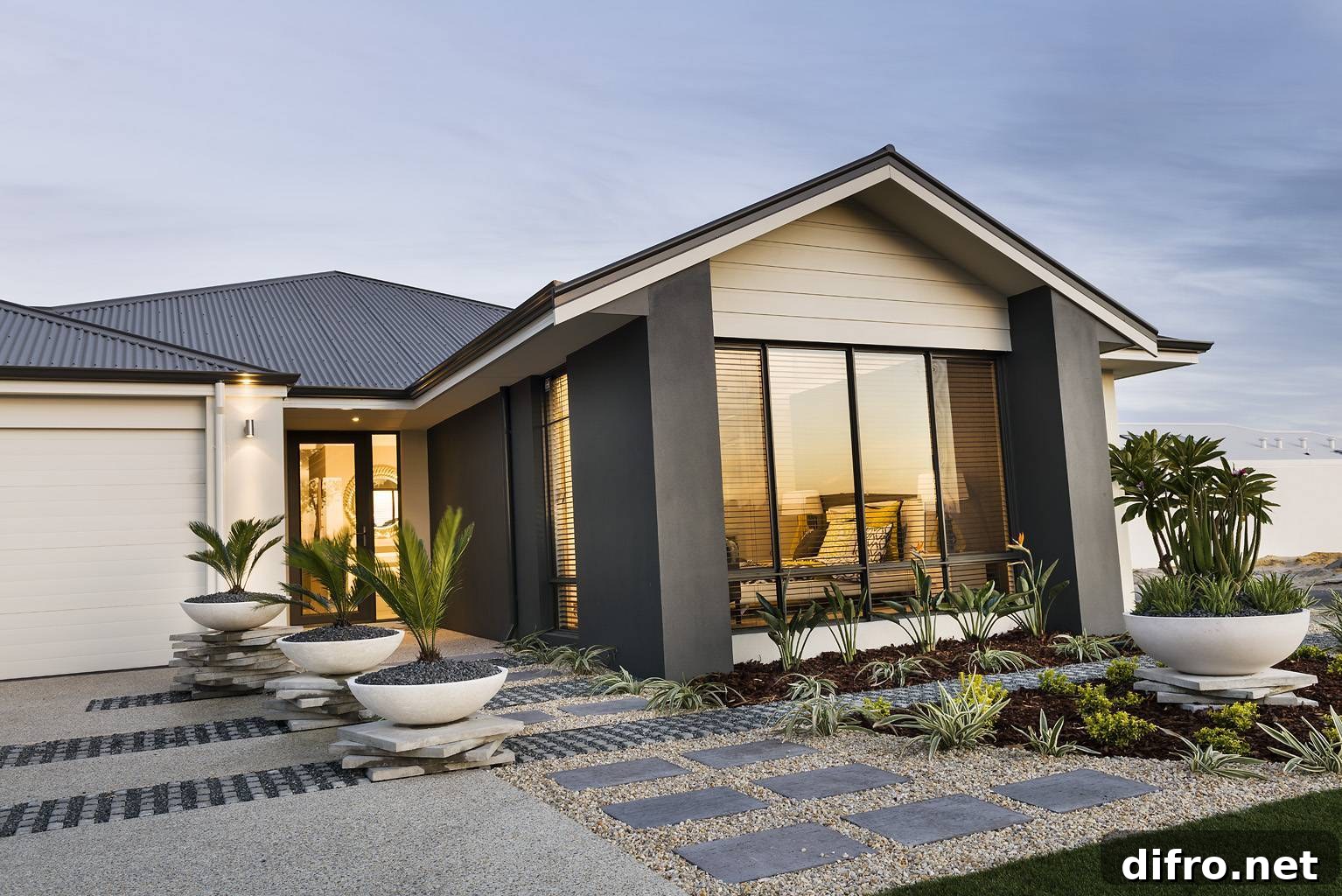
The Dutch gable blends a hip roof with a small gable at the peak, combining the advantages of both types. This hybrid provides a classic hip roof profile with additional vertical space at the top, making it ideal for creating more attic volume or a loft without abandoning the hip roof form. Dutch gables can add architectural interest and improve interior space, but the junctions between hips and gables must be well constructed and flashed to prevent leaks. When properly detailed, a Dutch gable is a stylish solution for homeowners who want both appearance and extra interior room.
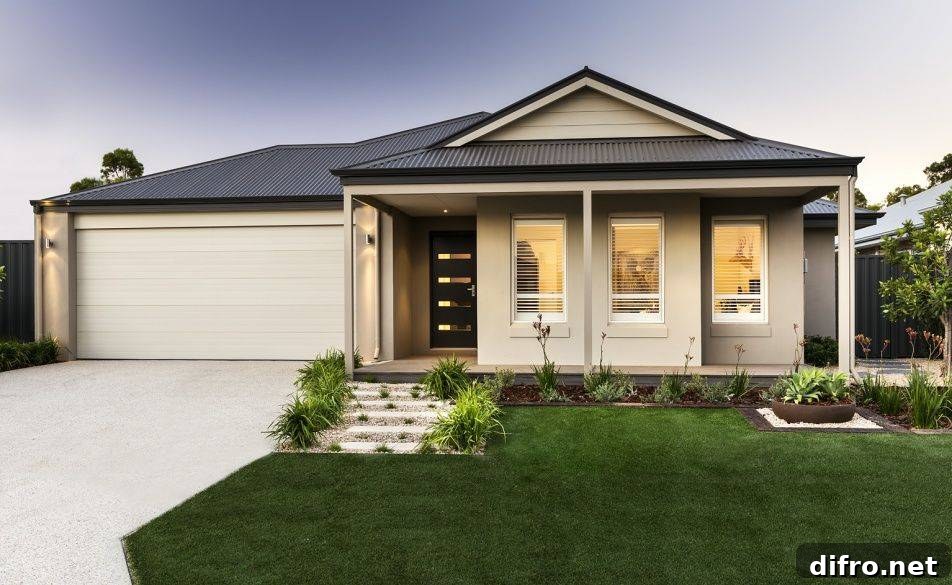
3. Cross Gable Roof
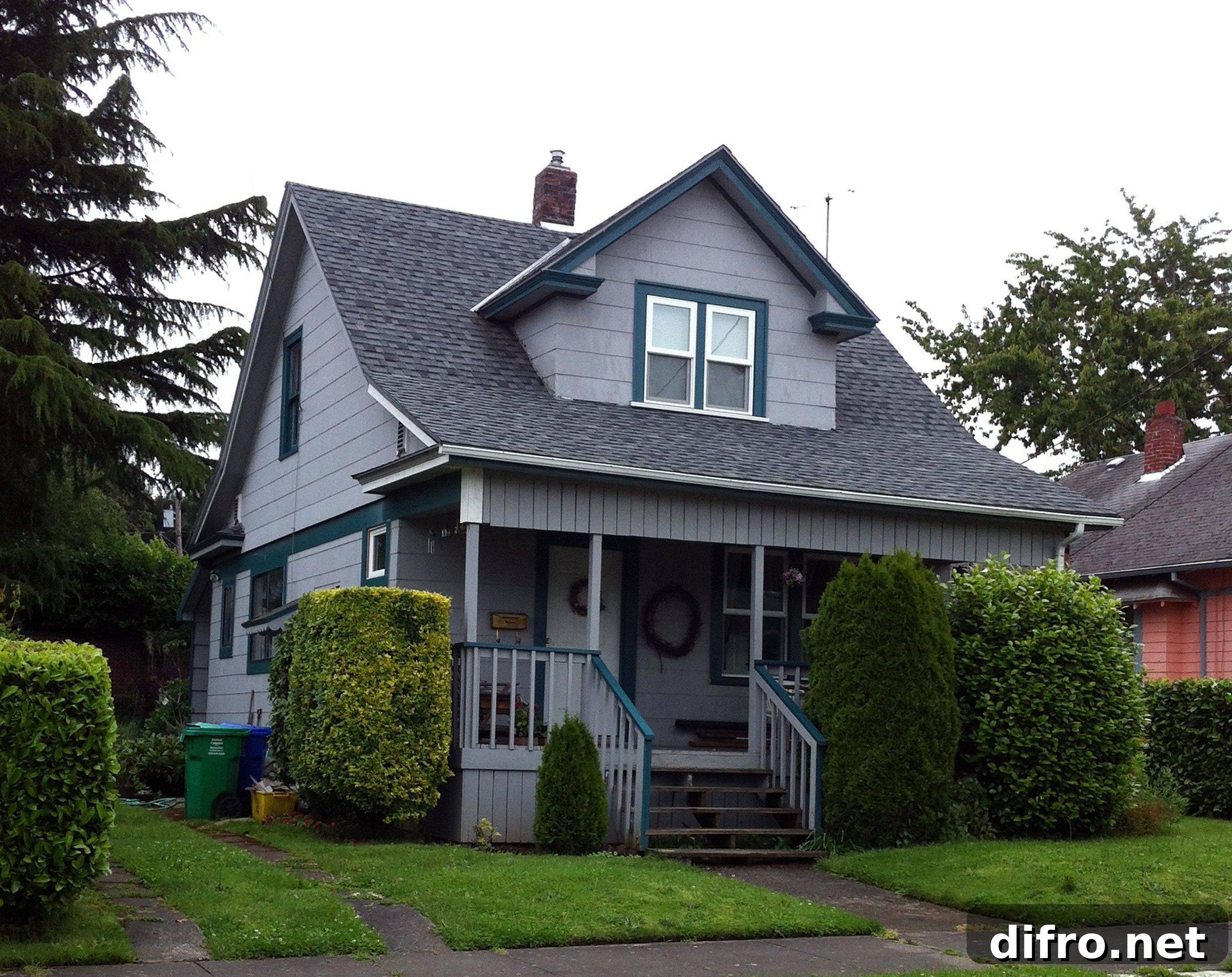
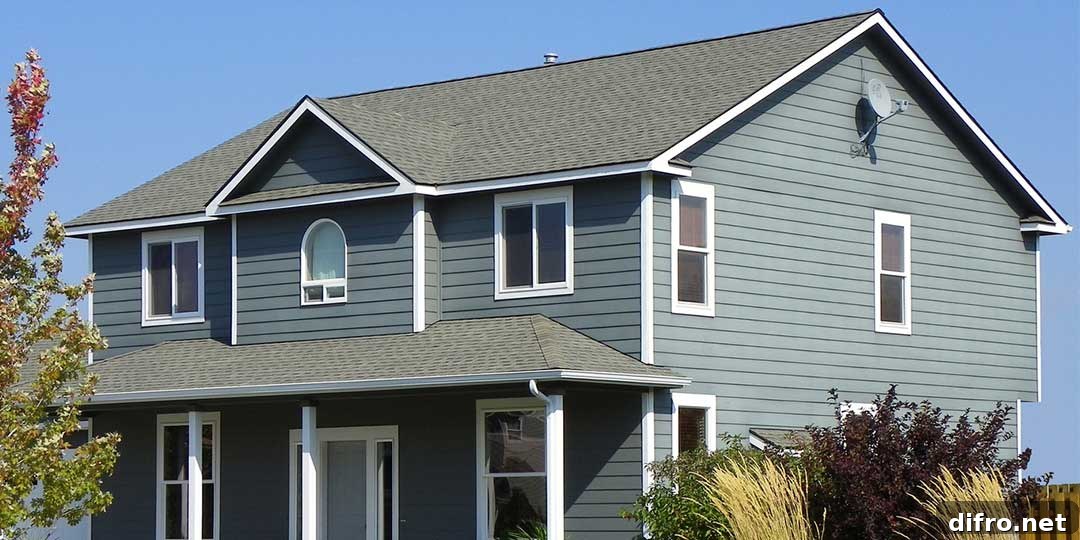
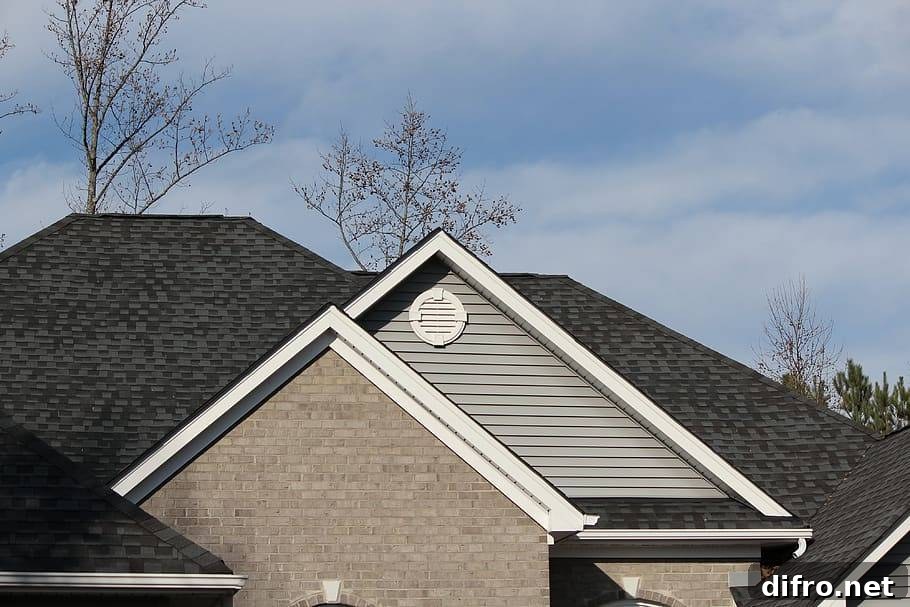
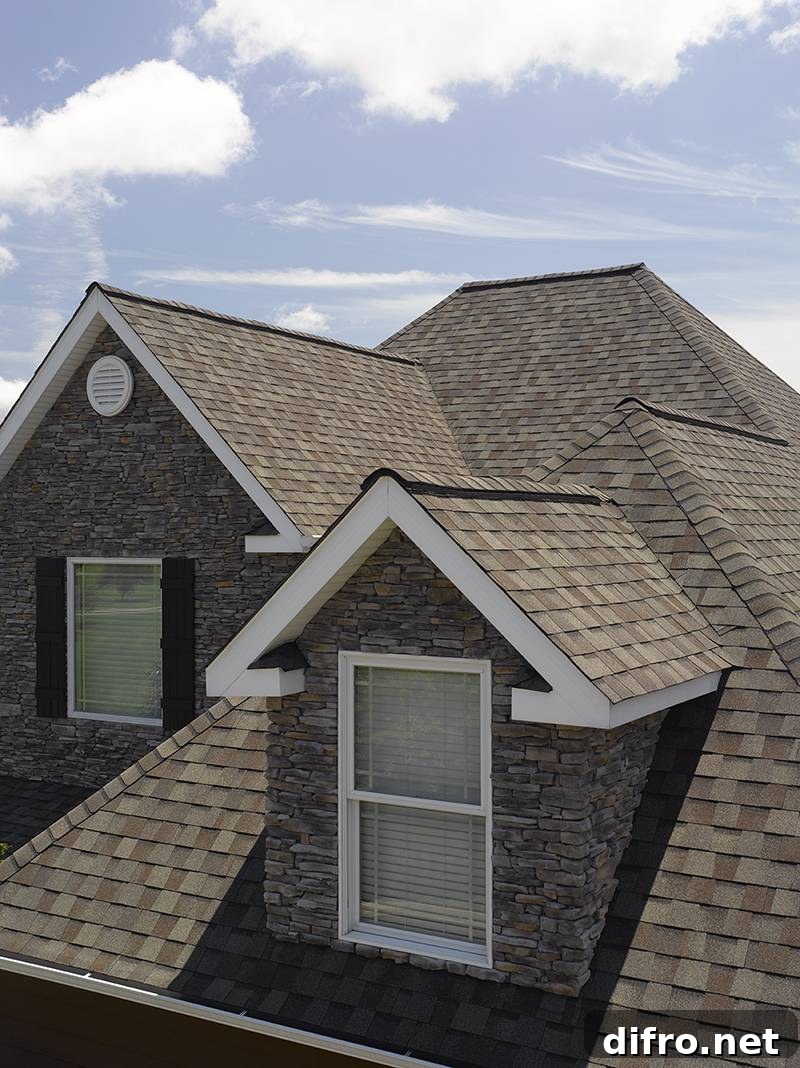
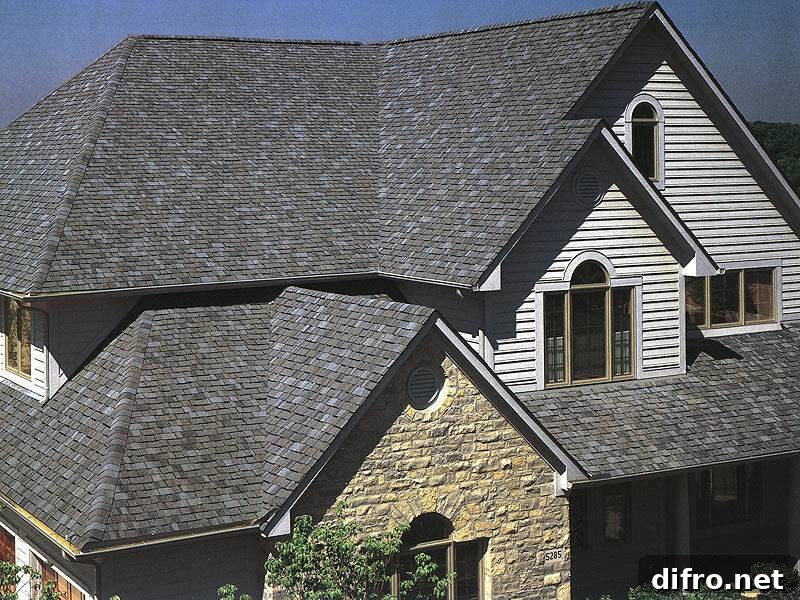
Cross gable roofs join two or more gable roof sections at right angles, creating a dynamic and eye-catching roofline. This arrangement works particularly well for homes with wings or L-shaped plans, and it can multiply usable attic or loft space compared with a single gable. Cross gables add strong visual interest and can be tailored with varying pitches, materials, and detailing. Because intersections and valleys are inherent to the design, careful flashing and drainage planning are essential to avoid water infiltration.
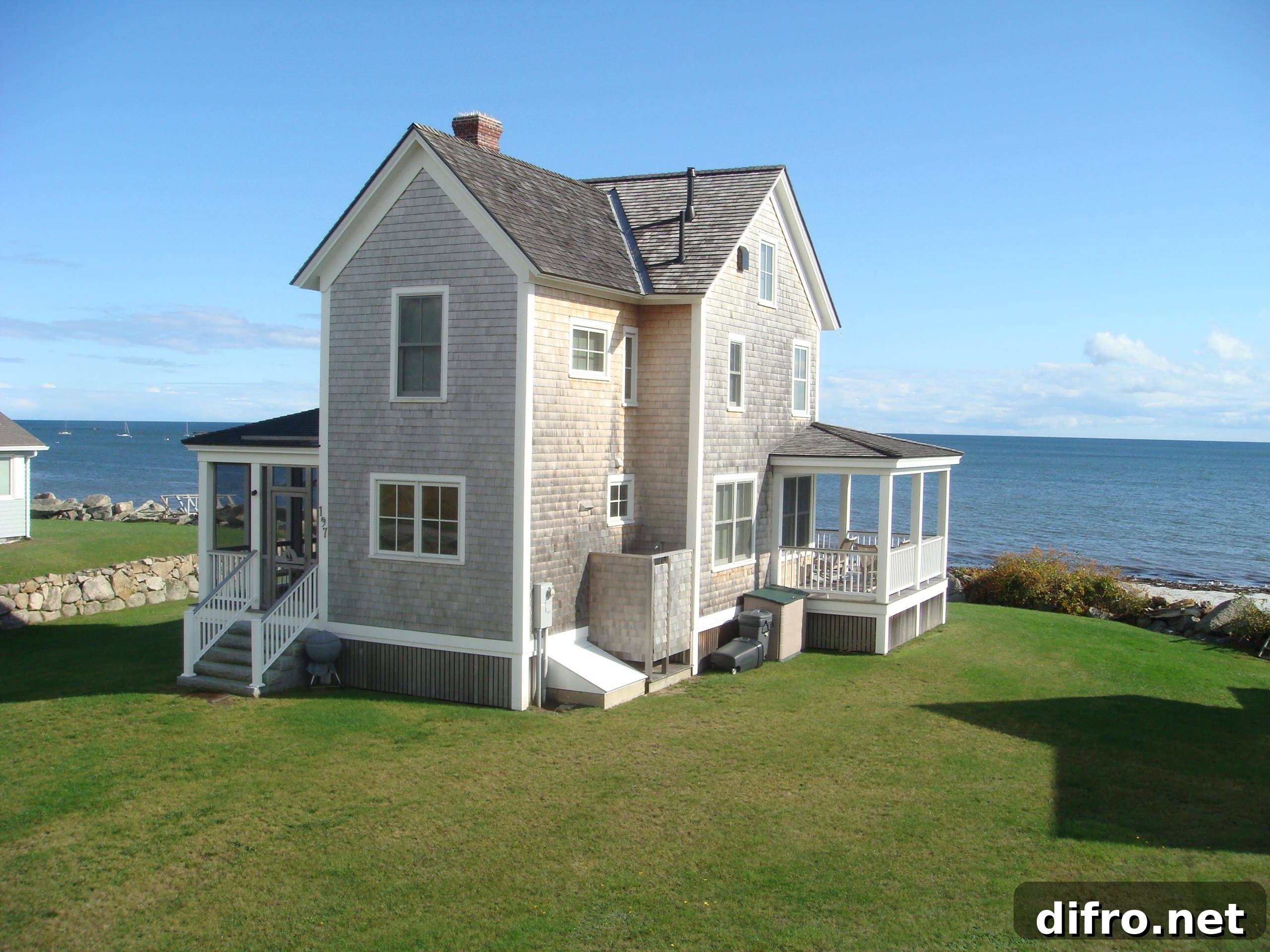
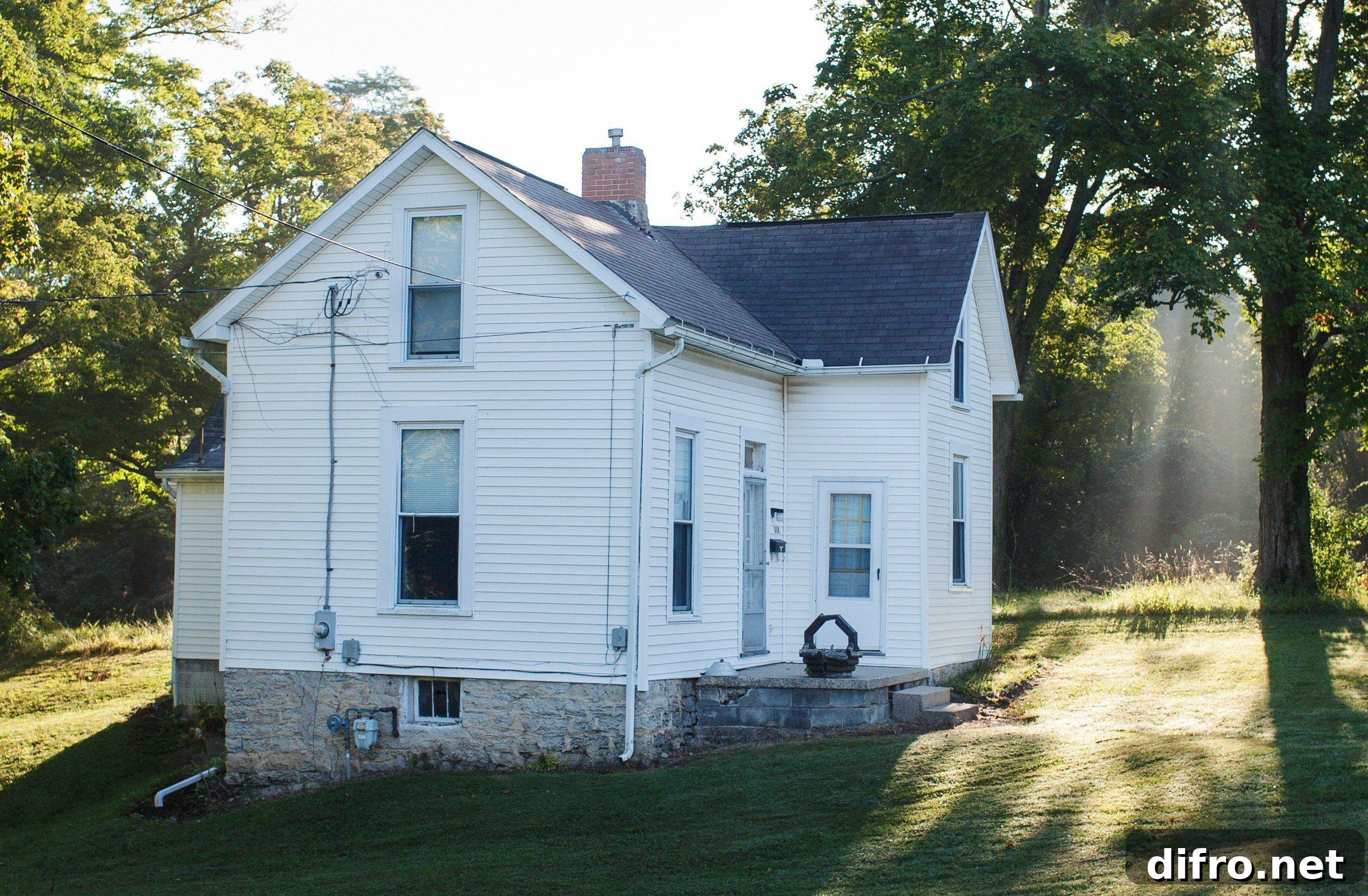
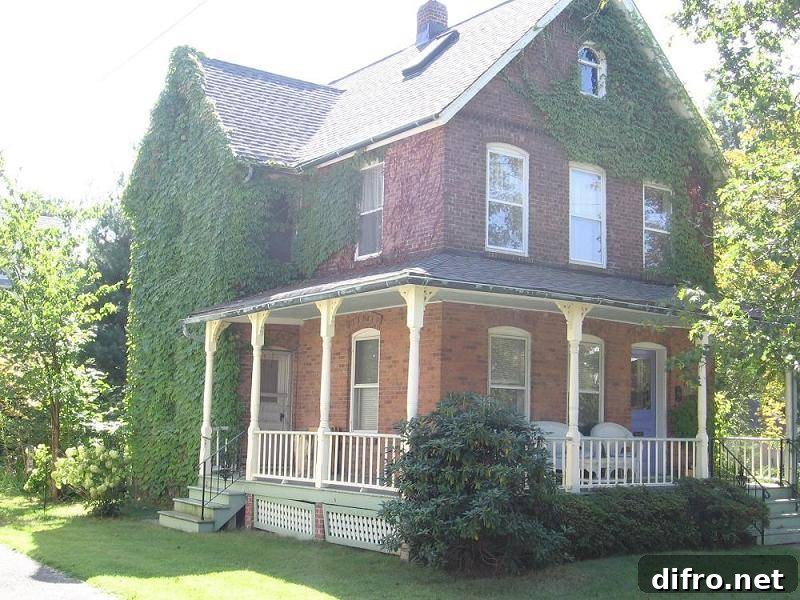
4. Side Gable Roof
A side gable roof has the gable ends on the sides of the house rather than the front, producing a more understated street presence from the main façade. This layout can be used to focus visual interest from a different vantage point, or to align the primary roof slope with prevailing winds or solar orientation. Side gables are straightforward to build and can be combined with dormers or other roof features to increase interior space and natural light. Properly anchored, a side gable provides reliable shelter and a classic profile.
5. Boxed Gable Roof
The boxed gable, sometimes called a closed gable, extends the triangular gable end slightly and finishes it with enclosed eaves. This produces a cleaner, longer roofline and can visually elongate a home while providing additional interior volume. Boxed gables lend themselves well to decorative trim, soffit treatments, and soffit-mounted lighting. Like other gable types, careful flashing at eaves and ridge lines will protect against water penetration and wind damage.
6. Wooden Gable Roof
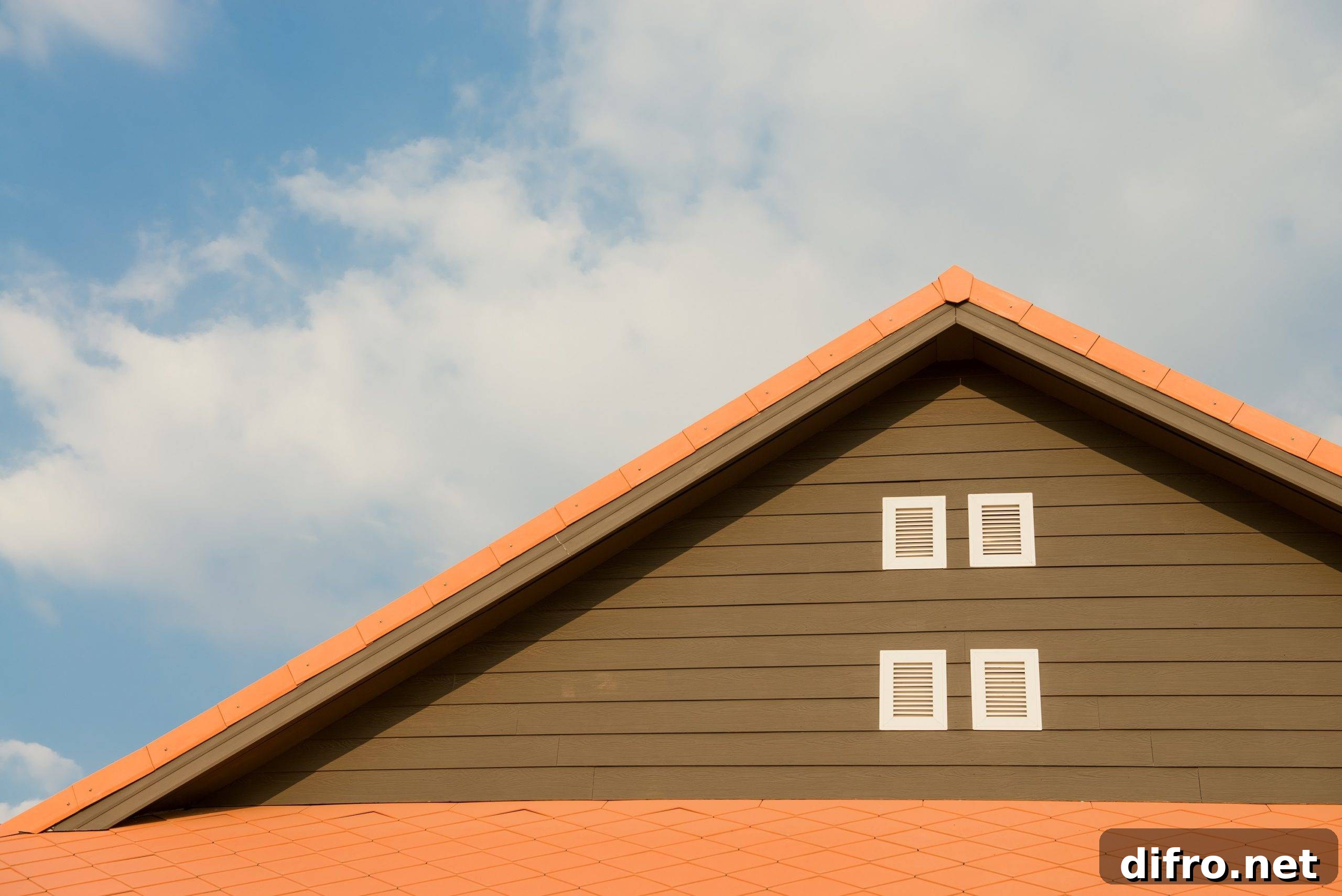
Wood-framed gable roofs remain a popular choice because wood is versatile, widely available, and provides natural insulating properties when combined with appropriate sheathing and insulation. A well-built wooden gable roof performs reliably across many climates and can be finished with a variety of exterior coverings such as shingles, tiles, or metal. Regular maintenance, proper ventilation, and moisture control are important to protect the wood structure and extend the roof’s lifespan.
7. Asphalt Shingle Gable Roof
Asphalt shingles are one of the most economical roof coverings for gable roofs. Their modular nature makes them straightforward to install on a sloped roof, and they are available in many colors and profiles to complement different architectural styles. Asphalt shingles are a cost-effective option for homeowners seeking a balance of value, durability, and visual variety. As with any roofing material, correct installation, underlayment, and regular inspection will help maximize longevity.
Gable roofs are a practical and attractive choice for many homes. Their simple geometry makes them affordable to build and easy to adapt with different materials, pitches, and decorative treatments. When selecting a gable design, consider your climate, desired attic or living space, wind exposure, and maintenance needs. Proper design, quality materials, and careful installation will ensure your gable roof remains durable, weather-resistant, and visually appealing for years to come.