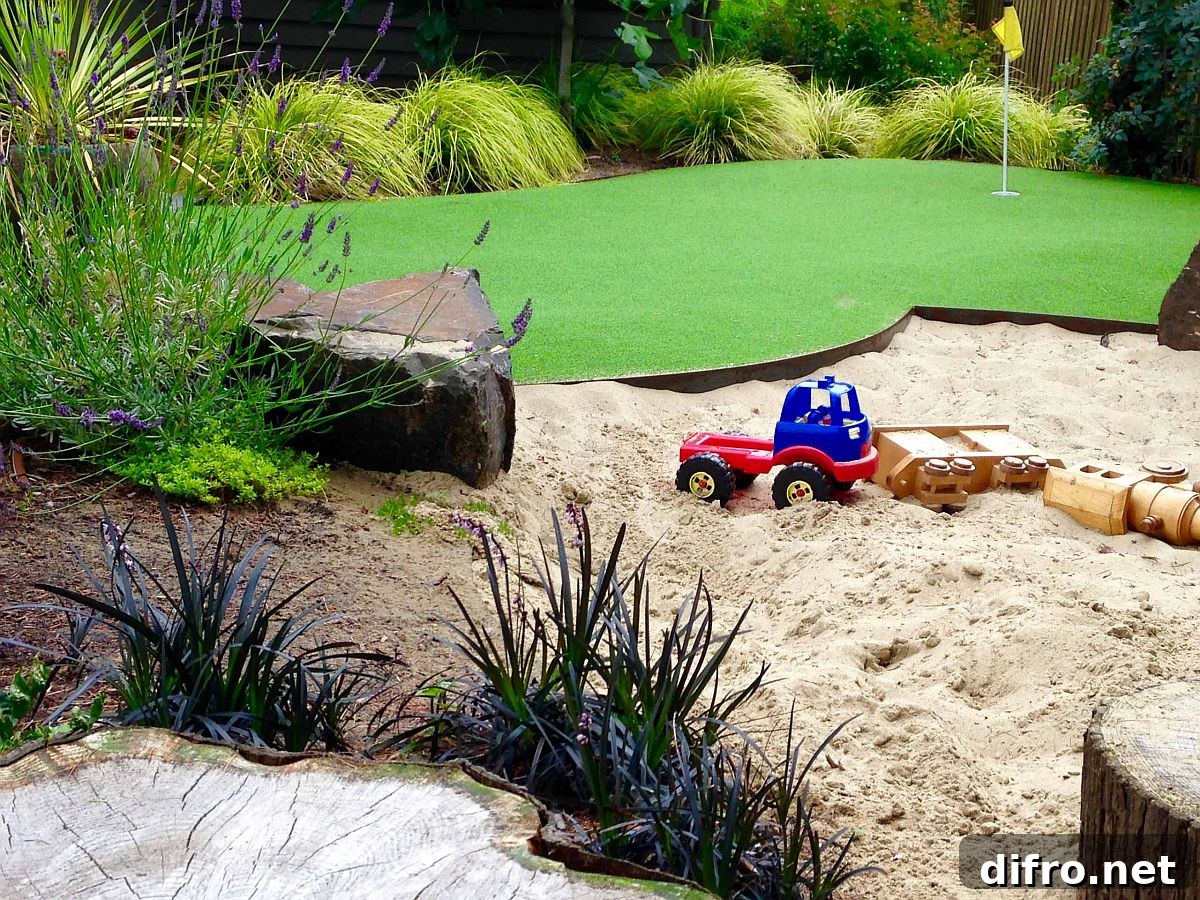
We often talk about how the backyard can become a private refuge and an ideal place for a family staycation. That idea feels even more relevant during times of a global pandemic, when we are cautious about leaving home except for essentials. Yet a peaceful backyard can quickly become lively and messy when children are around. That doesn’t mean they should be kept indoors—quite the opposite. With screens and small living spaces pulling children inside more often, a thoughtfully designed kid-friendly backyard gives them fresh air, movement and imaginative play.
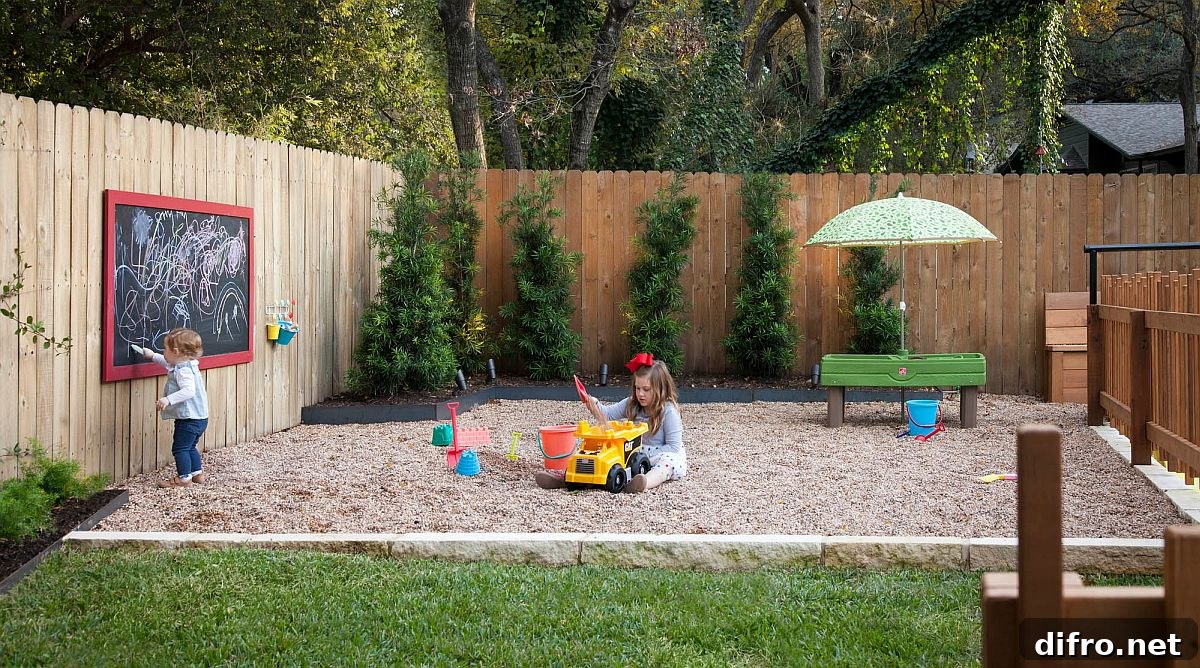
Outdoor play is a vital part of childhood. Many parents remember spending hours outside; with denser housing and ubiquitous technology, today’s children often miss those opportunities. A kid-friendly yard can reverse that trend quickly. The following ideas focus on creating an engaging, safe and affordable backyard that encourages children to explore, move and imagine.
Know What Your Child Loves
Start by observing what your child enjoys at parks, playgrounds or family outings. Do they chase bugs, dig in the dirt, build forts or prefer water play? Use those clues to prioritize features in your yard. You don’t need all the equipment at once—map out a plan and add items as space and budget allow.
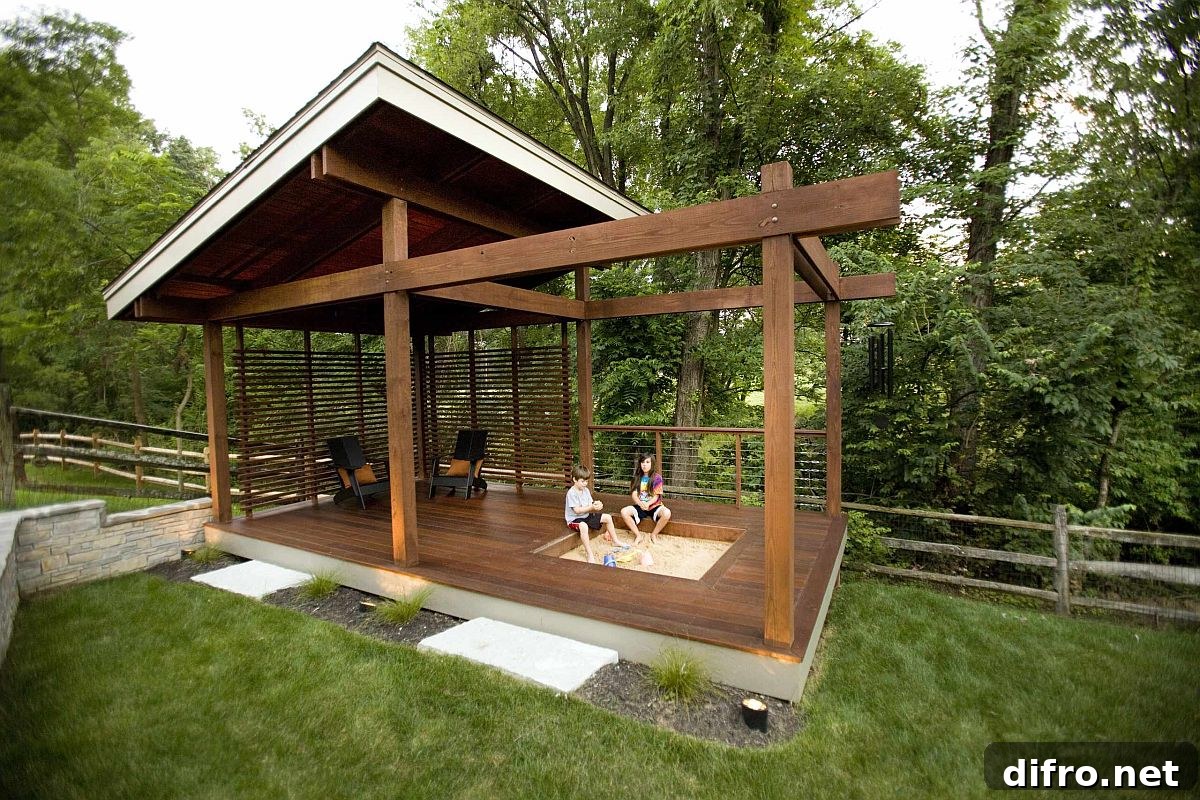
A Sandbox Is Essential
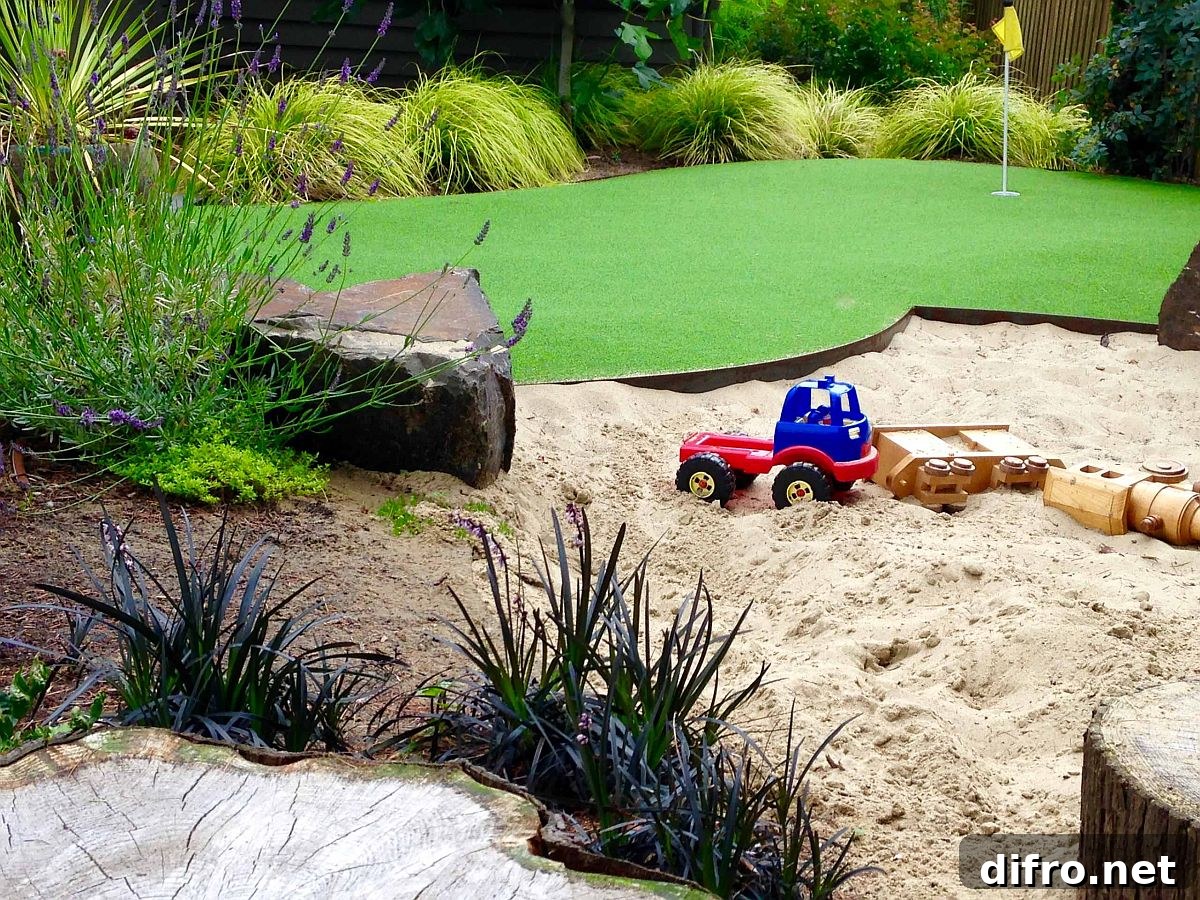
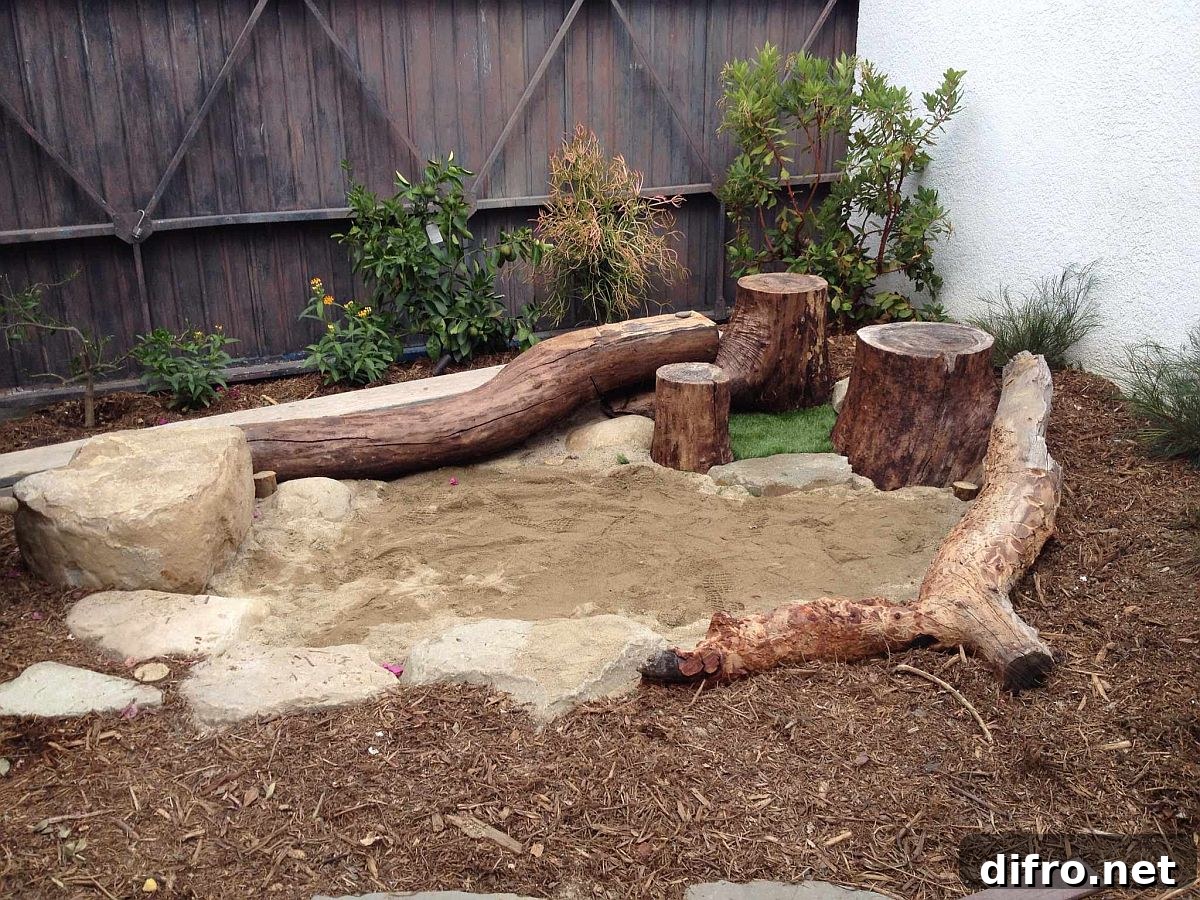
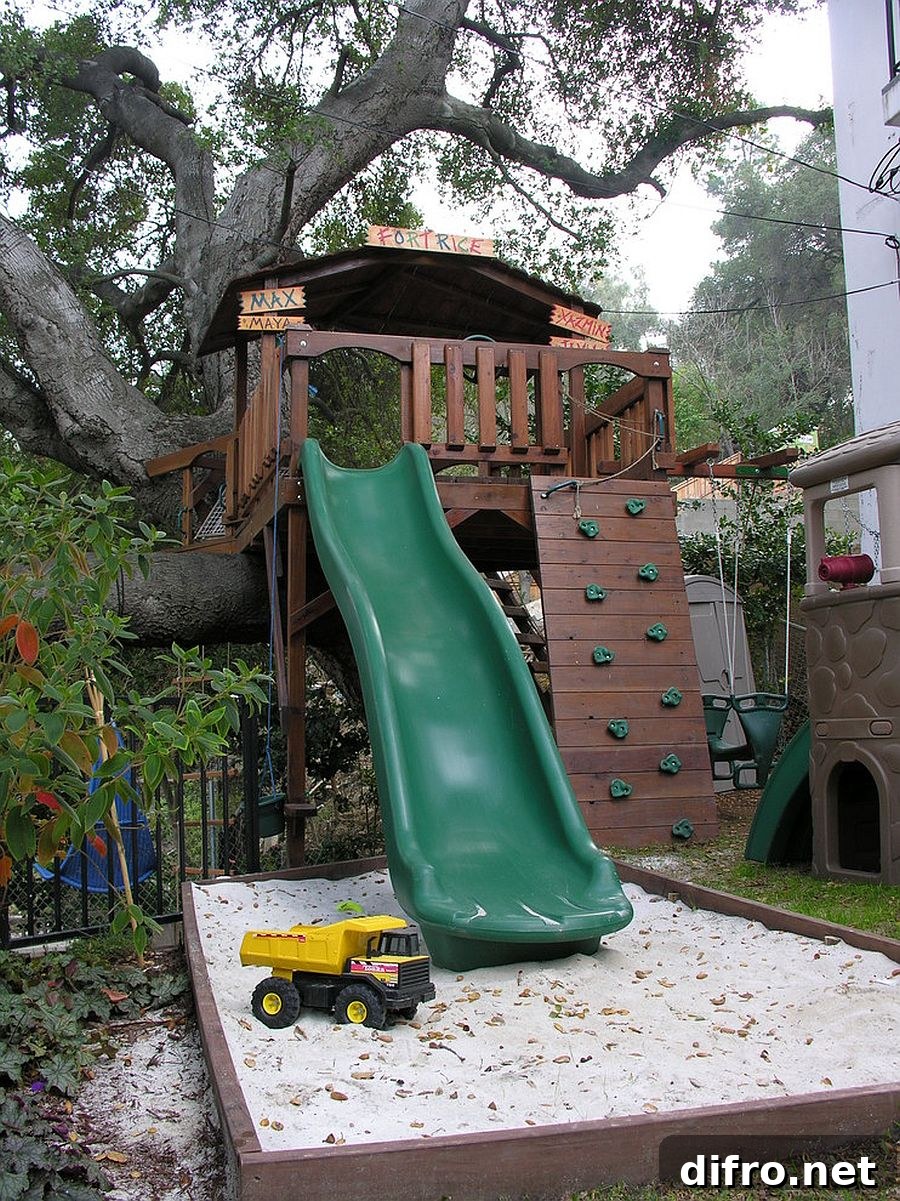
Few things capture a child’s attention like a sandbox. It’s inexpensive, simple to install and provides hours of creative play that supports sensory development and fine motor skills. If possible, position the sandbox near potted plants to enrich the sensory experience, and consider a cover to keep it clean when not in use.
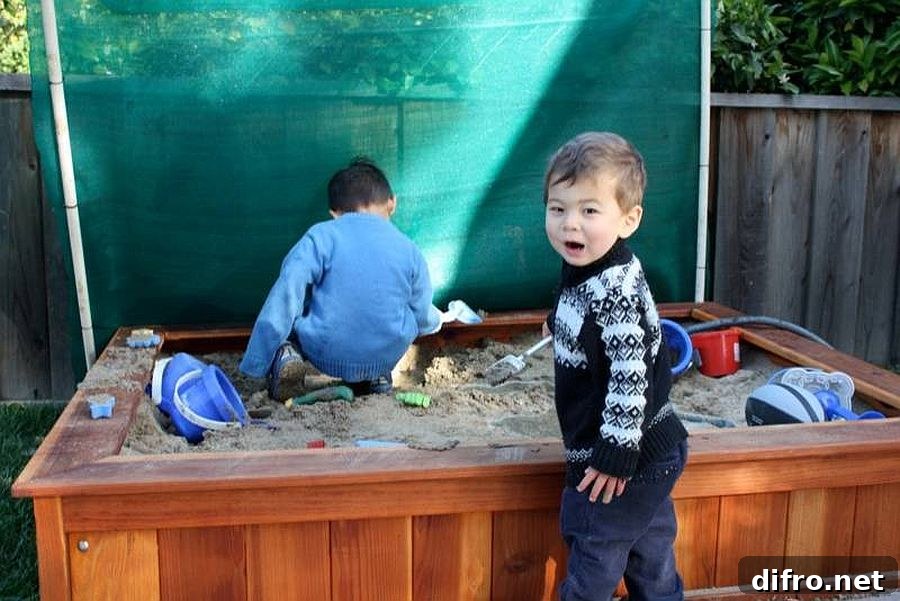
Let Nature Do Some of the Work
If your yard already has established plants, trees or a garden, keep as much of it intact as safety allows. Natural elements invite exploration, teach children about life cycles and attract birds and butterflies—small wonders that enrich outdoor play. Only remove plants that pose a known allergy or hazard, and consider child-safe plantings that are non-toxic and resilient.
Swings, Slides and Water Play
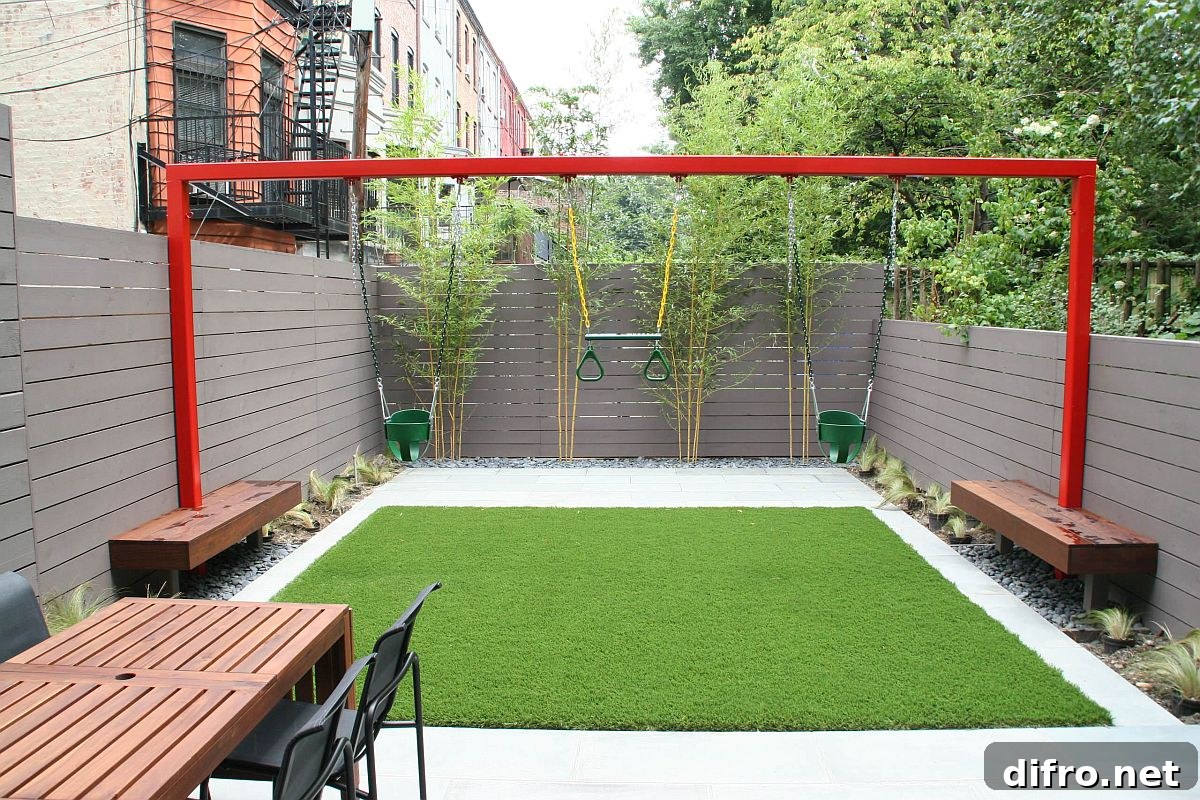
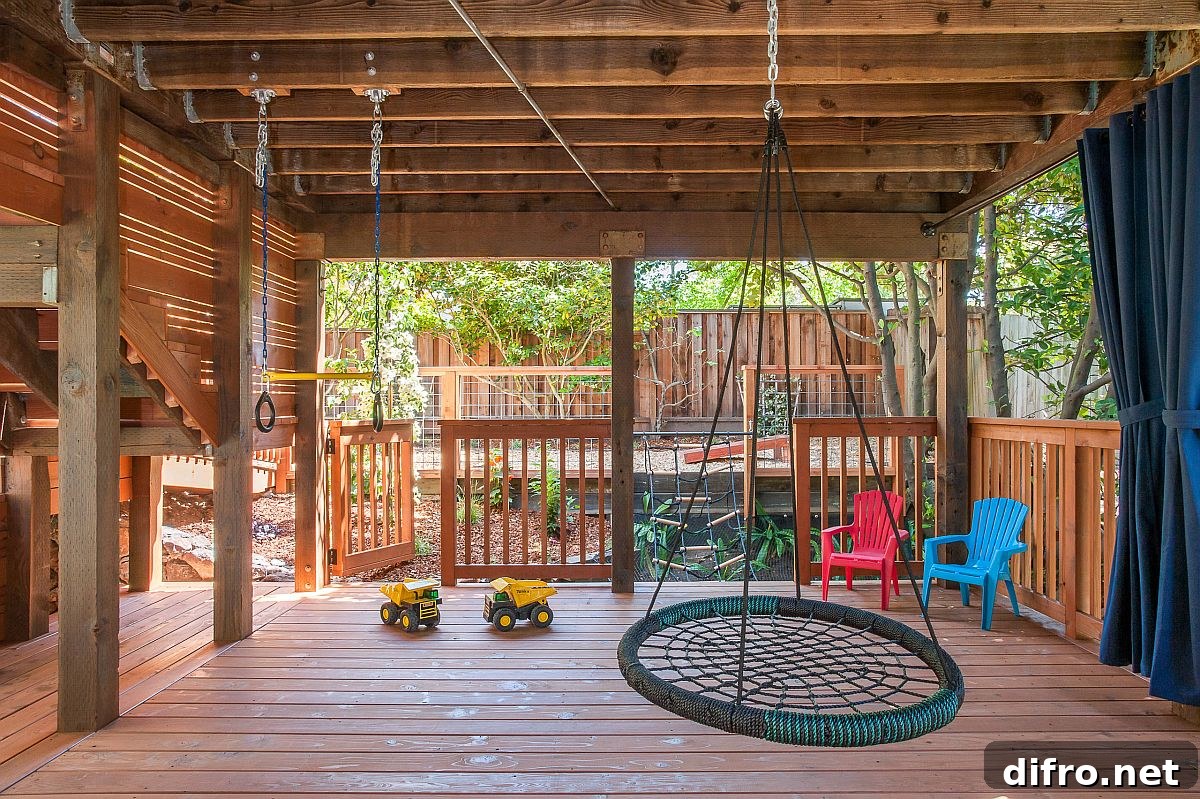
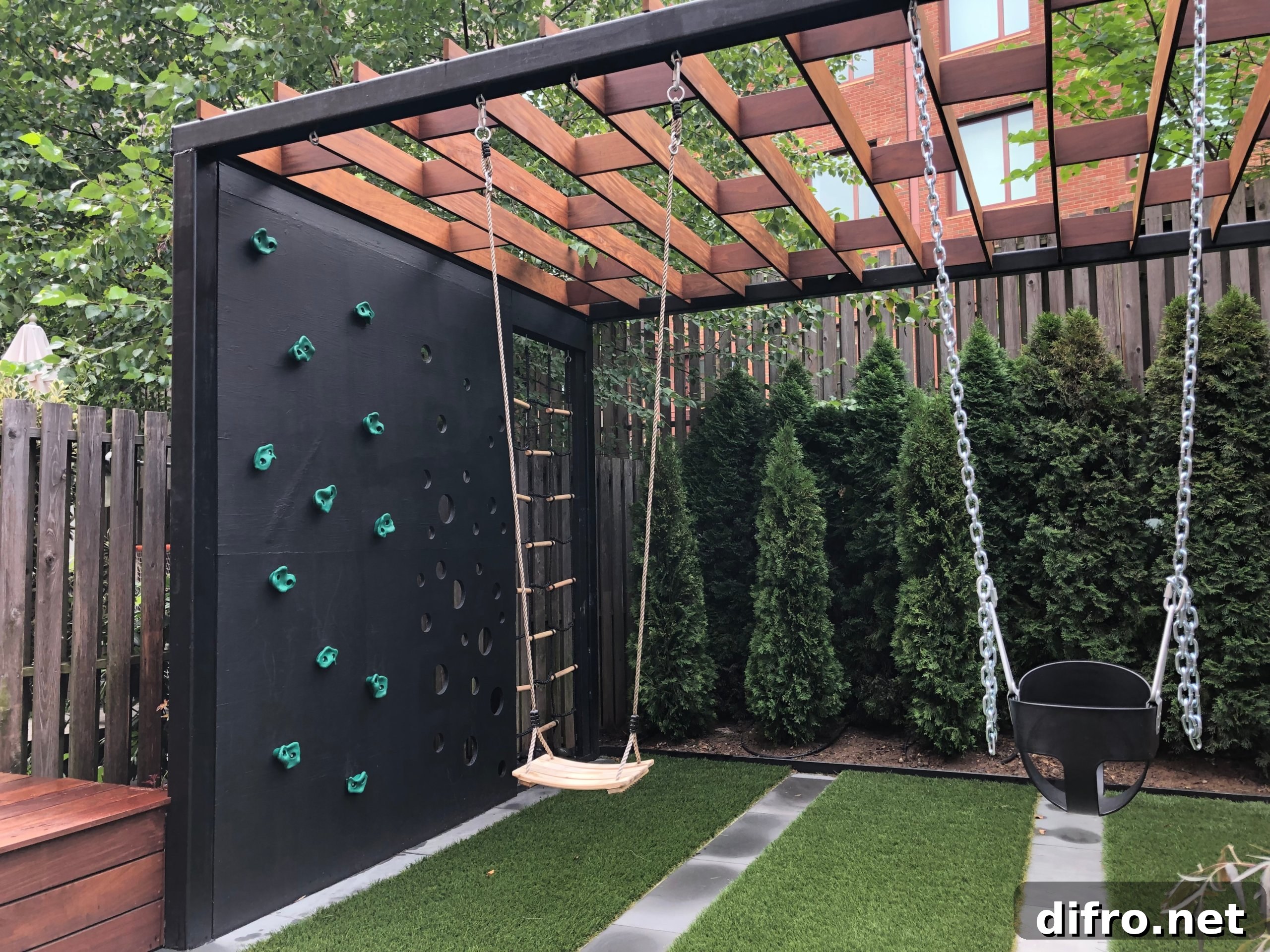
If you have extra space and budget, consider installing classic play elements like swings or a slide. A tree-hung swing is a low-cost addition that delivers hours of joy. For homes with pools or larger yards, a slide or splash area will be an instant favorite. Small, safe water features—such as shallow play basins or splash pads—offer sensory play and are easier to supervise than deeper water.
Treehouses, Teepees and Hideouts
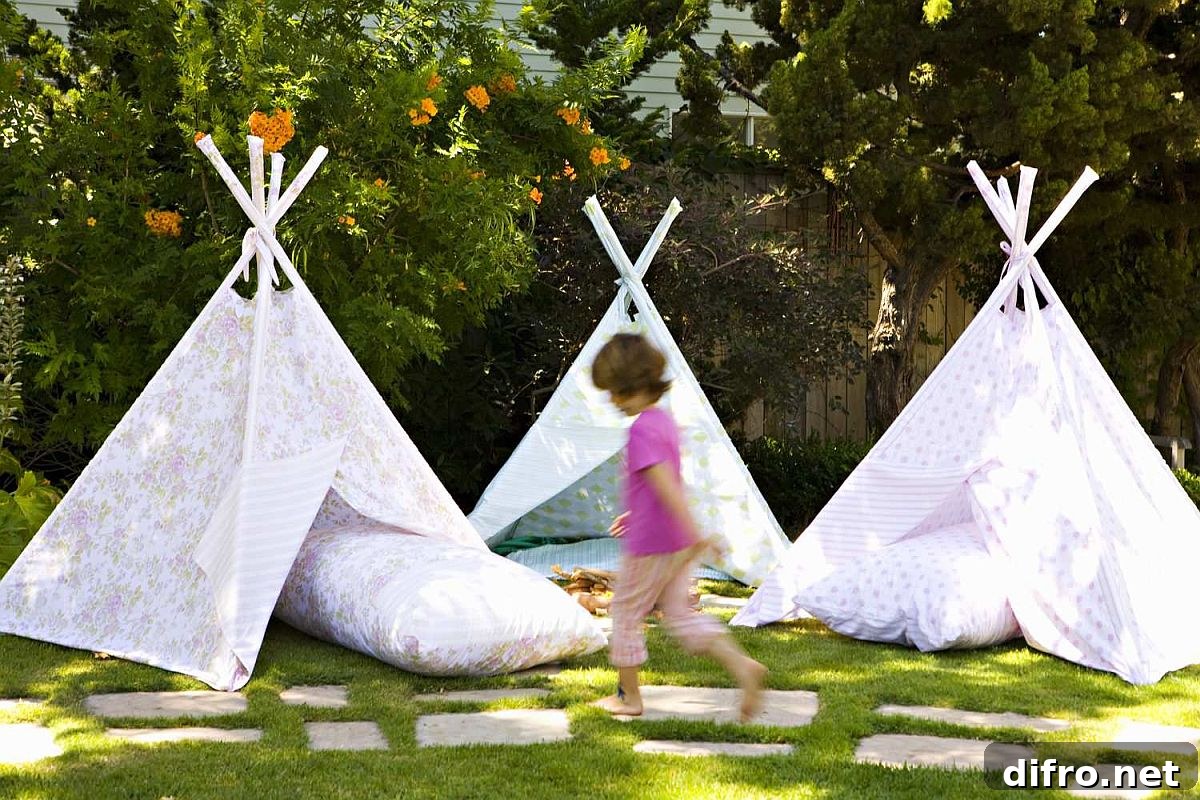
Simple, temporary hideaways like teepees or play tents are inexpensive and easy to store. A treehouse or play fort is more elaborate but becomes a treasured part of childhood. Whether you choose a removable structure or a built-in play den, these spaces encourage imaginative games, reading and quiet retreats.
Smart Storage for Toys
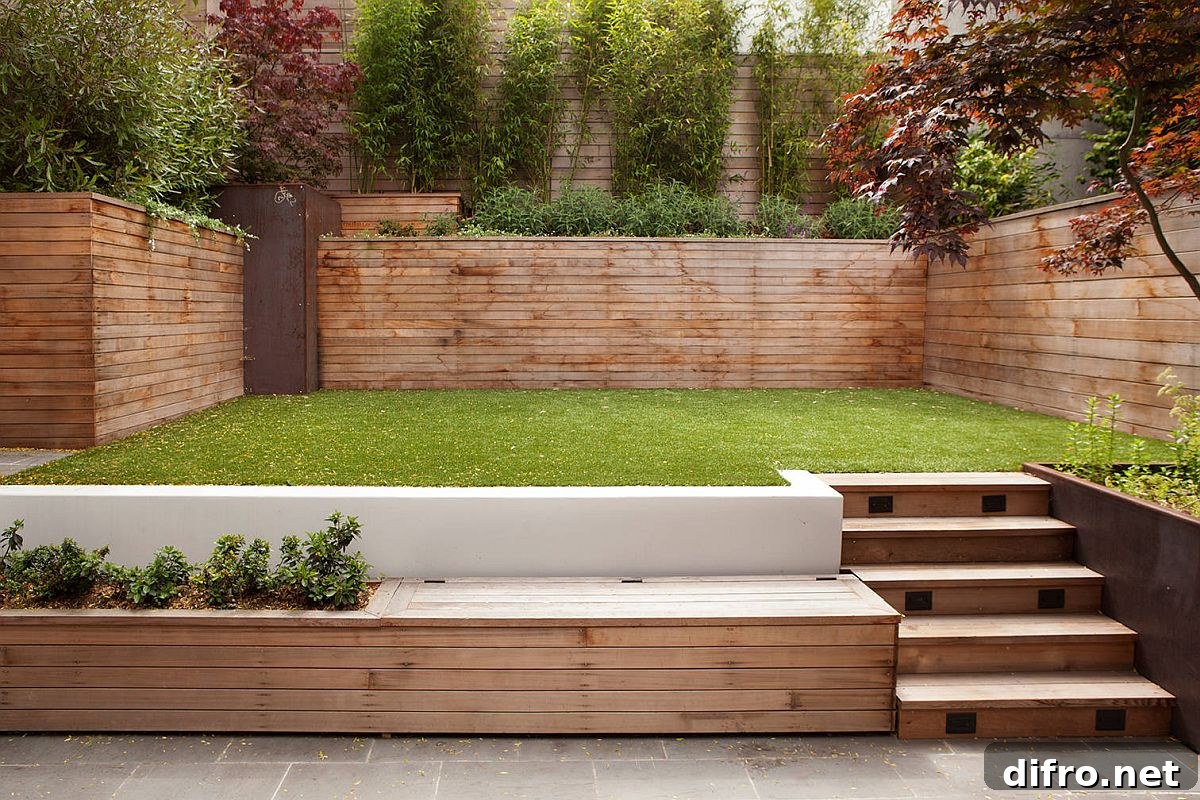
Easy-to-access storage makes cleanup faster and keeps the yard tidy. Built-in benches with hidden compartments under pergolas or shaded seating areas provide both seating and practical toy storage for LEGO, balls and craft supplies. Orderly storage helps toys last longer and makes transitions between play and other activities smoother.
Provide Shade
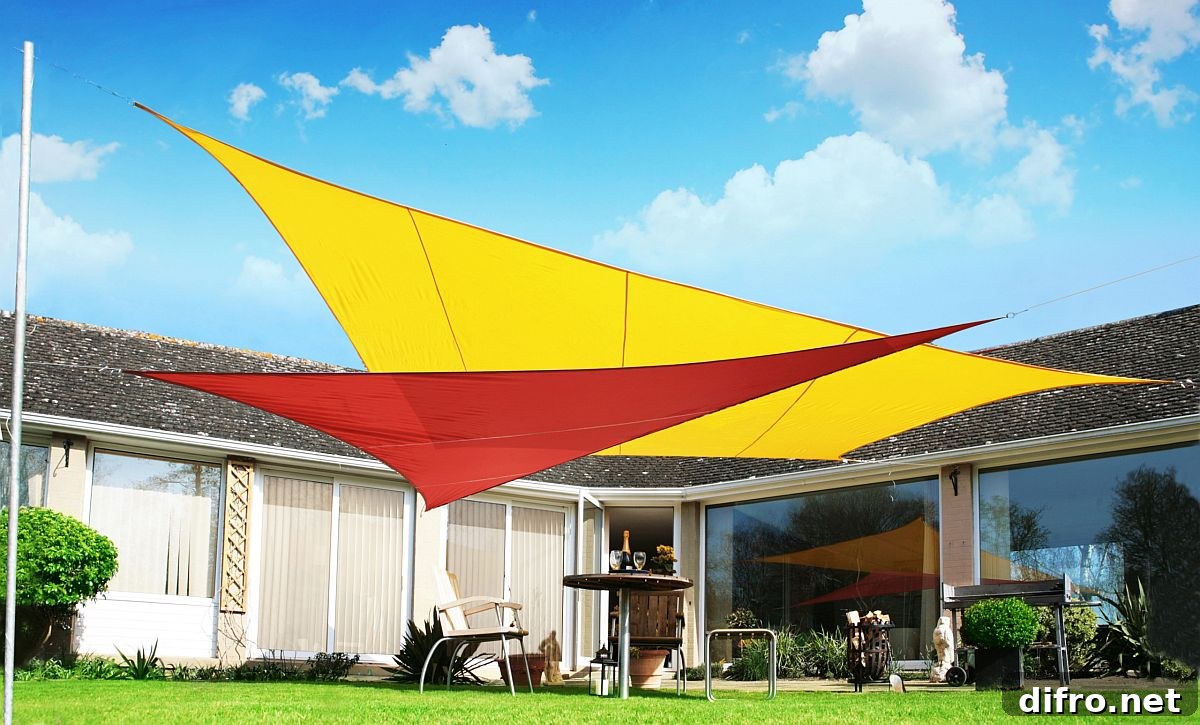
Shade is essential for year-round outdoor comfort and safety. Children are more sensitive to heat and weather changes, so incorporate shaded seating, sail shades, a pergola or large umbrellas so they can play comfortably even on hot or wet days. A shaded area also creates a calm spot for snacks, crafts and rest.
Inspect for Hazards Regularly
Safety checks are a vital part of maintaining a kid-friendly yard. Inspect decks, play structures and pathways for loose boards, cracks or protruding nails. Check water features, grills and fire pits to ensure they’re secure and properly covered when not in use. Keeping surfaces even and soft—through mulch, rubber tiles or turf—reduces the risk of injury.
Comfortable Supervision
Your backyard should serve both the children and the adults who supervise them. Arrange comfortable seating with a clear line of sight to play areas so you can relax while keeping an eye on the kids. A well-placed table and chairs make it easy to take a break, prepare snacks or work outdoors without losing sight of the fun.
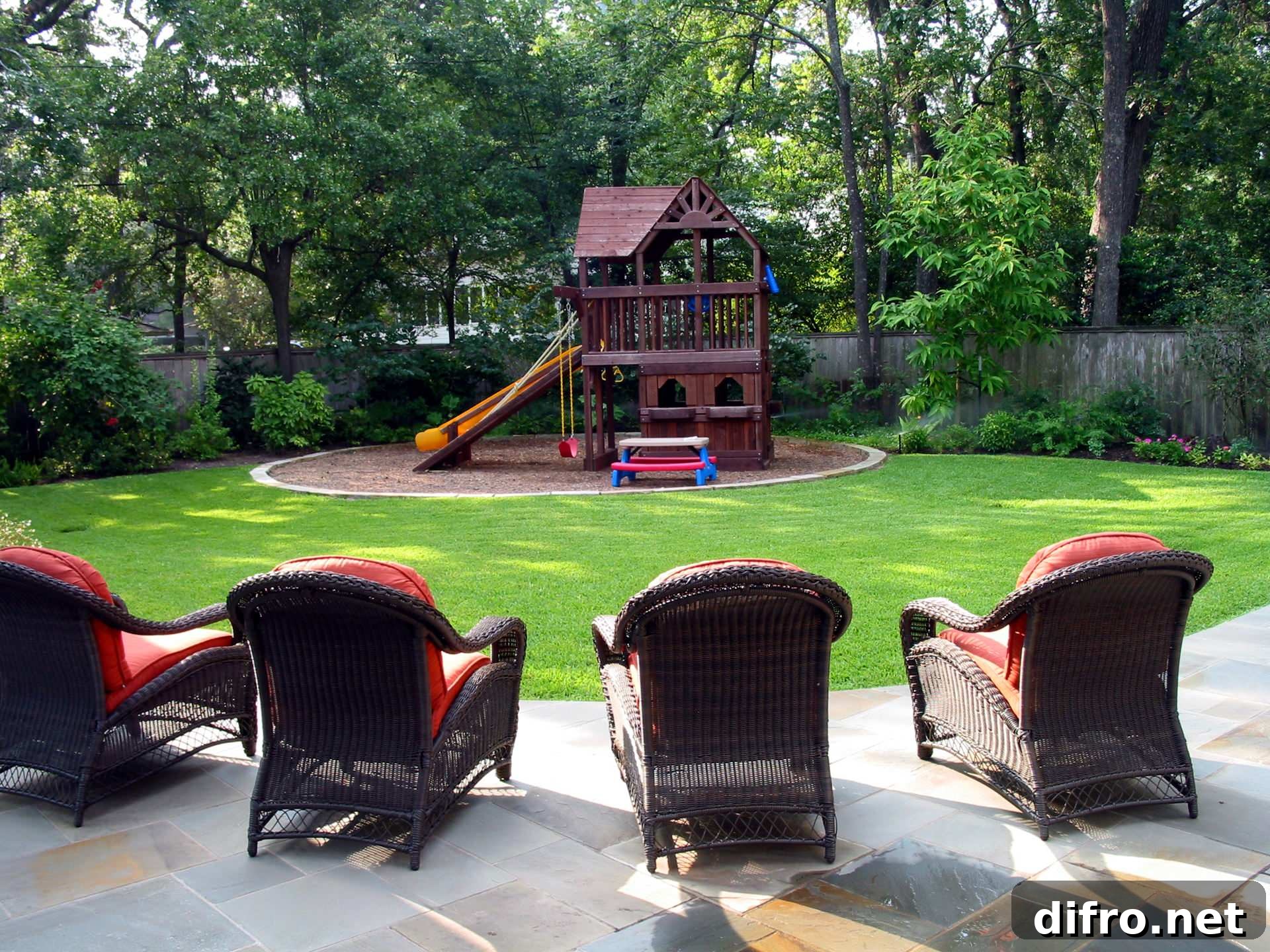
Designing a kid-friendly backyard is about balancing safety, imagination and comfort. With a few thoughtful additions—a sandbox, shaded seating, durable play equipment and clever storage—you can create an outdoor space where children grow, play and reconnect with nature while the whole family enjoys the fresh air.