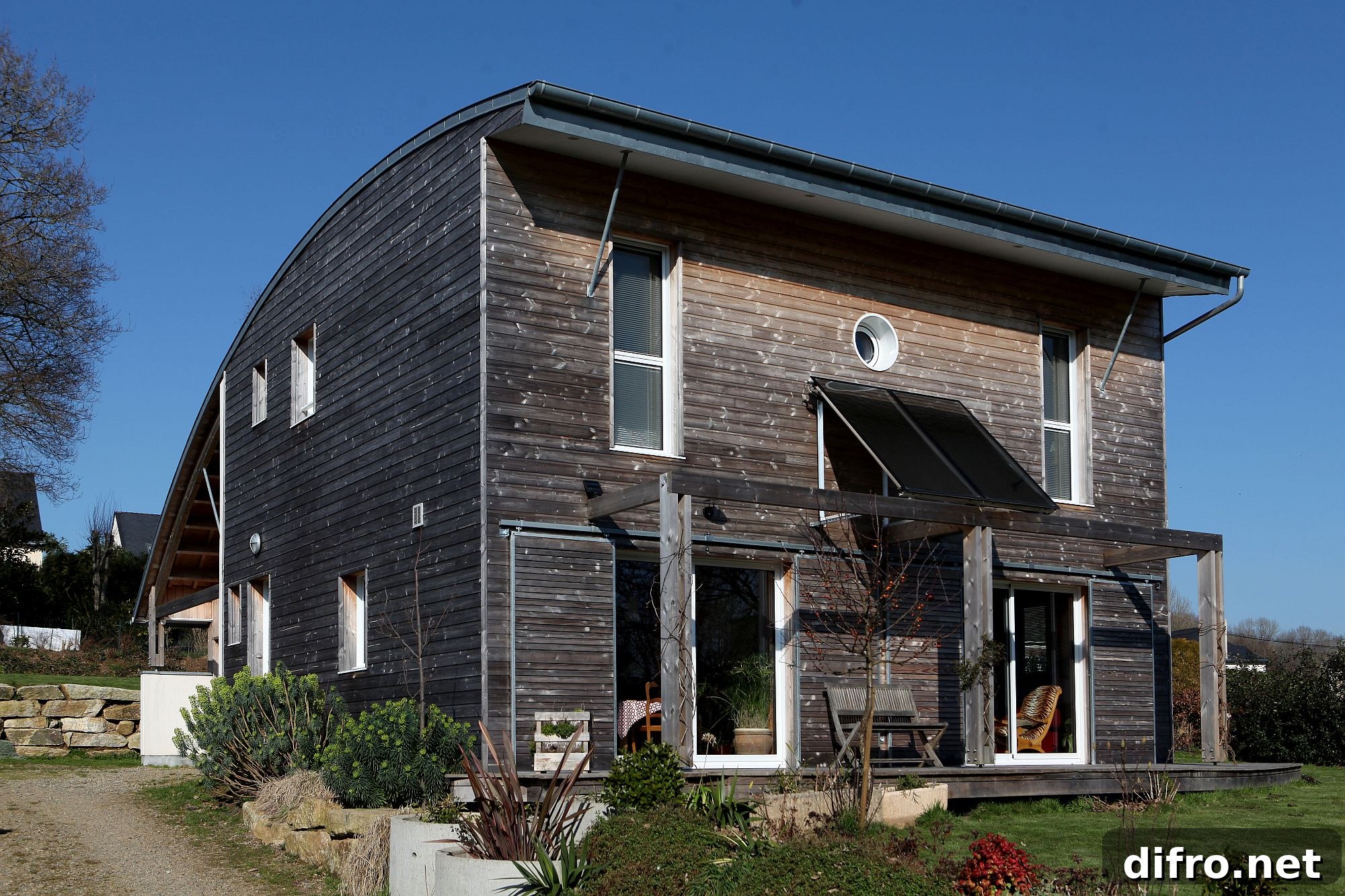
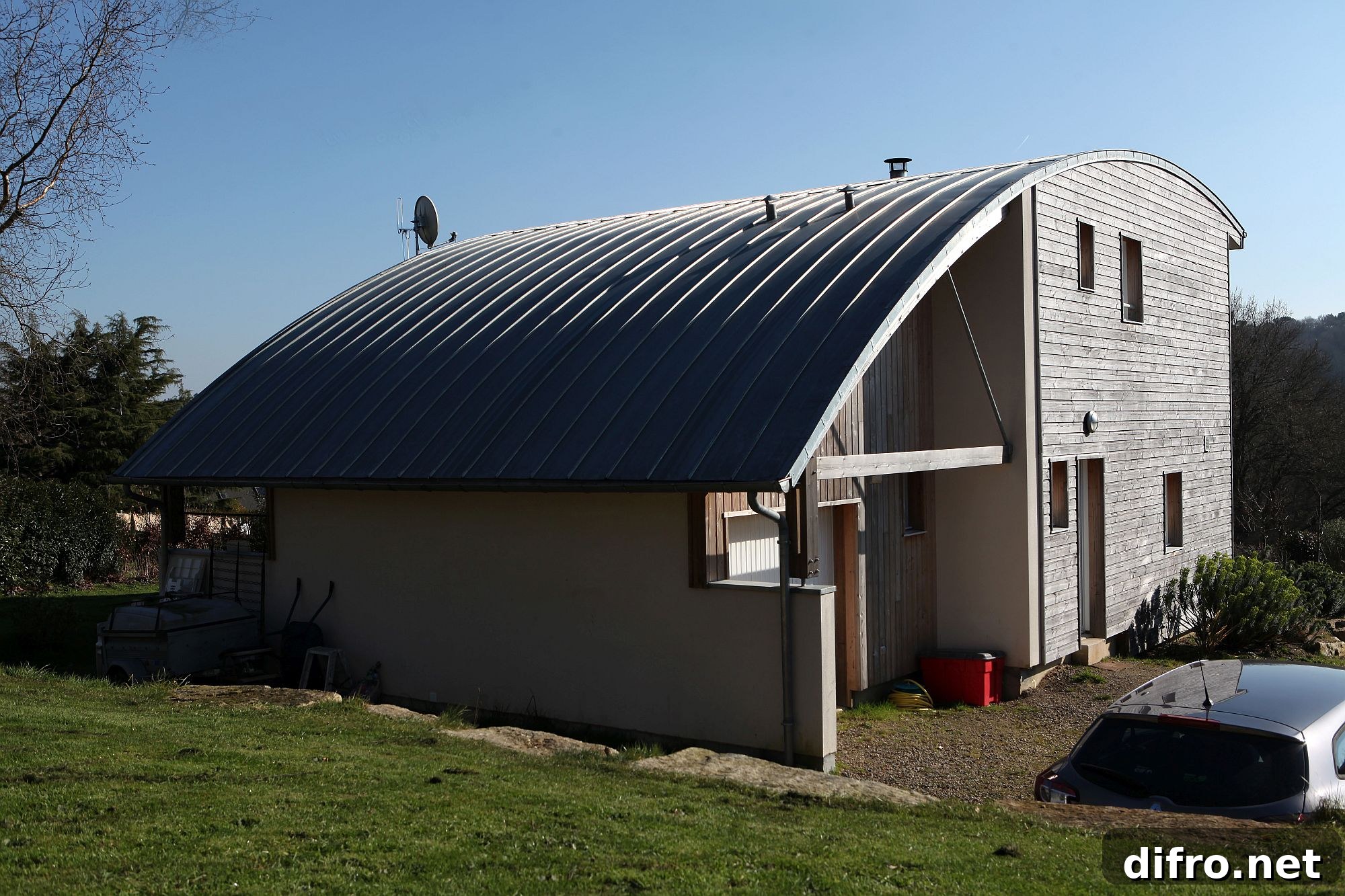
Homes that bring us closer to nature are increasingly popular as more people seek to escape the concrete and constant pace of urban life in favor of healthier, calmer surroundings. This exceptional bioclimatic house in Saint-Nolff, Brittany, France, combines a natural retreat with carefully considered sustainable design to deliver the best of both worlds. The residence uses passive heating and cooling strategies, a distinctive curved roof and high-standard insulation to prioritize comfort, energy efficiency and environmental responsibility. Photographs by Armel Istin capture how the home balances modern living with sensitivity to the landscape and climate.
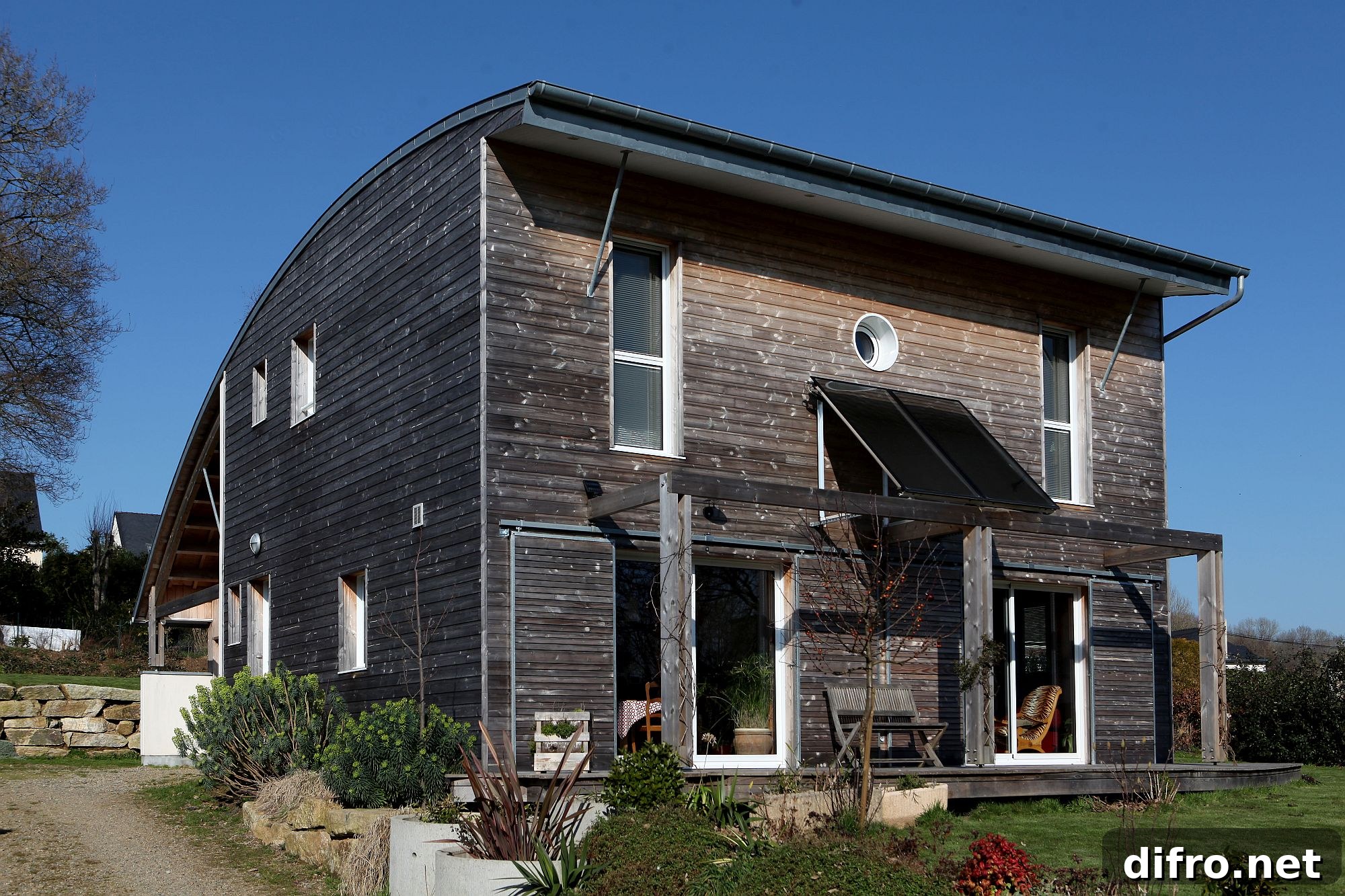
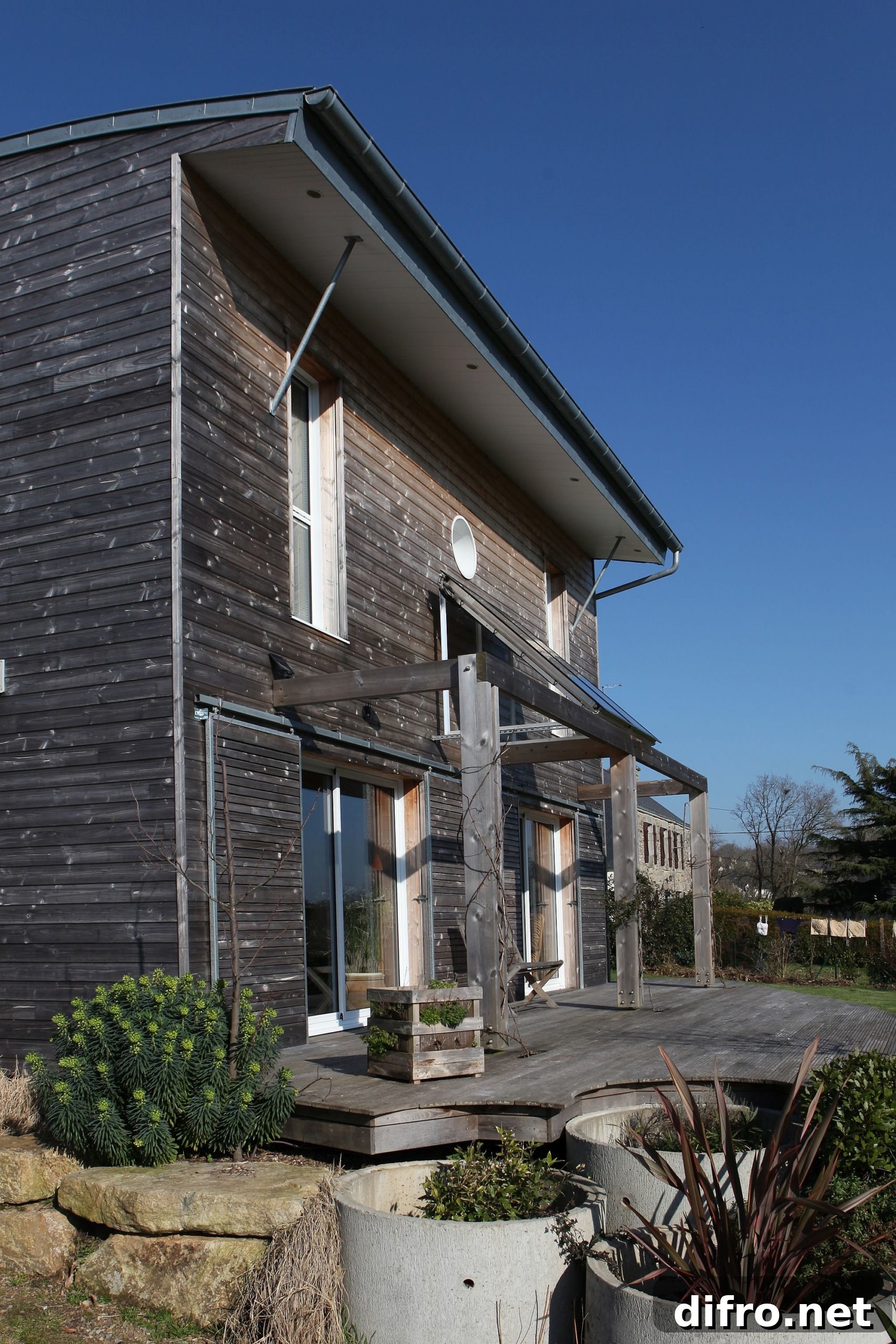
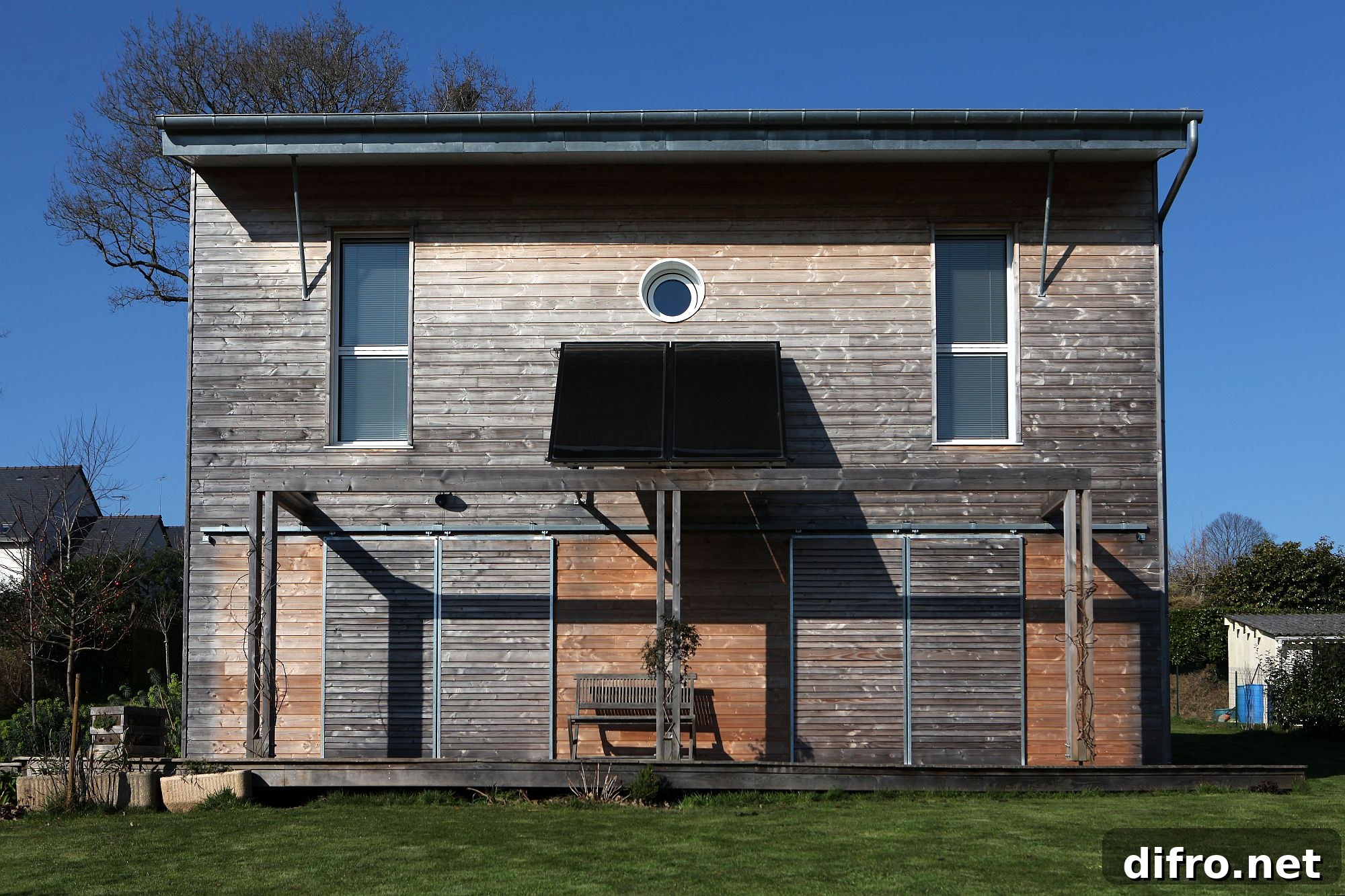
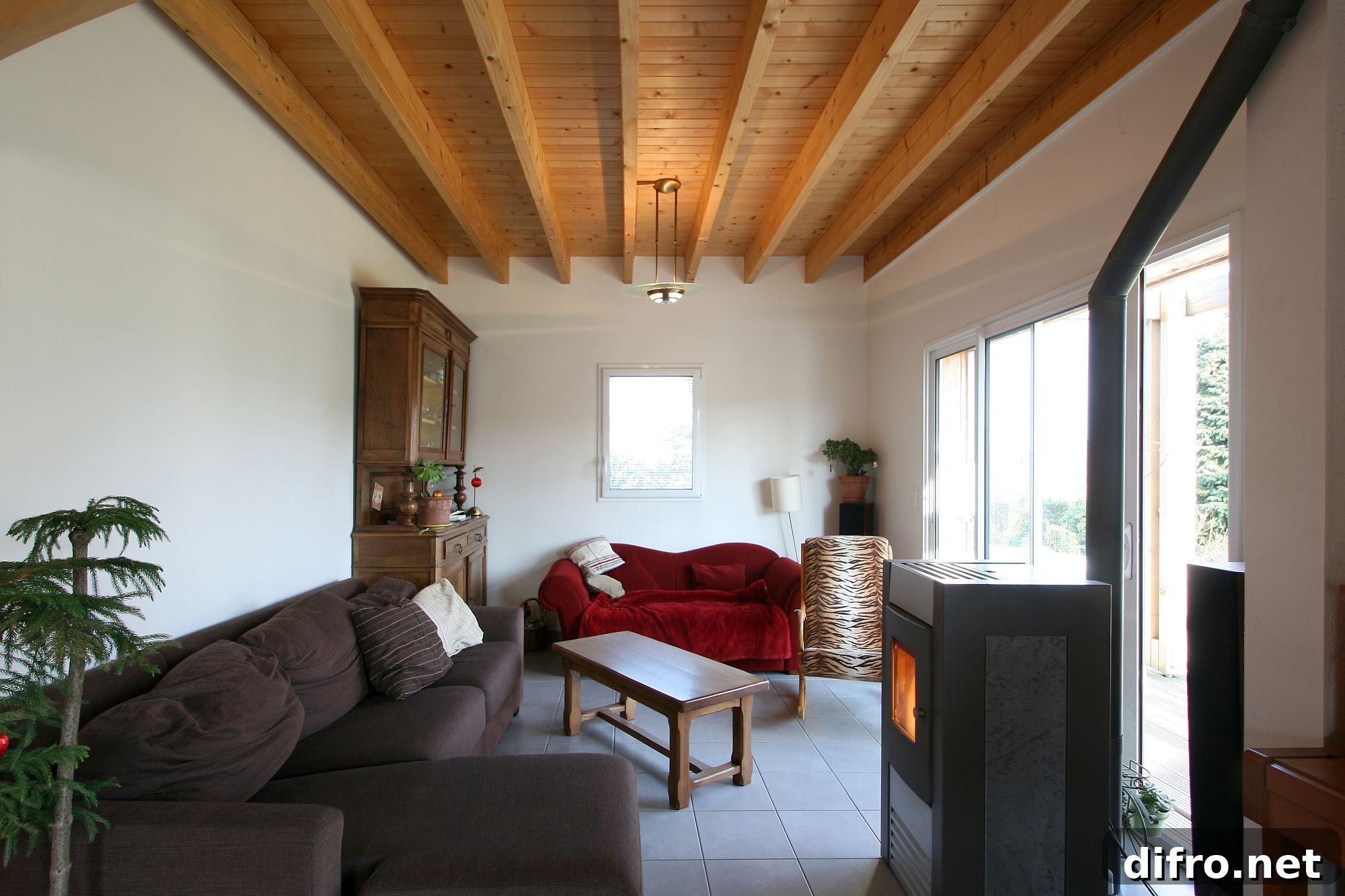
The house’s structure combines a timber framework with a concrete base to create a durable, low-impact build that responds well to the local climate. A pergola fitted with solar panels shades a small outdoor area while generating renewable energy. Inside, a wood-pellet stove supplies warming heat through the colder months, supported by auxiliary radiators when needed. A controlled double-airflow ventilation system and double-glazed windows with aluminum frames reduce heat loss and improve thermal comfort year-round. These elements together make the dwelling efficient without relying solely on mechanical systems, reinforcing its bioclimatic credentials.
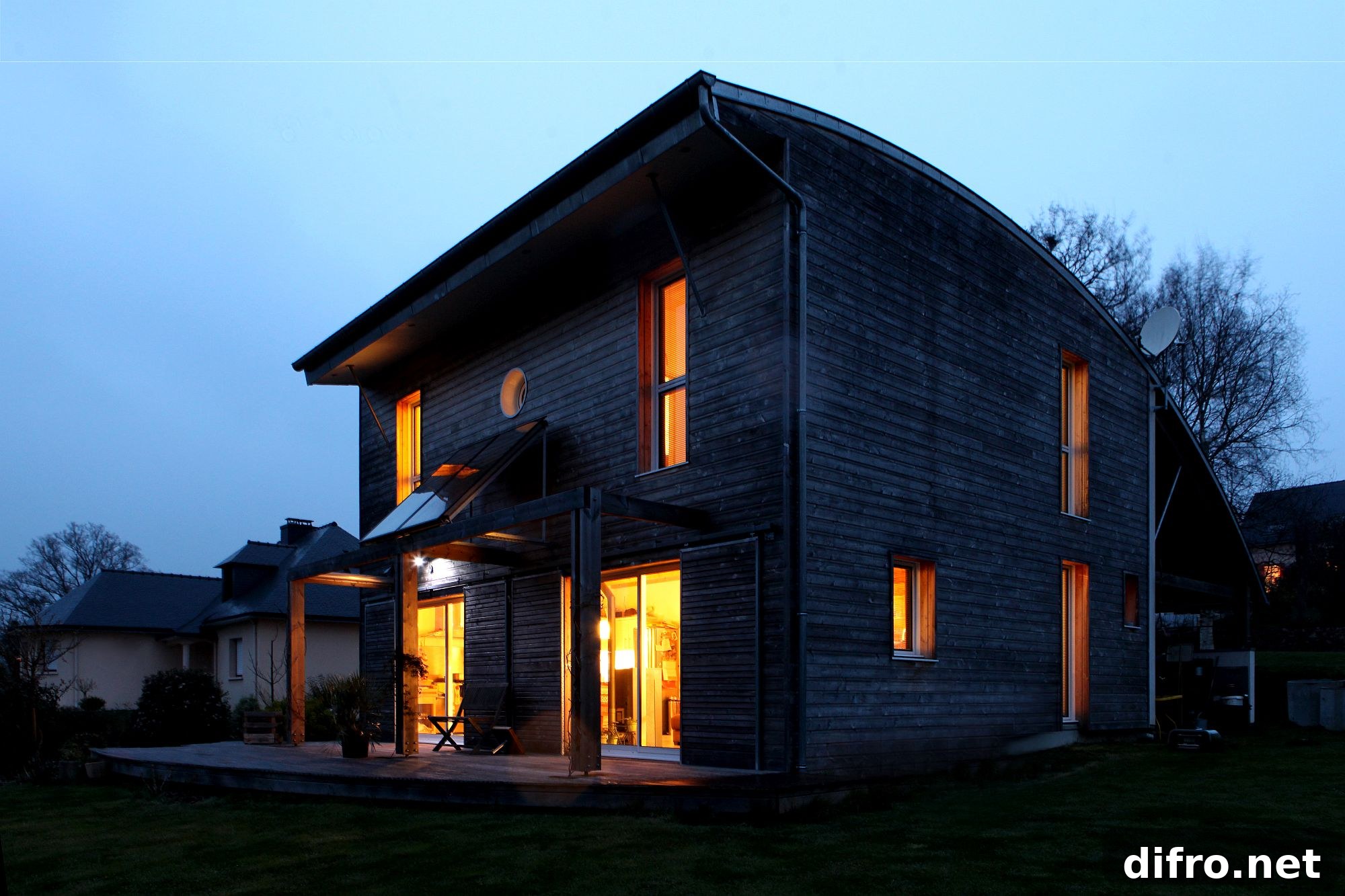
The interior layout is carefully zoned for everyday living. The ground floor is split over two levels: one side houses bedrooms and guest rooms, while the other contains living and dining areas that open towards the garden and terrace. An upper floor accommodates more private spaces, allowing communal and private functions to coexist without interference. This two-level approach helps manage heat distribution and natural daylighting while creating a clear, comfortable flow between rooms and outdoor areas.
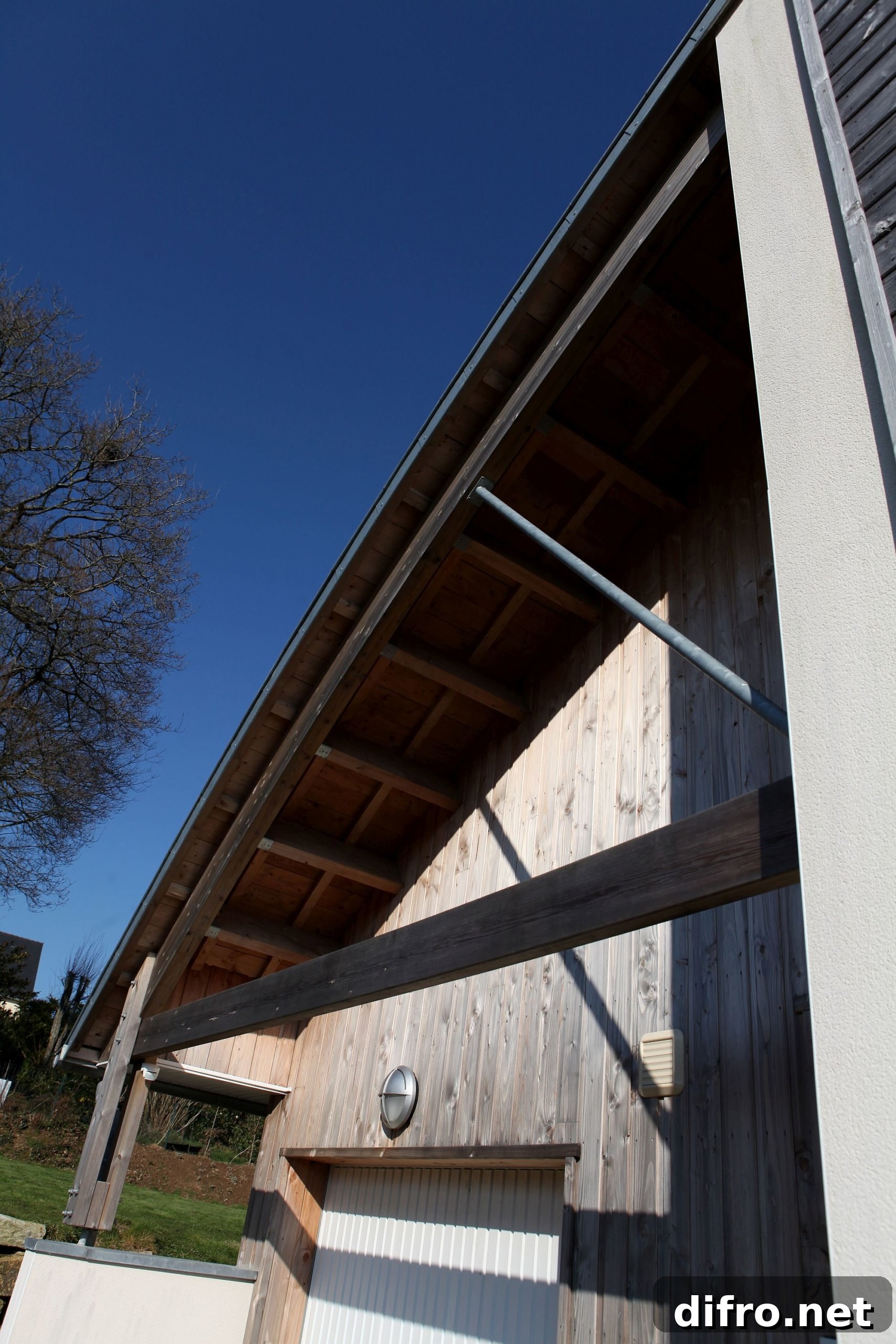
Architectural detailing emphasizes local character and sustainable materials. The wooden exterior cladding blends into the surrounding greenery, while the concrete base provides thermal mass that stabilizes indoor temperatures. Large openings and strategically placed windows bring abundant natural light into communal spaces, reducing the need for artificial lighting during the day. The house’s finishes and modest footprint are designed to minimize environmental impact and to integrate with the garden rather than dominate it.
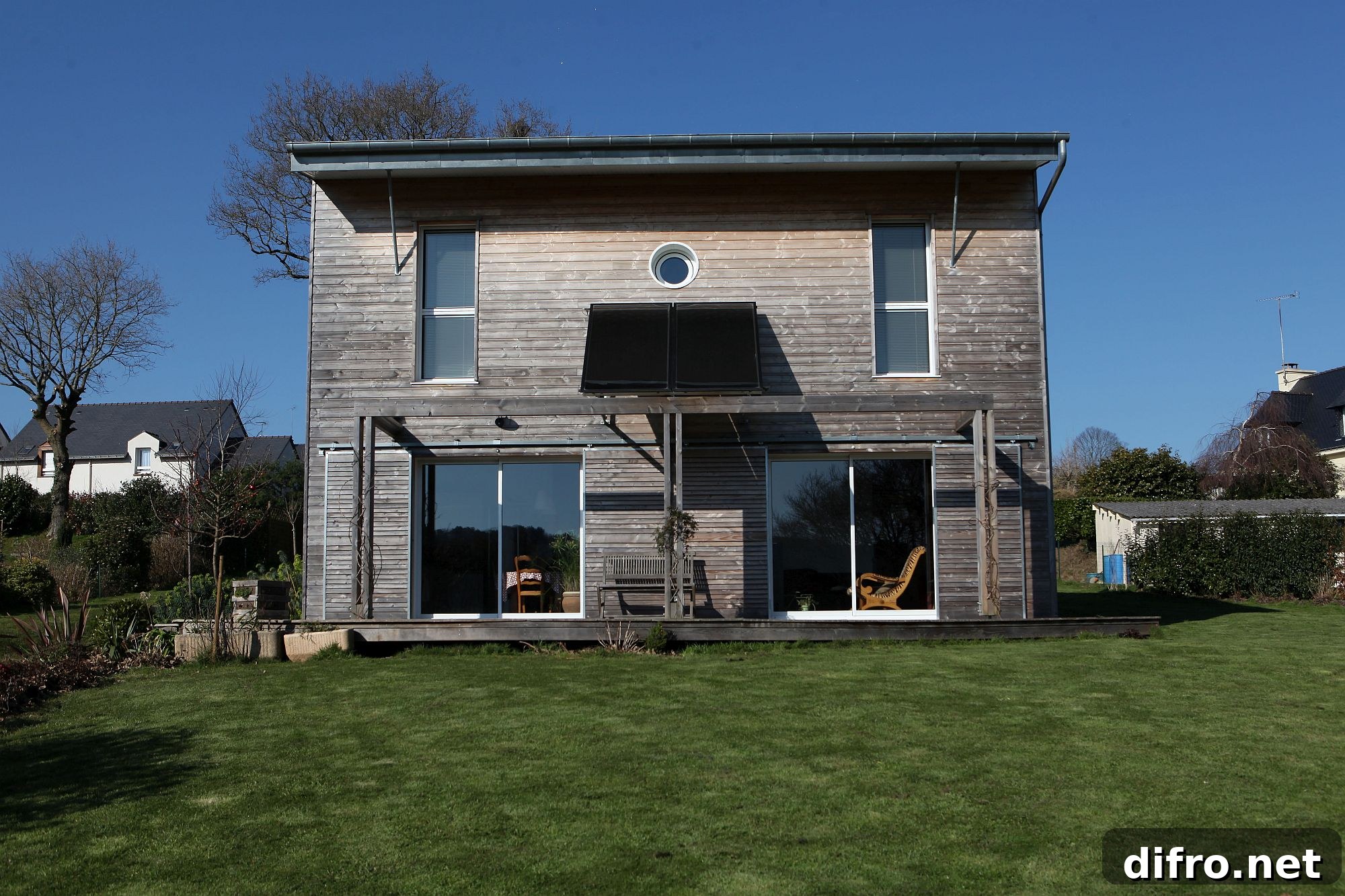
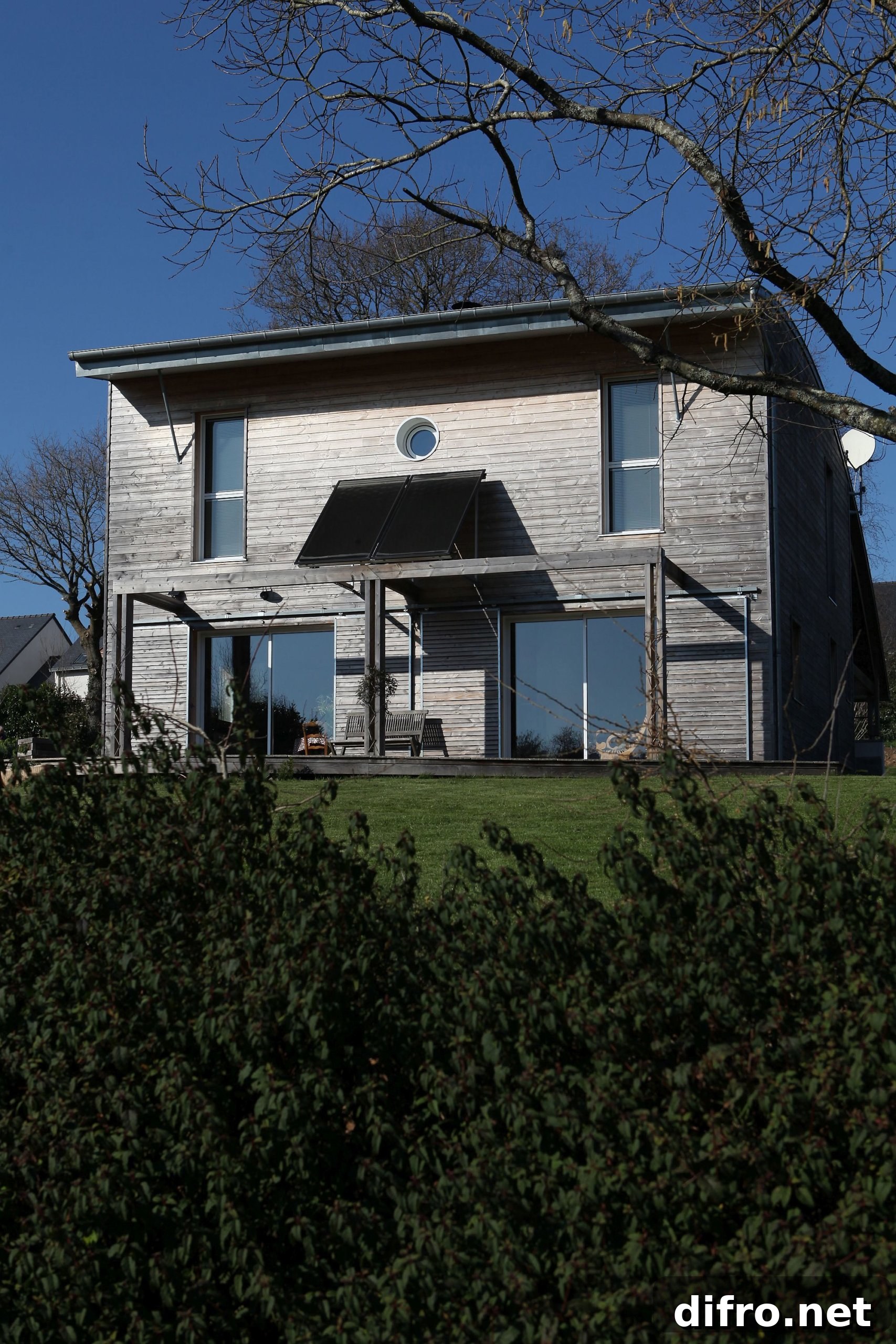
Outdoor landscaping reinforces the home’s sustainable approach. A pathway leads visitors to the front door and a large lawn surrounds the terrace, creating flexible outdoor living space that enhances both biodiversity and resident well-being. The pergola and integrated shading devices—such as sliding shutters and blinds—work with the house’s orientation to limit overheating in summer while allowing beneficial solar gain in winter. Together, these passive measures reduce reliance on mechanical cooling and heating.
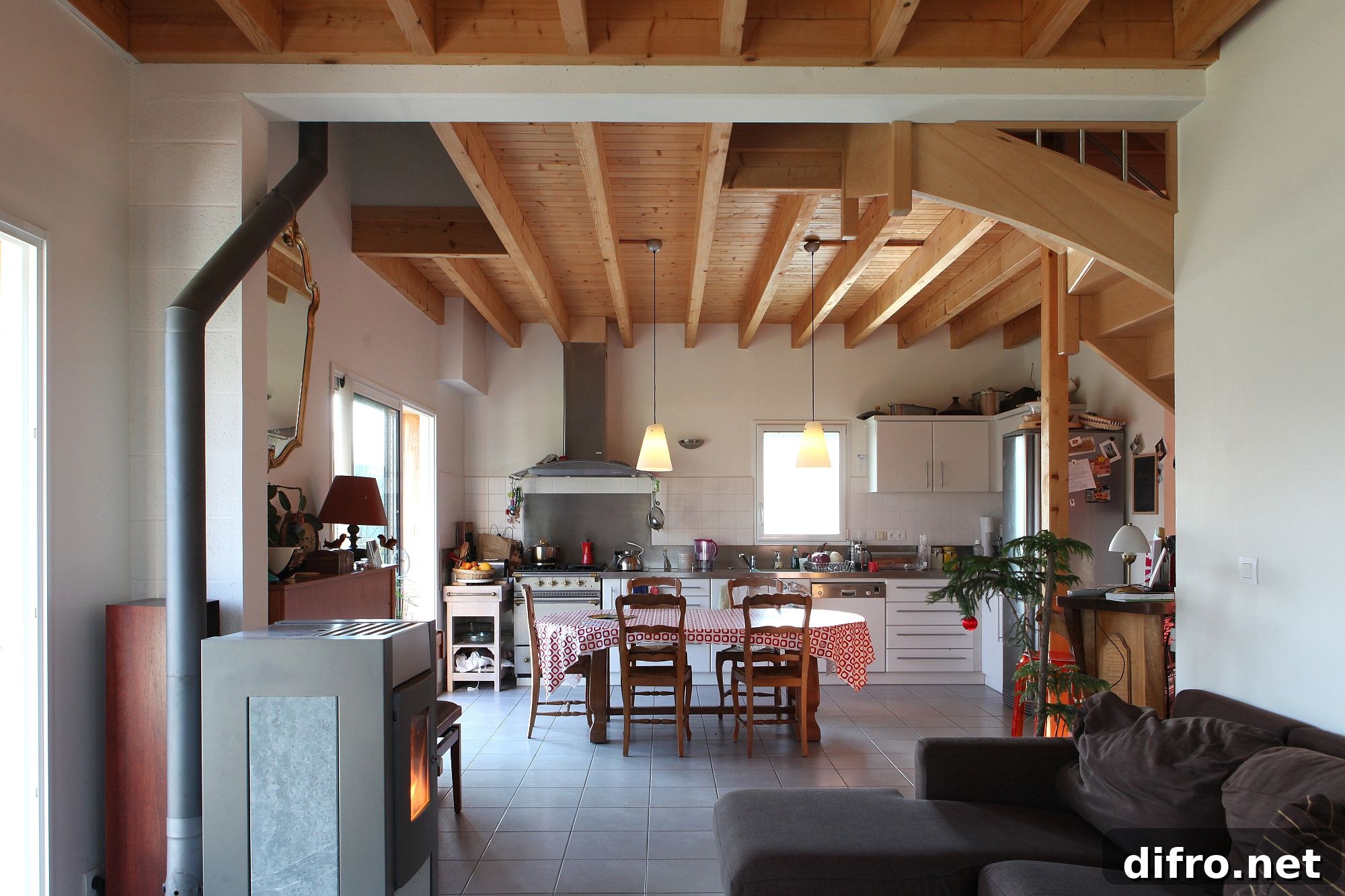
The aspect of the house offers daylong exposure to sunlight. The resulting heat accumulation, the pergola, the integrated blinds and the sliding shutters provide comfort in both summer and winter. A pathway leads visitors to the front door and a vast lawn envelopes the terrace and the house. The curve of the arched roof, which is lowest on the north façade, follows the original design of the upper level of the garden thus respecting one of the architectural principals of David PEARSON’s Gaia Charter: “Let the design be inspired by nature and be sustainable, healthy, conserving and diverse.”
The house is the result of a thoughtful, context-driven design process led by a.typique Patrice Bideau, architecte. Its bioclimatic approach demonstrates how careful siting, natural materials and passive systems can reduce energy demand while delivering a comfortable, attractive home. For homeowners and designers seeking practical examples of low-impact living in Brittany, this project is an instructive model that shows how architecture can be both beautiful and environmentally responsible without compromising everyday comfort.