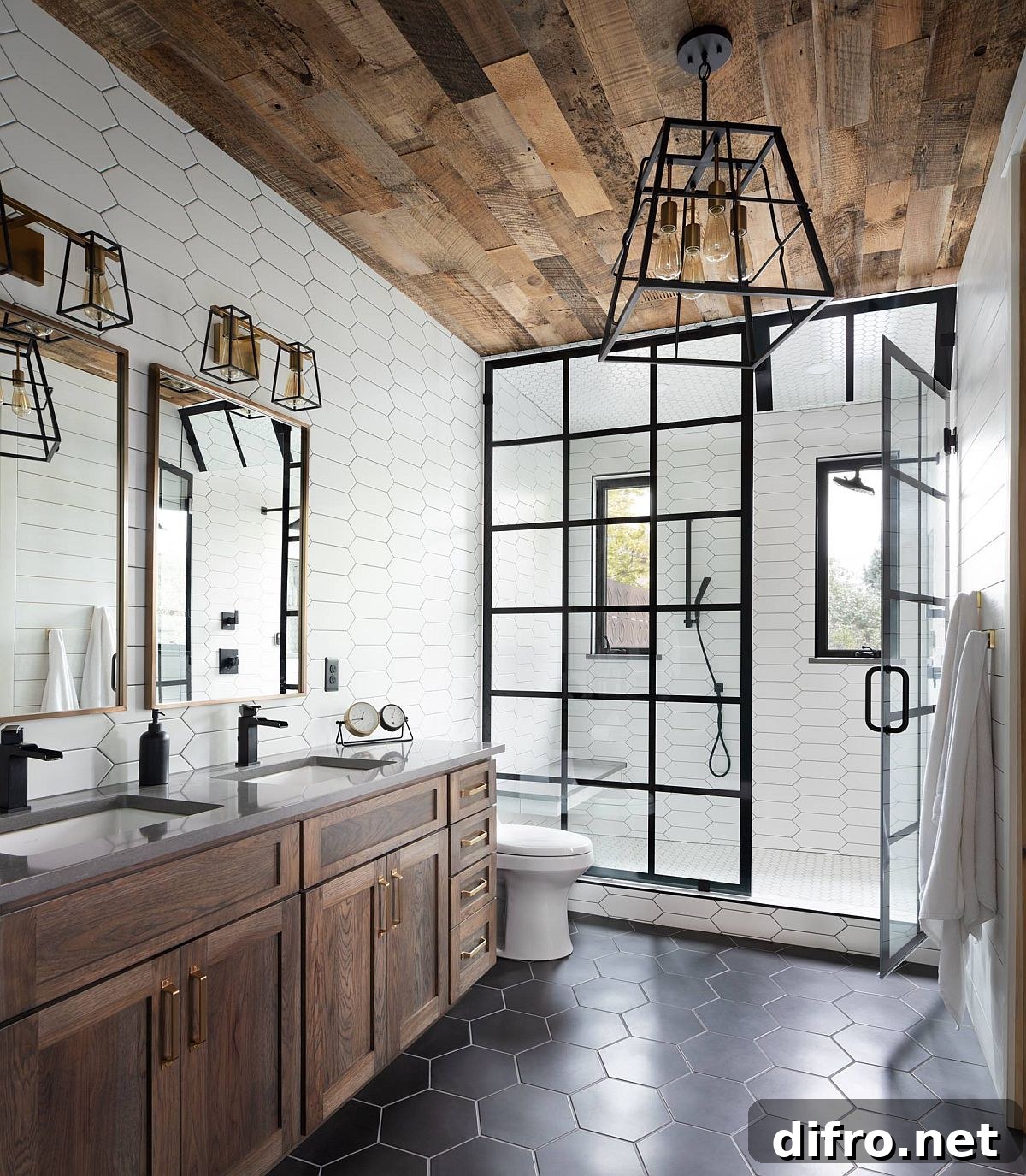
Styles often rise and fall quickly, and before you fully embrace one trend another can already be labelled the “flavor of the season.” While it’s rarely practical to overhaul a home every time a new trend appears, occasional, confident shifts in style can feel fresh and rewarding. If you want to move away from a purely urban-modern look this summer, an industrial farmhouse approach is an excellent alternative. It blends raw industrial details with the warmth and comfort of farmhouse design to create spaces that are both functional and inviting.
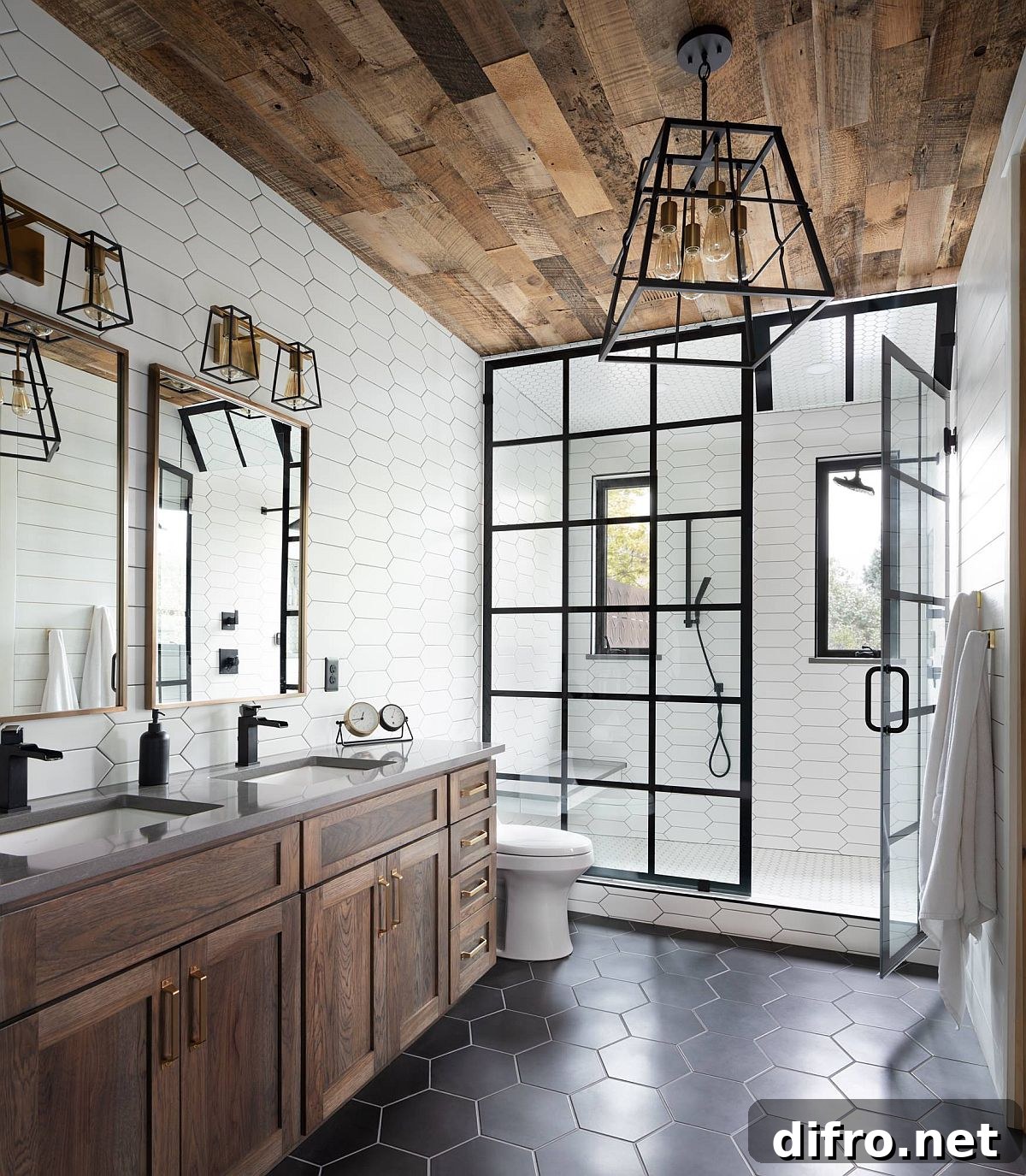
The industrial farmhouse aesthetic combines two complementary design languages: the utilitarian, exposed elements of industrial design and the lived-in, textured warmth of farmhouse style. This hybrid is gaining popularity for its balance of form and function—clean lines and metal finishes meet reclaimed wood, soft textiles and practical, comfortable layouts. From kitchens and dining rooms to bathrooms and bedrooms, the industrial farmhouse look offers many adaptable ideas that work equally well in modern houses and older homes seeking a refreshed identity.
Elements that Feel Common
Industrial and farmhouse styles share several visual and practical features. Weathered or reclaimed wood, exposed structural elements and simple, utilitarian furniture appear in both languages. Practicality is central: ergonomic layouts, easy-to-maintain surfaces and durable finishes are common priorities. Metal details—such as black or bronze window frames, exposed ducts, iron hardware and metal light fixtures—are hallmarks of industrial design, yet they pair naturally with the layered textures and cozy accents of farmhouse decor. Because these elements overlap, combining the two feels seamless and intentional.
Amalgamation of Textures
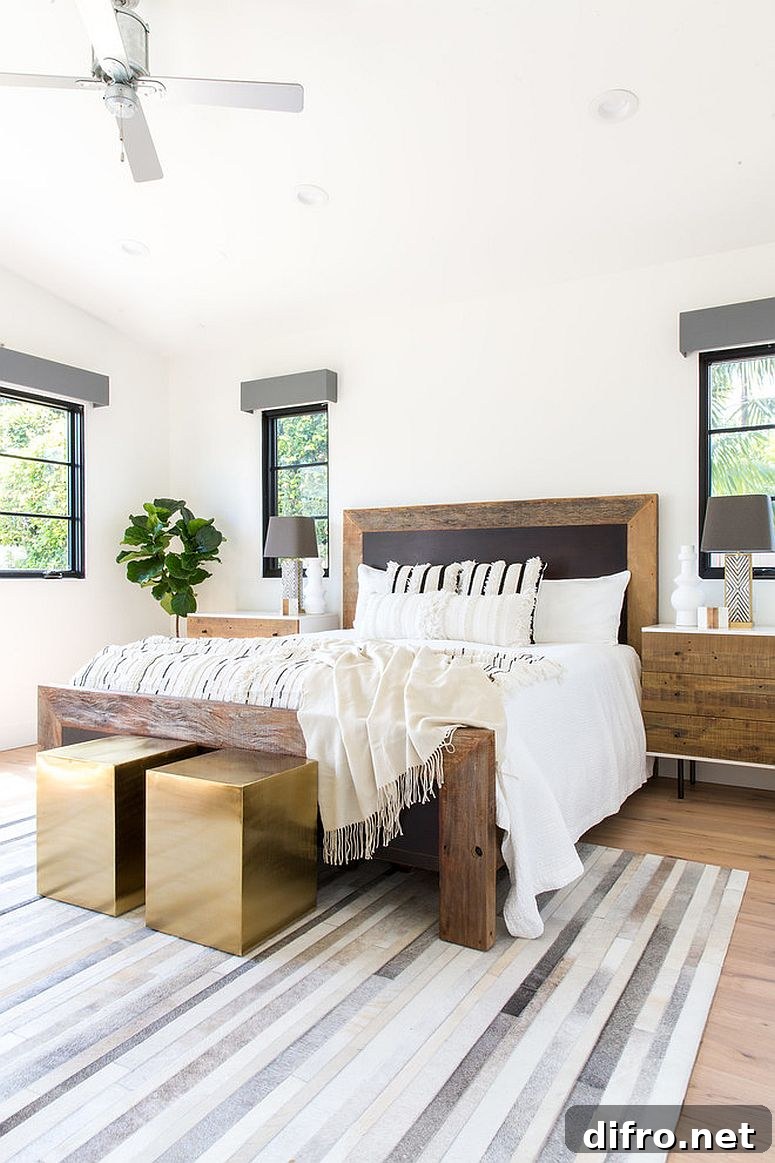
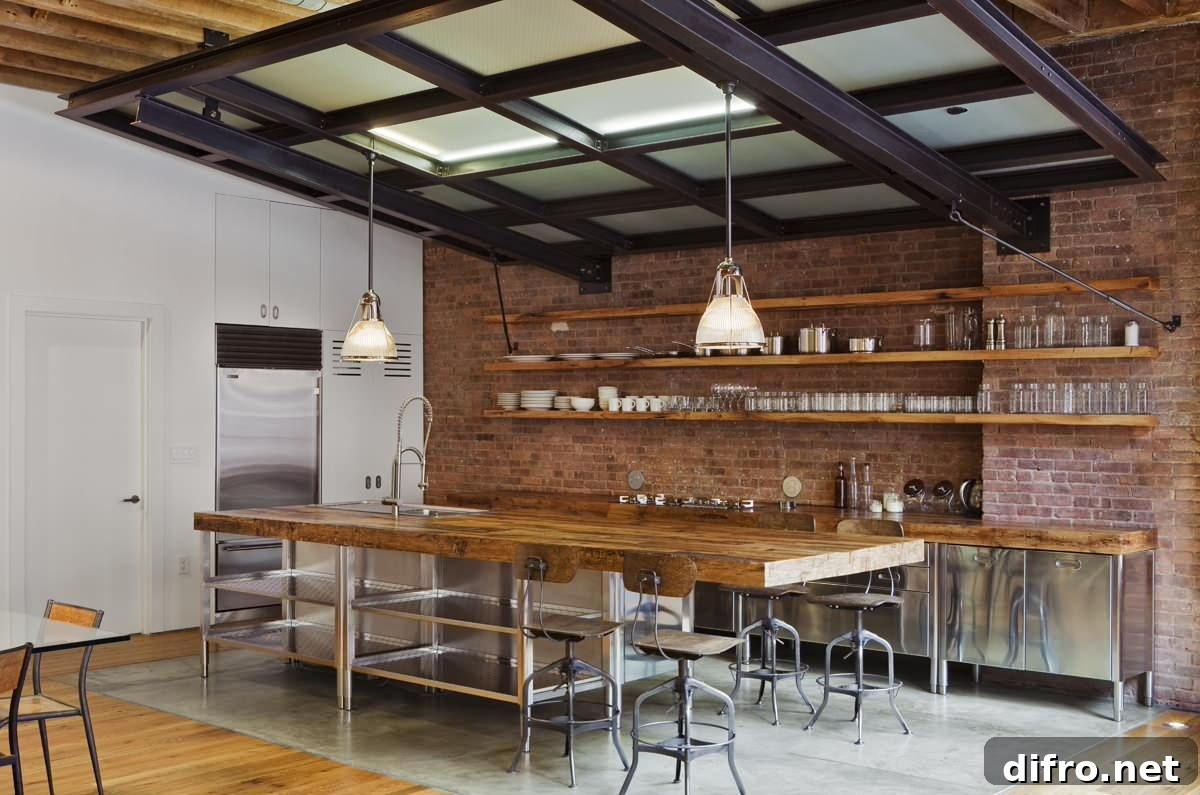
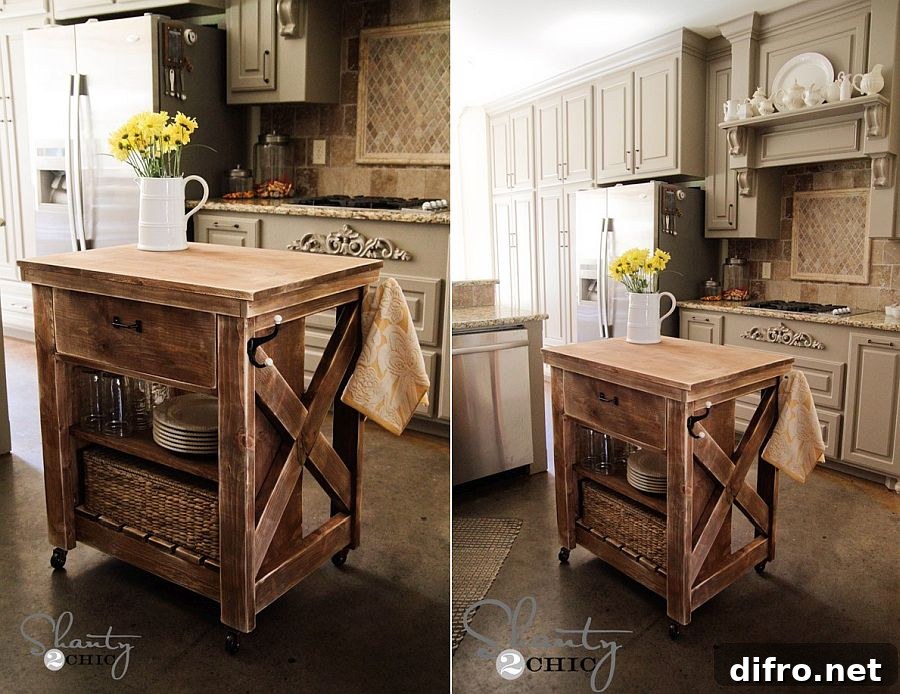
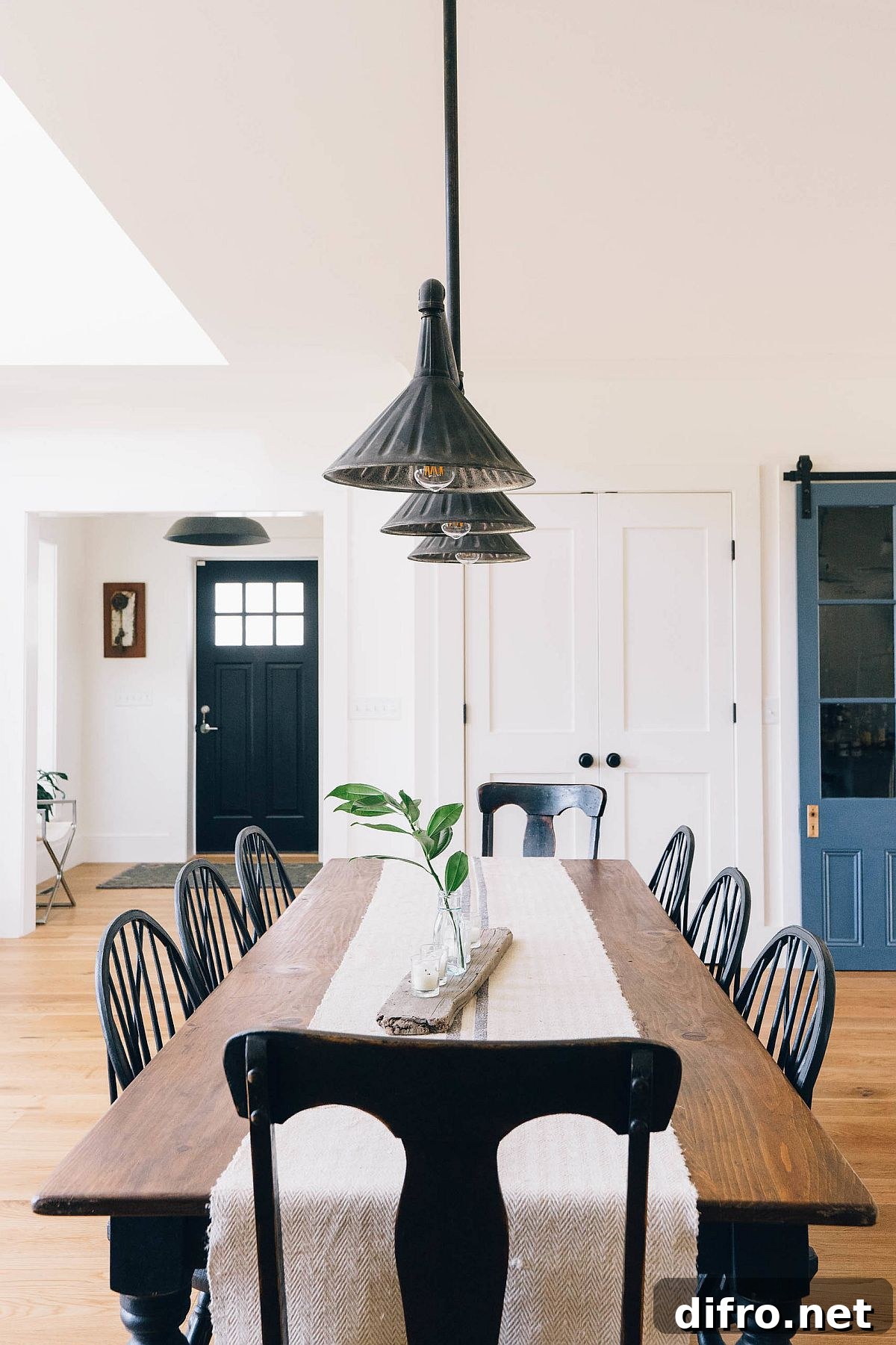
The strength of the industrial farmhouse look lies in its layering of textures. Rough-hewn wood doors and tables, sliding barn doors, dark metal window frames, bronze accents and metal chandeliers create depth and interest. You can lean more heavily into either aesthetic depending on the room: a space with abundant metal and exposed concrete will read more industrial, while a room dominated by reclaimed wood and soft textiles will feel more farmhouse. Both results are valid; let material choices and the function of the room guide the balance.
Where Color Is Secondary
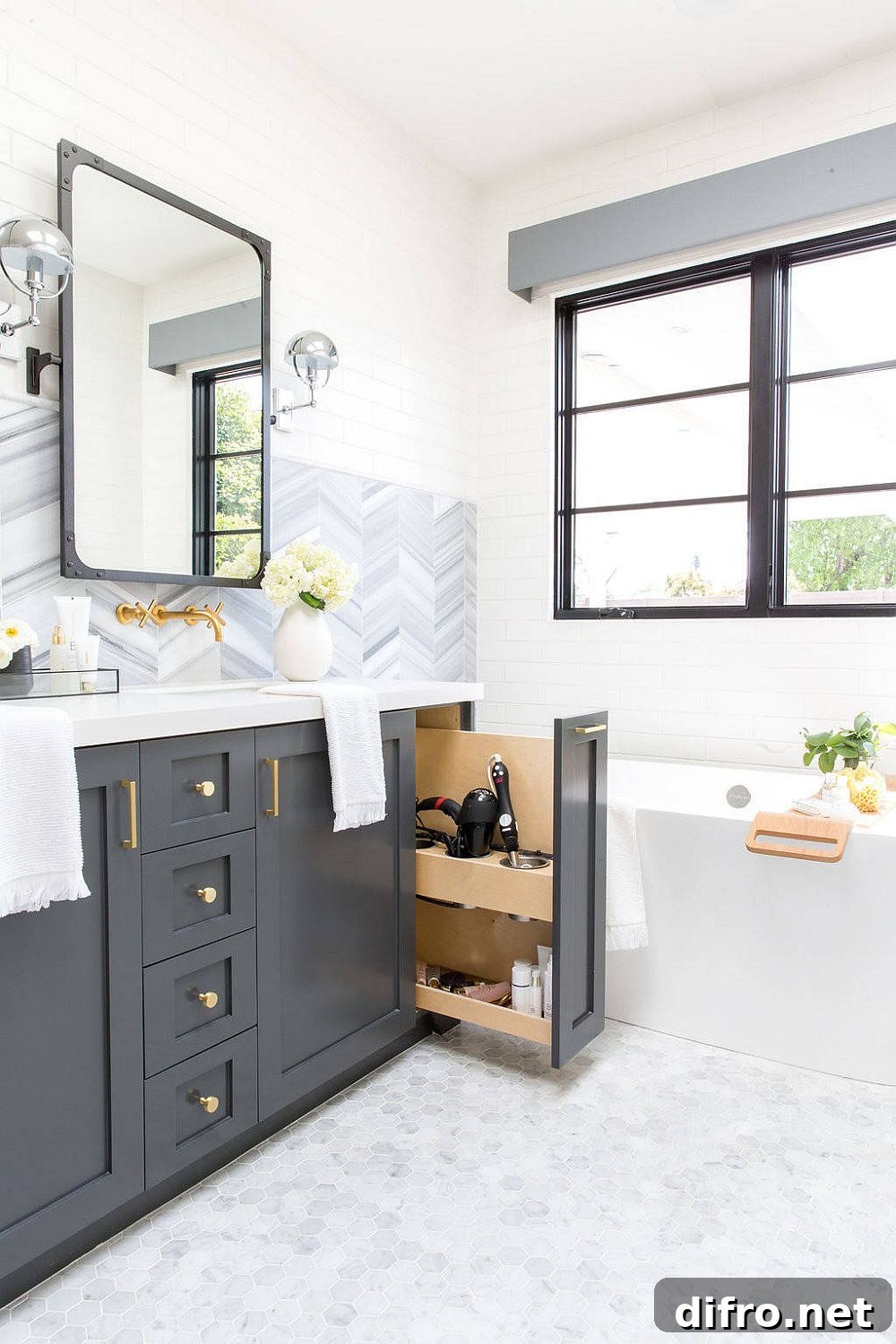
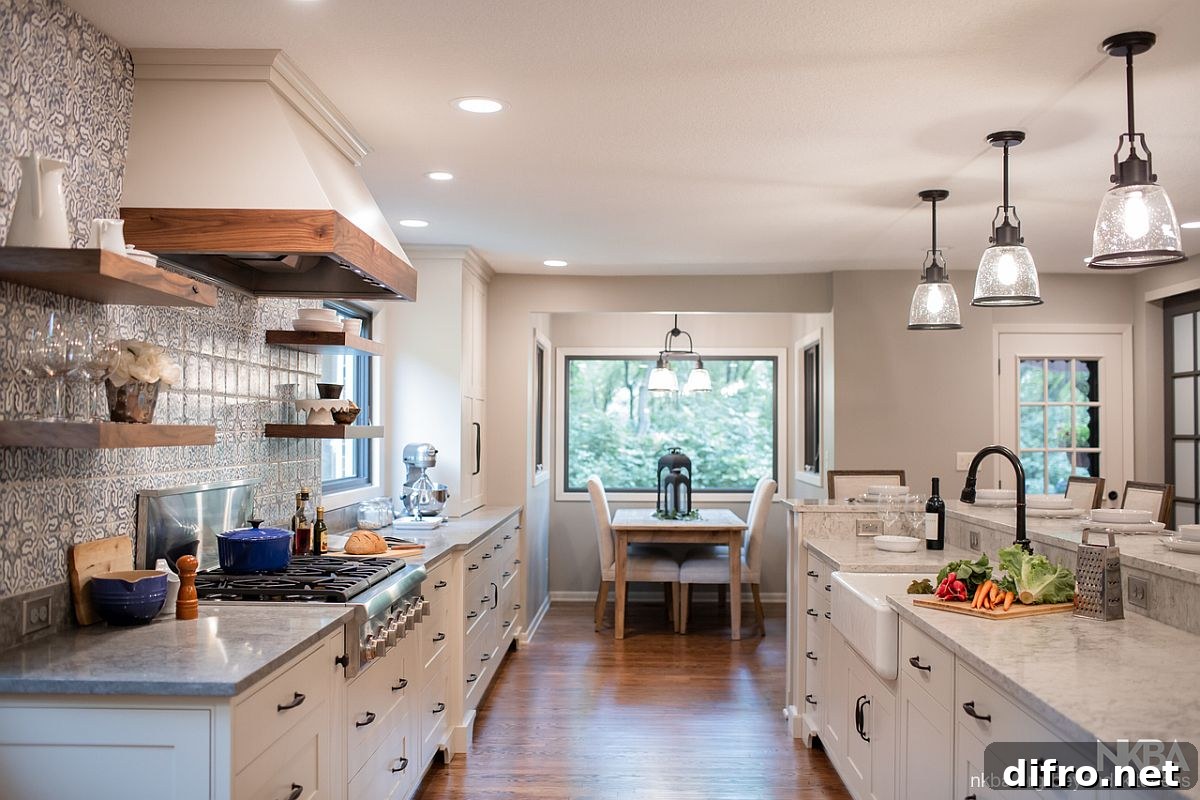
Industrial farmhouse interiors typically rely more on material contrast than on bold color palettes. Neutral backdrops—most commonly white or soft off-white—allow wood grains, metal tones and textured surfaces to take center stage. Keeping walls and major surfaces neutral has practical advantages too: it makes it easier to evolve the room’s style later without a major repaint. While gray and beige remain popular neutrals, clean white continues to be a reliable choice for letting layered finishes stand out.
FAQs
What is farmhouse industrial?
Farmhouse industrial is a hybrid design style that mixes rustic, homey farmhouse elements—like reclaimed wood and vintage accents—with industrial touches such as exposed metal, structural details and utilitarian fixtures. The result is a space that feels warm and approachable while retaining a clean, modern edge.
Can you mix farmhouse with industrial?
Yes. Combining farmhouse and industrial elements is straightforward because they share complementary materials and priorities. Introduce weathered wood, metal hardware, simple functional furniture and layered textures to create a cohesive blend. Focus on balance so the room reads as intentional rather than cluttered.
How does the industrial farmhouse style handle color?
Color tends to be subdued in industrial farmhouse spaces; neutrals such as white, soft gray, and warm beige form the backdrop while materials provide contrast and character. This approach emphasizes texture and allows for flexible updates later on.
Is industrial farmhouse suitable for modern homes?
Absolutely. The style adapts well to modern floor plans and older homes alike. By choosing the right mix of materials and finishes, you can make the design feel contemporary, cozy or somewhere in between depending on your preferences.