Plywood-Clad Split Levels Transform a Historic London Family Home
When homeowners want to extend an older property with historic value, the usual solution is a rear extension that adds living space on the ground floor and a bedroom or studio above. That approach preserves the street façade while creating new usable area. But for a traditional two-story house on a central London housing estate, local planning and heritage constraints ruled out a rear loft or outward extension. Faced with those limits and with a family preparing to welcome a second child, Bradley Van Der Straeten Architects took a very different path: rather than altering the exterior, they reimagined the entire interior to create cleverly stacked and connected spaces.
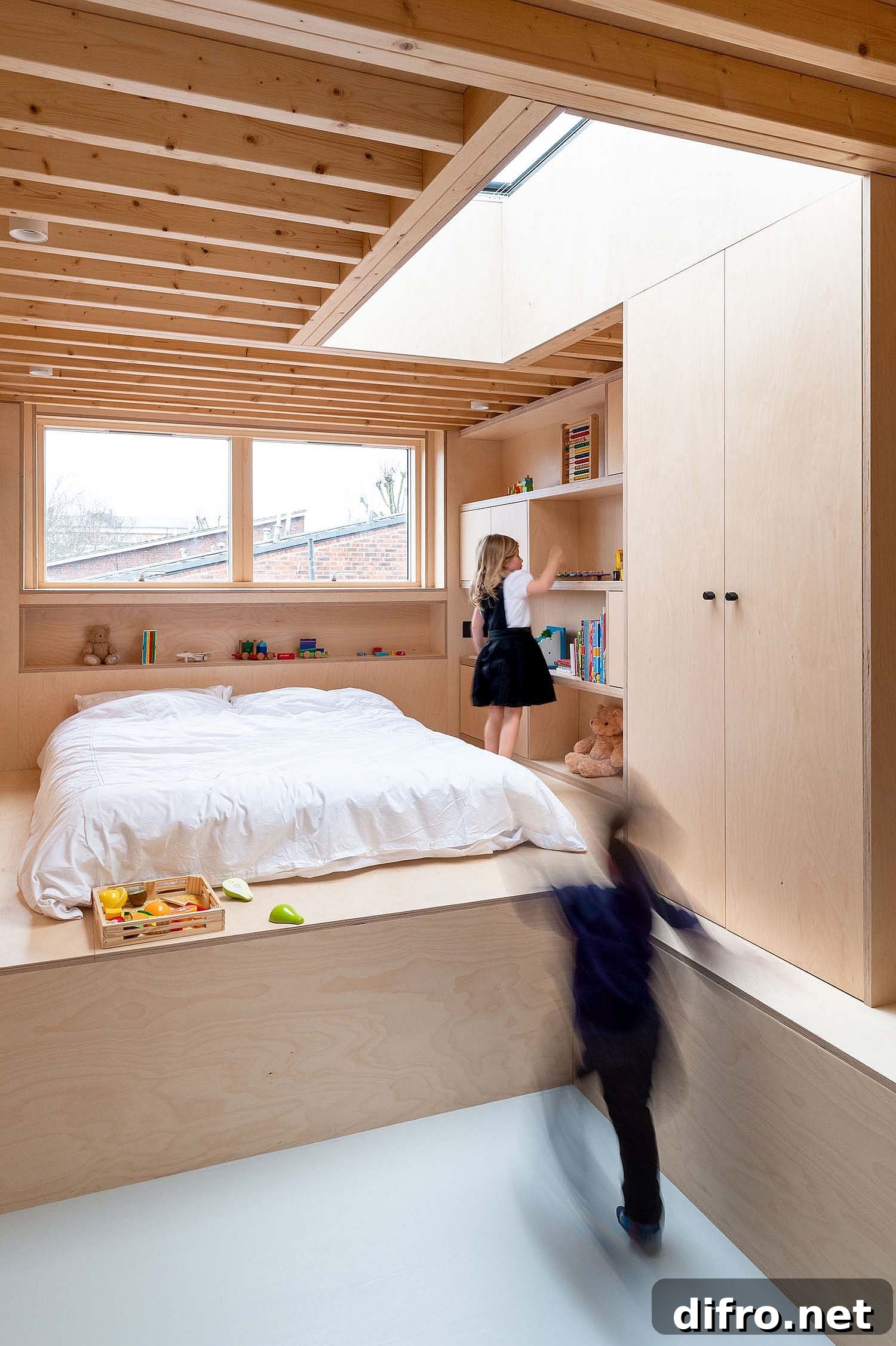
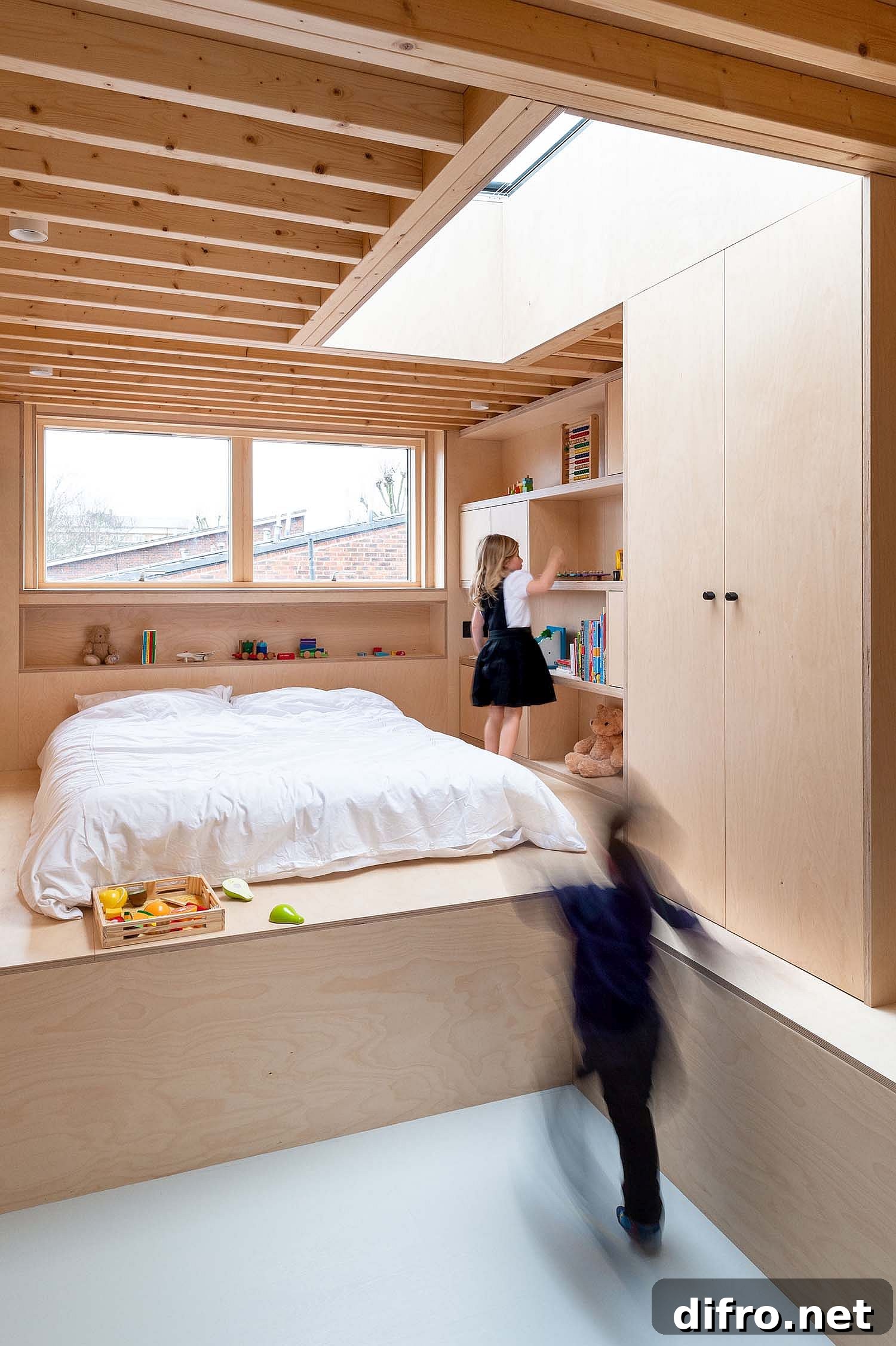
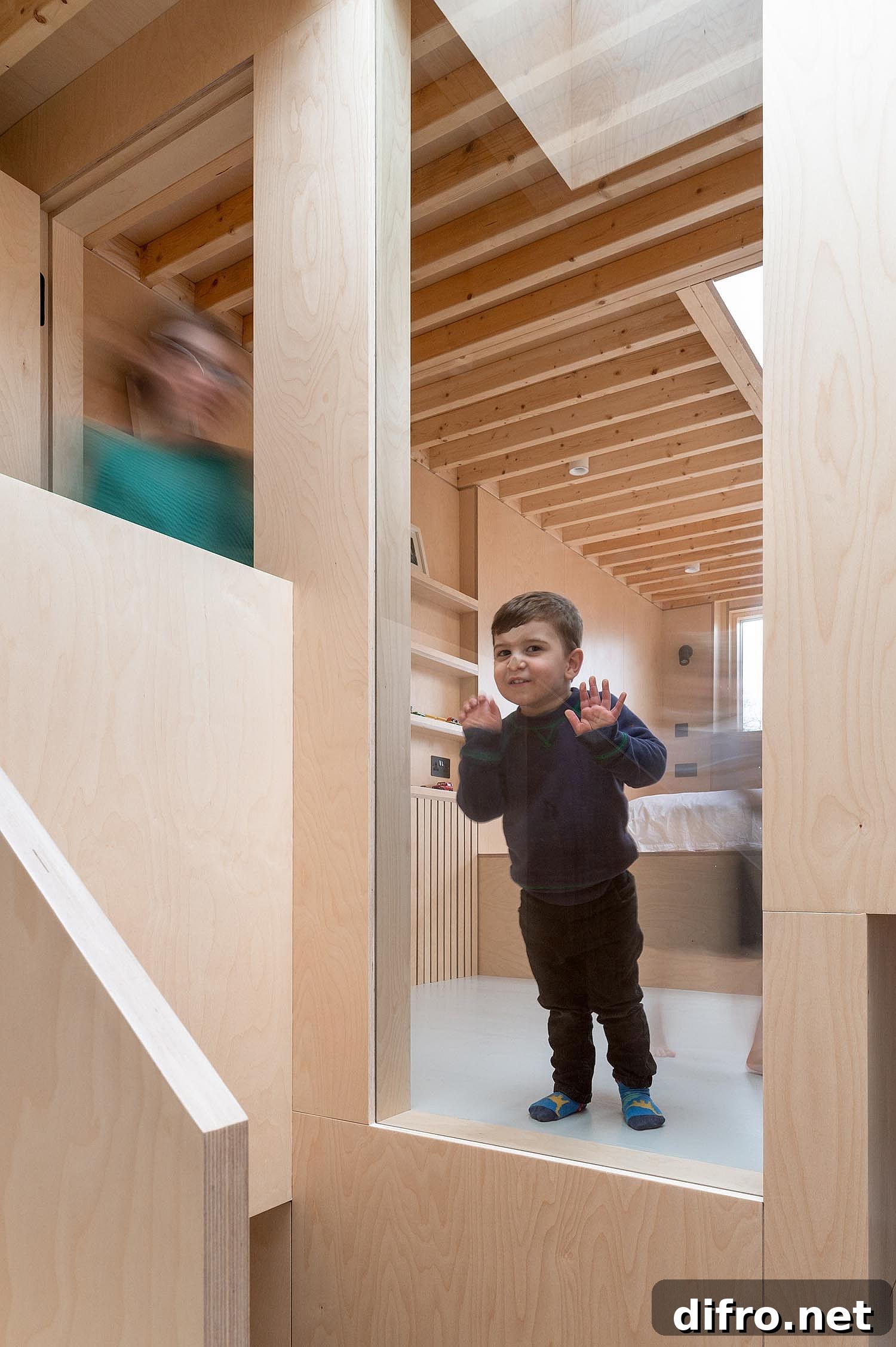
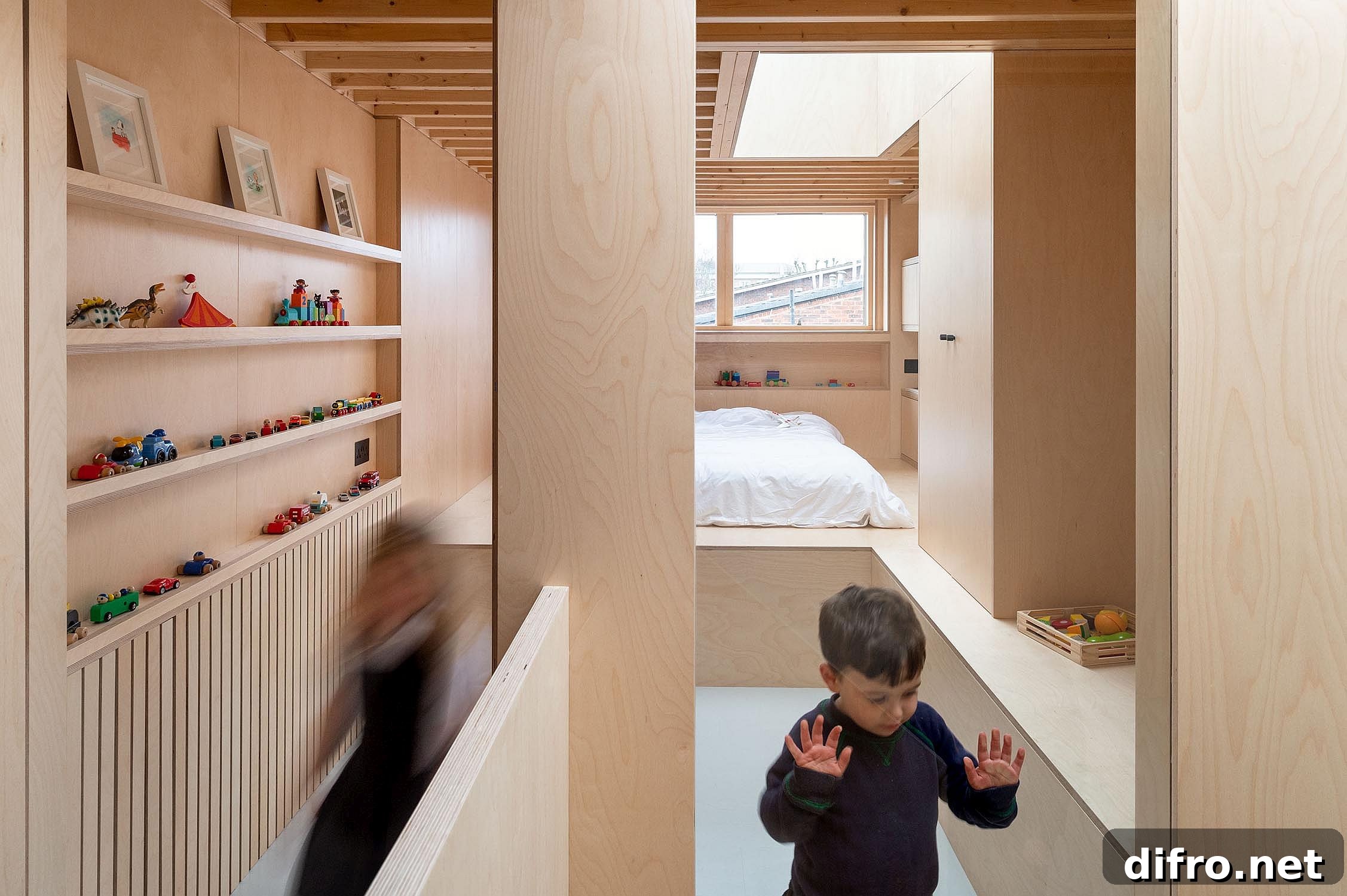
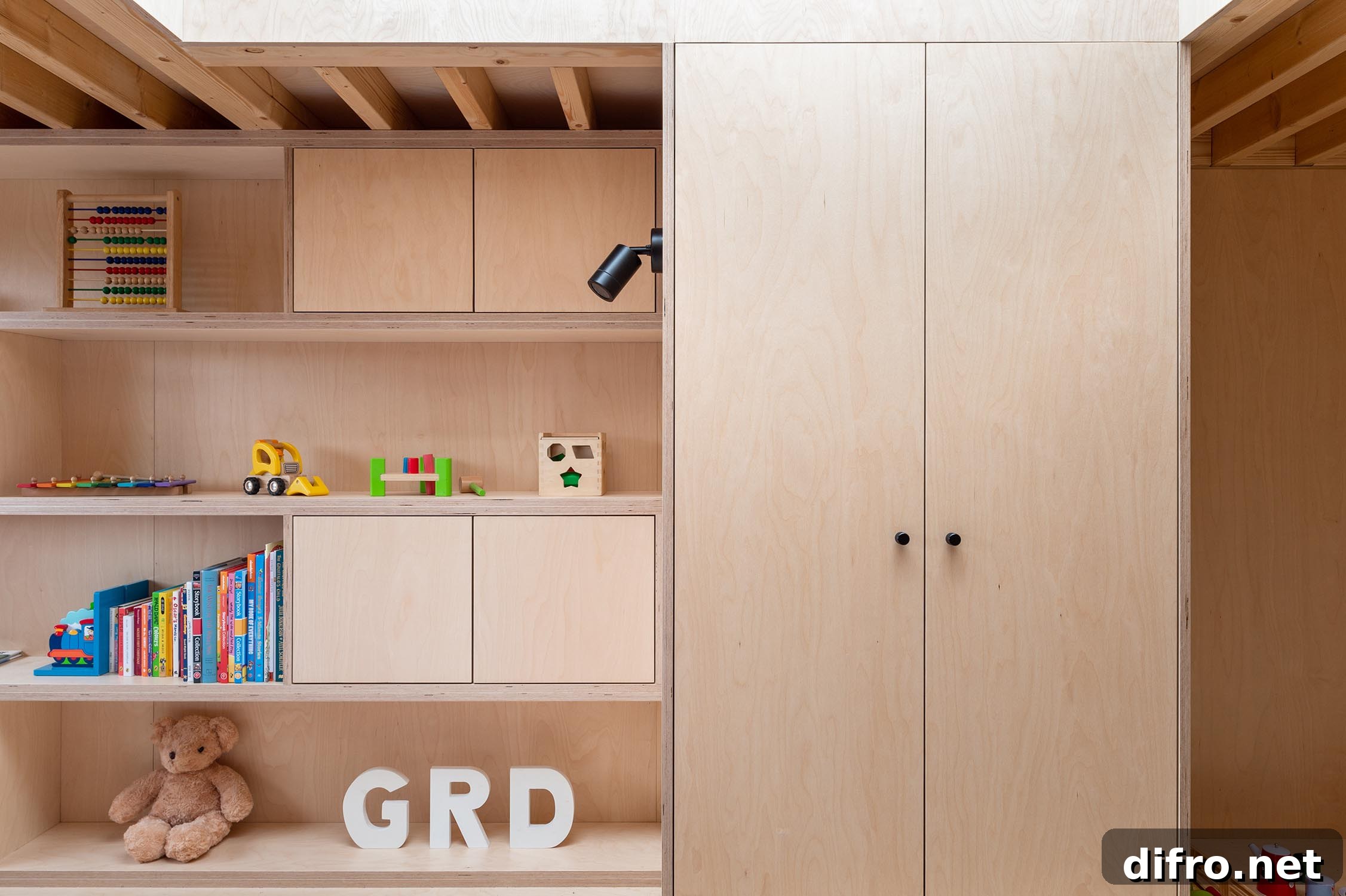
Instead of adding volume to the exterior, the architects introduced a system of split levels within the existing building envelope. These new intermediate floors and platforms are wrapped in warm plywood, a unifying material that reshapes circulation, conceals generous built-in storage, and adds tactile warmth throughout the home. The reconfigured plan creates a dedicated upstairs bedroom for children while a glazed internal window in the hallway lets adults visually supervise them—an elegant solution that balances privacy with connection.
The loft-style kids’ sleeping area sits above a lower bedroom, with the ceiling of the lower room doubling as the bed frame for the loft above. This layered approach finds new space vertically, rather than by extending outwards, and it makes efficient use of the house’s existing height. Plywood cladding, integrated shelving and cabinetry, and a carefully considered staircase reorganize the interior so that each zone feels purposeful and connected.
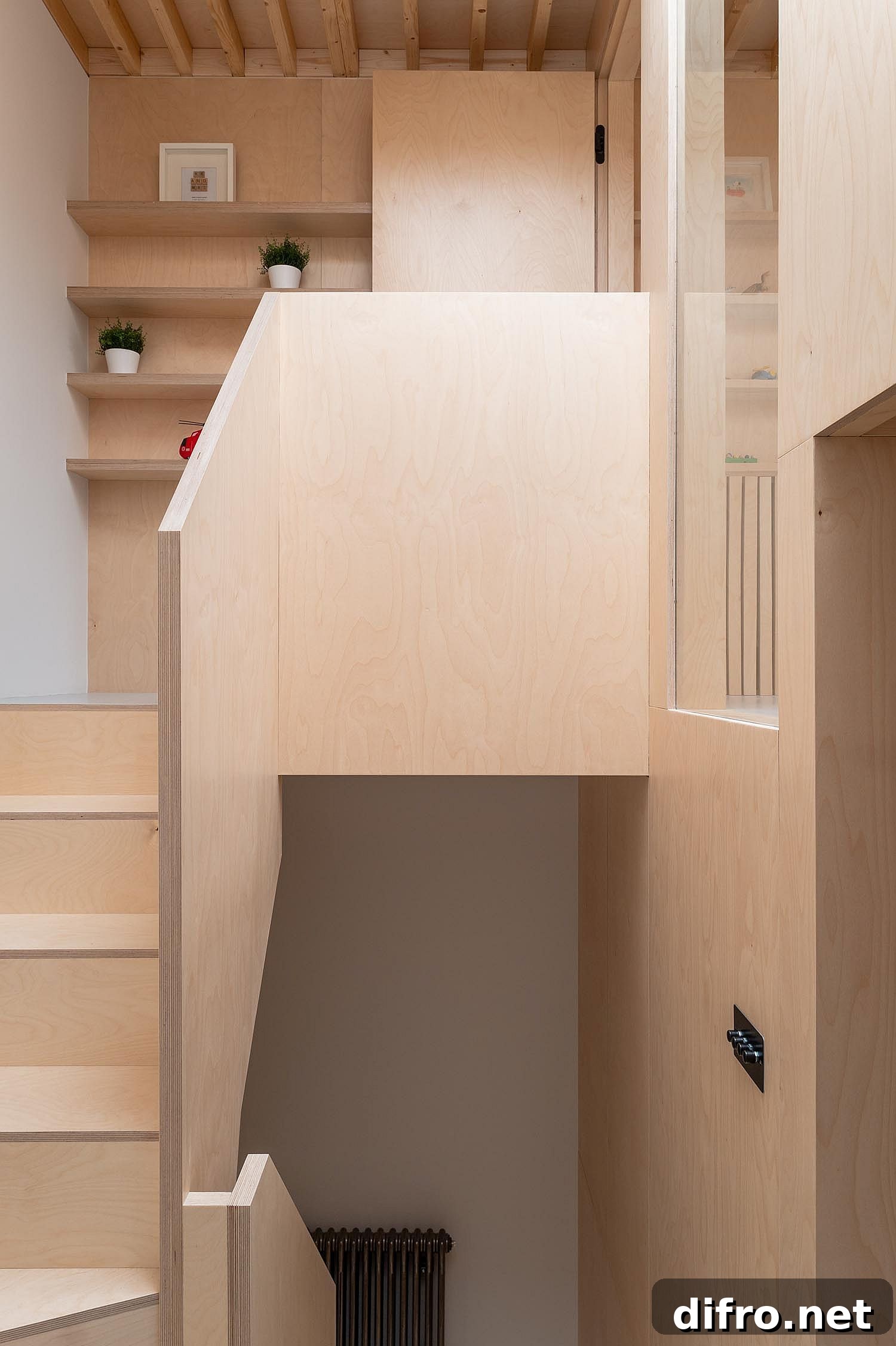
The interiors favor a neutral palette of white and natural wood, which allows the plywood architecture to read as a continuous, warm backdrop. Exposed timber ceiling beams add character to the bedrooms while external brickwork maintains the building’s original texture and presence on the street. Generous roof glazing and a well-placed skylight bring abundant natural light deep into the reorganized spaces, ensuring rooms feel bright and airy despite the tighter footprint.
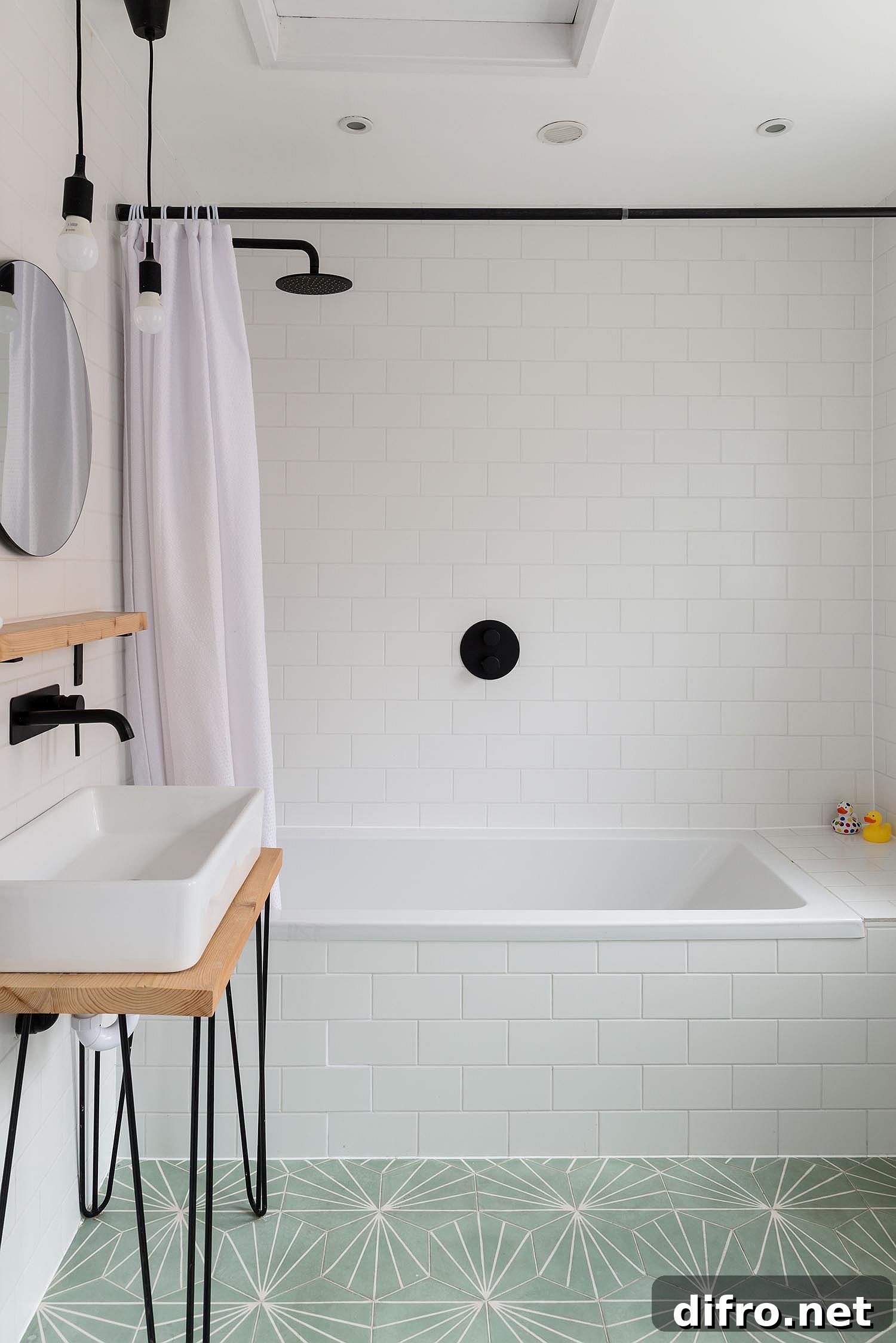
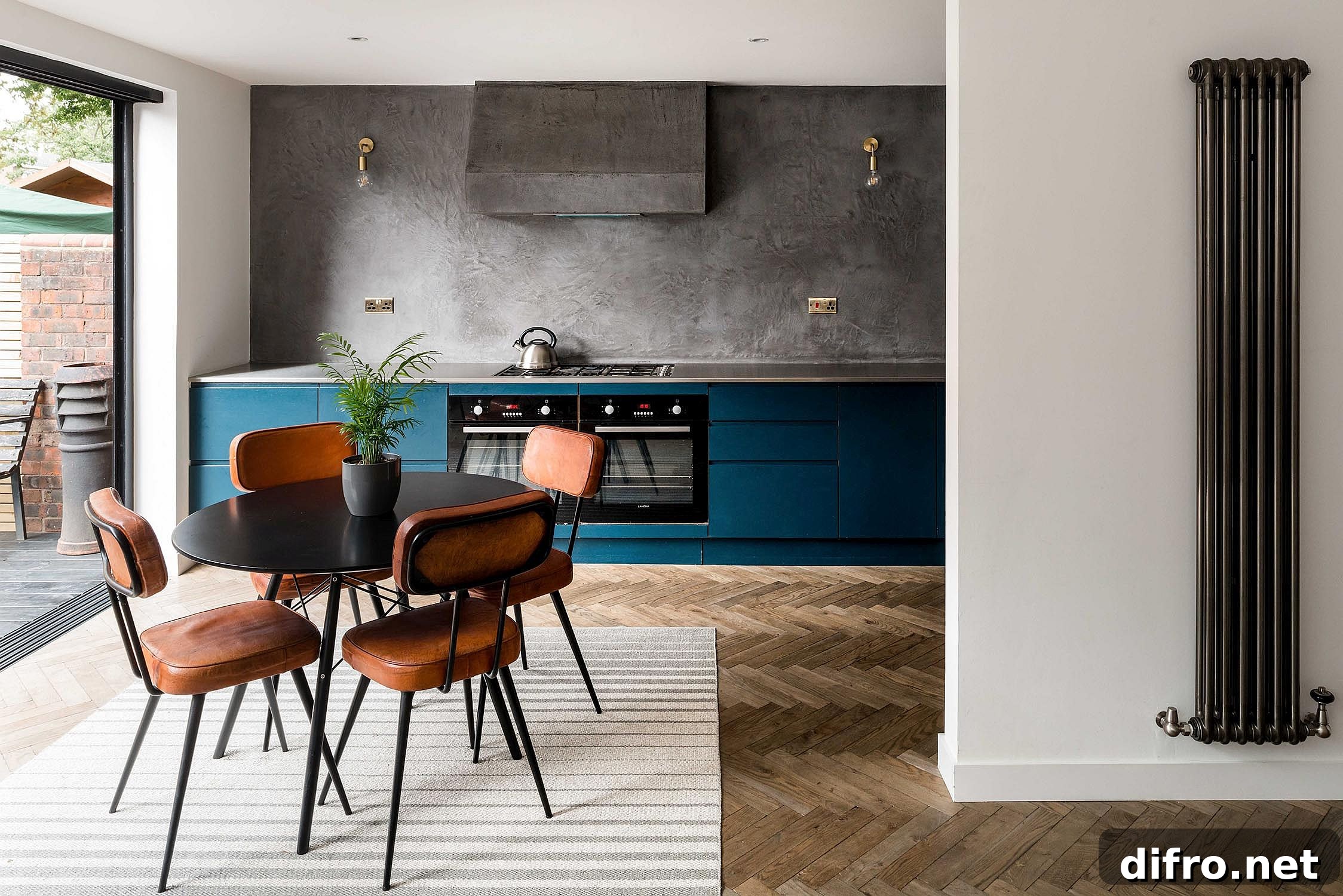
Bathrooms and service spaces follow the same space-savvy approach. Bespoke joinery, like a compact vanity with hairpin legs, demonstrates how custom fittings can add personality while respecting tight spatial constraints. The kitchen combines white surfaces and concrete with a striking pop of blue cabinetry, introducing color and contrast without overwhelming the restrained material palette.
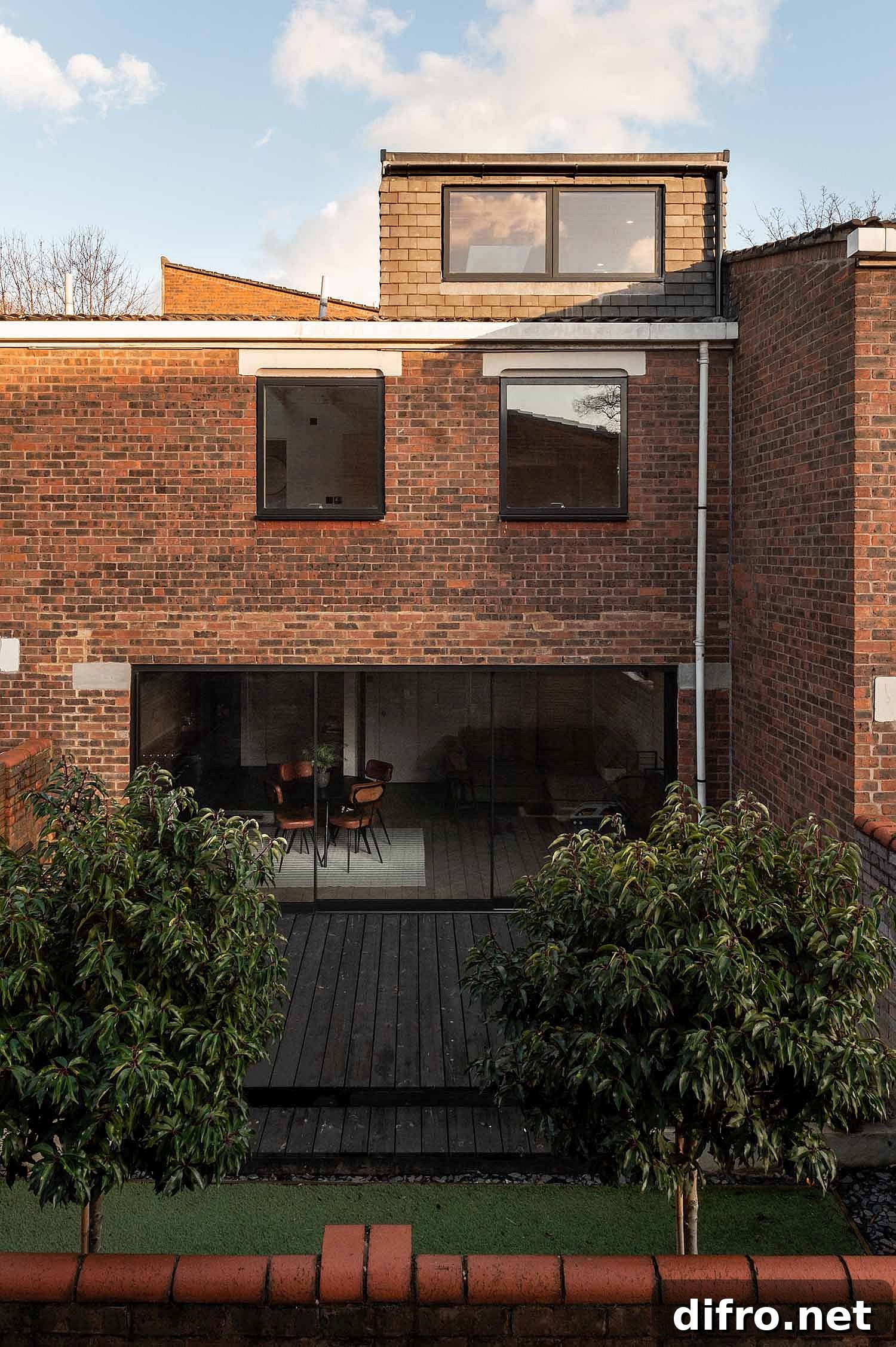
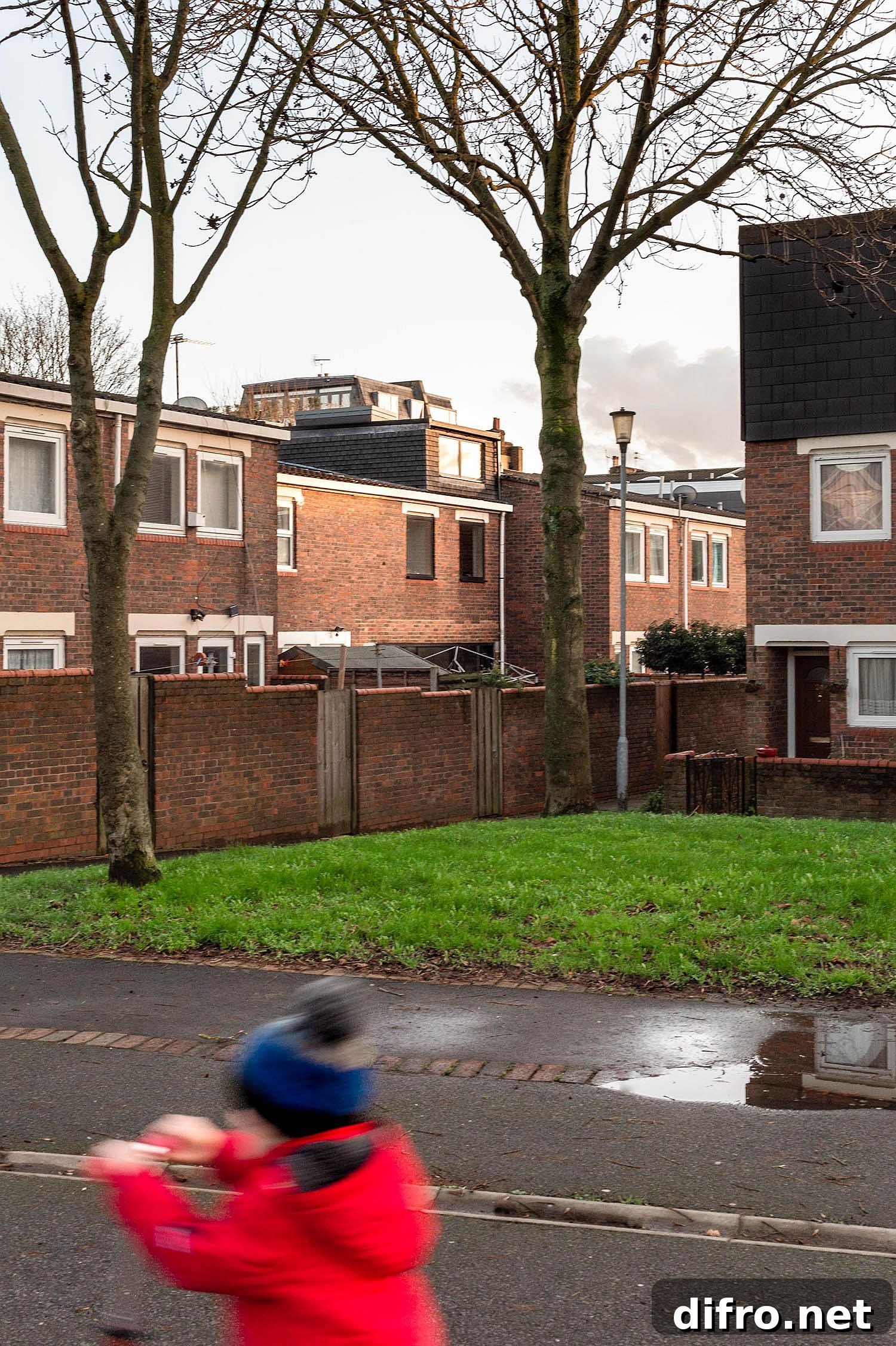
The exterior appearance of the house remains sympathetic to its surroundings: brick façades and an articulated composition of glass and openings preserve the street character while offering visual contrast and modern transparency where appropriate. From the street, the property reads as a two-and-a-half-storey home, but inside it now delivers a far greater degree of spatial complexity, storage and family-oriented functionality.
By prioritizing vertical reorganization and material continuity, the renovation delivers flexible family living without compromising the building’s exterior or the character of the surrounding estate. The result is a warm, cohesive interior where plywood-clad volumes, clear sightlines, and thoughtful joinery combine to make small spaces perform much larger. [Photography: French + Tye]