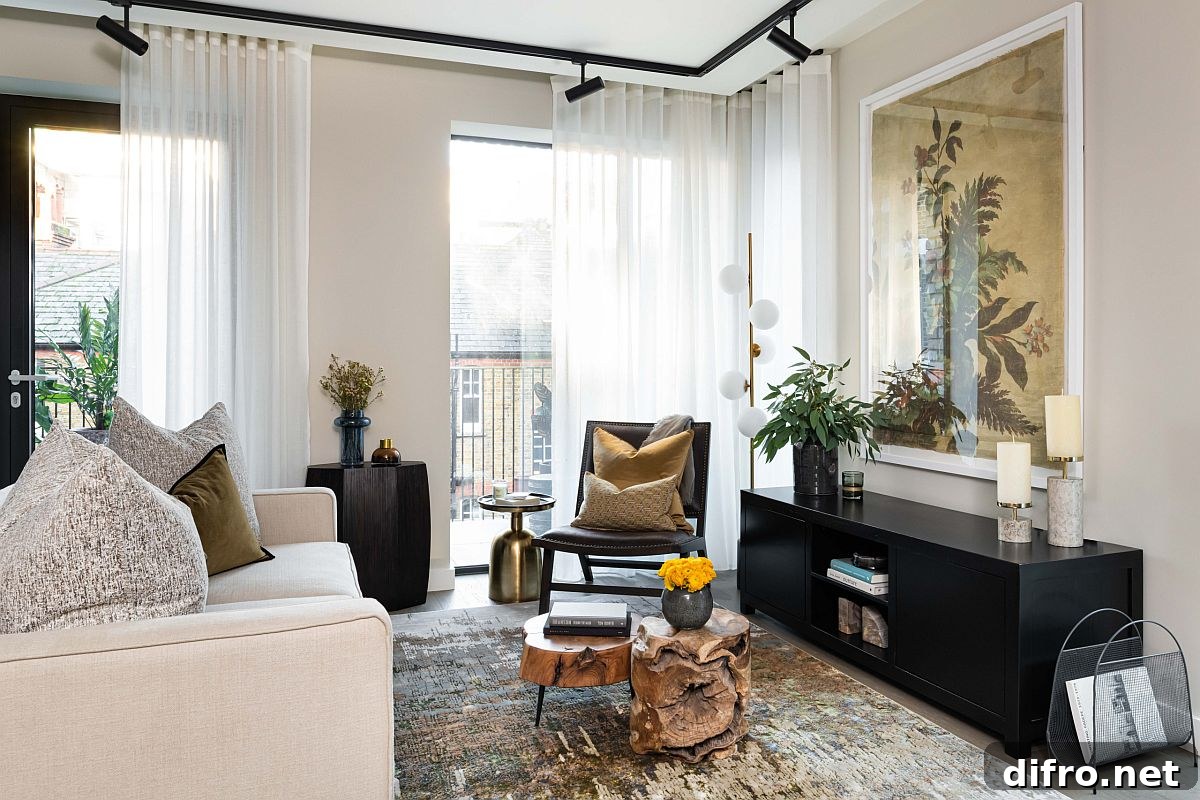
We are naturally drawn to bold colors and vibrant personalities. When you picture a colorful scene, reds, blues and yellows often come to mind first. After those, neutrals step in—white usually leads that group. In recent years, gray and its many variations have become very popular. But what about beige? It’s a color that’s always present—sometimes dominant, sometimes subtle—yet rarely boring. Beige quietly supports and highlights other colors, letting them shine while providing a calm, elegant foundation.
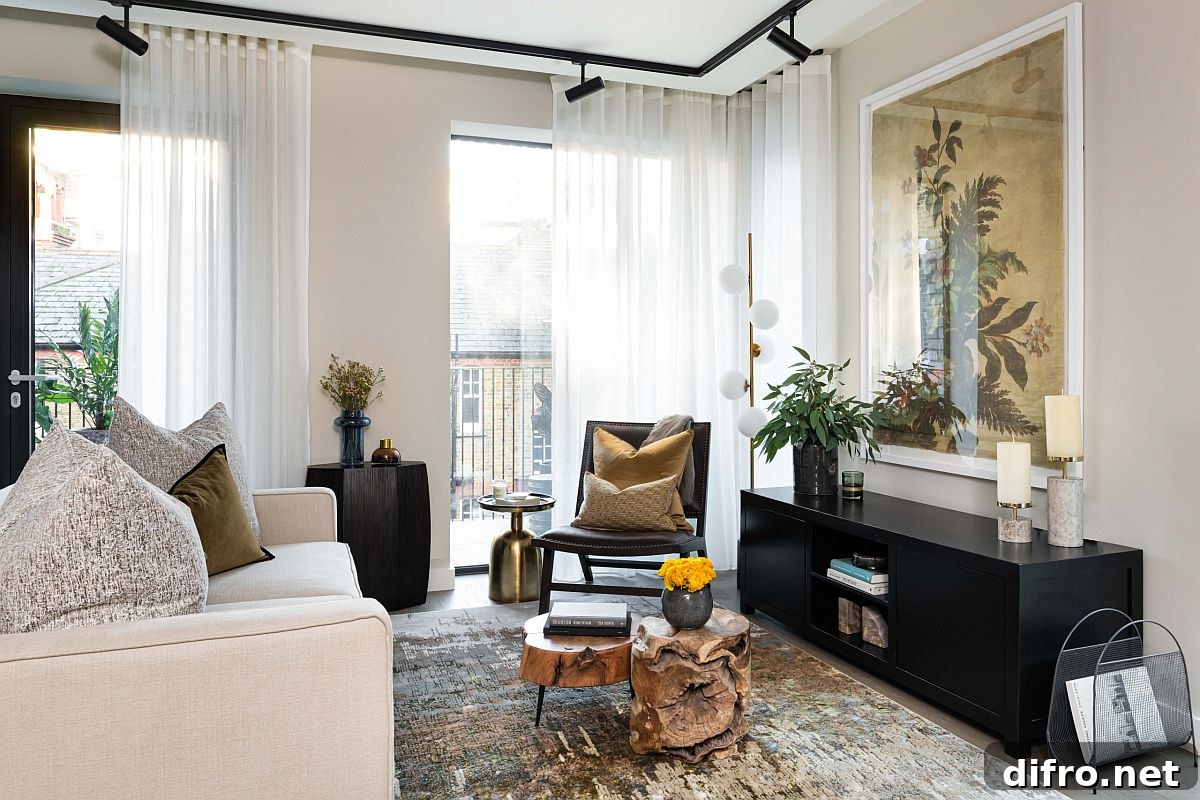
The strength of beige is its versatility. With a broad spectrum of tints—from cream and sand to tan and khaki—beige can read as warm or cool depending on undertones, lighting and the colors paired with it. Rather than creating monotony, the many faces of beige offer a refined, timeless backdrop that complements contemporary neutral schemes as well as richer, colorful palettes. If you’re tired of the ubiquitous white or the gray trend, beige is a sophisticated alternative worth exploring.
1. A Wide Range of Beige Shades
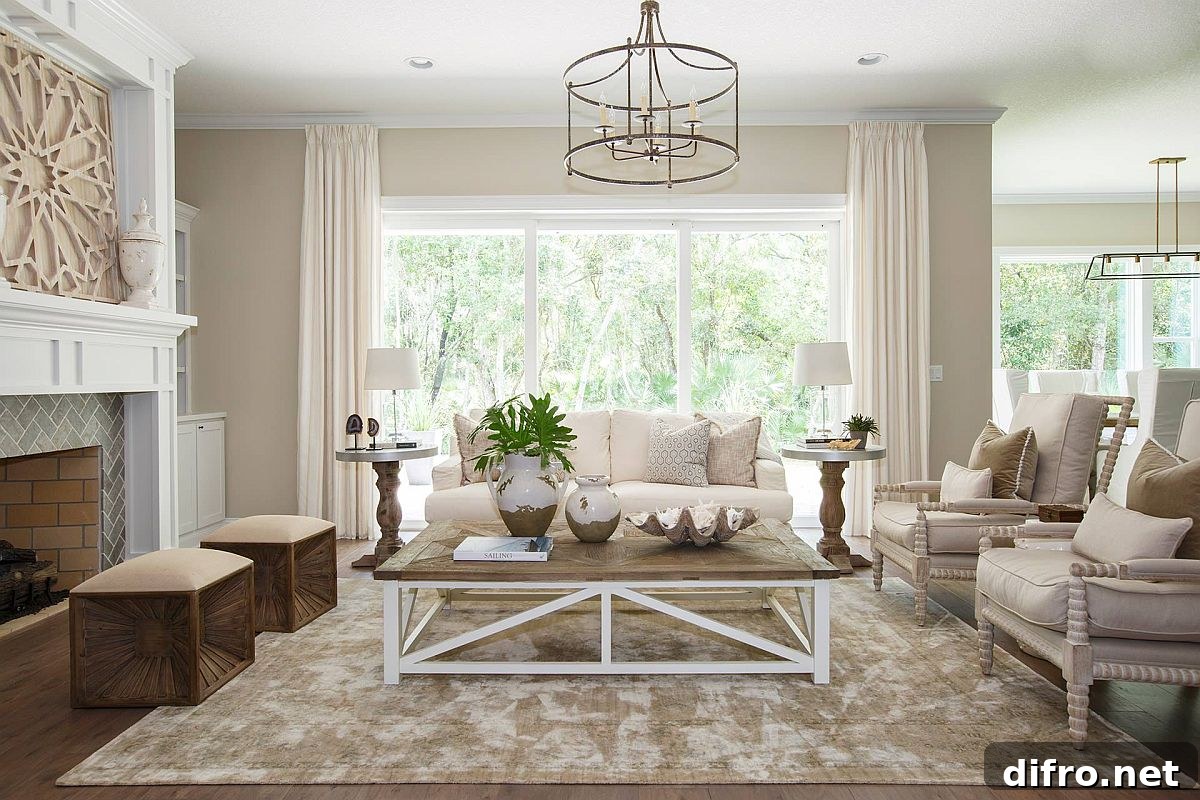
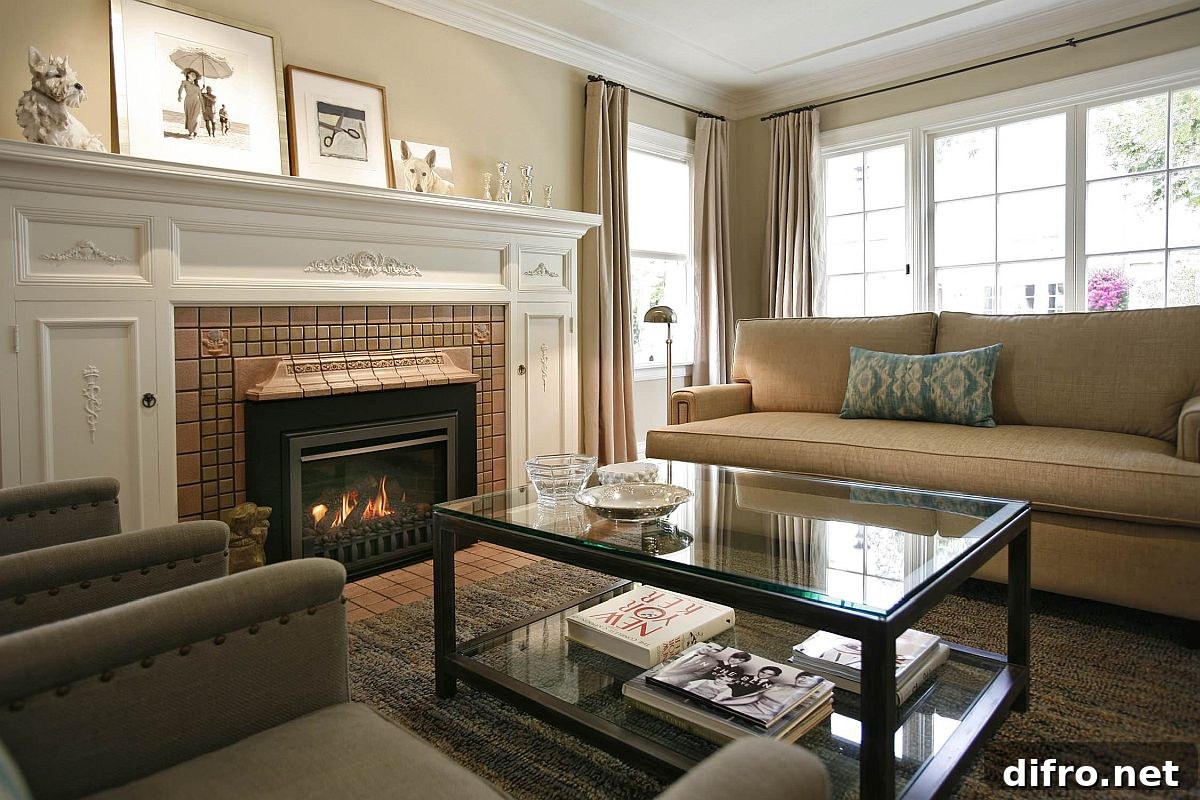
Beige comes in many shades: pale cream, sandy taupe, warm khaki and deeper tan variations. These subtle differences let you shift a room’s mood without a major redesign. A tone-on-tone approach—layering slightly varied beiges—creates depth and elegance while remaining understated. Beige can feel calming and sophisticated; it is warm without overpowering and discreet yet luxurious when used thoughtfully.
2. Greige: The Hybrid Neutral
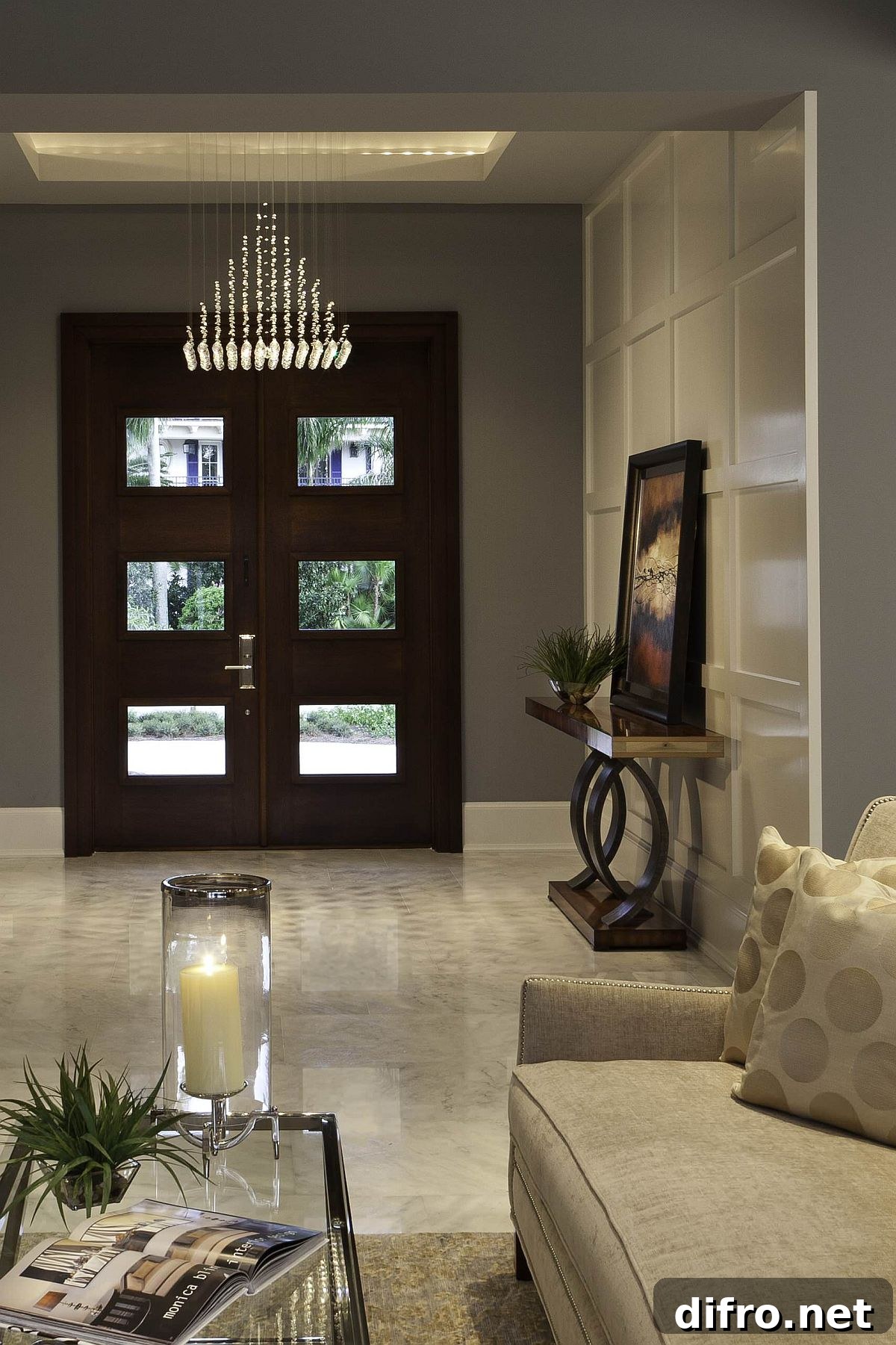
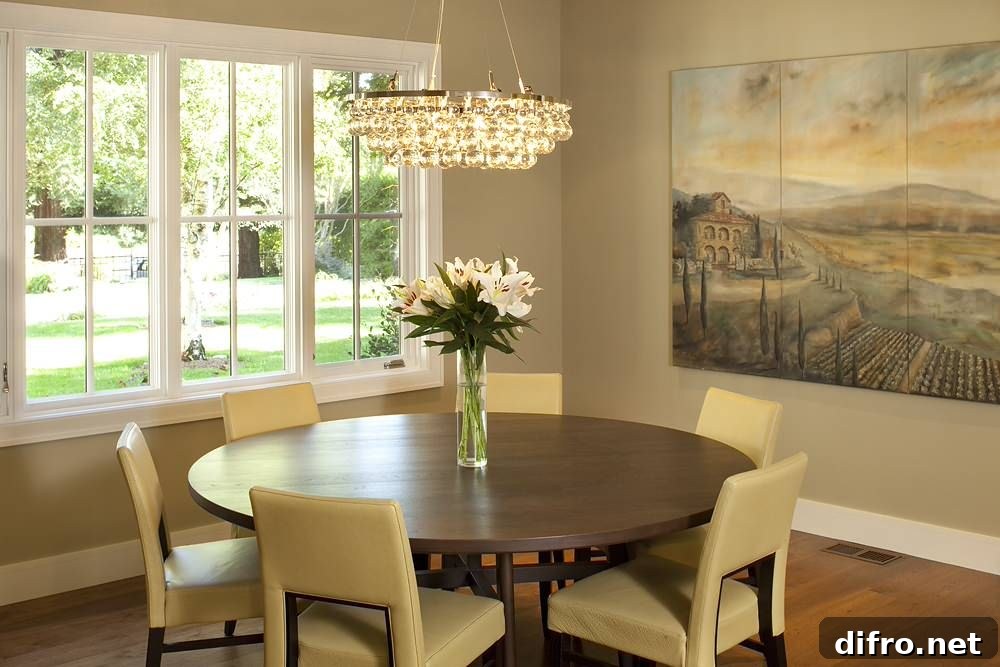
Greige—a blend of gray and beige—has become a popular neutral for those who want the modern edge of gray with the warmth of beige. Greige is flexible and stylish, offering a middle ground that works well across many design styles. It’s an excellent choice if you’re undecided between a warm or cool neutral since it harmonizes with both palettes and adds a contemporary touch without feeling cold.
3. A Natural, Understated Backdrop
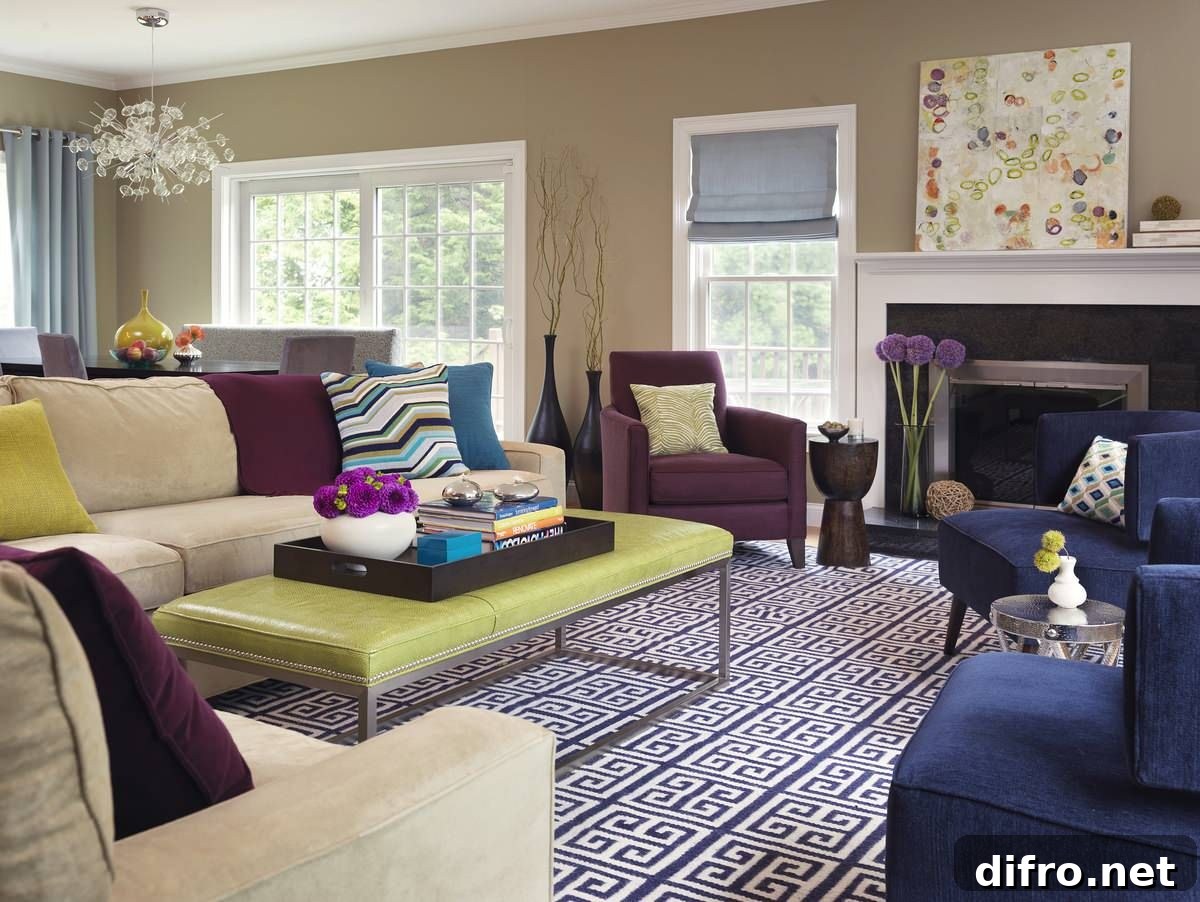
One of beige’s greatest strengths is how well it functions as a backdrop. Beige walls rarely go out of style, and they adapt easily to evolving trends. Because beige is low-key, even small pops of color—artwork, textiles, or metallic accents—stand out and make a strong visual impact. This adaptability makes beige an ideal canvas for mixing styles and updating your space seasonally without repainting.
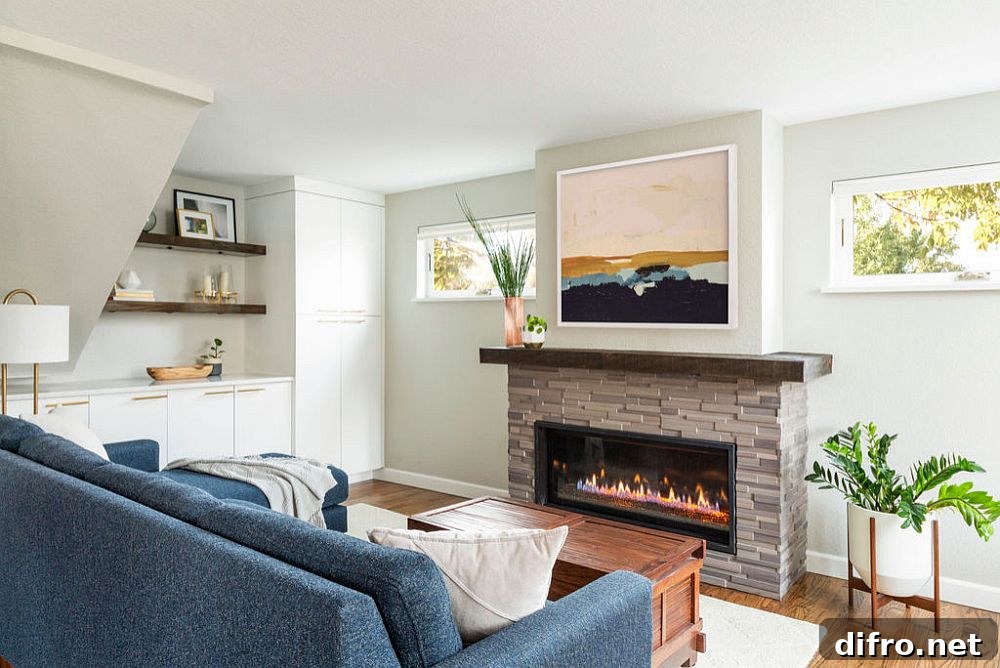
4. Bring Beige in Through Décor and Flooring
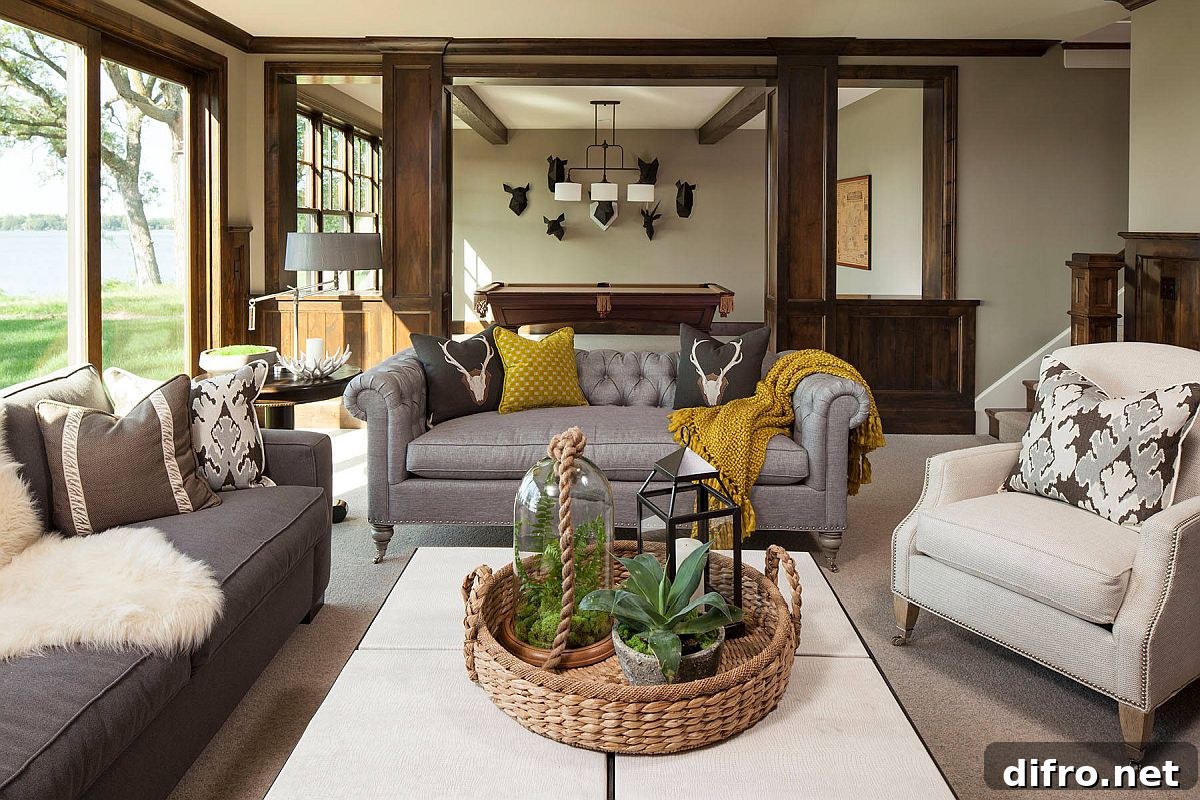
Beige doesn’t have to be limited to paint. Introducing beige through flooring, rugs, upholstery, or accessories can feel fresh and intentional. Stone or tile floors, natural-fiber rugs, and beige cabinetry add warmth and texture while letting you keep walls in a contrasting tone if you prefer. Using beige selectively on the floor or in furniture creates subtle cohesion without overwhelming the space.
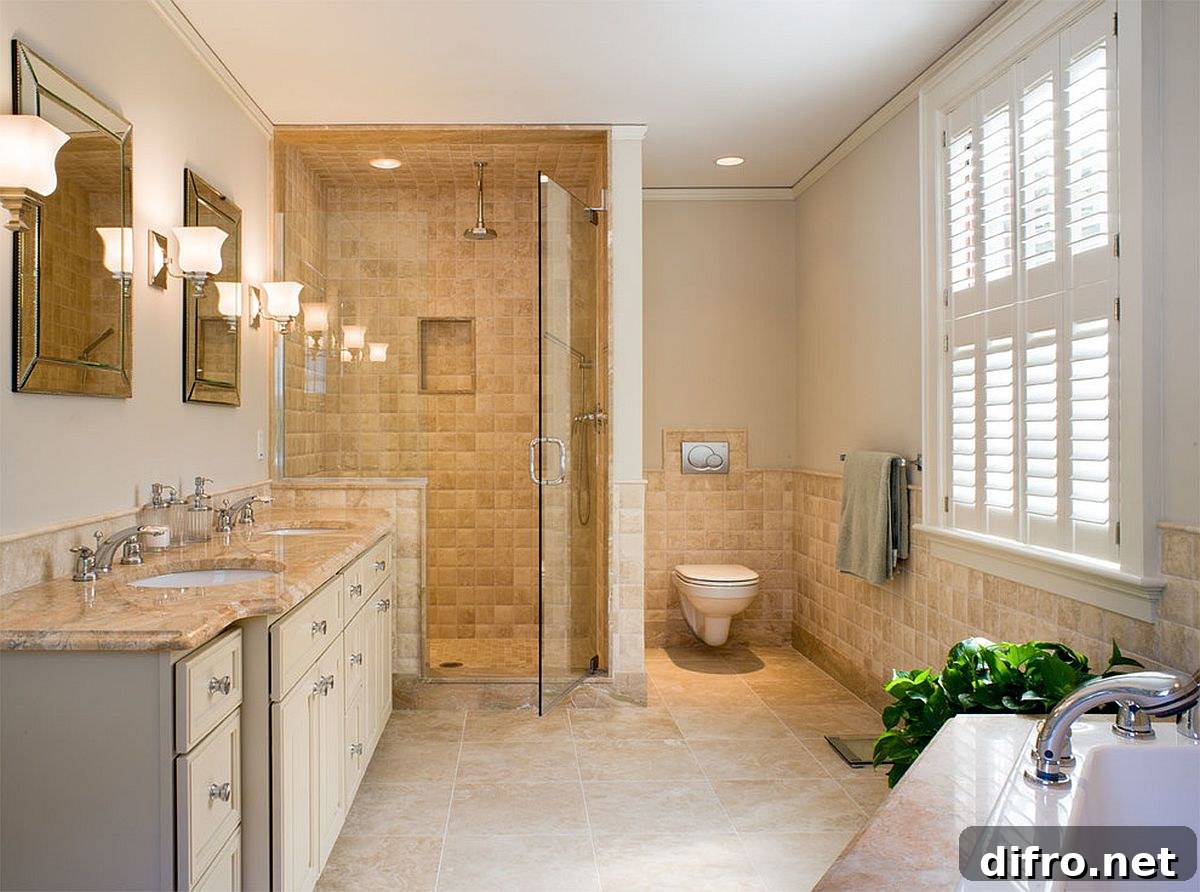
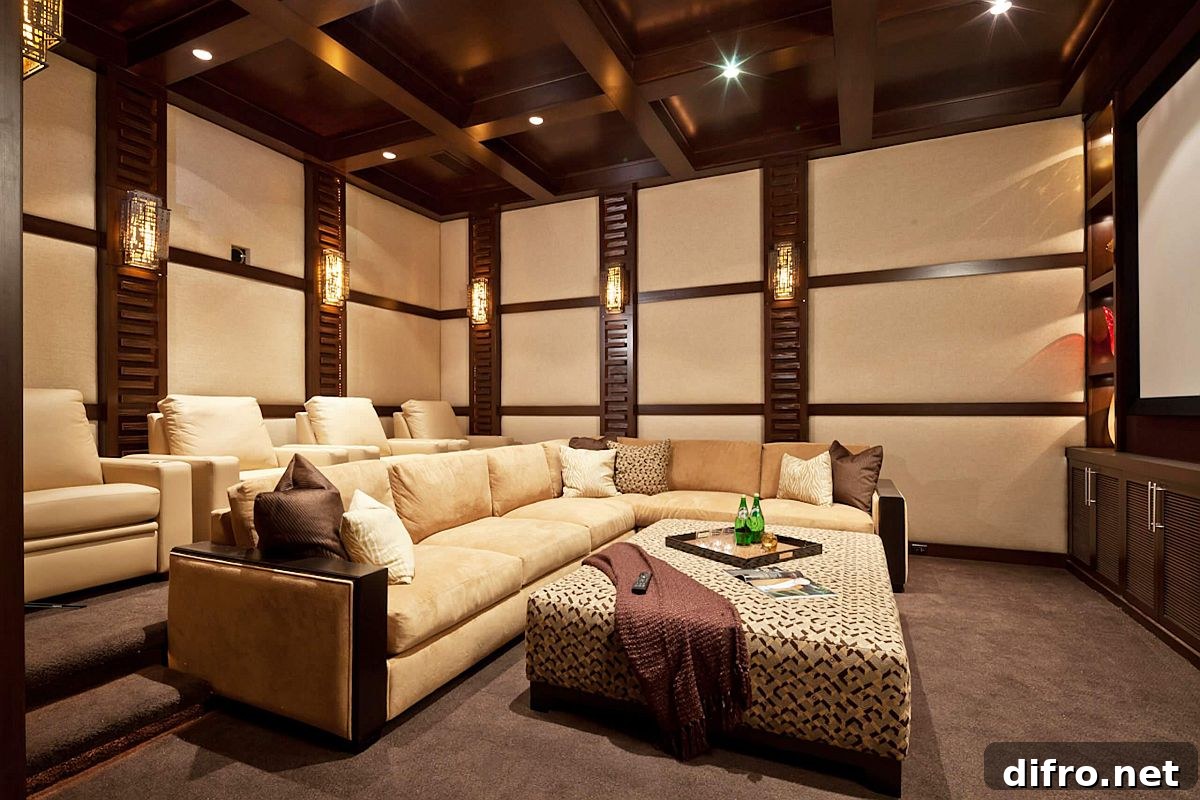
5. Works Across Spaces and Styles
Beige is often labeled a “safe” choice for living rooms, and that’s a useful quality. It allows you to experiment with accent colors, seasonal accessories and eclectic furnishings with confidence. Beige supports transitions between themes—modern to traditional, coastal to shabby chic—so you can refresh your decor by switching textiles and accents rather than overhauling the base colors.
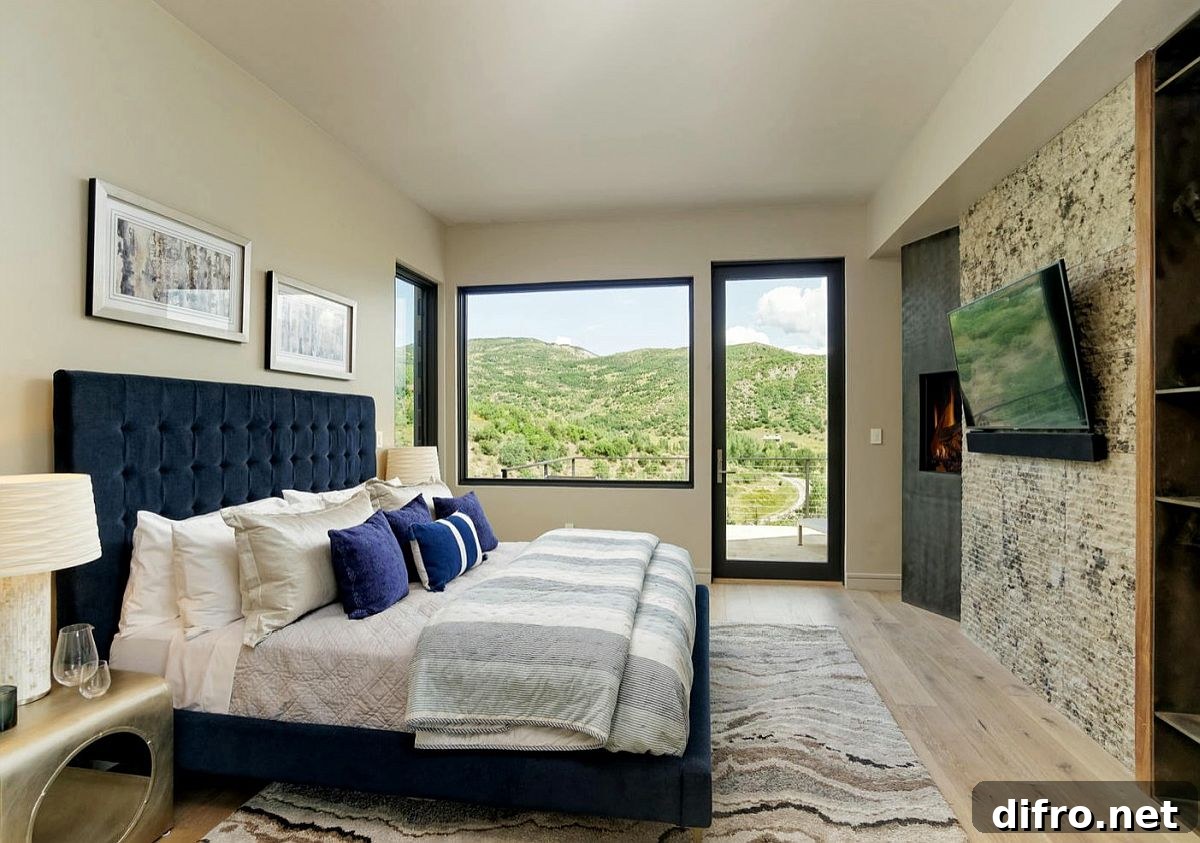
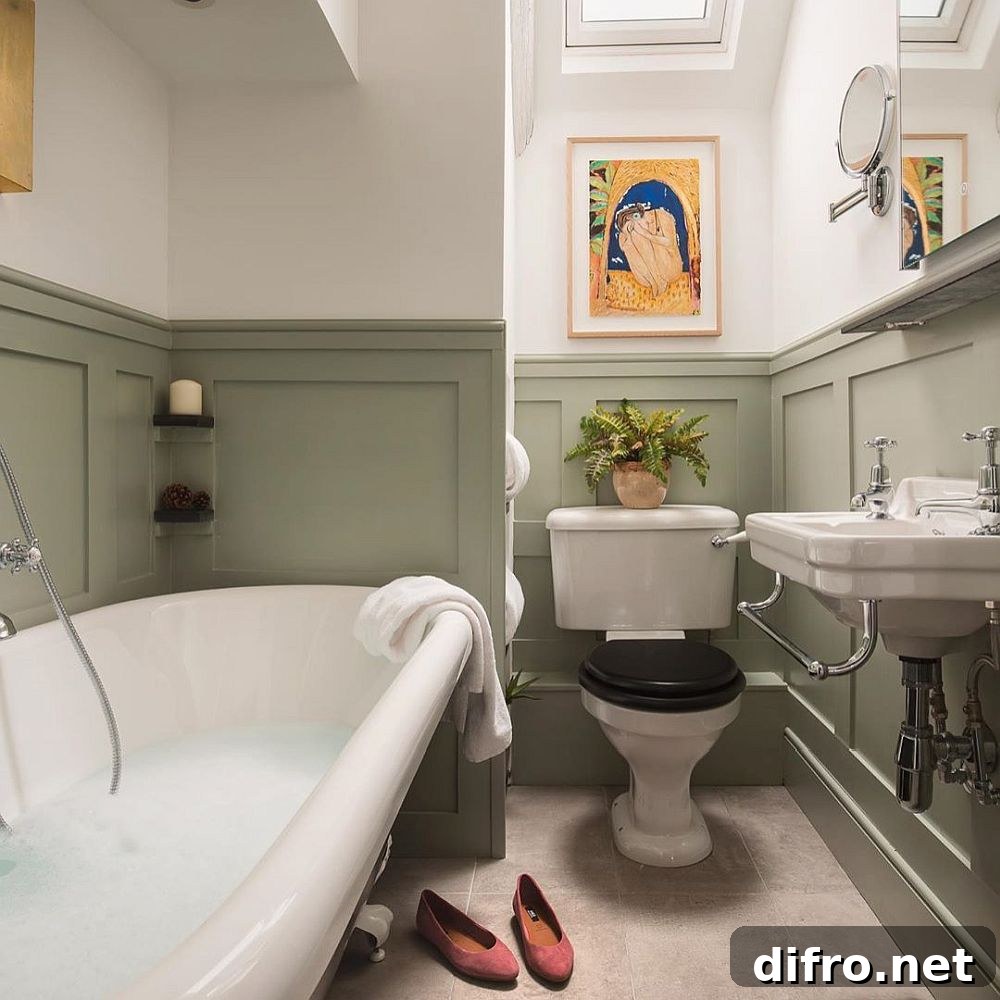
In short, beige is far from bland. It is a sophisticated, versatile neutral that works in many spaces and styles. Whether you choose warm sandy beiges, cool greiges, or a layered tone-on-tone scheme, beige provides a resilient base that highlights your decor, adapts to trends and creates a timeless, balanced interior.