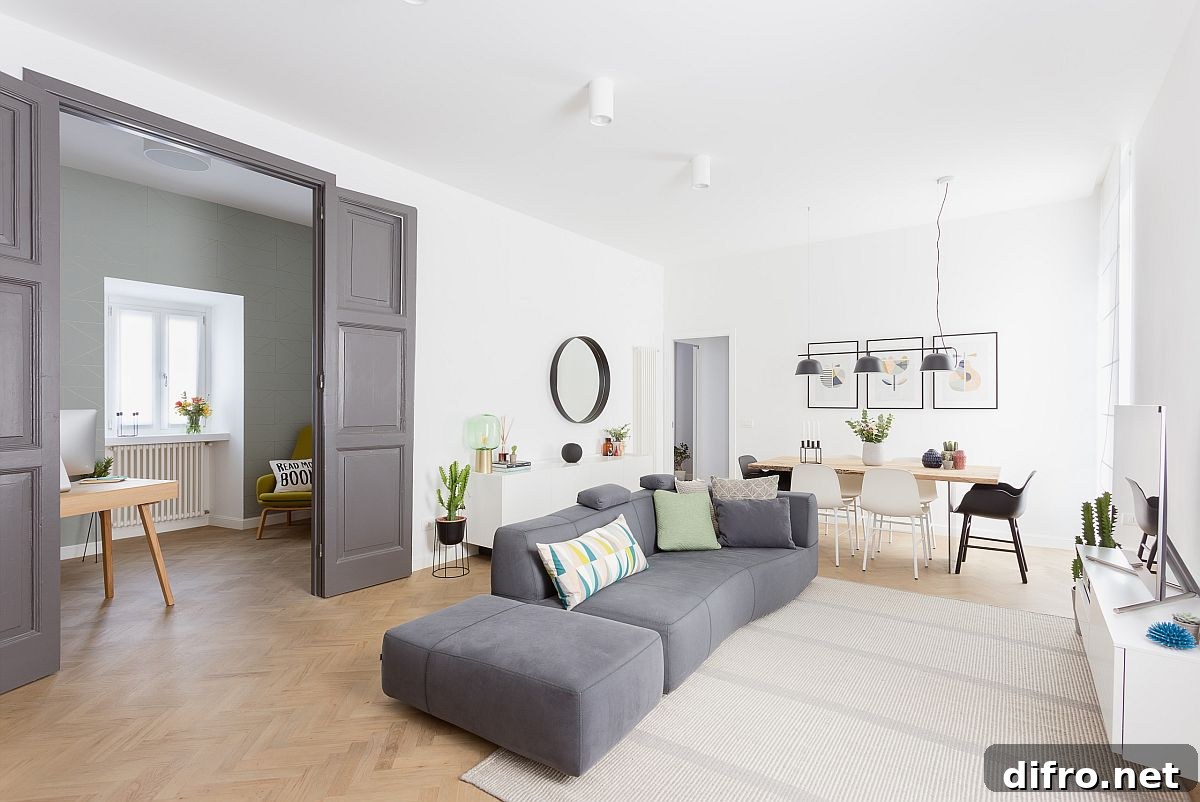
It’s easy to be drawn to bright, bold colors. Gorgeous catalog photos of homes filled with vibrant hues and eclectic décor can make you want to splash daring blues or reds across your living room walls. Before you rush out for a gallon of paint, consider why neutral colors remain a dependable—and far from boring—choice. Decorating with a neutral palette offers practical advantages that reach beyond surface aesthetics, making it a smart option for many contemporary homes.
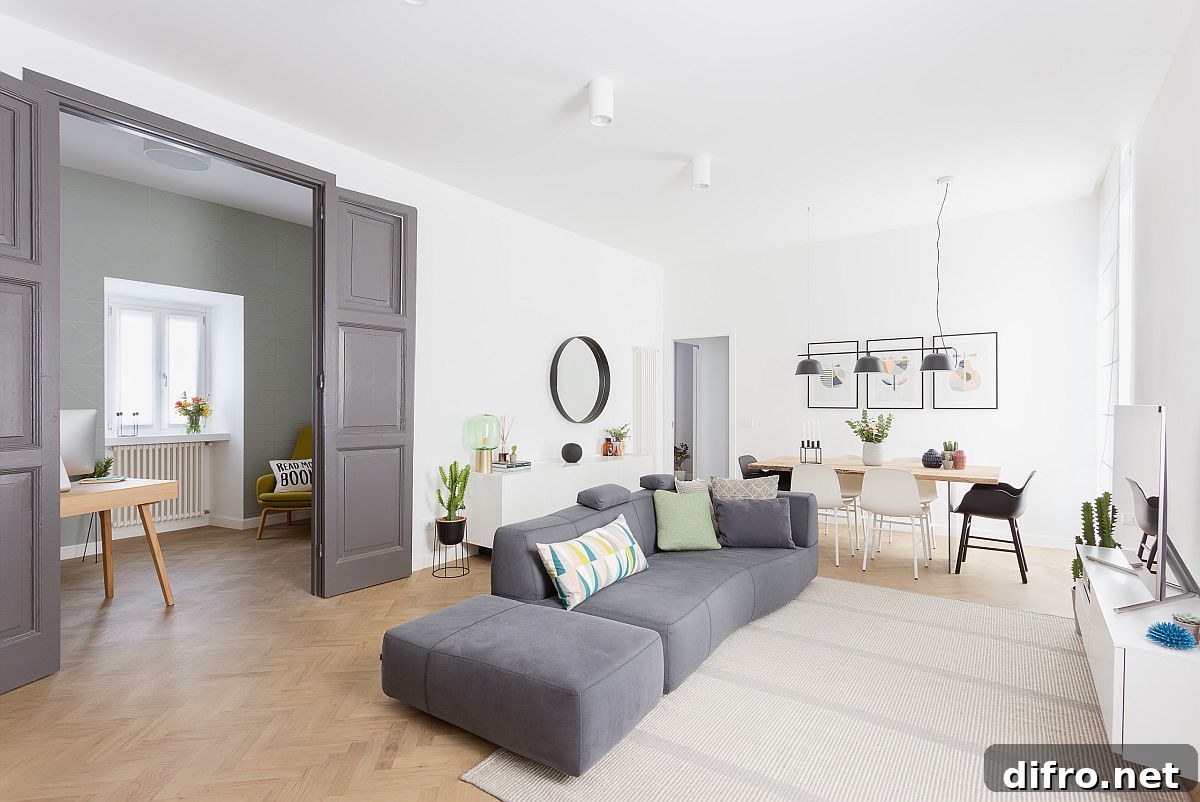
First, remember that neutrals include far more than just white and brown. The neutral palette spans soft grays, warm taupes, muted greens, pale blues and subtle creams—each available in dozens of shades and undertones. How you use a color can also affect whether it reads as a neutral: an otherwise vivid hue applied across a room or paired with calming tones can function as a neutral backdrop. Even if you want to avoid the bland beige-and-cream look of past decades, there are many contemporary and captivating neutral options that feel fresh and modern.
1. Finding a Neutral that Works
Begin by selecting a neutral that suits your home’s lighting, architectural style and the mood you want to create. Grays are currently a popular choice because of their versatility: cool grays read crisp and modern, while warm grays bring a cozy, inviting vibe. Pairing gray with white trim or furnishings produces a clean, layered backdrop that complements a wide range of décor styles, from Scandinavian minimalism to modern industrial.
2. Discover a Bolder Neutral
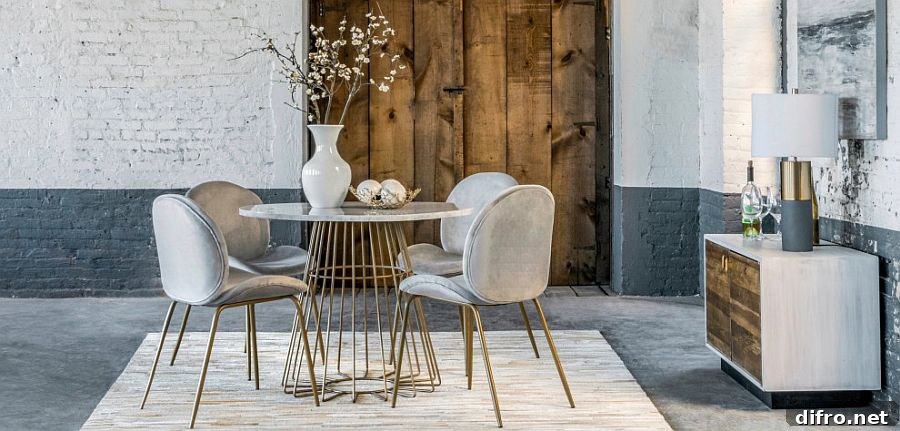
Some colors that are usually considered “accent” shades can act like neutrals when used widely and consistently. Soft blues, muted greens and mellow yellows can read as gentle, bright neutrals in sunlit rooms. When you paint entire walls, ceilings or large pieces of furniture in these tones, they provide a calm, cohesive field that supports both colorful accents and minimalist décor.
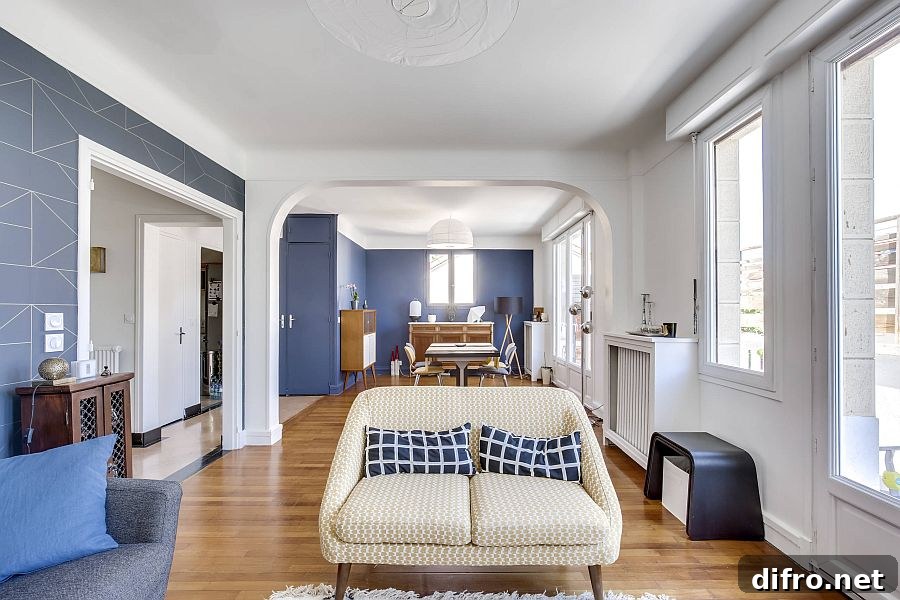
3. For the Open Plan Living
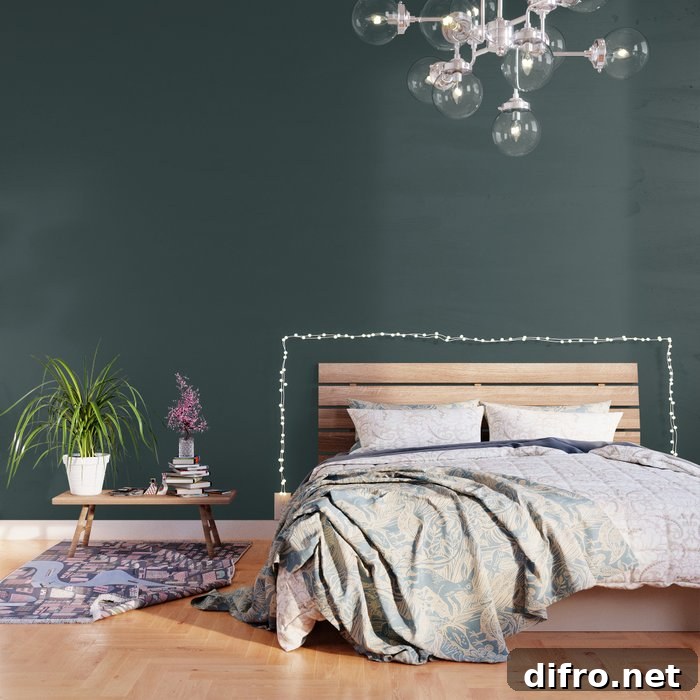
Neutral palettes are ideal for open plan homes because they create visual continuity and flow between different functional areas. In an open layout, multiple bold color blocks can feel disjointed or overwhelming. A cohesive neutral backdrop lets furniture and accessories define each zone while maintaining a unified overall design. Neutrals also maximize perceived space and light, which benefits open living, kitchens and dining areas.
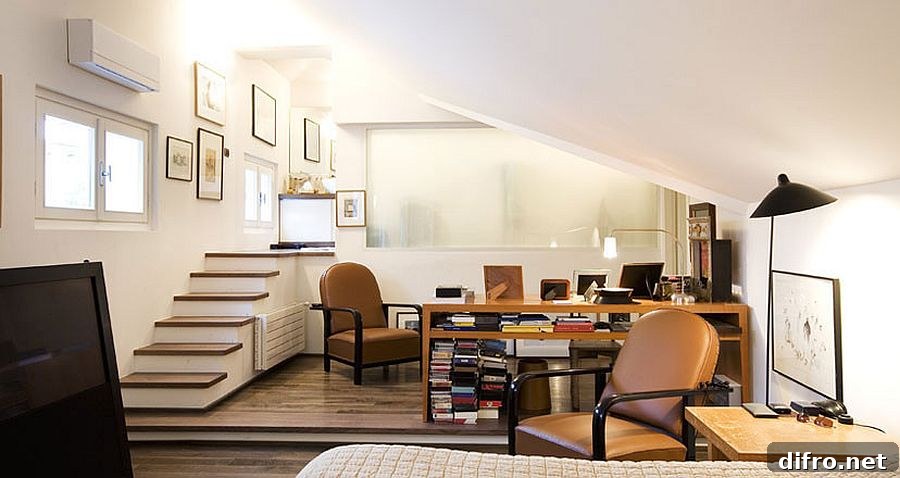
4. A Tone-on-Tone Approach
Using multiple tones of the same neutral color creates depth and subtle contrast without breaking the calm of the room. Tone-on-tone layering—mixing lighter and darker shades, matte and satin finishes, or warm and cool undertones—adds dimension to walls, textiles and furniture. This technique is particularly effective for delineating spaces within an open plan layout while keeping a cohesive, elegant look.
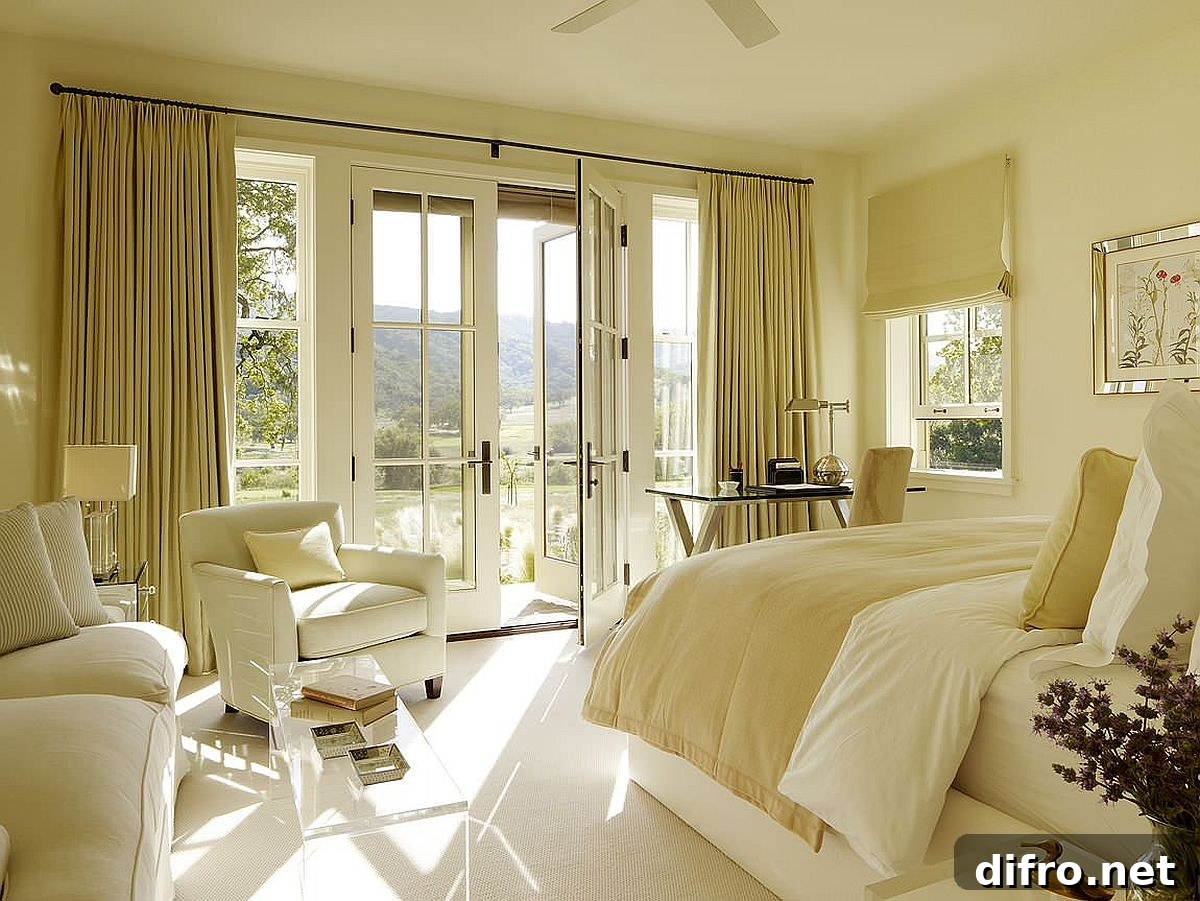
5. Switching between Seasonal Accents
A neutral backdrop is the perfect canvas for rotating seasonal accents. Swap pillows, throws, rugs and artwork to reflect the season or your changing tastes. Small, colorful accessories bring energy and personality without committing you to a permanent color scheme. This flexibility makes neutrals practical for households that like to refresh their décor regularly.
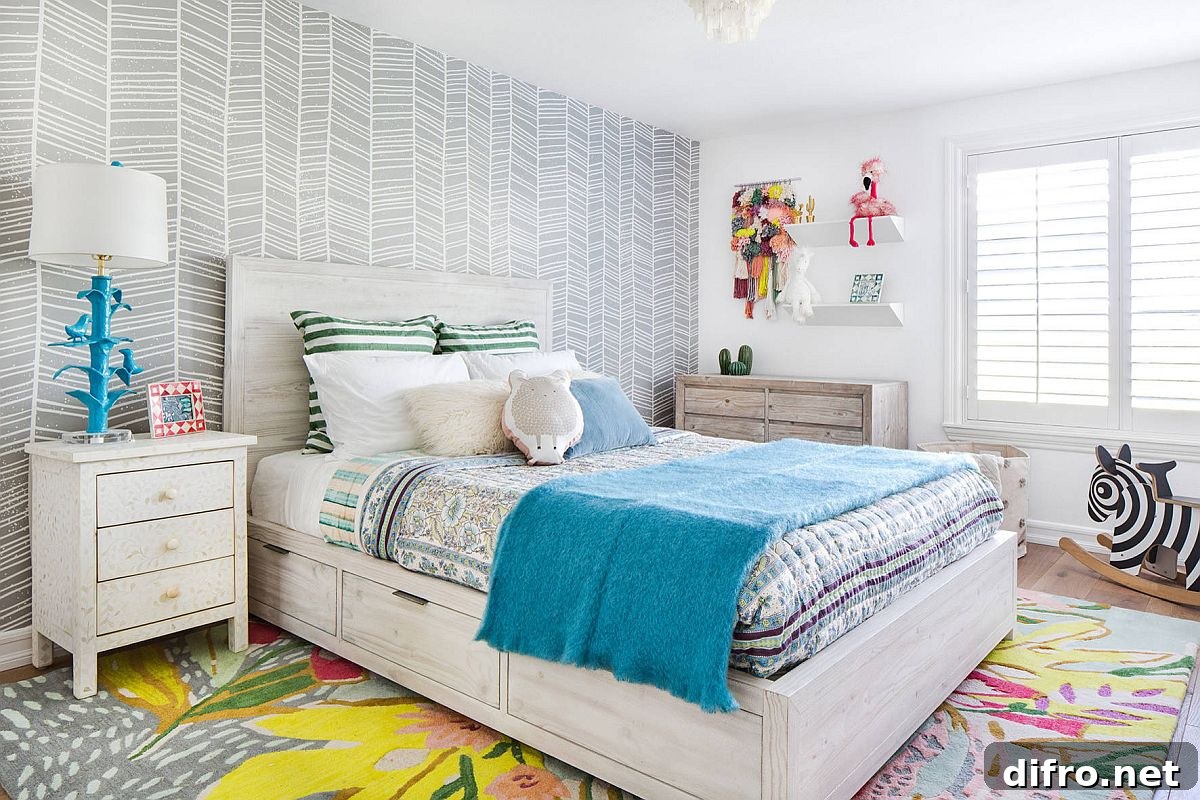
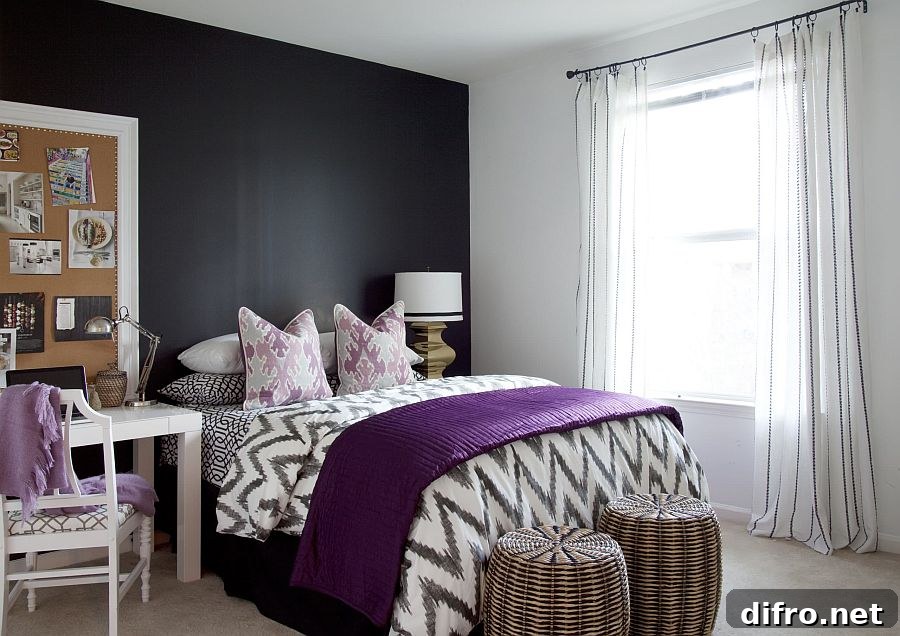
6. Geometric and Textural Contrast
If you prefer to avoid bright colors, add interest with texture, pattern and architectural elements. Exposed brick, concrete accents, stone fireplaces and warm wood floors create tactile contrast that complements a neutral palette. Geometric patterns in rugs, cushions or tiles can introduce visual rhythm without relying on strong colors, making the space feel intentional and layered.
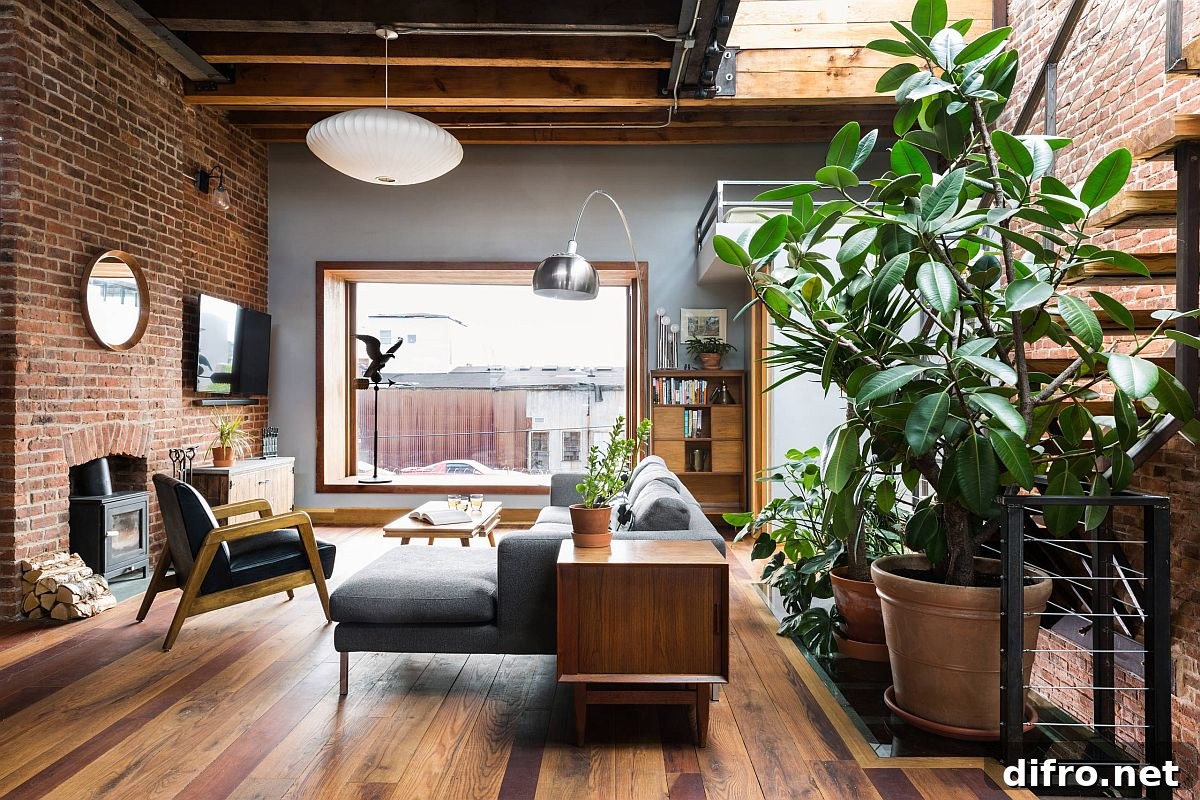
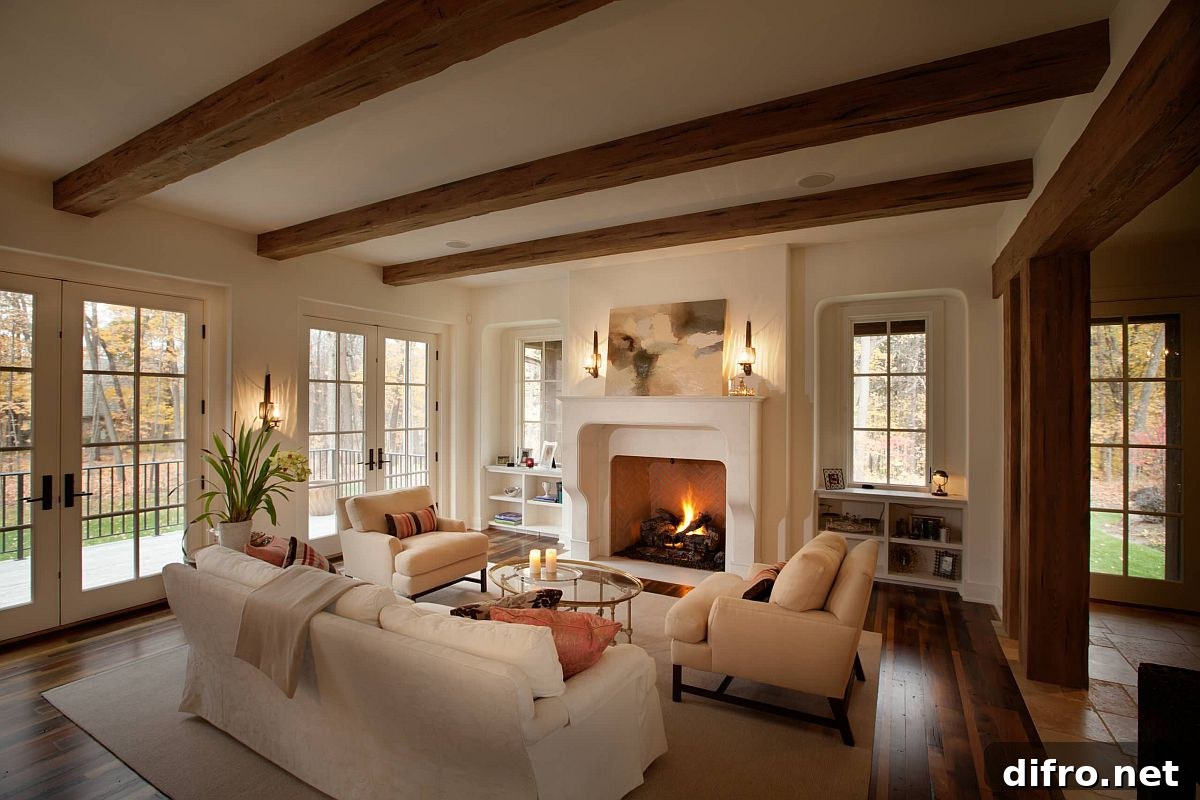
7. Different Styles and Sensibilities
Neutral colors offer a comfortable compromise when households have different tastes. A neutral backdrop keeps common areas broadly appealing while allowing individual rooms or accessories to reflect personal style. It also makes it easier to change interior themes—from contemporary to classic or eclectic—without overhauling the entire palette. For shared living spaces, neutrals are the versatile, long-lasting choice.
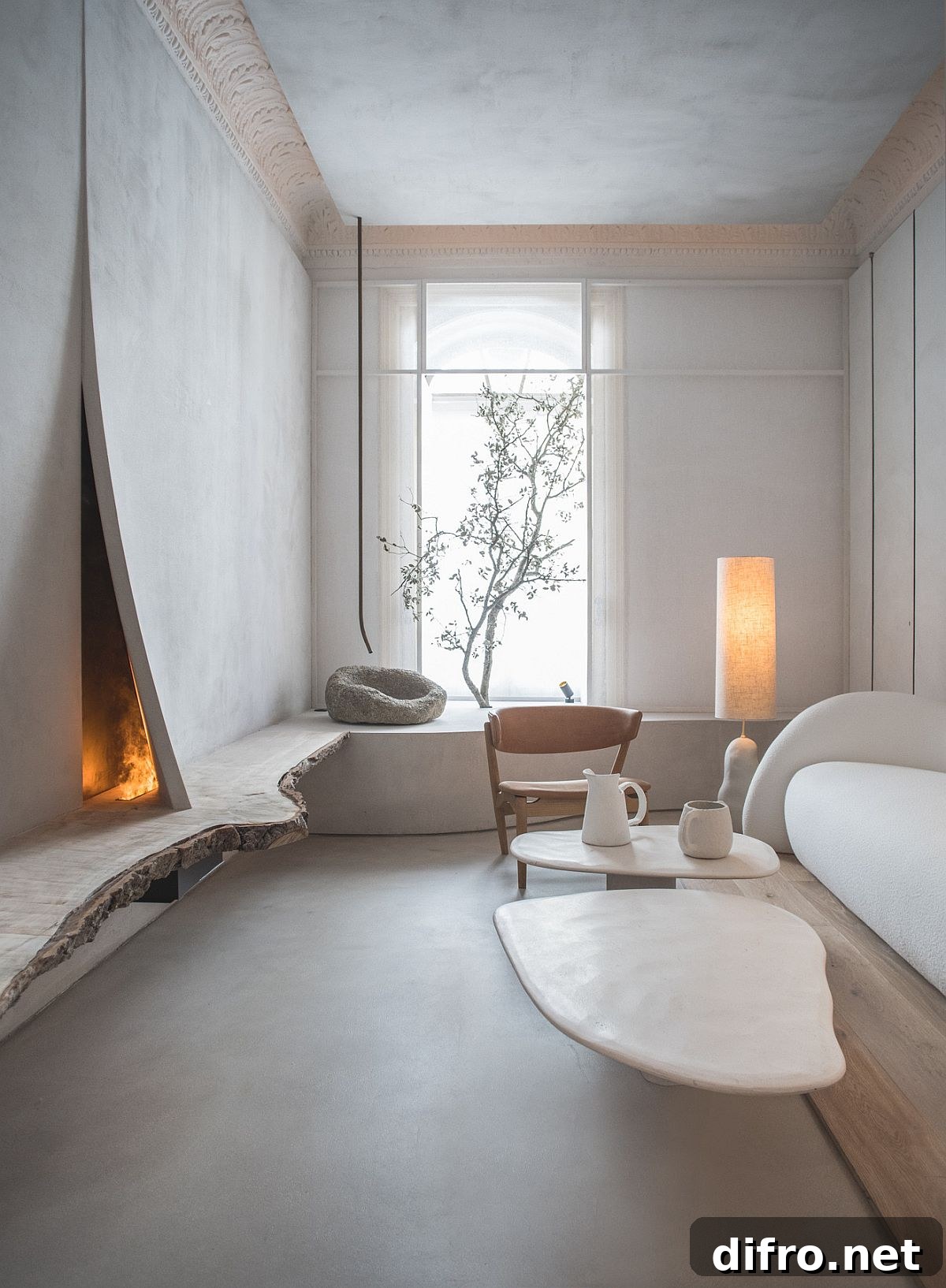
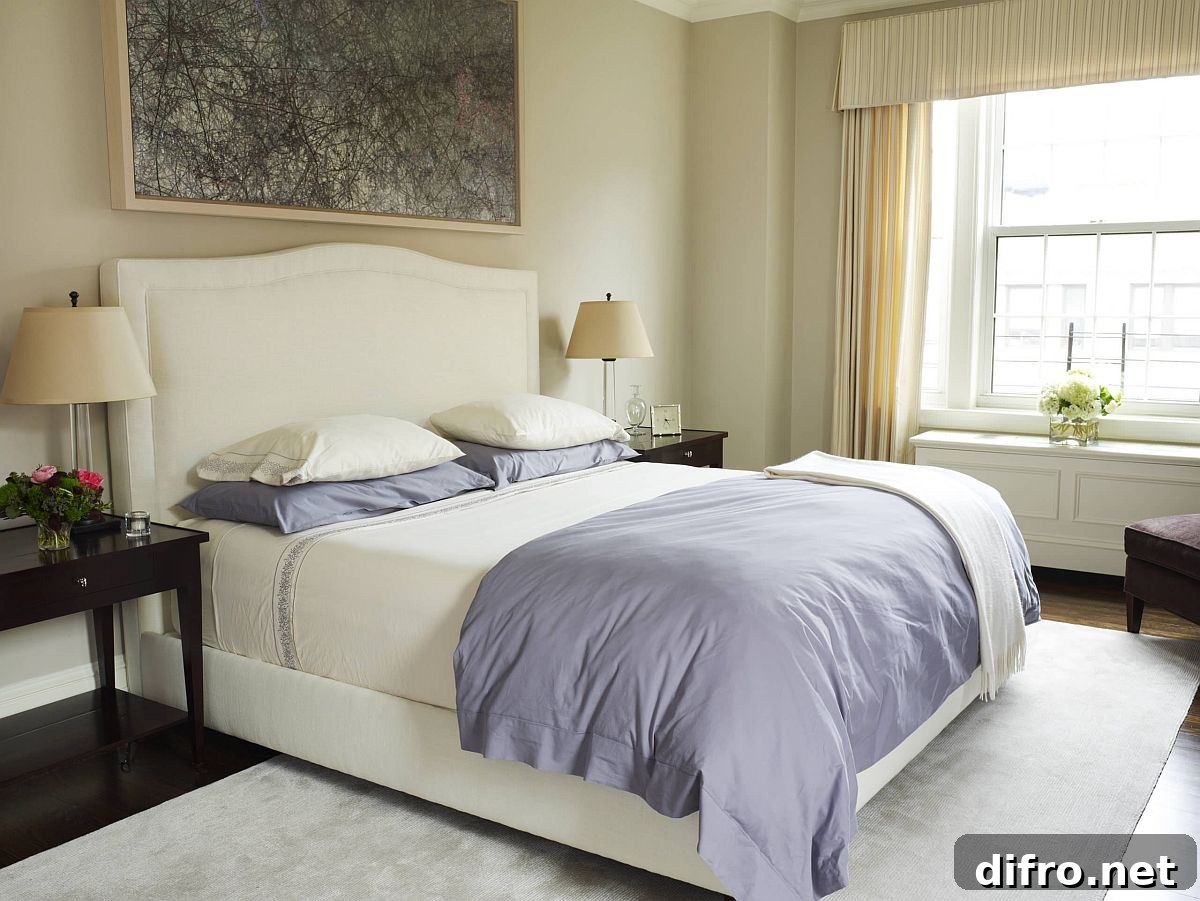
In short, neutrals are anything but boring when used thoughtfully. They provide a flexible, elegant foundation that adapts to changing trends, varying tastes and the practical needs of modern open plan living. Whether you opt for subtle gray tones, a tone-on-tone scheme, or a muted blue as your primary color, a neutral palette lets you layer texture, pattern and seasonal accents to create a home that feels both timeless and personal.