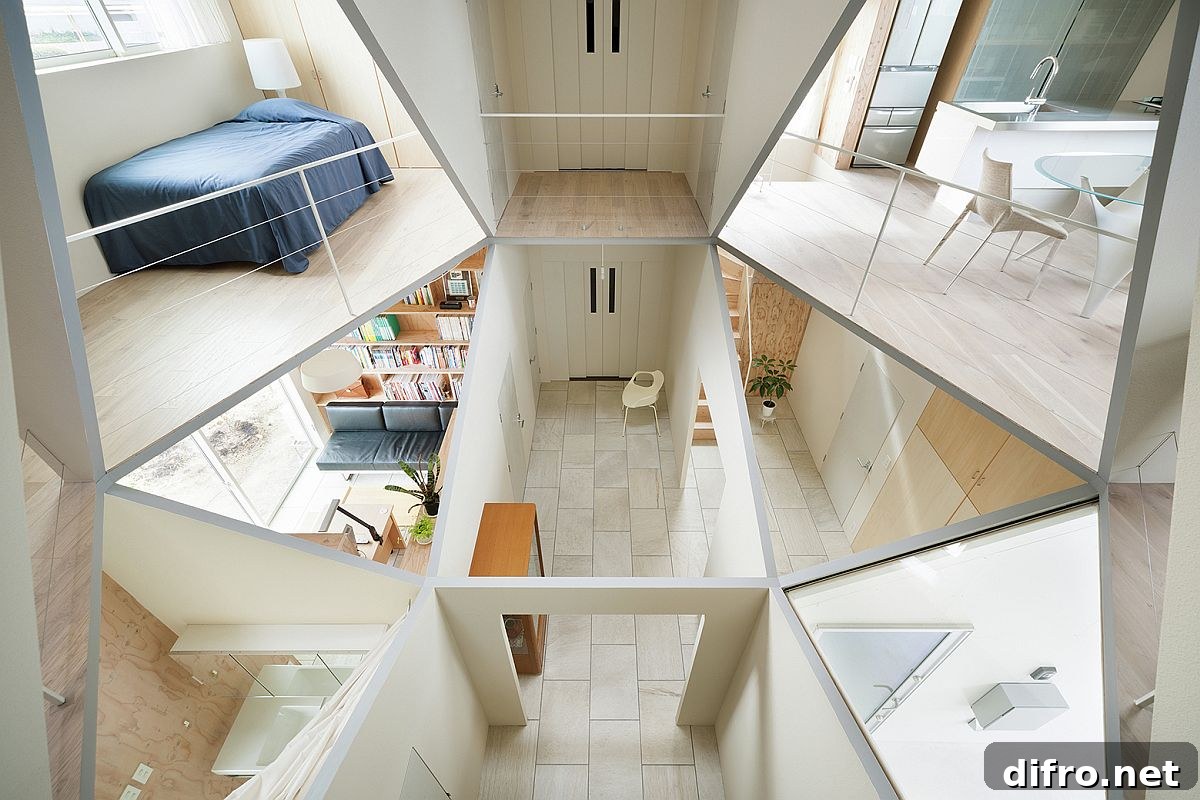
There are many ways to introduce natural light into a home, and each approach creates a different atmosphere. While contemporary houses often rely on glass walls, expansive windows, and sliding doors, the Kame House in Niigata, Japan takes a distinct direction. Designed by Kochi Architect’s Studio, this compact modern home centers on a geometric atrium—a hexagonal cut-out that pours daylight and ventilation into the heart of the interior and links every room.
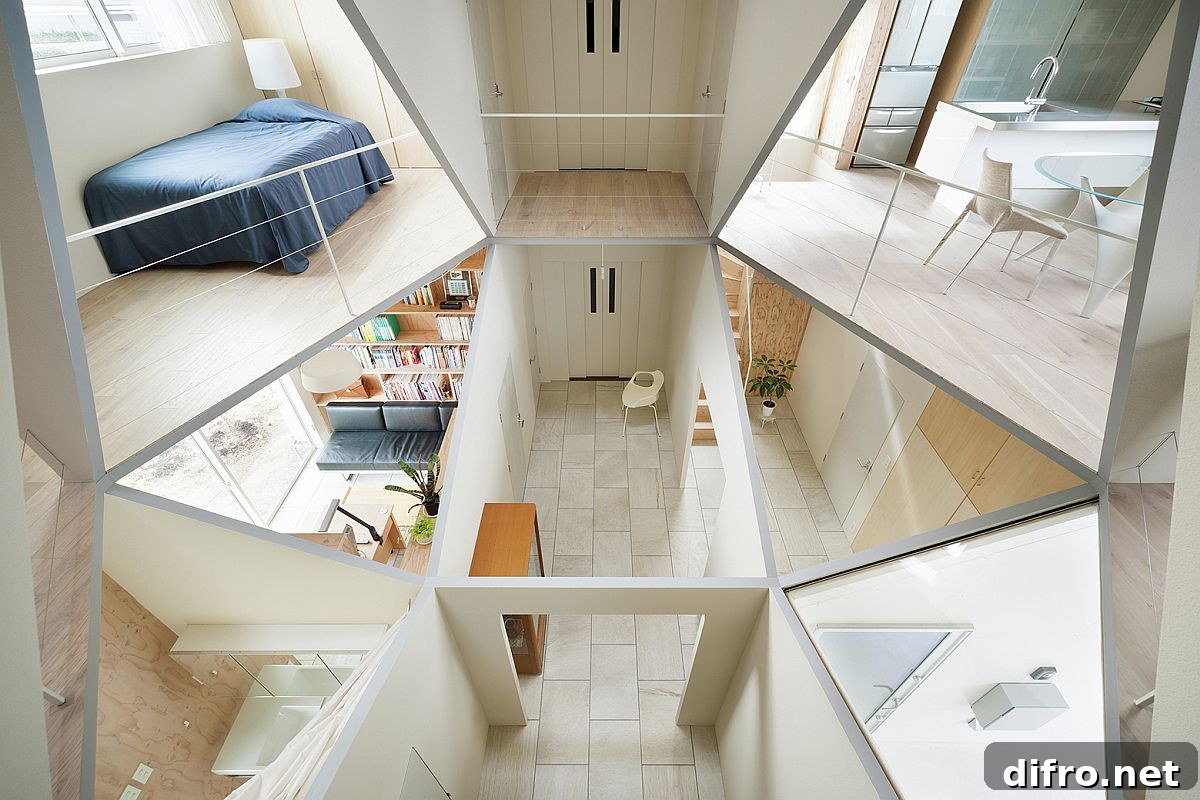
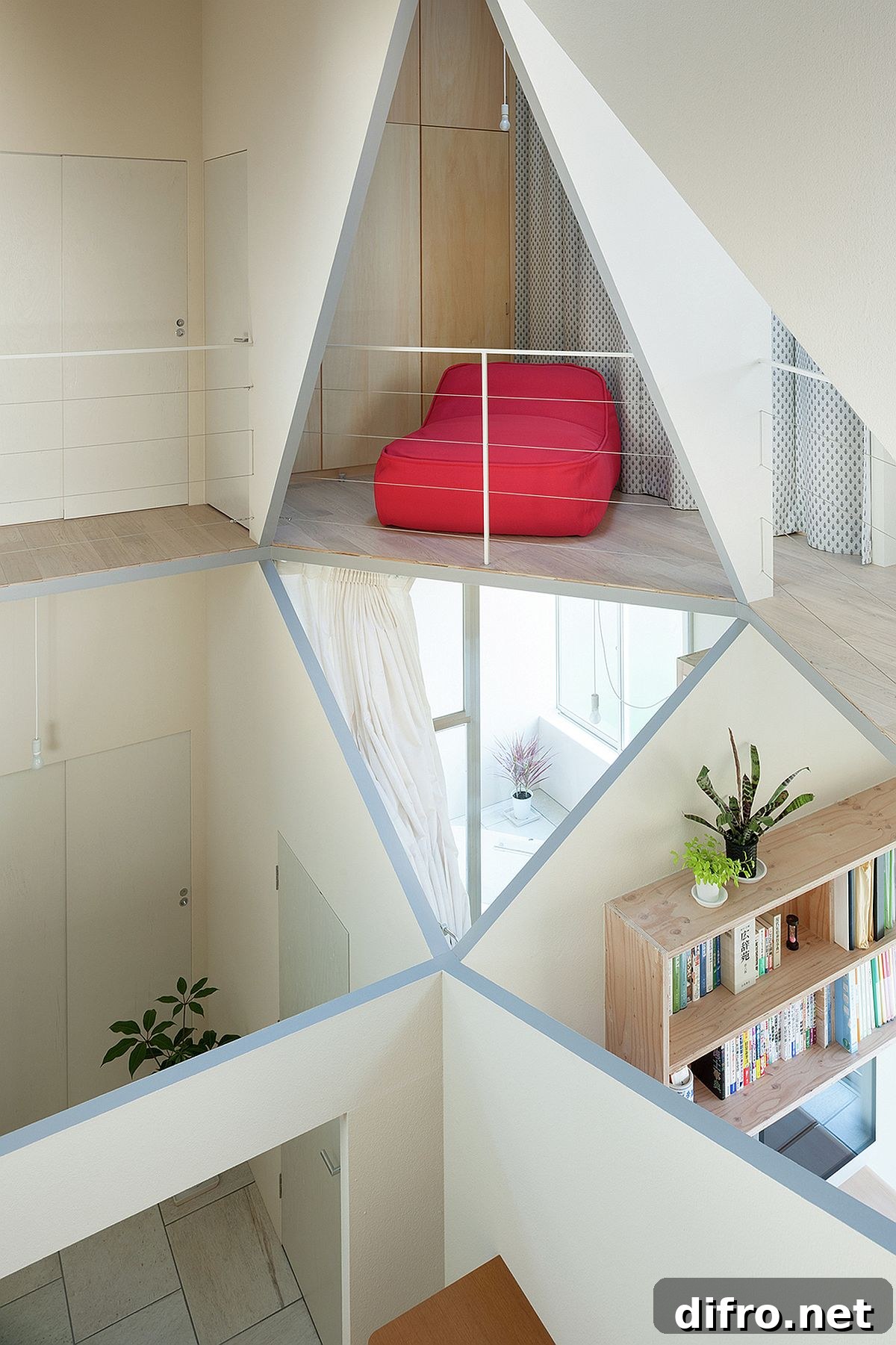
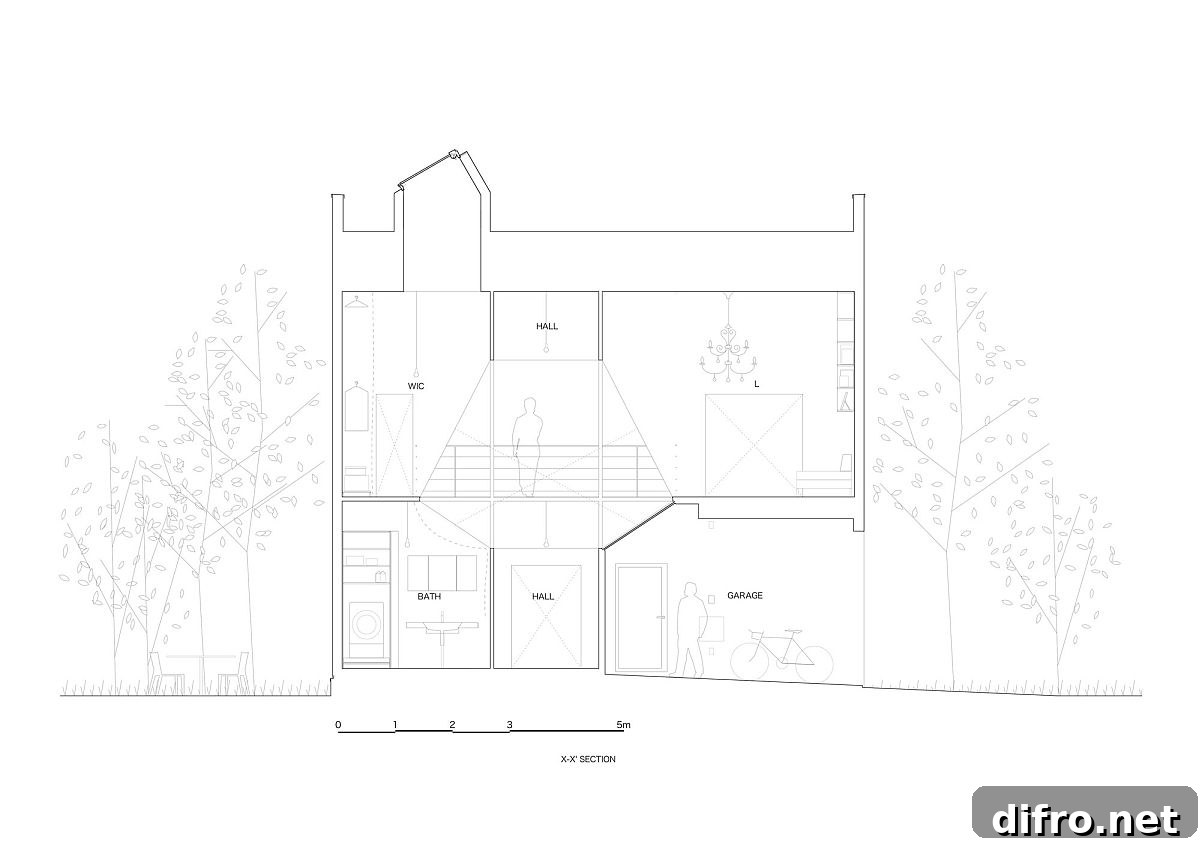
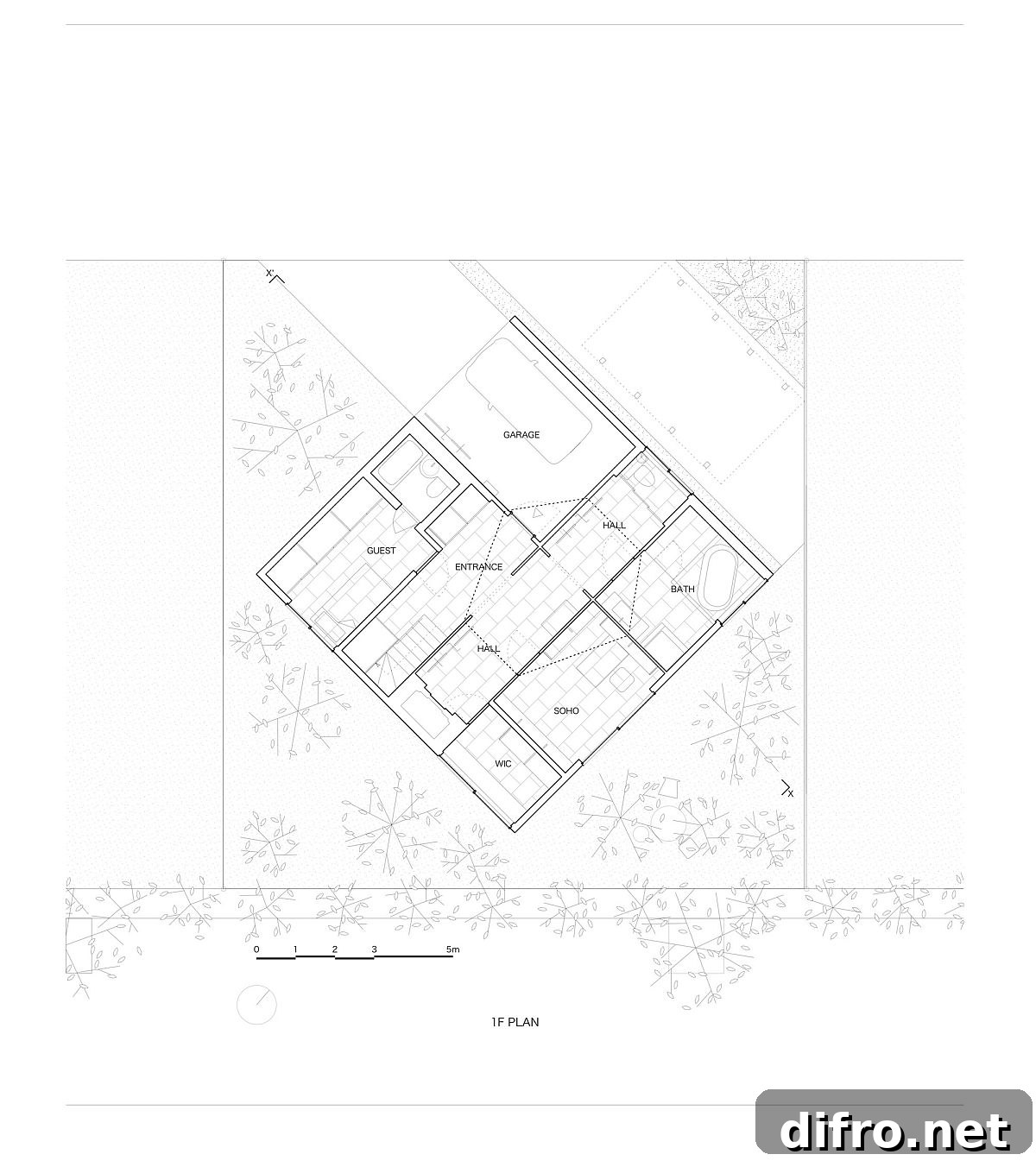
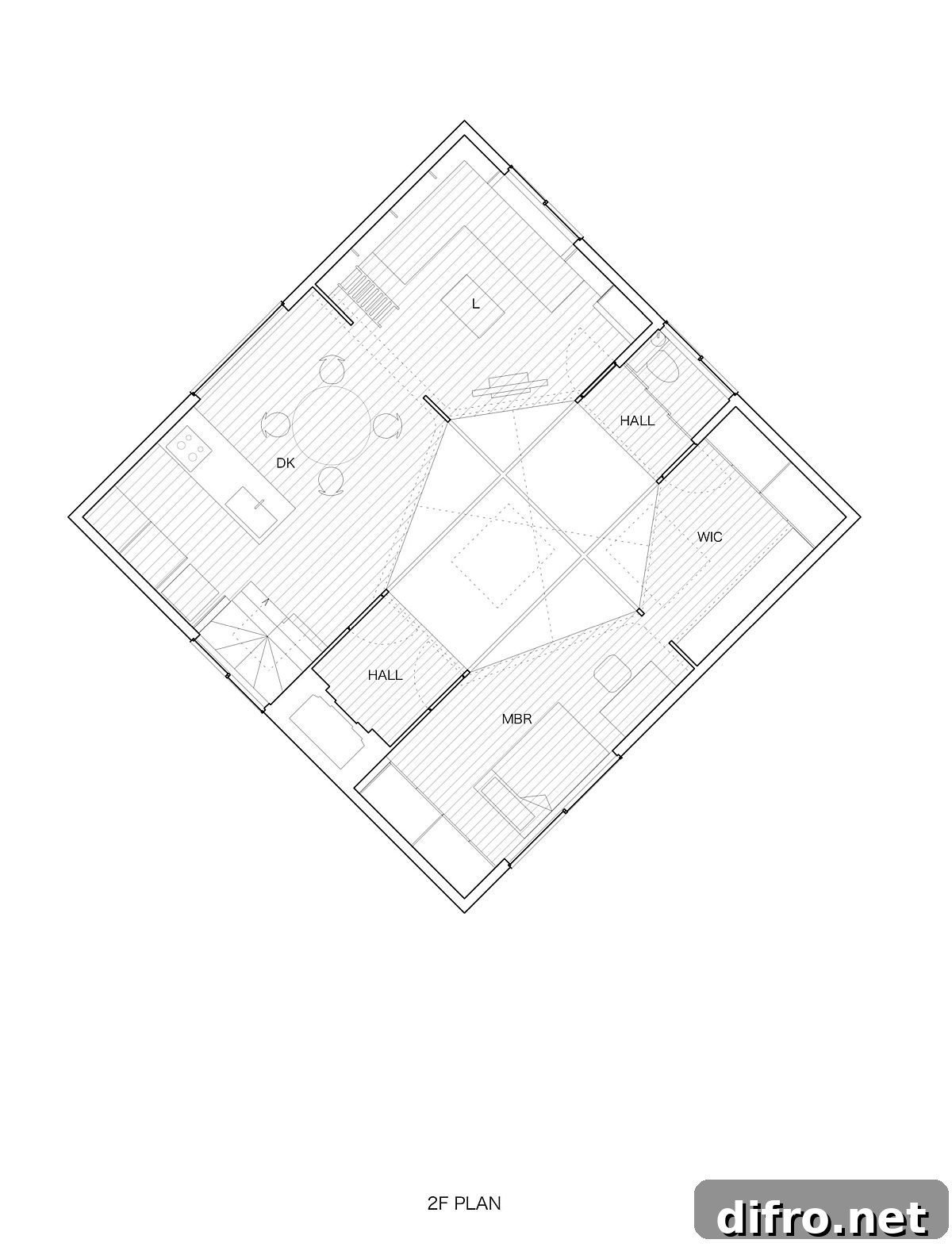
The hexagonal atrium functions as more than a skylight. Clever cut-outs in varying geometric shapes on each level connect the twelve compact rooms distributed across two floors, creating visual and physical continuity while maximizing daylight and natural ventilation. Because every room opens onto or faces the atrium in some way, the interior feels open and interconnected without relying on conventional open-plan glazing.
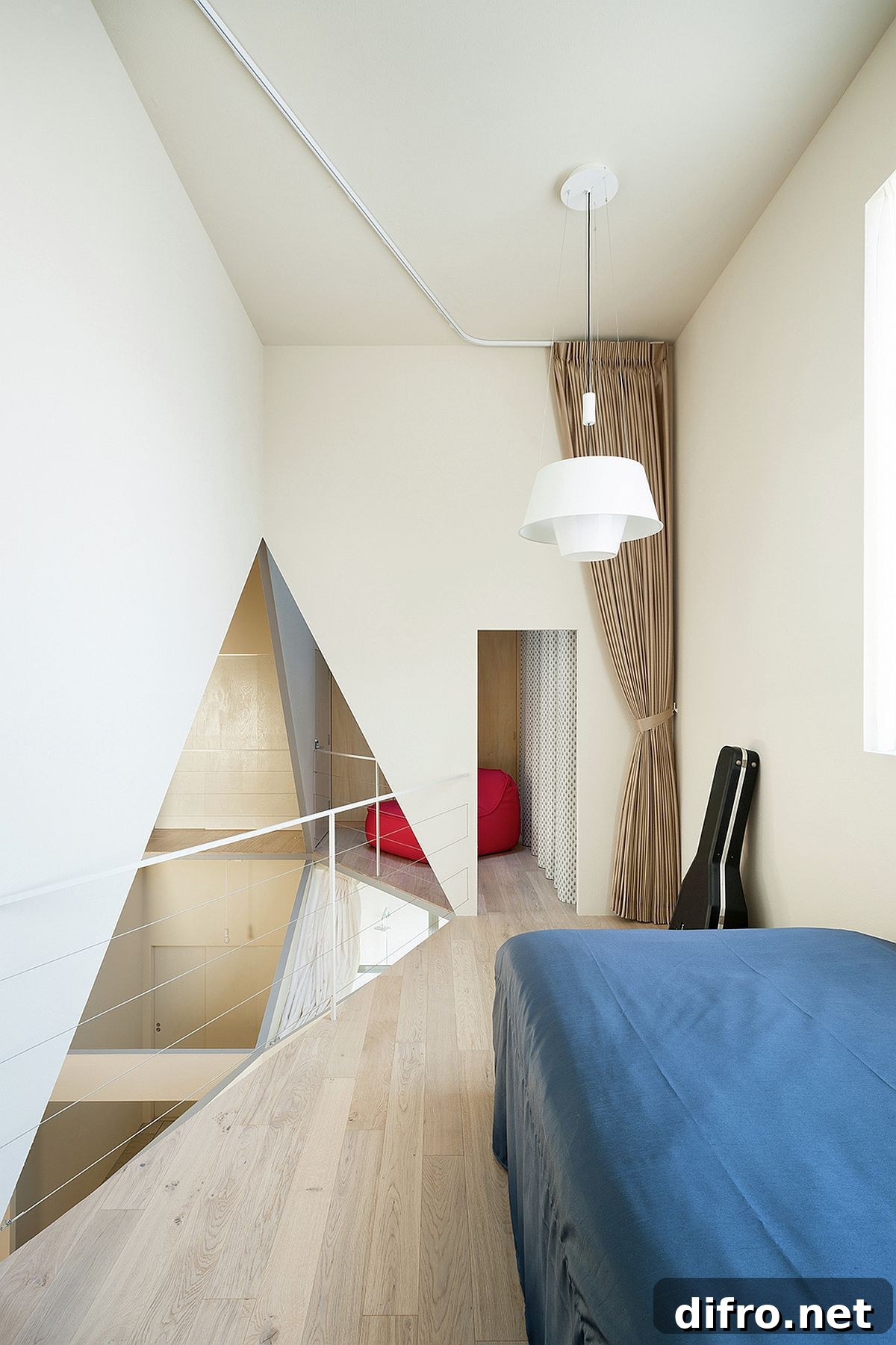
The house’s layout places communal halls on both the lower and upper levels, encouraging family interaction and shared use of space. The lower floor accommodates an extra bedroom and a guest room, while the upper floor contains the master bedroom, the dining area, and a small reading and relaxation nook. Each of these spaces incorporates a distinct geometric opening—triangles, hexagons and other forms—that modulate light, sightlines, and ventilation while giving every room a unique character.
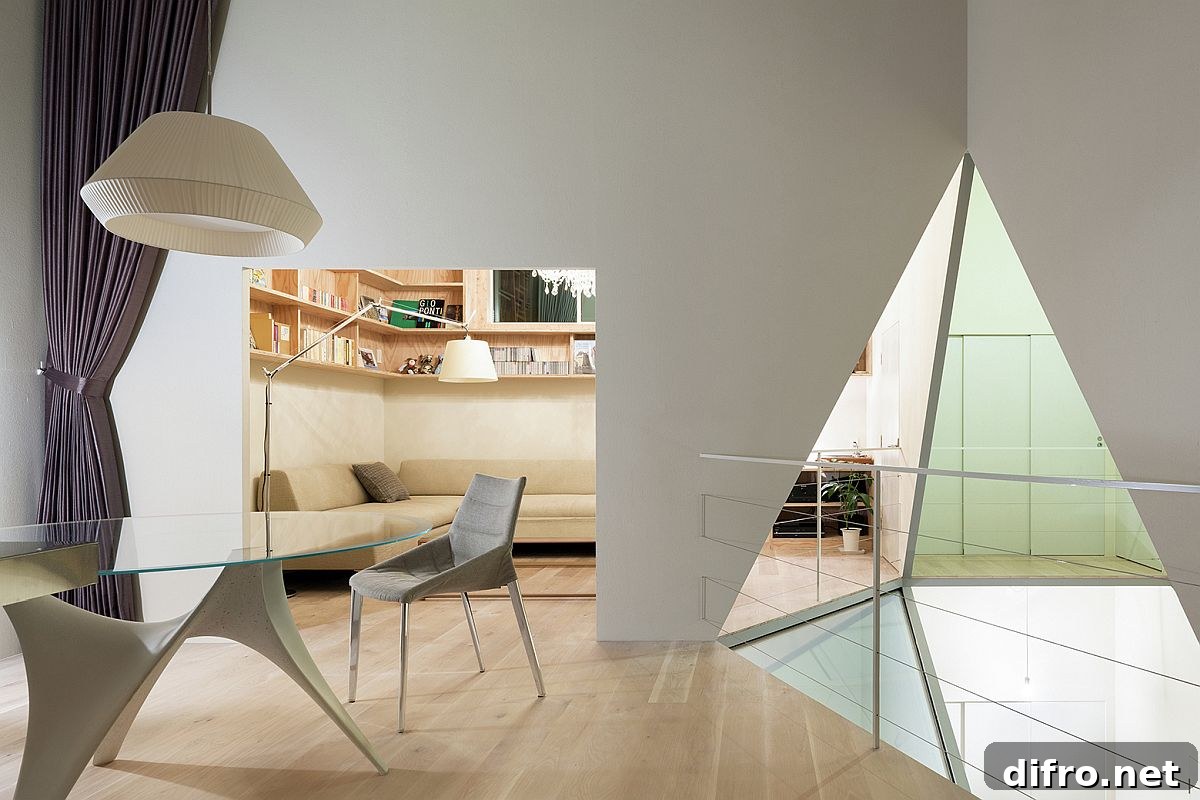
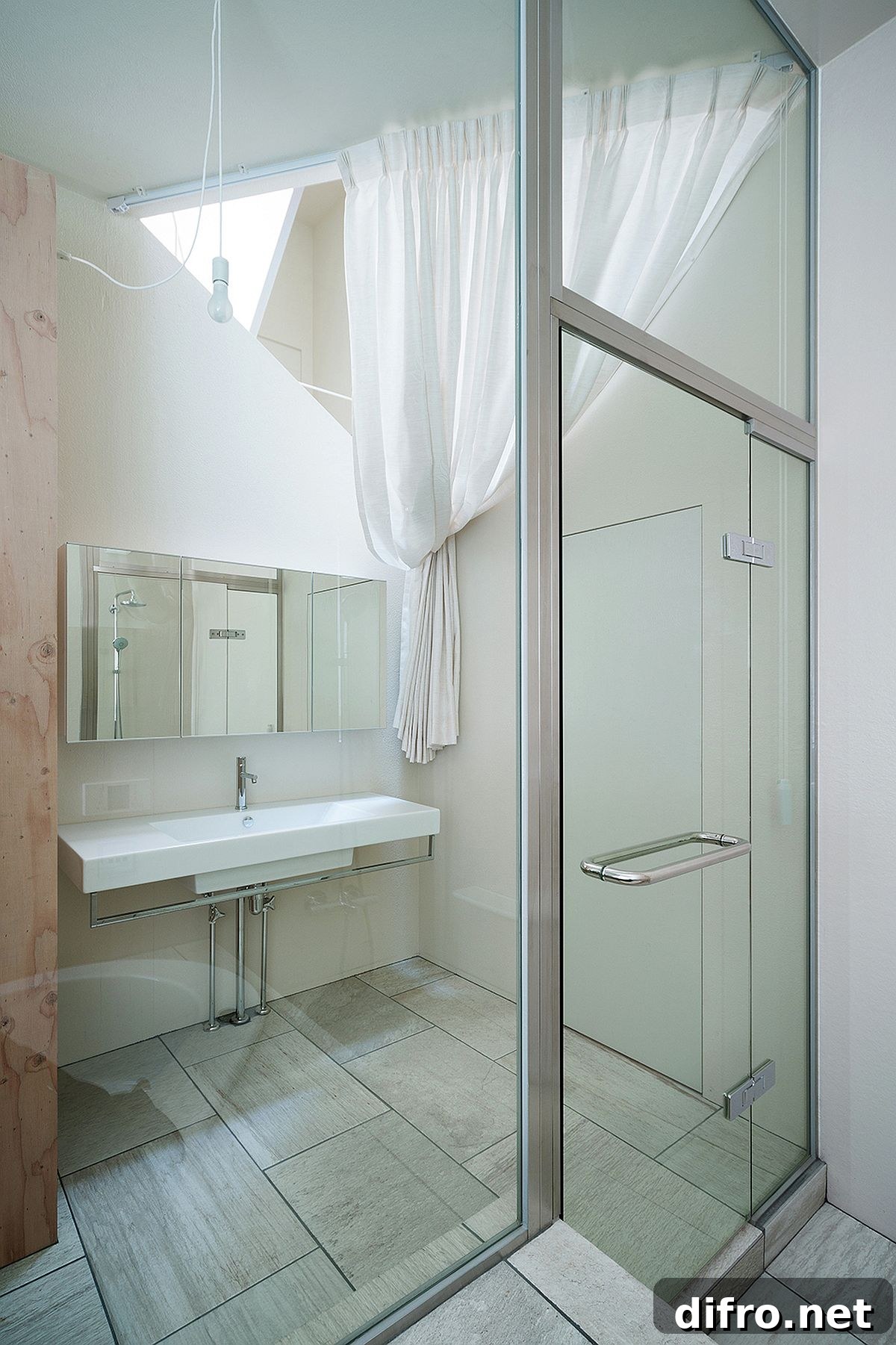
Inside, the palette is predominantly white, with warm wood tones and subtle touches of light blue to provide contrast and visual warmth. Built‑in shelves in pale wood and thoughtfully placed greenery reinforce a breezy, modern feel. The combination of light materials and varied geometric openings creates a calm, engaging environment that emphasizes social living and family togetherness over complete isolation of individual rooms.
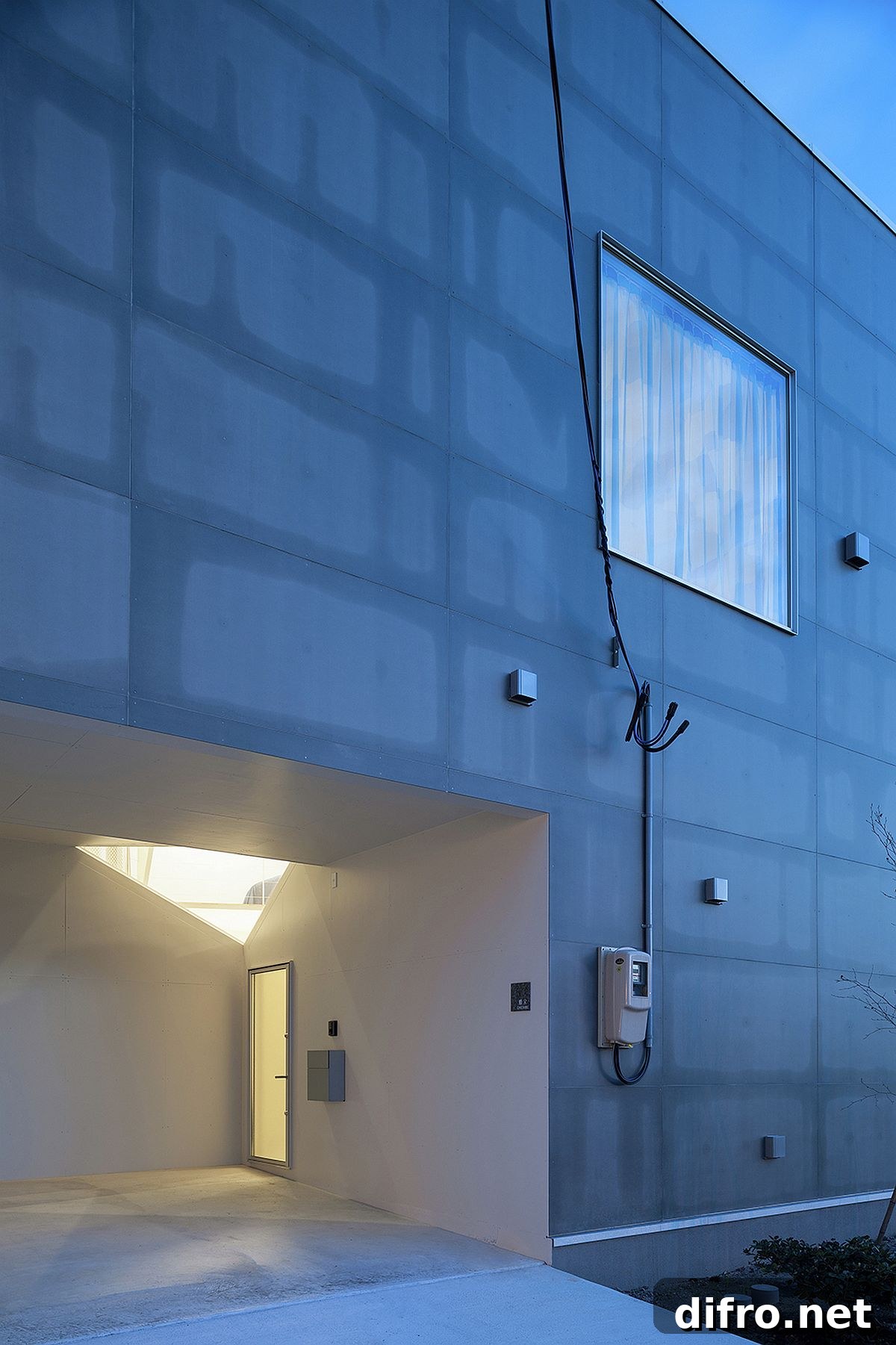
From the street, the façade reads as private and sheltered, offering discretion even as plants and landscaping soften the exterior. Inside, the design favors openness and shared space: a deliberate contrast that balances privacy with family interaction. Photography by Takumi Ota captures how the atrium, cut-outs, and finishes work together to make a compact house feel bright, airy, and connected.
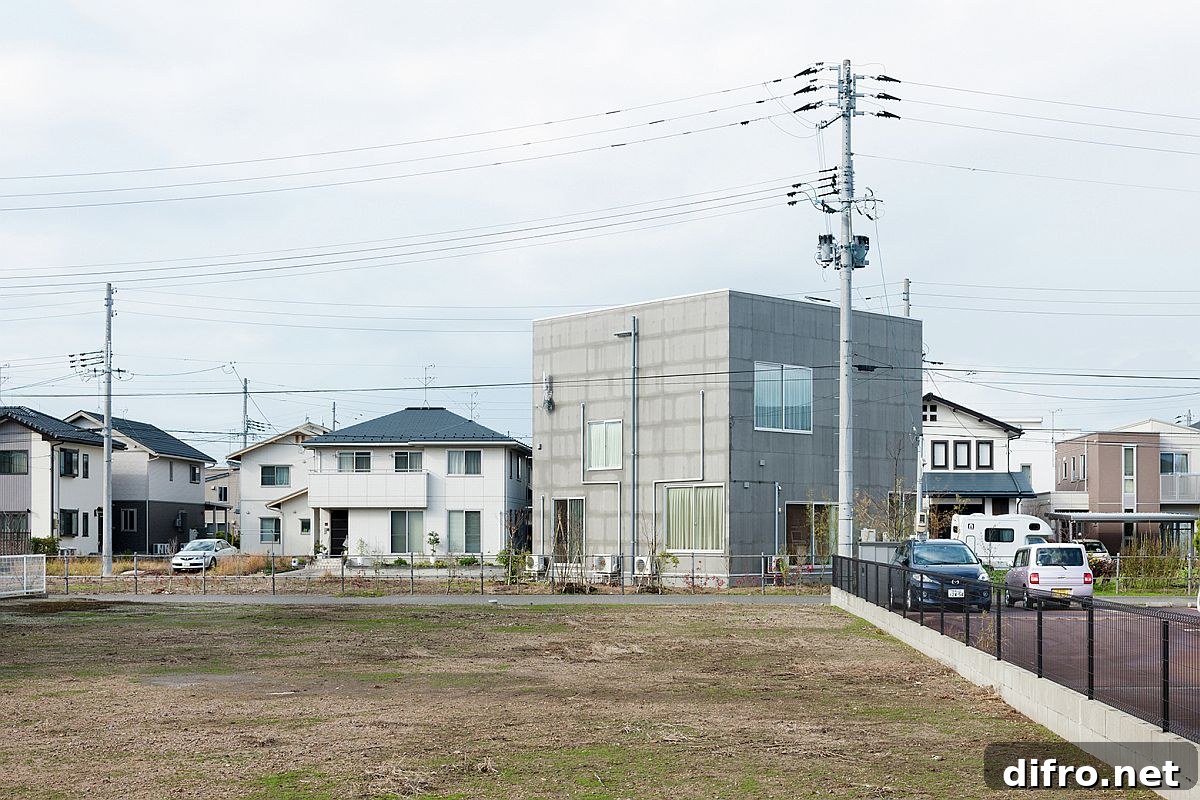
Kame House demonstrates how a compact footprint can be transformed through thoughtful geometry and a central atrium. By prioritizing light, ventilation, and visual connection, the design achieves a comfortable, sociable home that feels larger than its size suggests—an instructive example for small‑scale modern residences focused on family life and spatial intelligence.