Forgotten factories, vacant warehouses and neglected structures from the last century have been powerful catalysts for the renewed popularity of the modern industrial aesthetic. To create efficient, affordable and characterful homes, architects and designers are increasingly converting industrial shells into residences that balance raw authenticity with contemporary comfort. One compelling example of this trend is a compact, cleverly planned apartment in the city of Tbilisi, Georgia, redesigned by the firm 4 Visual. This stylish, space-savvy residence preserves much of its original industrial character while adding warm, refined details and functional, modern touches.
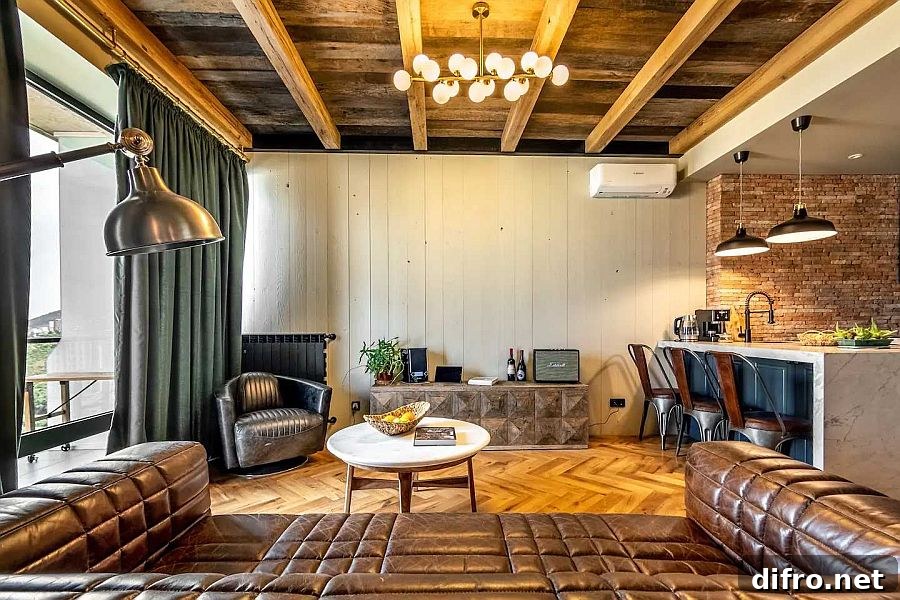
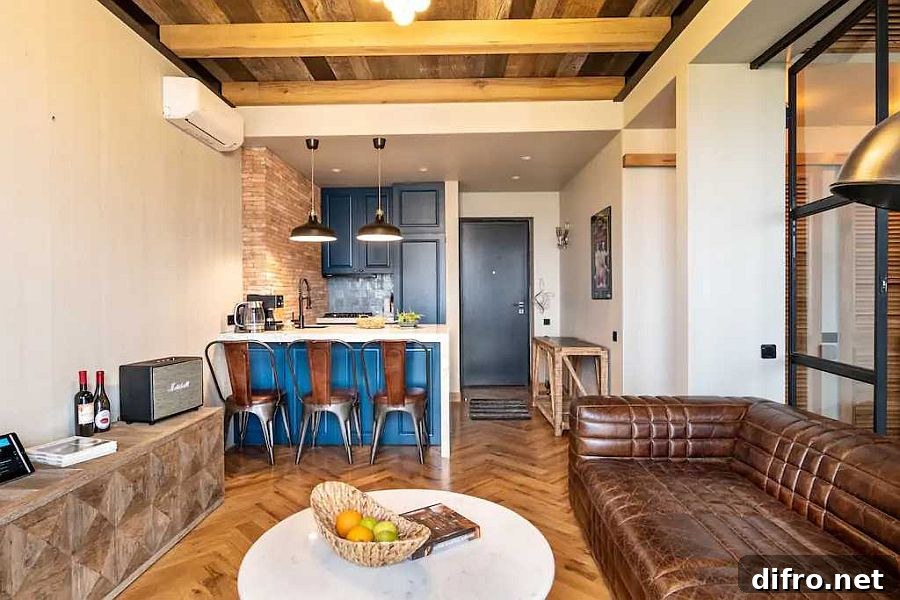
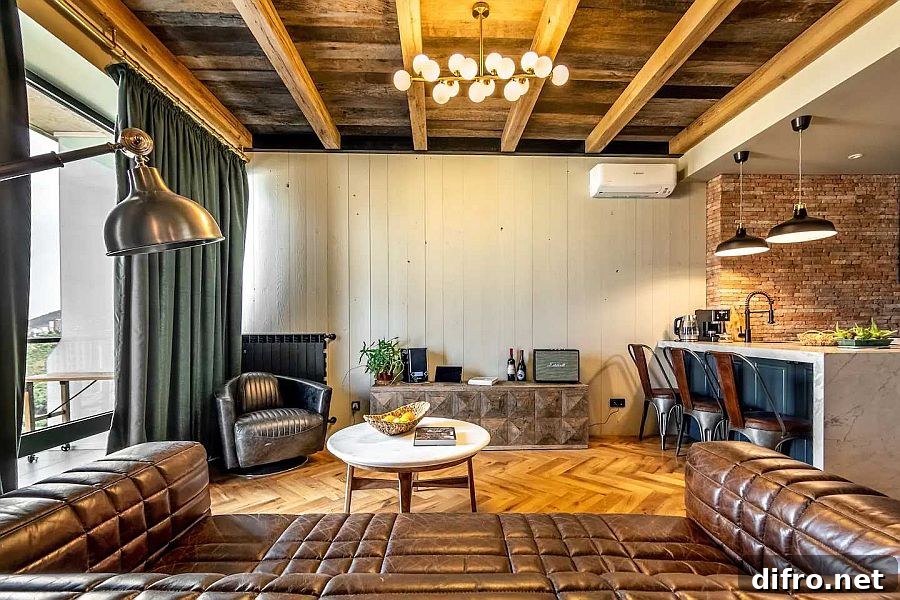
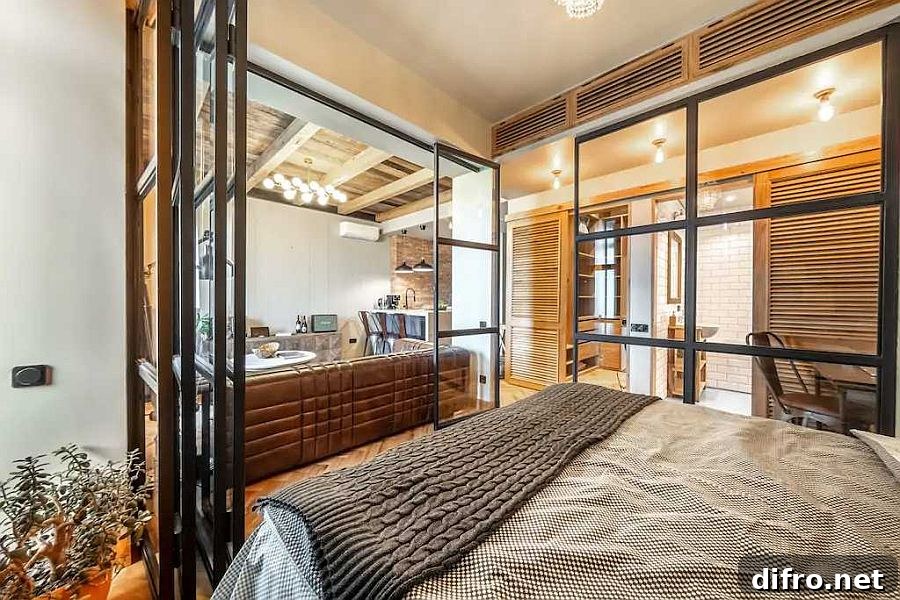
Stepping into the main living space, the first impression is a rich dialogue of textures. A warm wooden ceiling with exposed beams and a chevron-patterned wood floor set a cozy, organic tone, while a generous leather sofa anchors the seating area. Industrial elements—such as framed glass partitions and a section of exposed brick—are paired with contemporary accents: streamlined décor, curated lighting and carefully chosen finishes that emphasize both functionality and style. The apartment’s layout uses sightlines and material contrasts to make a compact plan feel open and inviting.
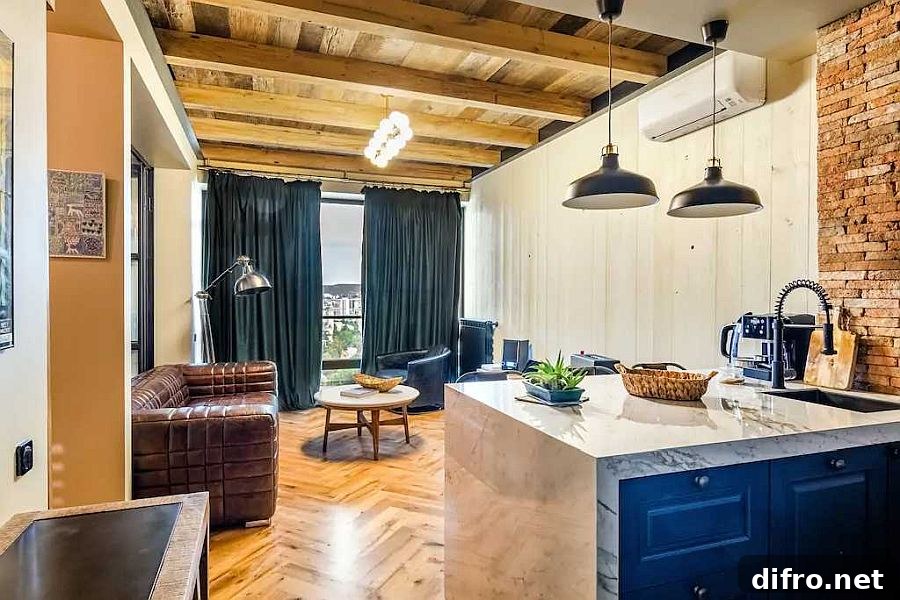
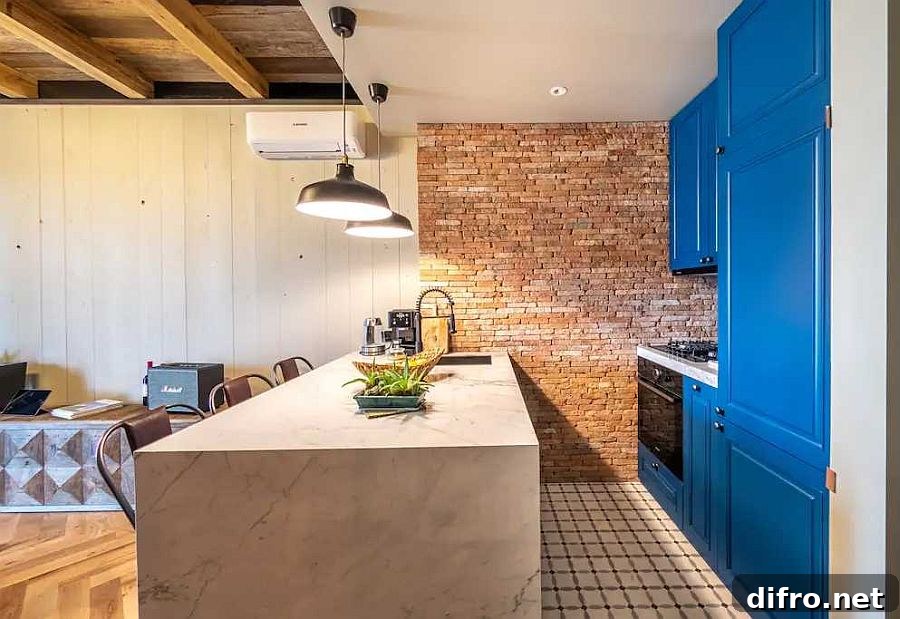
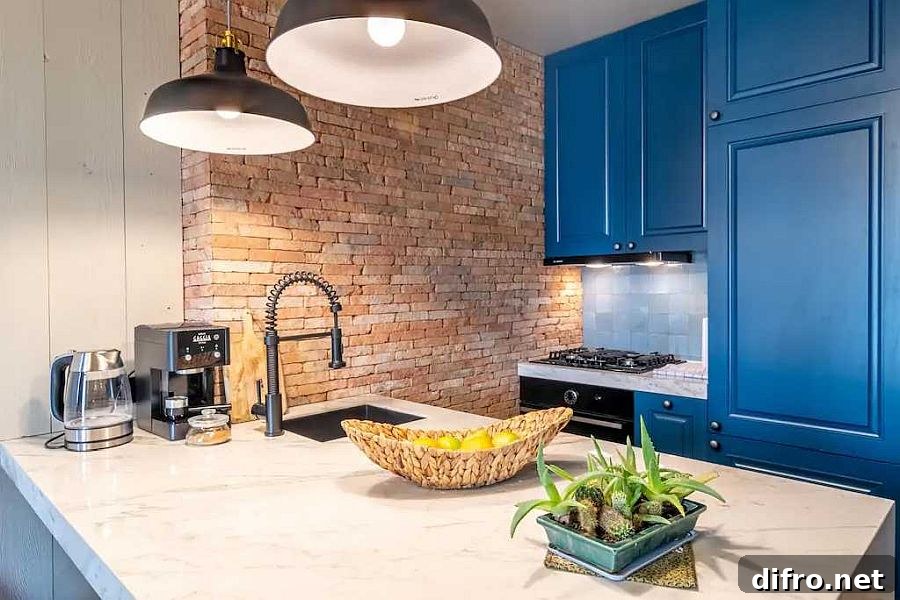
The compact kitchen sits adjacent to the living area and demonstrates how clever design can maximize both storage and style in a small footprint. A breakfast bar with seating for three defines a casual dining zone, while oversized pendant lights provide focused illumination and visual drama. Blue cabinetry introduces a fresh color accent against neutral surfaces, and well-planned storage ensures the kitchen remains practical without disrupting the clean industrial aesthetic.
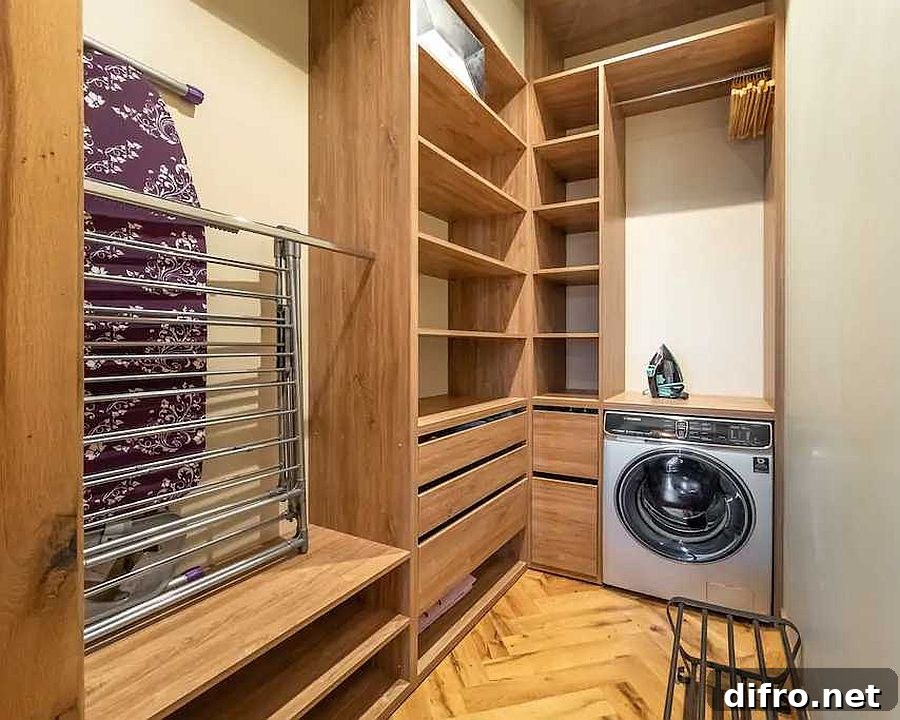
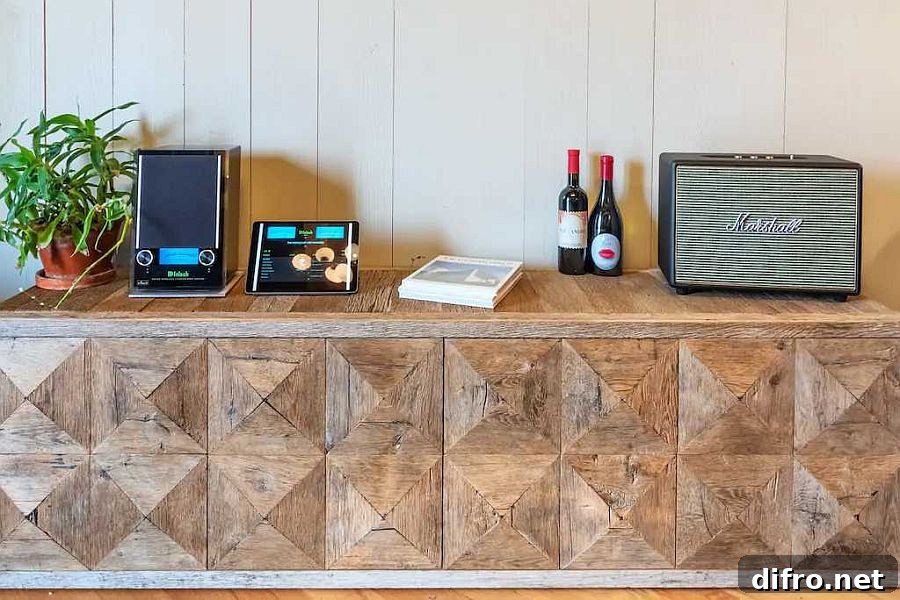
Beyond the kitchen, the apartment includes a compact yet well-equipped laundry area finished in warm wood tones and crisp white surfaces—another example of how practical needs were integrated into the overall design language. A custom credenza with a textured wood finish introduces pattern and storage into the living space, helping the interior feel tailored and cohesive without crowding the floorplan.
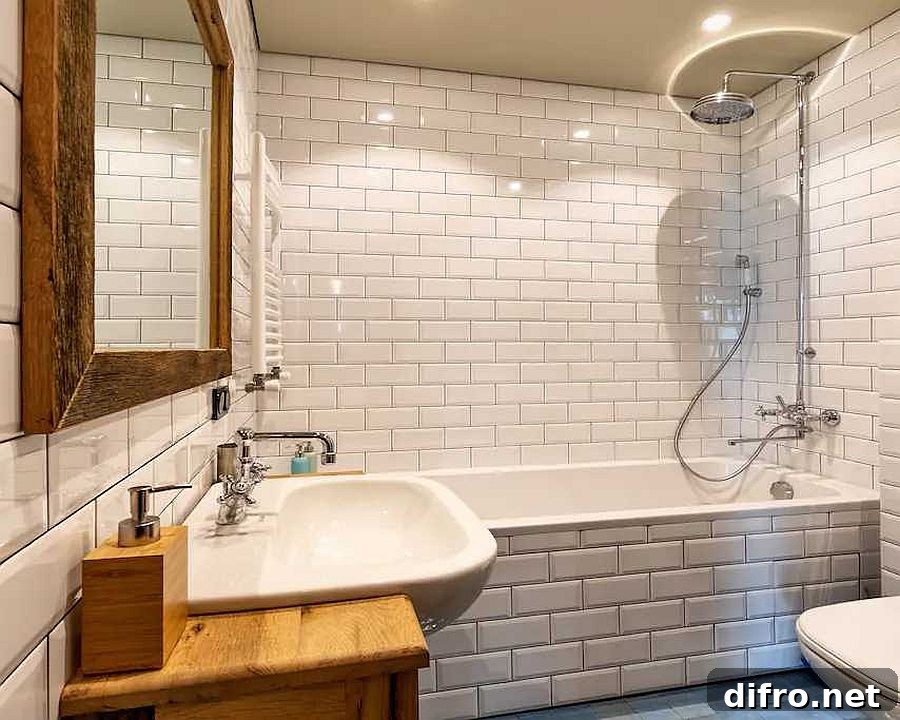
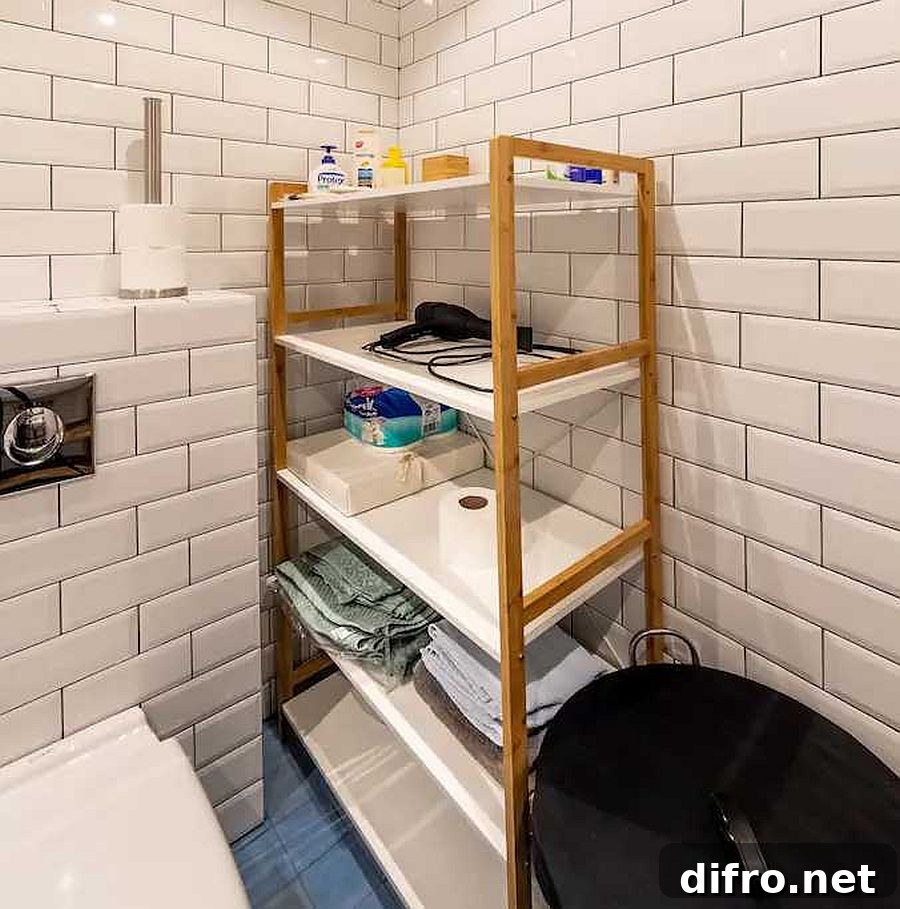
The bathroom continues the apartment’s refined take on industrial style: clean white subway tiles provide a timeless backdrop, while wooden accents introduce warmth and textural contrast. Thoughtful details—like a freestanding shelf to organize toiletries—maximize usability in a compact footprint without sacrificing visual appeal.
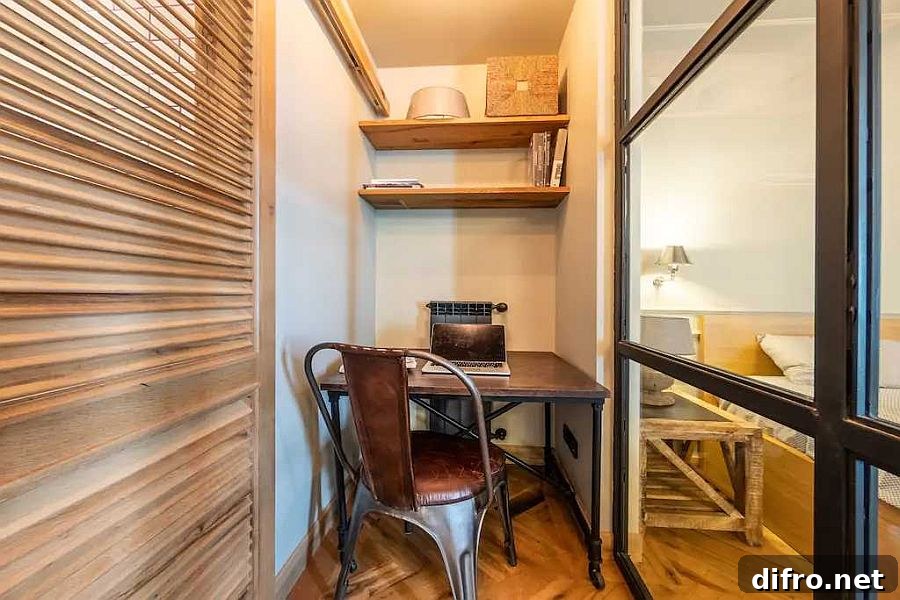
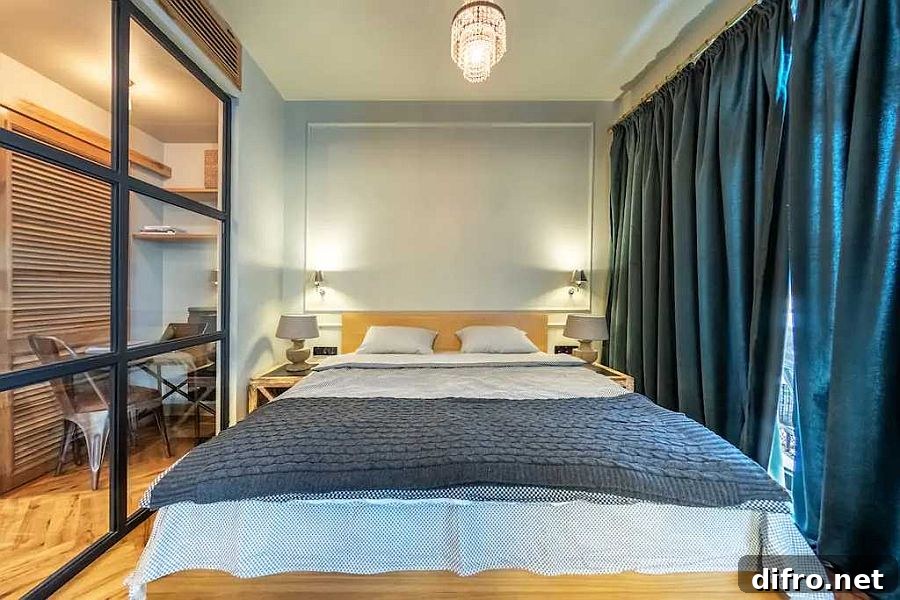
Small architectural moments are used intelligently throughout the plan. A narrow niche in the hallway becomes a compact home office, demonstrating how even the tightest spaces can be repurposed for daily needs. The bedroom is framed by glass walls that visually connect it to the living area; when desired, layered drapes provide instant privacy while still allowing light to filter through. This flexible approach preserves openness while giving occupants control over intimacy and exposure.
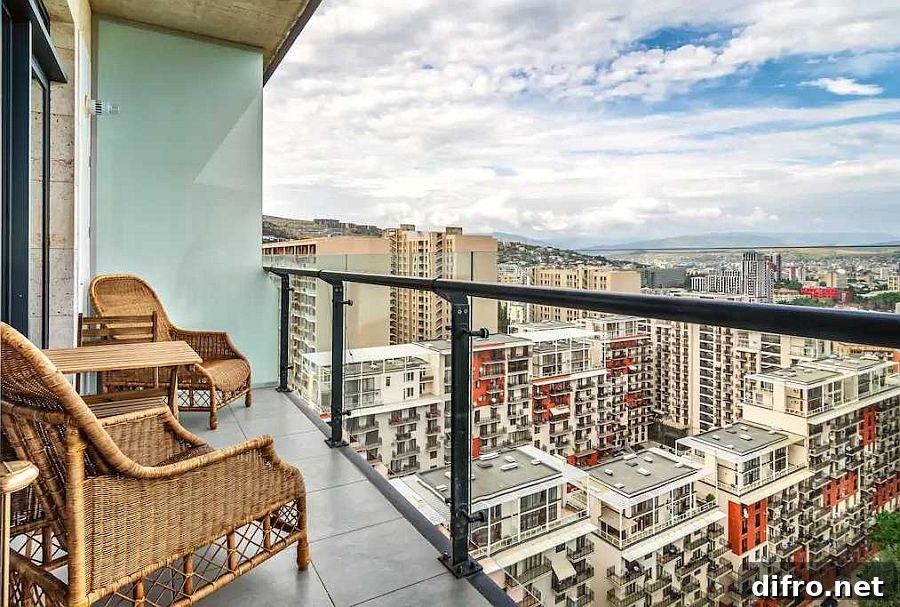
Finally, a small balcony offers a view over the surrounding neighborhood, extending the apartment’s living experience outdoors and connecting residents with the rhythm of the city. Overall, this Tbilisi apartment is a thoughtful example of how industrial heritage can be adapted for contemporary urban living: preserving character, improving performance and delivering a warm, practical home within a modest footprint.