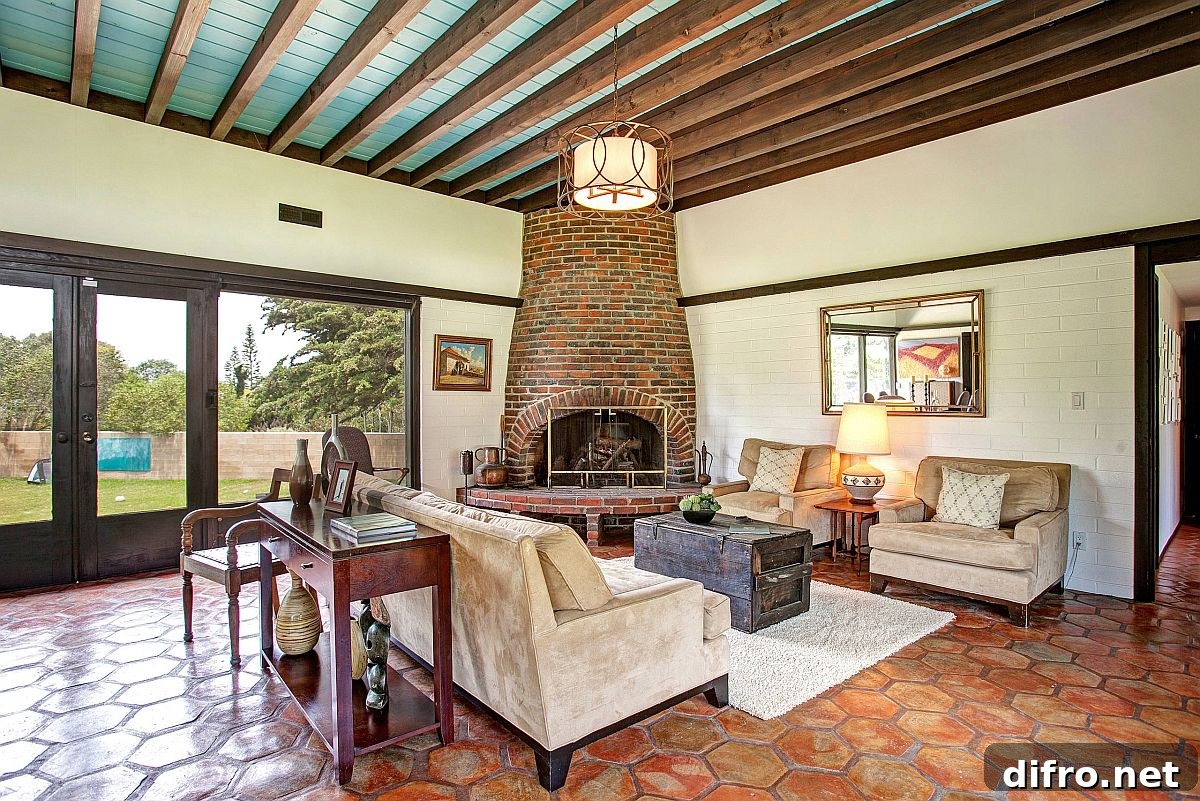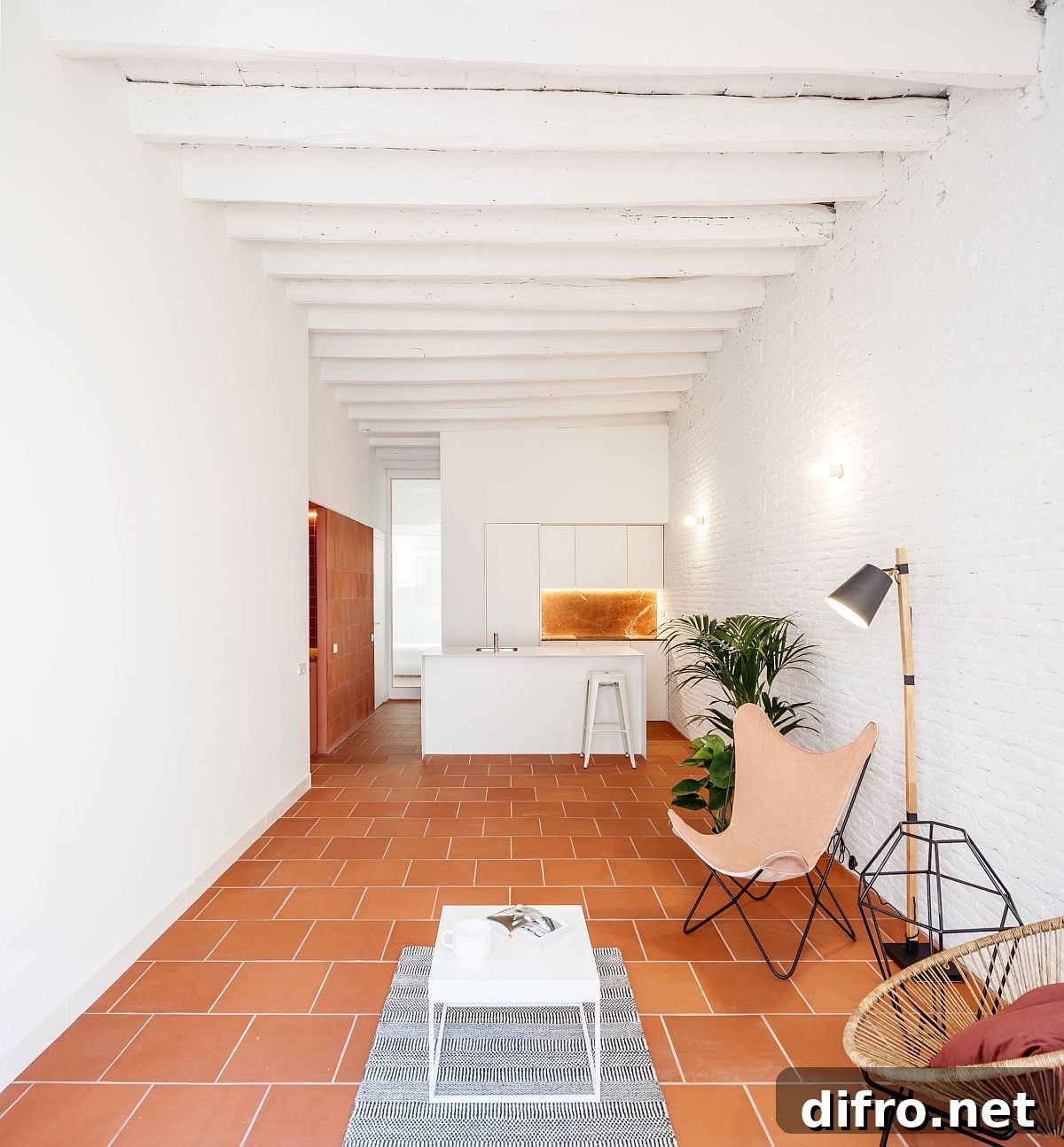
We are always looking for fresh ways to update our homes and escape the ordinary. Sometimes a new paint color does the trick, and other times a carefully chosen accessory brings a space back to life. Today, however, we’re focusing on texture and the natural visual warmth that terracotta brings. Terracotta tiles—literally “baked earth”—have a long history in architecture and interior design. While modern, manufactured materials pushed them to the background for a time, renewed interest in natural materials has brought terracotta back into the spotlight.
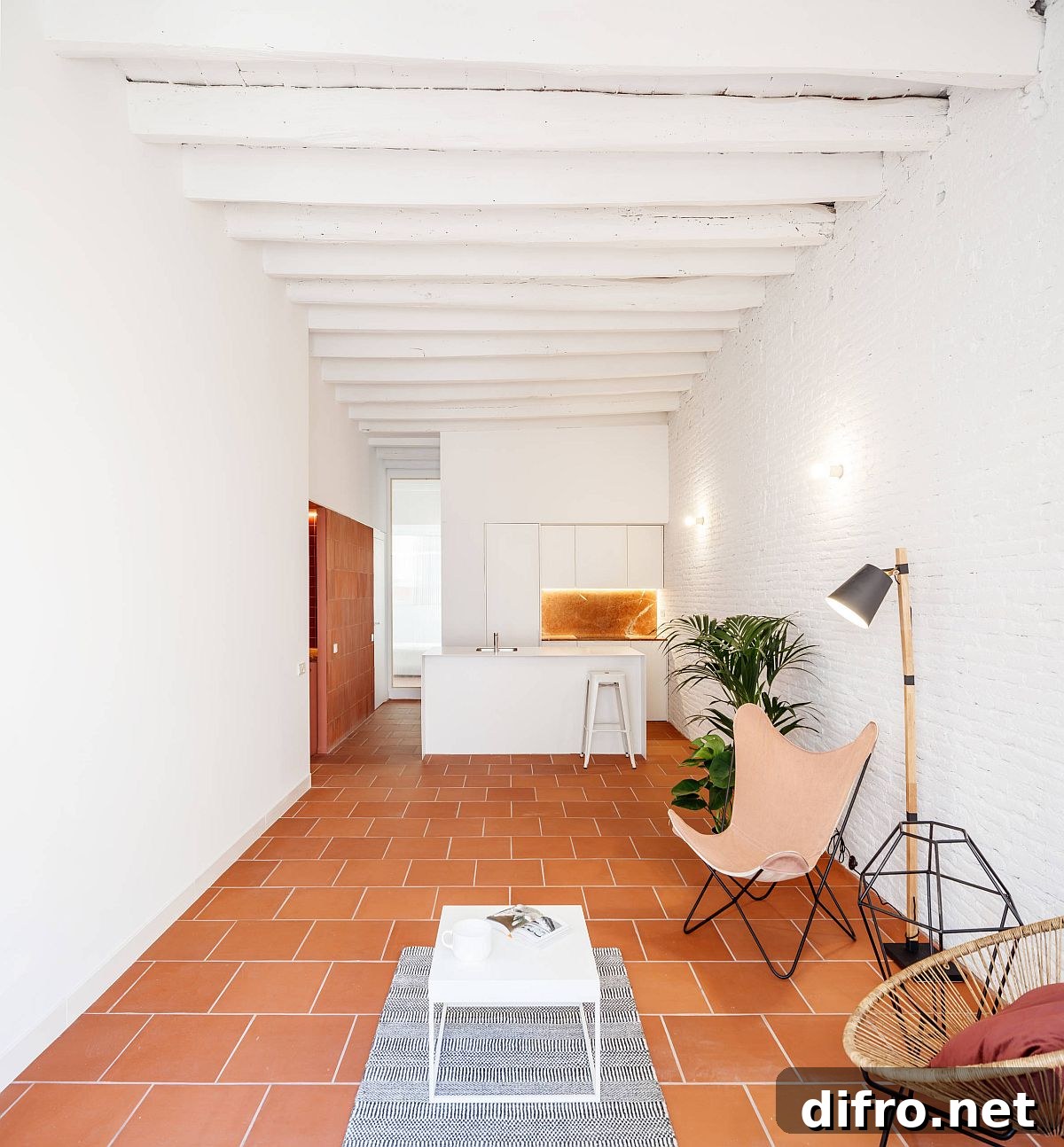
Terracotta’s warm, earthen tones add an immediate sense of coziness and texture to a room, even when used sparingly. Beyond flooring, terracotta pots and decorative objects bring color and tactile contrast to contemporary interiors dominated by plaster, glass, and metal. Below, we explore a variety of living rooms where terracotta—either as tile or pottery—plays a defining role.
Beautiful Floors that Feel Organic
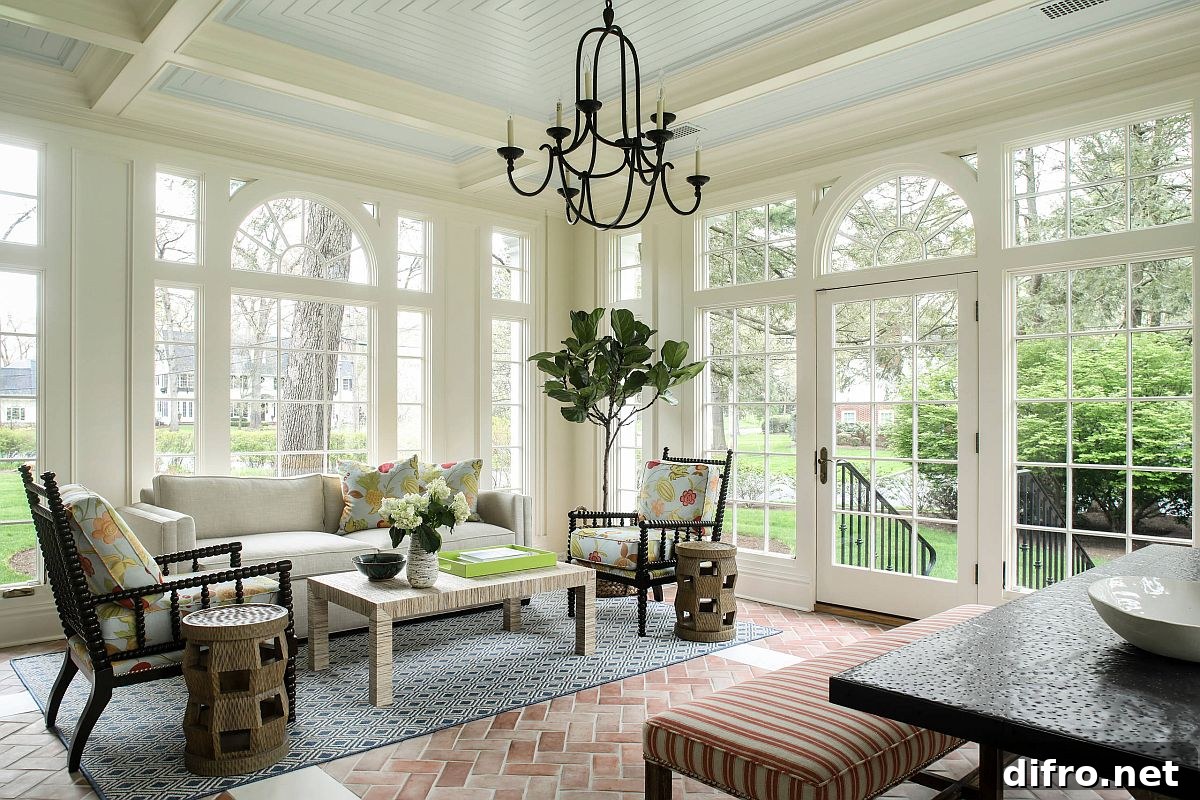
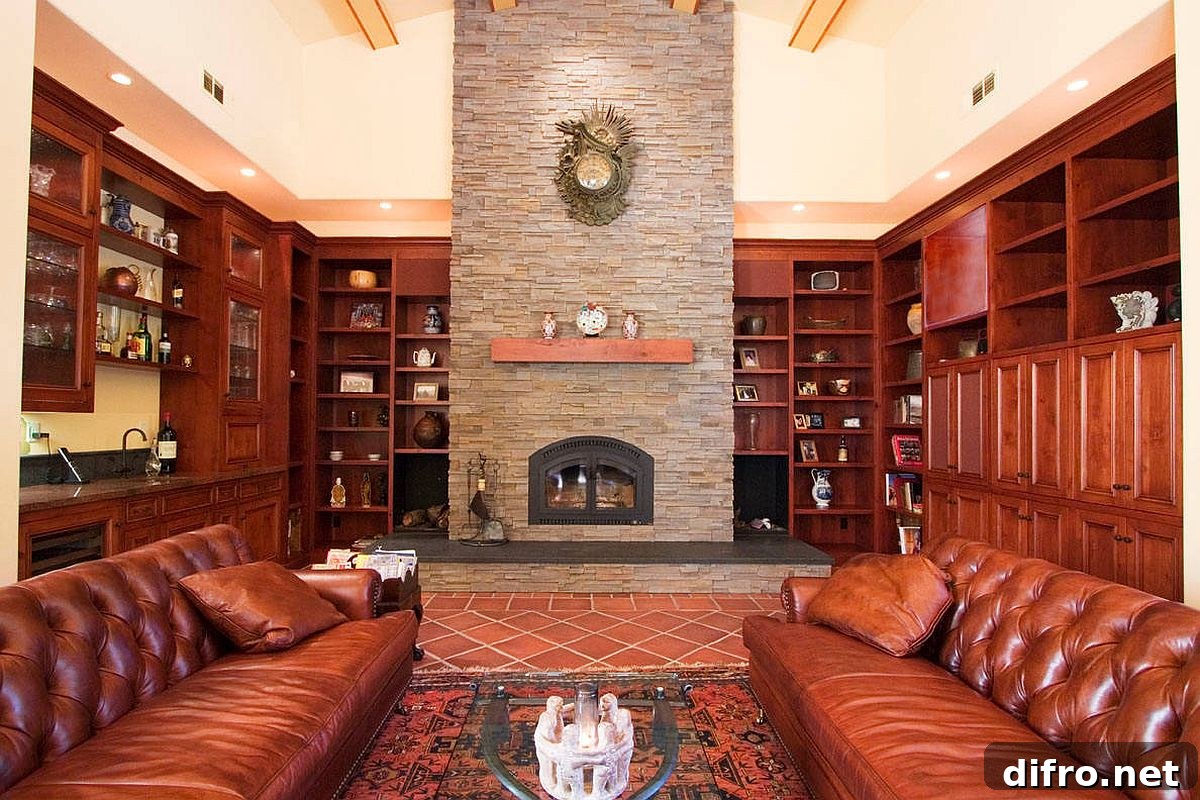
One of the most compelling uses of terracotta is on the floor. Terracotta tiles provide a natural, textured surface that reads as both timeless and modern. They withstand daily use well and, when properly sealed, are surprisingly low-maintenance: they can be swept and mopped without losing their charm. Over time, small marks and variations in the surface add character rather than looking like damage, which is part of terracotta’s appeal.
In addition to durability, terracotta offers functional benefits. Its thermal mass helps moderate indoor temperatures—absorbing warmth during the day and releasing it slowly—so it can contribute to passive heating and cooling in many climates. To keep terracotta floors looking their best, use a breathable sealant that protects against stains while allowing the material’s natural qualities to remain visible. Layering area rugs over terracotta is an excellent way to soften seating areas and add color or pattern without covering the whole floor.
A Treat for Your Indoor Plants
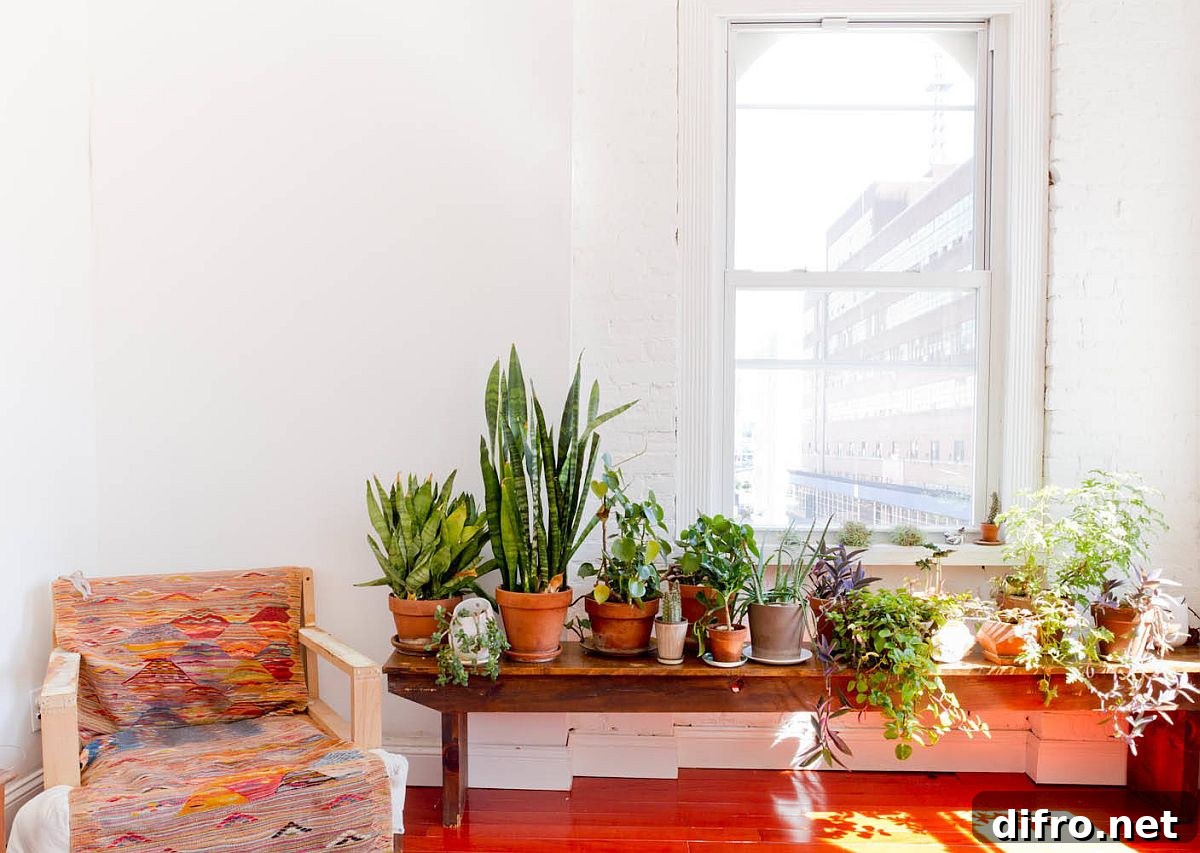
Terracotta pots are an ideal companion for many indoor plants, especially succulents and other species that prefer well-draining, aerated soil. The natural porosity of terracotta allows water to evaporate through the vessel walls, helping to prevent overwatering and root rot. Because they are inexpensive and widely available in a range of sizes and shapes, terracotta planters are an easy way to introduce organic texture and a warm color palette into a living room.
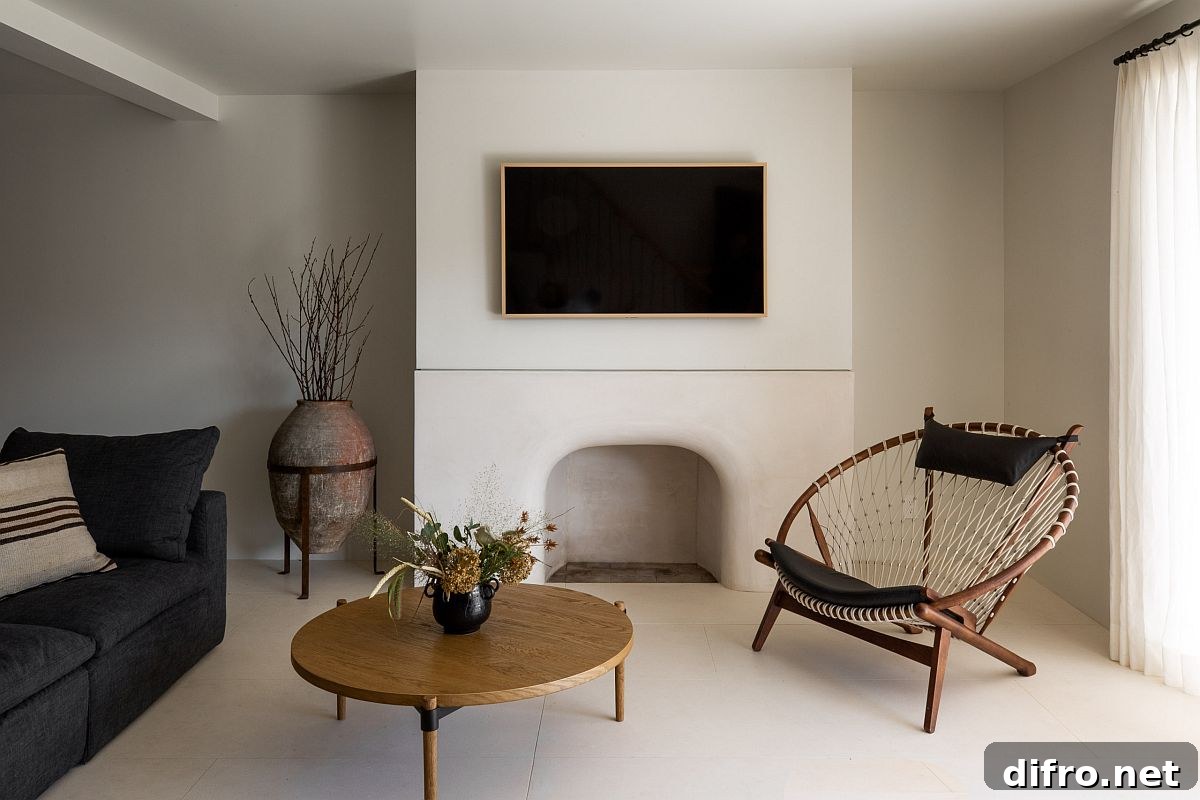
Large terracotta vases can function as sculptural floor pieces, while small pots gathered on shelves or windowsills create a cohesive, earthy display. For colder climates, terracotta can help roots breathe better than many plastic alternatives, and the material ages gracefully—developing a gentle patina that enhances a room’s lived-in feel.
Finding the Right Style for Terracotta
Terracotta’s classic reddish hue is the most recognizable, but tiles and pottery come in a range of tones—from pale terracotta to deeper, almost rust-colored shades. That variety makes terracotta versatile enough for many decor styles. It feels perfectly at home in Mediterranean, farmhouse, shabby chic, rustic, and eclectic interiors, and it can also warm up a more modern or mid-century setting.
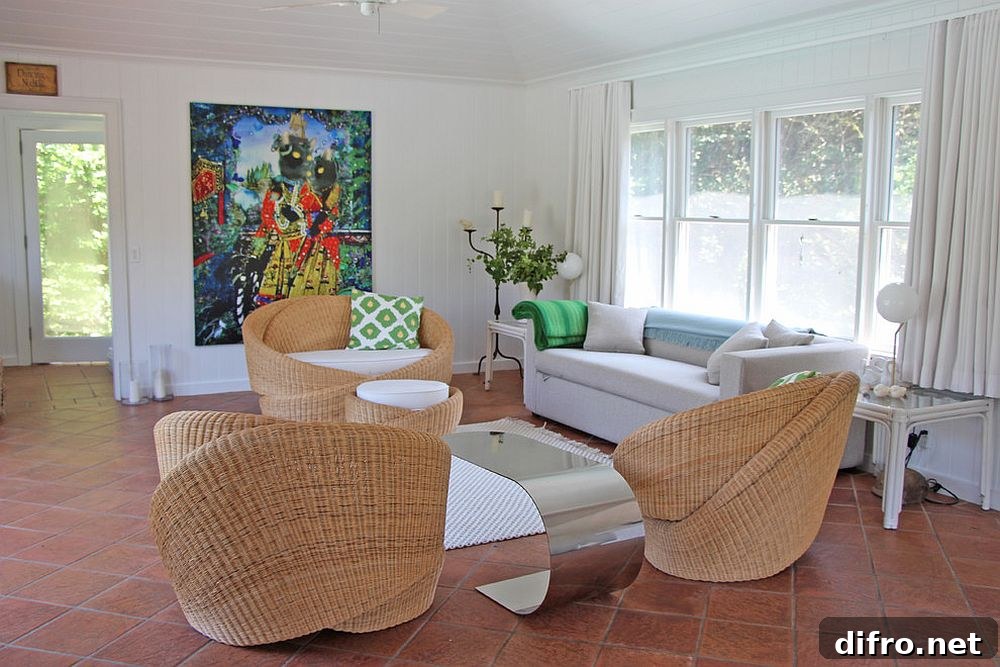
To keep a space balanced, consider pairing terracotta floors with neutral walls and simple furnishings. Bright or highly saturated wall colors can compete with terracotta’s natural warmth and make a room feel visually busy. Instead, let textiles—rugs, throws, and cushions—provide accents of color and pattern. Greenery also pairs exceptionally well with terracotta, creating a lively contrast that highlights each element’s natural qualities.
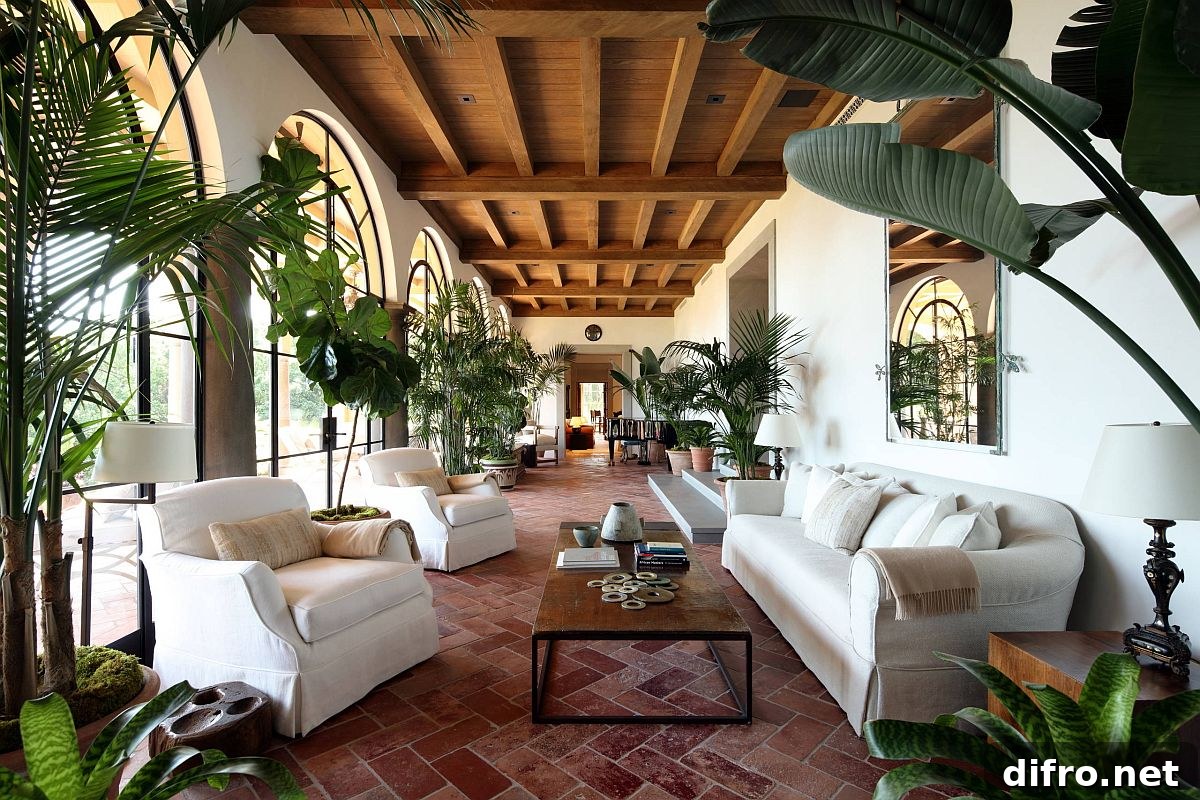
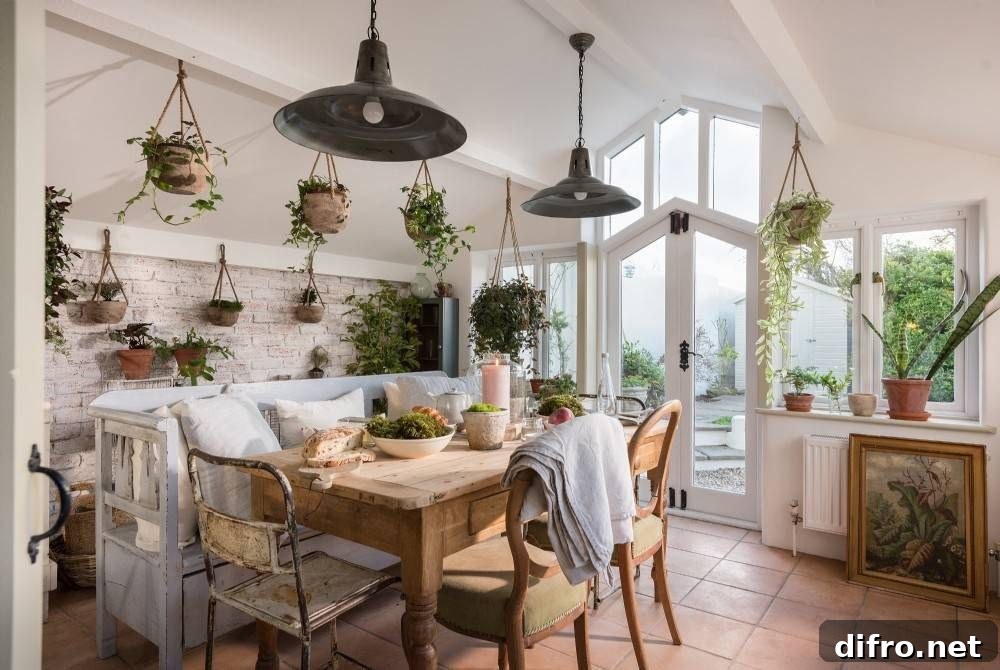
Whether you install a full terracotta floor or introduce a collection of pots and vases, terracotta brings a grounded, tactile quality to living rooms. Its timeless color palette, practical benefits, and ability to complement plant life make it a compelling choice for anyone seeking natural warmth and lasting style in their home.