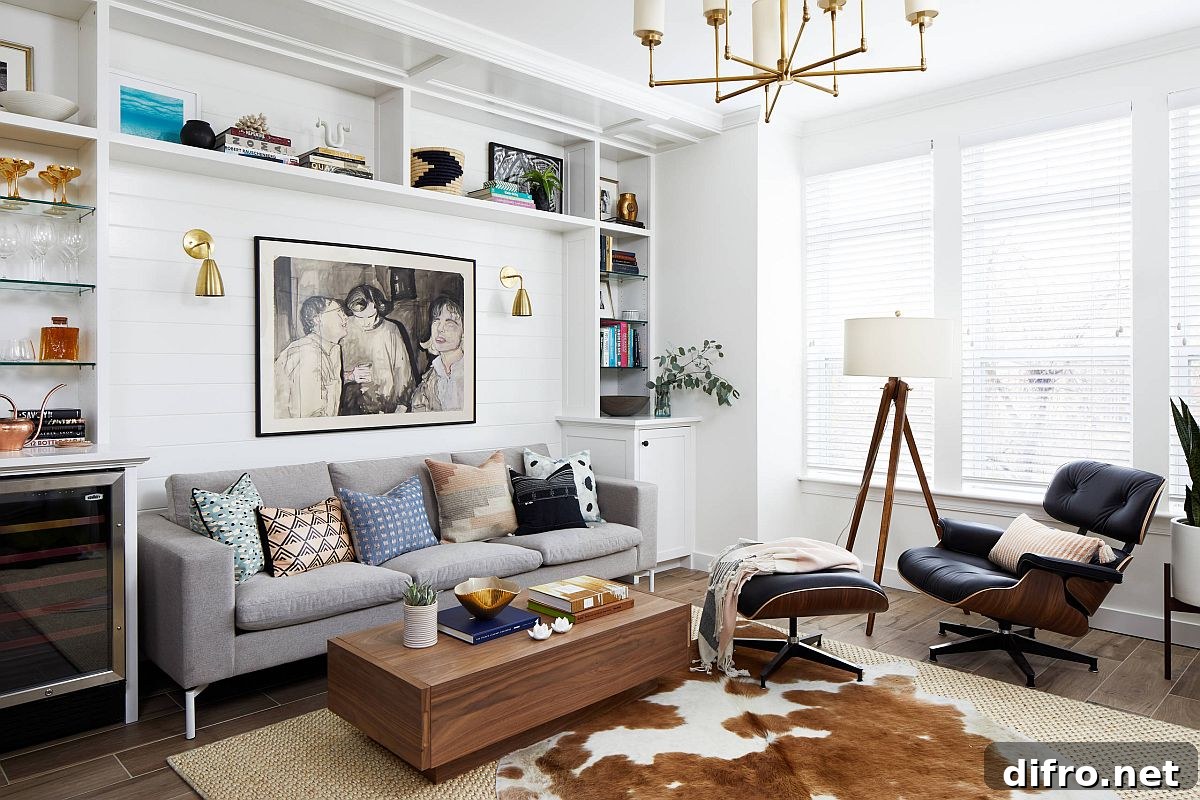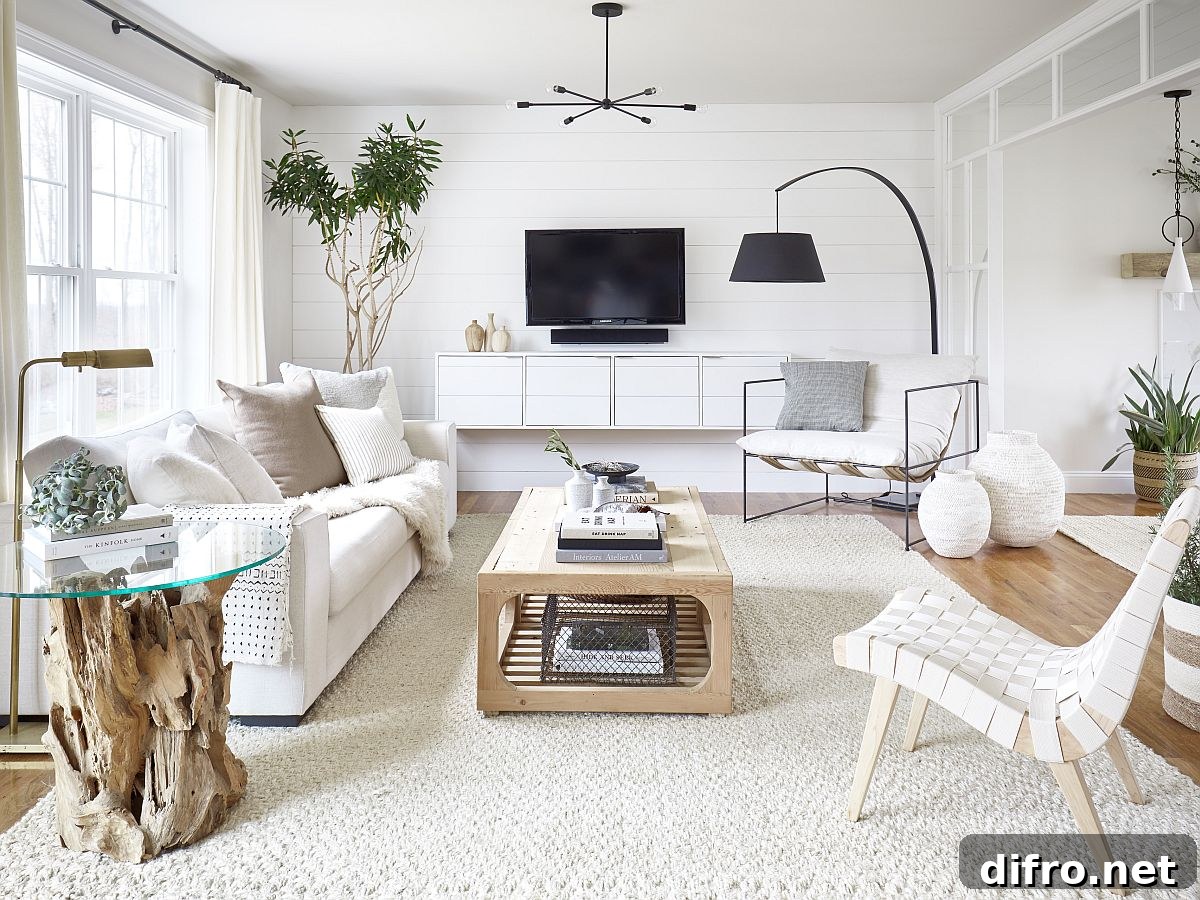
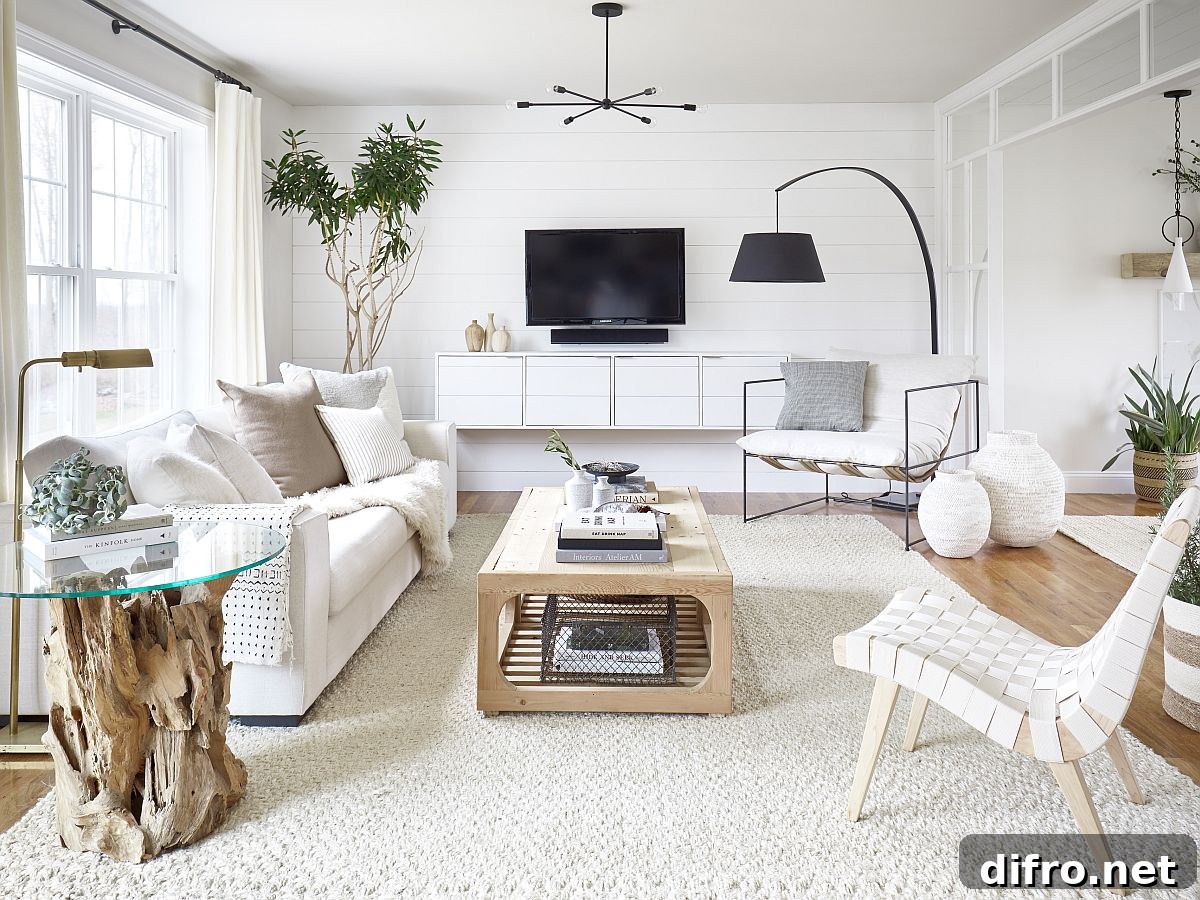
Maximizing space is a top priority for many homeowners, and finding the right balance between form and function in a small living area can be challenging. White is one of the simplest and most effective choices to create a modern, flexible backdrop that adapts to different styles. A small white living room can appear larger, feel brighter, and accommodate a range of decor approaches without requiring a large budget or extensive renovations. In short, white living rooms are both time- and cost-efficient solutions for smaller spaces.
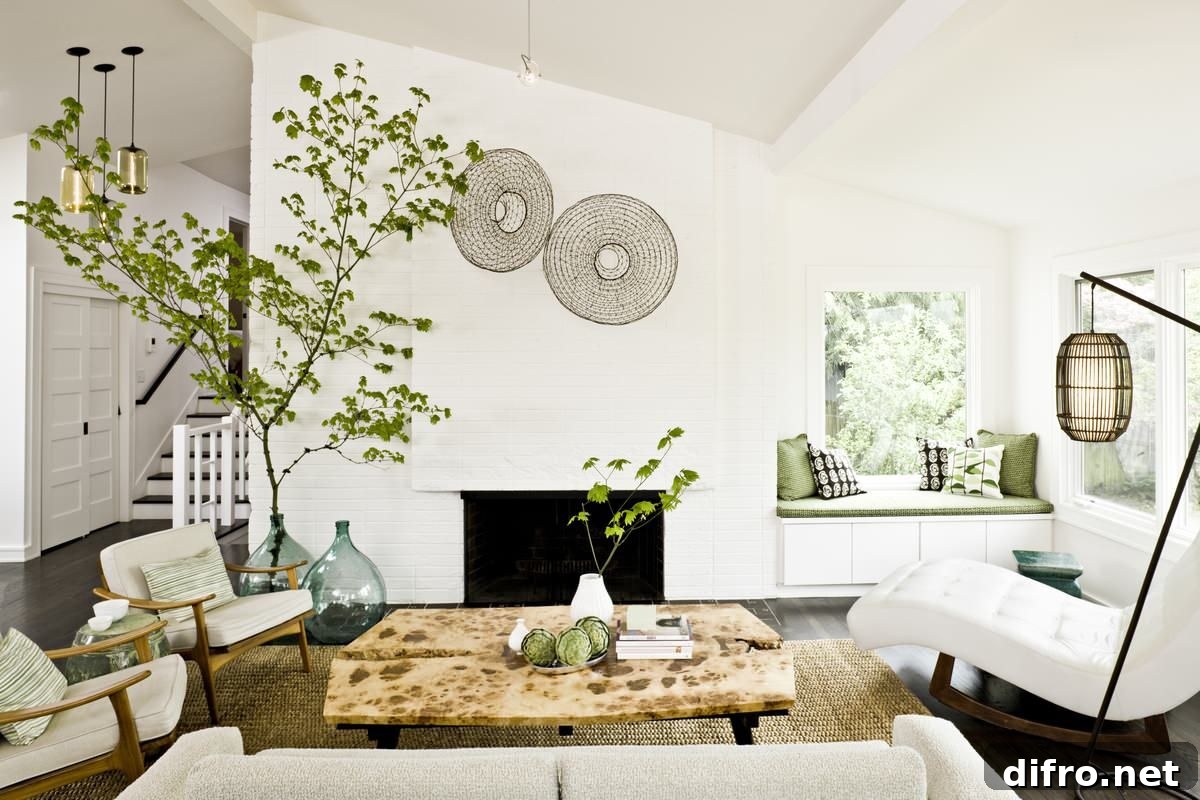
The best small white living rooms achieve an organic feel while welcoming bright accents when desired. They often feel more spacious than they are by reflecting natural and artificial light across the room. Some designs borrow from traditional charm while others are strictly contemporary and minimal. Each of these approaches shows that you can maximize space without sacrificing style.
Saving Space with Color
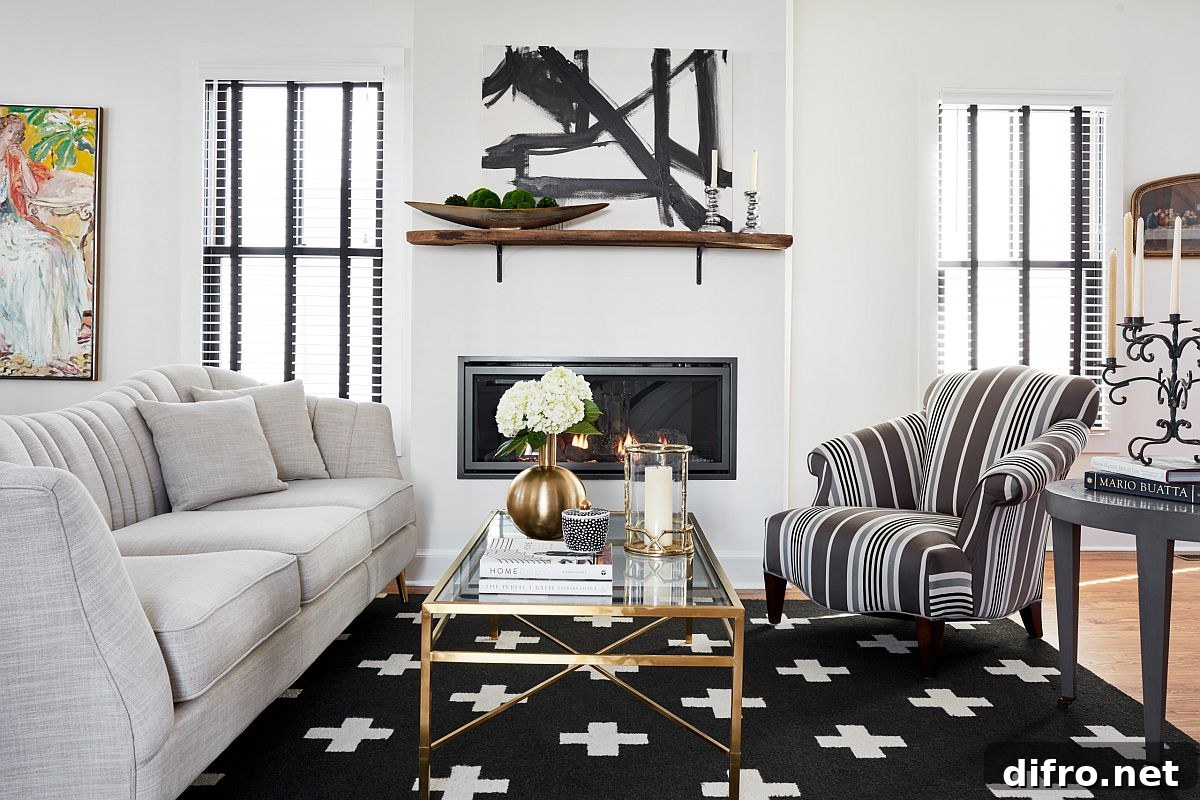
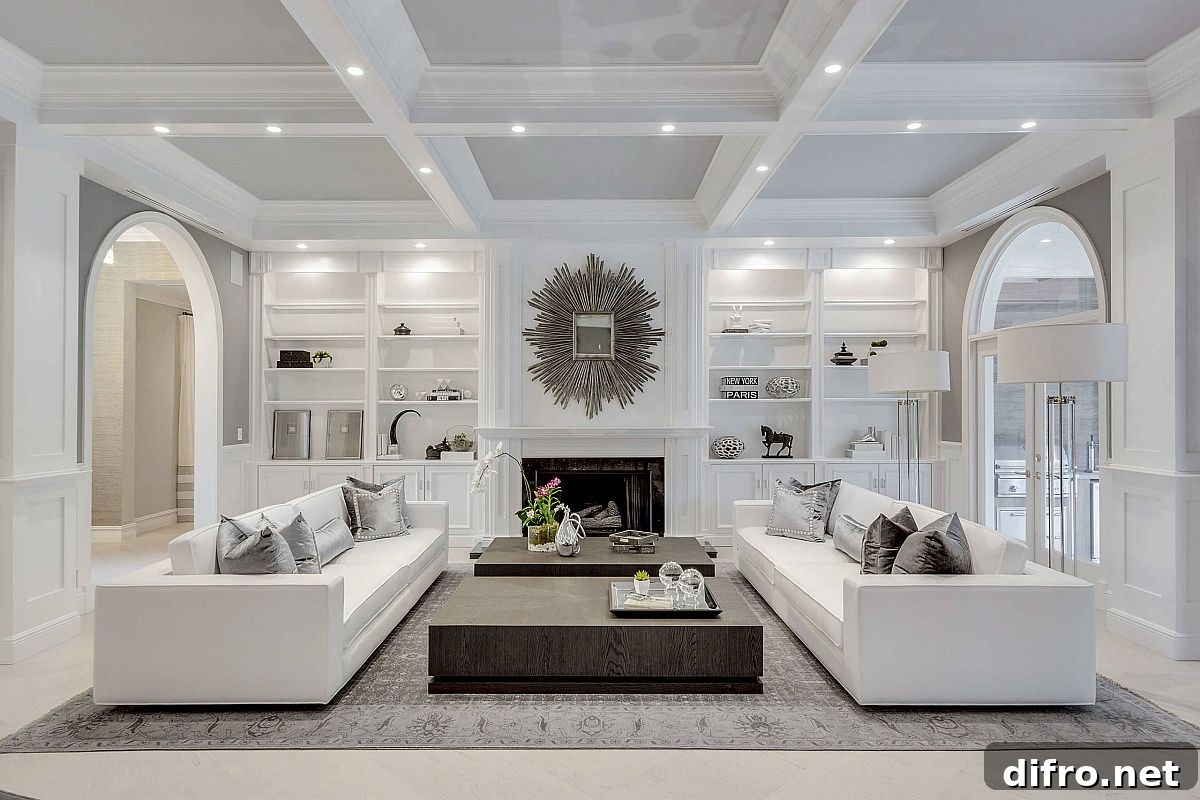
White is the easiest color to rely on in a small living room because it visually expands the room and evens out light. A monochromatic white backdrop creates cohesion and simplifies decisions about furnishings and accessories. For a bold, minimalist statement, you can omit other colors entirely and layer texture—linen, wool, wood, or woven materials—to create depth while keeping the palette bright. If you prefer subtle contrast, introduce light grays, natural wood tones, or soft metallics to add visual interest without cluttering the space.
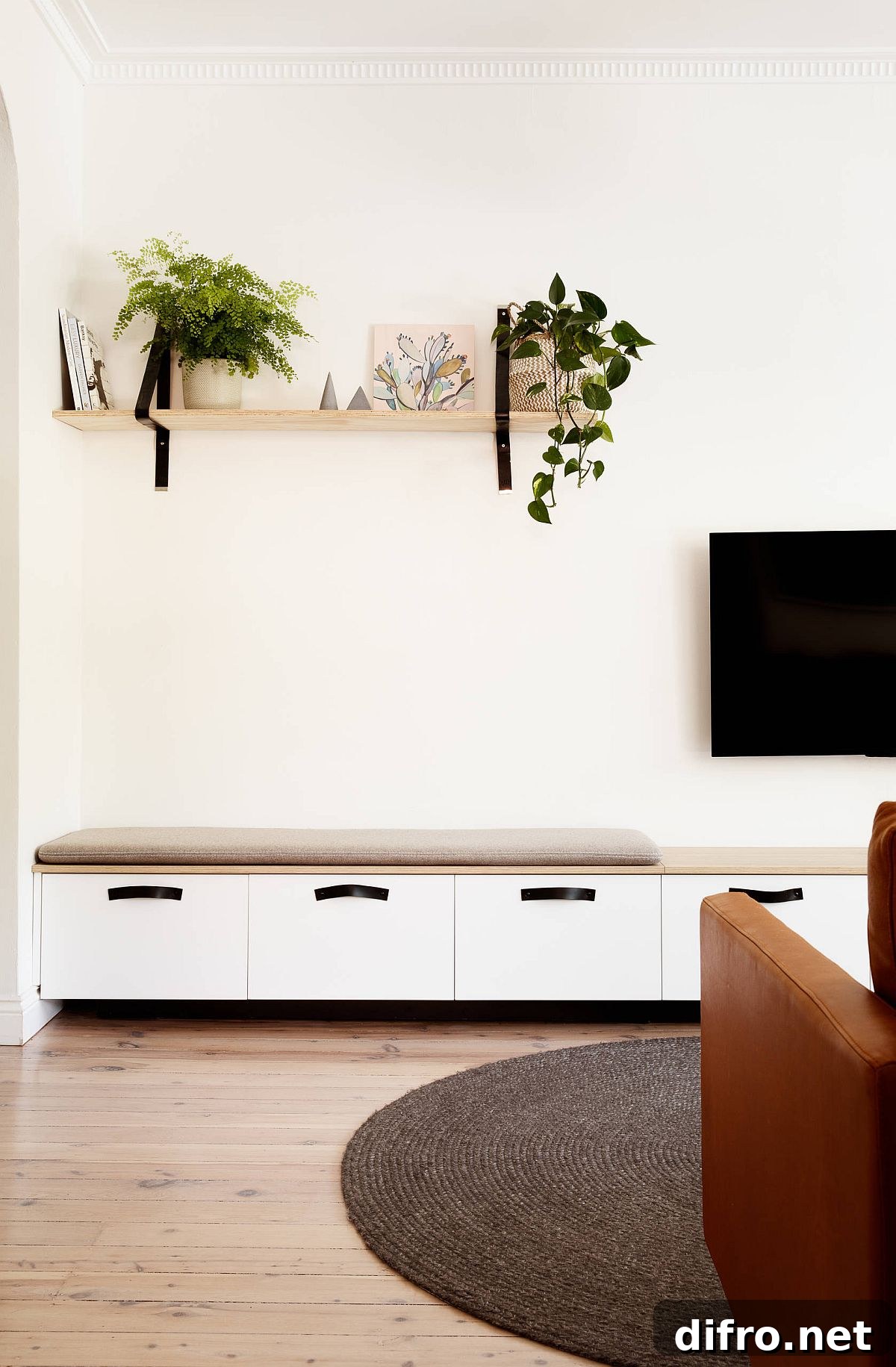
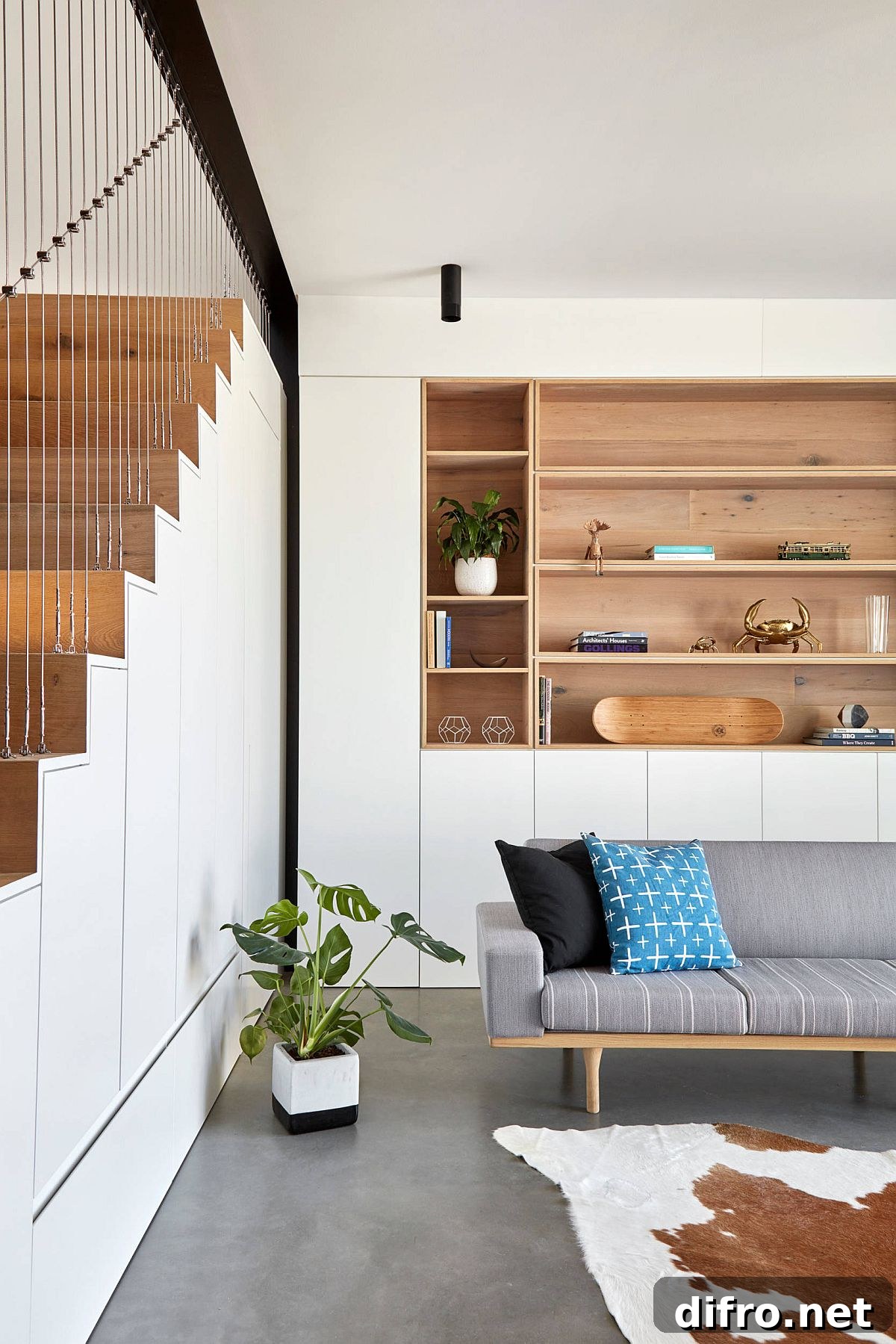
To maximize perceived space, choose furniture with slender profiles and light-colored upholstery. Multi-functional pieces—such as storage ottomans, nesting tables, and wall-mounted shelving—help keep the floor clear and allow circulation to feel open. Reflective surfaces like mirrors or a polished side table can further enhance light distribution.
Adding Pops of Blue to the Setting
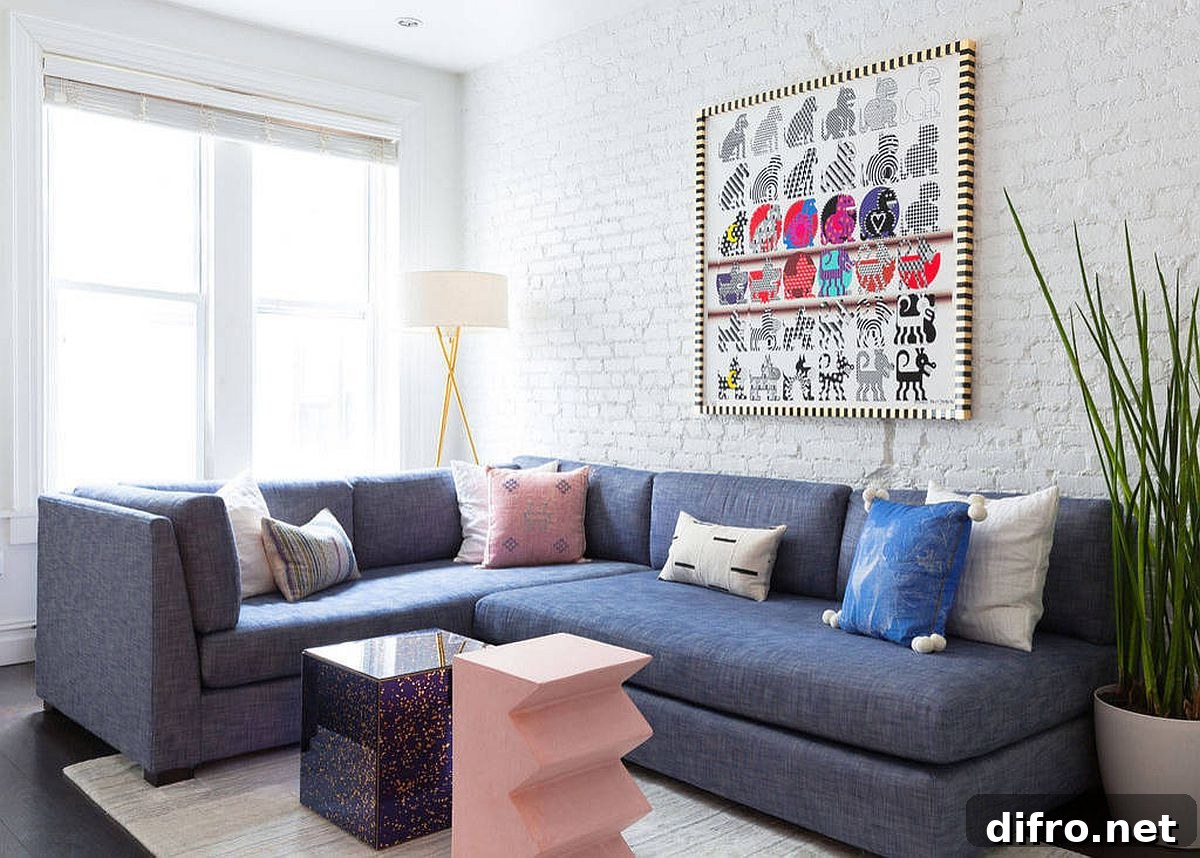
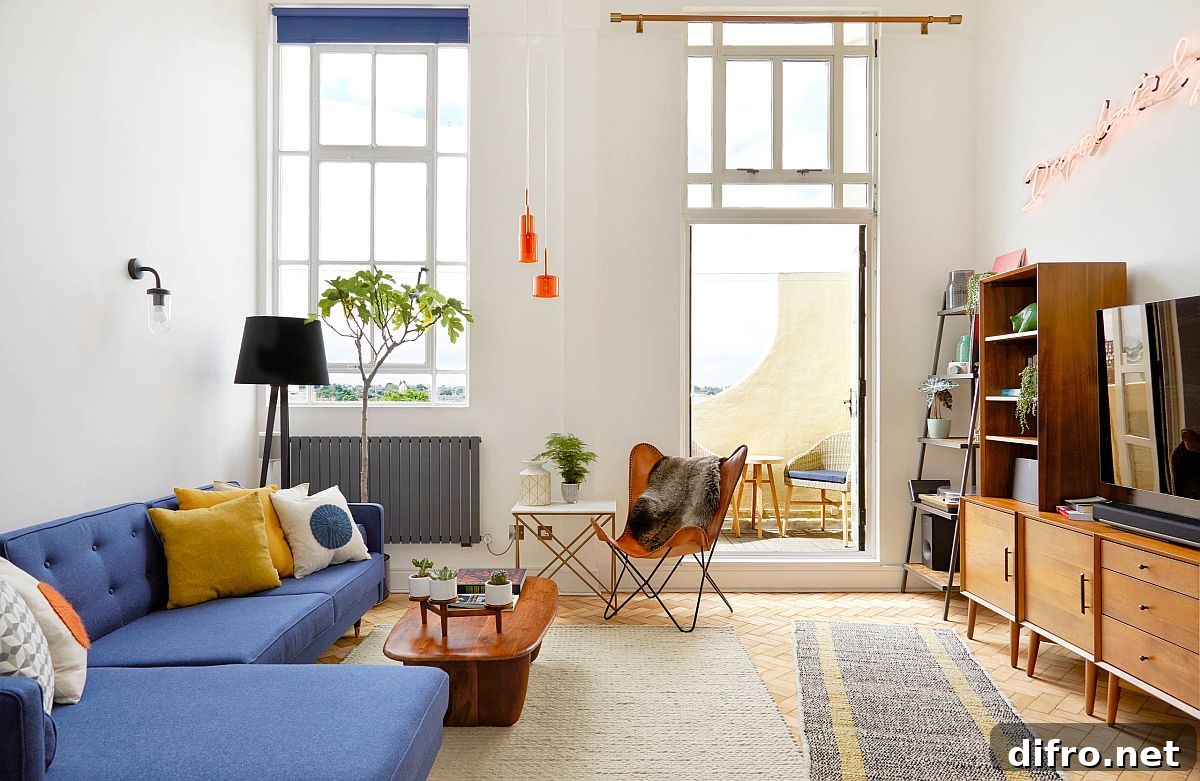
Blue is a popular accent choice for white living rooms because it provides a cool, calming contrast without overwhelming the space. Classic and contemporary blues both work well: a deep navy sofa becomes an elegant focal point, while lighter or muted blues keep the mood airy. If you don’t want to commit to a colored sofa, introduce blue through smaller elements like pillows, an accent chair, art, or a patterned rug. Other lively accent colors—such as mustard yellow or warm orange—also pair beautifully with white for those who want a more energetic palette.
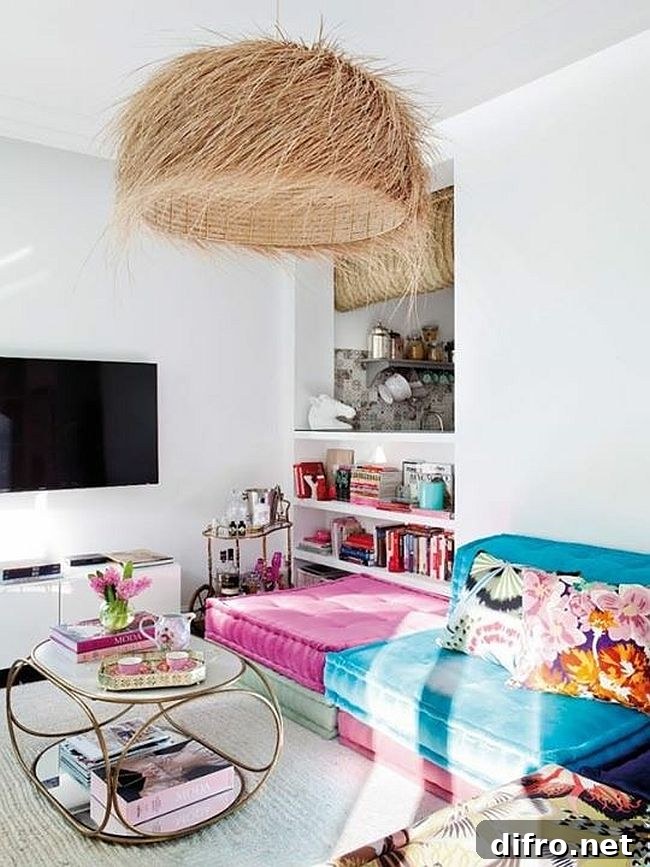
Layering textures—like knitted throws, boucle cushions, and natural fiber rugs—keeps a white living room from feeling flat. Small-scale patterns, subtle stripes, or tone-on-tone motifs add interest without reducing the airy feel. Lighting is also essential: combine ambient overhead fixtures with task and accent lighting to create depth and versatile moods.
Picture-Perfect White Living Rooms
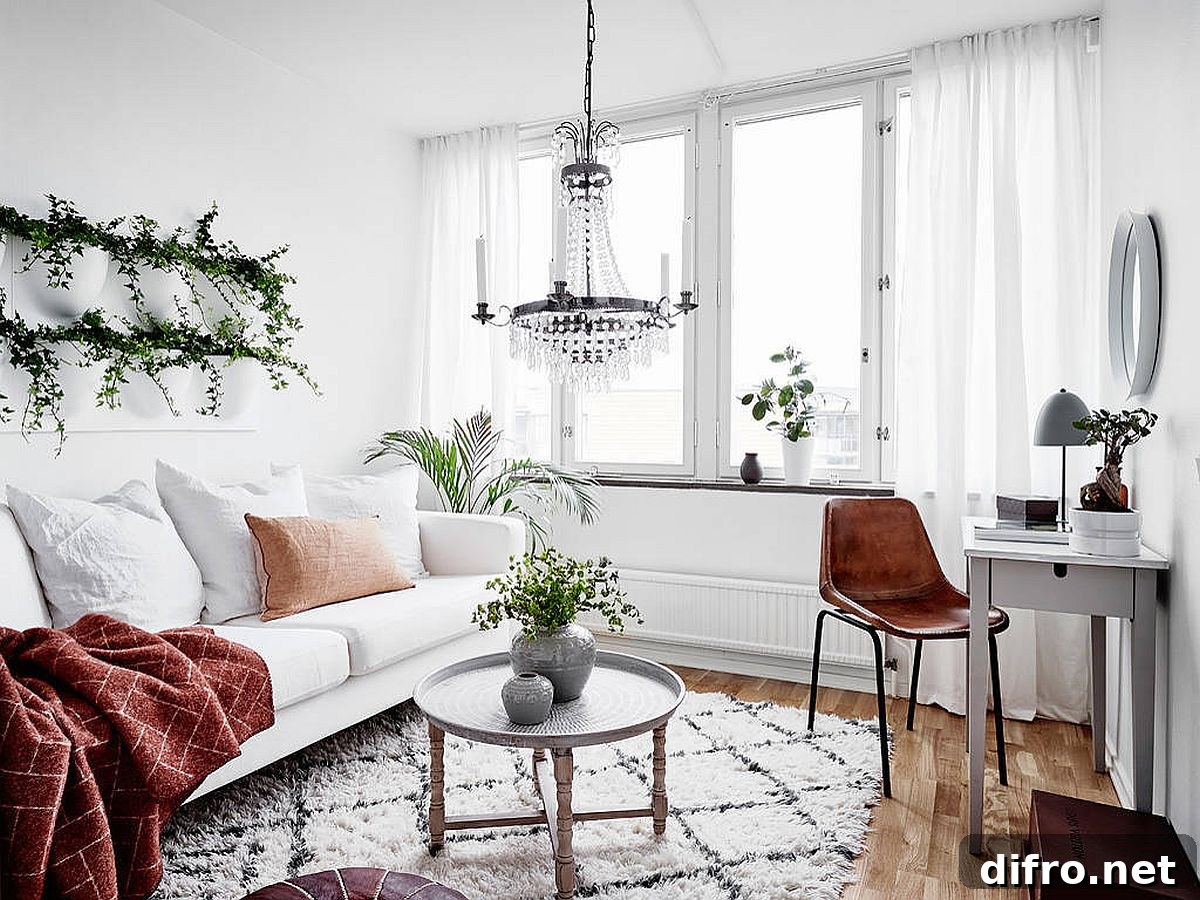
Certain styles naturally suit a white palette. Scandinavian design, for example, often uses white walls and light wood, relying on texture and craftsmanship rather than strong color. The beach or coastal style pairs white with blues and soft neutrals for a timeless, relaxed look. Shabby chic and modern minimalist interiors also read beautifully in white, each achieving a distinctive personality through materials, finishes, and carefully chosen accents.
Whether you aim for sleek minimalism or a cozy layered look, a small white living room provides a flexible foundation. Focus on scale, light, texture, and a restrained selection of accents to make the space both functional and stylish. Thoughtful furniture choices and the right lighting will ensure your small white living room feels open, inviting, and perfectly tailored to your daily life.