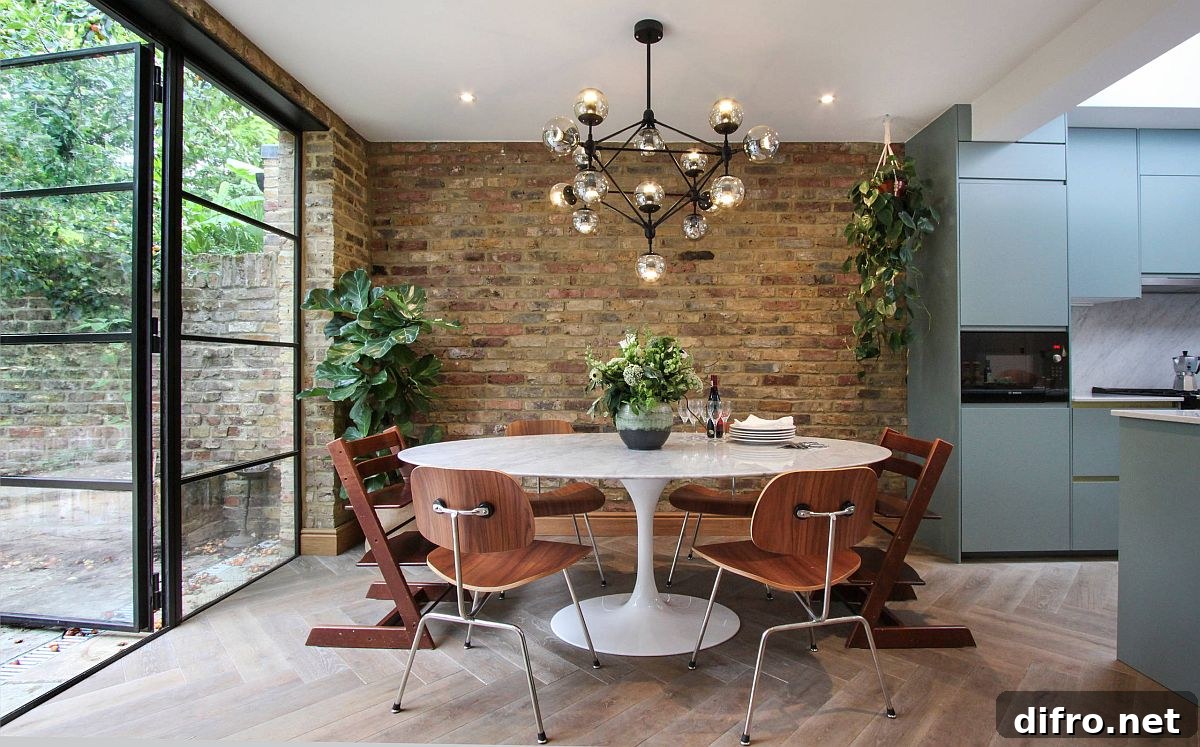
If there is one material that consistently represents luxury, refinement and timeless beauty, it is marble. From classical Eastern and Indian interiors to contemporary Western designs, marble remains a symbol of elegance. Whether used as a surface or an accent, marble instantly elevates a space—much like gold does in jewelry. While marble countertops in the kitchen are stunning, they require careful upkeep and aren’t always practical. When you use marble in an open-plan kitchen featuring marble counters, extending the material into the dining area is often a balanced and cohesive design choice.
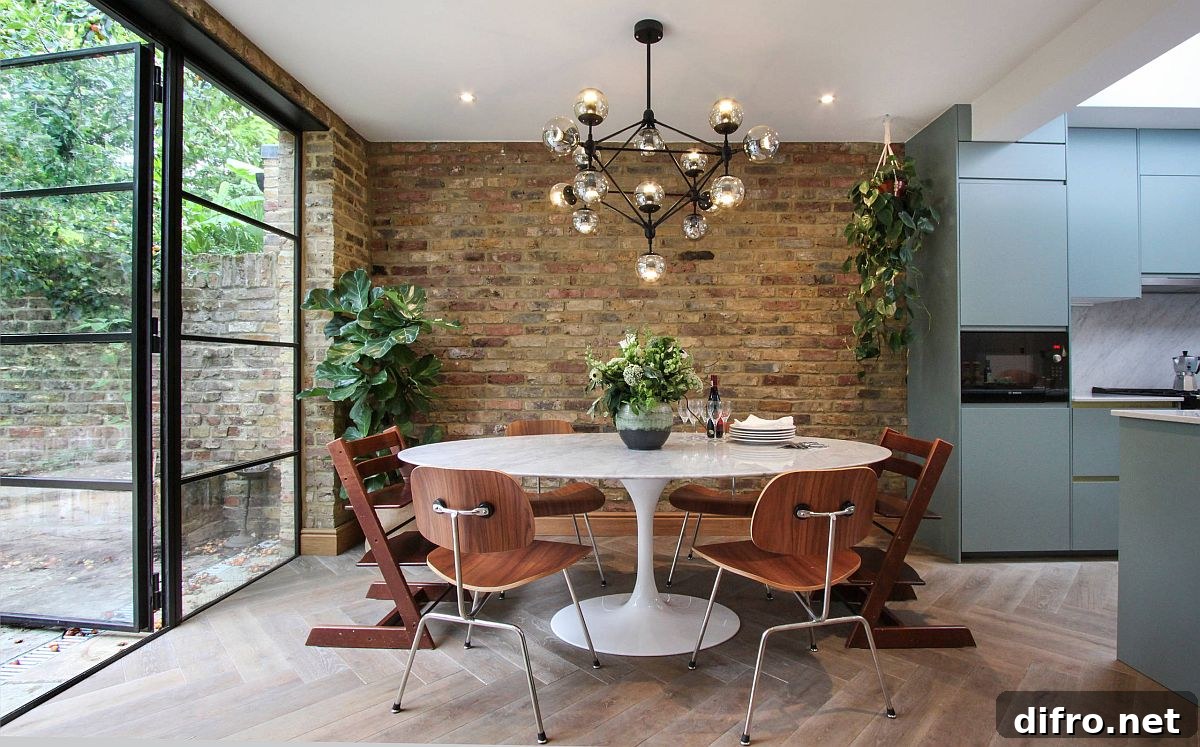
Finding the right marble top dining table can be more challenging than it sounds—budget, proportions and style all matter. The most successful marble dining tables pair luxurious material with practical design: space-saving shapes, versatile silhouettes and finishes that blend with a range of interiors. Some pieces are striking and iconic, while others are subtle and refined. Below are curated ideas and practical tips to help you choose a marble dining table that truly enhances your room.
Popular Choices: Round and Oval Tops
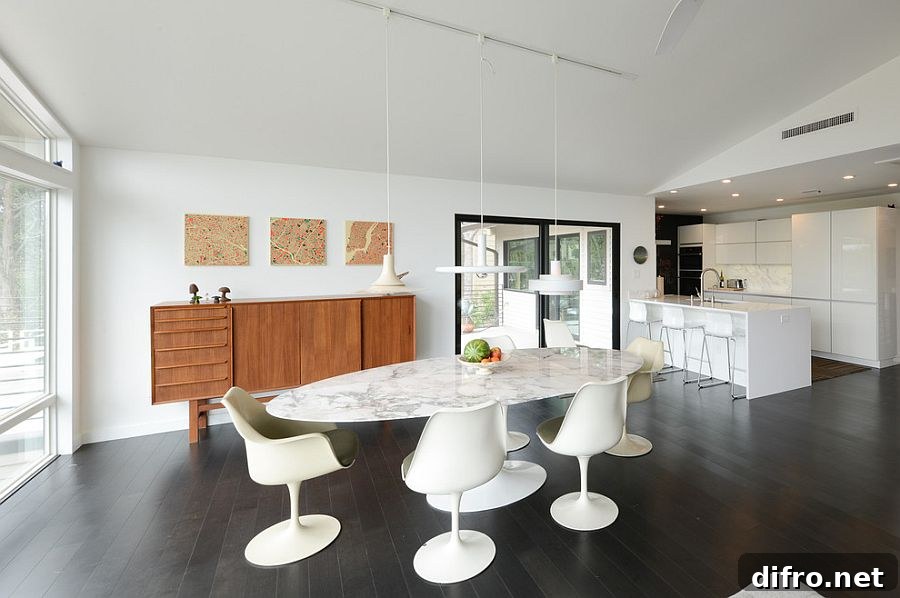
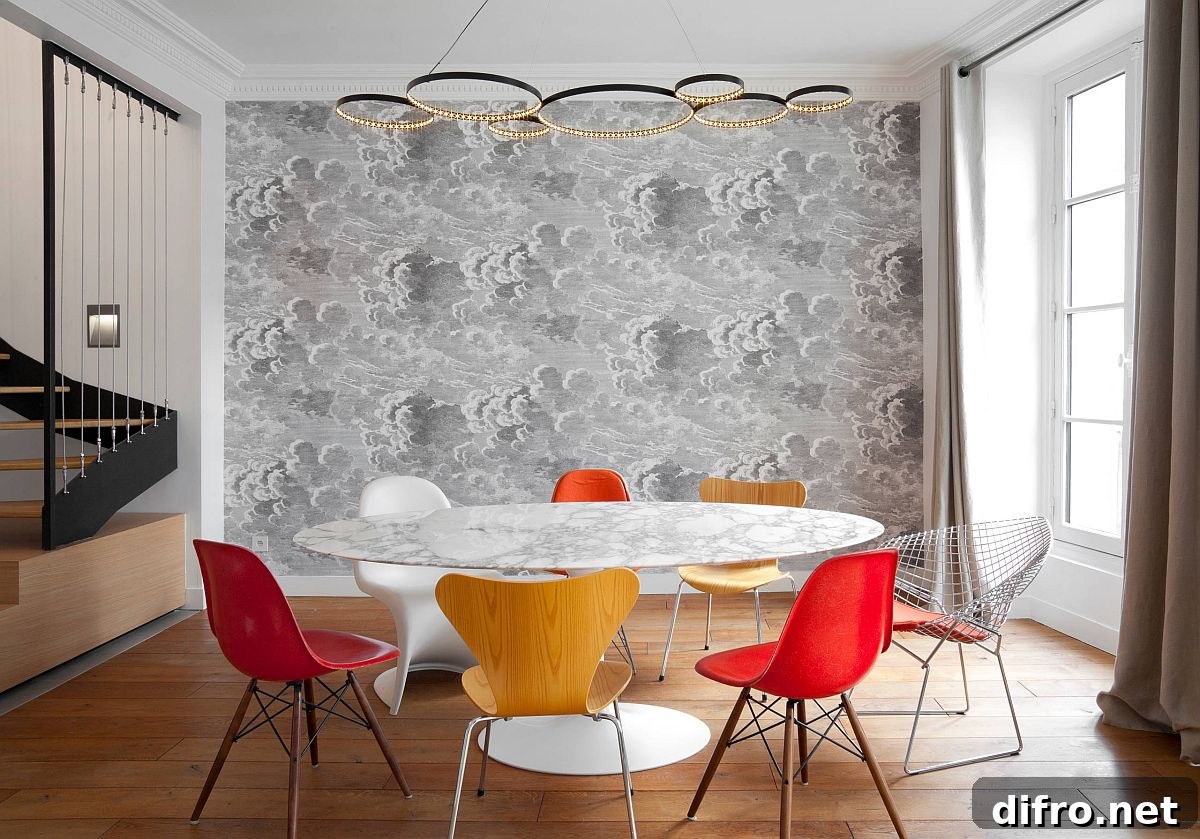
Round white marble dining tables are a perennial favorite. Their compact shape is ideal for smaller dining nooks or open-plan living areas where you want to make the most of limited floor space. A pedestal base—think of the iconic Saarinen Tulip table—creates visual lightness and makes it easy to tuck chairs in when not in use. If you want something slightly different while retaining the same sense of flow, an oval marble table offers a softer, elongated profile that suits narrow rooms and creates a distinct focal point.
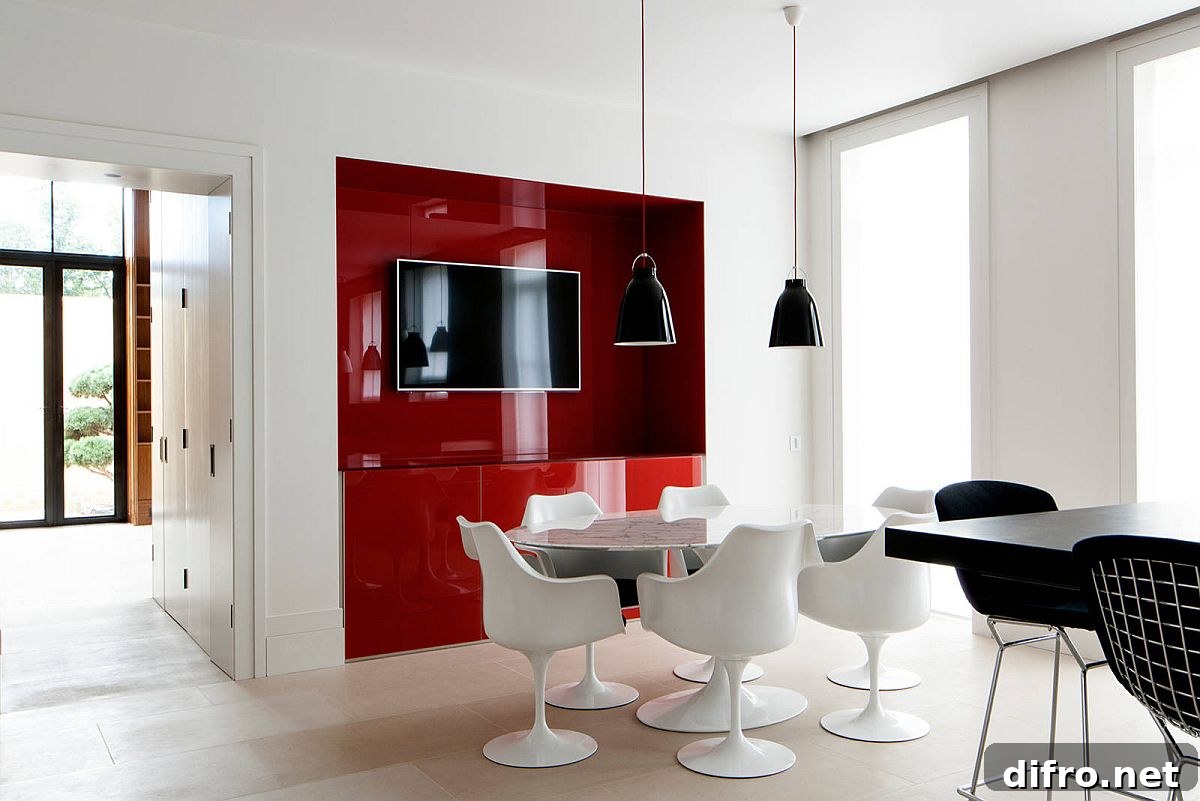
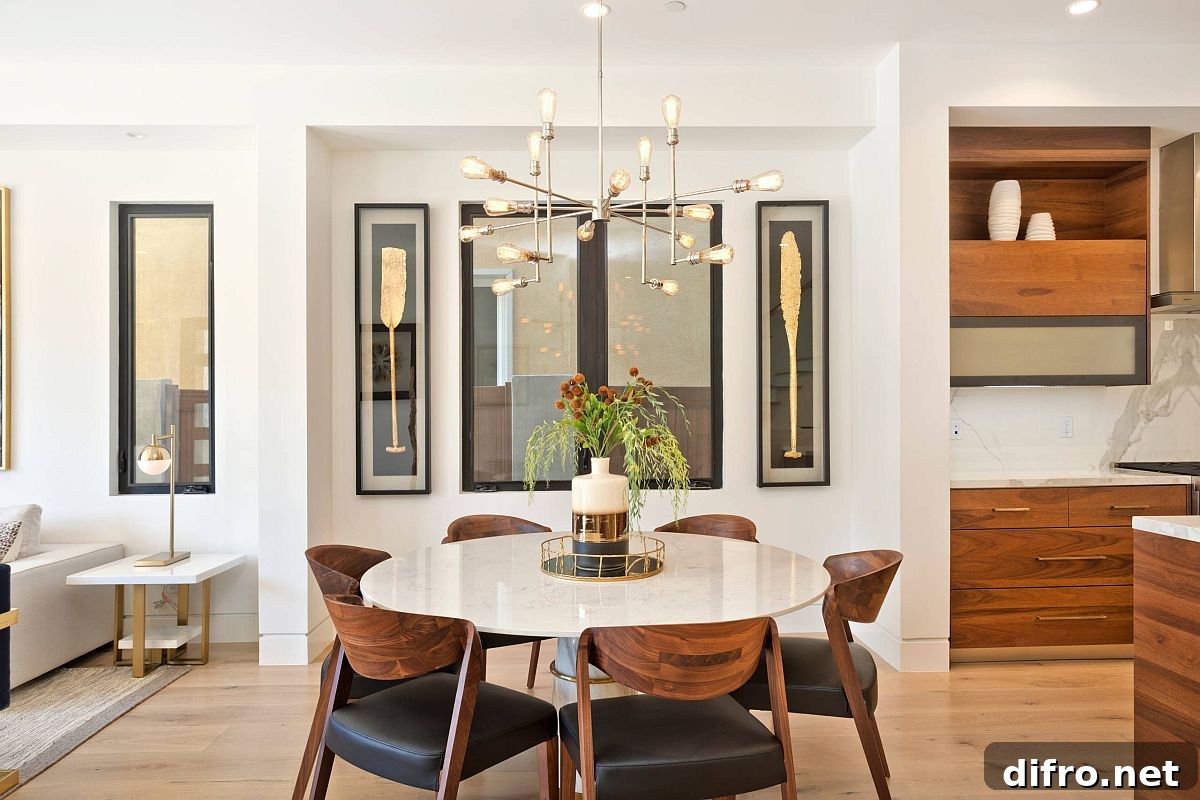
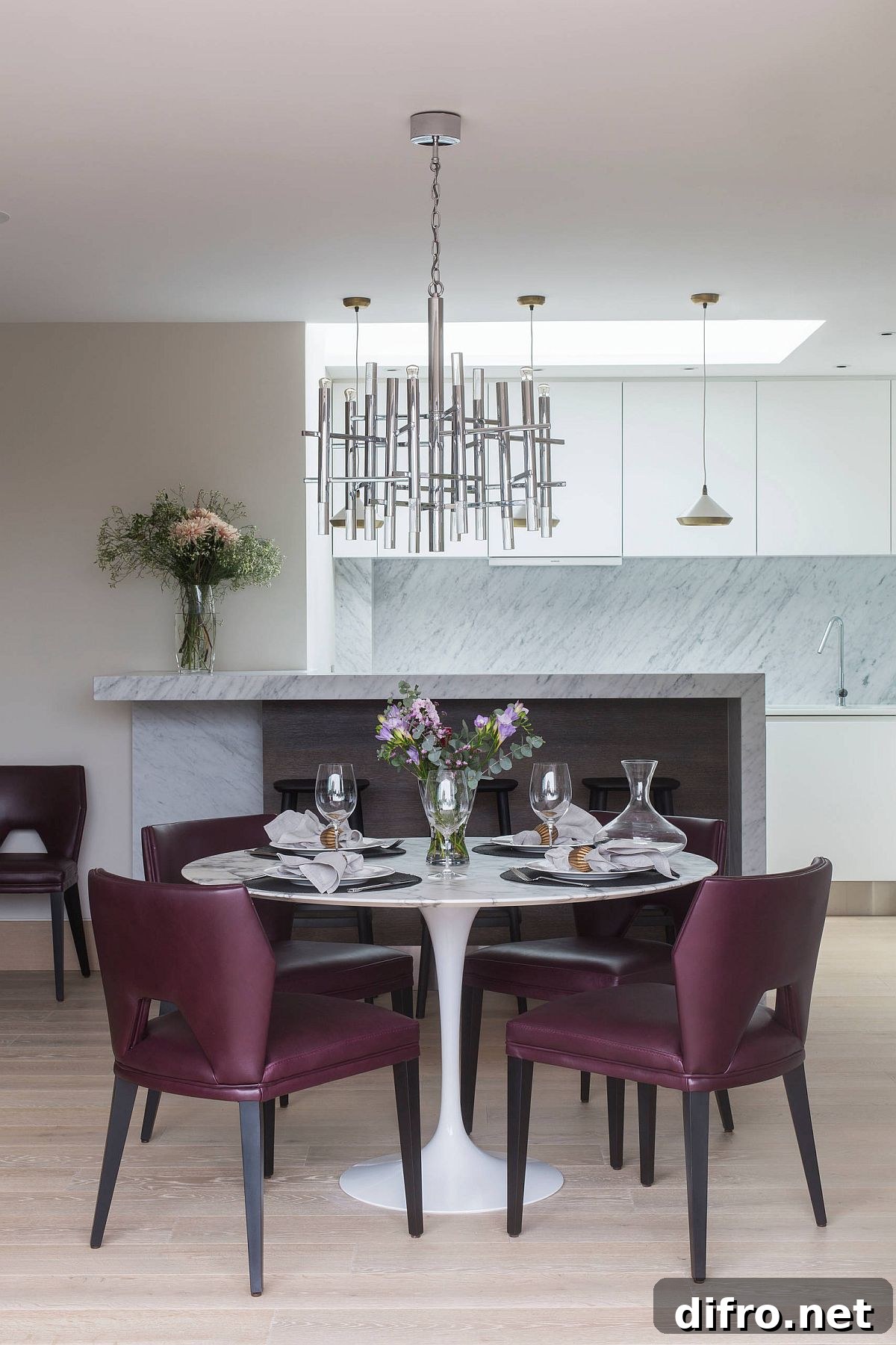
Consider Black Marble for Dramatic Contrast
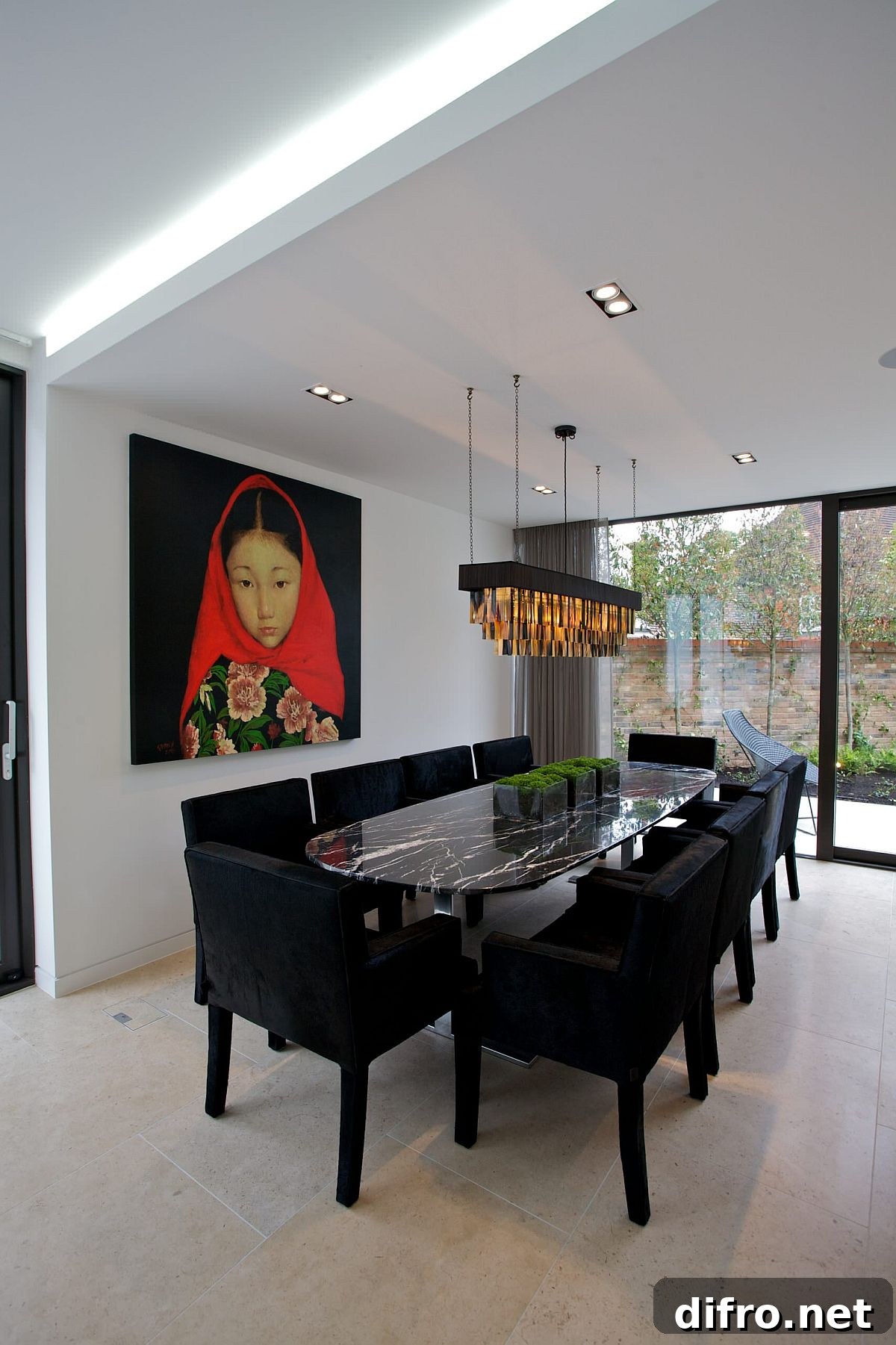
If white marble feels too expected or if your dining room benefits from a darker anchor, black or deep-toned marble delivers instant drama and sophistication. Dark marble is less common and draws attention, making it an excellent choice for modern interiors with neutral palettes. A black marble dining top can define the room and balance lighter finishes around it, creating a refined contrast that feels purposeful and modern.
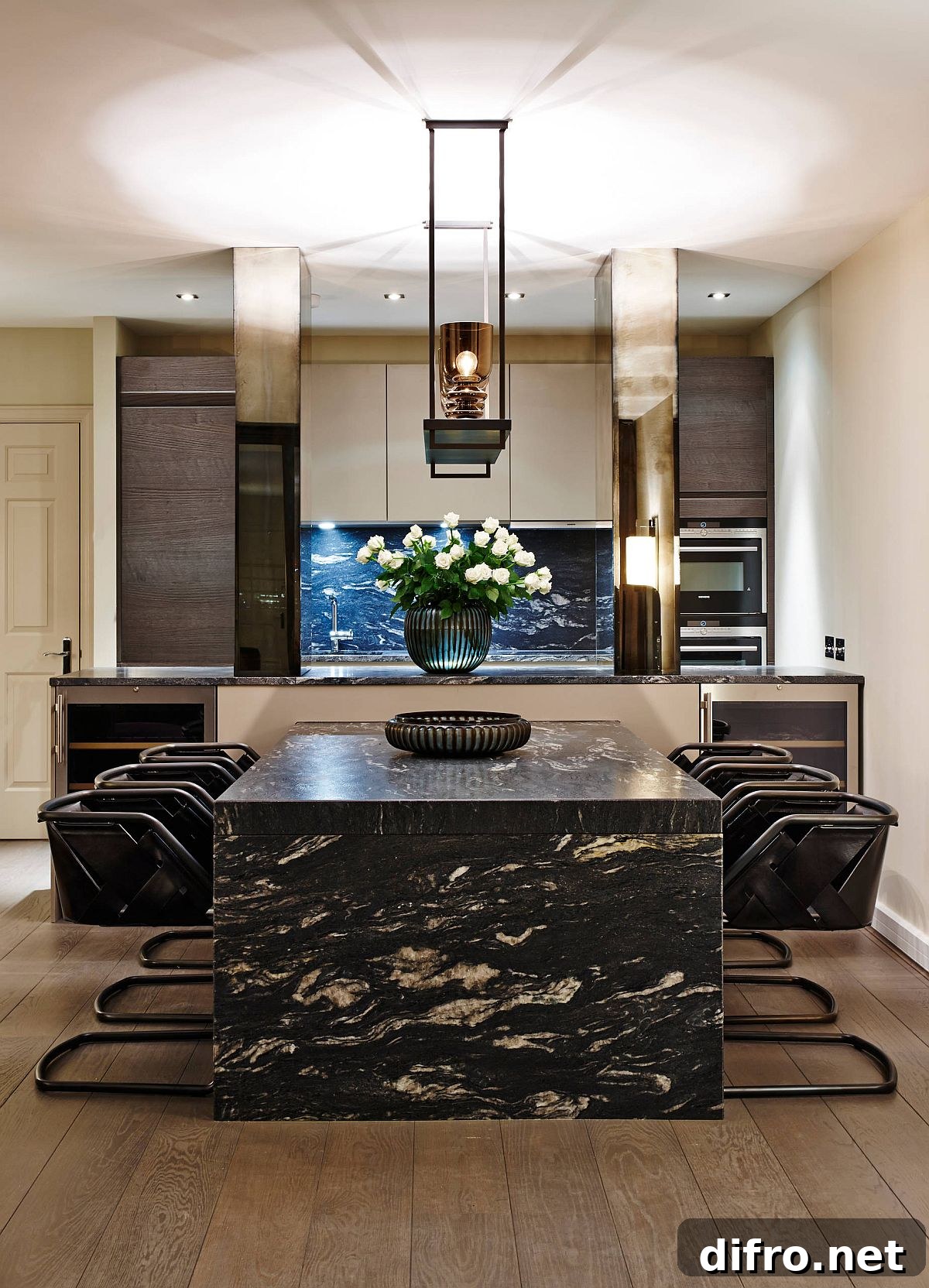
Beyond Curves: Square and Rectangular Marble Tables
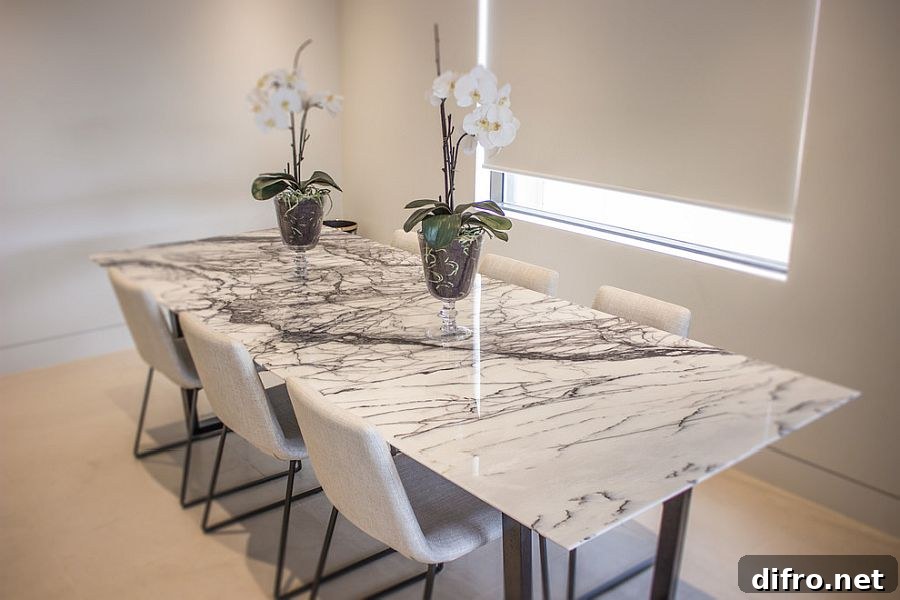
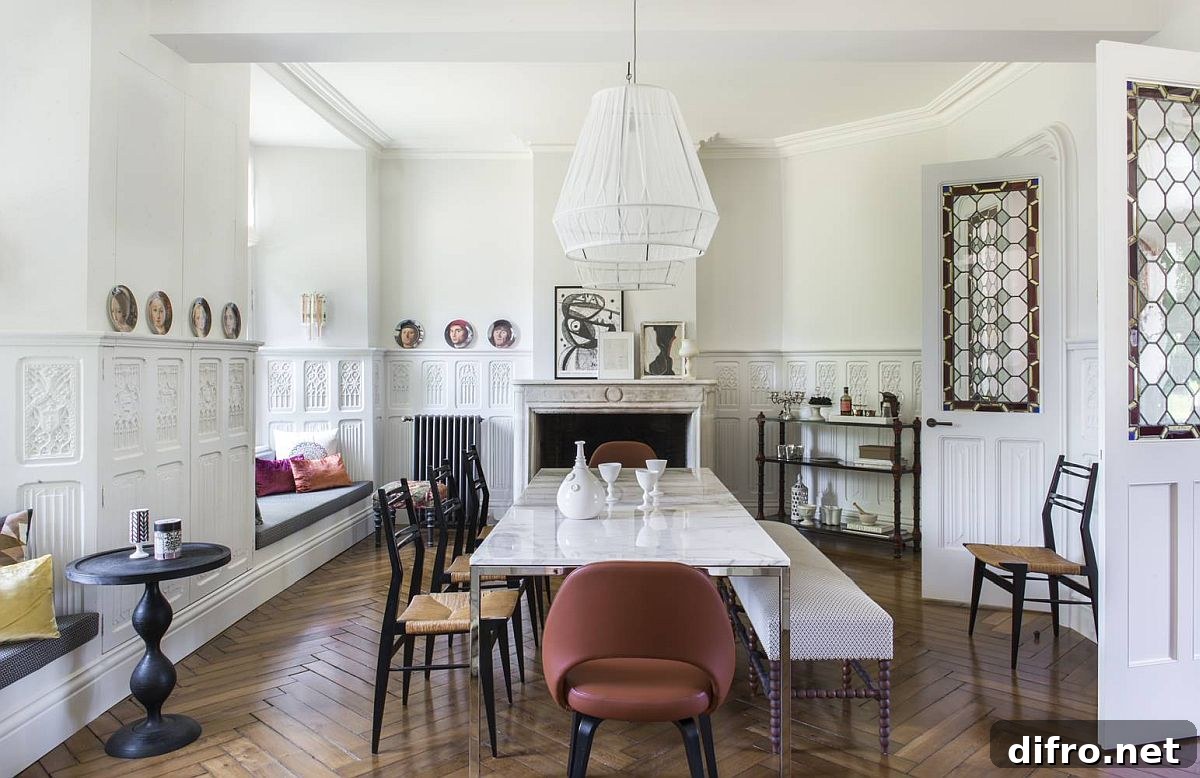
If you prefer cleaner lines and a formal presence, consider square or rectangular marble dining tables. These shapes tend to read as more structured and can feel grand in larger dining rooms. A metal or sculptural base can add visual interest and support the tabletop without the pedestal silhouette. While rectangular tables may not be the most space-efficient option for tight layouts, they deliver a commanding aesthetic and work well in open, formal or contemporary dining settings.
Choosing and Caring for Your Marble Dining Table
When selecting a marble dining table, consider scale, veining and the finish. Match the marble’s undertones to surrounding materials—wood, metal and textiles—to create a cohesive palette. For everyday practicality, choose a honed finish if you prefer a matte look and slightly more forgiving surface; polished finishes highlight veining and reflect light for a more dramatic effect.
Marble is a natural, porous stone, so routine care is important: seal the surface according to the manufacturer’s recommendations, wipe up spills promptly—especially acidic substances like lemon juice or vinegar—and use coasters or placemats to reduce the risk of etching and staining. With appropriate care, a marble dining table becomes an heirloom quality element that enhances both dining experiences and interiors for years to come.