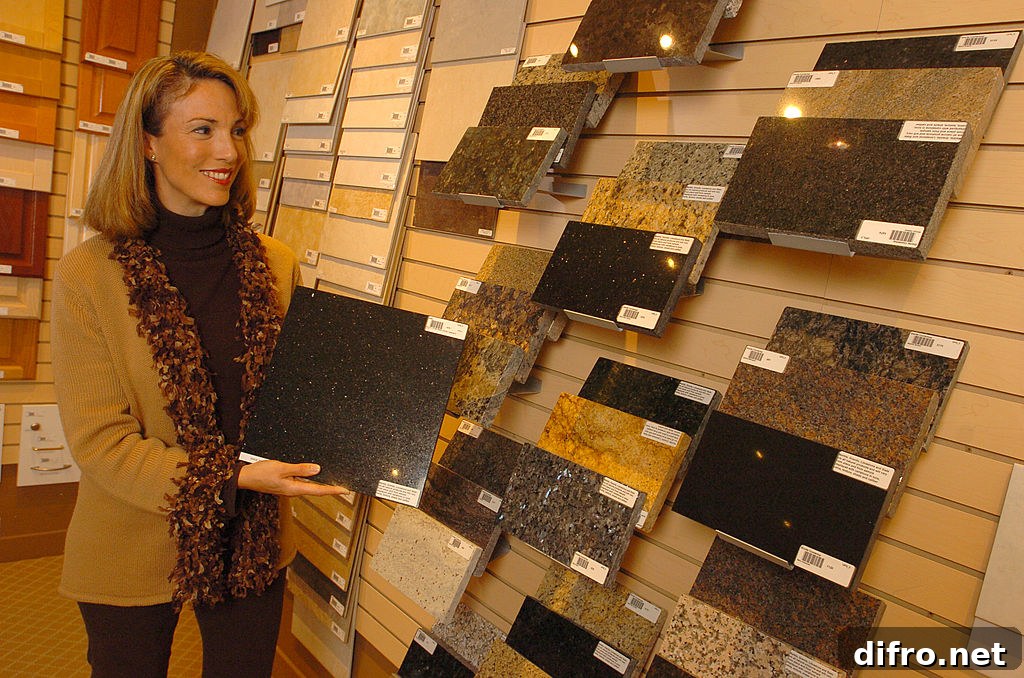
Quartz vs. Granite: Choosing the Best Kitchen Countertop
Deciding on the right countertop material is one of the most important choices when building or remodeling a kitchen. For years granite was the go-to material promoted for its natural beauty and perceived resale value. More recently, engineered surfaces like quartz have gained popularity thanks to their uniform appearance and low-maintenance attributes. Below is a clear, practical comparison of quartz and granite to help you choose the best countertop for your style, budget, and daily needs.
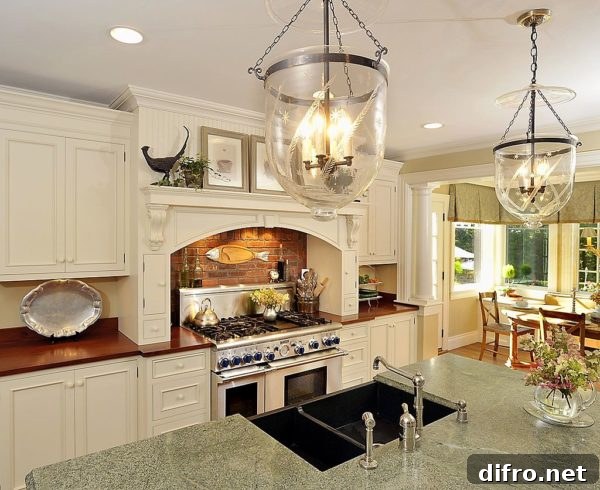
What Granite Offers
Granite is a 100 percent natural stone quarried in many parts of the world. Each slab is unique, with color and veining created by the natural cooling and solidifying of molten rock. That variation is precisely what attracts homeowners looking for an organic, warm, and earthy aesthetic.
After quarrying, slabs are cut and polished to create a smooth, glossy surface. Because granite is natural stone, it is porous to varying degrees and can be susceptible to staining from oils, acidic substances, and prolonged exposure to liquids. Many homeowners choose to have granite sealed periodically—often annually—to help repel stains and make cleaning easier. For everyday care, routine cleaning with mild soap and water and prompt spill cleanup are recommended to preserve the stone’s appearance.
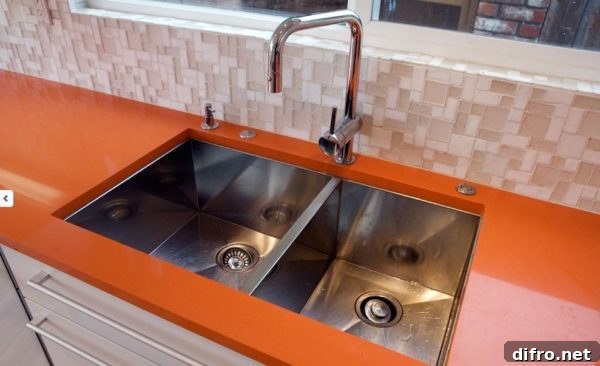
What Quartz Offers
Quartz countertops are engineered surfaces typically made from 90–95 percent ground natural quartz combined with polymer resins and pigments. The manufacturing process creates slabs with a very consistent appearance and less variation in pattern than natural stone. That predictable look appeals to homeowners seeking a sleek, modern, or uniform finish.
Because quartz contains resin binders, it is generally very stain-resistant and doesn’t require periodic sealing like many natural stones. It is durable for daily kitchen use and performs well under most typical conditions, though manufacturers commonly advise using trivets or hot pads to protect the surface from extreme, concentrated heat.
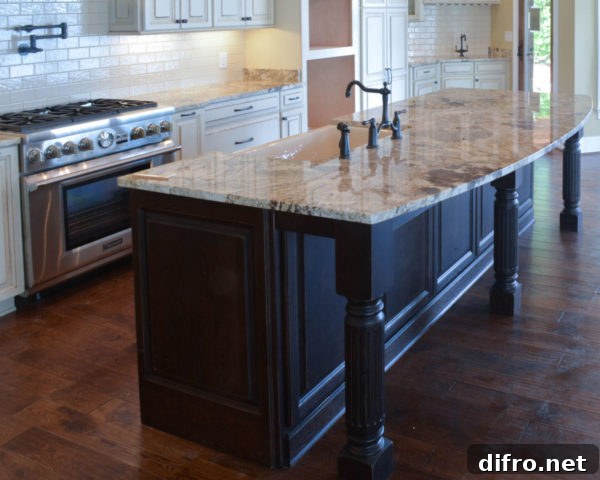
Comparing Durability and Maintenance
Both granite and quartz are durable choices, but they have different strengths. Granite is a natural stone that can take heat well and is scratch-resistant when properly maintained. Because of its porosity, granite benefits from periodic sealing and careful cleaning to avoid stains and etching from acidic substances.
Quartz is engineered to resist stains and is non-porous, making it easier to maintain without sealing. While quartz is tough, the resin content means very high, direct heat can cause damage or discoloration. For either material, immediate cleanup of spills and use of cutting boards and trivets will extend the life and appearance of the surface.
Cost and Installation Considerations
Cost varies widely depending on slab grade, rarity, and local market conditions. Quartz can be less expensive than many high-end granites, though low-grade granite may be cheaper. Because granite quarries are often located internationally, some granite varieties incur higher shipping costs, while many quartz manufacturers source materials regionally.
Both materials require professional templating and installation for best results. Fabrication and installation add to the overall project cost, and choosing an experienced installer helps ensure seams, edges, and sink cutouts look and perform well.
Which Should You Choose?
Your decision should balance aesthetics, lifestyle, and budget. Choose granite if you want a natural, one-of-a-kind stone with organic variation. Choose quartz if you prefer a consistent, low-maintenance surface that resists stains and is easy to care for. If maintenance and regular sealing are not an issue, granite can be a beautiful, long-lasting option. If you want minimal upkeep and predictable color, quartz may be a better fit.
Before you commit, get quotes from multiple fabricators, review slab samples in person, and ask about warranties and recommended care. That preparation will help you select a countertop that meets your design goals and performs well for years to come.