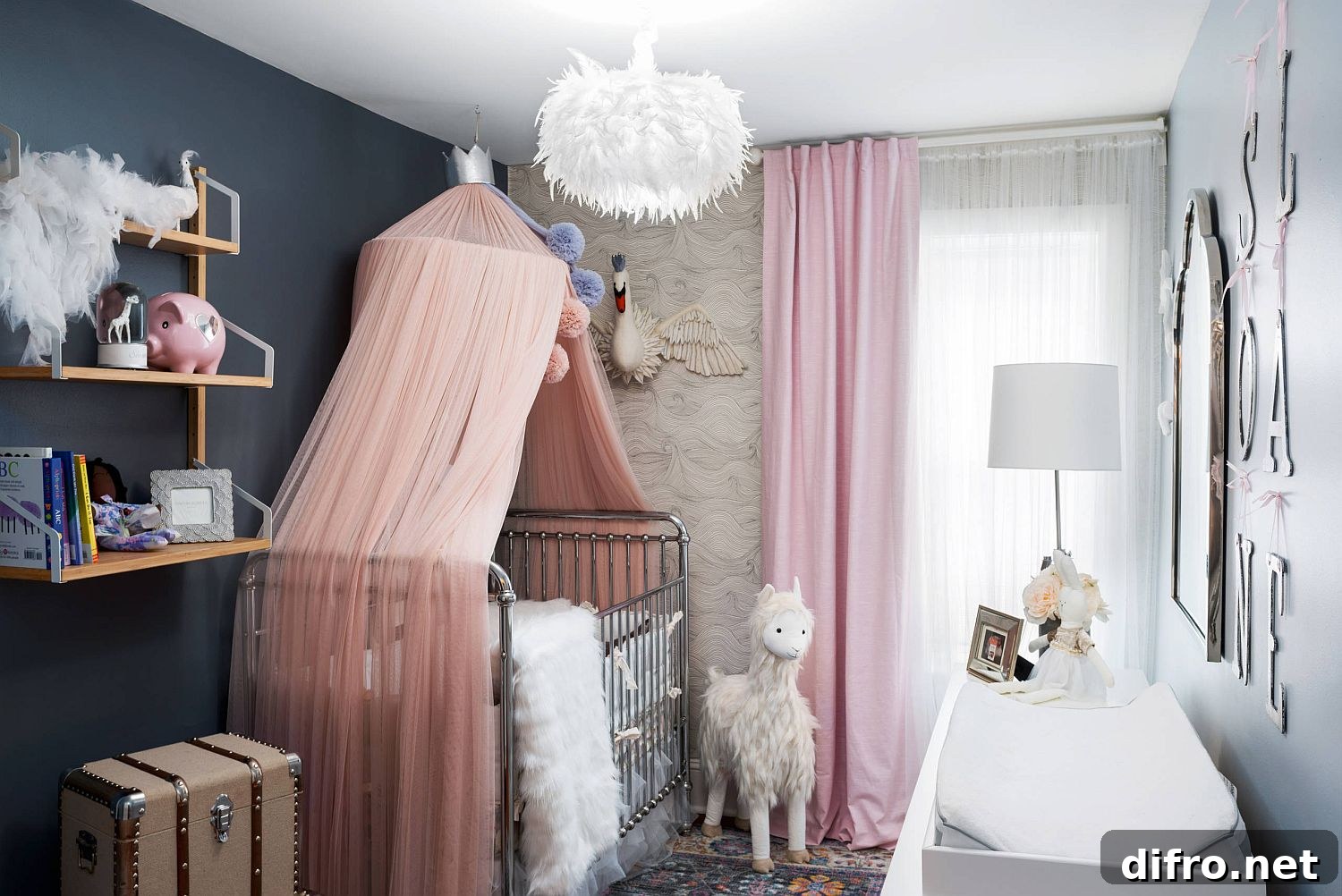
We often admire how some homeowners master the eclectic look with effortless style while others find it challenging to combine even simple elements. Eclectic design is highly personal: some prefer a modern twist, others favor colorful, rustic charm. Whether you lean toward industrial accents, shabby-chic pieces, or restrained midcentury touches, the eclectic approach adapts easily and creates a cozy, visually engaging nursery. Below, we explore how to shape an inviting eclectic nursery that balances personality with practicality.
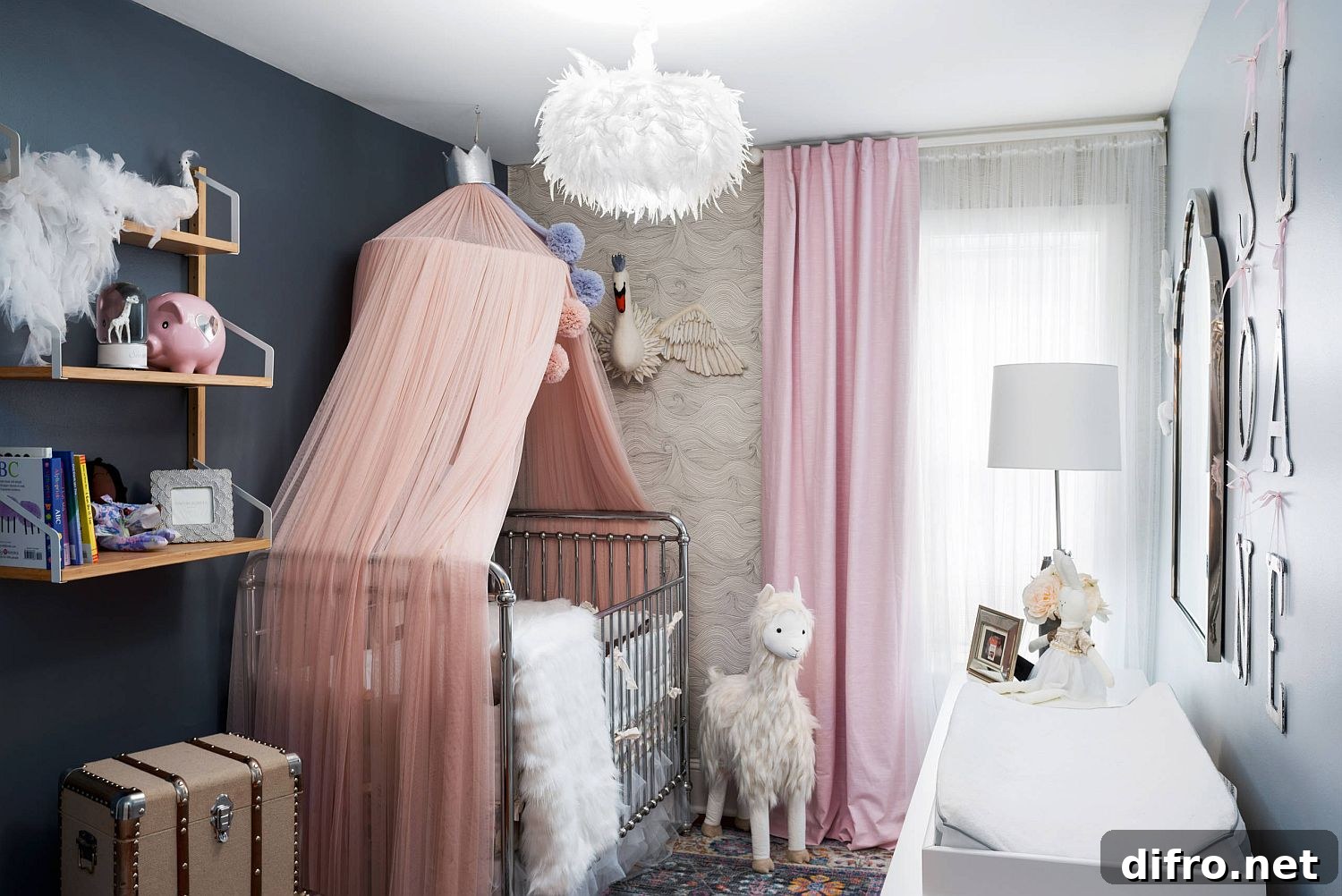
In a nursery, the key is to pair stimulating color with a calming backdrop. Eclectic style makes that easy: you can mix bright accents against a neutral canvas to engage a baby’s developing senses while keeping the room restful for parents. Whether designing a nursery for a girl or a boy, an eclectic aesthetic welcomes bold choices—from playful textiles to vintage finds—while maintaining comfort and cohesion. Here are practical ideas and inspirational directions to help you create a stylish, functional eclectic nursery.
Using Wallpaper in the Nursery
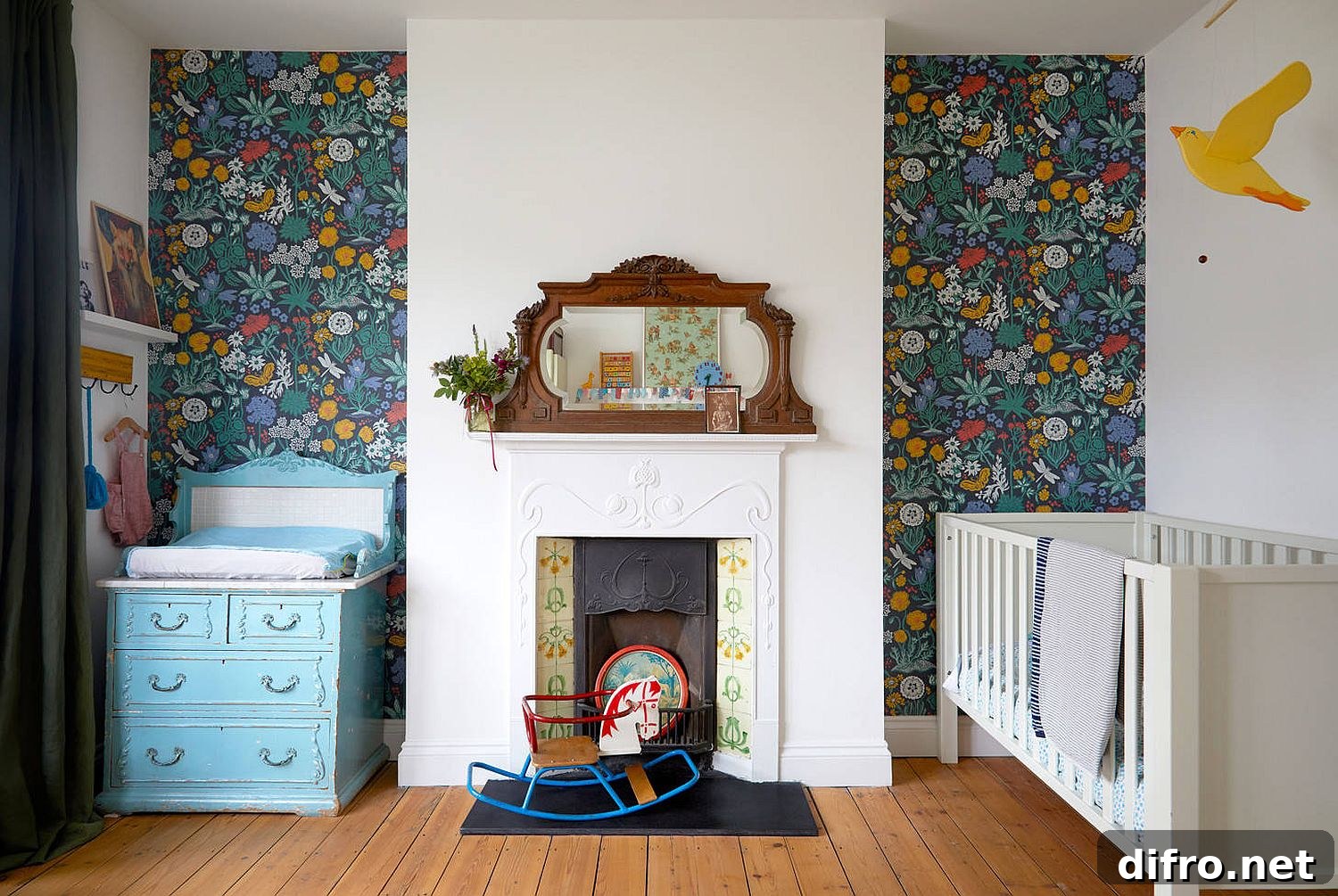
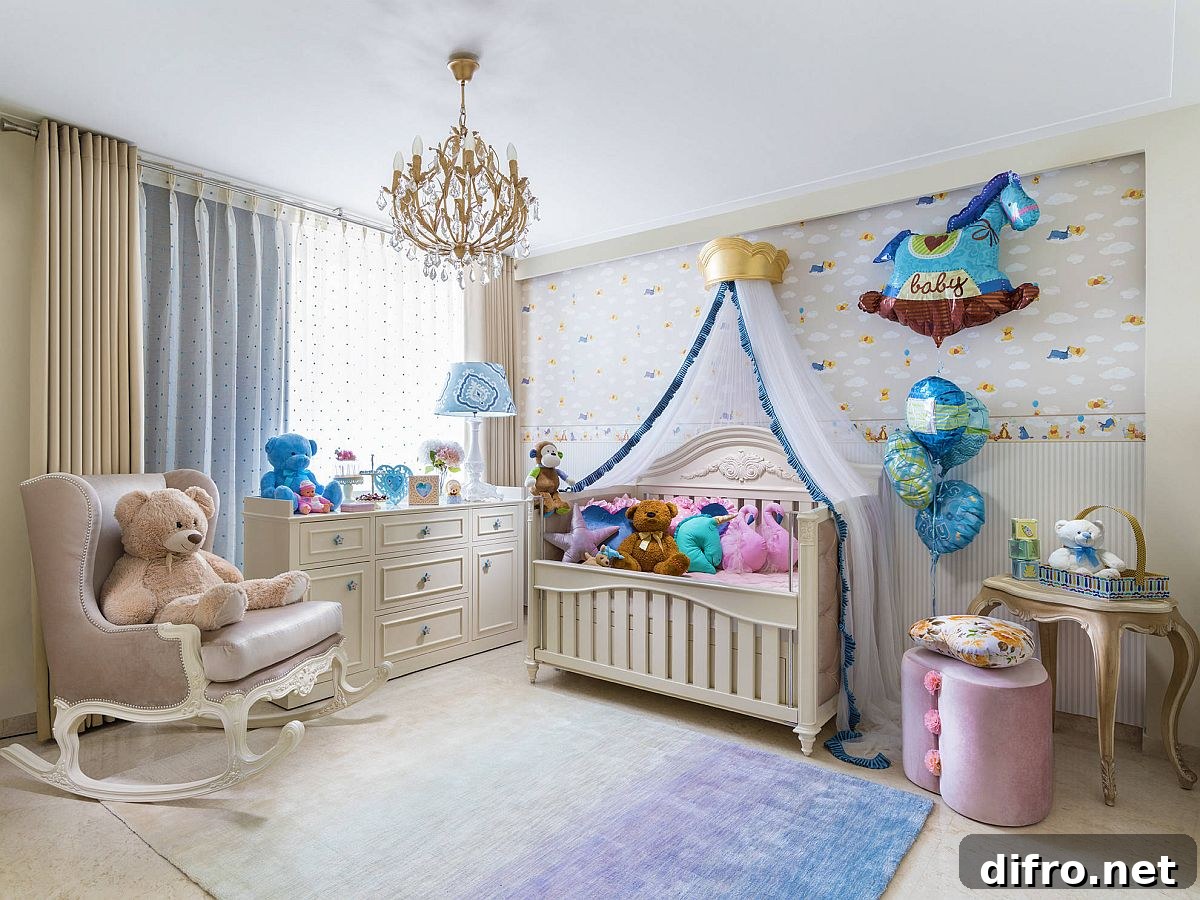
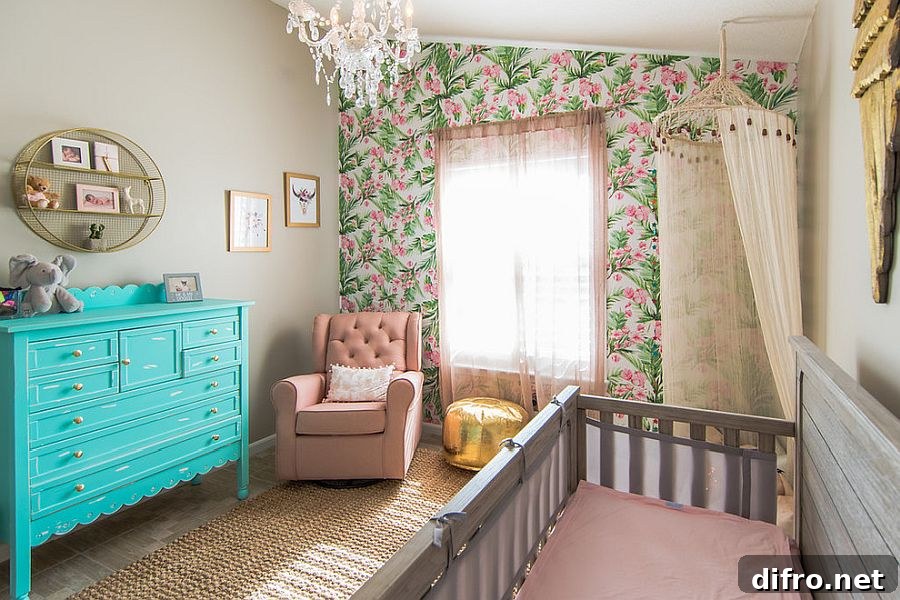
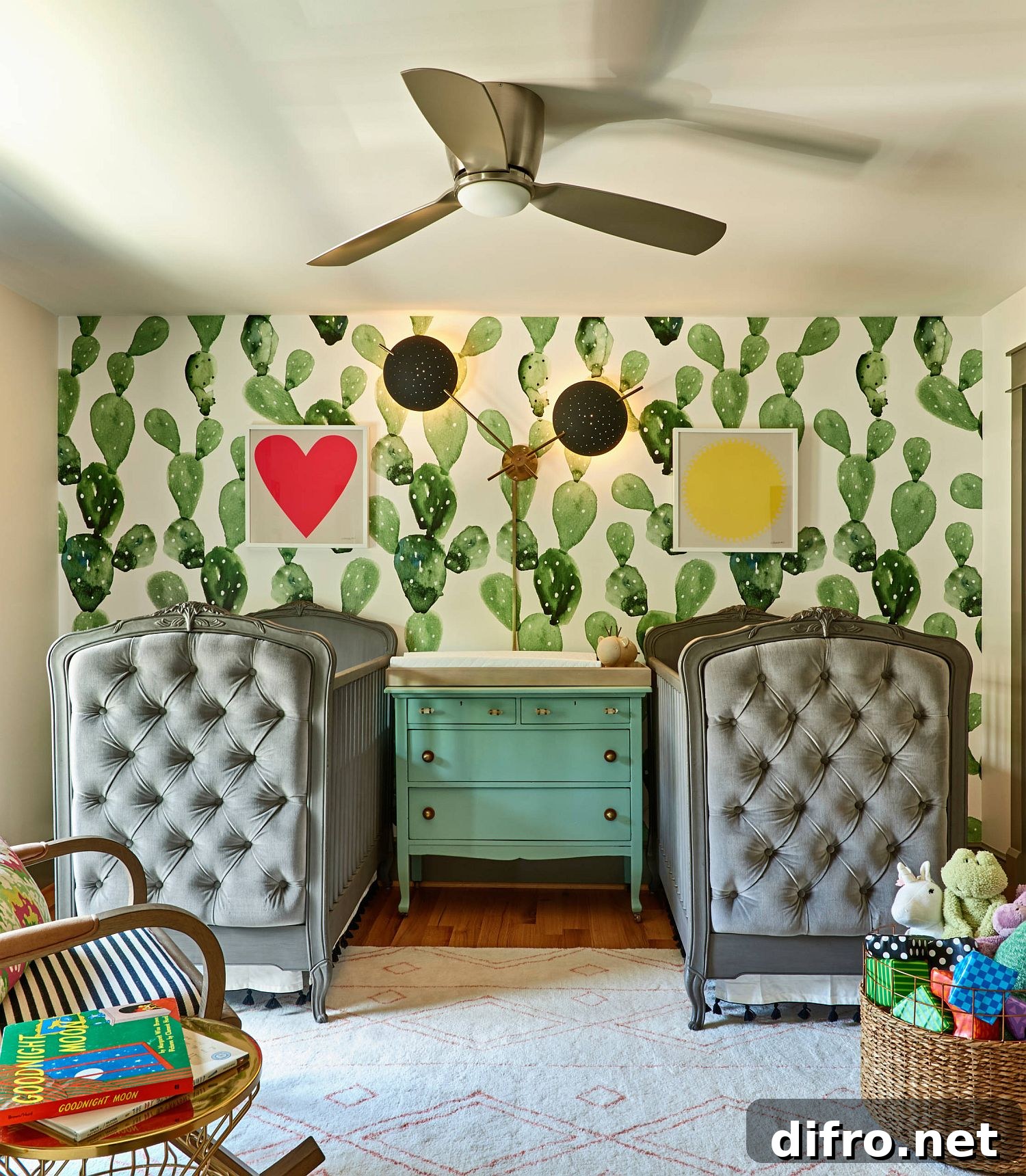
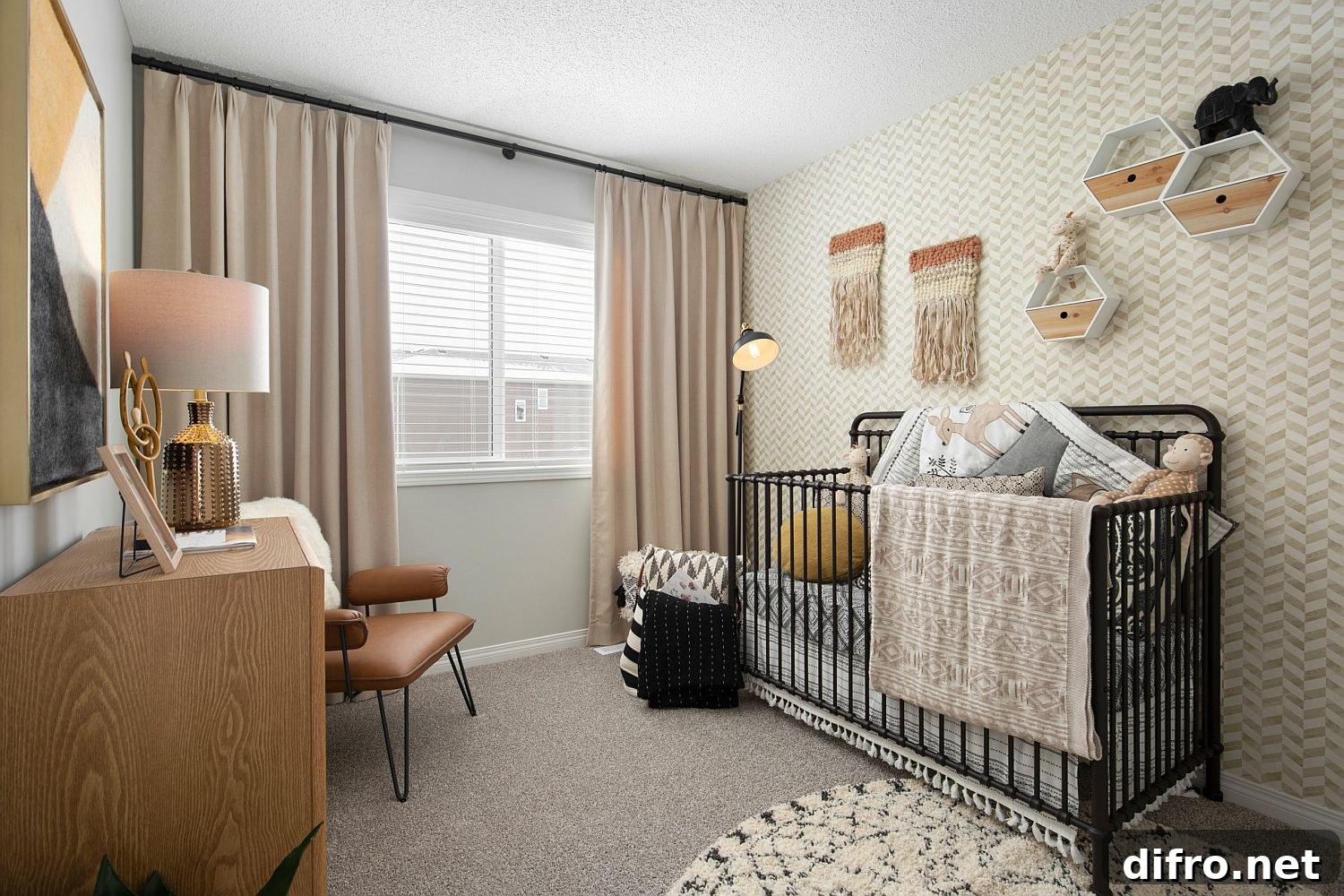
Wallpaper is one of the simplest and most effective ways to introduce color, pattern, and personality. It can transform the room quickly and affordably, and removable options make future updates simple. Tropical motifs, botanicals, and subtle geometric prints are especially popular because they bring visual interest without overwhelming the space. Bright accents on a single wall or behind the crib stimulate visual development in infants, while a neutral palette elsewhere preserves a soothing atmosphere. For a modern-eclectic nursery, consider limited but lively wallpaper use to anchor the room’s theme.
Color, Contrast, and Aesthetic Balance
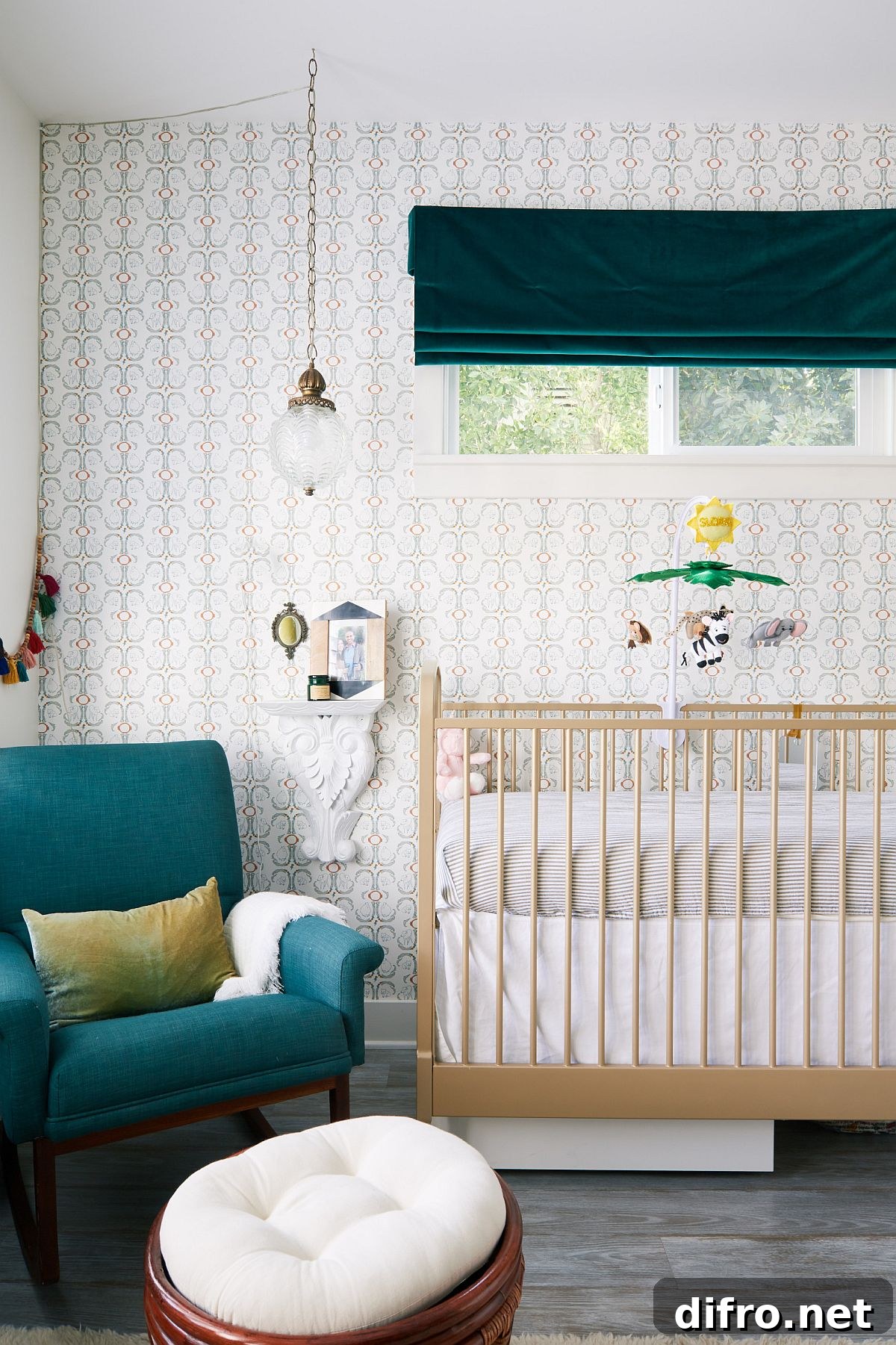
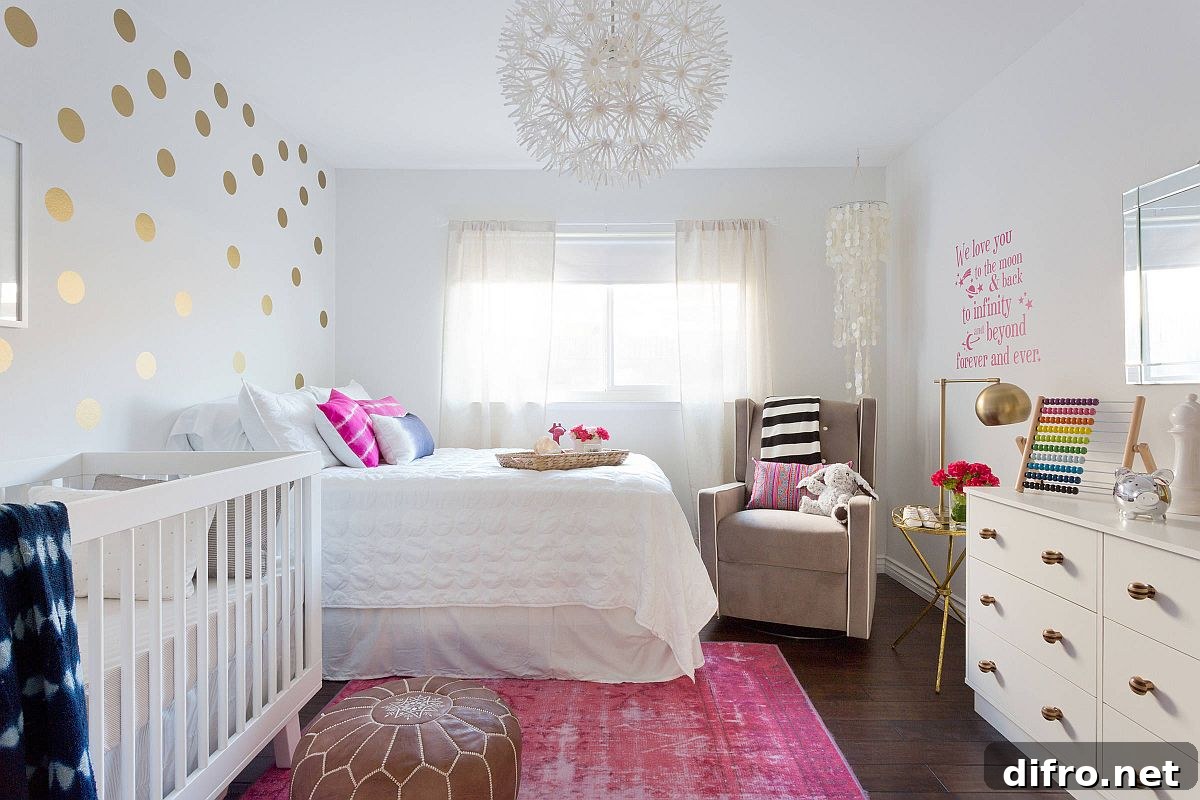
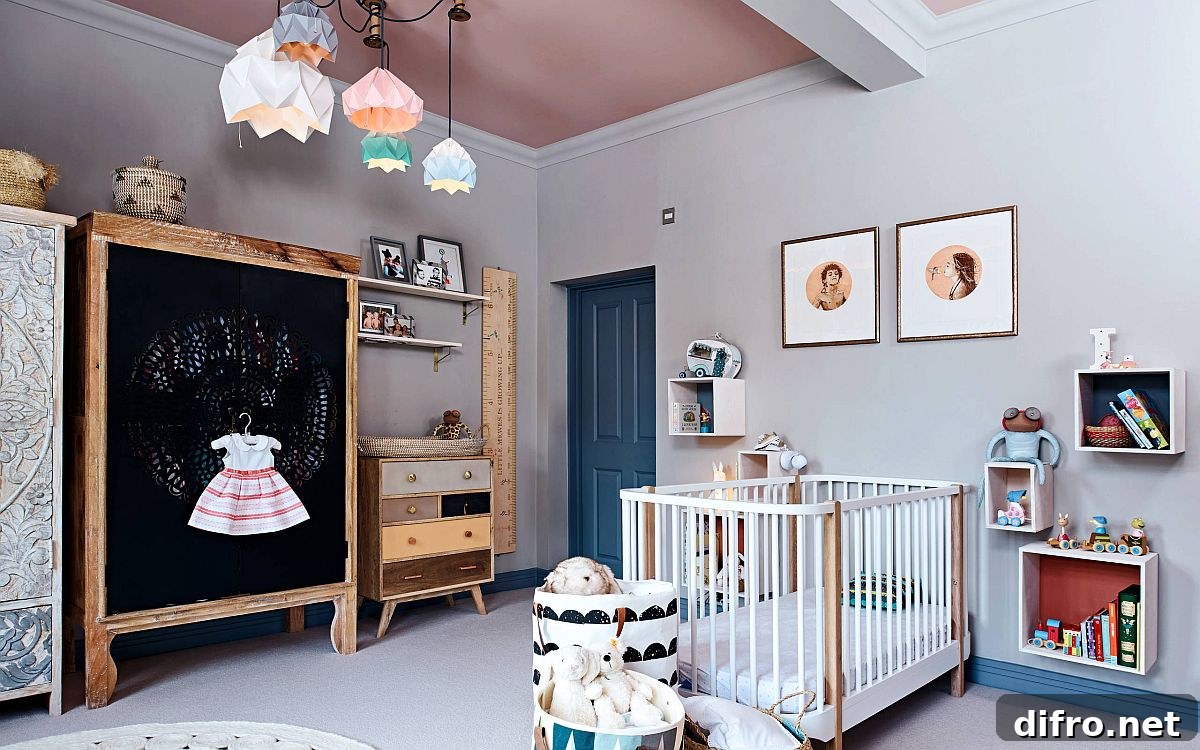
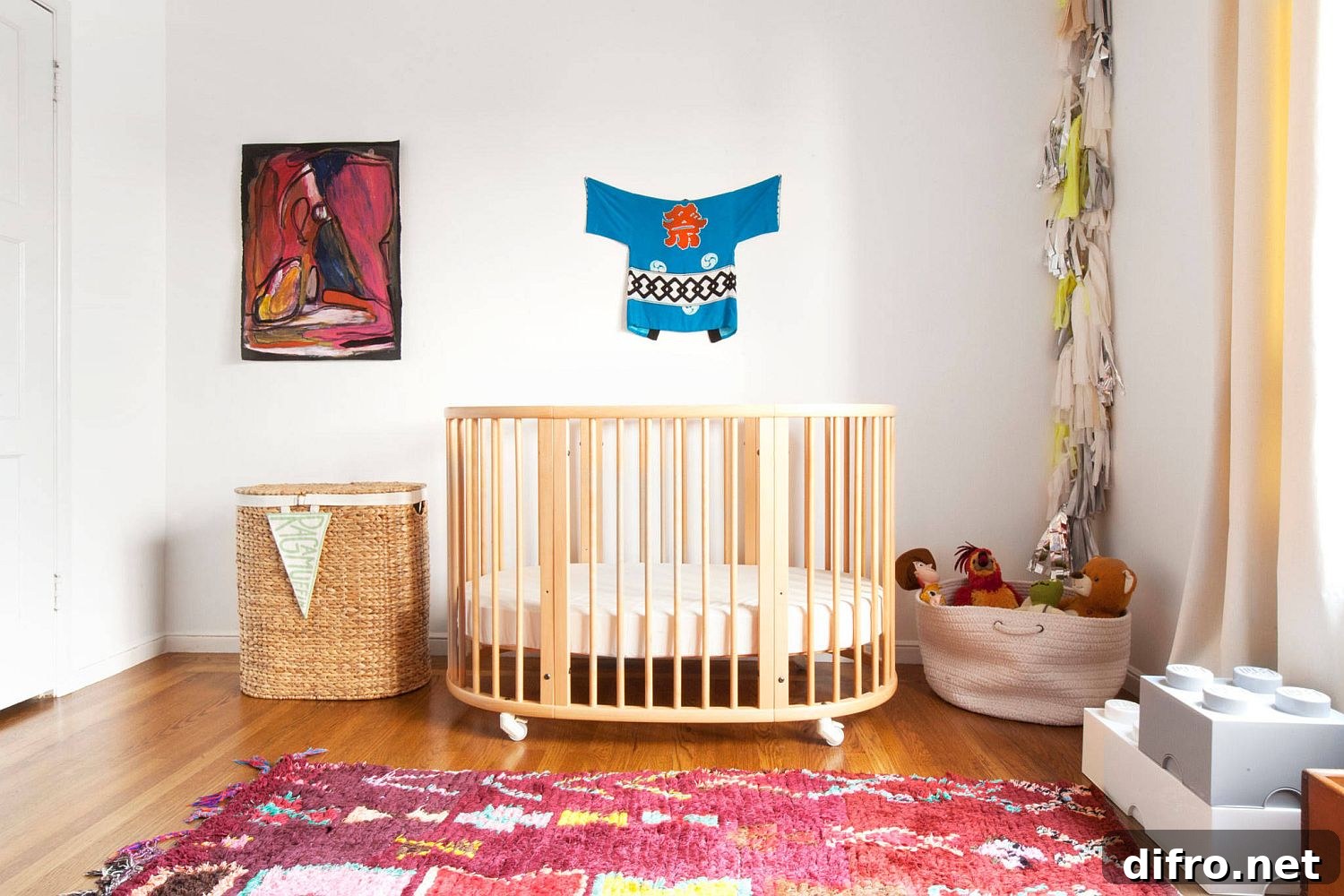
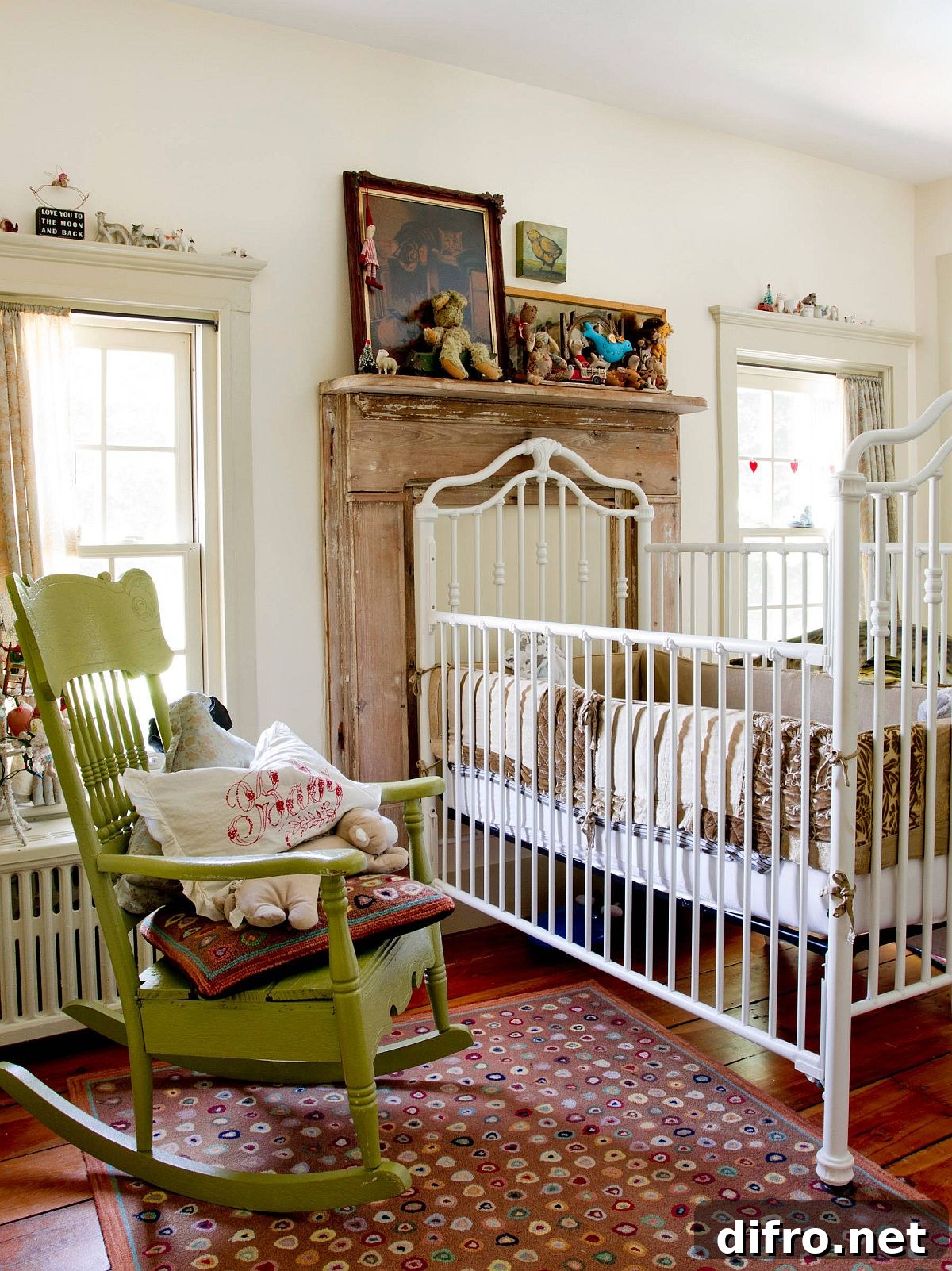
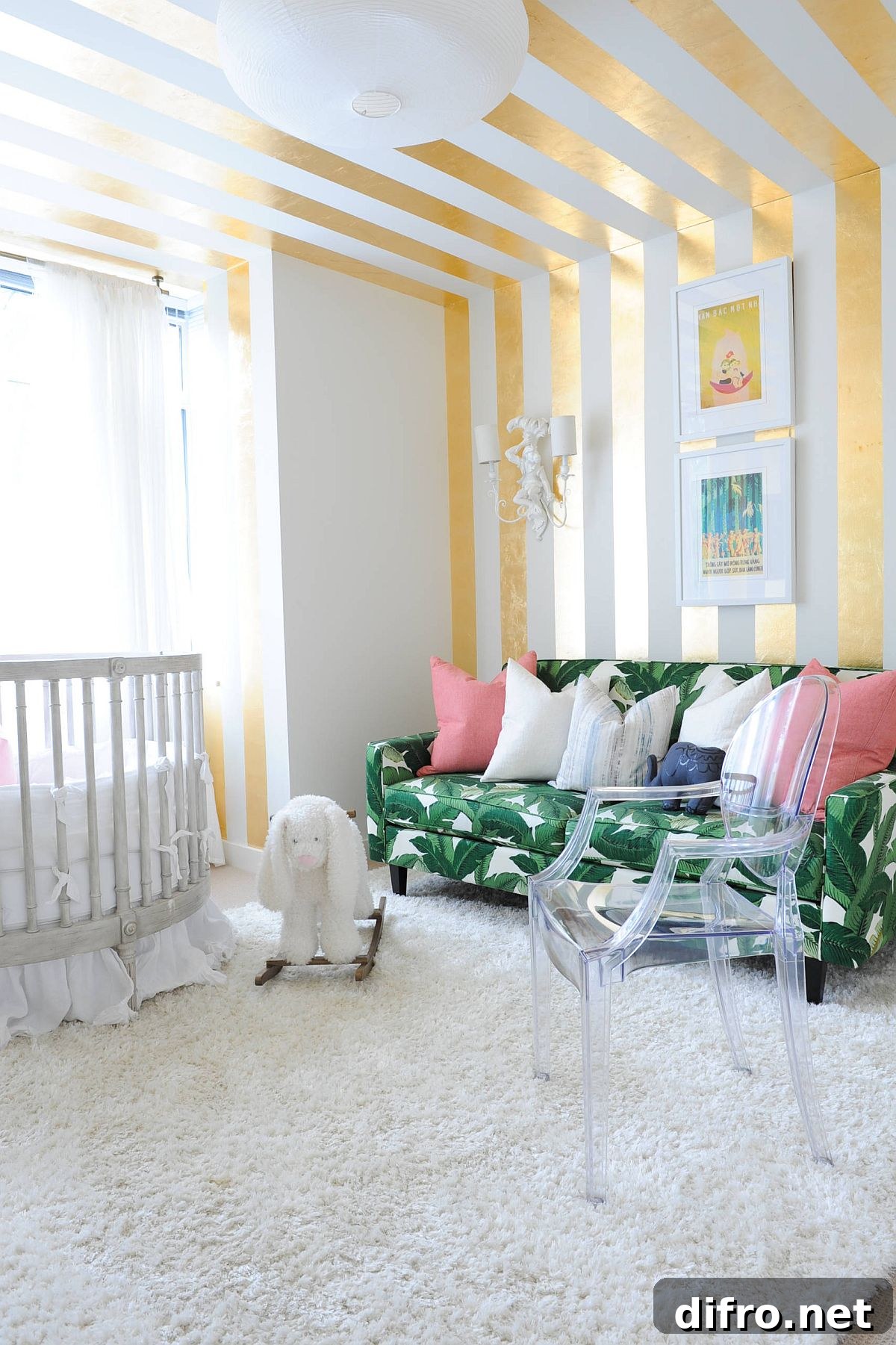
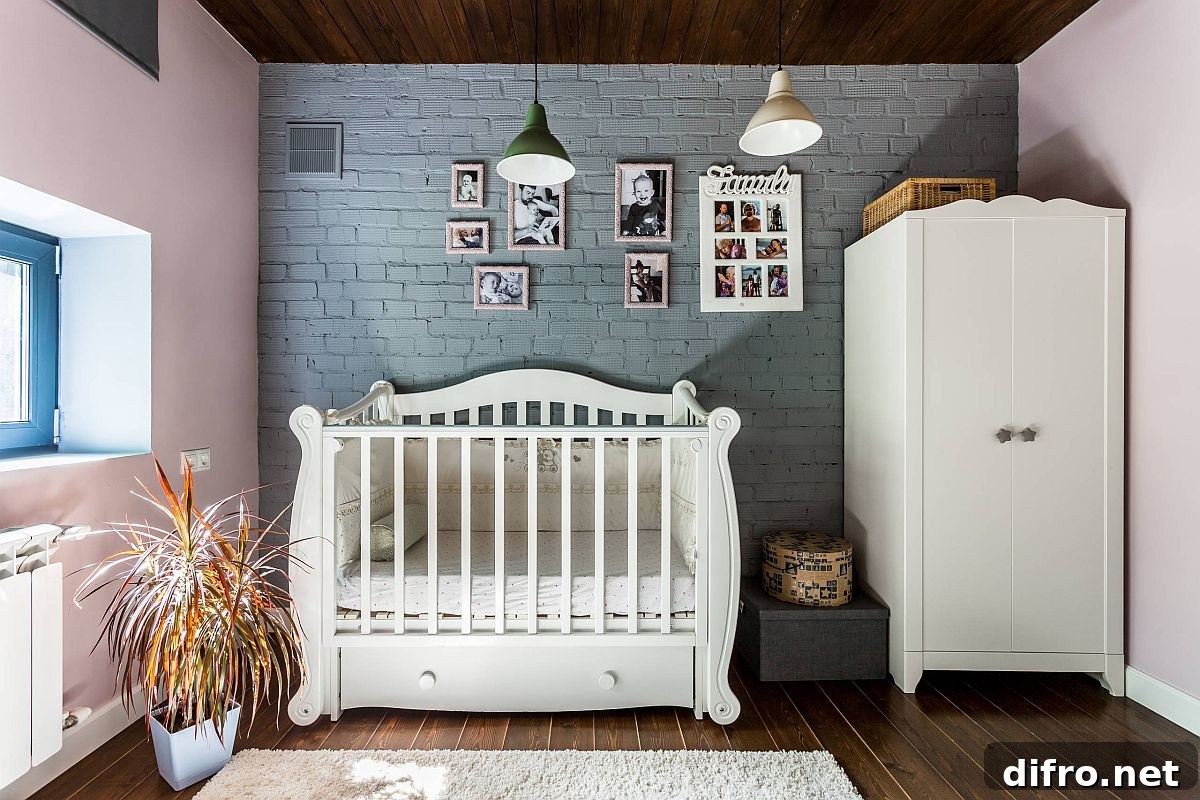
A neutral backdrop—soft white, pale gray, or warm beige—binds diverse elements and lets standout pieces shine. Combine a classic wooden crib with a bright rug, a patterned accent wall, and a comfortable chair in the corner. Accent lighting and colorful fixtures add warmth, while textured surfaces such as exposed brick, stone, or wood paneling create depth. The timeless white-and-wood pairing remains popular; add subtle pops of pink, blue, or green to tailor the room to your preference. The goal is a curated, layered space that feels intentional rather than cluttered.
Using Pattern to Change Things Up
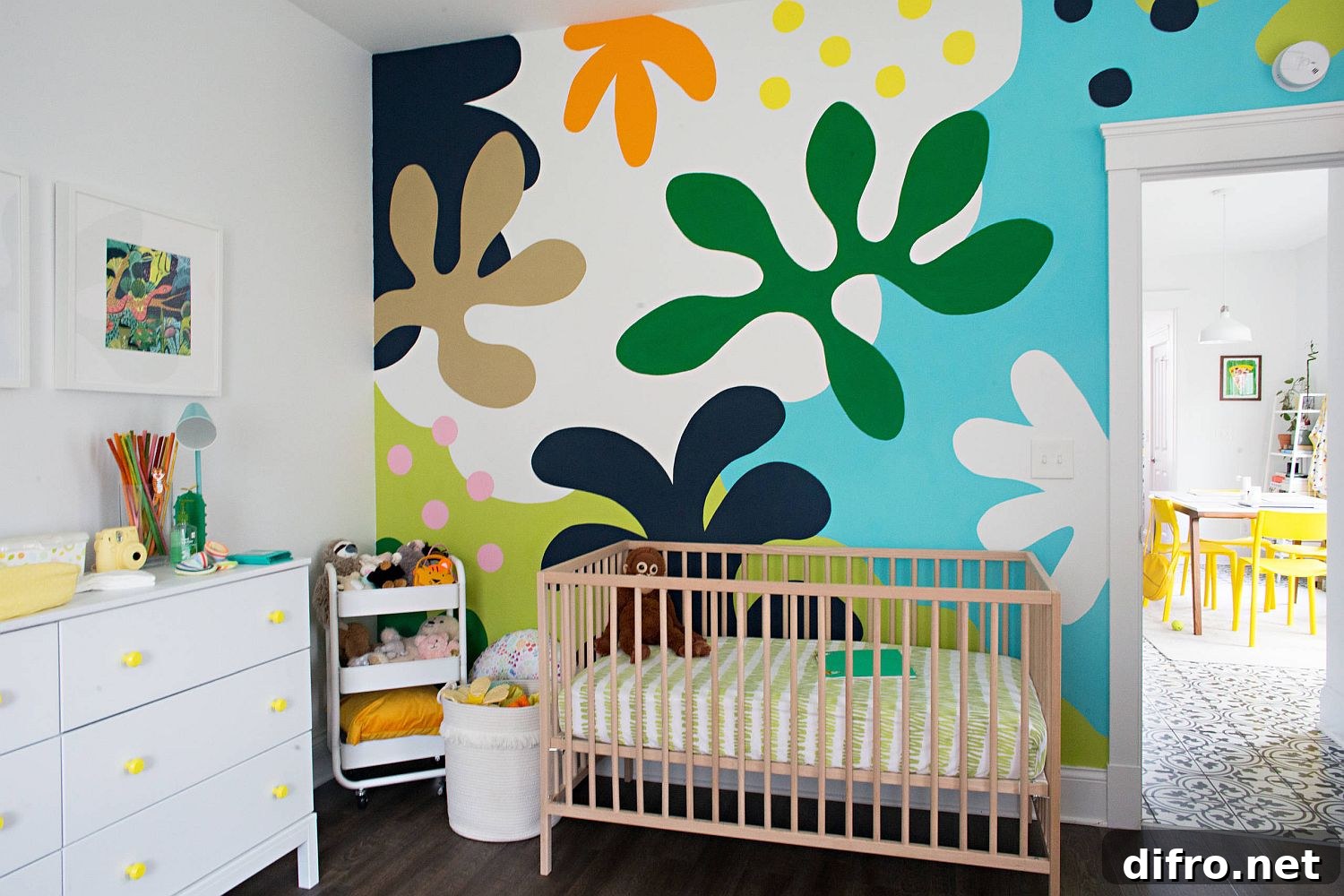
Pattern is a defining advantage of eclectic design: you can mix bold chevrons, playful stripes, hexagonal tiles, or large-scale murals to create a dynamic environment. Draperies, upholstery, rugs, and cushions are easy ways to introduce pattern without a permanent commitment. If you want a restful feel, limit the number of competing patterns and repeat a few key colors to tie everything together. When it’s time to refresh the nursery, replace rugs or textiles to change the mood quickly and economically. Custom decals or an accent wall painted with a whimsical mural also deliver instant personality.
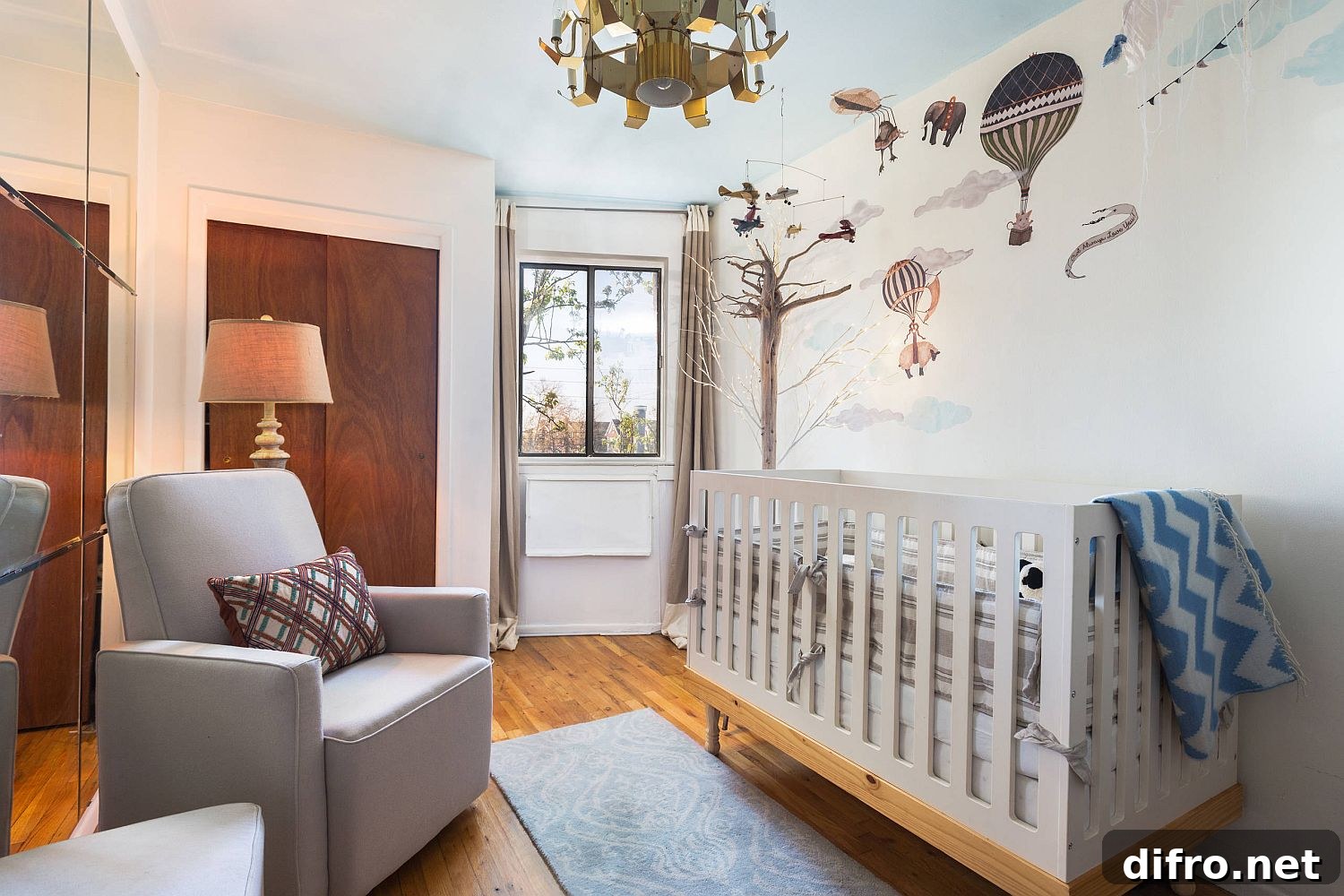
To summarize, an eclectic nursery succeeds when you balance bold accents with a calming base, limit competing colors to a coherent palette, and introduce pattern through changeable elements like textiles and decals. Thoughtfully mixed textures, layered lighting, and a few curated vintage or handmade pieces will create a warm, inviting space that grows with your child.