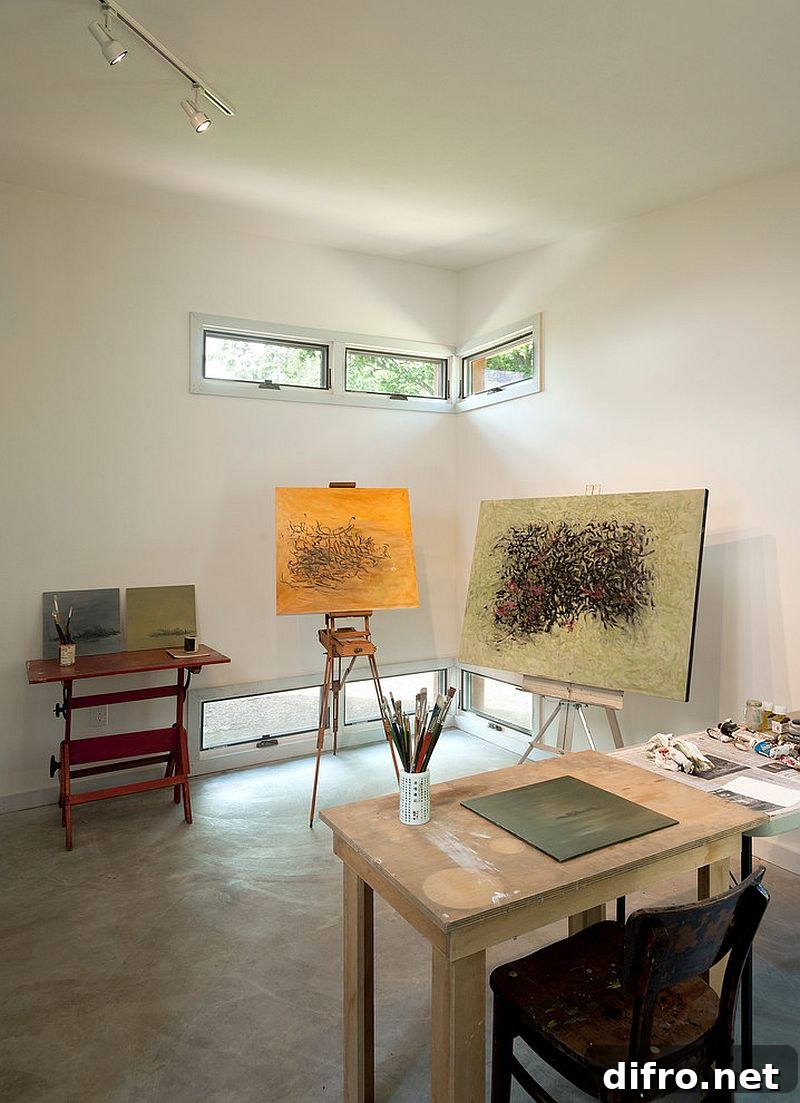
One room that has become increasingly central to smart homes over the past decade is the home office. Advances in technology and changing lifestyles have brought more work into the home, turning the home office into a primary workspace rather than a place to quickly check email. Modern home offices must respond to daily use, so choosing the right flooring is essential. Durable, low-maintenance concrete floors offer a clean, understated foundation that complements many styles and stands up to heavy foot traffic and daily wear.
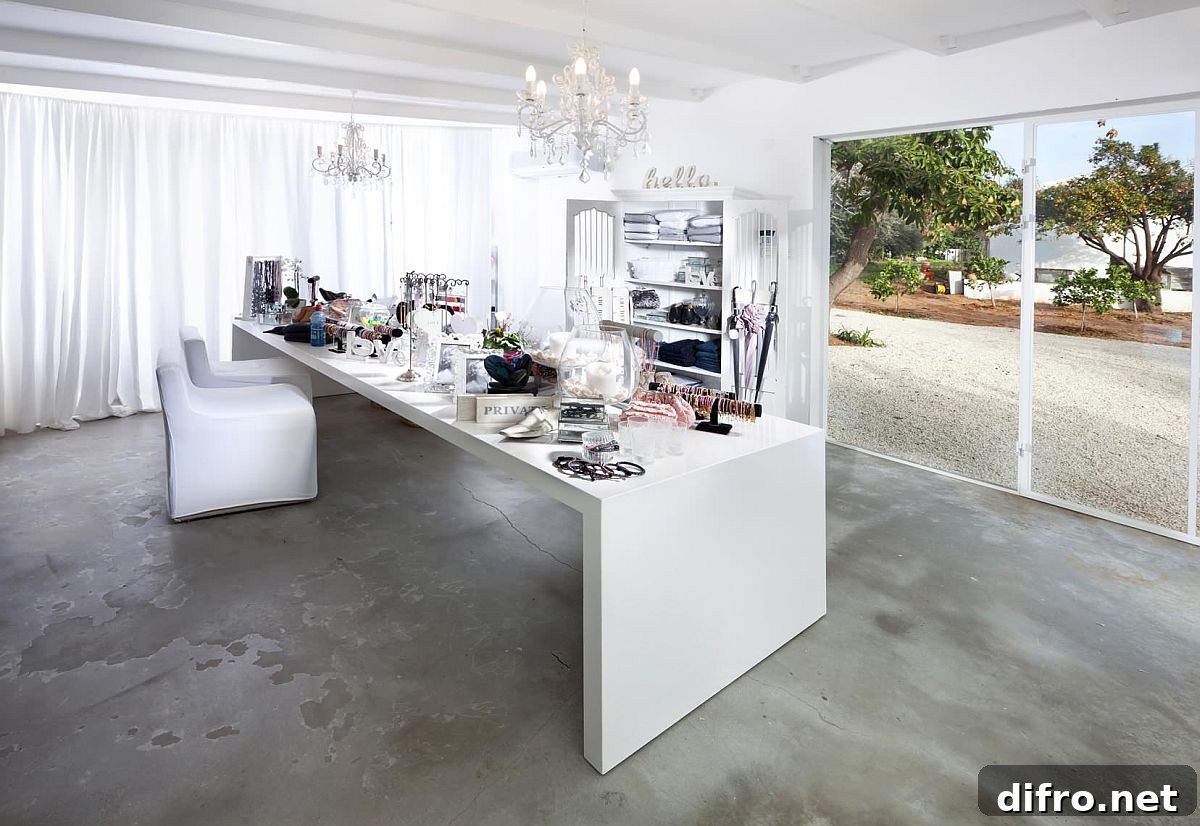
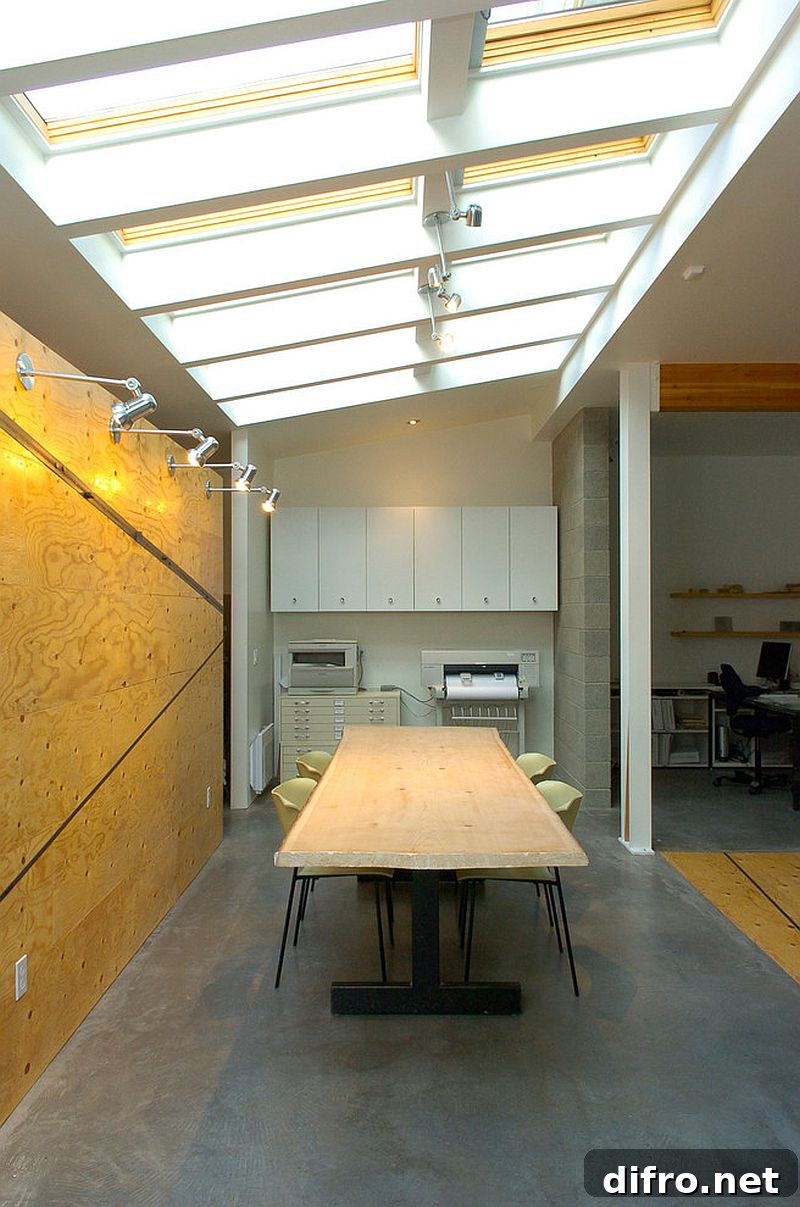
Neutral palettes—whites, grays, and soft natural tones—dominate many modern home offices. A touch of wood adds warmth, but it is often the concrete floor that anchors the room and creates a confident base to build a functional, attractive workspace. Concrete is versatile across design styles, from minimalist and industrial to Scandinavian and wabi-sabi. Whether your office is compact or expansive, polished concrete or a raw finish can enhance the room’s character while providing a practical, long-lasting floor solution. Below are key reasons concrete floors are ideal for home offices and ideas for making them work in a variety of interiors.
Cutting Down on Costs
Concrete is one of the most cost-effective flooring options, both upfront and over time. Installing or refinishing a concrete slab usually costs less than laying hardwood, tile, or luxury vinyl, and the long lifespan reduces replacement expenses. Because concrete is often already part of a home’s structural slab, finishing it for use as flooring can eliminate the need for additional layers, saving labor and materials. For homeowners focused on practical choices, a concrete floor offers strong value: it supports ergonomic layouts and resilient daily use without demanding a high budget for maintenance or frequent upgrades.
Concrete also ages gracefully. Small cracks and subtle imperfections add texture rather than detract from the room’s appearance, especially when paired with the right furnishings and lighting. If you prefer a softer look, rugs and area carpets can introduce warmth and acoustical comfort while protecting high-use zones.
Easy to Maintain Floors
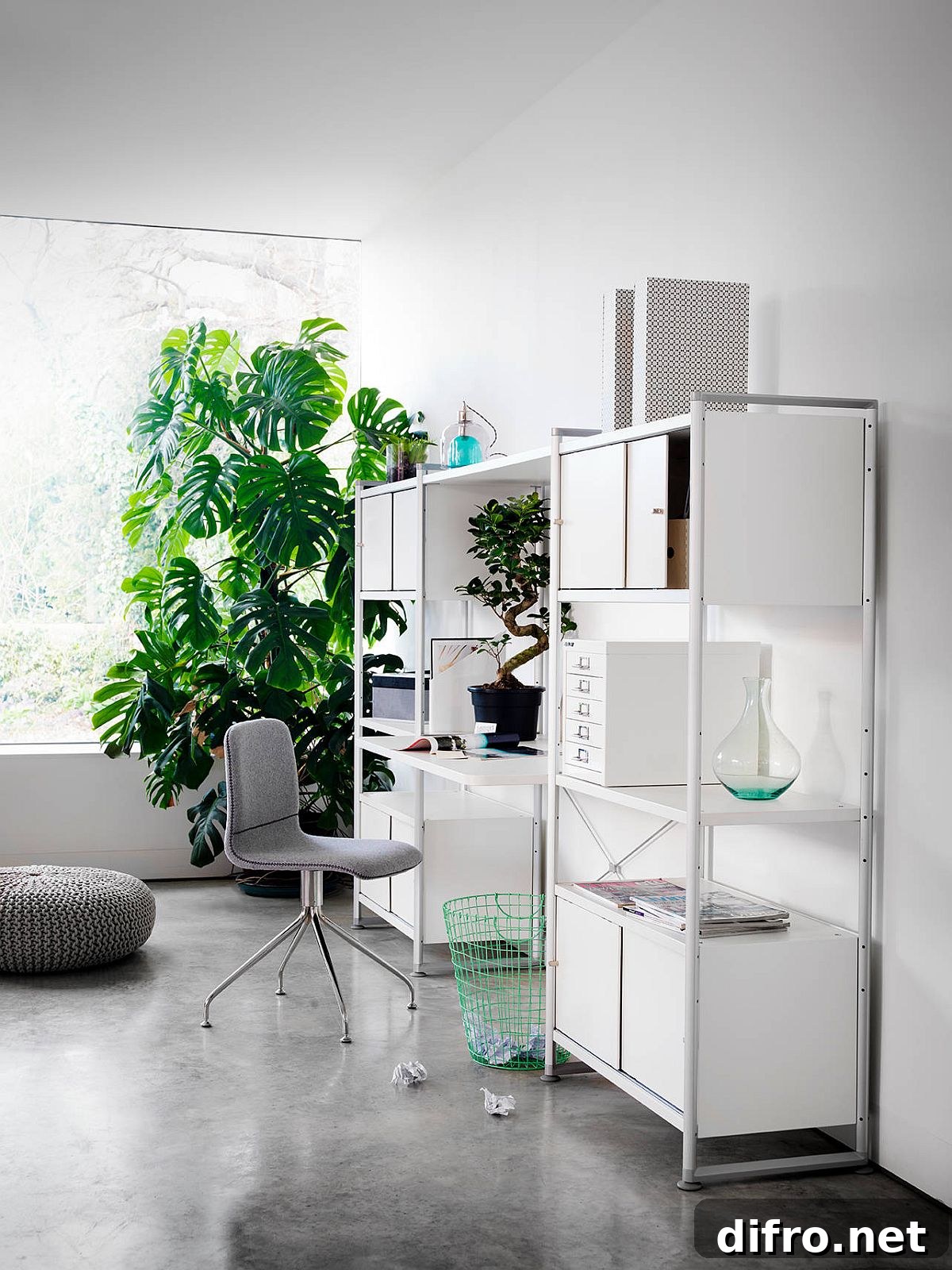
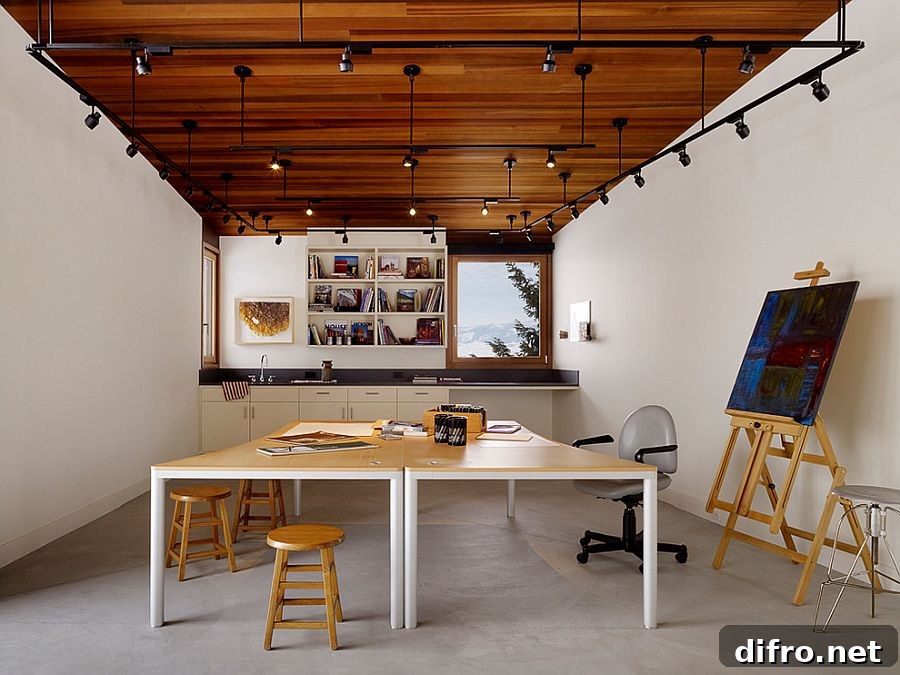
One of concrete’s biggest advantages is its low maintenance. Regular sweeping and an occasional damp mop usually keep the floor looking fresh; spills are easy to clean and stains can be minimized with proper sealing or polishing. Polished concrete creates a smooth, reflective surface that resists dirt and requires little upkeep, while honed or sealed raw-concrete finishes favor a more organic, textured look. Because concrete is already a common structural material, finishing the slab for living areas cuts down on additional product use—an eco-conscious benefit for sustainable home design.
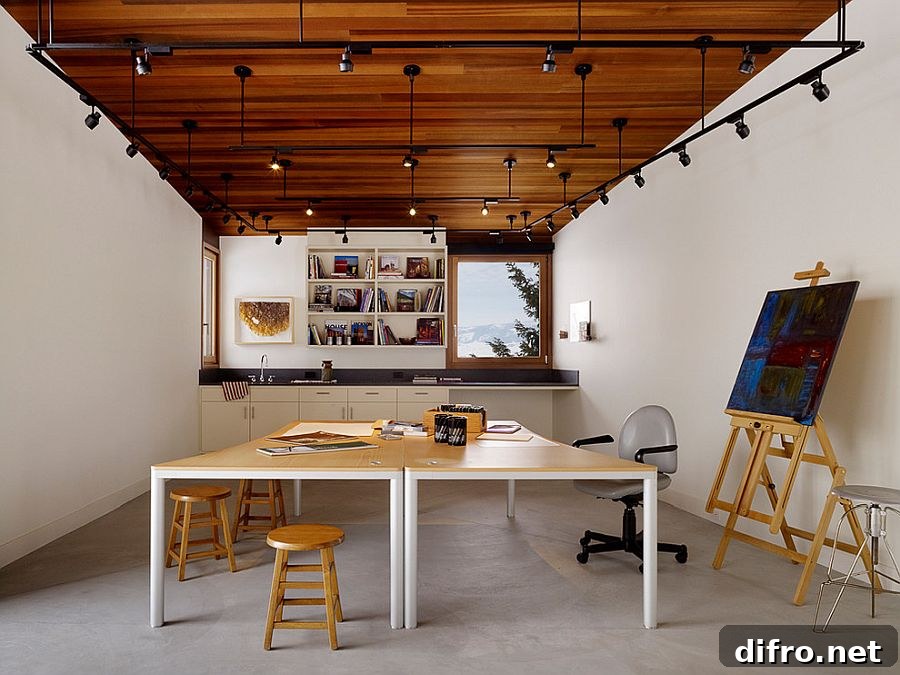
Concrete supports a wide range of aesthetics. Embrace the wabi-sabi trend with visible texture and subtle imperfections, or opt for a refined polished finish that works with modern furniture and cozy rugs. For small home offices, concrete makes the space feel open and cohesive; for larger studios and double-height rooms, it provides a robust, unified surface that supports varied layouts and heavy equipment.
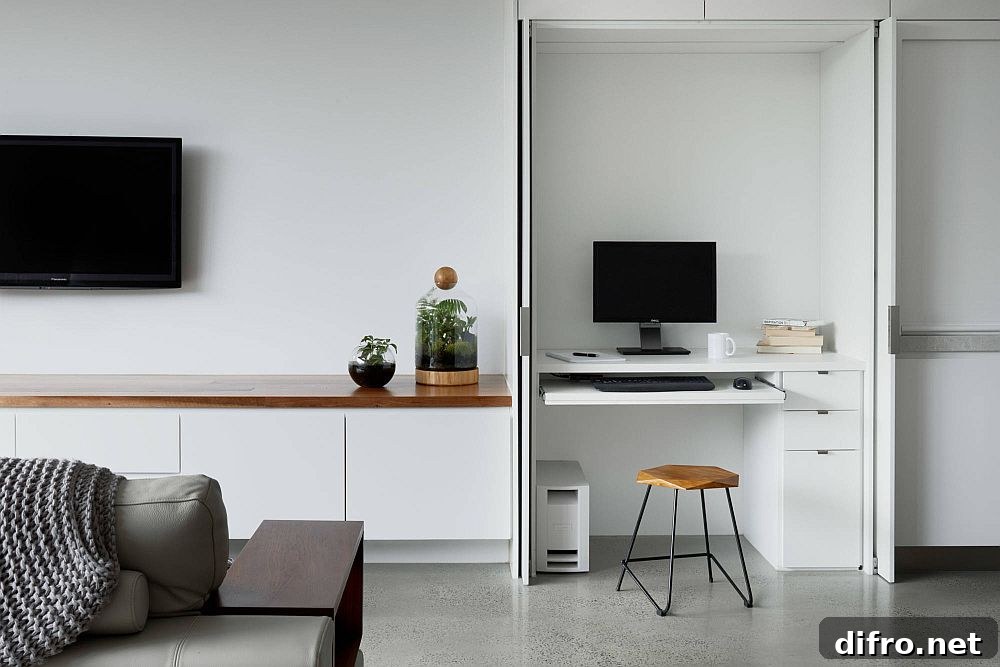
Letting the Room Take Over!
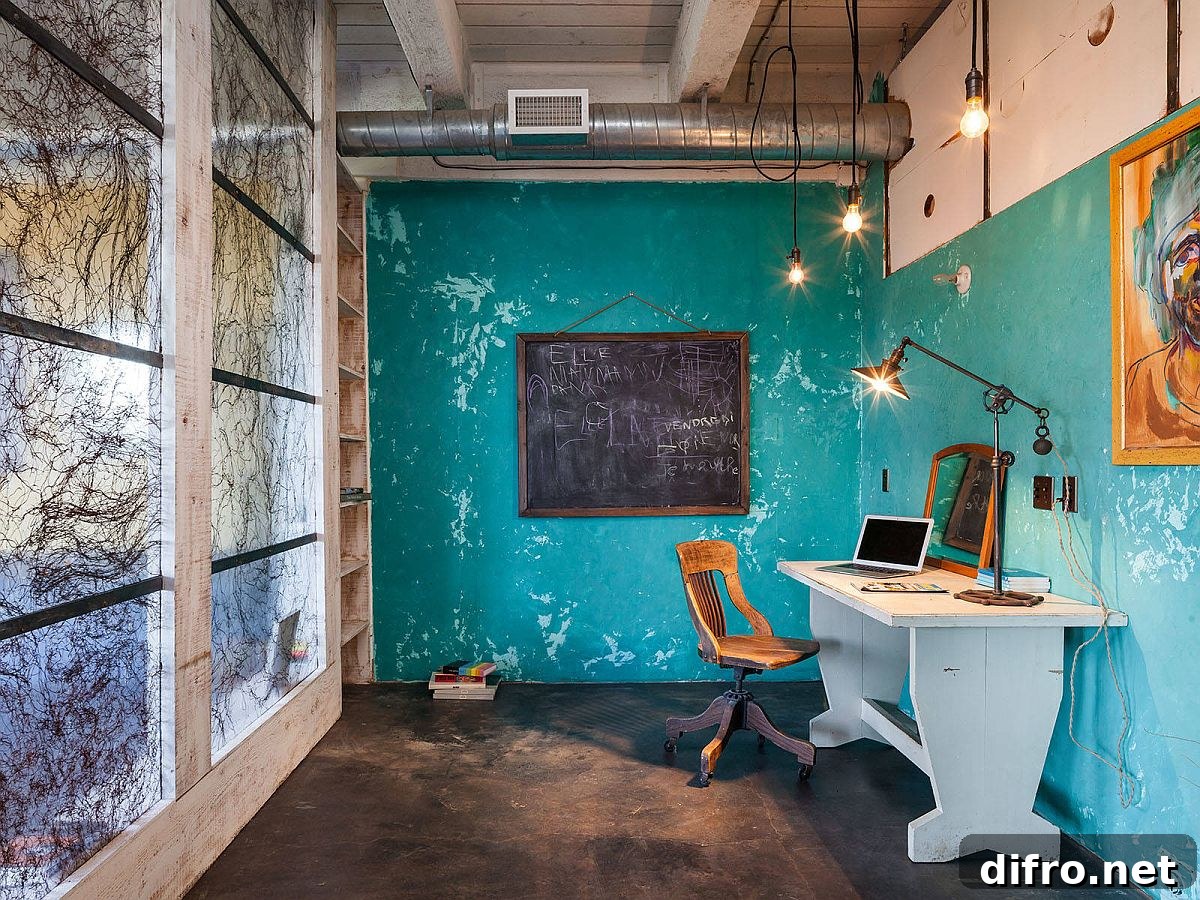
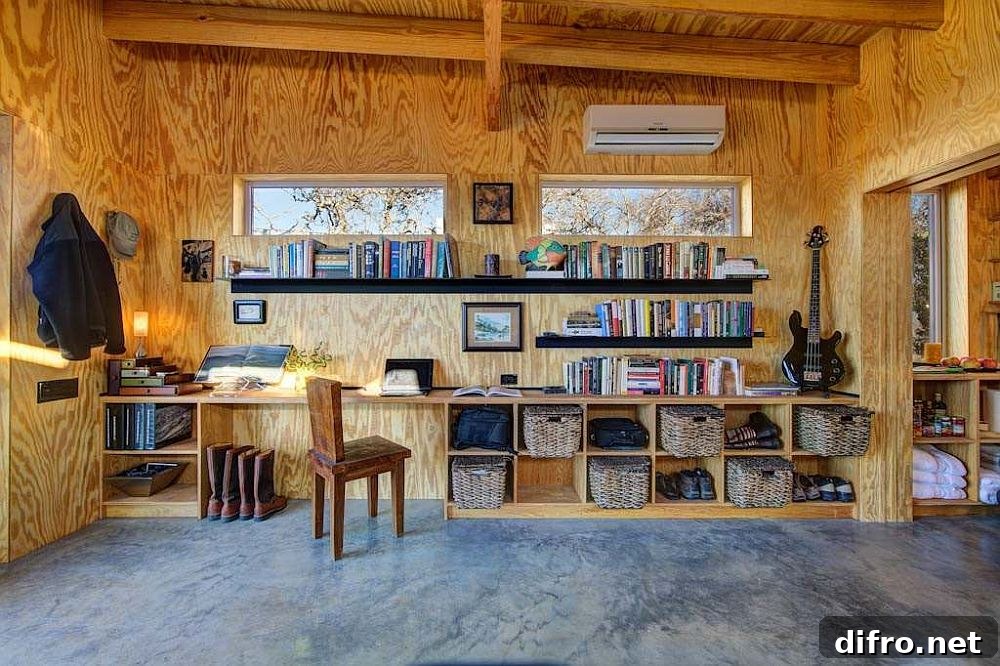
Concrete floors often act as a subtle stage, allowing furniture, lighting, and accent colors to stand out. A well-finished concrete surface provides a neutral backdrop that harmonizes with bold accent walls, bright textiles, or sculptural lighting. Good lighting—natural or layered artificial light—can make accent colors pop against a calm concrete base, creating an inviting and productive workspace.
Beyond aesthetics, concrete is durable and slip-resistant when properly finished, contributing to a safe home environment. It pairs well with rugs to define zones, and with integrated storage solutions it supports tidy, efficient layouts. Whether you favor a minimalist, industrial, or cozy design, a concrete floor gives the home office longevity, flexibility, and a modern, grounded character.