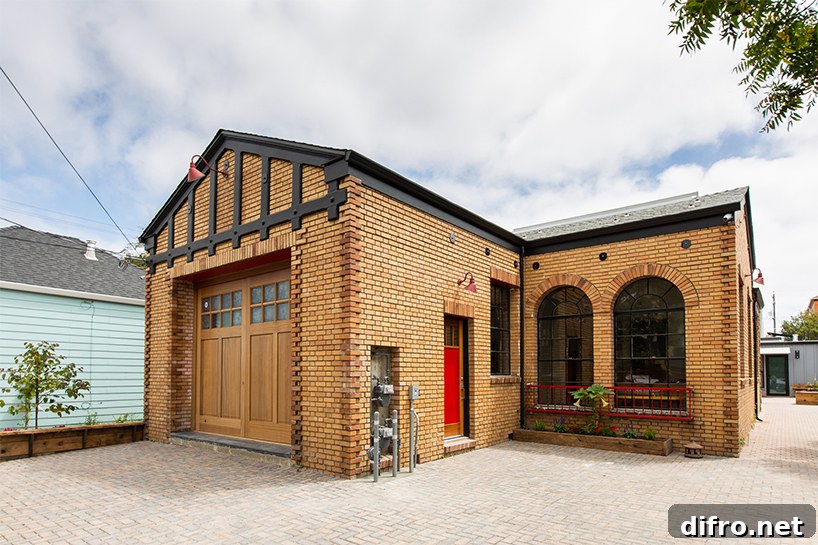
Magnolia Firehouse: Adaptive Reuse and Restoration in Oakland, California
Originally built in the 1920s, the Magnolia Firehouse in Oakland, California served its community as a fire station until the 1960s, when modern engines outgrew the building’s historic apparatus bays. After its service life ended, the structure saw intermittent use as a neighborhood church, and decades of limited maintenance left many of its character-defining elements in need of attention. Baran Studio Architecture led a careful restoration and adaptive reuse project that preserved the building’s historic presence while converting it into a comfortable, contemporary residence.
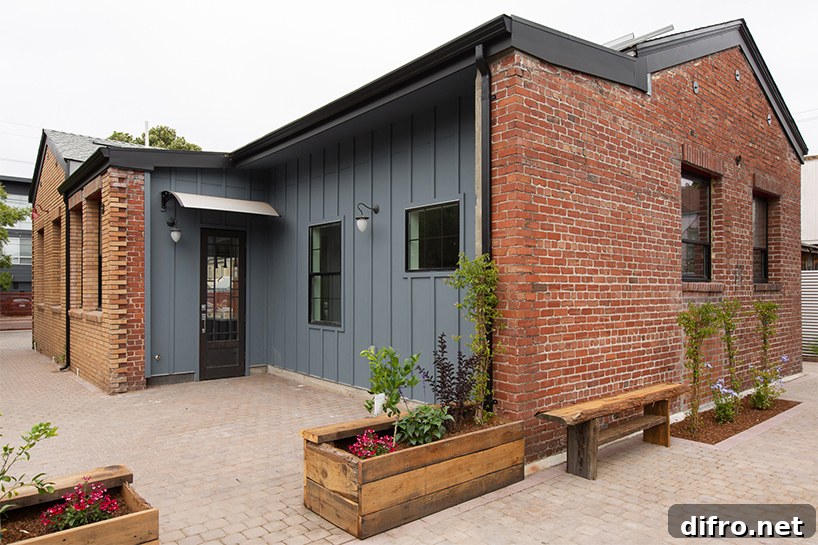
The restoration began with a thorough assessment of the exterior. The team focused on masonry repair and conservation, addressing dark iron-spot face brick at building corners and other areas of deterioration. Non-historic additions that detracted from the firehouse’s original appearance—such as modern window screens—were removed. Deteriorated windows and glazing were replaced with historically sympathetic materials and profiles. At the front of the building, two new carriage doors were designed to recall the original apparatus bay doors, restoring the firehouse’s distinctive façade while providing functional access consistent with its new residential use.
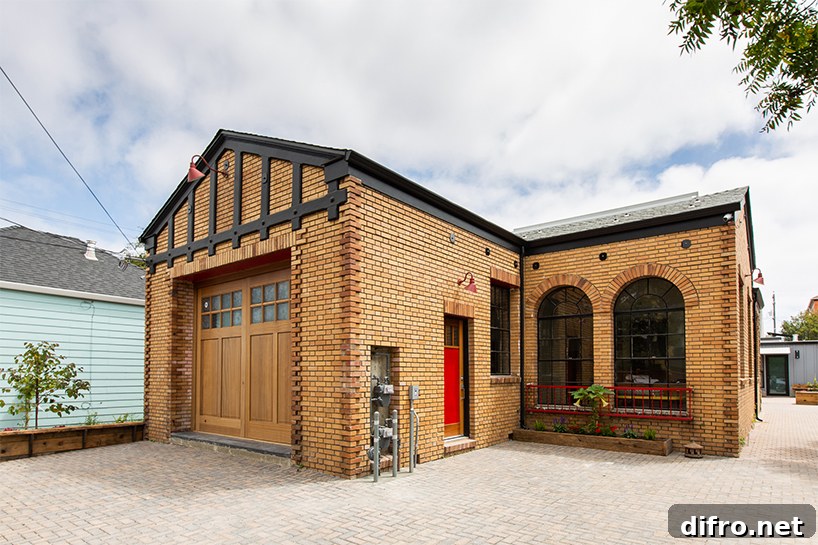
Preservation extended beyond the façade to critical structural upgrades. To meet modern seismic standards and protect the historic envelope, new concrete shear walls were introduced within the interior. These structural interventions were designed to be minimally invasive and visually compatible with the building’s interior, allowing the original spatial qualities and exposed materials to remain prominent while significantly improving earthquake resilience.
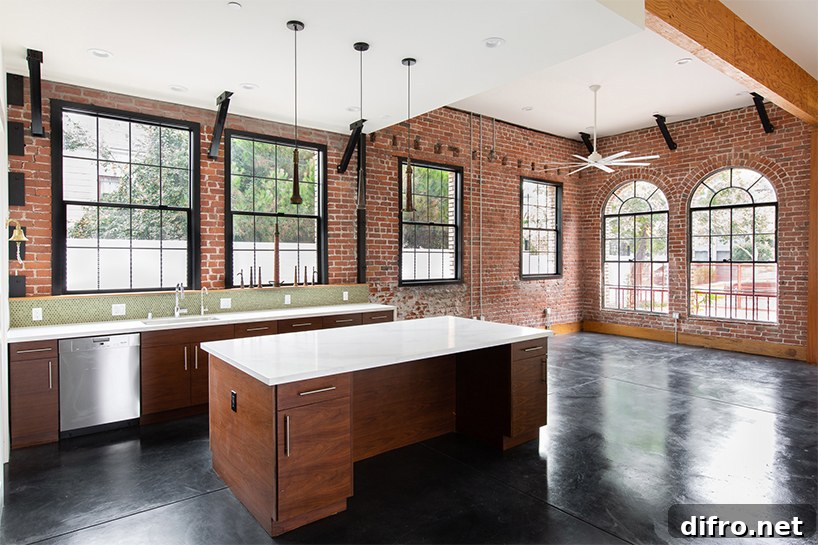
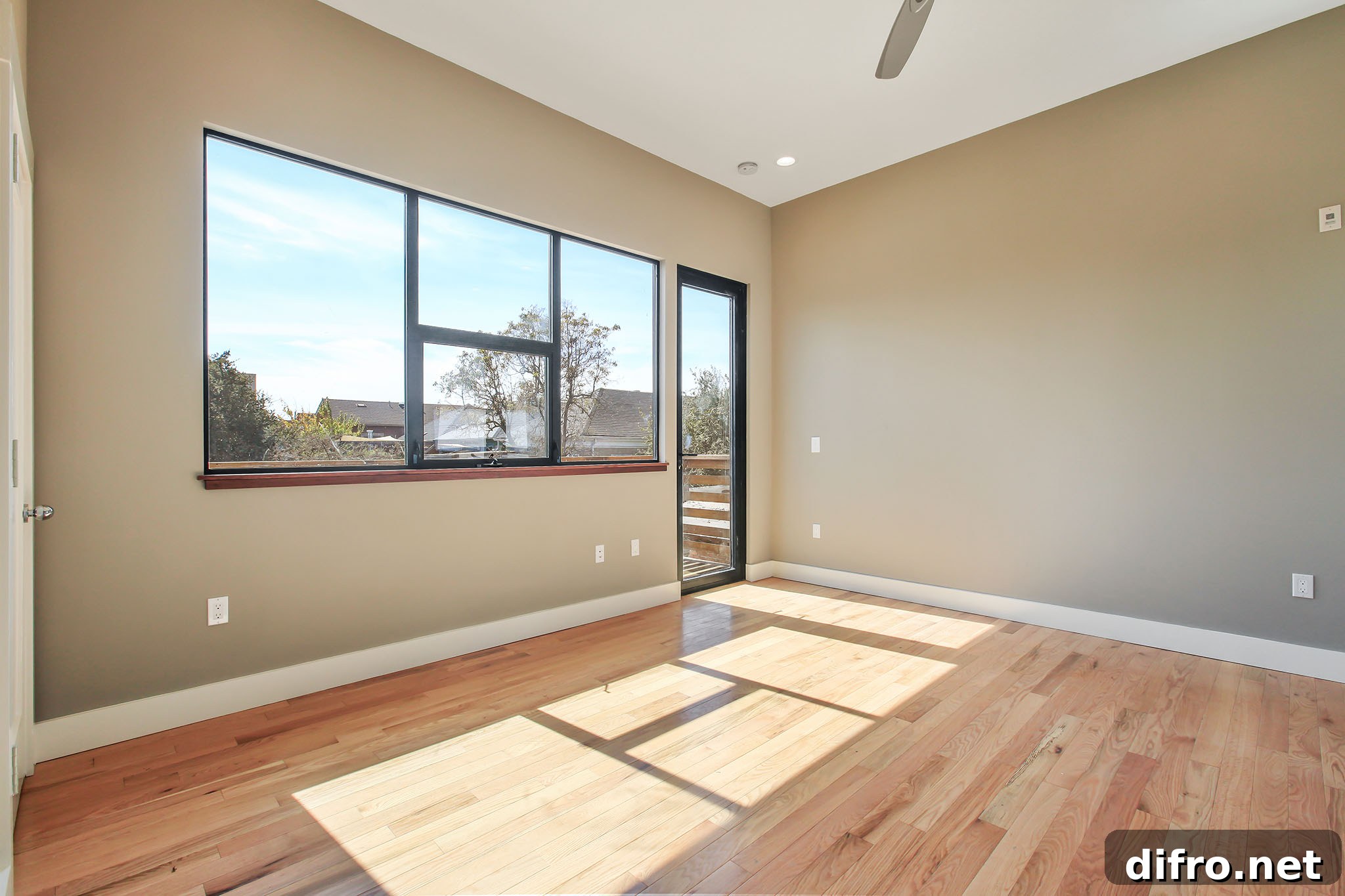
The adaptive reuse program reimagined the former firehouse as a thoughtfully arranged residence. The project provides a well-appointed two-bedroom configuration that capitalizes on the original window openings. Two large, interconnected living areas benefit from abundant natural light poured in through the historic windows, creating bright, open interior spaces that balance the building’s industrial past with modern livability.
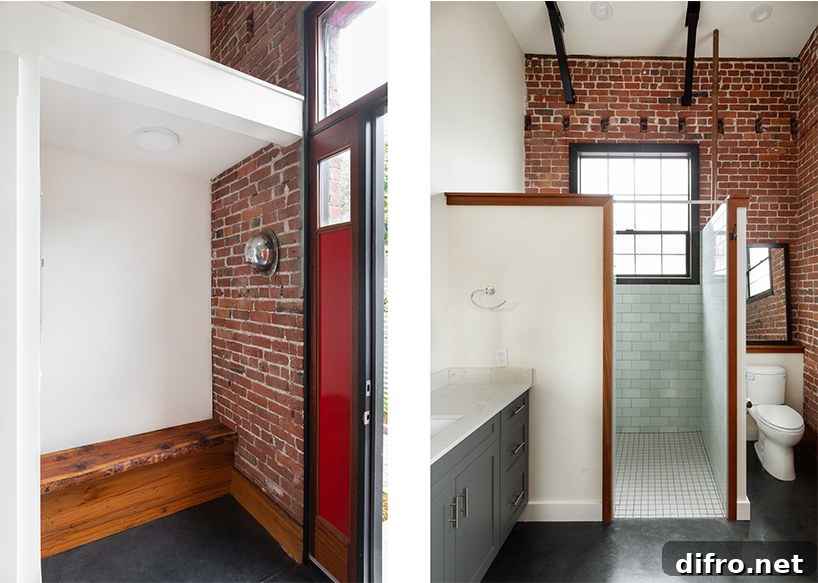
Interior finishes juxtapose industrial textures with contemporary fixtures. The kitchen and dining area preserve an industrial sensibility—open layout, durable surfaces and simple, functional detailing—while other rooms introduce softer materials and warm finishes for everyday comfort. Exposed brick walls, original window proportions and generous ceiling heights honor the building’s history and contribute to a strong visual identity throughout the home.
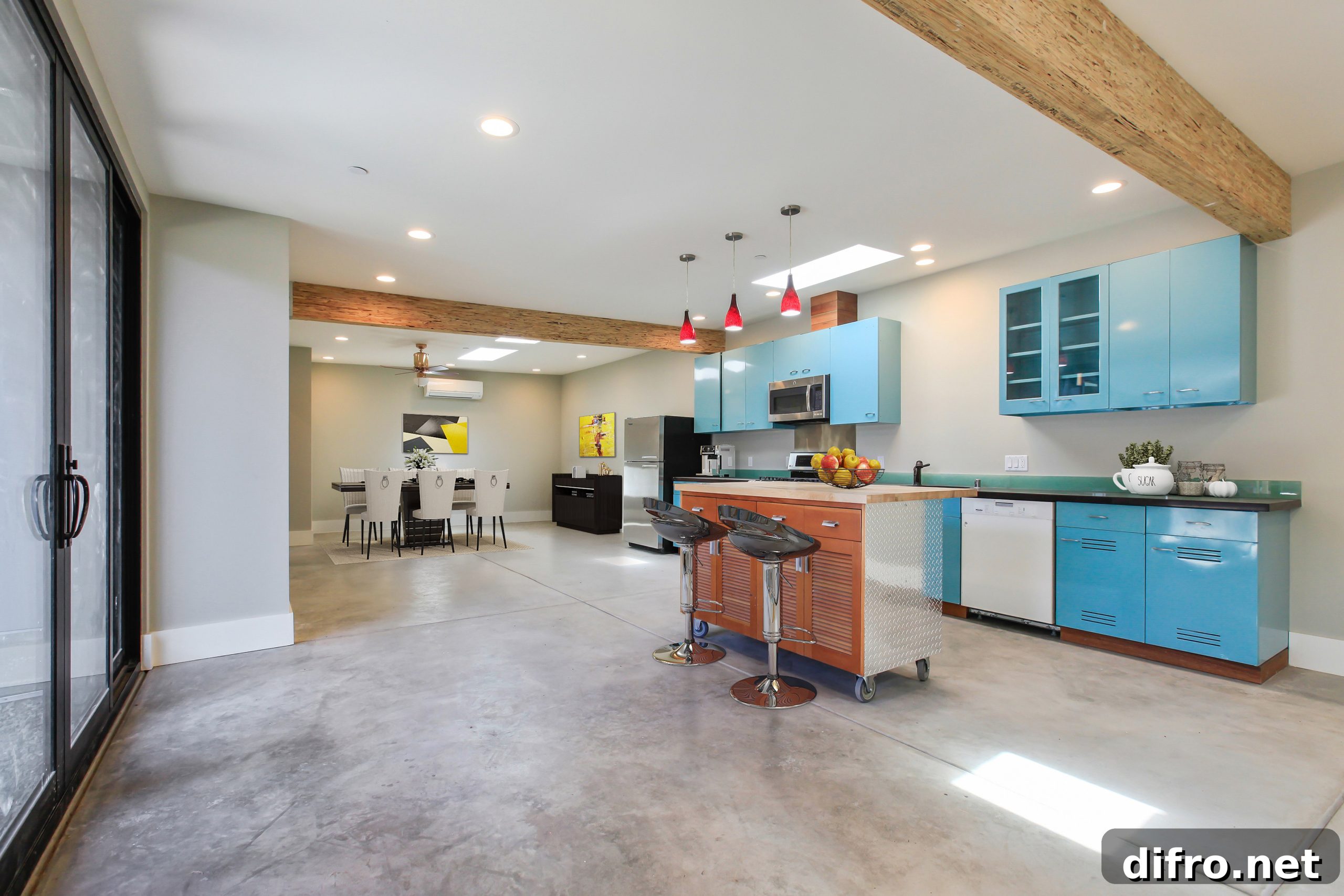
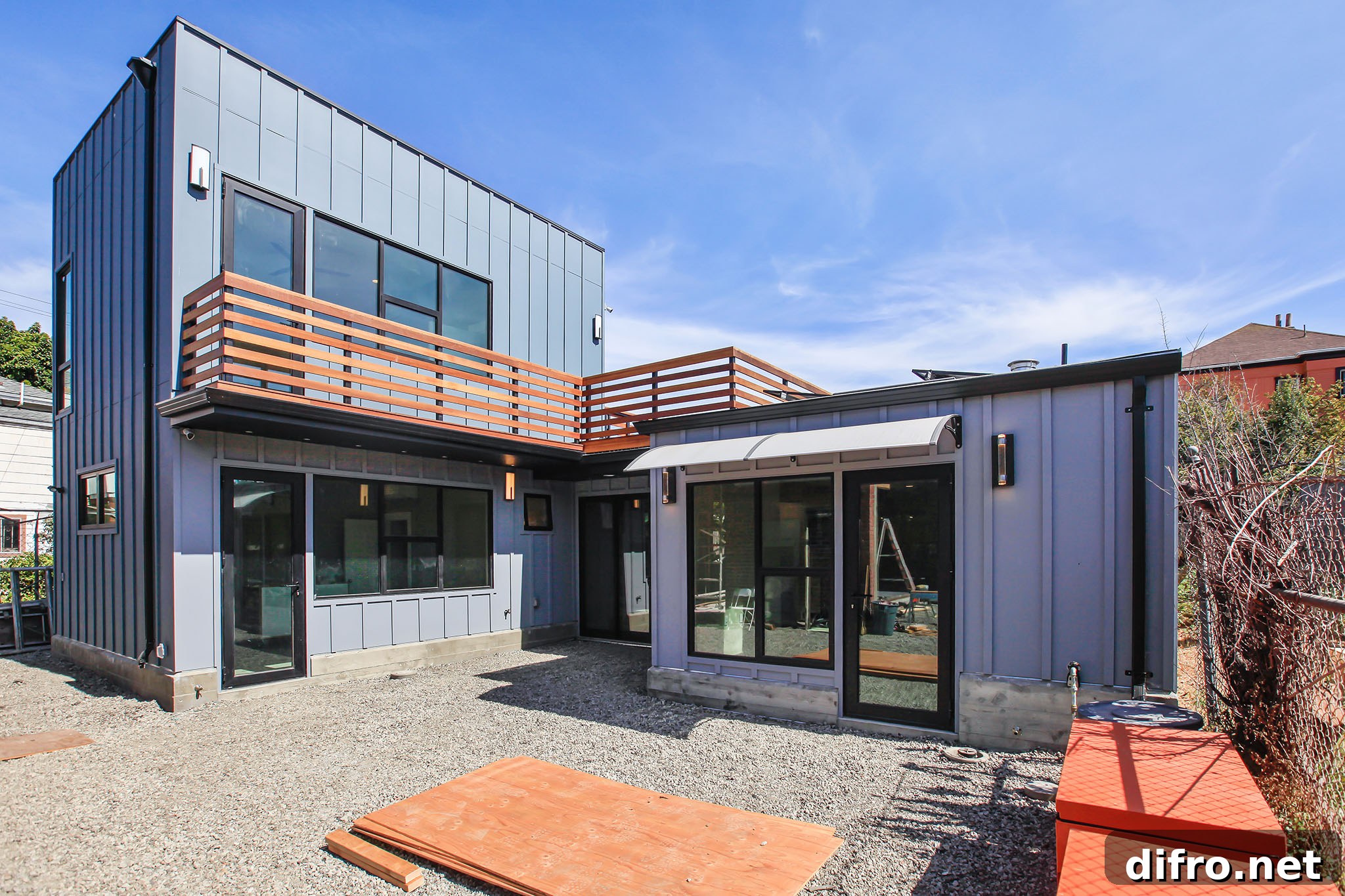
Daylight is a central design priority. The master bedroom opens onto a second-floor patio, extending living space outdoors and enhancing ventilation and light. The patio itself offers ample room for entertaining and relaxation, turning the roofline into usable outdoor living. On the ground level, the backyard presents a more subdued exterior treatment while continuing to emphasize expansive glazing and visual connection to the outdoors.
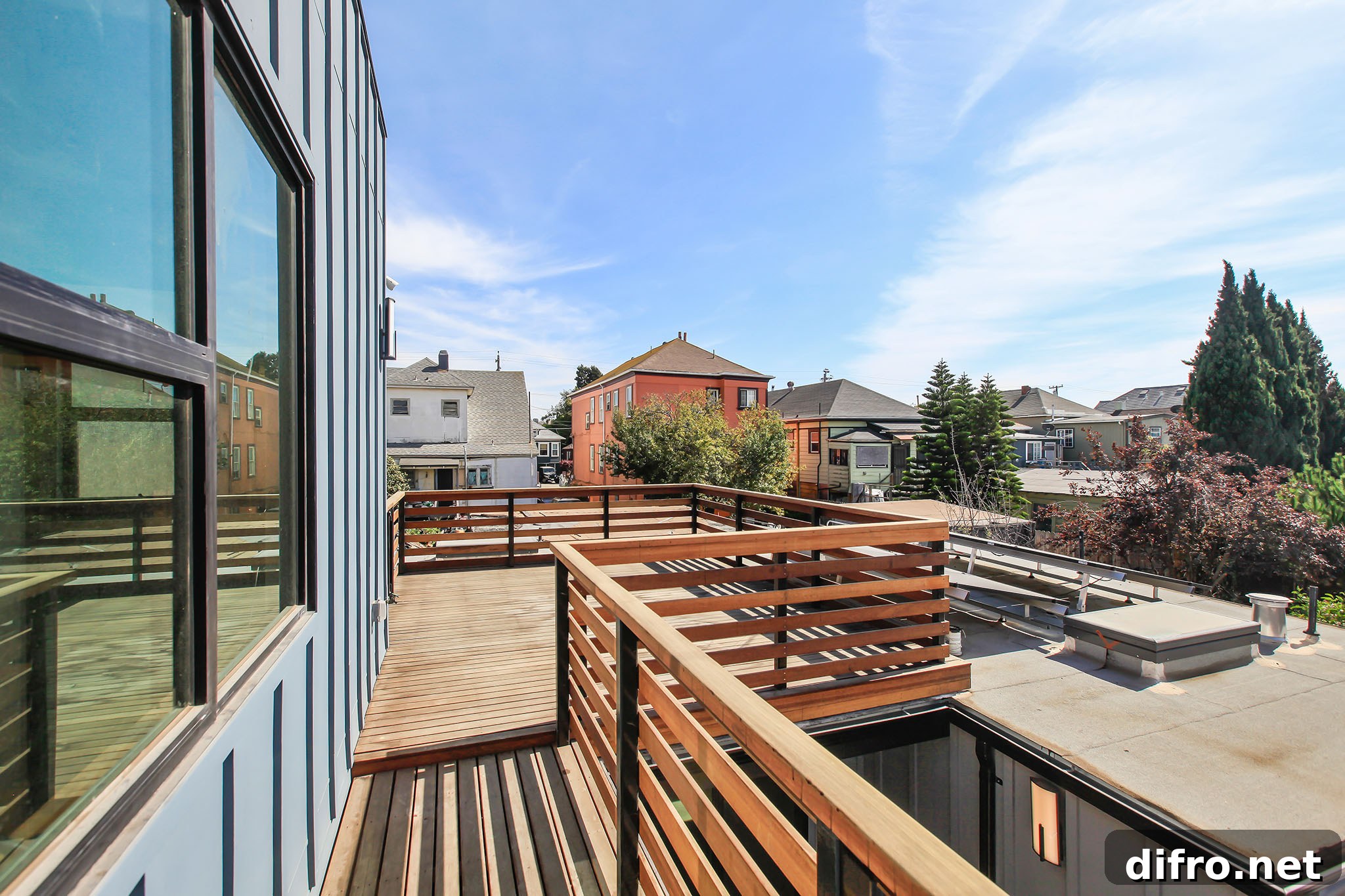
From the backyard, the house reads as a careful combination of original masonry and contemporary interventions. Large windows and sensitive additions ensure the residence feels open and connected to the surrounding neighborhood while preserving the historic firehouse’s identity.
Completed in 2019, the converted Magnolia Firehouse now functions as a single-family residence at 3320 Magnolia in Oakland, offering 3,571 gross square feet of living area. The project demonstrates how adaptive reuse and careful preservation can extend the life of a landmark building: structurally upgraded, sensitively restored and imaginatively reprogrammed to meet contemporary needs while honoring its past. For more information about the design and the team that carried out the project, refer to Baran Studio Architecture’s public materials and project portfolio.