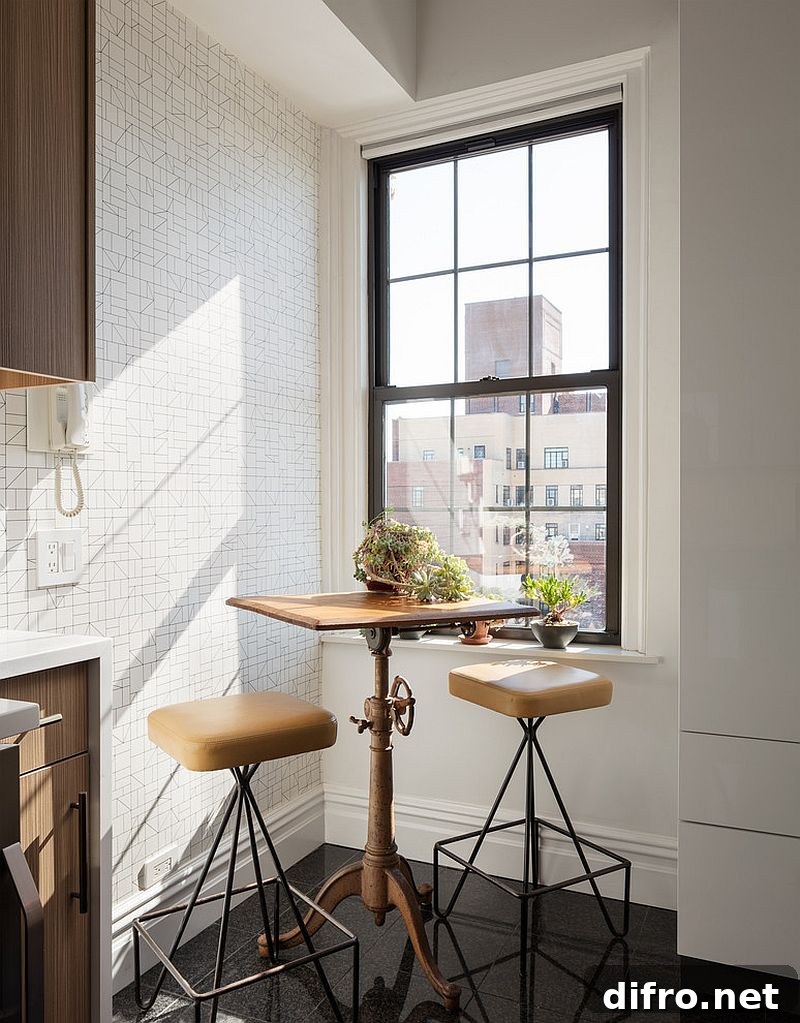
In modern homes, efficient use of space can make or break the look and functionality of an interior. In small kitchens, every inch counts. While wall-mounted cabinets, open shelves and mobile islands are common solutions for maximizing storage and work surfaces, a tiny breakfast zone is an equally smart, style-forward option. A compact breakfast nook eliminates the need for a separate dining room in many apartments designed for couples and can comfortably accommodate an occasional guest without sacrificing valuable square footage.
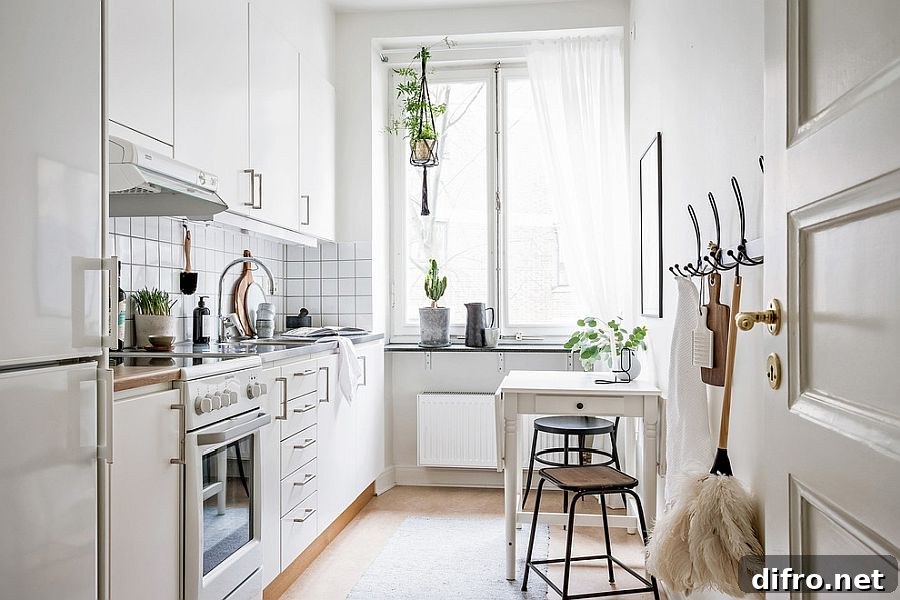
You might wonder whether a breakfast zone belongs in an already compact kitchen. In dense urban homes where a separate dining room or even a designated dining corner in the living room is a luxury, carving out a small eating area inside the kitchen is especially practical. It makes serving simpler and transforms otherwise overlooked corners into efficient, usable space. Well-designed breakfast nooks suit a wide range of kitchen styles, from minimalist and contemporary to rustic and coastal, and they can work even in kitchens with very limited footprints.
Turn to Corners for Help
Corners are often underused in kitchens, so they’re a natural place to tuck a tiny breakfast nook without altering the main layout. Replace an oversized plant or an empty corner with a small table and two chairs, or opt for a built-in banquette. Banquette seating feels cozy and can incorporate hidden storage beneath the bench, adding both function and form. Whether it’s a curved corner banquette or a simple round table with two chairs, a corner breakfast zone is a flexible solution that most small kitchens can accommodate.
RELATED: 25 Best White Kitchens for Stylish Space-Savvy Goodness
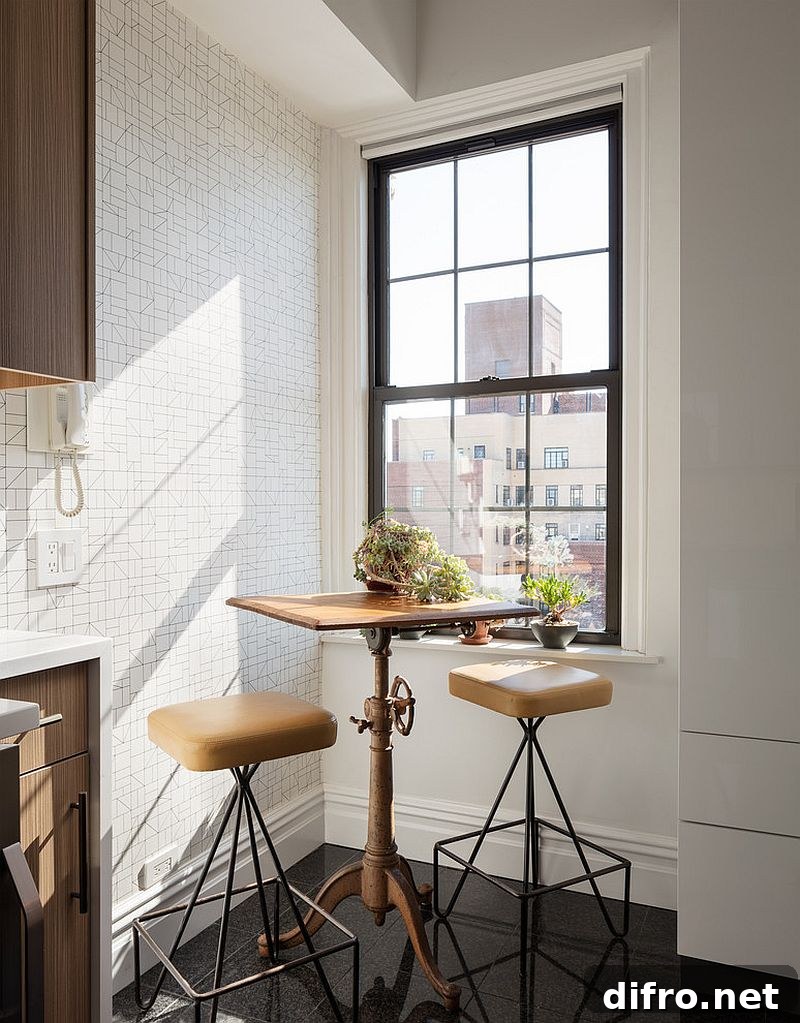
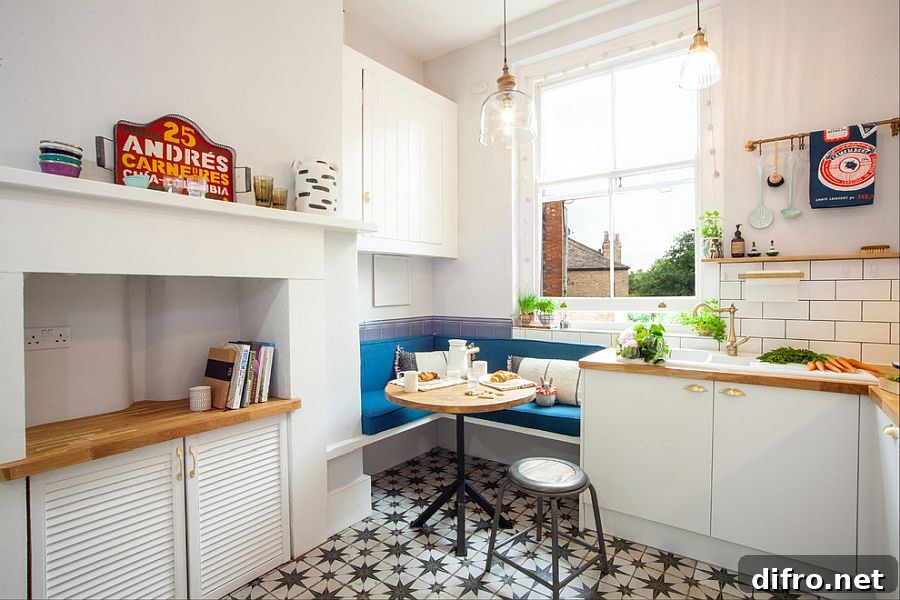
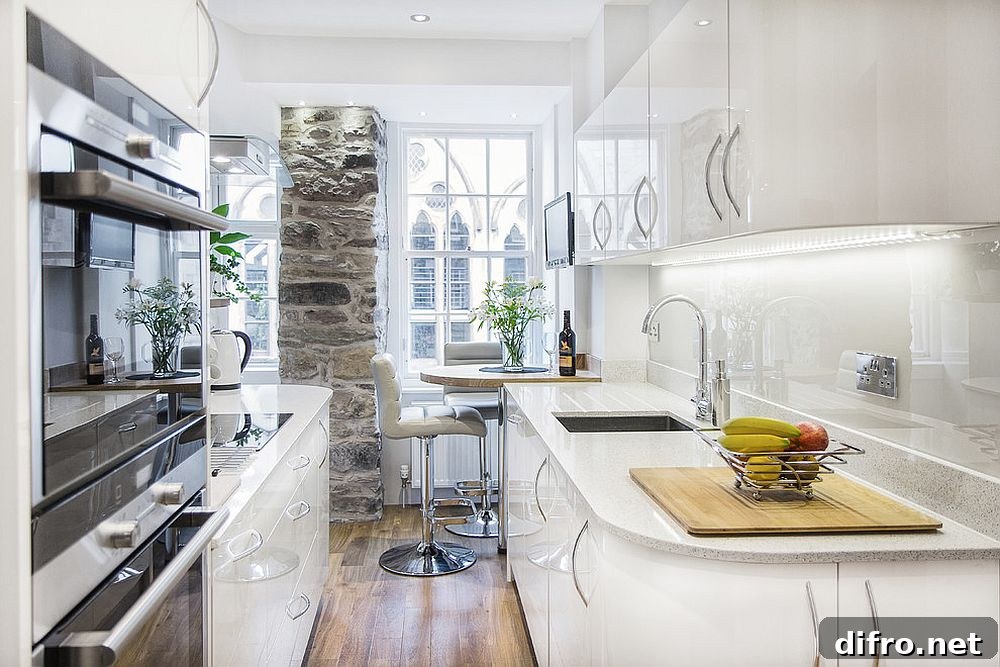
White Comes to the Rescue
Light shades—especially white—are a reliable trick to visually expand a compact kitchen. A white or pale gray backdrop reflects light and creates a feeling of openness, making a small breakfast zone feel less cramped. Use the nook to introduce a splash of color with bright chairs or cushions for visual interest, or keep it monochrome so the eating area blends seamlessly into the kitchen. Either way, a light palette plus well-chosen accents results in a brighter, more functional small kitchen.
RELATED: Ultra-Tiny Manhattan Apartment with Wedge-Shaped, Space-Savvy Partition
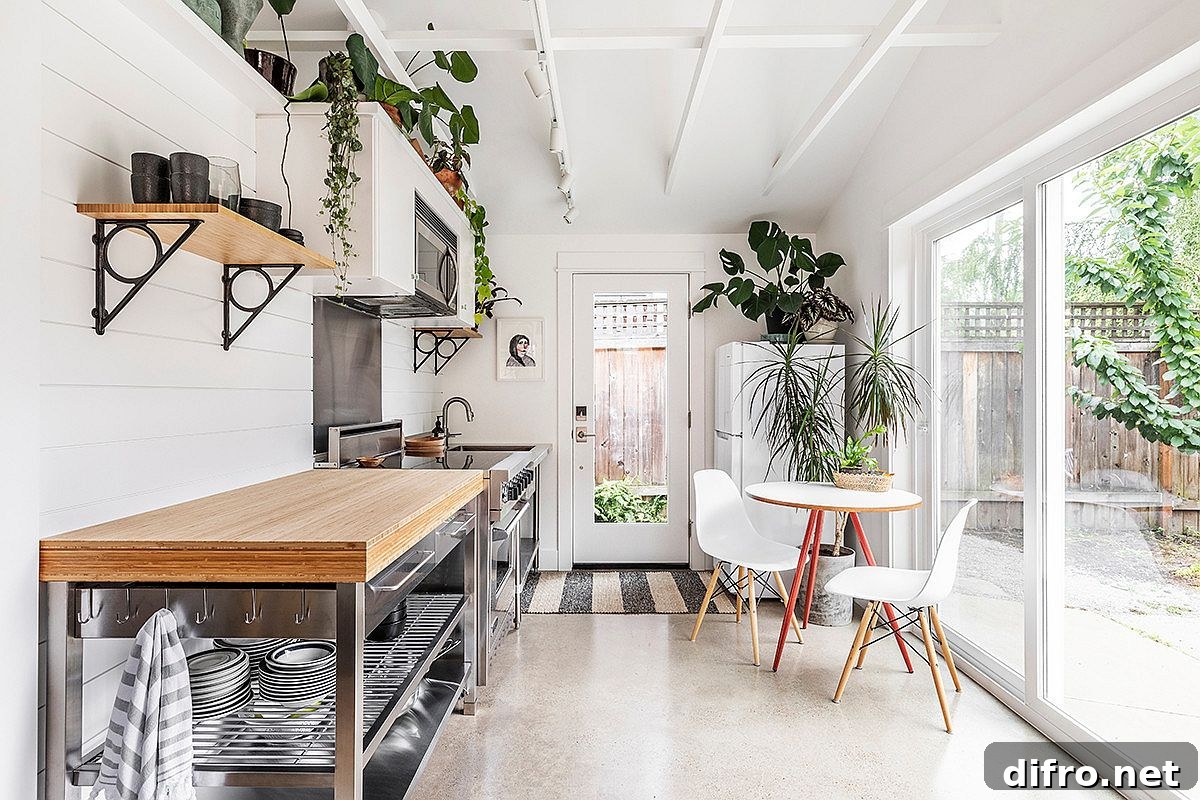
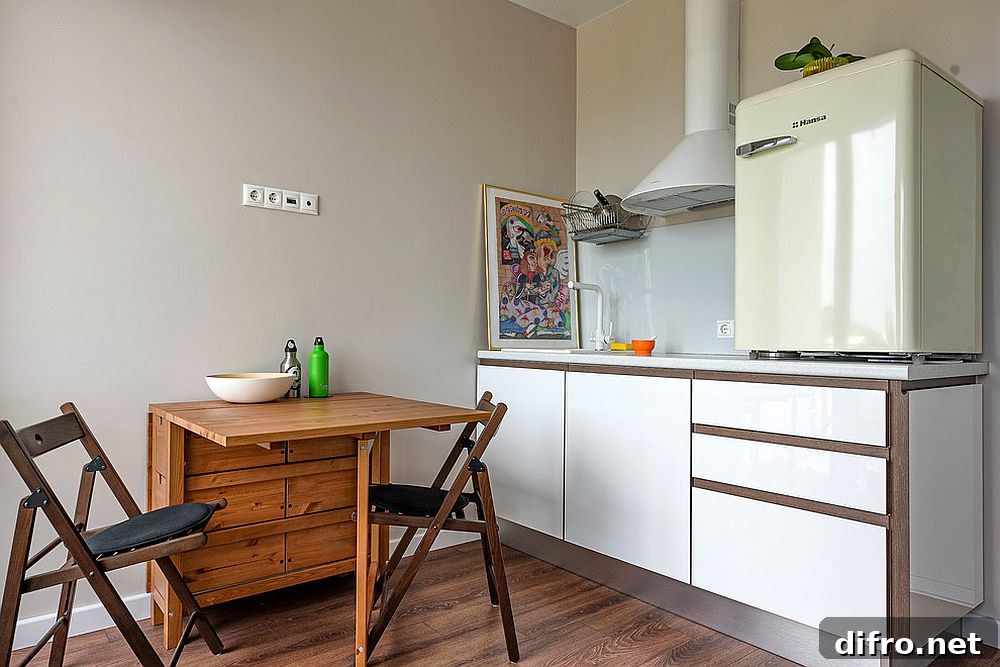
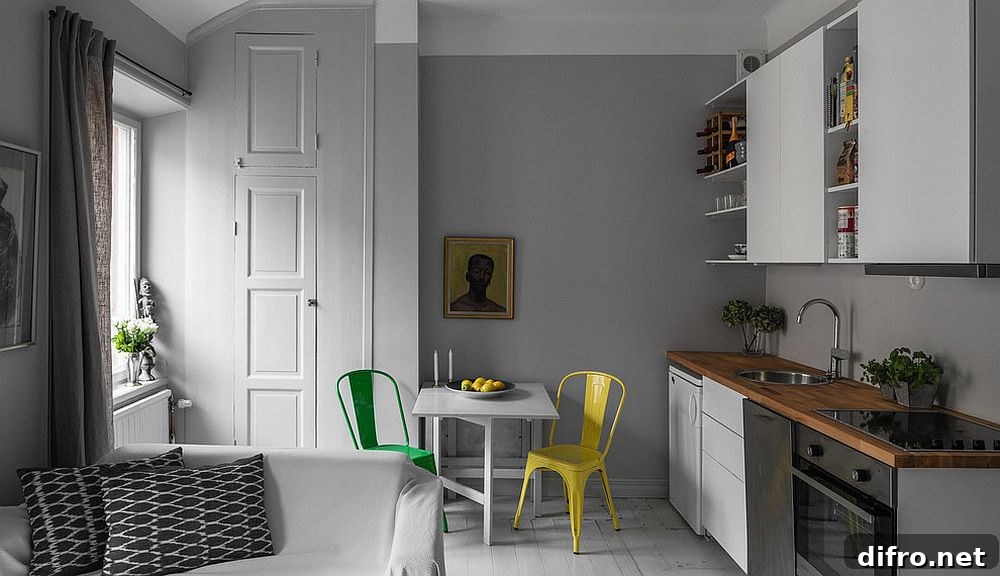
Maximizing Space in Style
Adding a breakfast nook doesn’t depend on a single design style. Industrial kitchens pair well with metal-and-wood stools or a small high table, while rattan or wicker chairs complement coastal and shabby-chic looks. Modern kitchens benefit from sleek bar stools that tuck under a counter or a slim island, keeping circulation clear when the seats aren’t in use. A compact breakfast zone can also double as a workspace: a small table or island can serve for morning coffee, meal prep, homework or a laptop workstation.
RELATED: 25 Kitchens Connected with the Backyard: Space-Savvy Trend that is Here to Stay
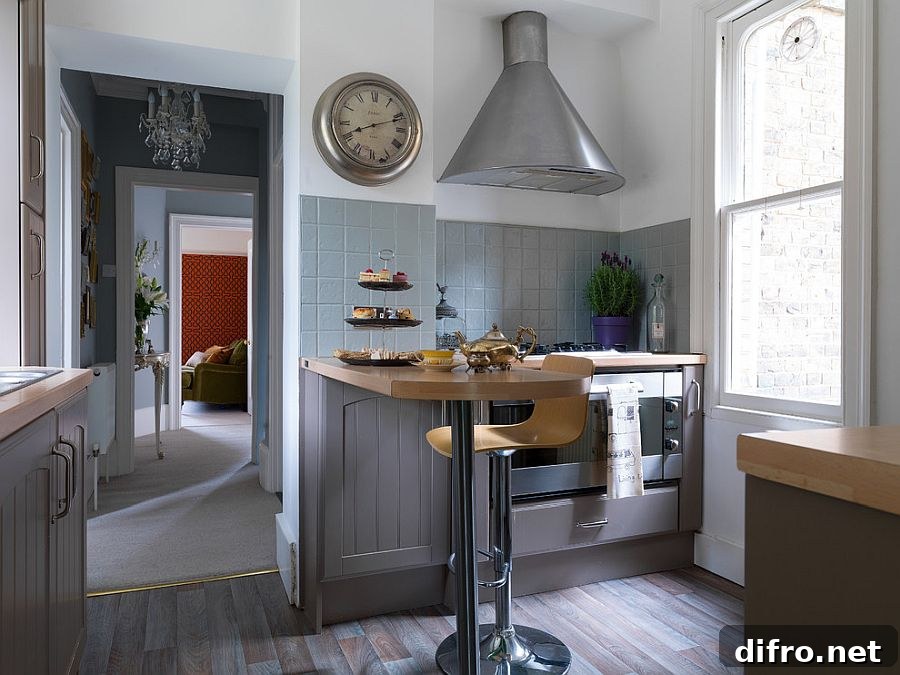
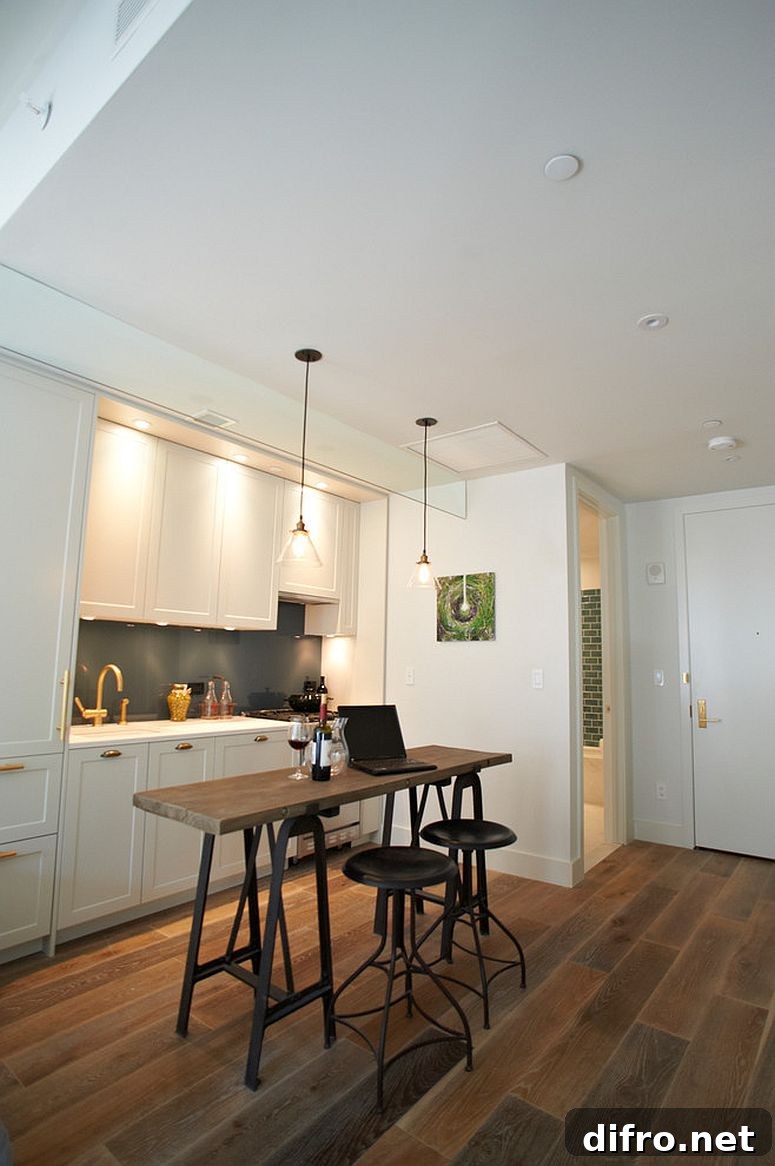
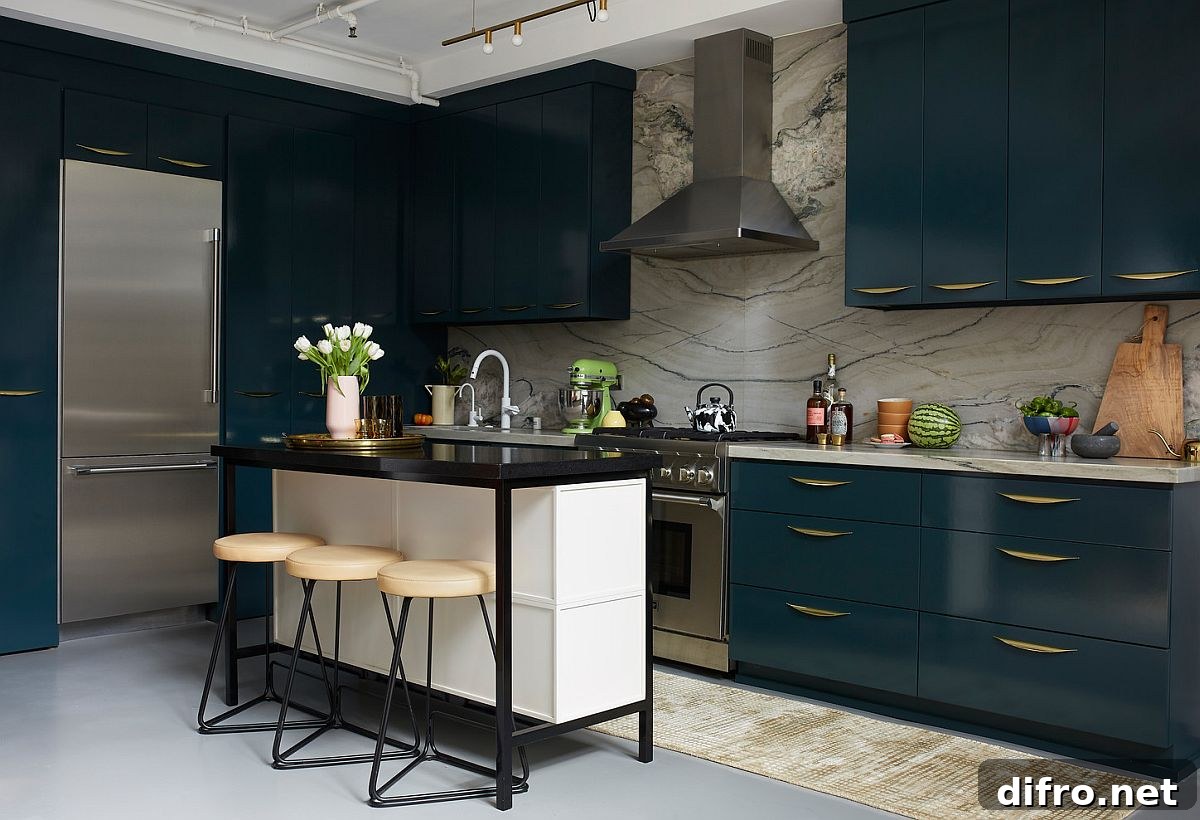
Design tips for a successful tiny breakfast zone: choose compact or foldable furniture, incorporate built-in storage under benches or shelves, use a light color palette to open up the space, and pick resilient materials for easy cleaning. With thoughtful planning, a small kitchen can gain a cozy, practical eating area that enhances daily life without sacrificing style or flow.