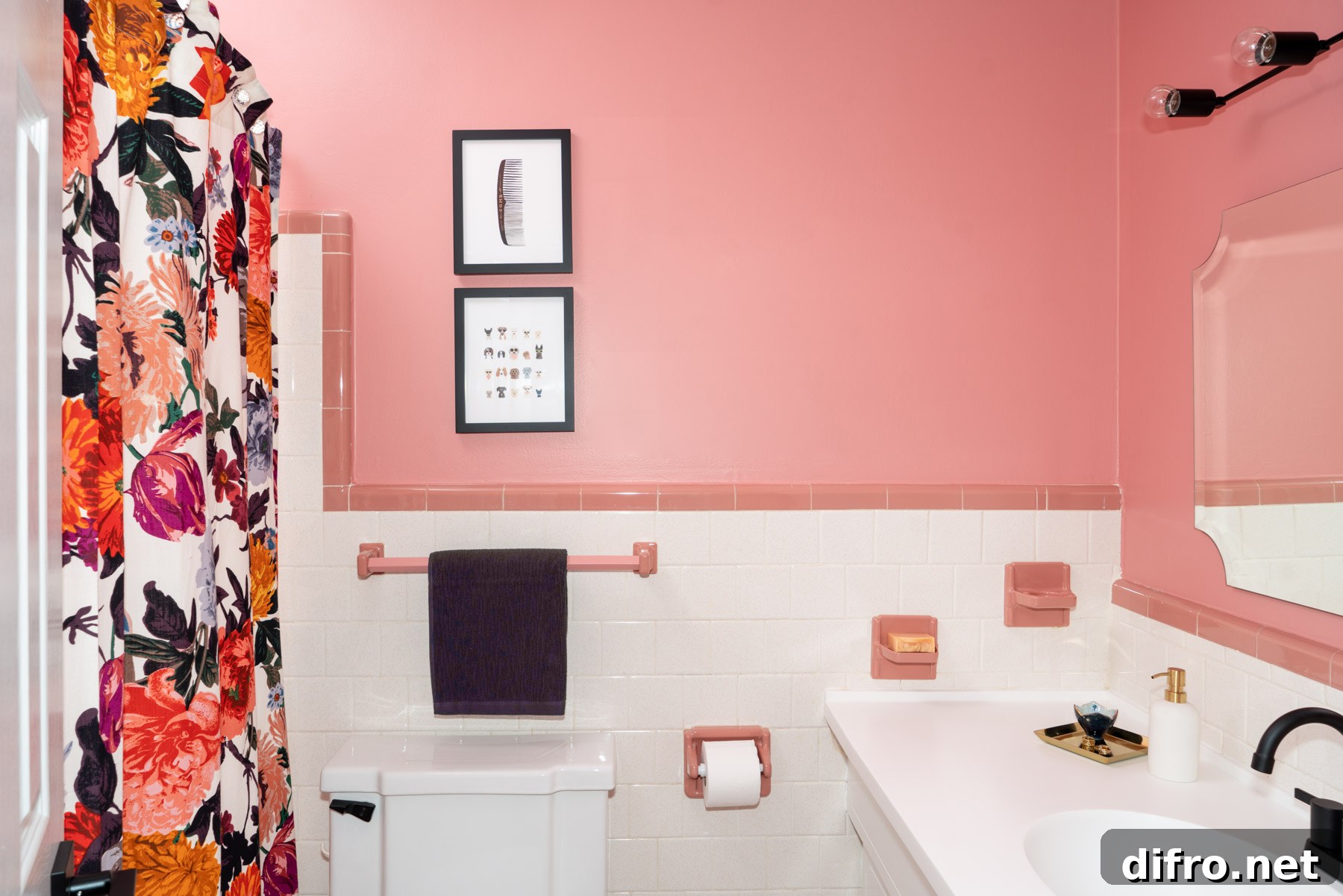
We’re seeing a welcome shift away from austere neutral palettes and toward bold color, pattern, and texture in home design. Pink—once dismissed as a limited, “girls only” hue—is reappearing in fresh, sophisticated ways across interiors. The bathroom, one of the most-used rooms in any home, is the perfect place to embrace pink: it can introduce warmth, personality, and a timeless charm that pairs well with both vintage and contemporary styles.
Adding pink doesn’t mean committing to a full overhaul. A single pink wall, a painted vanity, or a few well-chosen accessories can lift a dull space into something lively and inviting. For those who love subtlety, muted, neutral pinks keep the warmth of the color without overpowering the room; bolder tones create a dramatic, playful look. Either approach can produce a bathroom you actually enjoy spending time in.
The woman behind the pink bathroom phenomenon
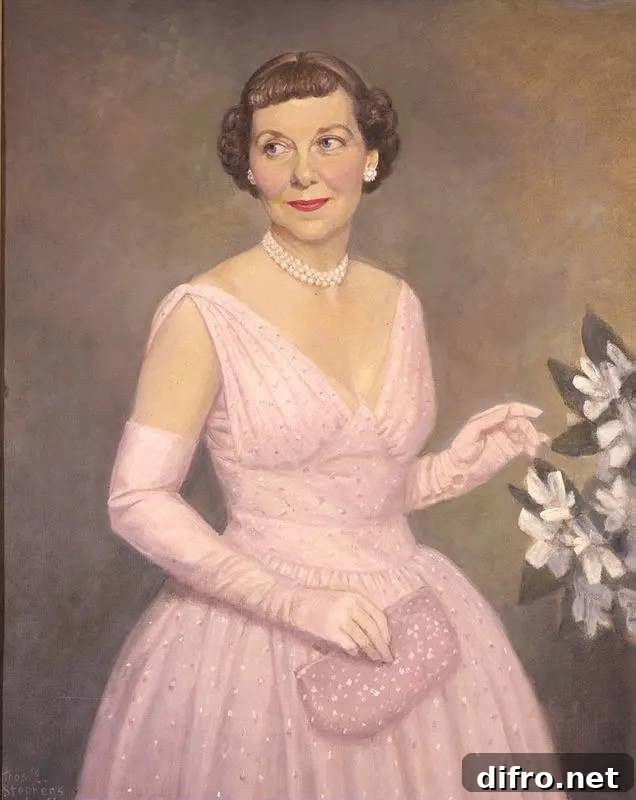
Pink bathrooms first gained widespread attention in the 1950s, when First Lady Mamie Eisenhower famously favored the color. Her influence extended to her wardrobe and to the decor of portions of the White House, and her love of pink helped popularize the shade across home textiles and fixtures. That postwar enthusiasm for bright, optimistic color influenced household choices for decades and resurfaced again in the 1980s and in recent years.
The big three: Kohler, American-Standard and Sears
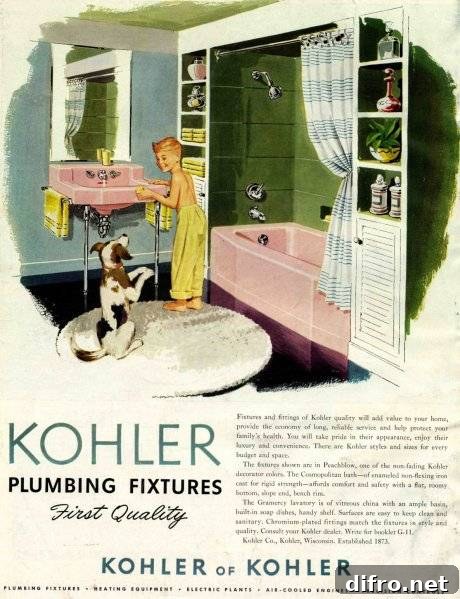
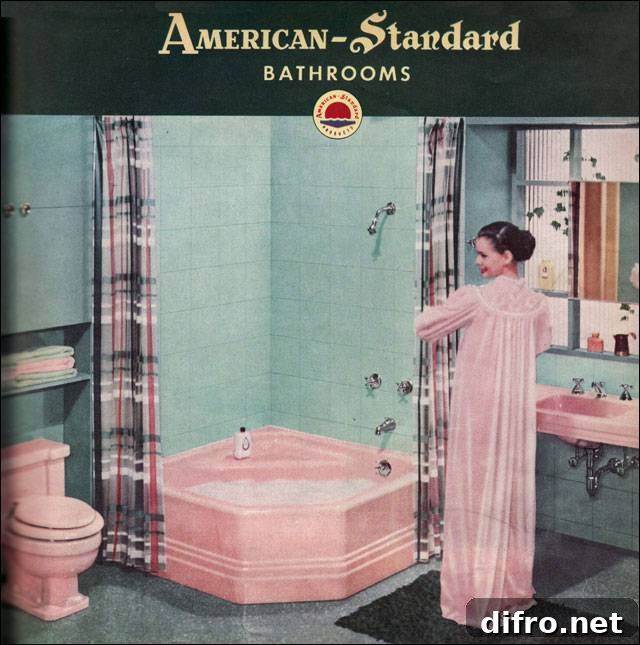
During the mid-20th century, manufacturers such as Kohler, American-Standard, and Sears offered bathroom fixtures in a range of colors, and pink was among the most popular through the 1950s and into the 1960s. These bright color offerings reflected the optimistic spirit of the postwar era and were promoted through catalogs aimed at homemakers. More than one shade of pink was used historically—Peachblow was a favorite among them—so vintage bathrooms could range from soft blush to more saturated rose tones.
Renovations: before-and-after ideas
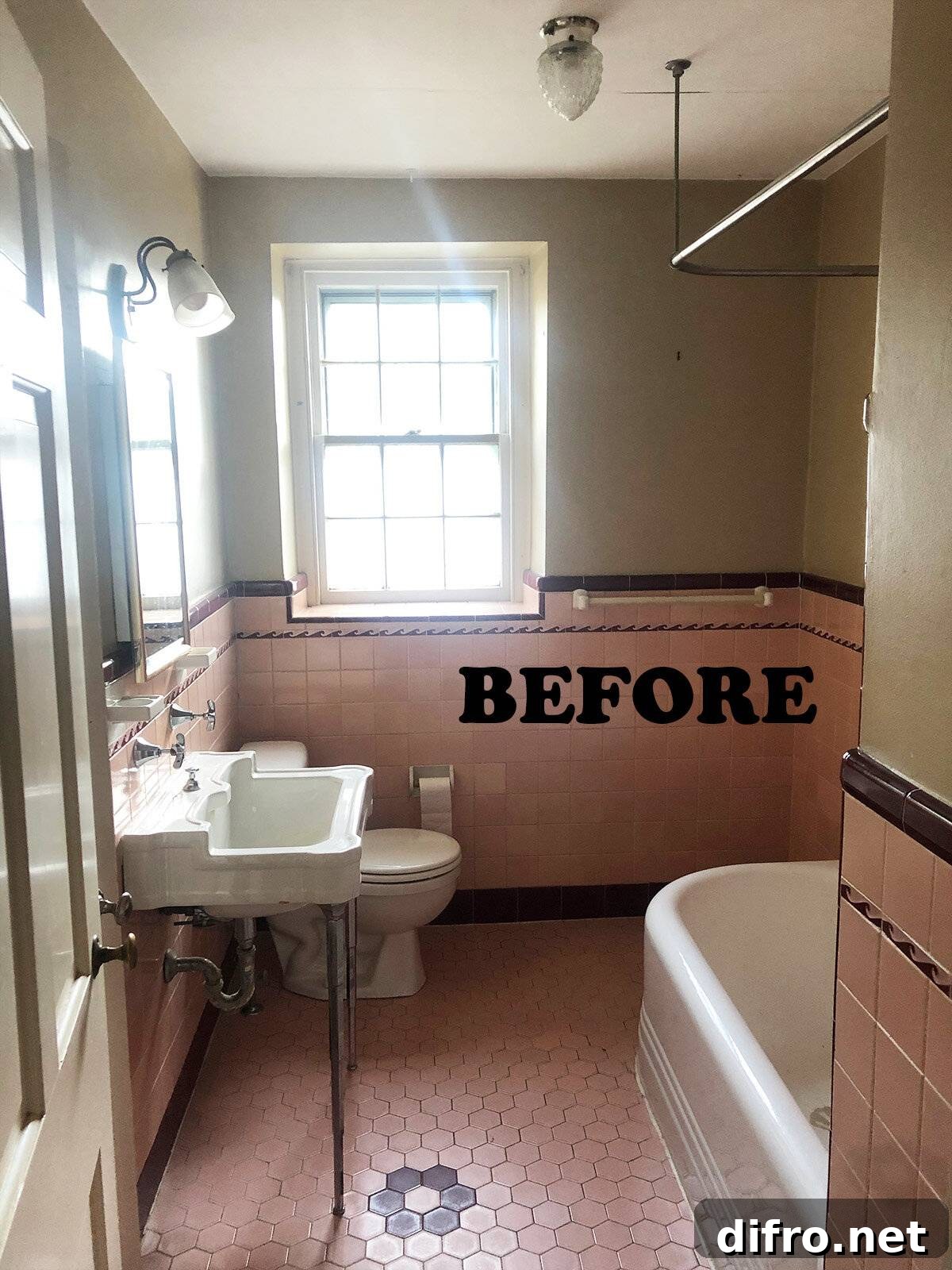
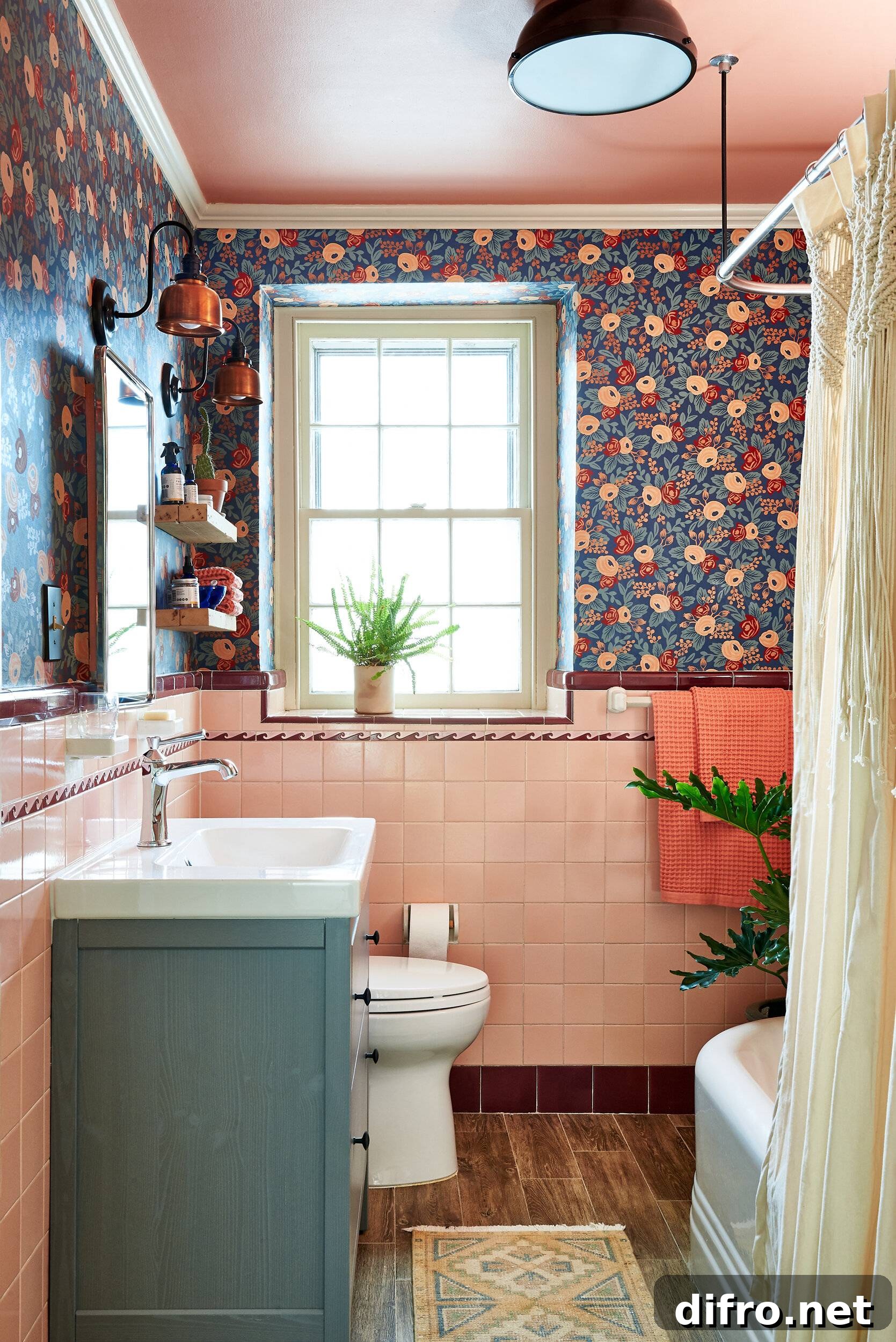
When renovating an older home, the goal is often to preserve character while updating for modern comfort and style. Small interventions—re-grouting tile, restoring original tubs and fixtures, or replacing dated flooring—can keep the vintage charm without letting the space feel stuck in the past. In some cases, replacing an unattractive pink floor with hardwood and introducing pink on the ceiling or in accessories creates a balanced, contemporary look that honors the original palette.
Mixing vintage and contemporary elements
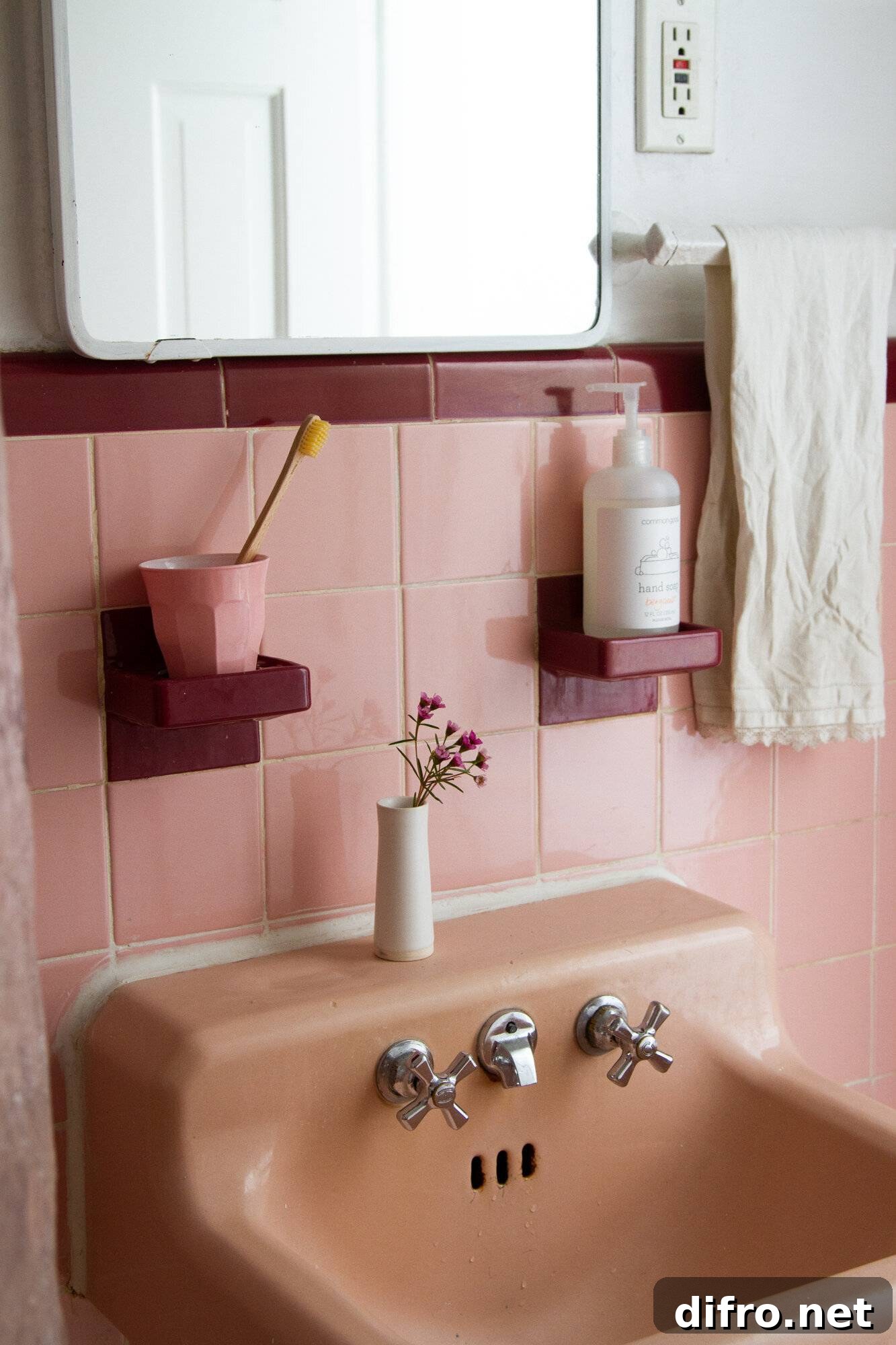
Integrating pink into a bathroom can be as simple as painting walls and adding complementary textiles, or as ambitious as sourcing vintage fixtures and mixing them with modern hardware and finishes. Flea markets and thrift stores are excellent places to find period-appropriate accessories if you want authentic vintage character. For a modern interpretation, choose streamlined fixtures and let pink appear in tile, cabinetry, or décor pieces to keep the space feeling fresh.
50 shades of pink — choosing the right tone
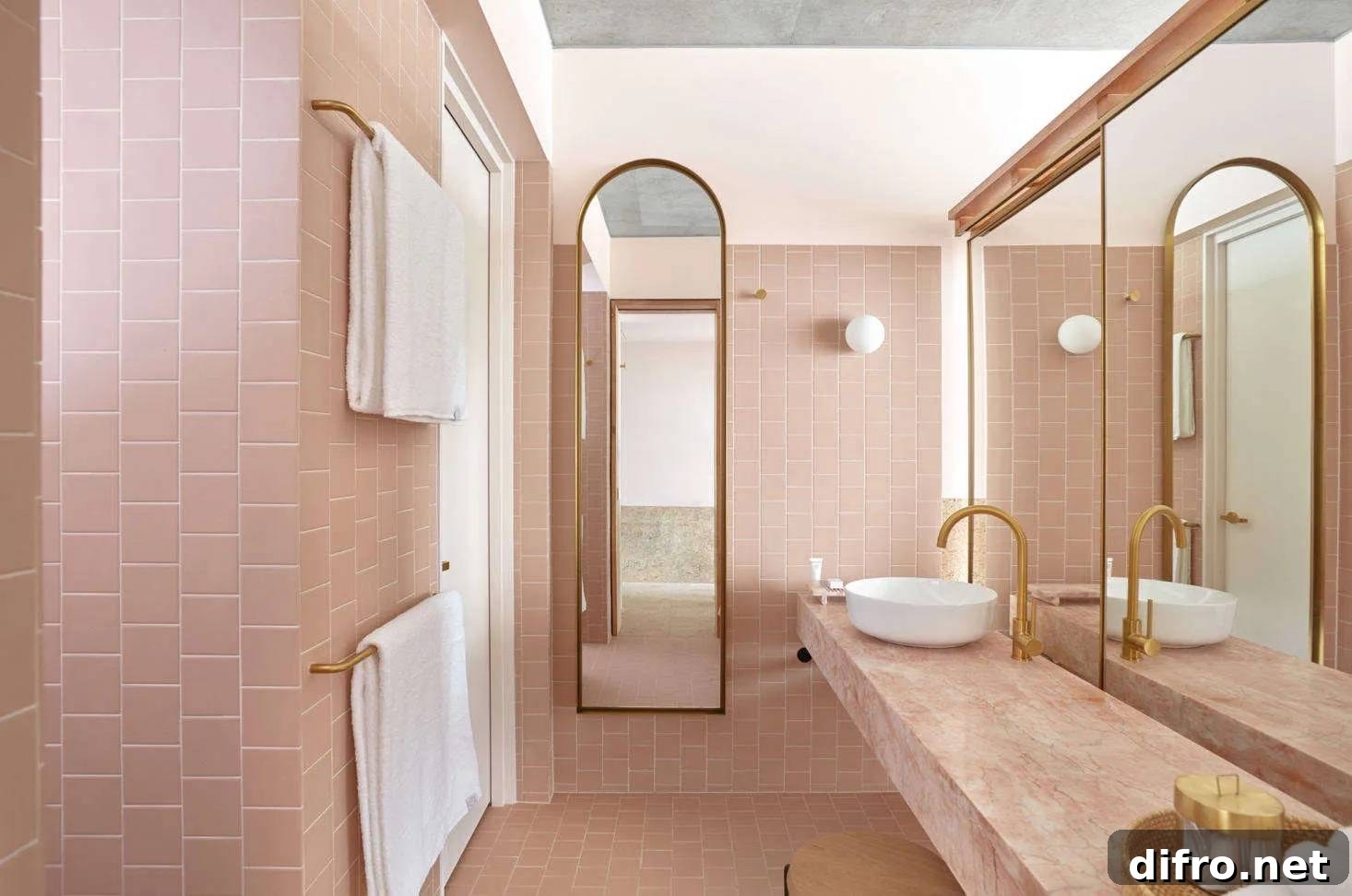
There’s a wide spectrum of pinks—from blush and peach to magenta and coral—so picking the right tone is key. Soft blush and dusty rose work well in small spaces or when paired with neutral stone and wood. Brighter pinks are excellent for statement walls, tile, or vanities in larger powder rooms. Consider how natural and artificial light affect the hue: a pink that reads warm and subtle in daylight can become vivid under certain lighting, so test samples on the wall before committing.
Wallpaper: a quick transformative tool
Wallpaper is one of the most effective ways to change a room’s character. Patterned pink wallpaper can add texture, depth, and personality—especially in small powder rooms where it becomes a focal point. Mixing patterns and layered textures with curated accessories makes a space feel intentional and collected. When selecting wallpaper, choose moisture-tolerant options and consider vinyl-backed papers or wall panels for longevity in humid environments.
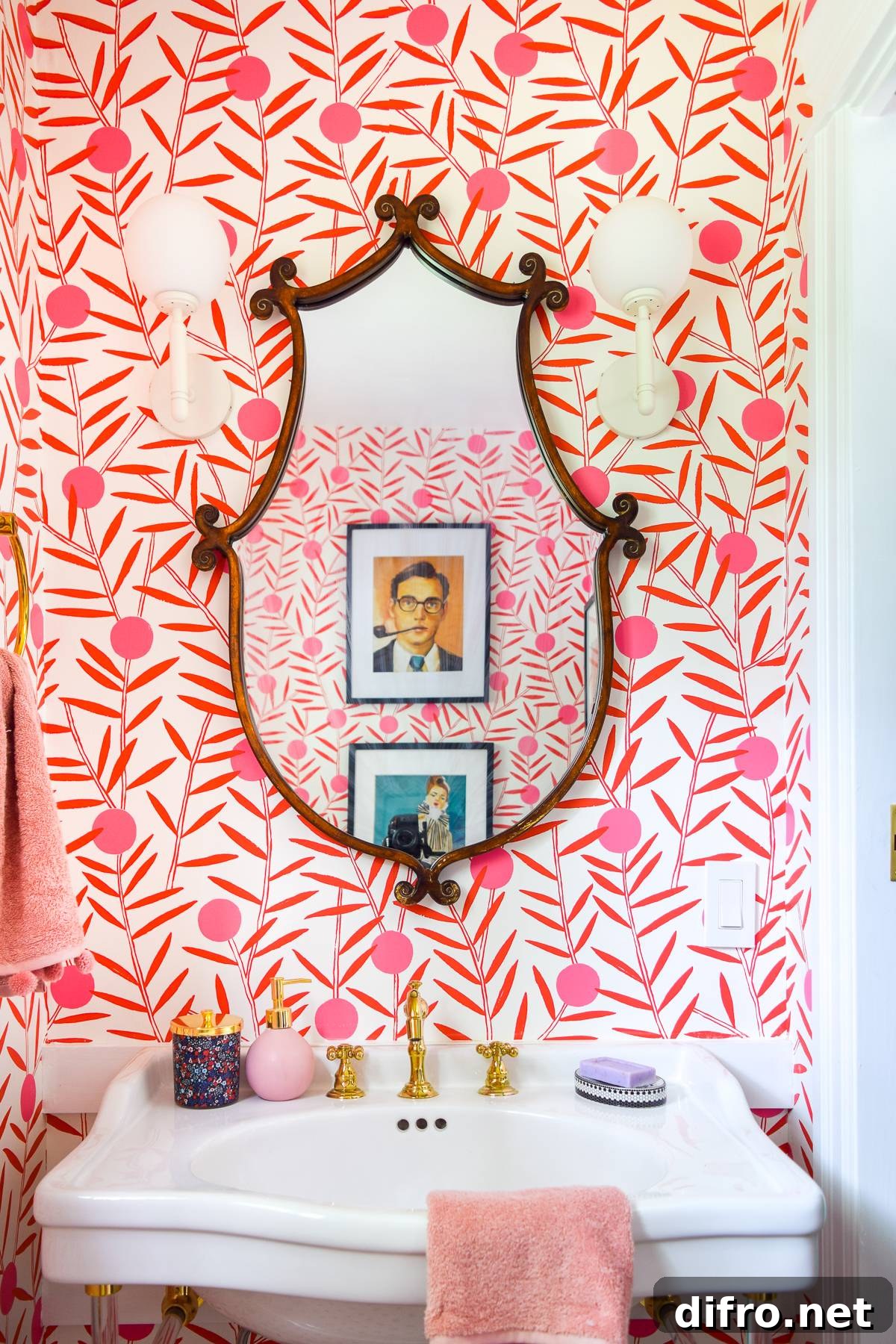
Pink bathroom details to start with
If you’re hesitant to go all-in, try easing into pink through details: towels, sconces, soap dishes, framed art, or a painted mirror frame. Swapping light fixtures or updating a vanity top with a pink-toned tile can be a low-commitment way to test the color. Even subtle pink accents can make a strong visual impact and set the tone for the rest of the home’s palette.
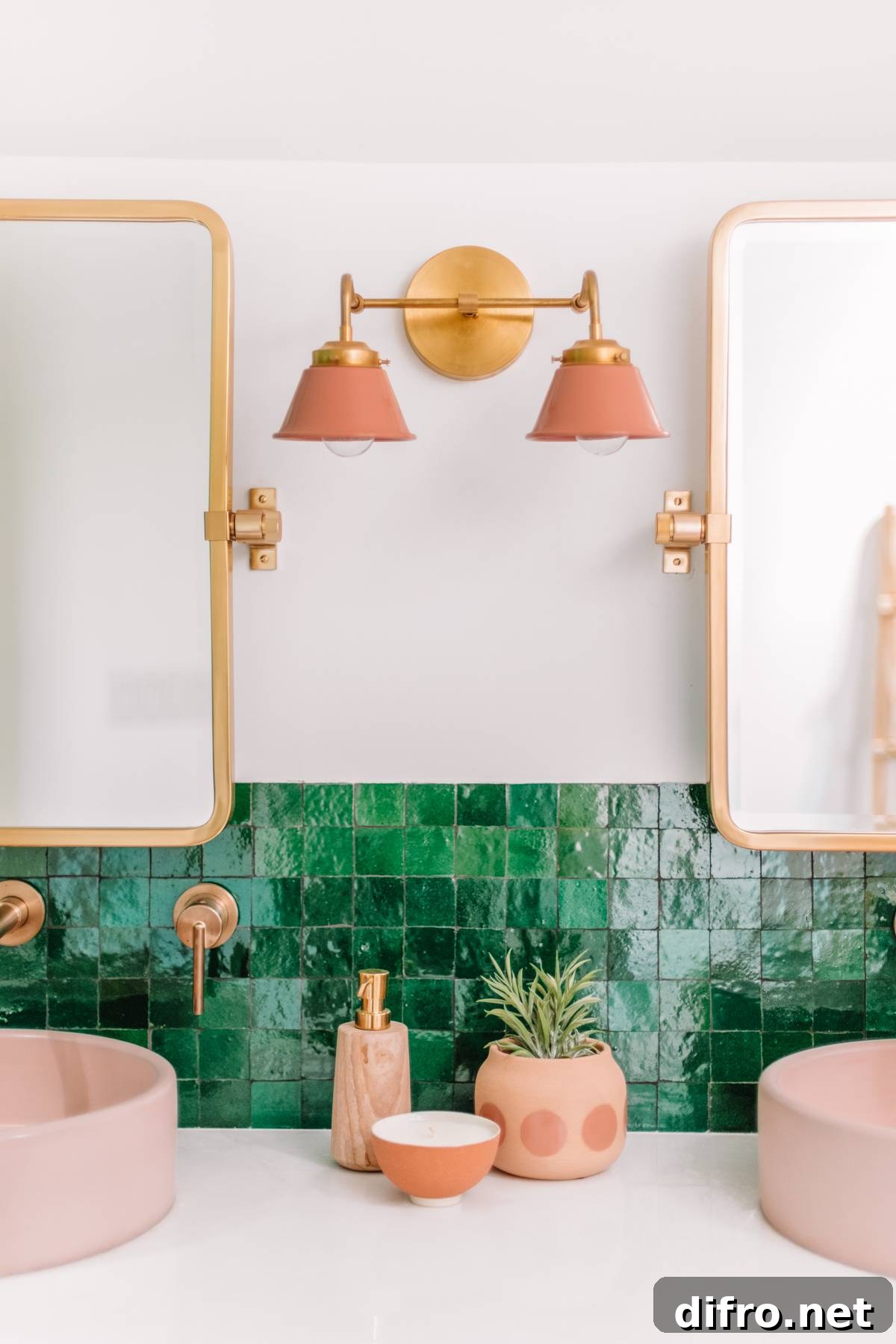
Whether you lean vintage or modern, soft or vibrant, a pink bathroom can be playful, elegant, or both. Plan with light, texture, and balance in mind, and don’t be afraid to experiment—after all, color is what turns a house into a home.