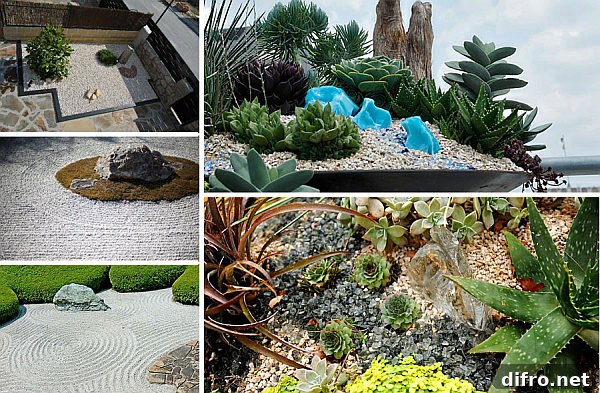
Why create a rock garden? They are low-maintenance, stay attractive year-round, and add texture and contrast to any landscape. Whether you want to replace a lawn with pebbles, build a compact modern garden in a large planter, or terrace a slope with stones and alpine plants, rock gardens offer flexible, stylish solutions. The images below will give you plenty of inspiration.
Planning Your Rock Garden
Start by imagining the finished garden. Will it occupy a large section of your yard, or will it sit inside an edging or planter? Consider orientation, slope, drainage and how the garden will connect with paths or other landscape elements. Consult a local nursery for plant recommendations and check reputable online tutorials for construction tips.
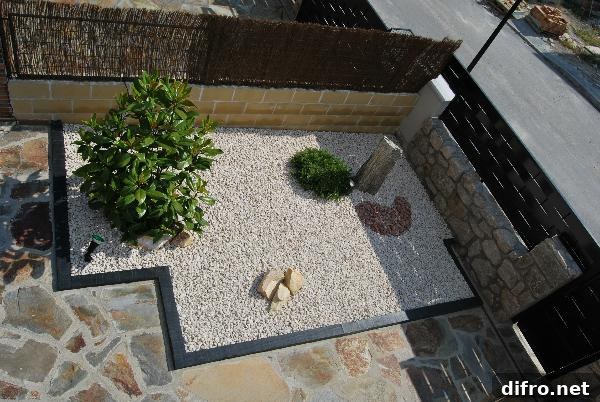
Sometimes the best location is obvious: a narrow strip beside a driveway, a sloping verge, or a patch by the street that needs attention. In constrained sites, use stones of varying textures and a few carefully placed plants to define the area and create visual interest. Layering rocks and plants of different heights helps form depth and structure.
If your site allows, incorporate functional landscape elements such as stepping stones or pathways. Pebbles work beautifully as filler between larger rocks and stepping slabs, creating seamless transitions between hardscapes and planted pockets. Let your layout reflect your creativity—paths can weave through the garden, or the garden can merge into an existing walkway.
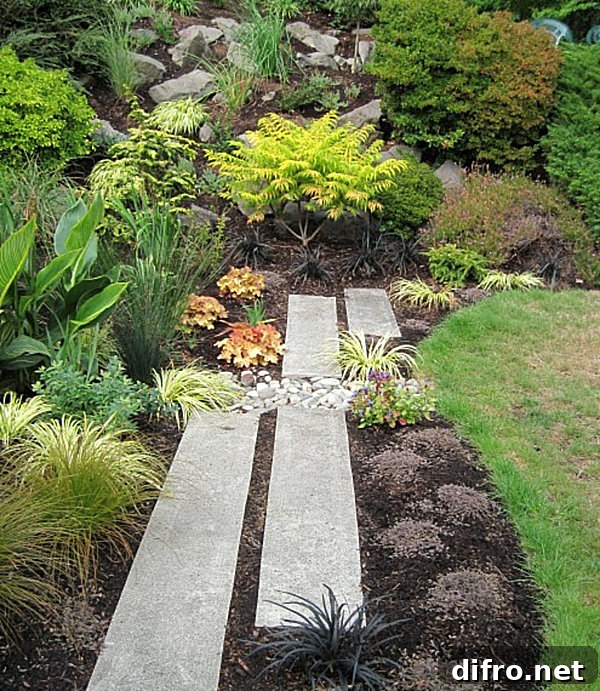
Levels of Pebbles
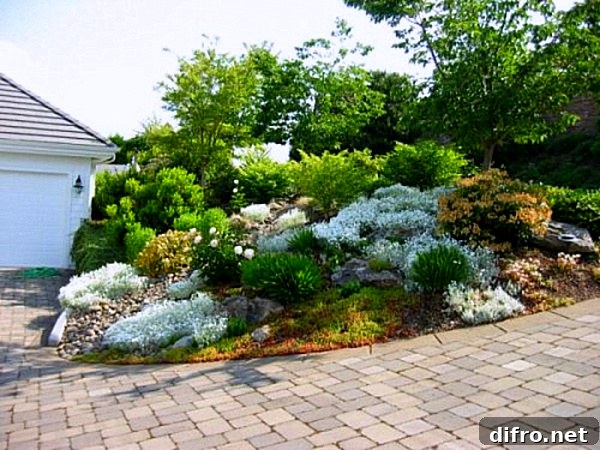
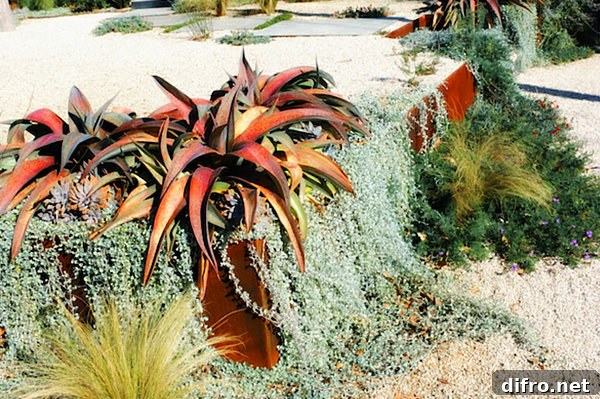
Adding levels and terraces enriches the visual composition of a rock garden. Use metal edging, retaining stones, or planted risers to create terraces and raised beds. Gravel steps or a graveled path can guide movement through the garden and help manage elevation changes while contrasting with beds of larger rock.
Informal terracing can be achieved with large, strategically placed boulders that appear natural while stabilizing slopes. This approach works well for natural-style gardens that mimic mountain ledges, combining substantial rocks with hardy alpine and mountain plants.
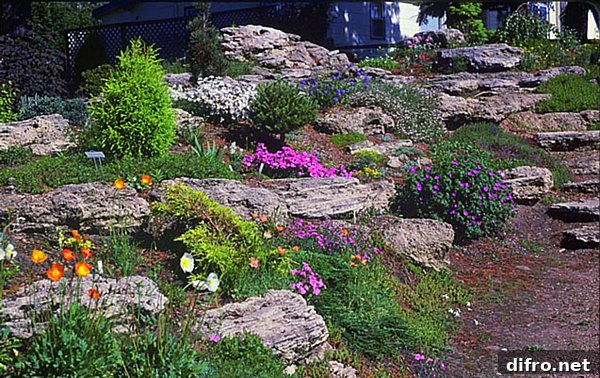
Rock Selection and Details
Choosing the right stones is central to a successful rock garden. Decide whether you want a uniform look with matching pebbles or a varied palette of sizes and colors. Small stones, gravel and decorative glass pieces can create texture and focal points, while large boulders establish structure and sculptural interest.
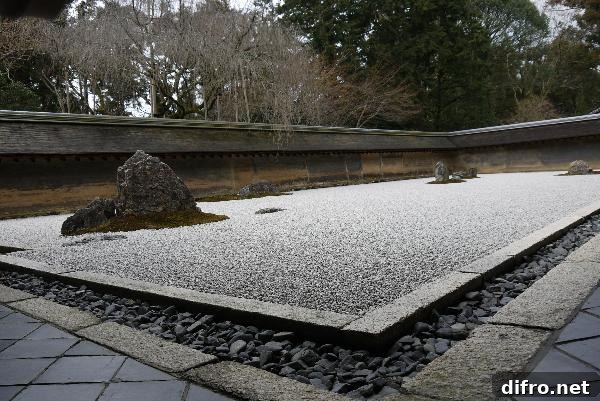
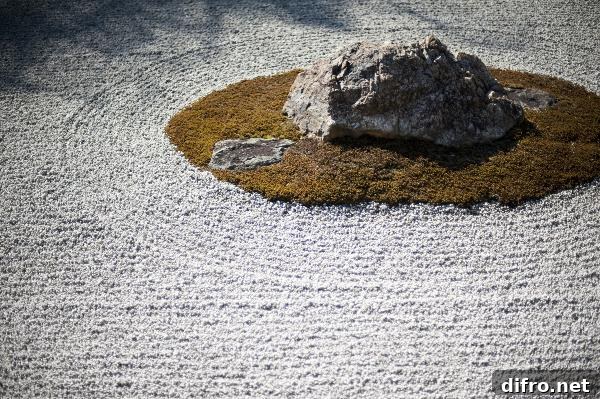
Look to examples like Zen gardens for simplicity and balance: carefully arranged stones, moss borders and raked pebble patterns can evoke calm and order. Raked lines or circular patterns in fine gravel add movement and deliberate texture. Dark smooth pebbles make effective borders, while mixed light and dark stones add contrast.
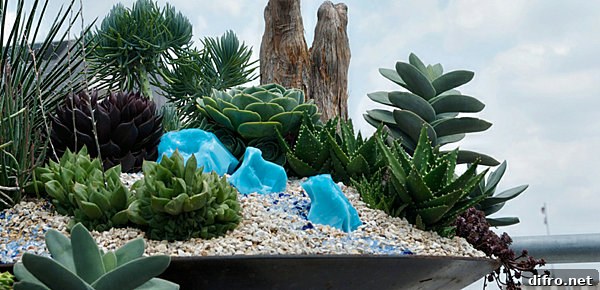
Small decorative stones—like glassy accents or colored pebbles—work well in mini gardens and planters to create a striking focal point. Stacked rocks or stone sculptures can serve as artistic features and emphasize an eco-friendly, hand-crafted aesthetic.
Plants for Rock Gardens
Plants are as important as stones in a rock garden. Choose species that thrive in well-drained conditions—evergreens, succulents, alpines and many herbs (such as oregano) perform especially well. Aim for a variety of colors, textures and heights to keep the composition dynamic throughout the seasons.
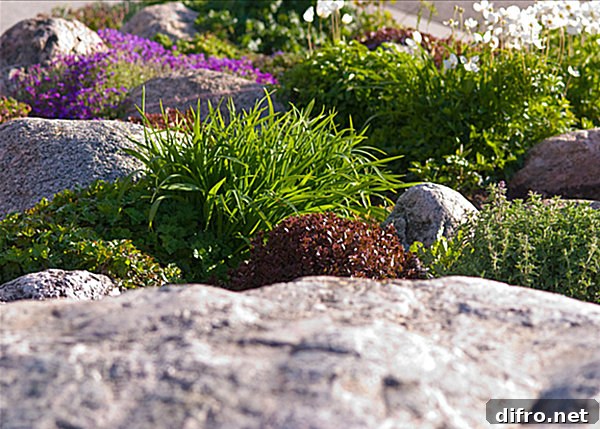
Combine groundcover succulents with compact shrubs and taller accent plants to create visual layers. Many rock garden plants come from mountainous regions, so mimic those conditions with gritty, fast-draining soil and plenty of sunlight. Research the soil and moisture needs of each plant to ensure long-term success.
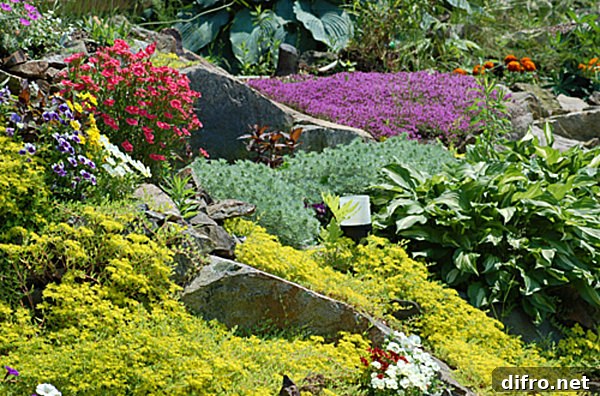
Finally, use found natural elements from around your property to personalize the design—fallen branches, leftover stones and driftwood can all become integrated features. Visit a rock shop or craft store for special accent stones if you want a pop of color or a unique focal element. With thoughtful planning, careful rock selection and the right plants, you can create a rock garden that is both low-maintenance and endlessly rewarding.