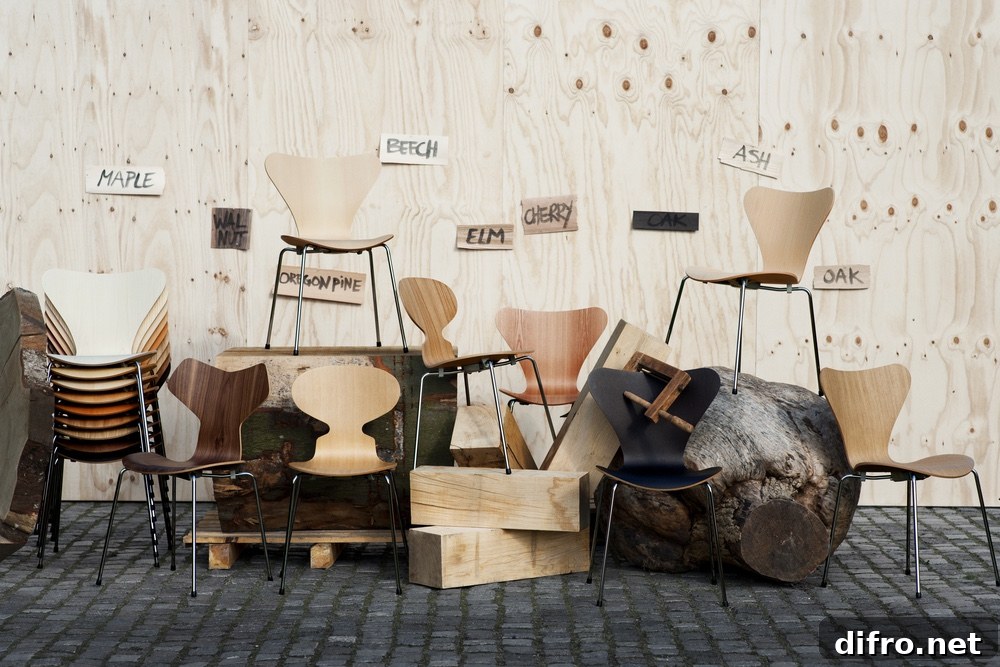
Arne Jacobsen was a leading figure in Danish design—an architect, artist and product designer whose work remains influential and widely admired in contemporary interiors and architecture. Known for a rigorous modernist approach and an eye for refined detail, Jacobsen created buildings, furniture and everyday objects that still feel fresh and relevant.
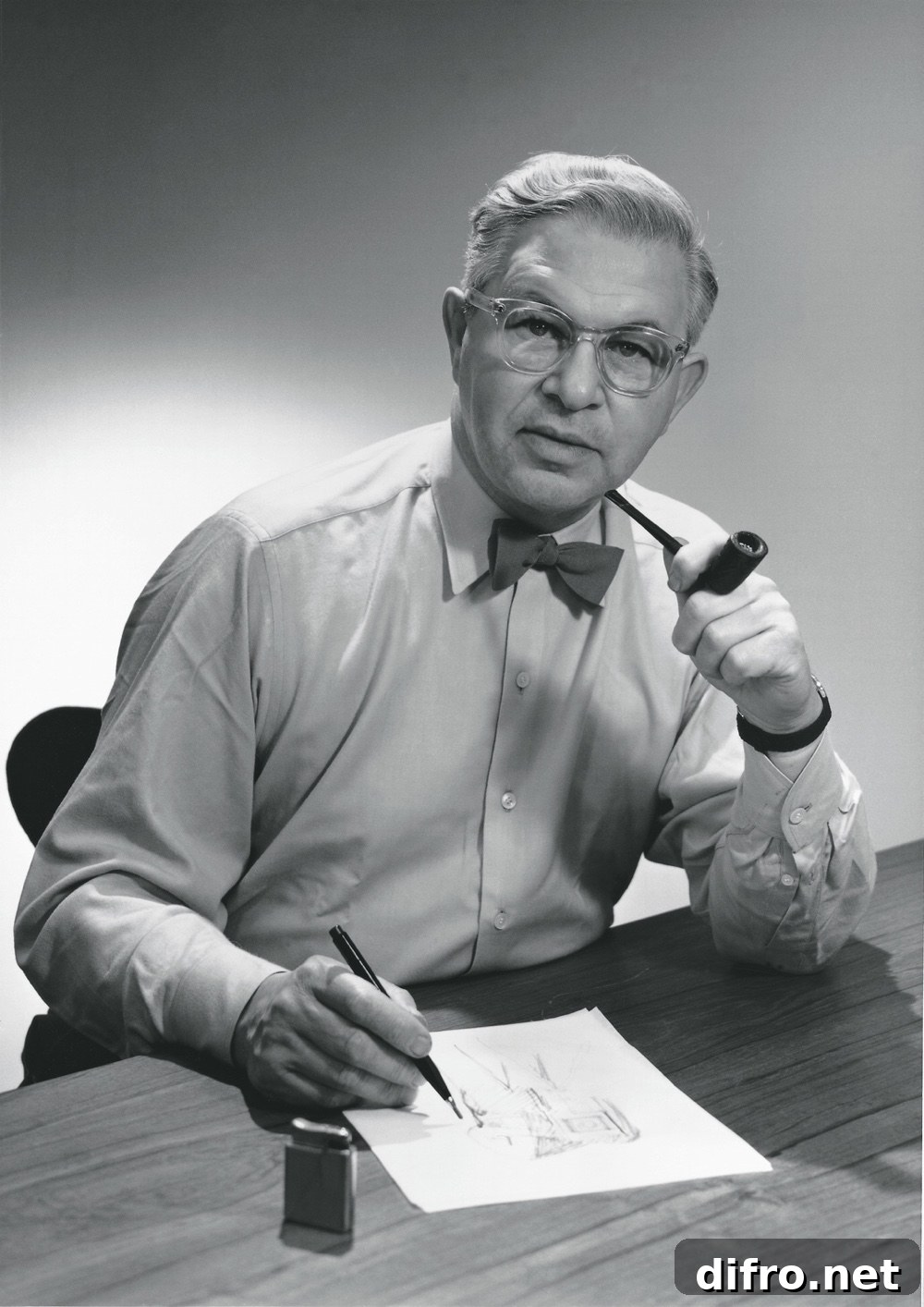
Arne Jacobsen. Image credit: tonguechair.com (original source).
Early Life and Education
Born in 1902 in the Østerbro neighborhood of Copenhagen, Jacobsen showed an early talent for visual arts. Although he initially wanted to become a painter, family circumstances guided him toward a more practical path. After brief periods as a sailor and an apprentice bricklayer, he enrolled at Copenhagen Technical College and, with his father’s approval, continued his studies in architecture at the Royal Danish Academy of Fine Arts under Kaare Klint—an important influence and a pioneer of modern Danish furniture design.
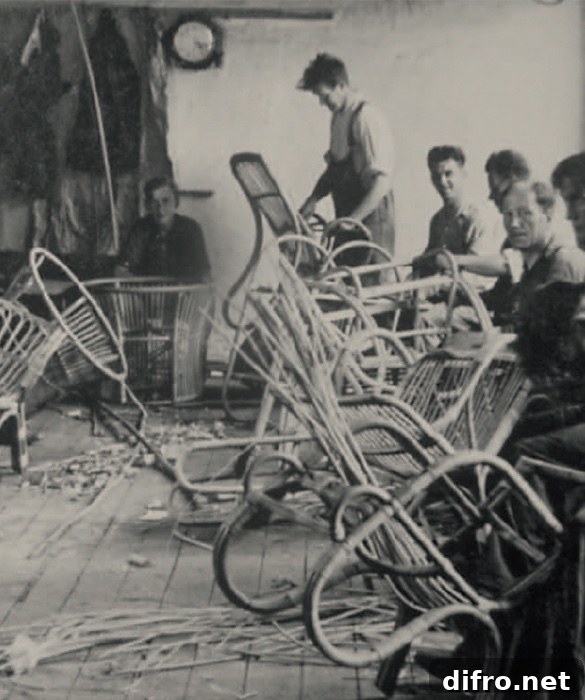
While still a student, Jacobsen gained recognition at the 1925 World Exhibition in Paris, where his ‘Paris chair’ design was awarded a silver medal. That same trip exposed him to Le Corbusier’s Pavillon de l’Esprit Nouveau, an encounter that helped shape his understanding of modern interior design and architectural thinking.
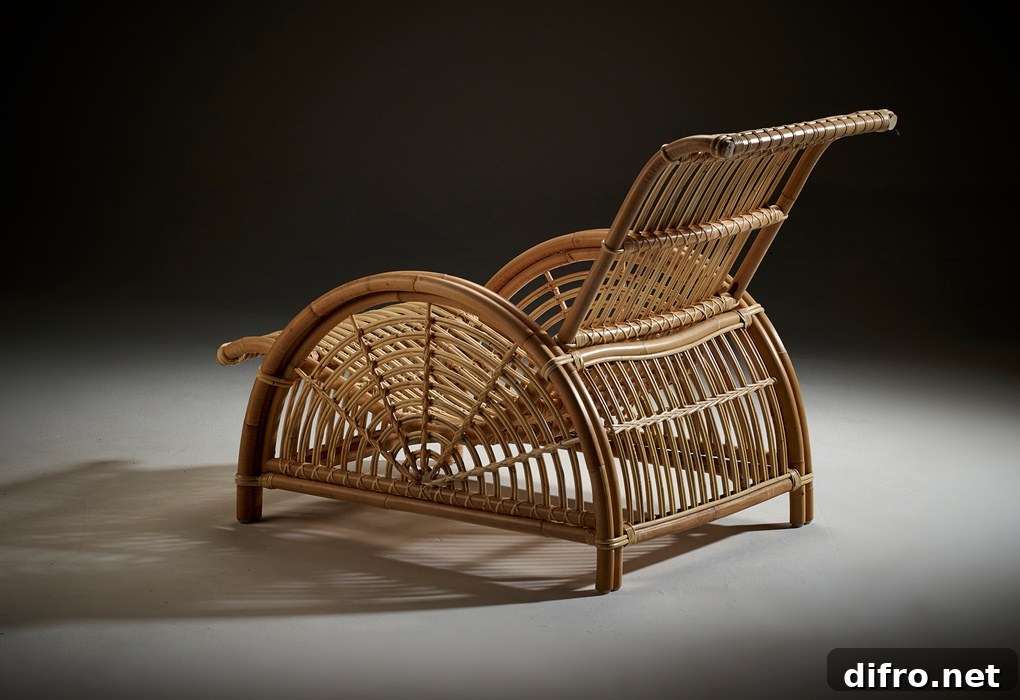
Paris chair in rattan. Handmade by Sika Design (original image source).
Early Architectural Work
After graduating from the Academy in 1927, Jacobsen worked at the City Architect’s Office in Copenhagen and soon moved into private practice. His commissions during the 1930s reflect both a modernist sensibility and an interest in functional housing. Notable early projects include the Bauhaus-influenced Bellavista housing complex north of Copenhagen (completed in 1934) and Søllerød Town Hall, a collaboration with Flemming Lassen that opened in 1942. For Søllerød, Jacobsen designed many of the interiors and furnishings himself; one revival from that period, the Mayor Sofa, was relaunched decades later.
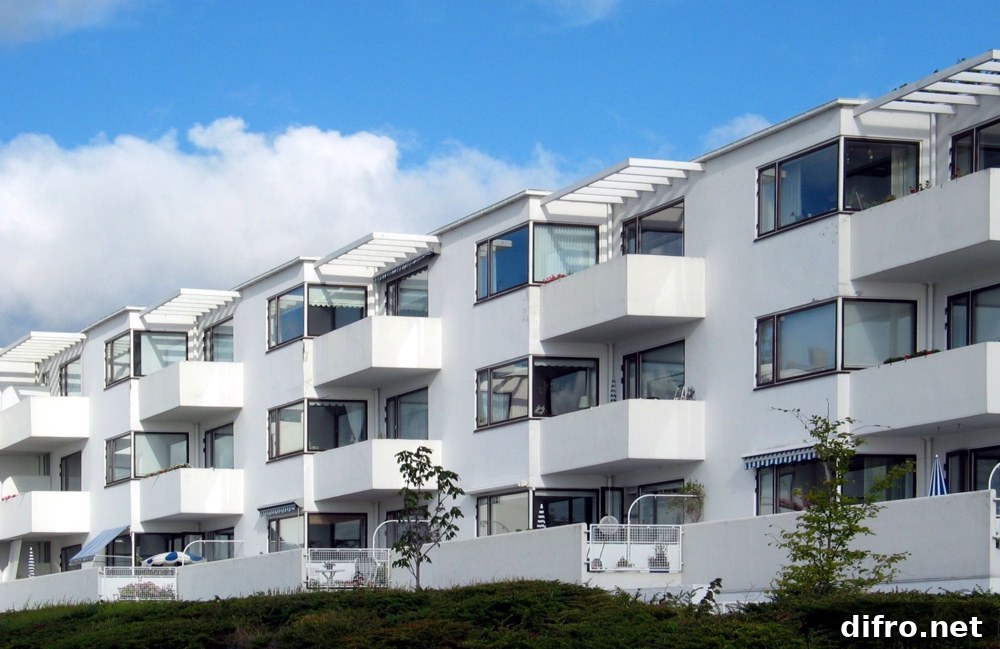
Bellavista housing complex, Copenhagen area. Image credit: Hans Andersen (Wikimedia Commons).
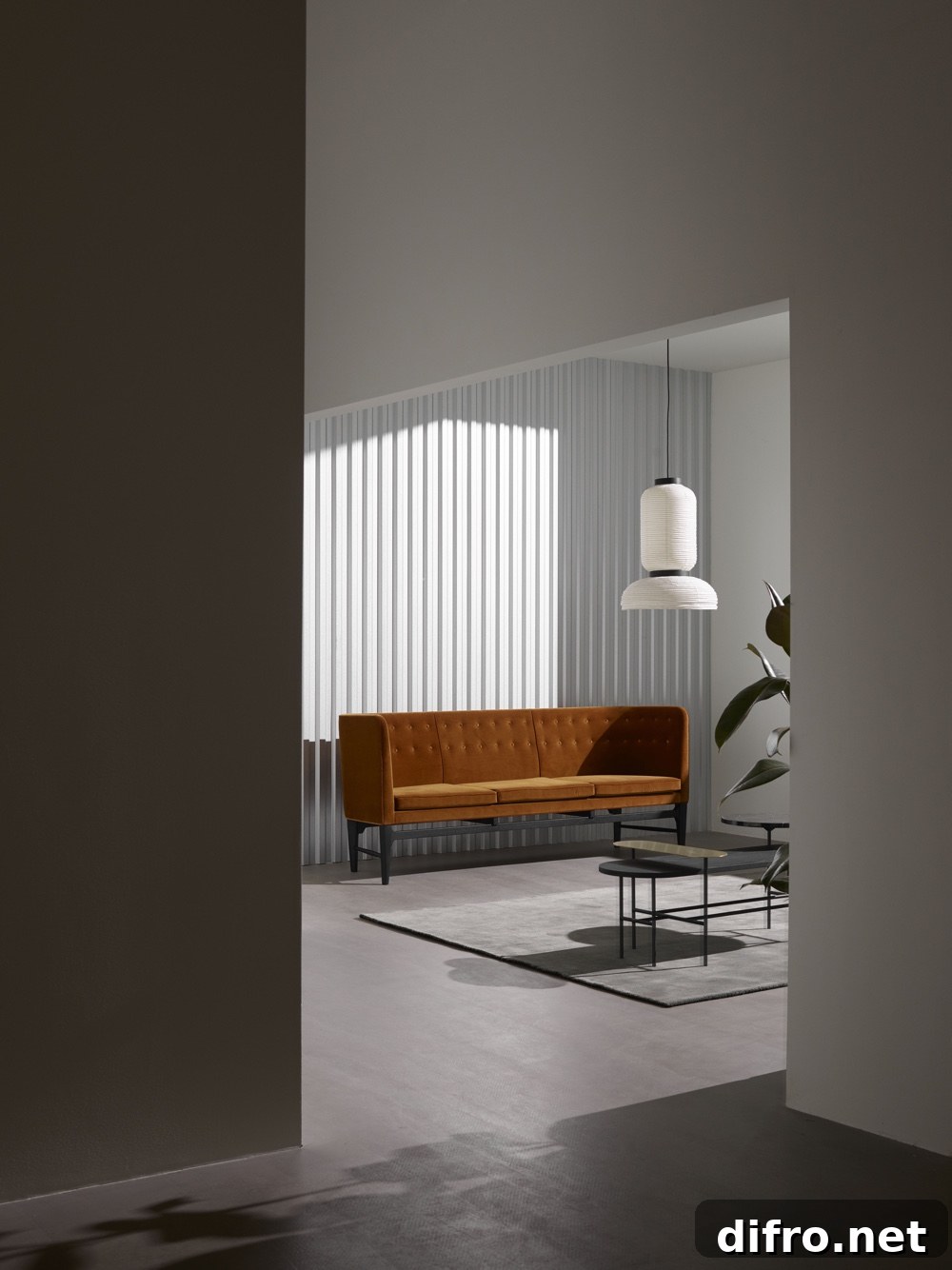
The Mayor Sofa, a Jacobsen design later reissued by &Tradition.
Transition to Product Design
World War II interrupted many large architectural commissions, and Jacobsen spent the war years in exile in Sweden because of his Jewish heritage. After returning to Denmark in 1945, he took on rebuilding projects, but by the 1950s his interest in furniture and product design grew, inspired in part by the innovations of American designers such as Charles and Ray Eames. Jacobsen increasingly explored new materials and production methods, producing streamlined, practical furniture that combined elegant form with industrial efficiency.
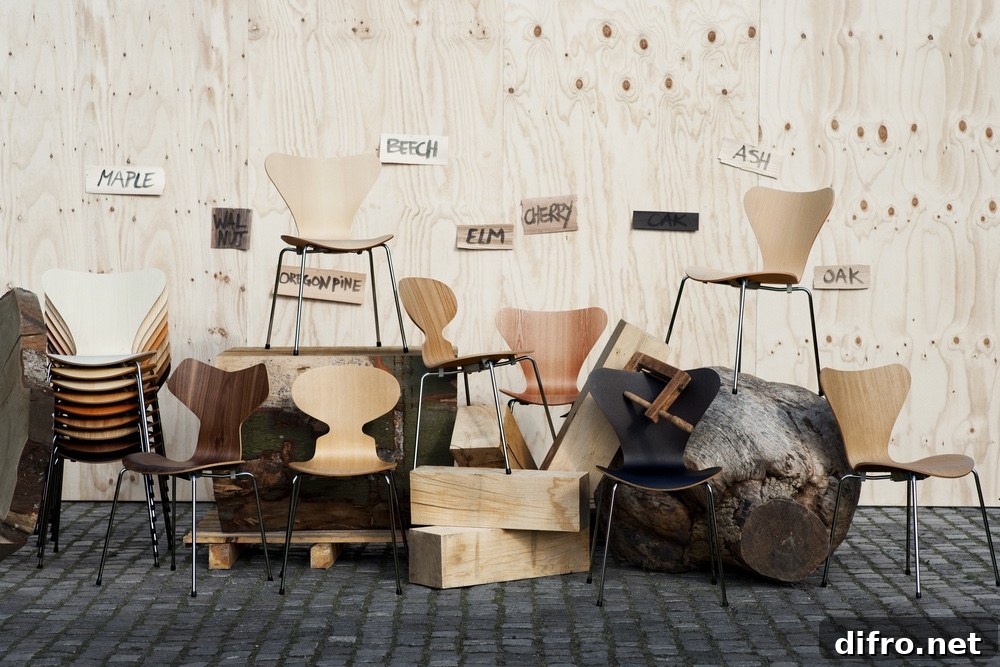
Stacking chairs by Arne Jacobsen (Series 7™, Grand Prix™ and Ant™).
Jacobsen’s long collaboration with the furniture manufacturer Fritz Hansen brought some of his most enduring pieces into mass production. In 1952 he introduced the Ant™, a lightweight, stackable plywood chair with a continuous seat and back. The Ant’s success paved the way for the Series 7™ chair in 1955, a versatile bent-plywood design that became a global classic—selling millions of units and establishing Jacobsen and Fritz Hansen as icons in Scandinavian furniture design. The Grand Prix™ chair followed in 1957 and won the Grand Prix award at the XI Triennale di Milano.
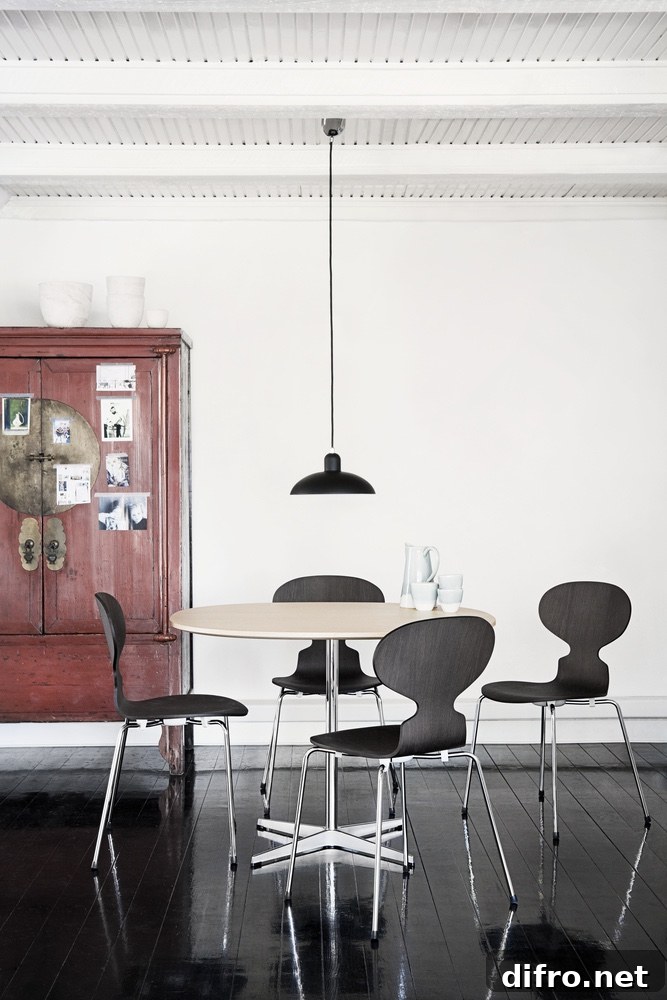
Ant™ chair. Image credit: Republic of Fritz Hansen.
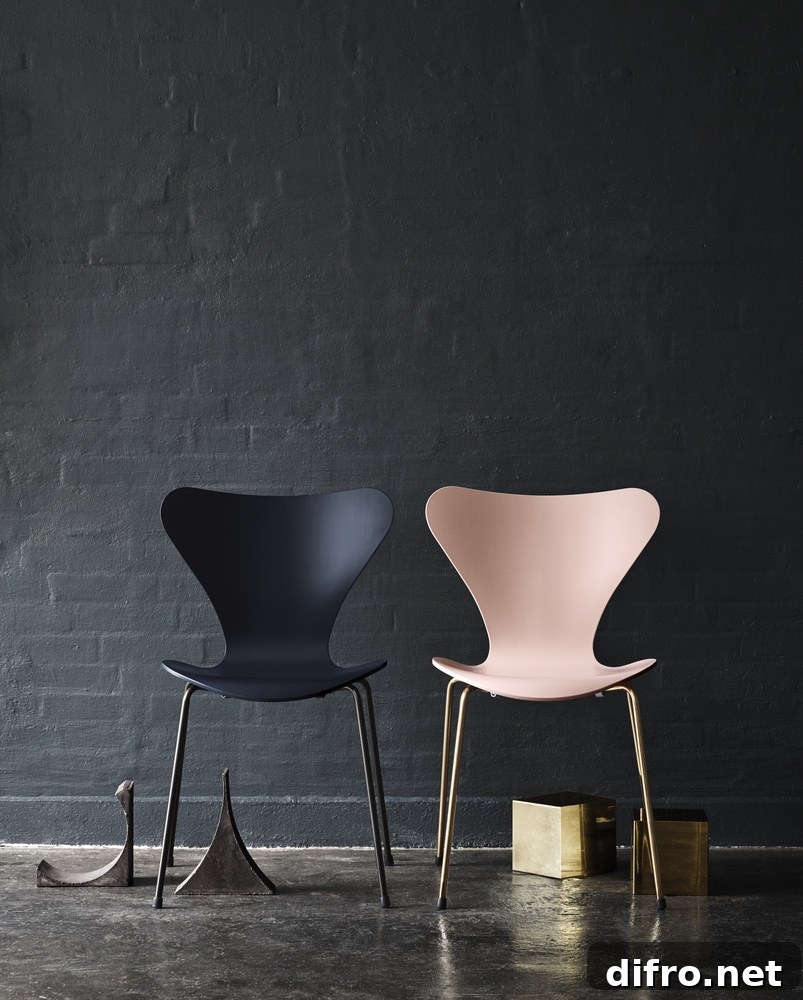
Series 7™ – anniversary edition of one of Jacobsen’s best-known designs.
SAS Royal Hotel, Copenhagen
One of Jacobsen’s most ambitious and complete projects was the SAS Royal Hotel in Copenhagen, completed between 1958 and 1960 (today the Radisson Blu Royal Hotel). Jacobsen designed the building, the interiors and a wide range of fixtures and furnishings—down to the cutlery and ashtrays—creating a cohesive modernist environment. For the hotel he produced several iconic seating pieces: the Egg™, Swan™ and Drop™ chairs, each tailored to different public spaces within the hotel.
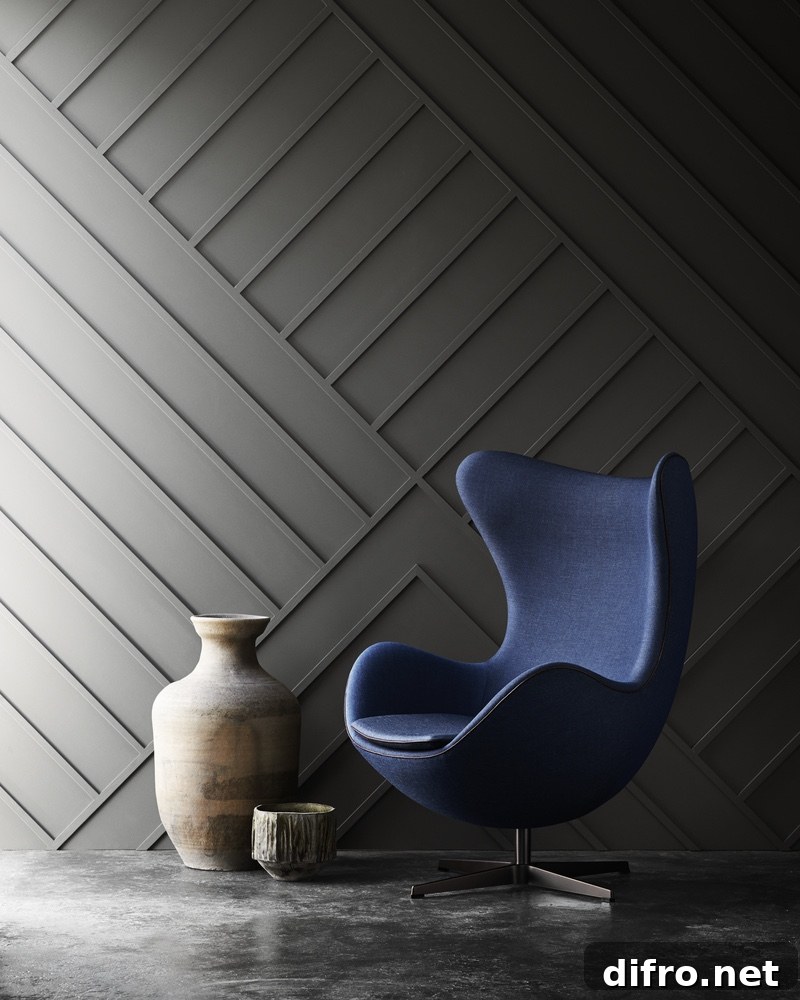
Egg™ chair—originally created for the SAS Royal Hotel lobby.
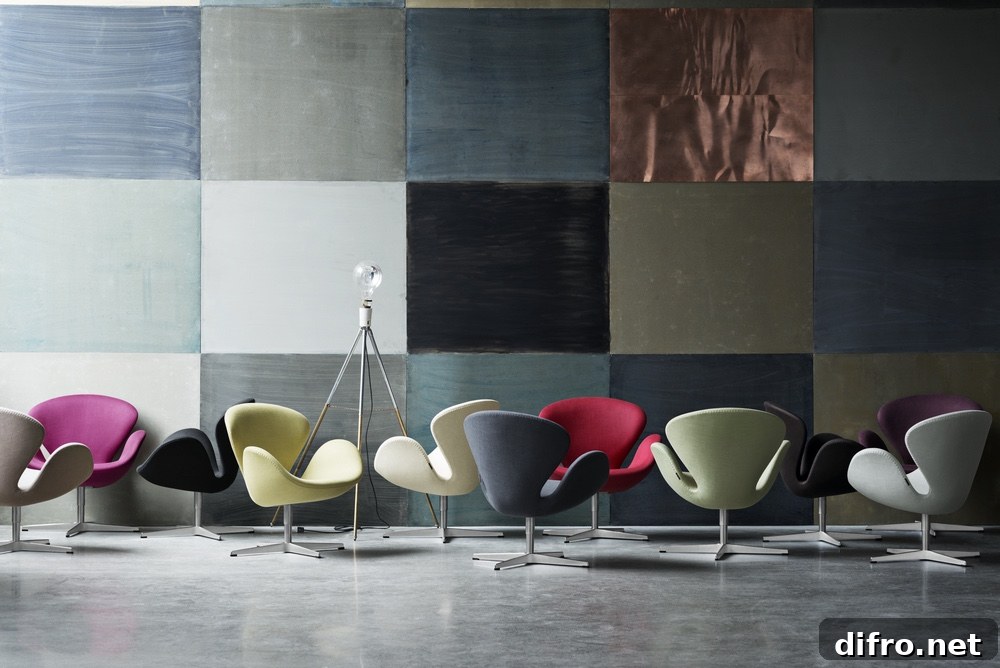
Swan™ chair in a range of finishes.
Room 606 at the hotel remains a preserved example of Jacobsen’s original vision and can be reserved by guests. It still contains many of his designed pieces, including the Egg™ and Swan™ chairs, as well as his Series 3300™ sofa and easy chairs.
Design Approach and Legacy
Jacobsen practiced a disciplined, perfectionist form of modernism. He combined intuition with meticulous attention to detail, often designing complete settings—architecture, furniture and small objects—to achieve a unified aesthetic. His work is marked by clarity, economy of form and a consistent interest in how people use spaces and objects.
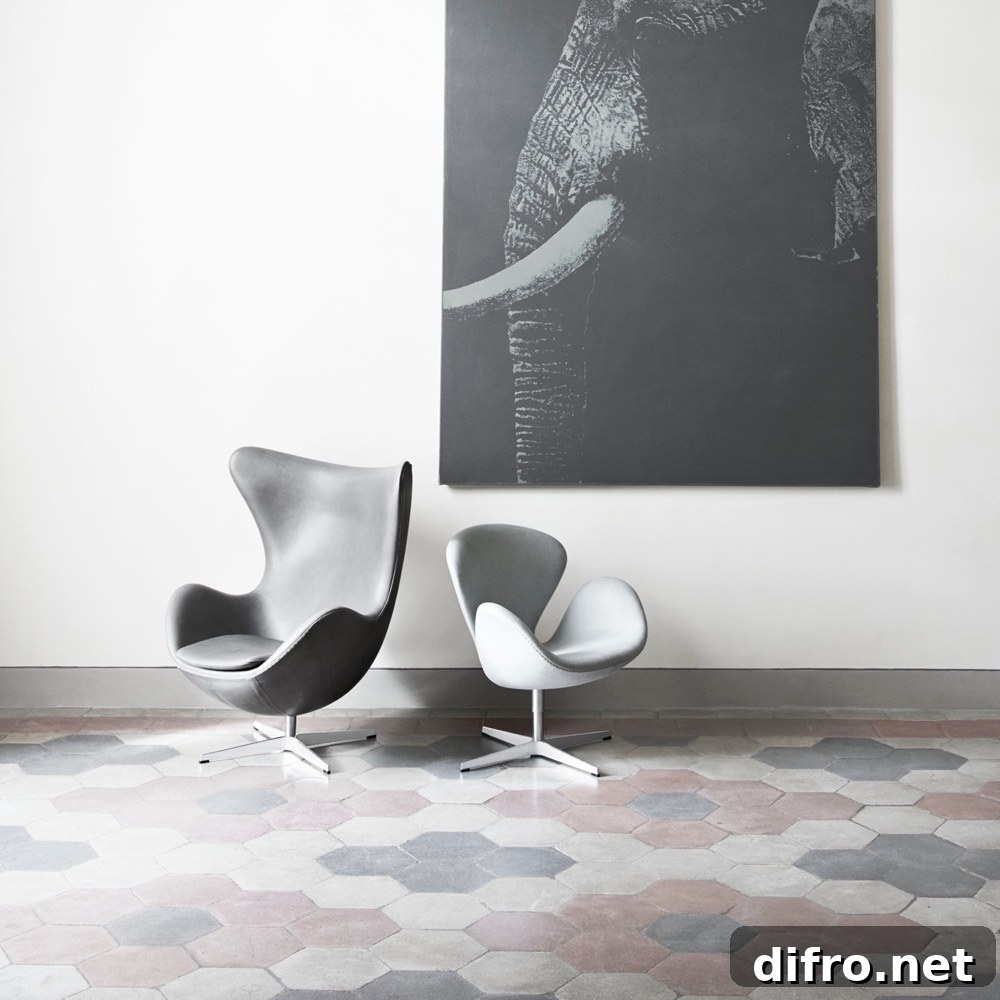
Egg™ and Swan™ chairs together reflect Jacobsen’s talent for sculptural, human-centered seating.
Arne Jacobsen died in 1971, but his influence lives on. From landmark buildings to widely used chairs like the Ant™, Series 7™ and the Egg™, his designs remain central to discussions of midcentury modern and Scandinavian design. His ability to blend architecture and product design set a standard for integrated, thoughtful design that continues to inform contemporary practice.
Bibliography:
- Arne-Jacobsen.com (2016). Arne Jacobsen — official resource and biography (accessed February 4, 2016).
- Design Museum (2016). Arne Jacobsen — collection and exhibit information (accessed February 4, 2016).