Like fashion and interiors, landscaping has trends that fall out of favor. While some outdated ideas persist, many homeowners are rethinking old approaches and transforming tired concepts into fresh, timeless outdoor spaces.
When planning a landscape design, the goal is to select elements that will refresh your yard and stand the test of time. Some techniques now feel dated or impractical, and replacing them with more thoughtful options can make your garden both more attractive and more sustainable.
Below are landscaping trends that are falling out of favor, and updated alternatives you can consider for a modern, lasting garden.
Fake Grass
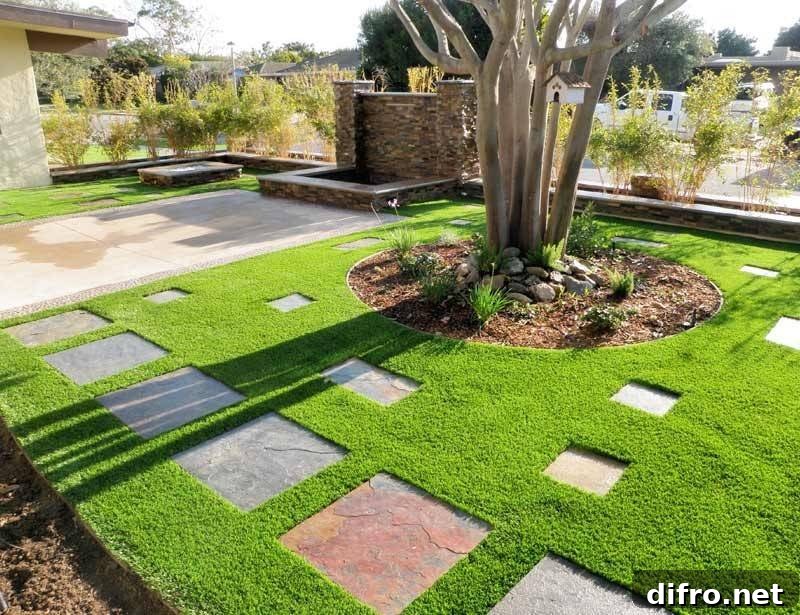
Artificial turf had its moment as a low-maintenance solution, but increasingly homeowners are returning to living lawns and natural planting. While synthetic grass can look neat year-round, it does not support local ecosystems, can retain heat, and often requires replacement every few years. For many yards, a better option is a well-chosen natural lawn or a planted meadow.
Wildflower meadows or mixed native grasses are especially appealing alternatives: they need little maintenance once established, provide habitat for pollinators, and create a softer, more natural appearance than plastic turf. If you still want low-maintenance green, consider drought-tolerant turf mixes, groundcovers, or small lawn areas combined with planting beds that reduce the need for frequent mowing and irrigation.
Unnatural, Showy Landscapes
Homes that rely on flashy, artificial materials and heavy-handed design can feel less inviting as tastes shift toward authenticity. Overuse of bright, synthetic features or mismatched textures often ages a landscape faster than a restrained, cohesive approach.
Instead, favor quality natural materials—stone, sustainably sourced wood, and durable metals—in moderation. Use them to complement plantings rather than dominate them. A balanced design with well-chosen plants, natural mulch, and a few carefully placed focal features will look better through the years than a saturated, over-styled installation.
Excessive Decorations
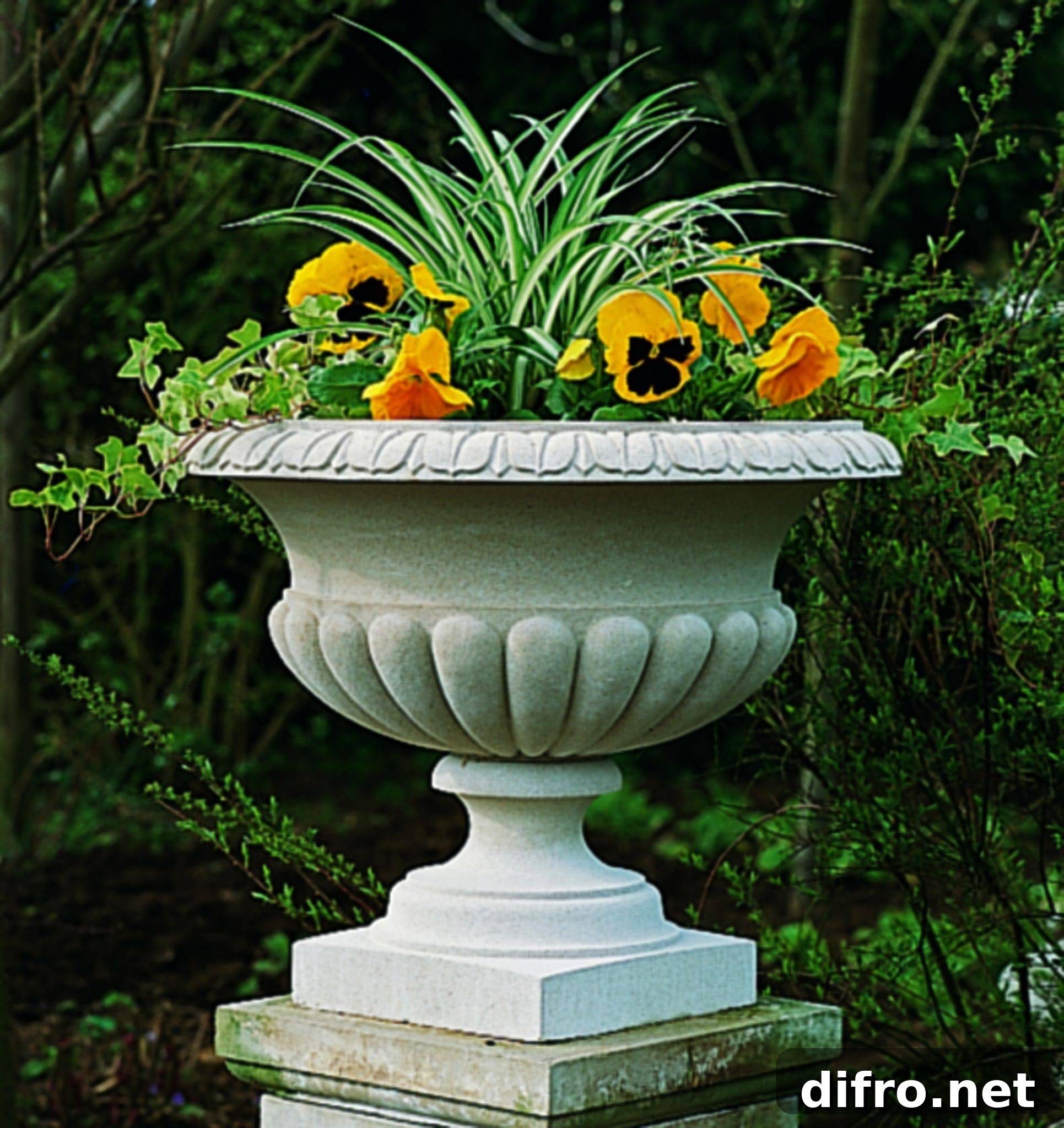
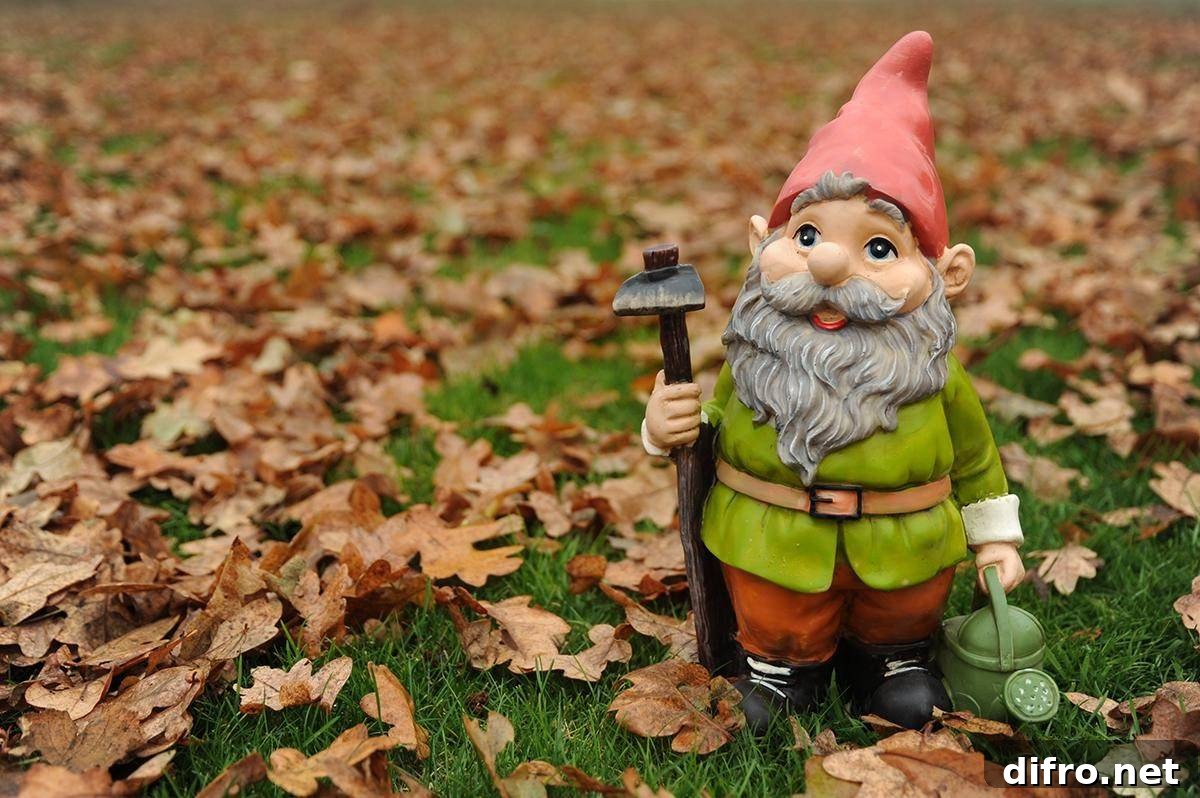
Garden ornaments—gnomes, oversized statuary, and many small trinkets—were popular in past decades, but today many designers recommend restraint. Too many decorative items can clutter a space and compete with plants for attention, making the yard feel busy and dated.
If you enjoy ornaments, choose a few pieces that fit the garden’s overall aesthetic and let them age naturally. Natural finishes and materials that blend with the planting palette create harmony and highlight the living elements rather than distract from them.
Hard Landscaping Dominance
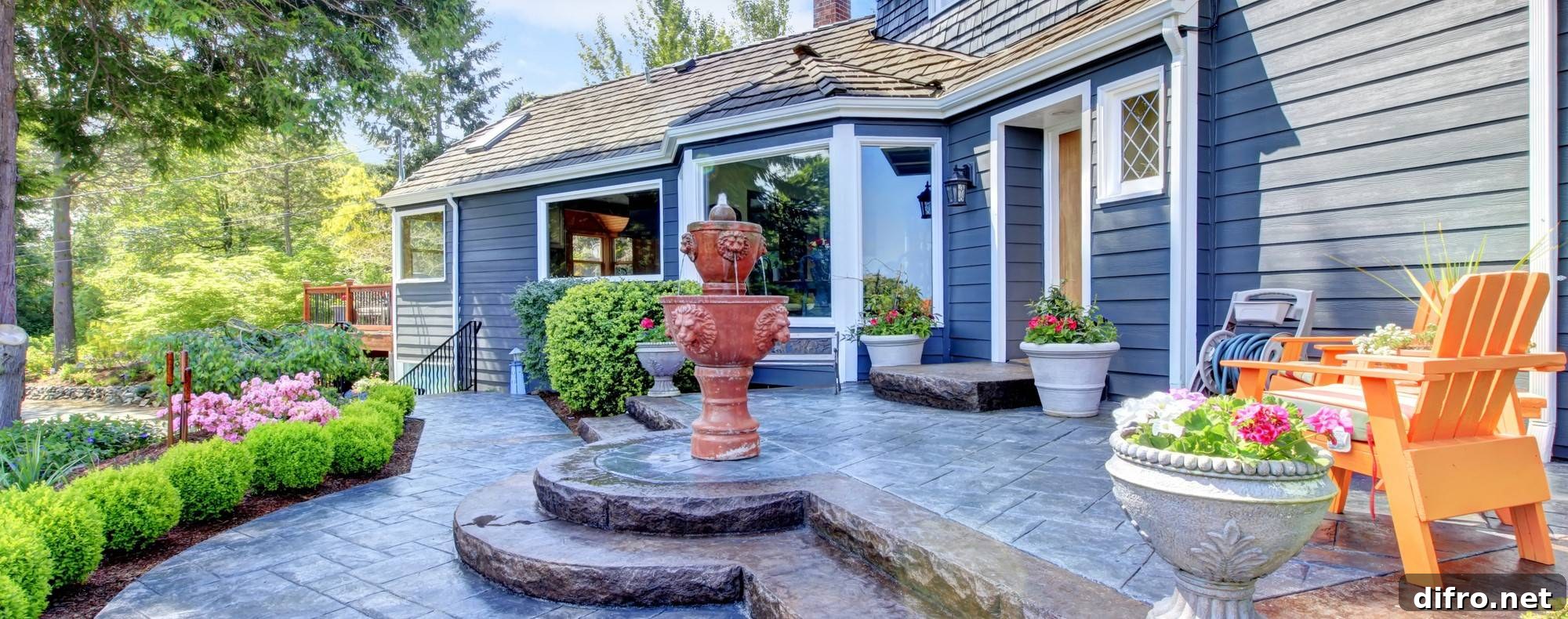
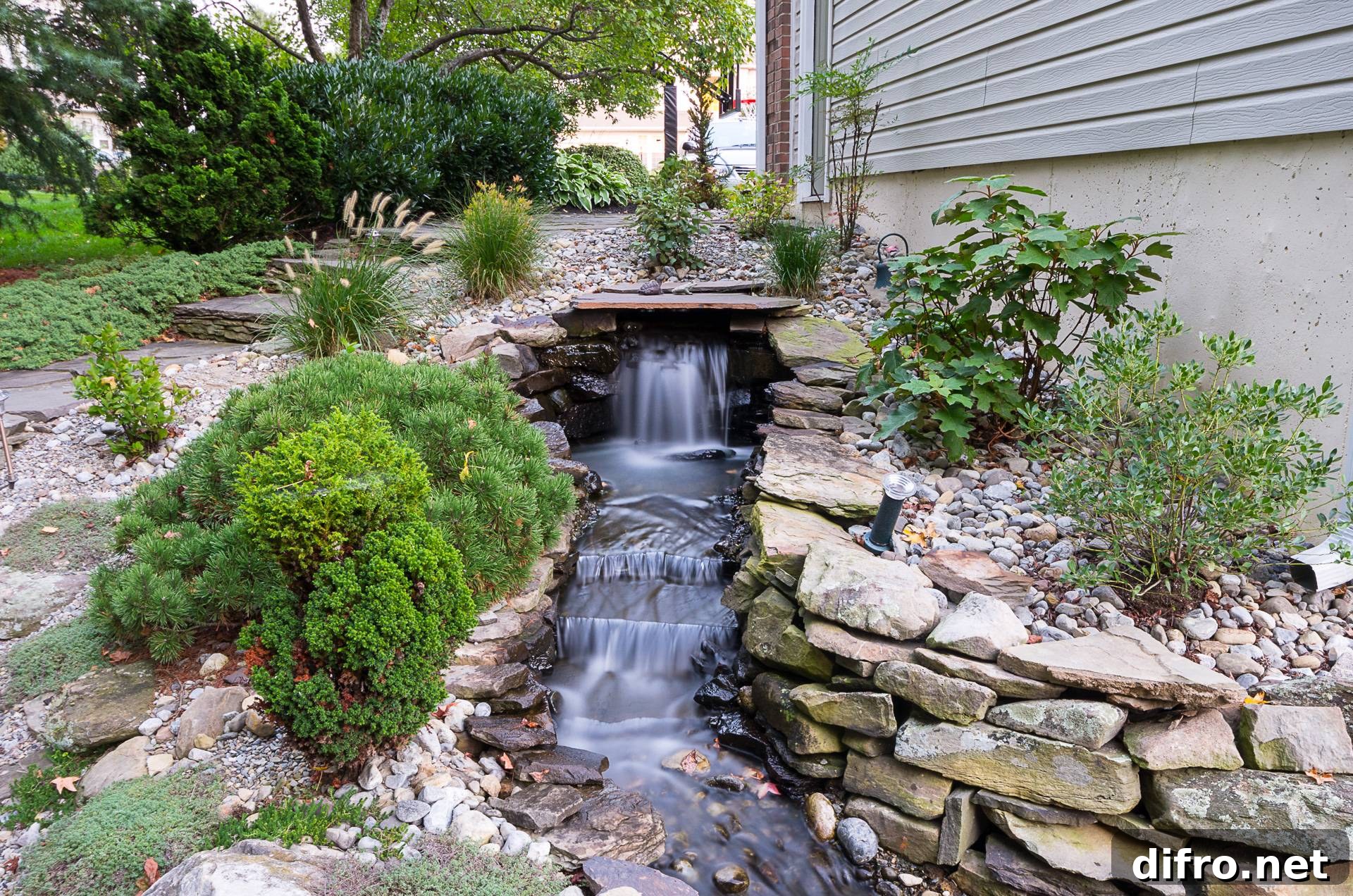
Hardscaping elements—paving, concrete, and extensive stonework—have practical uses, but a backyard that’s entirely hardscaped can feel sterile and misses opportunities to support wildlife and soften the space. Expansive paved areas that resemble driveways are particularly out of step with current preferences.
To balance function and nature, combine hardscape features like patios, paths, and seating areas with generous planting. Gravel paths edged with perennial plantings, stepping stones set within groundcovers, or a fire pit surrounded by native shrubs keep a space functional while maintaining a garden-like atmosphere.
Brick Lawn Borders or Rigid Garden Barriers
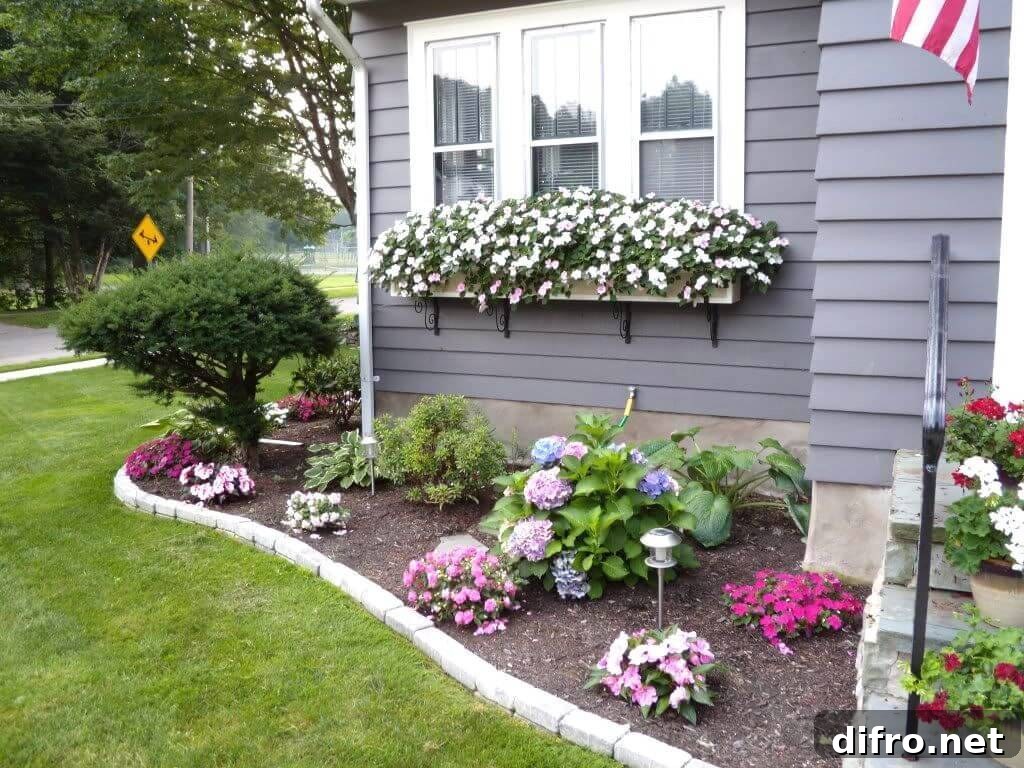
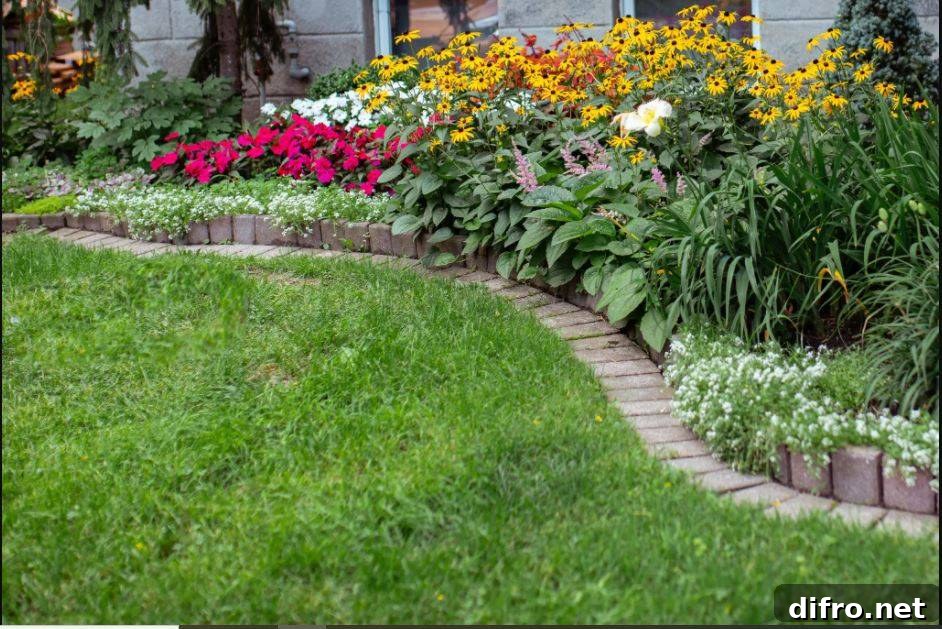
Traditional brick curbs and narrow flower strips surrounding a central lawn were once standard, but they can create a rigid, compartmentalized feeling and limit flexibility. Fixed edging can make future changes—like expanding a bed or creating a new planting area—more difficult.
Modern designs favor softer transitions between lawn and beds. Use low, natural stone edges, wide mixed borders, or planted buffers that allow movement between spaces and make the garden feel more integrated and adaptable.
Dull Drought-Tolerant Landscapes
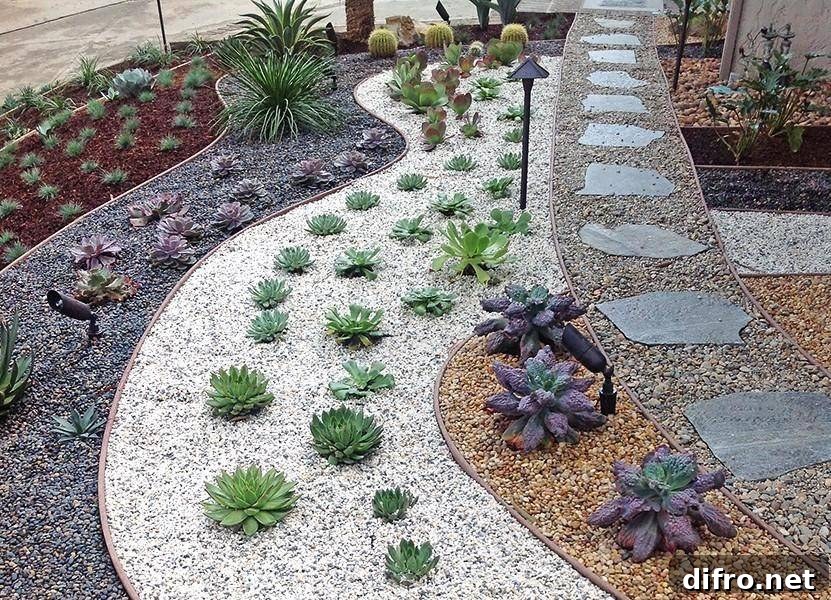
Drought-tolerant design is important in many regions, but the old model of gravel fields dotted with sparse cacti looks dated and uninspired. Today’s drought-wise gardens can be lush, colorful, and diverse without wasting water.
Choose a variety of succulents, Mediterranean herbs, native grasses, and flowering drought-tolerant perennials to create texture and seasonal interest. Climbers and thorny ornamentals like bougainvillea add vibrant color, while soil improvements and smart mulching keep water use efficient and plantings healthy.
Landscape trends change gradually, but updating your yard with thoughtful plant choices, restrained ornamentation, and a focus on natural materials will help create a space that feels current and welcoming. A successful modern garden balances function, ecology, and beauty so you can enjoy your outdoor living as much as your indoor spaces.