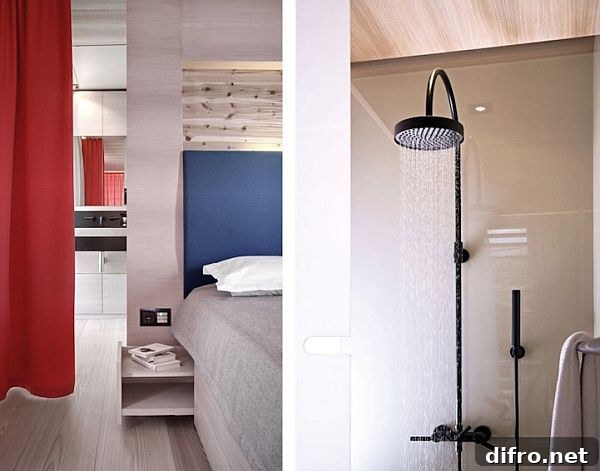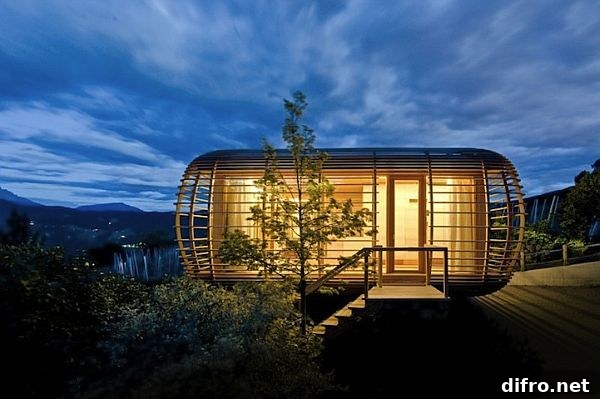
Have you ever pictured a home that can be disassembled, moved and reassembled amid forest, meadow or mountain scenery? That idea is no longer just a fantasy. Up on a slope near Bozen in northern Italy stands Fincube, a compact, transportable house sited at roughly 4,000 feet above sea level with sweeping views of the Dolomite mountains. Its design combines mobility, minimalism and a strong connection to the surrounding landscape.
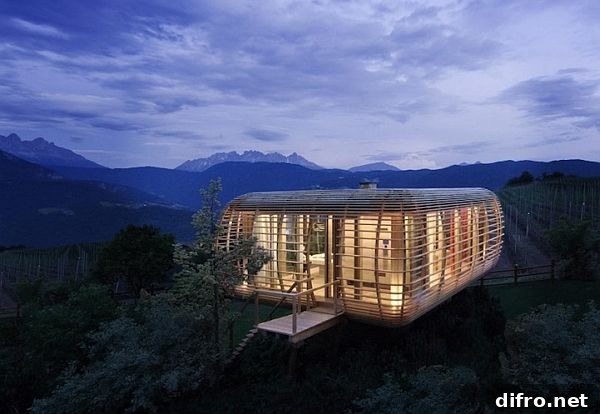
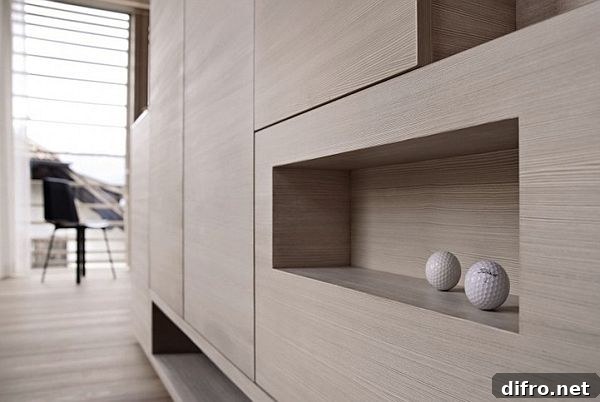
Fincube is a modular, lightweight dwelling created with local timber and a restrained selection of materials to keep its footprint low and its appearance timeless. The construction method allows the structure to be taken apart and rebuilt at a new location, making it ideal for people who want a permanent feeling home without a permanent impact on any single site. The use of local wood not only supports regional resources but also helps the building sit visually and materially in its alpine context.
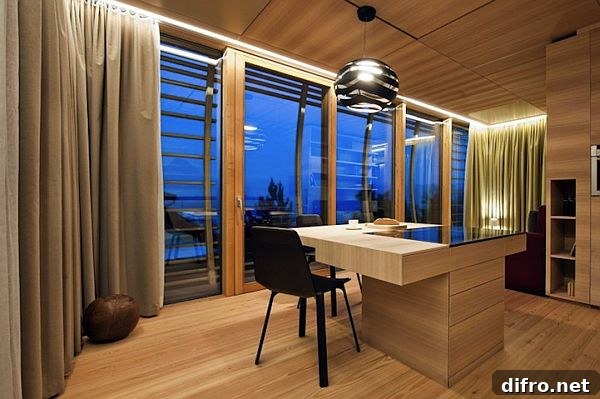
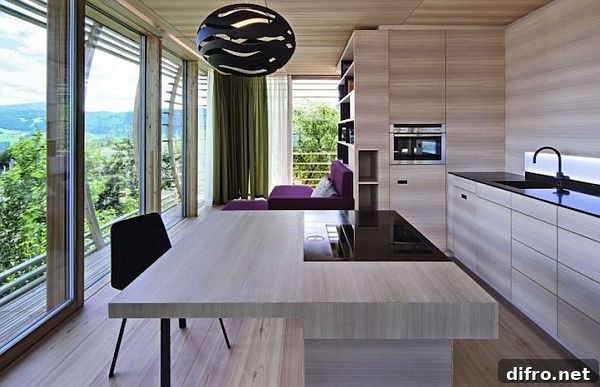
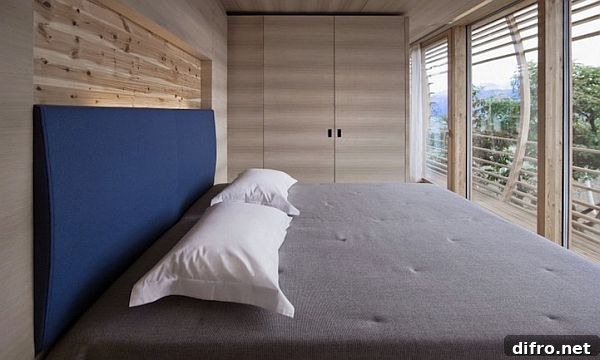
The aesthetic of the house is intentionally minimal and contemporary. A continuous band of glazing encircles the living volume, offering 360-degree sightlines to light, sky and scenery while blurring the boundary between inside and out. That panoramic glazing emphasizes the house’s relationship to its environment and fills the interior with natural light, making views of the Dolomites a constant part of daily life.
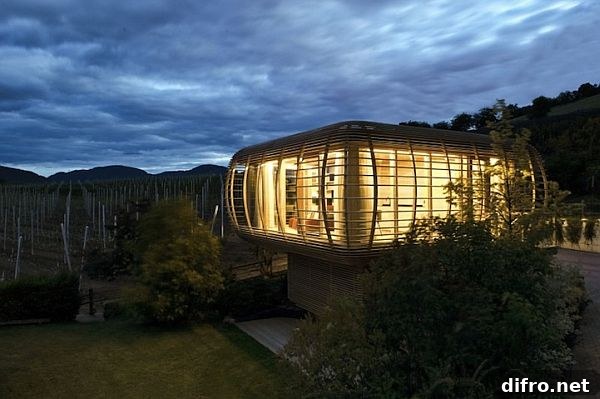
Beyond its physical design, Fincube integrates modern convenience with thoughtful simplicity. The house places essential controls at a single central touch panel, streamlining daily operation and allowing occupants to manage the living environment easily from one location. This approach keeps the interior uncluttered and supports the home’s goal of offering comfortable, intuitive living in remote or natural settings.
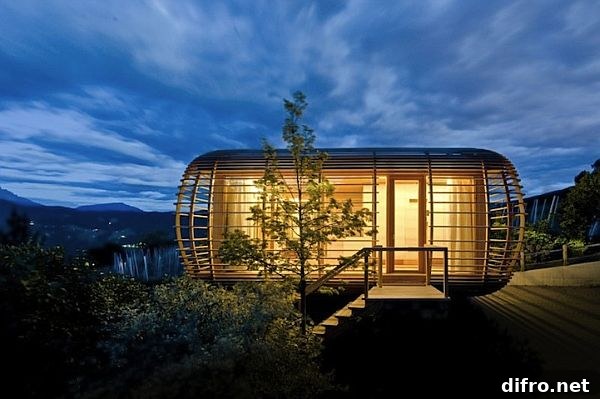
Because the building is modular, it supports multiple ways of living: as a weekend retreat, an off-grid studio, a seasonal residence or a small full-time home. Its transportable nature makes it an attractive solution for people who value mobility, minimal environmental impact and close contact with natural surroundings. At the same time, the careful choice of materials and the clean lines of the design give the house a refined, contemporary look that complements a variety of landscapes.
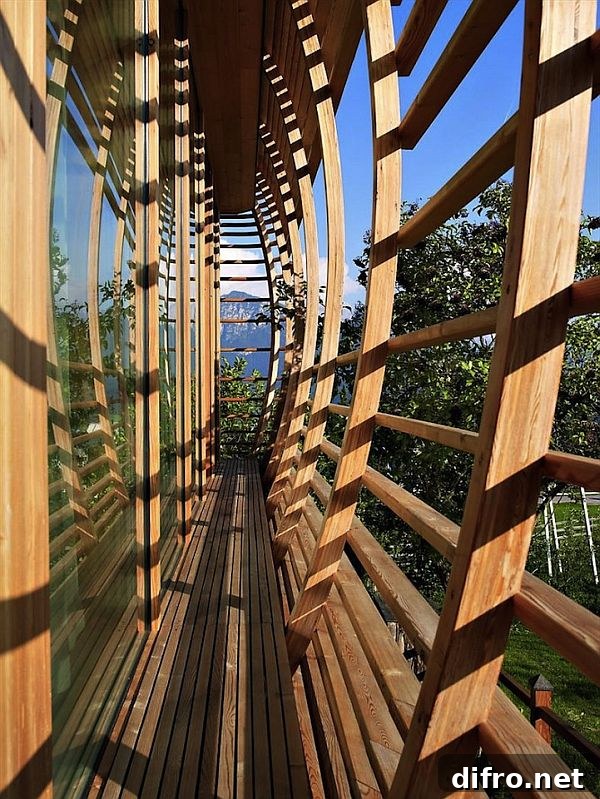
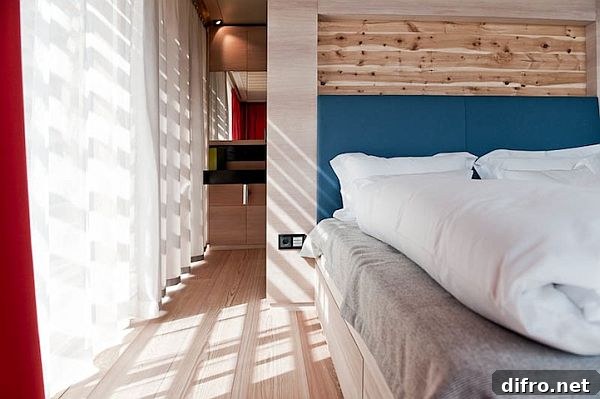
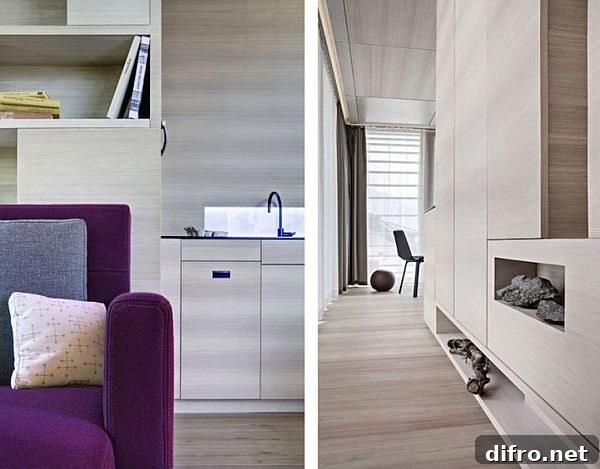
Fincube demonstrates how contemporary architecture can respond to a desire for adaptability and low-impact living without sacrificing comfort or style. Its compact footprint, locally sourced materials and modular assembly make it a compelling option for anyone looking to minimize their environmental footprint while maximizing their connection to place. The balance of panoramic glass and warm timber creates an interior that feels both modern and intimately tied to the landscape.
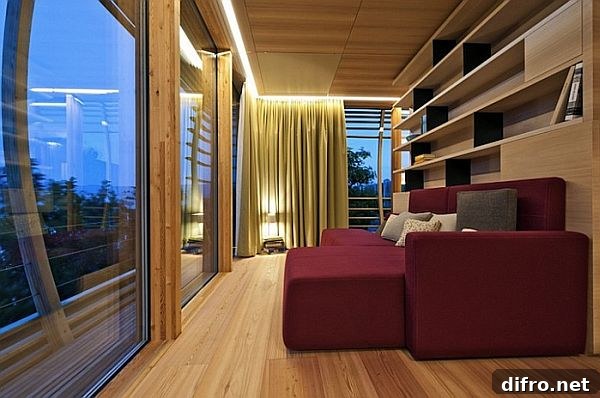
Originally conceived by a Berlin-based design studio, Fincube brings together intelligent detailing and a lightweight, modular construction method. Its emphasis on minimal material use, regional resources and harmonious visual integration with the Dolomites underscores a broader trend in architecture toward adaptable, sustainable living solutions. Whether viewed as a prototype for nomadic architecture or as a finished retreat, Fincube captures the possibilities of living more lightly on the land.
For those interested in architecture that prioritizes mobility, sustainability and a strong relationship with nature, Fincube is a clear example worth studying. It shows how modest scale, intelligent material choices and adaptable construction methods can yield a beautiful living environment set directly within some of Italy’s most dramatic mountain scenery. (from mymodernmet)