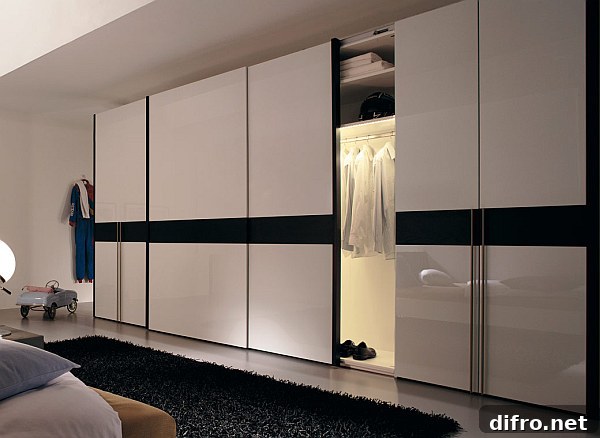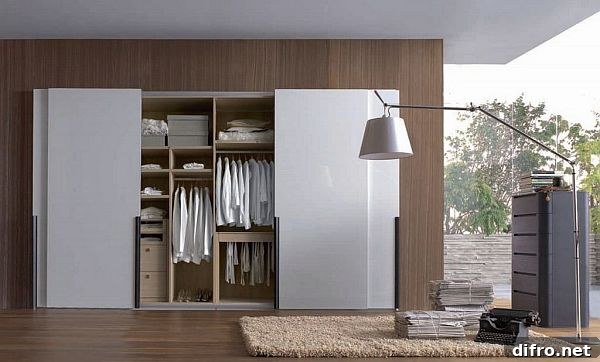
When redesigning a bedroom, wardrobe doors are an easy and effective way to refresh the space. Sliding doors in particular combine style and function: they modernize the room, save floor space, and offer a range of finishes and details to suit any décor. As designers experiment with materials and hardware, homeowners now have more attractive and practical sliding-wardrobe options than ever.
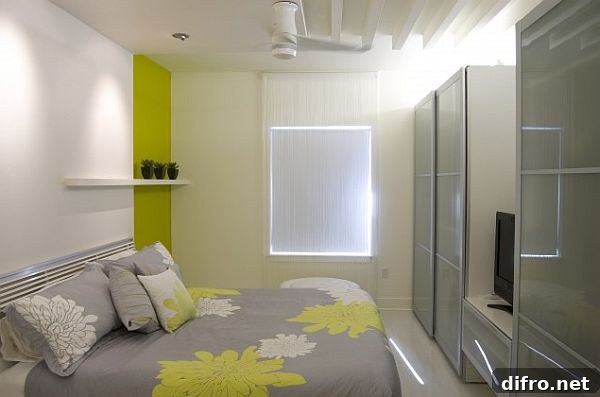
by NOA Architecture Planning Interiors
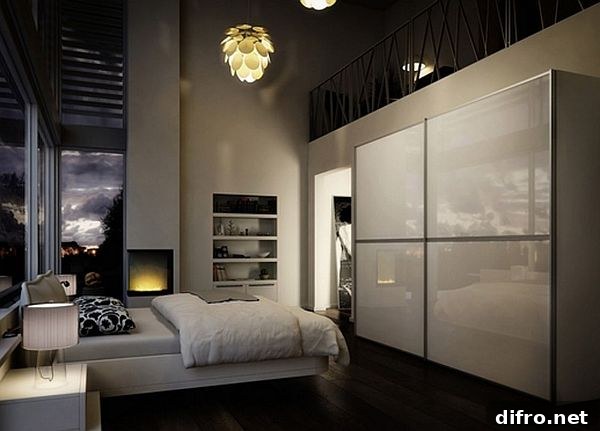
Traditional aluminum-framed sliding doors remain a budget-friendly, reliable choice. These systems typically use lightweight tracks and panels that glide smoothly and can be fitted into existing openings without major rebuilding. For a more contemporary, minimal look, glass-clad sliding doors are currently the most popular option. Glass panels work particularly well with modern interiors that combine wood, concrete, and metal finishes, helping to create a calm, cohesive aesthetic.
Glass wardrobe doors come in several variations: clear or frosted glass for a softer visual appeal, colored glass for a bold accent, and mirrored glass to increase the perception of space while reflecting light and existing finishes. Mirrors are especially useful in smaller rooms where reflecting natural light and views can make the bedroom feel larger and brighter.
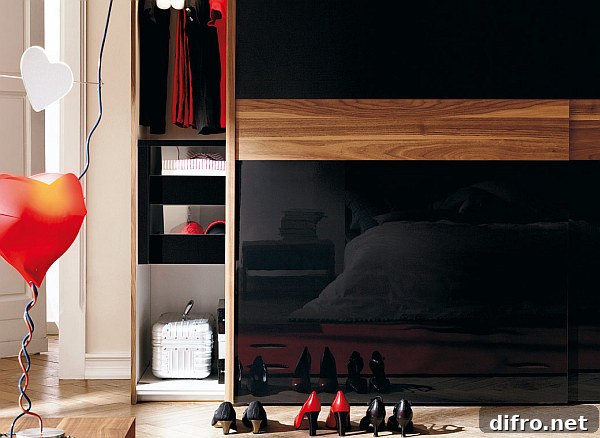
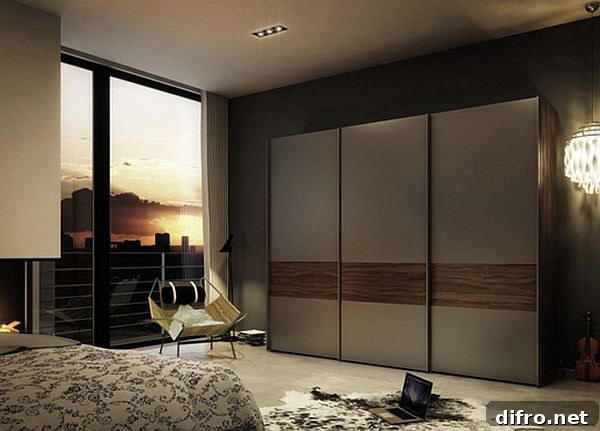
In homes with large windows and strong views—whether of a city skyline or a natural landscape—glass sliding doors can harmonize with the architecture and preserve sightlines. If privacy or light control is a priority, frosted or tinted glass offers a balance between openness and discretion. Alternatively, high-quality mirrored doors act as functional décor, reflecting room colors and textures while serving as full-length mirrors for dressing.
Beyond material selection, consider the hardware and track system. Smooth, durable rollers and well-aligned tracks ensure quiet operation and reduce long-term maintenance. Soft-close mechanisms and anti-jump features increase safety and longevity. For built-in or floor-to-ceiling wardrobes, precision measurements are crucial; professional installation helps avoid problems such as misaligned panels or binding tracks.
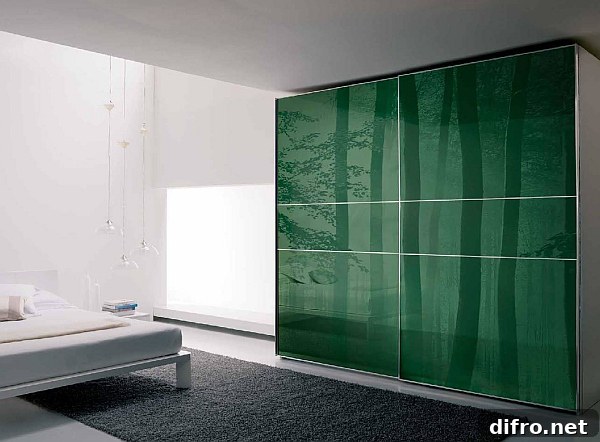
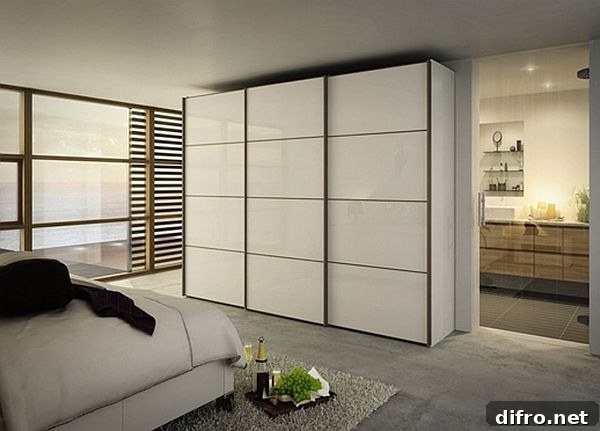
Color and finish choices let sliding wardrobe doors complement a broad range of interior schemes. Matte or gloss lacquered panels provide a contemporary look in neutral tones, while wood veneers bring warmth and texture to both modern and traditional bedrooms. Black-and-white combinations create a crisp, graphic statement; bold colored panels make the wardrobe a focal point. Mixing materials—such as glass with slim metal frames—delivers an elegant balance of transparency and structure.
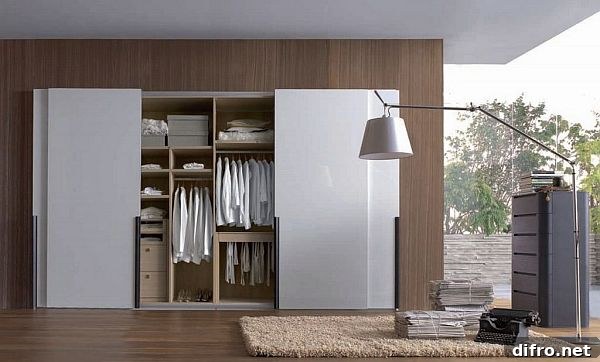
Functionality is as important as style. Plan interior shelving, hanging space, and accessories to make the most of the wardrobe’s footprint. Consider pull-out drawers, shoe racks, and adjustable shelving to keep belongings organized. Mirrored doors can double as dressing mirrors, while frosted panels can hide contents and soften reflected light.
Maintenance for sliding doors is straightforward: keep tracks free of dust and debris, lubricate rollers as recommended by the manufacturer, and clean glass or mirrored surfaces with appropriate cleaners to avoid streaks. For painted or lacquered finishes, use a soft cloth and mild detergent. Regular care extends hardware life and keeps doors operating smoothly.
Whether you prefer budget-friendly aluminum frames, sleek glass panels, classic wood veneers, or mirrored surfaces, sliding wardrobe doors offer flexibility and style for virtually any bedroom. Visit local showrooms or specialist installers to compare materials, test track systems, and get professional measurements. With the right choices, sliding doors can transform storage into a design feature while maximizing usable space.