The living room is the heart of any home: a place to relax, entertain, work a little, and connect with family and friends. How you arrange the space determines how comfortable, functional, and welcoming it feels. Thoughtful layout choices improve traffic flow, define activity zones, and help make the most of a room’s size and natural light. Below are five practical living room layouts with tips to tailor each one to your lifestyle and space.
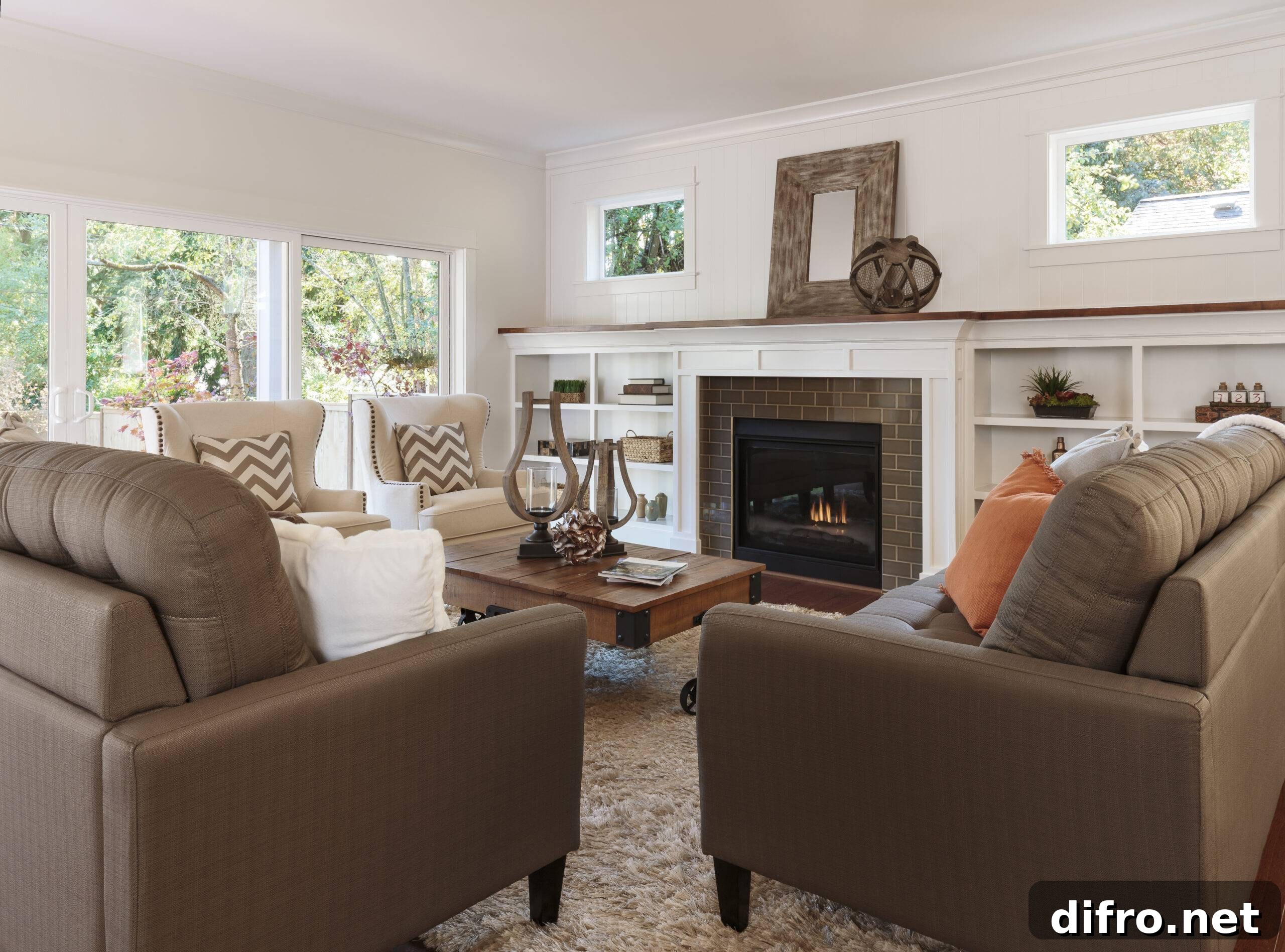
1. The Classic Conversation Layout
This layout centers on social interaction. Arrange a sofa as the anchor and position chairs or a loveseat to form a square or gentle semicircle around a central coffee table. Facing seating toward one another fosters conversation and connection, making this setup ideal for entertaining or family evenings. Keep pathways clear so people can move around the seating without squeezing past furniture. Use an area rug to define the conversation zone and choose a coffee table size that’s in proportion to the seating so everything feels balanced and accessible.
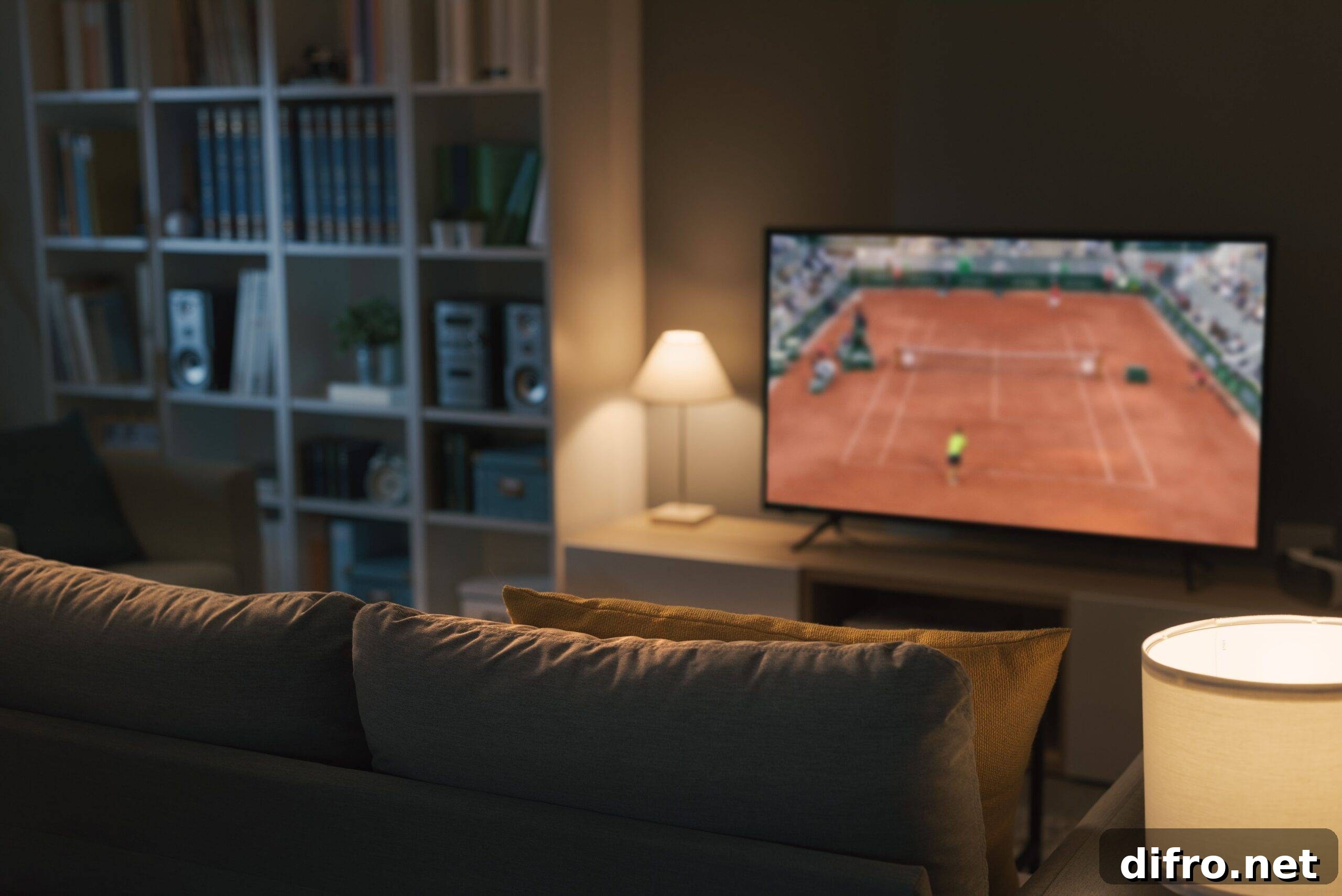
2. A Media-Focused Setup
When movies, shows, or gaming are a priority, design the room around the screen. Position the sofa directly across from the TV and angle additional seating or poufs so everyone has a comfortable view. Keep AV equipment neatly stored in a console or cabinet, and add soft, adjustable lighting to reduce screen glare. Balance sound and sightlines by placing the TV at a height and distance where viewers don’t need to tilt their heads or strain their eyes. Incorporate soft furnishings—blankets, cushions, and curtains—to improve acoustics and create a cozy cinema-like atmosphere.
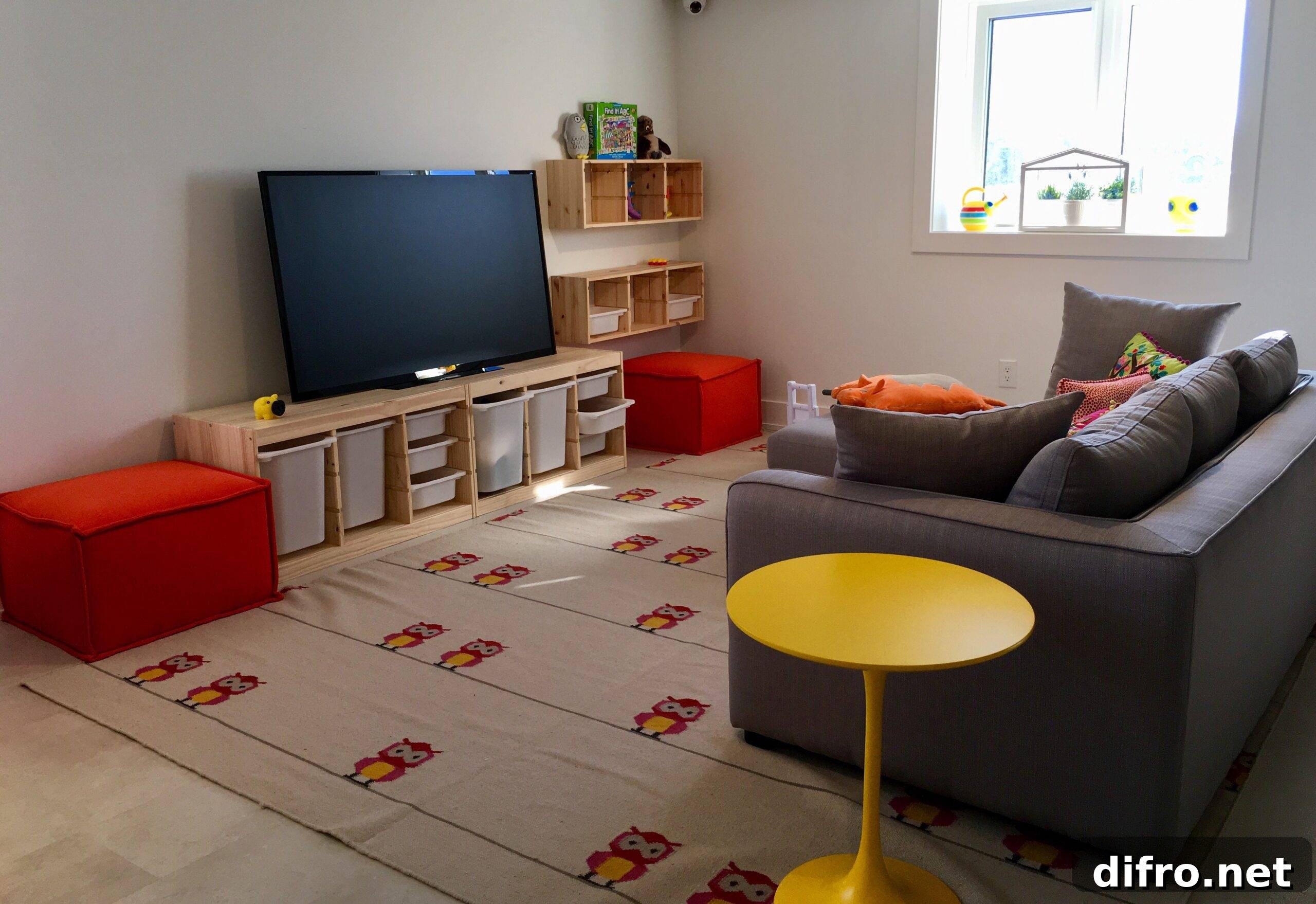
3. Family-Centered Play Area
If you have children, prioritize open floor space and visible sightlines. Push sofas and sectionals along the room’s perimeter to create a safe play zone in the center. Use low storage bins, labeled baskets, or cubby shelving at child height to make cleanup quick and encourage independence. Choose durable, easy-to-clean fabrics and rugs with comfortable padding for playtime. This arrangement keeps the living room stylish while allowing the area to function as both a family hub and a child-friendly playroom.
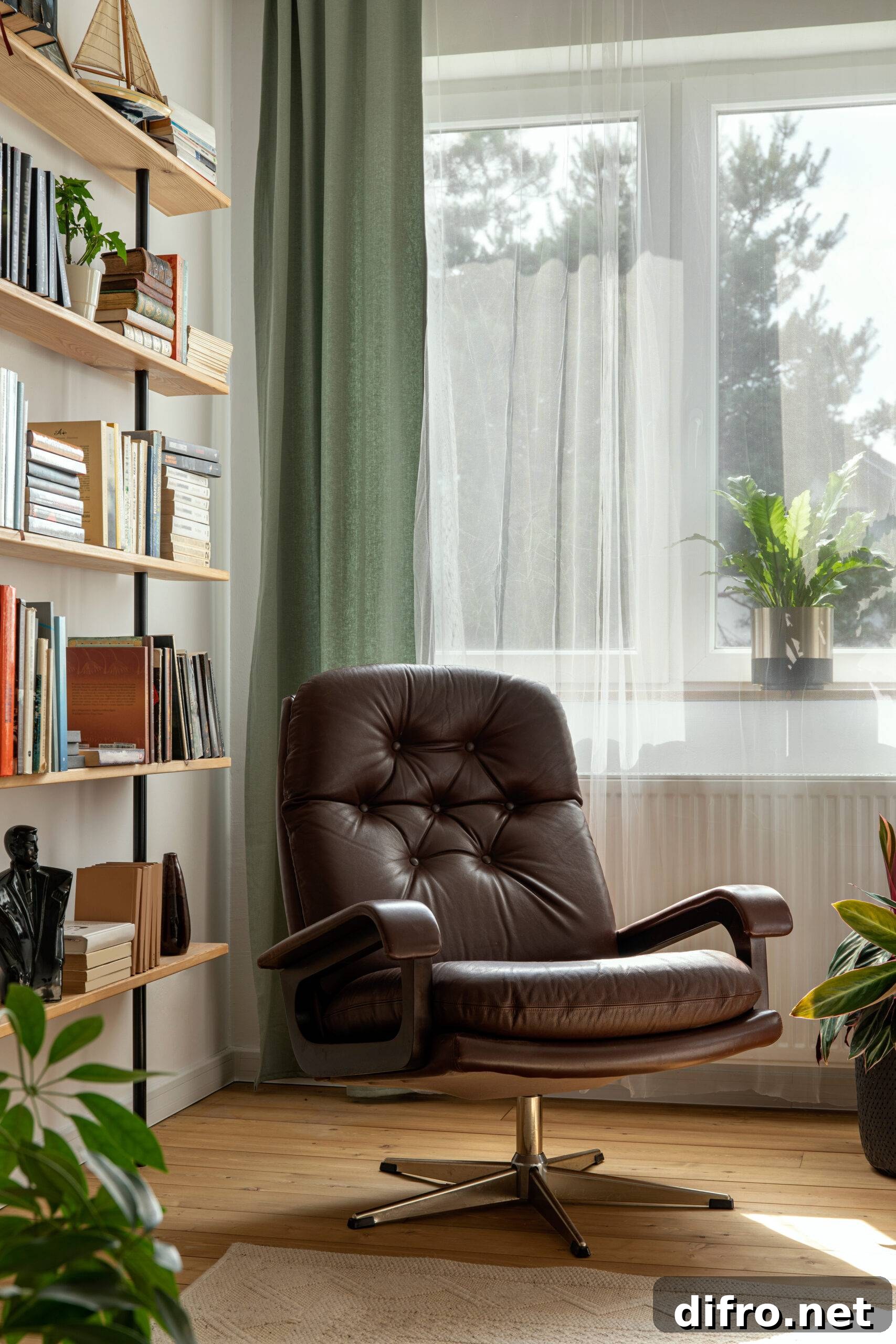
4. A Book-Lover’s Corner
Turn part of your living room into a calm reading nook or mini library. Place a comfortable armchair or chaise lounge near book storage—freestanding shelves or built-ins—along with a small side table and a dedicated reading lamp. Natural light is a bonus, so situate the spot near a window when possible. Layer with throw blankets and a soft rug to create an inviting retreat where you can unwind with a novel or work through a stack of magazines. Keep frequently read books within arm’s reach and display a few favorites to personalize the space.
5. The Multi-Use Layout
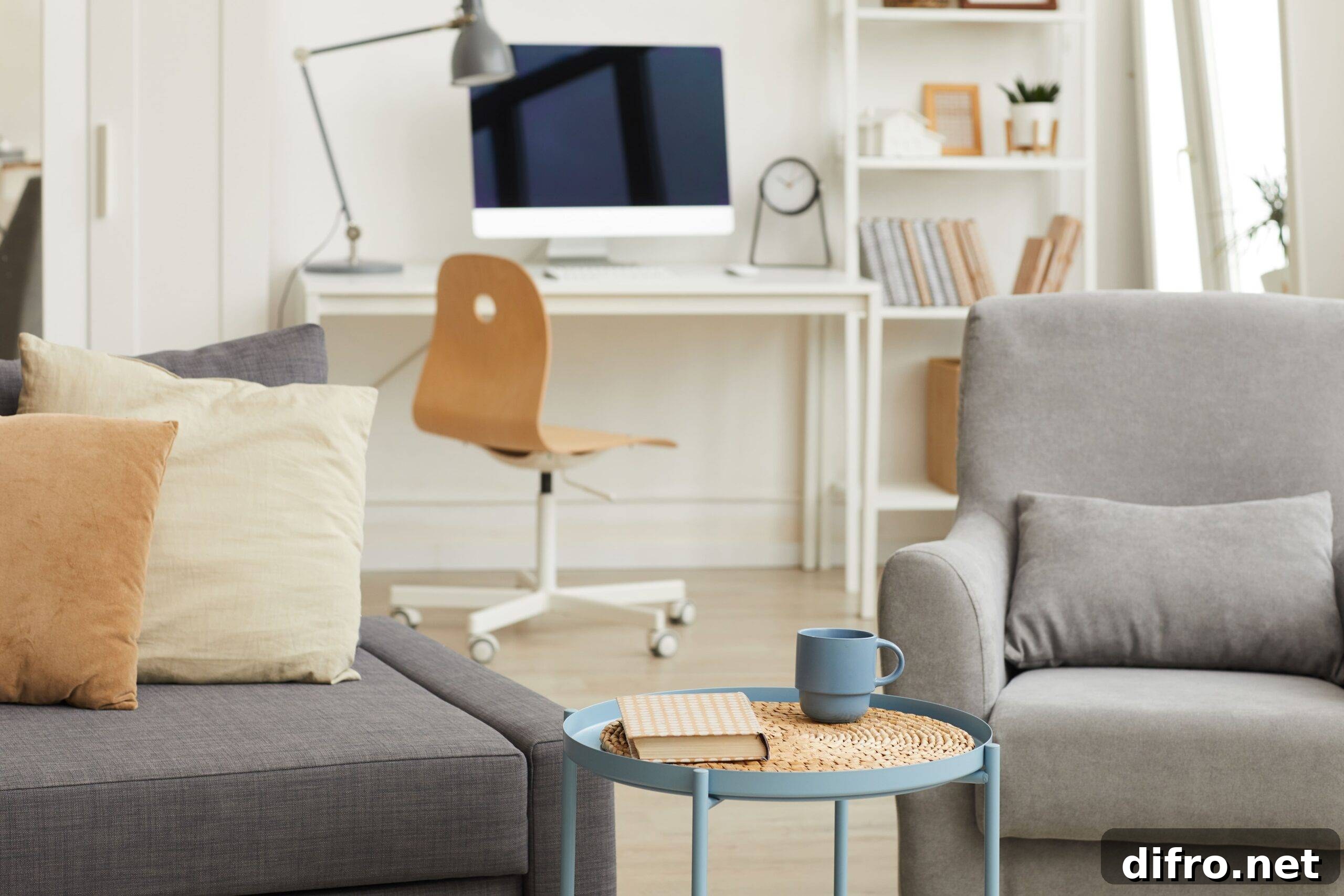
For smaller homes or open-plan spaces, a multi-use layout divides the room into distinct functional zones. Combine a seating area with a compact home office, craft station, or homework nook by using rugs, shelving, and furniture placement to create visual separation. Maintain a clear walking path between zones and choose furniture that can serve multiple purposes—such as a console that doubles as a desk or storage ottomans that provide seating and stowaway space. This flexible approach maximizes every square foot while keeping the living room cohesive and comfortable.
Your living room should reflect how you live: a place for conversation, entertainment, play, reading, or a blend of all of these. When planning a layout, consider primary activities, the flow of movement through the room, natural light, and storage needs. Simple changes—rotating furniture, adding a rug, or repositioning a lamp—can dramatically improve comfort and function. Choose a layout that fits your routine and adapt it over time as your needs change. A well-planned layout transforms a room into a welcoming, practical hub of home life.