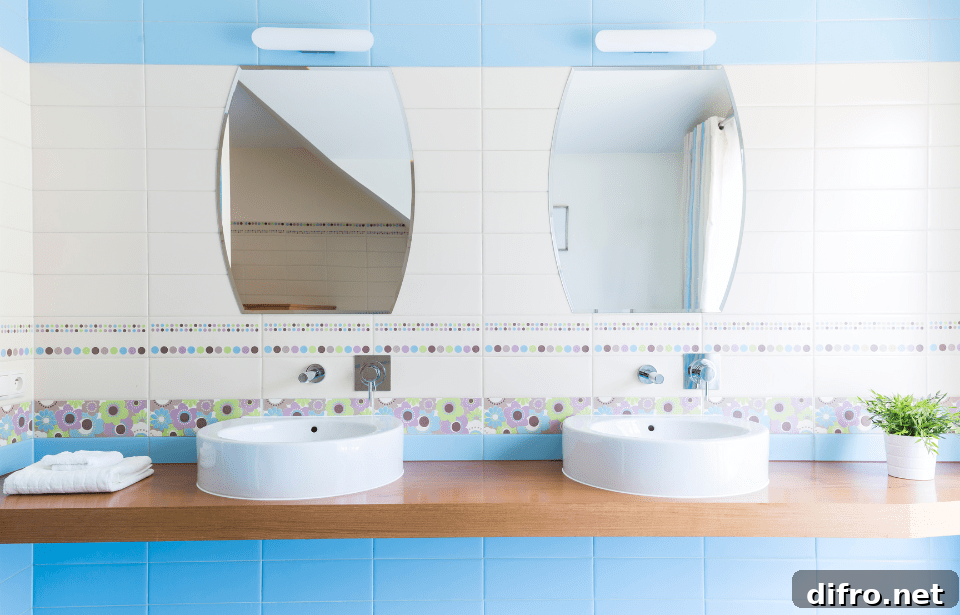
If you’ve ever stepped into a newly renovated bathroom and felt something was off, you’re not alone. Many renovations stumble on the same design missteps that leave a space feeling cramped, unbalanced, or impersonal. With thoughtful planning and a few practical choices, you can avoid those pitfalls and create a bathroom that looks beautiful and functions well every day.
Below are seven common bathroom design mistakes and clear, actionable ways to correct them so your remodel becomes a lasting, stylish success.
1. Failing to plan ahead
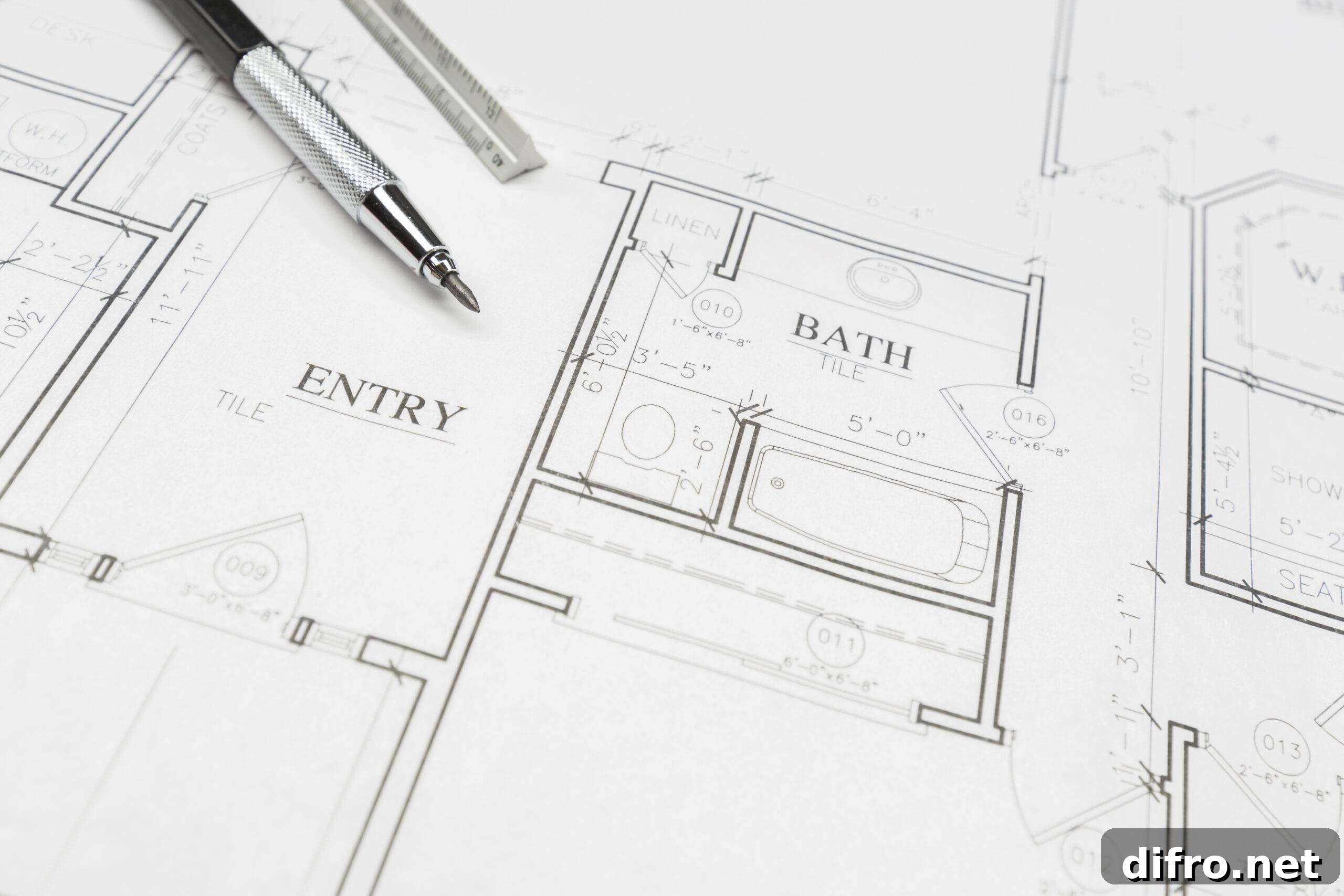
Starting a remodel without a plan is like cooking without a recipe: you might get by, but the result probably won’t match your vision. Begin with a clear brief that sets your priorities—function, style, budget—and create a mood board with tile, countertop and paint samples. Visualizing materials together helps you spot clashes and refine your direction before you buy anything.
Accurate measurements are essential: measure the room, doorways and hallways to ensure fixtures and cabinetry will actually fit. Plan the layout around plumbing and electrical constraints, and decide where storage, lighting and ventilation will go. If this feels overwhelming, a professional designer can save time and prevent costly changes later.
2. Selecting inappropriate materials
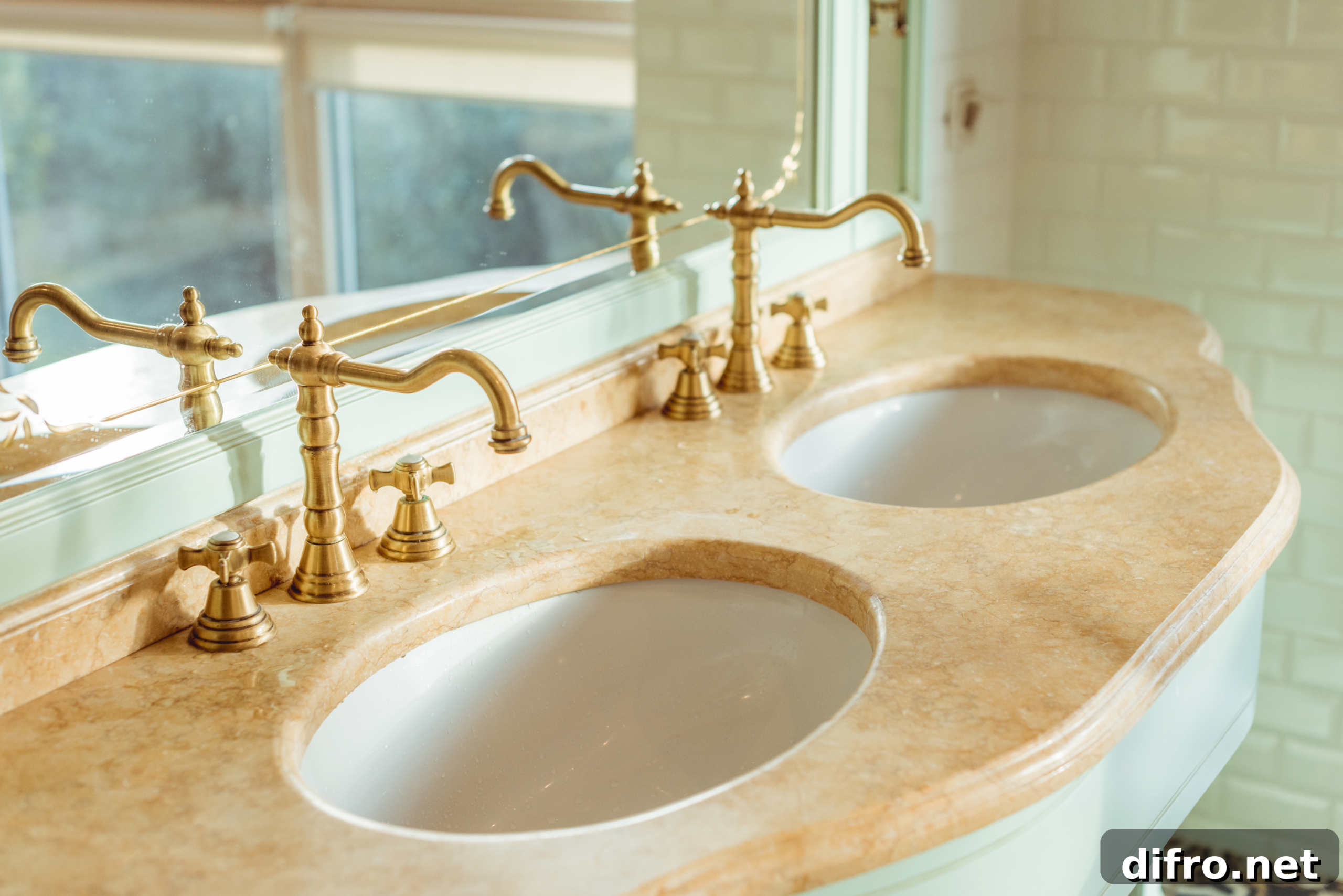
Bathrooms are high-humidity, high-use environments—so material choice matters. Avoid porous or delicate finishes that can warp, stain or deteriorate with constant moisture. Porcelain tile, high-quality laminates and engineered stone are durable, low-maintenance options. If you prefer natural stone for its texture and warmth, be sure it is properly sealed and maintained.
For vanities and cabinetry, choose moisture-resistant materials and hardware designed for bathroom conditions. Read product specifications and reviews carefully, especially for online purchases, and prioritize long-term performance over short-term trends.
3. Creating visual chaos
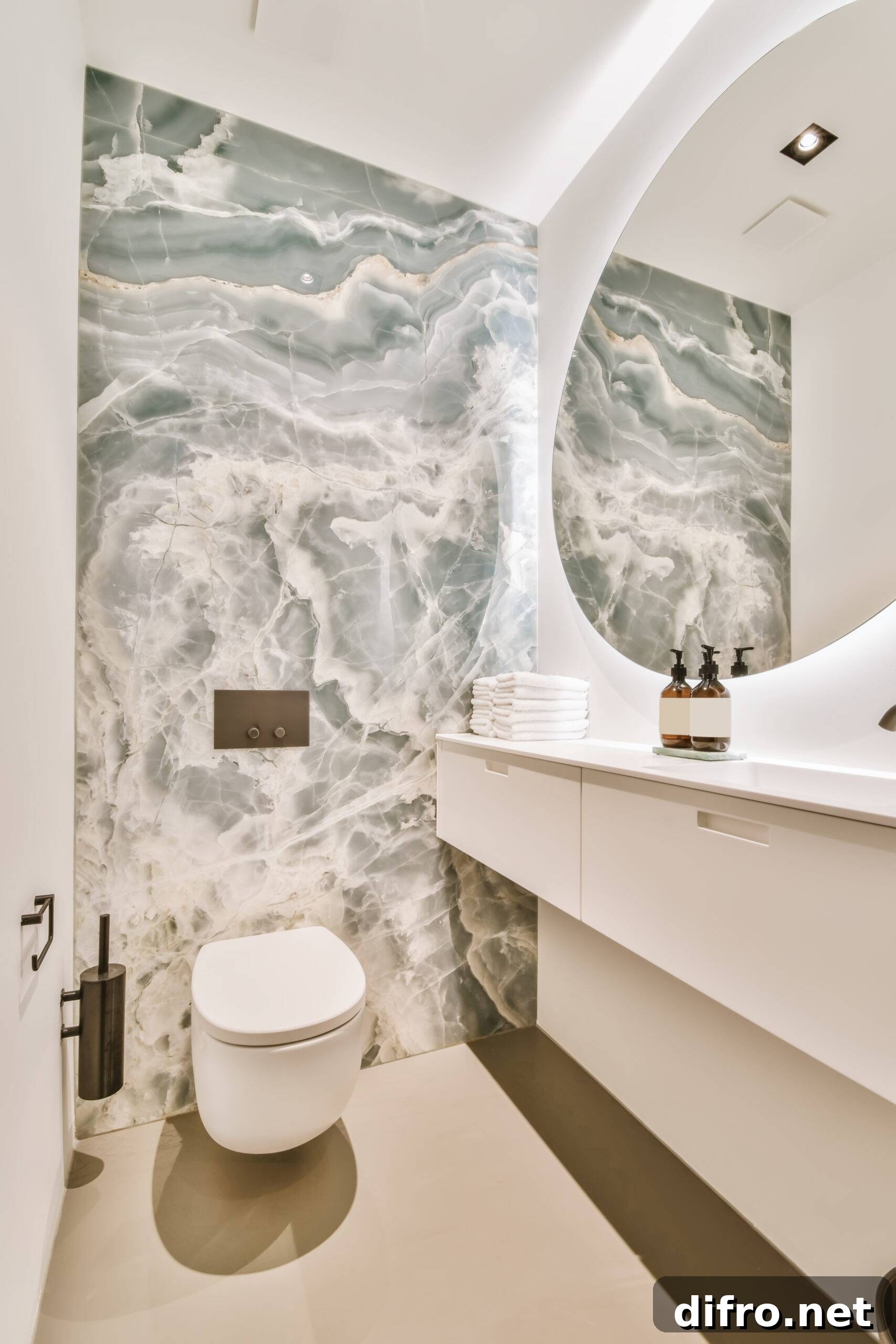
Too many competing patterns, finishes or focal points can make a bathroom feel cluttered. Instead, choose one striking feature—a standout vanity, a freestanding tub, or an accent tile wall—and let the other elements support it. Neutral backgrounds, consistent hardware finishes and a restrained palette help that primary feature stand out without visual competition.
Use lighting and scale to emphasize the focal area, and maintain a clear visual hierarchy so the eye knows where to land. A calm, cohesive design reads as more luxurious and thoughtfully composed.
4. Neglecting storage needs
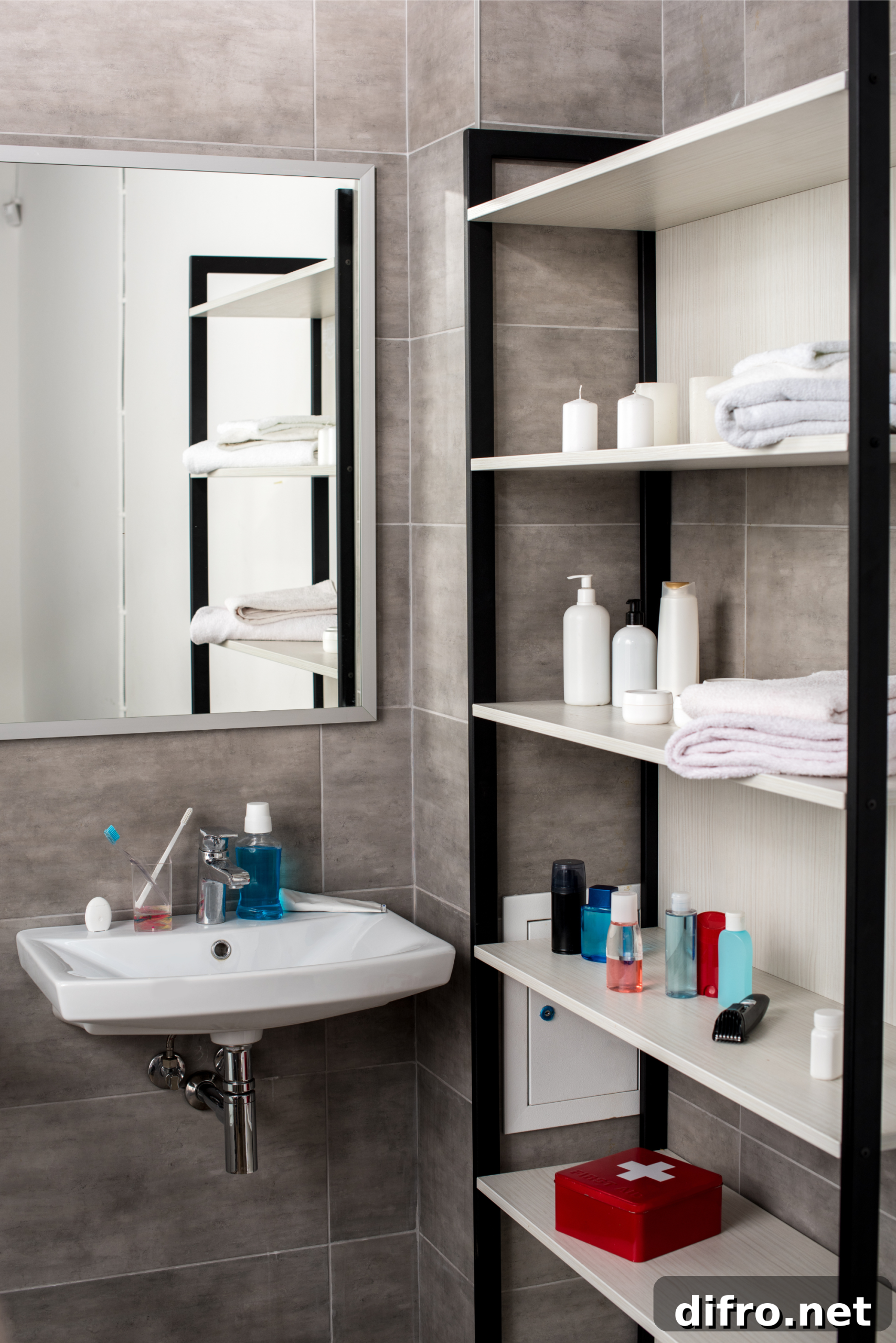
Without adequate storage, even a beautiful bathroom becomes cluttered and stressful. Plan storage early: choose vanities with deep drawers, incorporate recessed medicine cabinets, and use vertical space with shelving or wall-mounted cabinets. Shower niches and built-in ledges help keep bathing products organized and off surfaces.
Hidden storage solutions preserve a clean aesthetic while keeping essentials accessible. Well-designed storage supports daily routines and keeps the room feeling calm, regardless of its size.
5. Overlooking lighting design
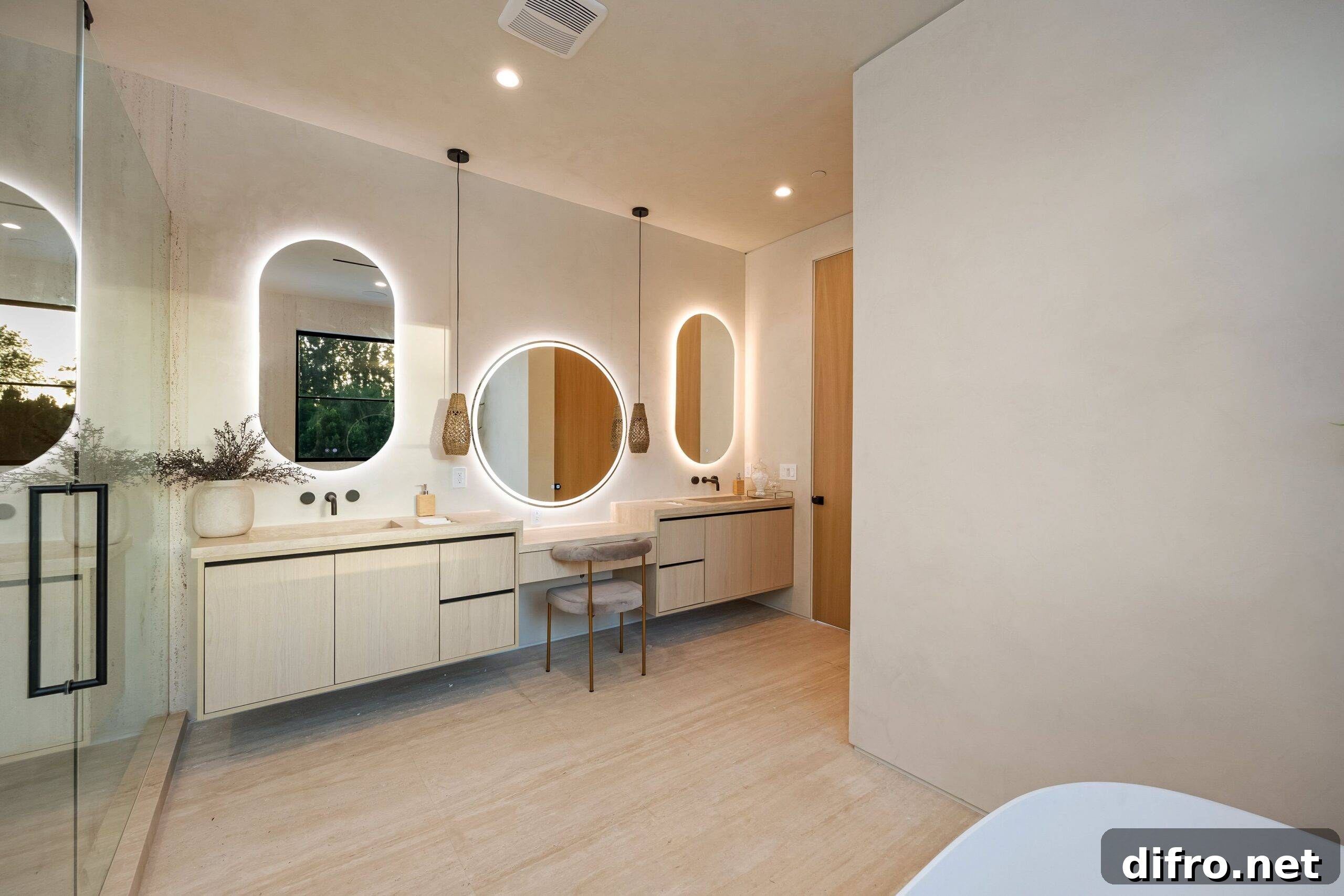
Lighting can transform a bathroom’s usability and mood. Layer your lighting: use overhead fixtures for general illumination, task lighting at mirrors for grooming, and accent lighting to highlight features or create atmosphere. Add dimmers to control brightness and switch moods from energizing mornings to relaxing evenings.
Maximize natural light where possible—windows or skylights make a significant difference in how a space feels. Thoughtful lighting improves function and enhances the overall design.
6. Underestimating the power of mirrors
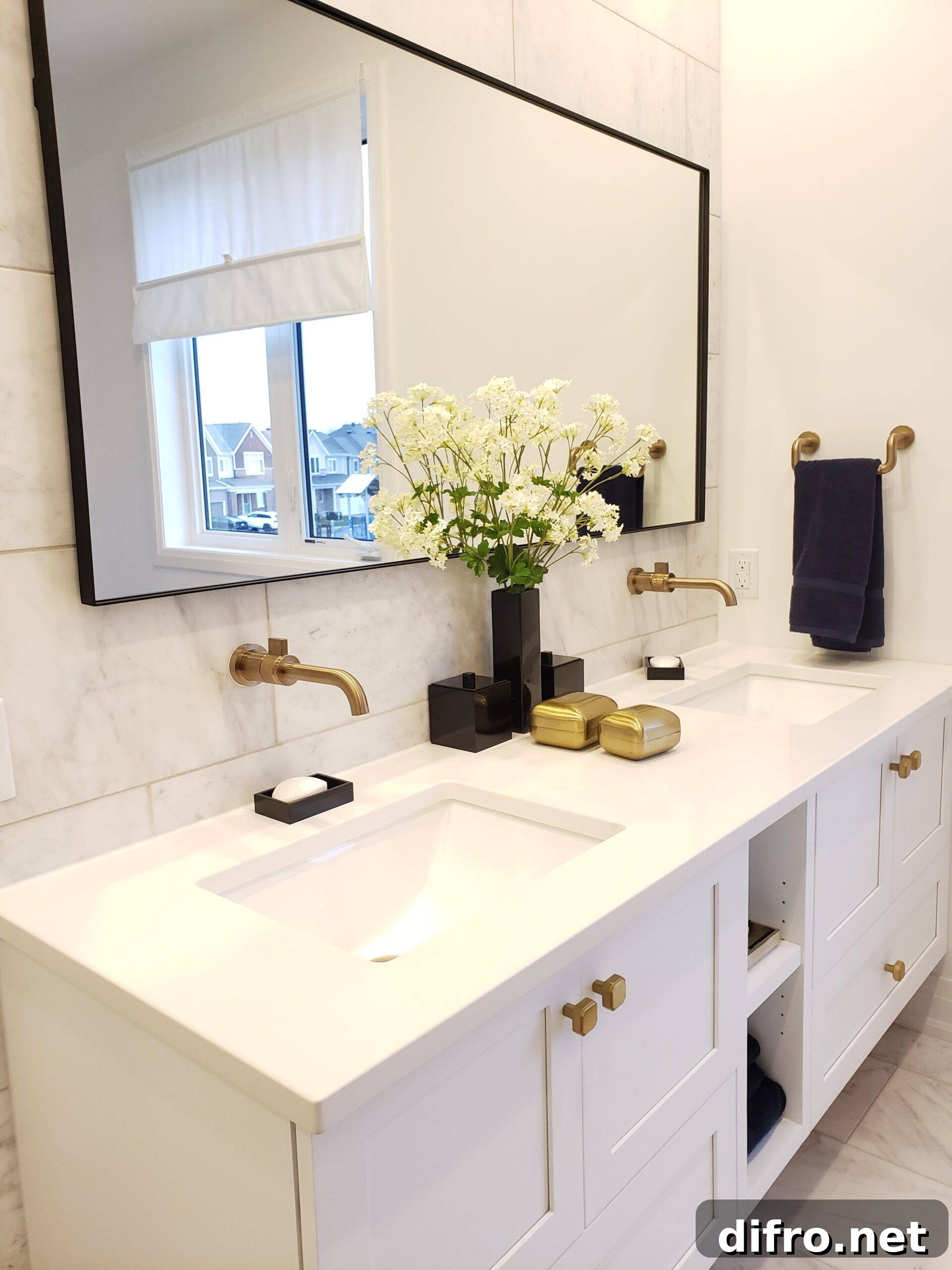
Mirrors do more than reflect: they expand light and space. A large mirror can visually double a room, making a compact bathroom feel much larger. Consider mirrored cabinets to combine reflection with hidden storage, or choose an oversized statement mirror to anchor the vanity.
Experiment with shapes and frames to add personality without overwhelming the room. The right mirror improves both function and style.
7. Forgetting the finishing touches
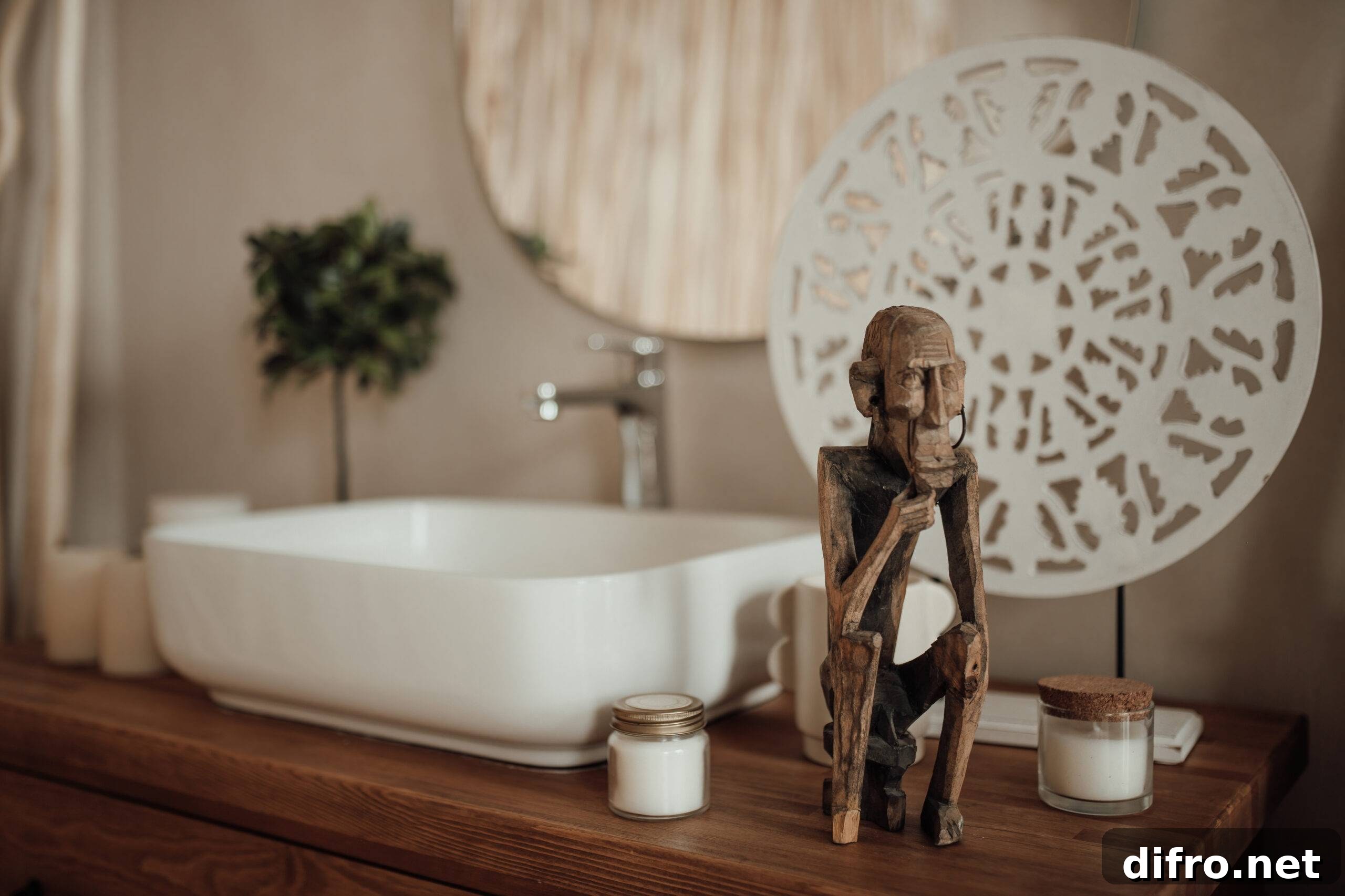
Accessories and decor are what make a bathroom feel like part of your home rather than a showroom. Add textiles, art, containers and plants that tolerate humidity—ferns, orchids and certain succulents are good choices. Display attractive toiletries or scented candles on a shelf for both function and ambiance.
Choose a few curated items that reflect your style rather than overcrowding surfaces. These final details create warmth and personality, turning your bathroom into a calming retreat.
Related Articles:
- 5 Cozy Bathroom Ideas That Don’t Require Major Renovations
- 9 Essential Items for Every Bathroom Recommended by Interior Designers
- Expert Tips for Choosing the Perfect Bathroom Countertops
By avoiding these common mistakes—planning ahead, choosing durable materials, simplifying design, prioritizing storage, layering light, using mirrors effectively and adding thoughtful finishing touches—you’ll create a bathroom that’s both practical and inviting. Careful decisions at each stage of the project will protect your budget and deliver a space you’ll enjoy for years.
Want more design ideas and decor tips delivered to your inbox? Subscribe to a newsletter for inspiration, trends and practical advice to help you create the home you love.