Restoring or refinishing furniture and walls often requires time, money and professional skill. Whitewashing offers a cost-effective and approachable alternative that can revive tired pieces and transform interiors with minimal expense and effort.
With a few creative whitewashing ideas, you can refresh worn furniture, decorative items and both plank and concrete walls without a major renovation. Whitewashing is especially well suited to those who want a rustic, cottage or coastal aesthetic. By applying a thin, translucent coat of paint and working it into the surface, you can highlight wood grain, soften bold colors and give rooms a brighter, airier feel.
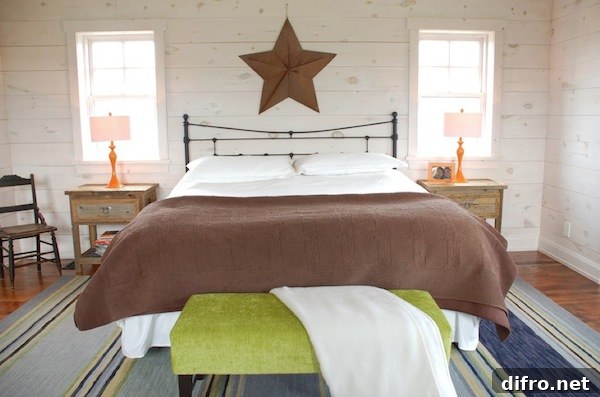
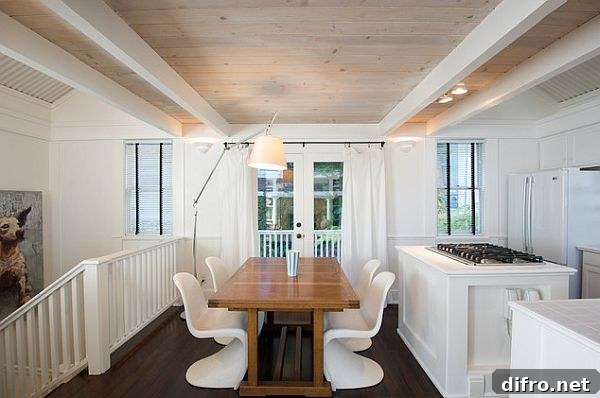
Image: Kate Davidson Design
Creative weathered walls
Whitewashing walls is an effective way to introduce a relaxed, lived-in character to a bedroom, living area or kitchen. A thin whitewash brightens dark surfaces while still allowing texture—like wood grain or brick—to show through. The result feels light and casual, ideal for cottages, modern farmhouse interiors or any room where you want a subtle, weathered look rather than a solid coat of paint.
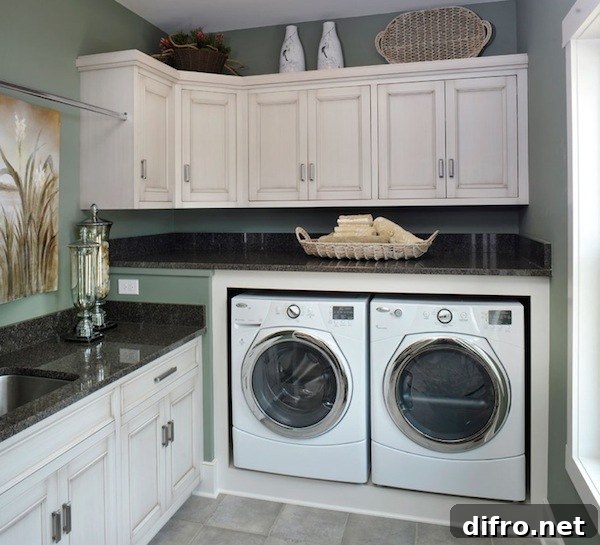
Image: Weaver Custom Homes
Cabinetry with a rustic tone
Kitchen and laundry cabinets are perfect candidates for whitewashing. For a heavier, more pronounced whitewash, use a thicker paint solution and apply it directly to the cabinetry. Immediately wipe the surface with a clean, soft cloth to remove excess paint—this exposes the wood grain and produces a hand-finished look. For a more subtle effect, dilute the paint more heavily so the wood beneath remains prominent.
For best results when aiming for a thicker whitewash, consider using gloss or oil-based paints; they can provide a richer finish and are easier to manipulate for certain techniques. When diluting paints, use water for water-based formulations and mineral spirits or turpentine for oil-based paints. Always test your mixture on a scrap piece of wood or an inconspicuous area first.
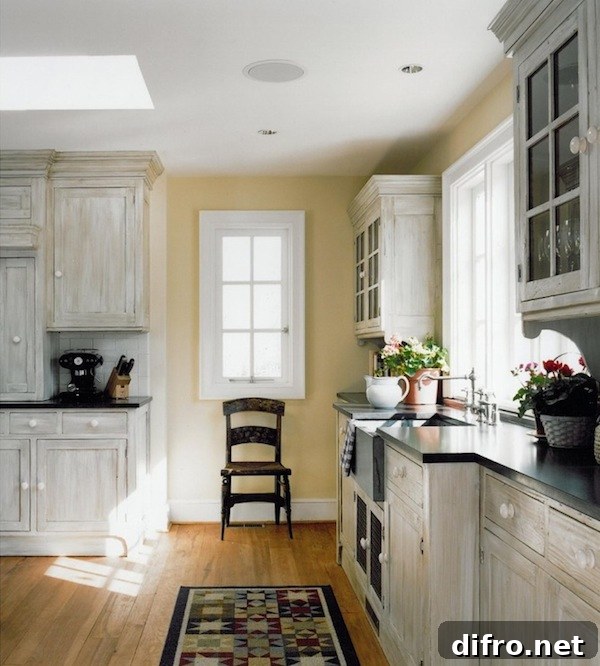
Image: Sroka Design
Add character to your furniture
Whitewashing furniture—dressers, tables, headboards and chairs—adds instant character without obscuring the piece’s natural lines. The semi-transparent finish highlights knots and grain, creating depth and a handcrafted appearance. For a softer, aged effect, sand lightly between coats or selectively distress edges and corners where natural wear would occur.
Because whitewashing does not require complete coverage, it can be more forgiving than a full paint job. This makes it a great DIY project for beginners and an economical way to refresh secondhand or heirloom furniture. The technique also adapts well to outdoor furniture; choose exterior-grade paints and sealers to protect surfaces from weathering.
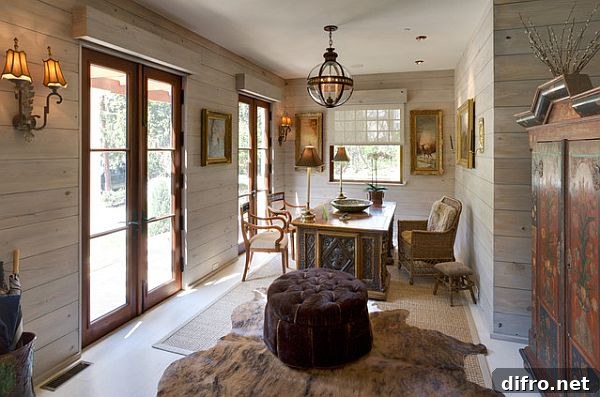
by Georgetown Development
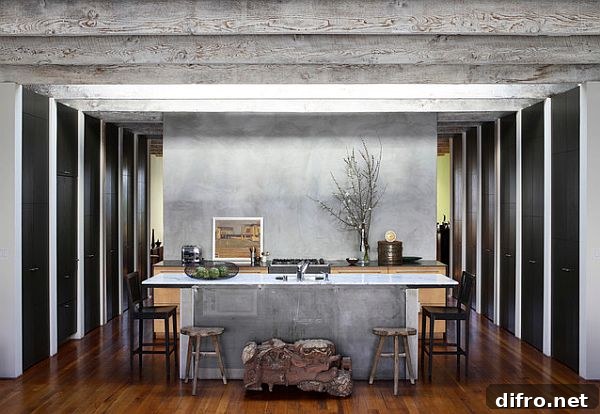
by John Lum Architecture
Whitewashing is a flexible, budget-friendly technique that can refresh interiors and exteriors alike. Whether you want to give kitchen cabinets a subtle sheen, make a dining room wall feel lighter, or update outdoor furniture, whitewashing allows you to preserve texture while introducing a soft, inviting finish. With a few basic supplies—paint, a diluent, a soft cloth and some sandpaper—you can transform many surfaces and achieve a timeless, lived-in look.