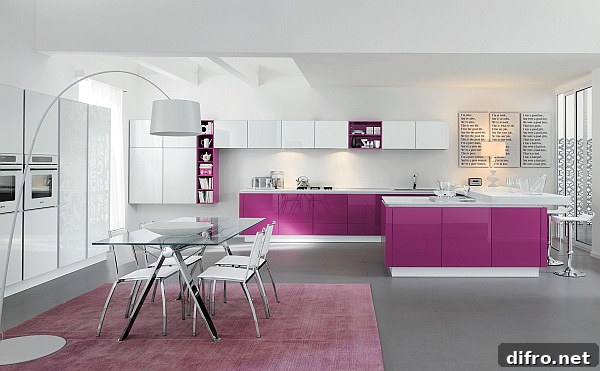
Purple Kitchens: Stylish, Sophisticated and Surprisingly Versatile
Purple in the kitchen elevates the space to the same level of style and refinement usually reserved for living areas. Though unconventional, purple introduces a sense of elegance, creativity and individuality. When paired with well-chosen surfaces and accessories, purple can transform a kitchen into a striking focal point that blends design flair with everyday function.
Purple can greatly personalize a kitchen—from glossy contemporary suites to softer, cottage-inspired treatments. The key is selecting the right tone, finish and accents to match the room’s layout and the homeowner’s personality.
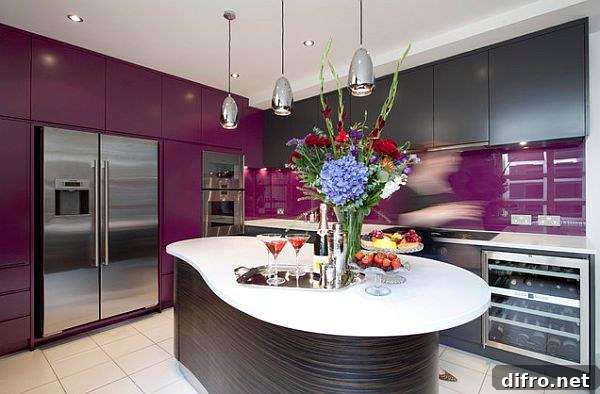
by Increation
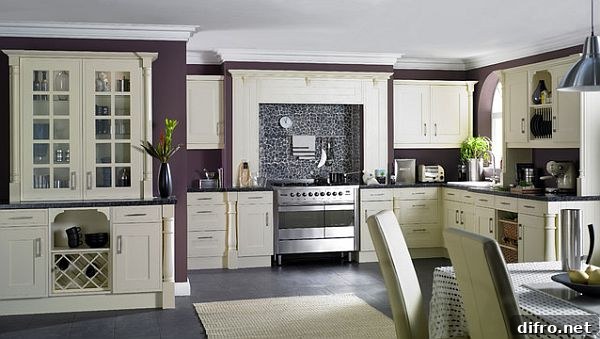
by Celia James
Glossy, sleek purple finishes work particularly well in contemporary and minimalist kitchens. Reflective surfaces create a smooth, compact look that reads as modern and refined while remaining surprisingly easy to clean. The gleam of lacquered cabinets or polished countertops adds a dreamlike quality to the room without sacrificing practicality.
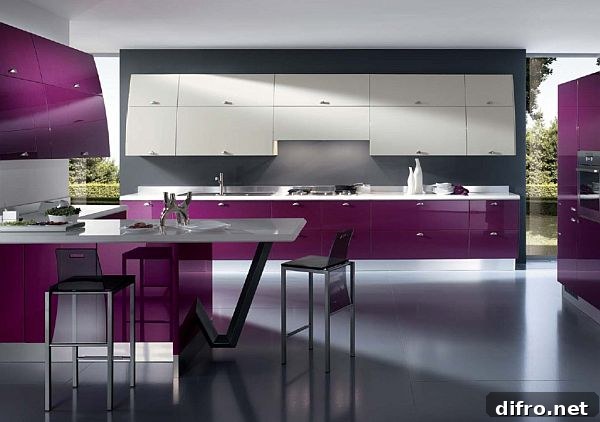
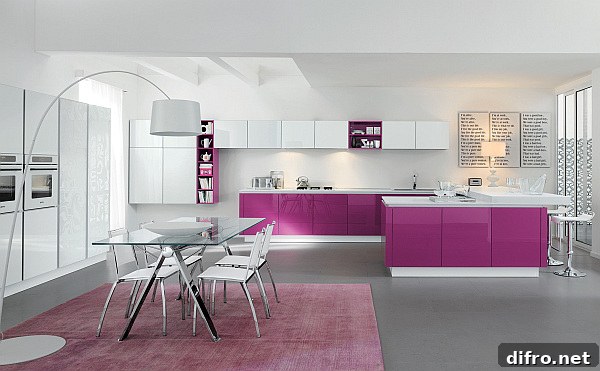
Purple pairs beautifully with black for an ultra-modern, dramatic look, or with white for a softer, more feminine aesthetic. Small accents in soft green or turquoise can add contrast without clashing. For a warmer feel, introduce yellow accents or natural wood finishes—both temper purple’s intensity and add visual warmth to the space.
Keep in mind that deep purple mixed with black can create a heavy, gothic mood; lighter variants such as lavender or lilac feel more calming, delicate and approachable. Some color experts also associate strong purple tones with introspection, so balancing the palette with lighter or warmer materials helps maintain a welcoming atmosphere.
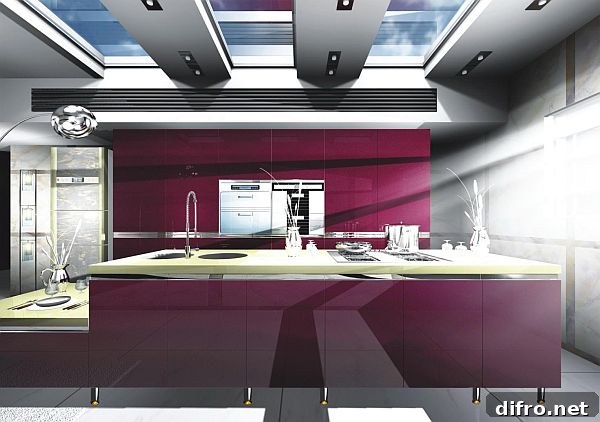
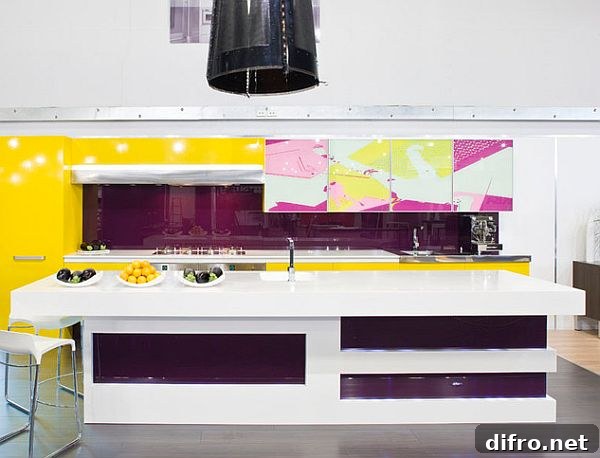
Lighting plays a central role in purple kitchens. Elegant fixtures—simple geometric pendants, glass shades or subtly faceted crystal chandeliers—complement purple finishes and let the color sparkle without overwhelming the room. Transparent or reflective elements enhance the depth of purple and create visual interest.
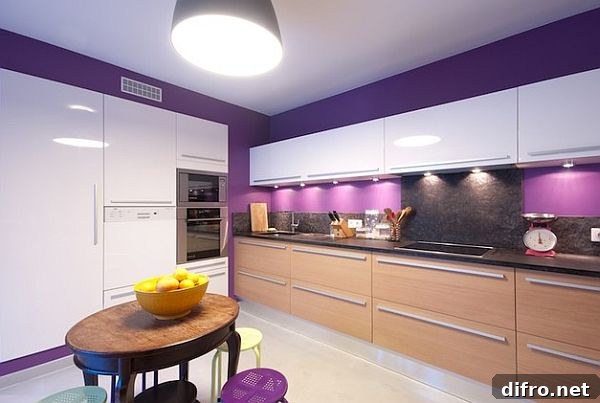
by XTC Design Incorporated / Nathalie Vingot Mei credit photo : Matthieu Chauvin.
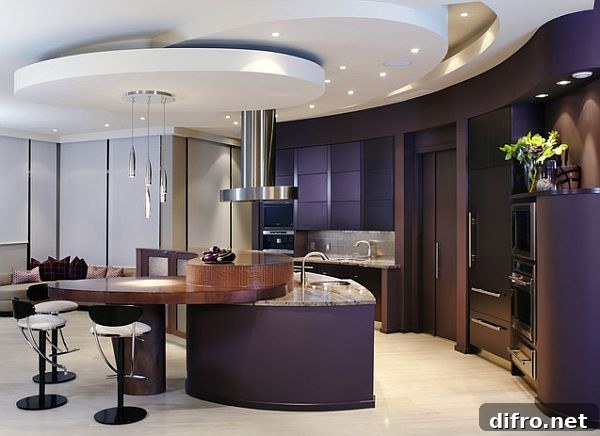
by XTC Design Incorporated
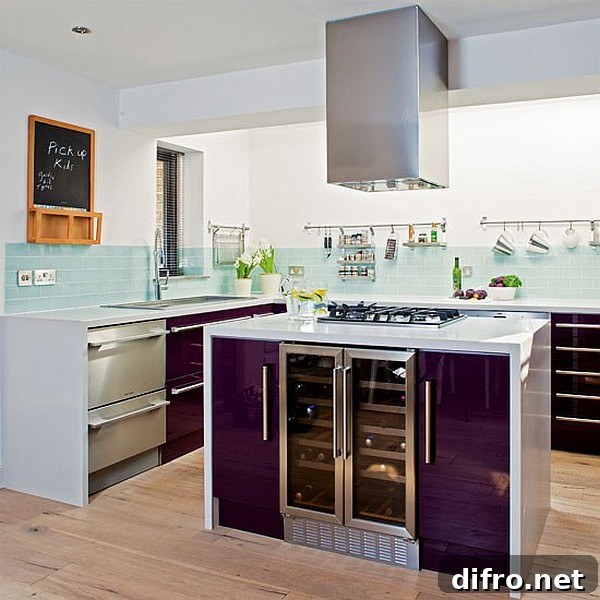
Mixing glossy purple surfaces with raw or rough wood can produce an appealing contrast: the industrial polish of lacquered cabinets plays off the tactile warmth of natural timber. This eclectic combination is increasingly popular, offering personality without feeling contrived.
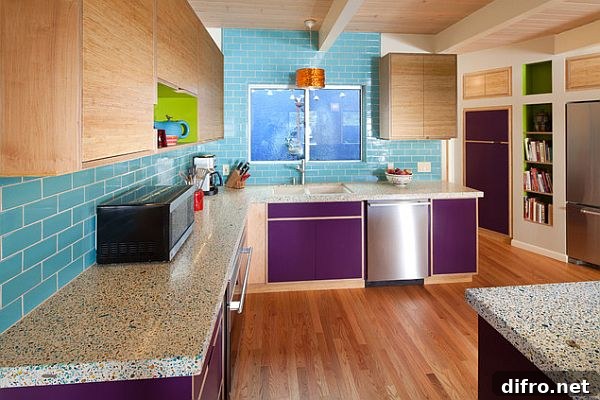
Purple also suits more traditional kitchens. If a room feels too monotonous with monochrome woodwork, introducing a single purple element—an island, a cabinet, or a pantry door—can refresh the space without a full renovation. Purple mosaic or matte tiles can modernize a backsplash while retaining a warm, homely feel when paired with wooden accents.
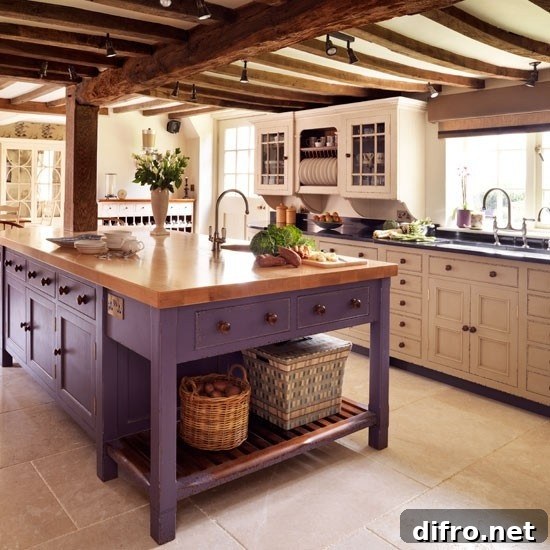
PotteryBarn via Pinterest
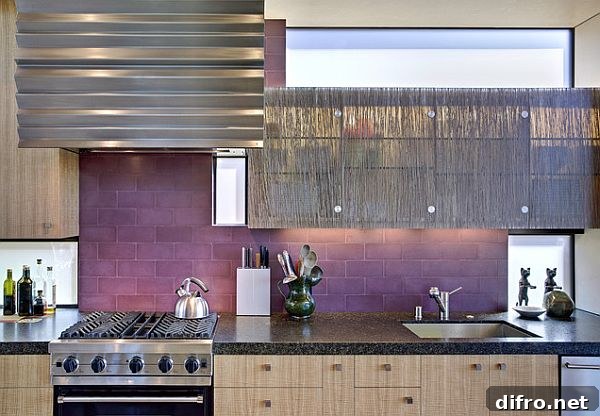
by WA design
For a sophisticated combination, pair purple with marble. When used sparingly in a minimalist, rectangular kitchen layout, the opulence of marble and the depth of purple complement one another without feeling excessive. Similarly, stainless steel, exposed brick, shiny cookware and mosaic accents can all coexist with purple when textures are chosen thoughtfully.
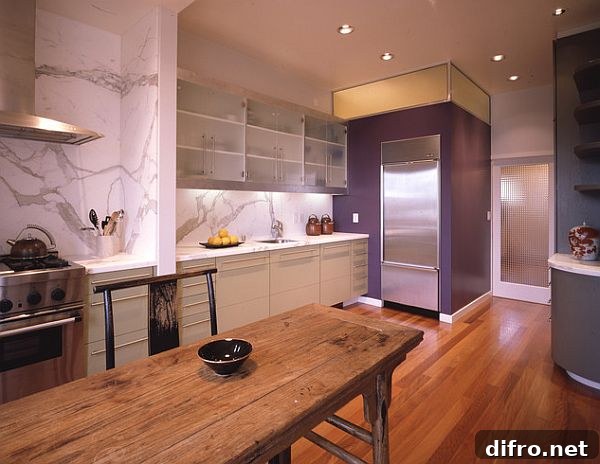
by John Lum Architecture
With attention to texture, proportion and lighting, purple proves unexpectedly versatile. Whether applied to entire suites of cabinets, to a central island, or as an accent color in tiles and accessories, purple brings personality and style to kitchens of every scale and design language. It can be whimsical, elegant, dramatic or restrained—what matters most is how it interacts with the materials and light in your space.
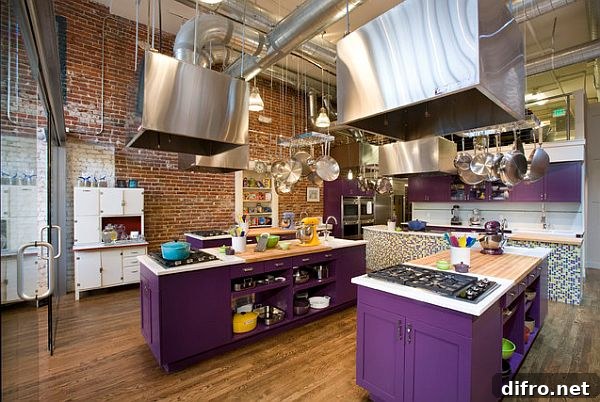
by Momoko Morton