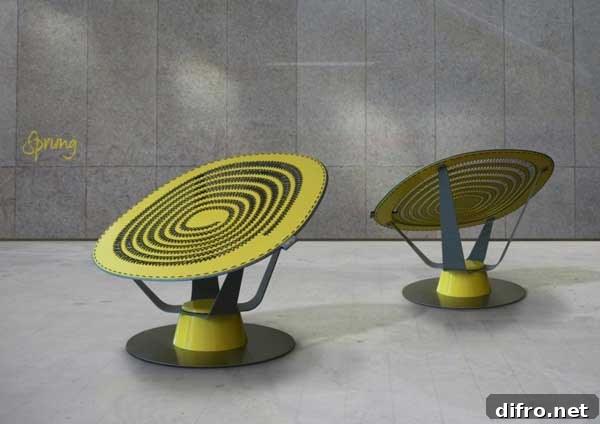
Sprung Chair by Jason Klenner: A Vivid Take on Responsive Seating
The Sprung Chair, designed by New Zealand-based designer Jason Klenner, reimagines what a chair can be. Bold in color and inventive in construction, this contemporary seating piece challenges expectations by combining unconventional materials and a playful, responsive form. Klenner set out to explore how people interact with everyday objects, and the Sprung Chair is the result: a piece of furniture that actively responds to the sitter, shaping itself around the body and offering a surprising, kinetic seating experience.
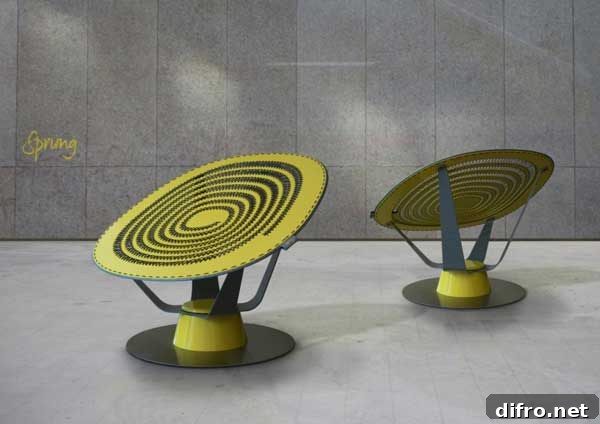
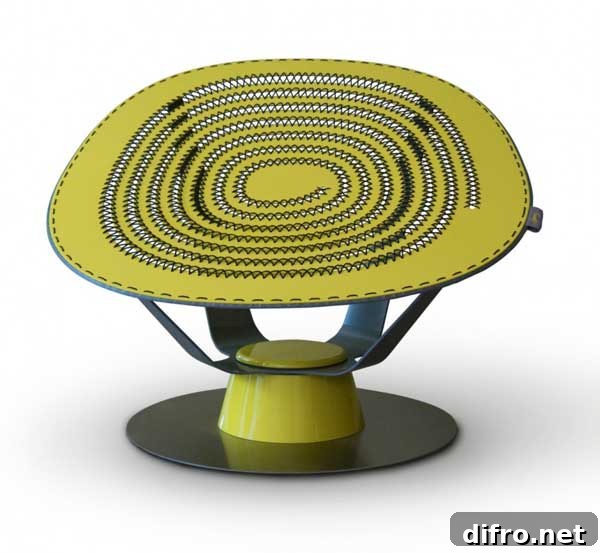
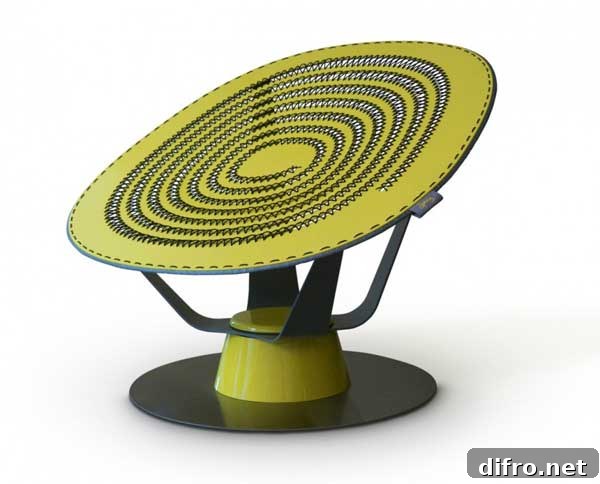
At first glance, the Sprung Chair stands out for its unusual composition. The design pairs hand-stitched elastic shock cord with a flat plastic sheet, two materials rarely used together in traditional furniture. This pairing allows the chair to offer both support and movement: the elastic network gives the seat a springy, flexible quality, while the flat sheet maintains an overall structural silhouette. The visual contrast between the taut cords and the smooth plane of plastic creates a strong aesthetic identity that reads as both modern and playful.
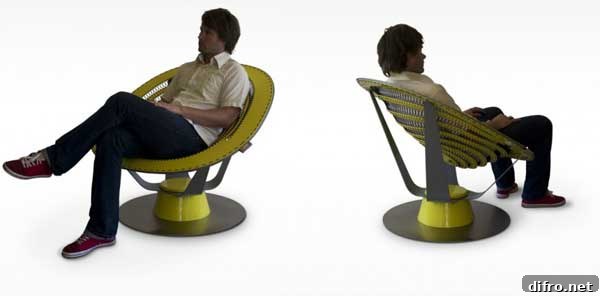
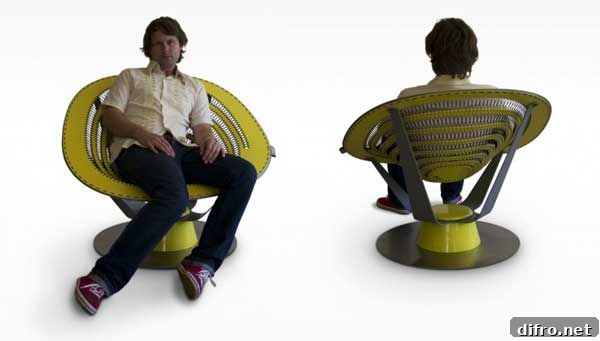
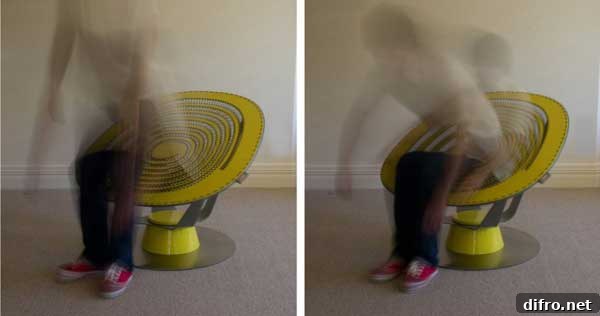
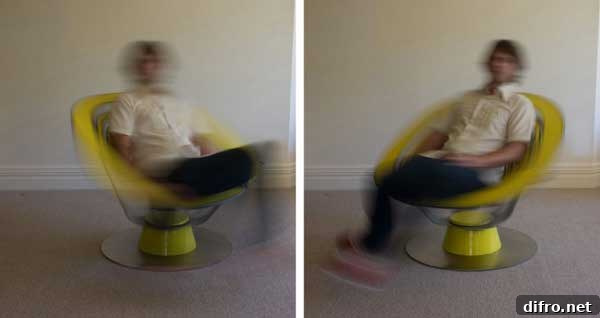
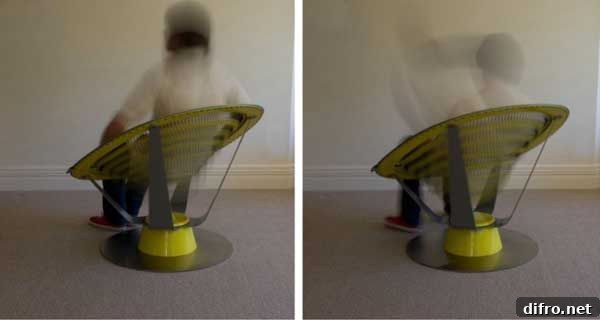
Functionally, the Sprung Chair behaves differently from a typical rigid chair. Because the seat surface is composed of elastic shock cord stretched and hand-stitched over a frame, it yields under weight and rebounds, producing a gentle bounce when someone sits down or shifts their position. That springing action is part of the concept—Klenner wanted to encourage a new kind of interaction with seating, one that heightens bodily awareness and invites movement rather than enforcing stillness. The chair’s responsiveness can make sitting feel more dynamic and engaging, which is particularly interesting for contemporary interiors seeking objects that double as experiential design.
One of the most remarkable production details is the amount of material involved: the Sprung Chair uses approximately 65 meters of hand-stitched elastic shock cord. This labor-intensive technique contributes to the chair’s artisanal quality and emphasizes the maker’s involvement in each piece. The hand-stitched construction not only secures the cords but also lends each chair a unique character, as slight variations in tension and stitching are part of the handcrafted process. The Sprung Chair is offered in limited edition, emphasizing its role as a collectible design object rather than mass-produced furniture.
Beyond construction, the Sprung Chair is notable for its visual impact. The vivid colors and sculptural profile make it a focal point in a room: it can function as an accent piece in minimalist spaces or as a playful counterpoint in more eclectic interiors. The chair’s open, lattice-like seat and lightweight appearance help it work in a variety of settings—from contemporary living rooms and studio spaces to boutique retail or gallery displays. Because it combines comfort with visual intrigue, the Sprung Chair appeals to both design-minded homeowners and those interested in furniture that provokes a reaction.
In the broader context of modern furniture design, the Sprung Chair fits within a growing interest in responsive and adaptive objects—pieces that alter how we use and perceive everyday items. Rather than hiding its mechanics, the chair celebrates them: the cords are exposed and integral to the visual language, and the springing motion is central to the user experience. This transparency of function aligns with contemporary trends that value honest materials and visible craftsmanship.
For anyone considering the Sprung Chair, it’s worth noting that its distinct personality will shape how it’s used. It’s less about traditional, long-term lounging and more about moments of interaction, novelty, and physical engagement. As a limited-edition design object made with substantial handwork, it also holds appeal as a collectible statement piece.
In summary, Jason Klenner’s Sprung Chair is an inventive exploration of materials, motion, and human interaction. With its hand-stitched elastic shock cord, flat plastic sheet, lively springing action, and vivid appearance, the chair offers a fresh, tactile alternative to conventional seating and demonstrates how contemporary design can transform everyday furniture into a dynamic, responsive experience.