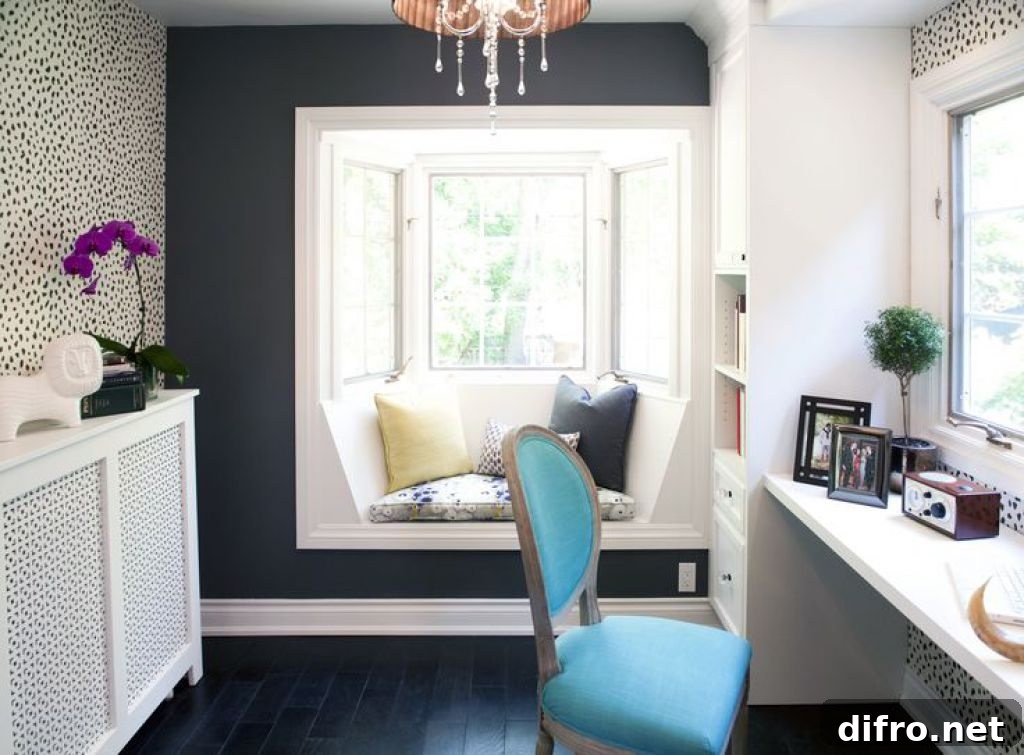
A window seat is a timeless feature that outlasts fleeting trends. It brings together relaxation and a connection to the outdoors, turning any room into a cozy, inviting retreat. The appeal of a window seat lies in its simplicity: it doesn’t need to be elaborate to be beautiful. Comfortable, restrained designs can have a strong visual and functional impact. This collection of minimalist window seats demonstrates how varied and adaptable these elements can be while remaining understated and elegant.
Charming Simplicity
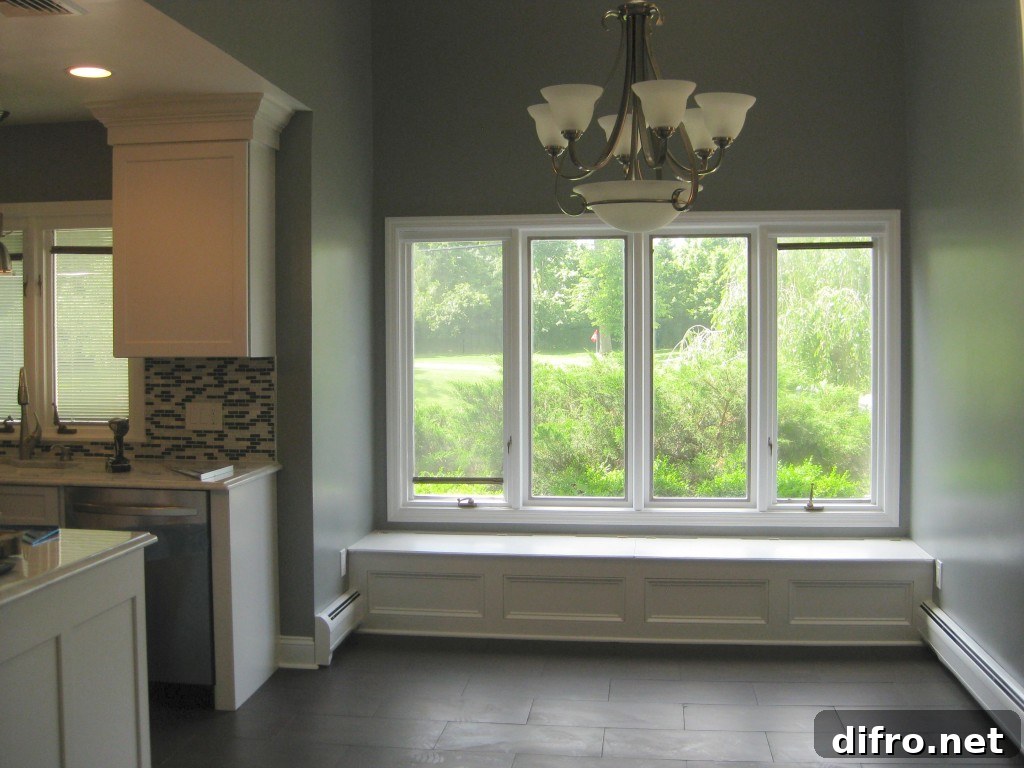
A neutral interior benefits immensely from a minimalist window seat. Placed beneath tall windows, a simple built-in bench opens the space visually, increases natural light, and instantly makes the room feel brighter and more welcoming.
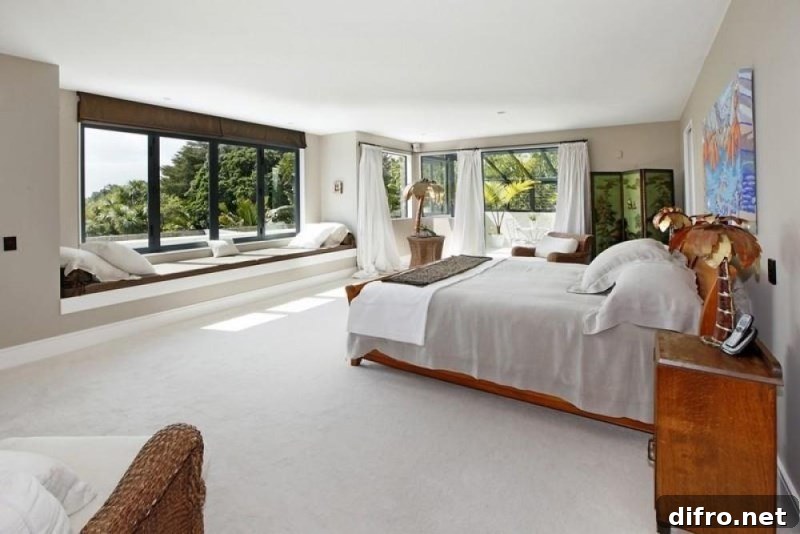
Large bedrooms can sometimes lack intimacy. Adding a modest window seat restores that cozy quality without crowding the space—an inviting spot for reading or lounging that keeps the room feeling warm and personal.
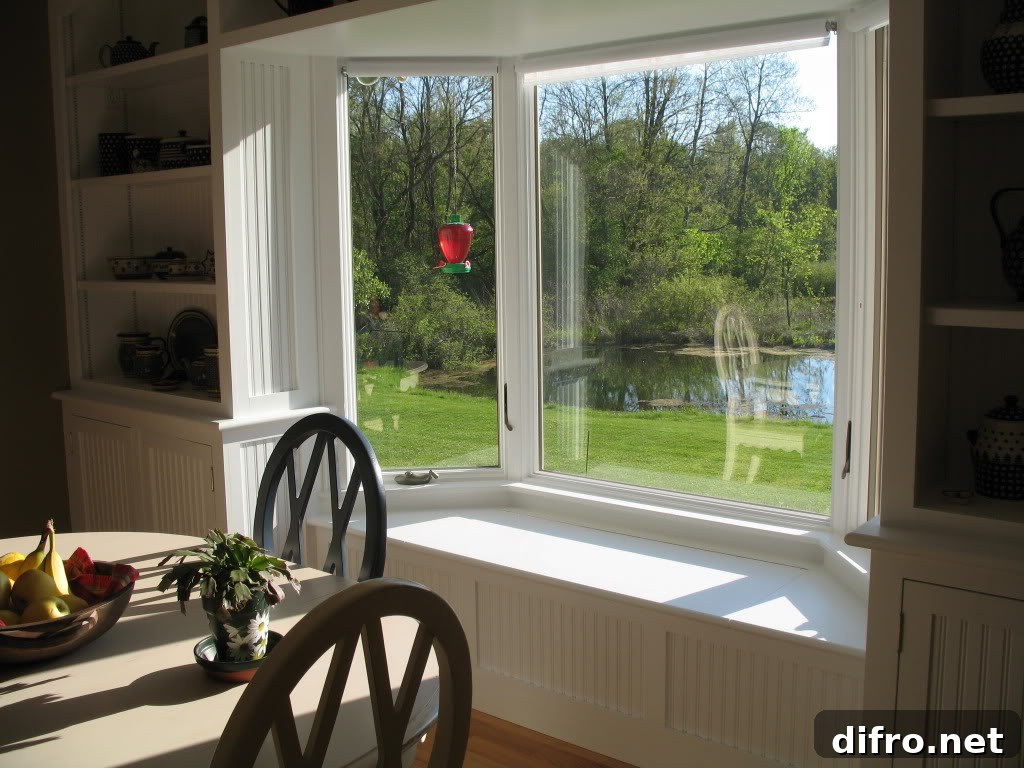
Window seats don’t have to be large or heavily upholstered. A compact bench with minimal cushioning can blend seamlessly into a dining nook or small room, preserving clean lines and a light visual footprint.
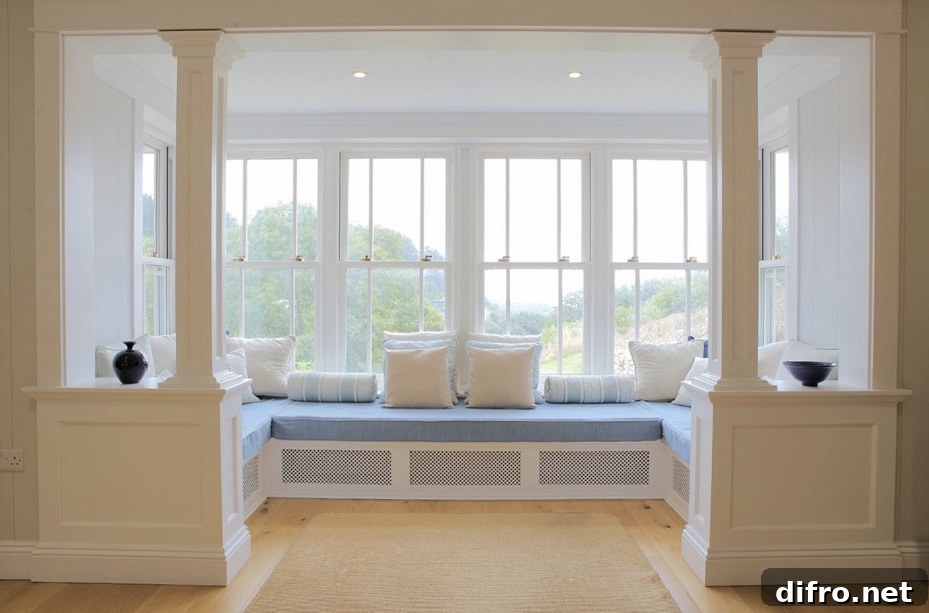
When a window seat becomes a full lounge area, keeping the palette soft and restrained—think white and pale blue—prevents the installation from feeling overwhelming. The result is a serene, minimal retreat that still reads as intentional and refined.
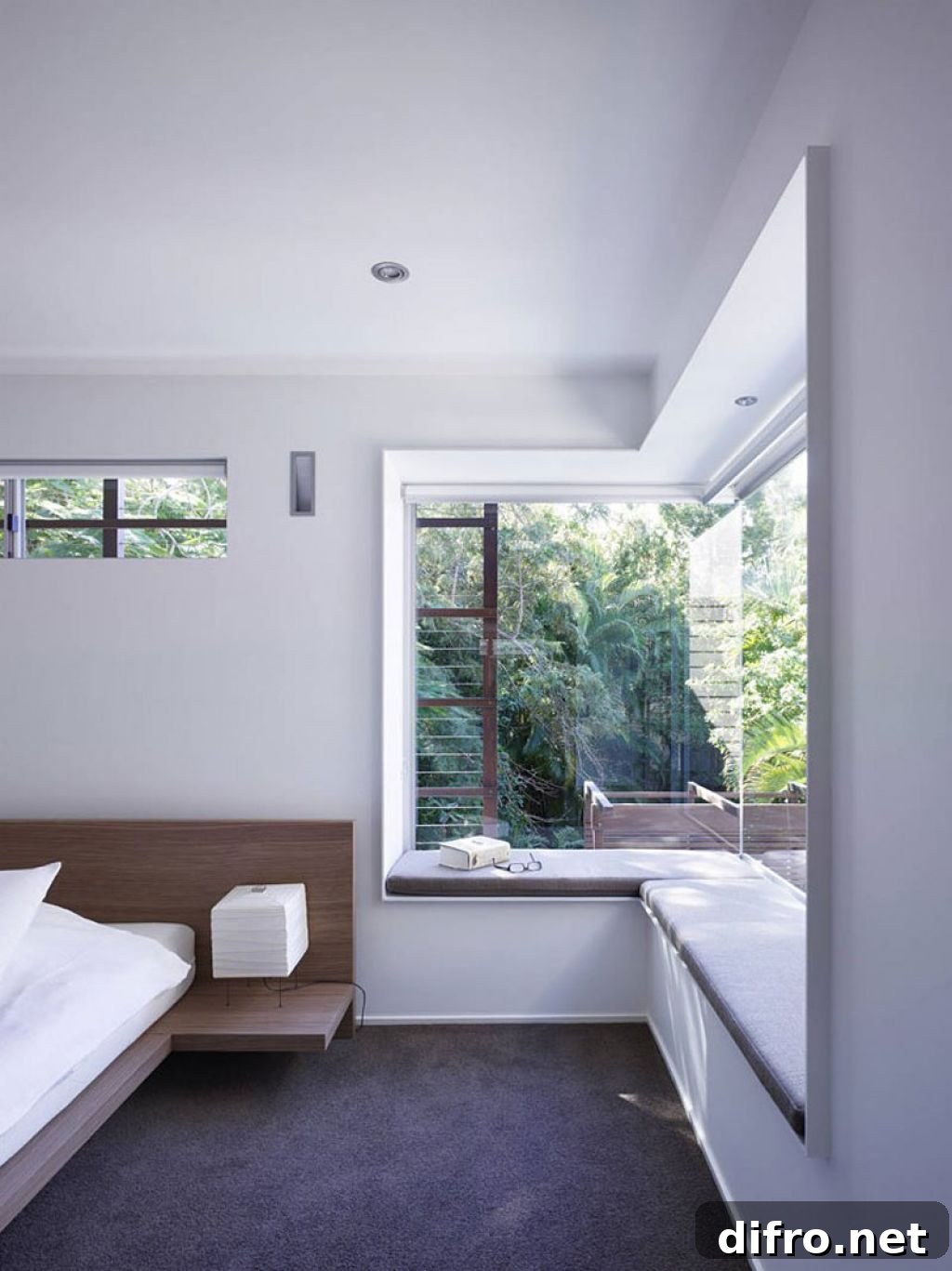
An elegant bedroom with simple geometries is perfectly complemented by a corner window seat. Large windows fill the space with daylight, creating a restful spot to enjoy natural light without relying on artificial sources.
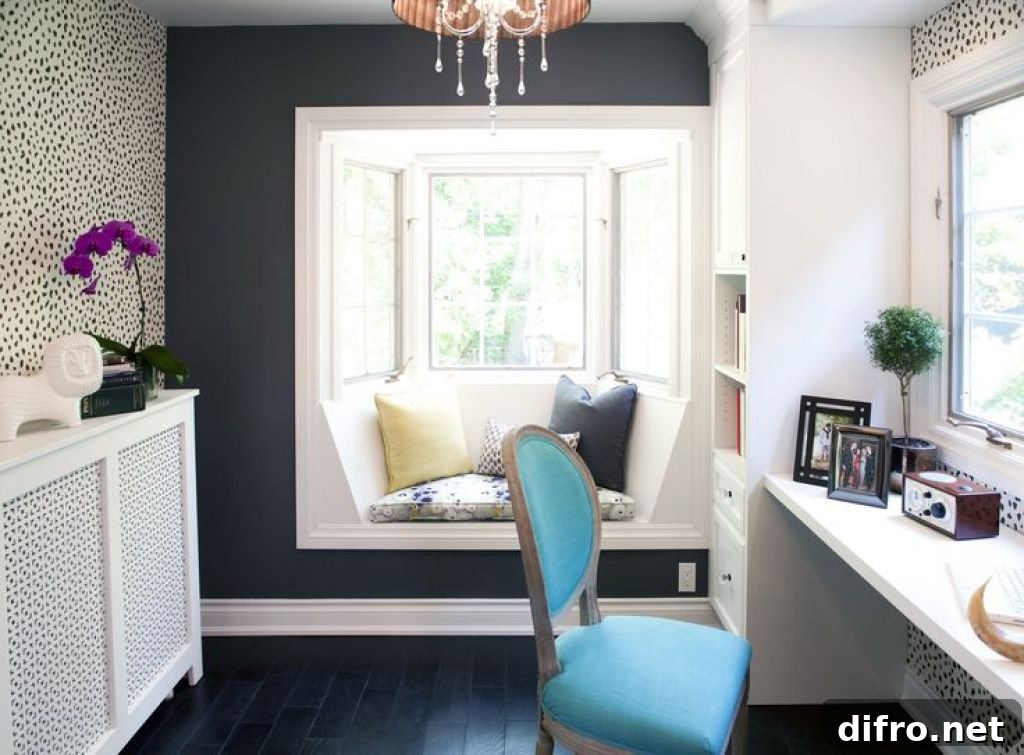
In rooms with darker hues, a small luminous window seat can act as a bright focal point, visually expanding the space and preventing it from feeling too enclosed. Even a modest addition can transform the room’s atmosphere.
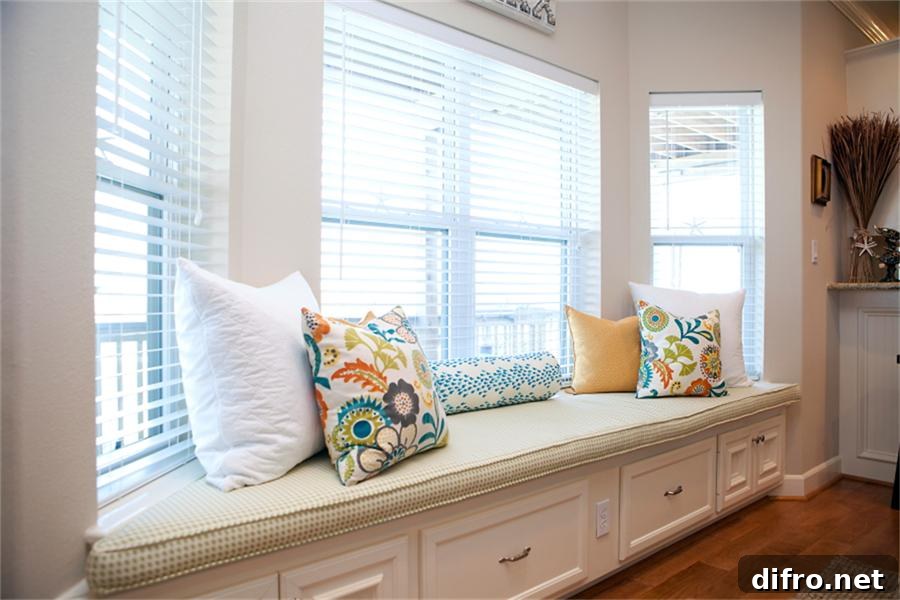
While a consistent palette keeps a space calm, patterned or colorful cushions are the easiest way to introduce visual interest to a minimalist window seat. Swapping textiles is a simple update that changes mood without major renovation.
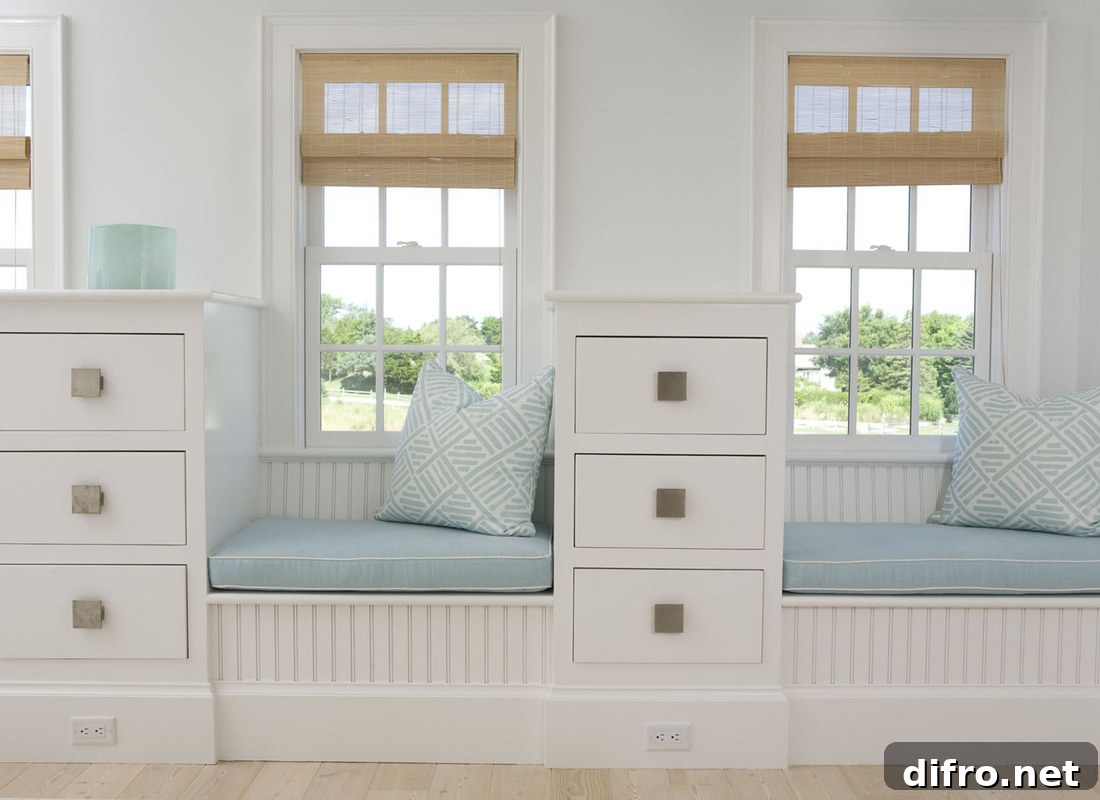
A double window seat in soft pastels becomes a tranquil spot when sunlight fills the room. Whites and light tones brighten the interior and create a cheerful, relaxed atmosphere ideal for lazy afternoons.
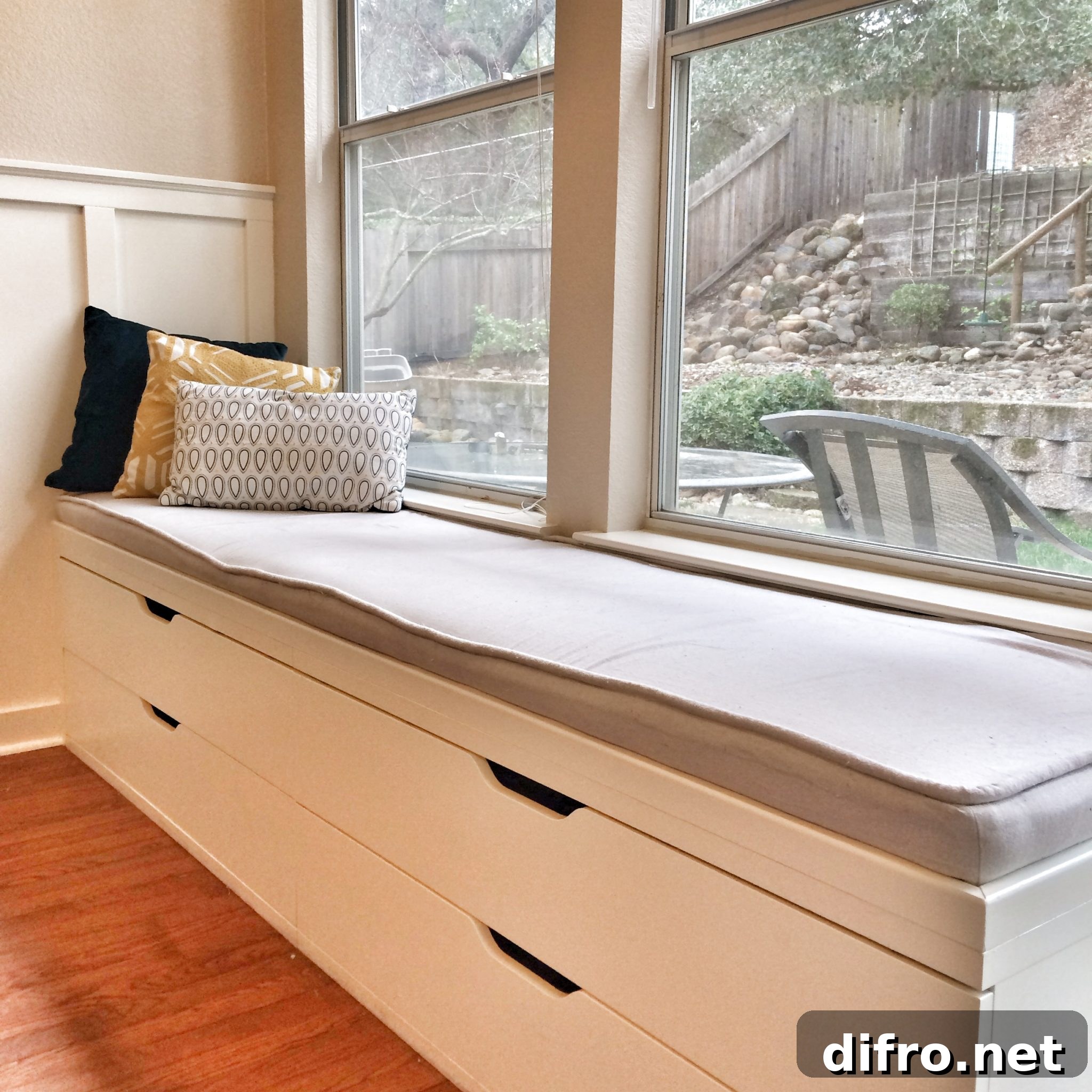
To maintain an uncluttered minimal look, pair a white bench with gray cushioning. The two-tone combination reads clean and modern while remaining warm and inviting.
Perfect Place to Lounge
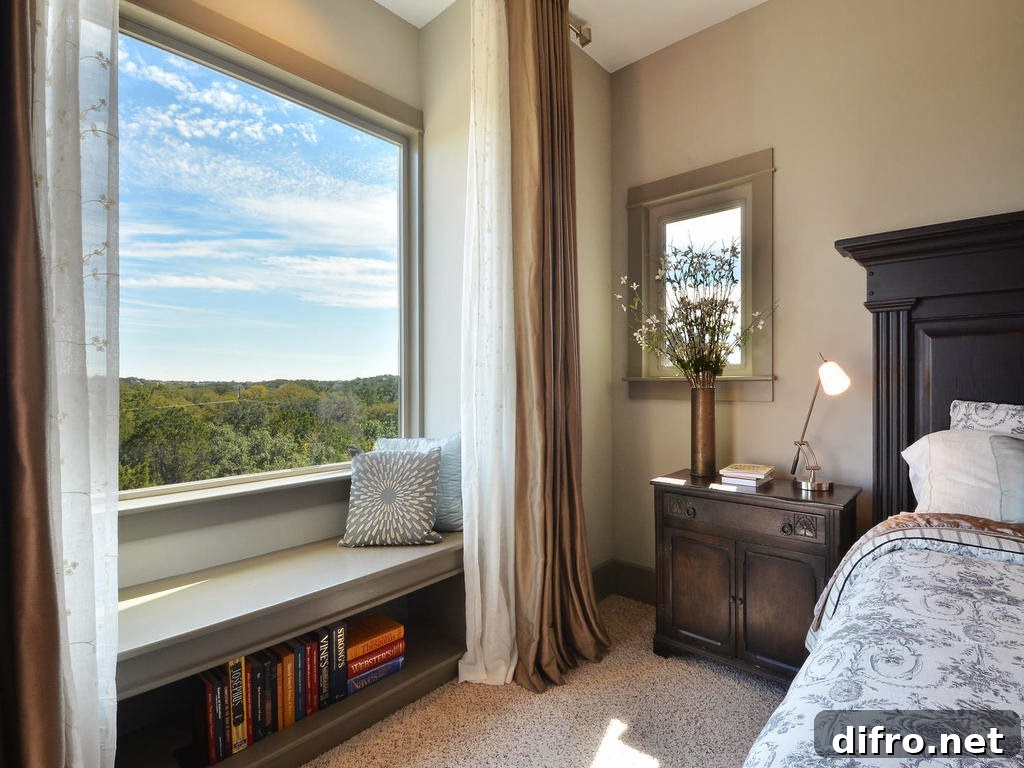
Curtains serve a practical role for privacy and light control, but they can also hide a window seat when you prefer a simpler bedroom aesthetic. Retractable textiles let you reveal or conceal the seat as desired.
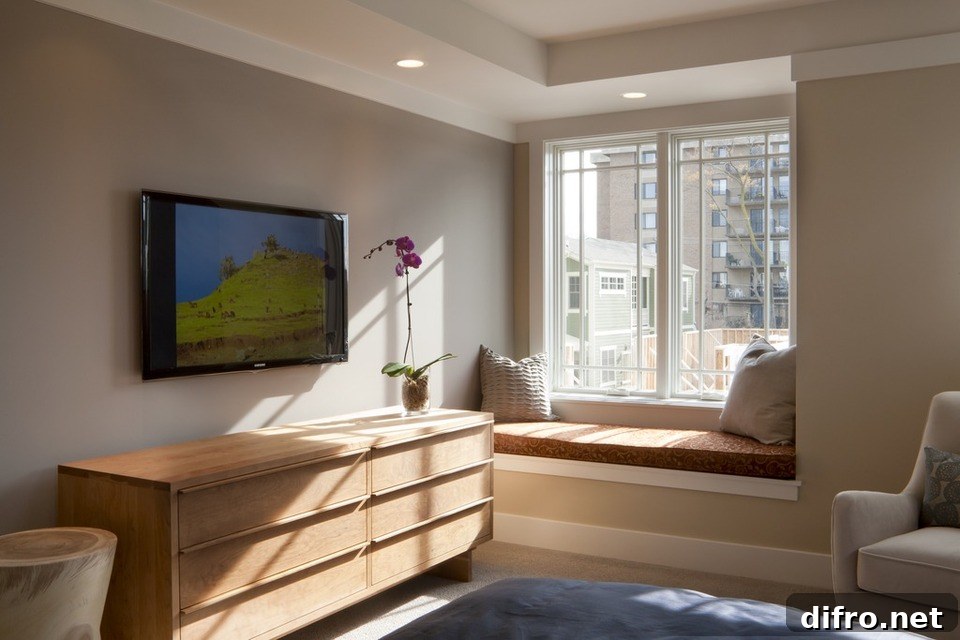
Even in a tight corner, a minimalist window seat can create a delightful lounging niche. Thoughtful proportions and a cohesive color scheme help the piece feel intentional rather than an afterthought.
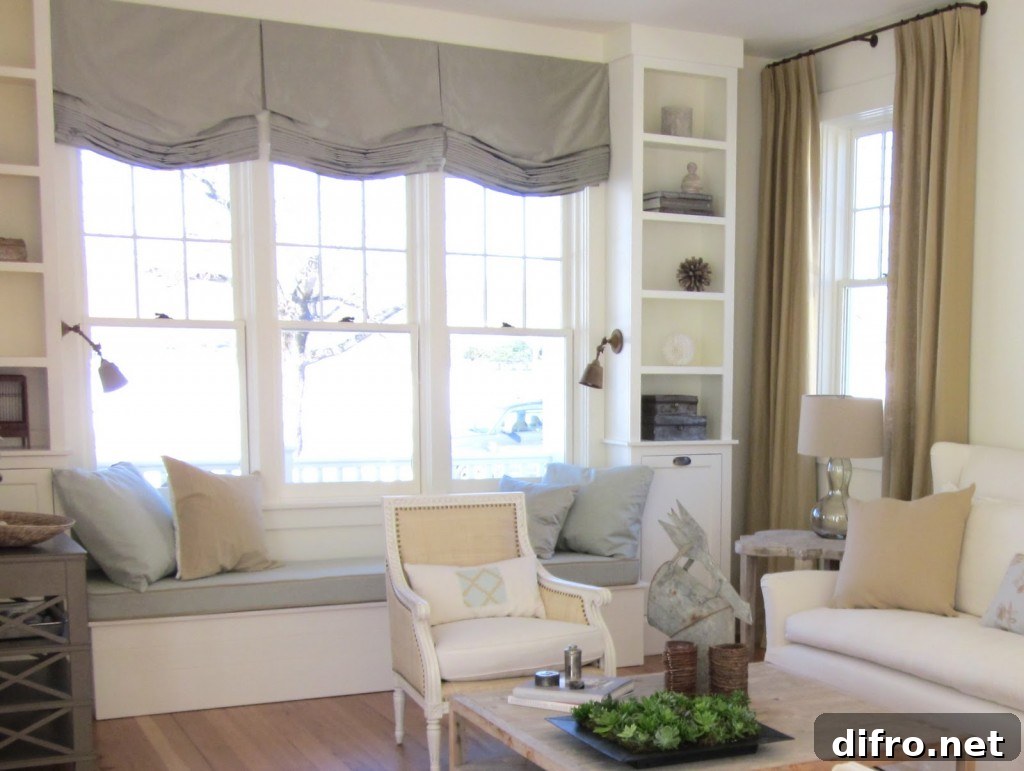
In a bright living room, a window seat complements sofas and armchairs by adding another comfortable layer to the seating plan. It’s a practical, stylish way to prioritize comfort and leisure in your home design.
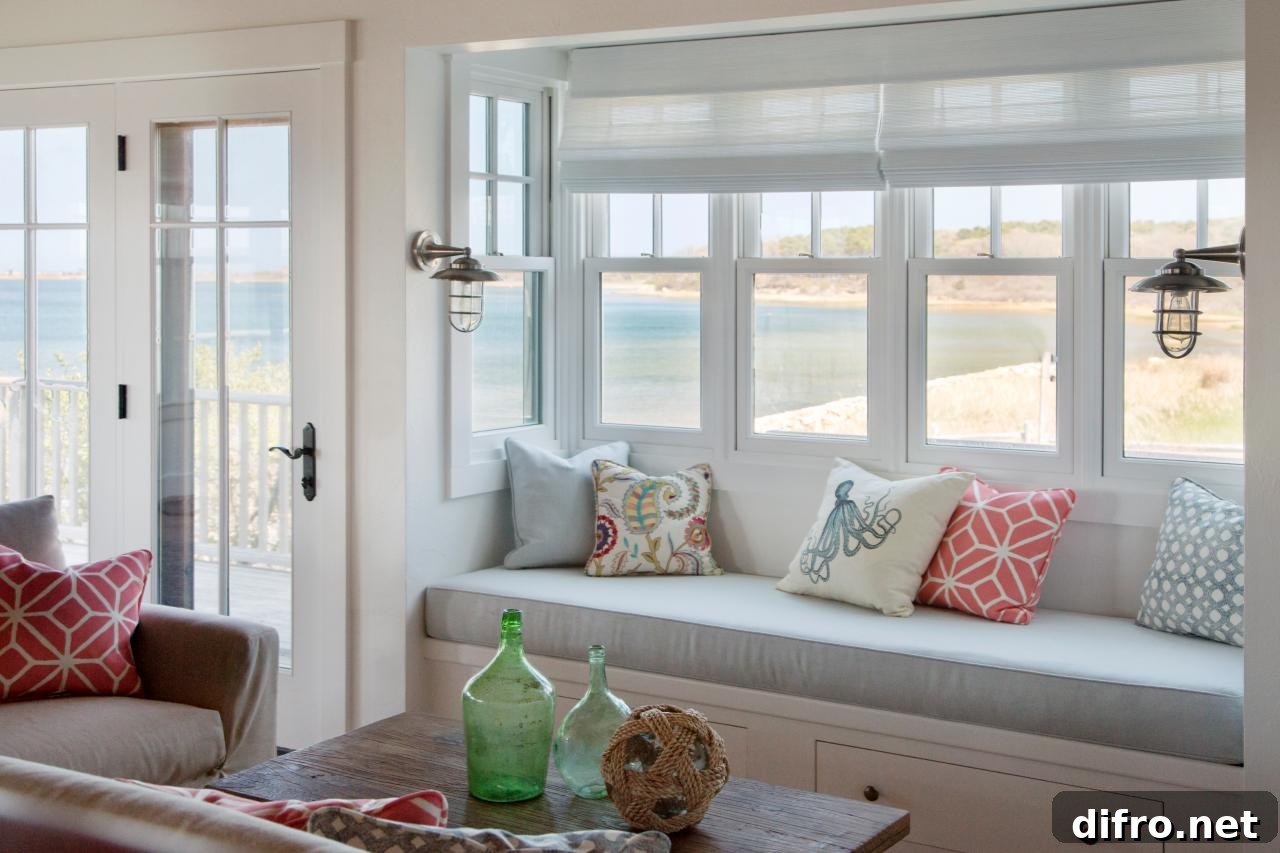
A window seat should feel like a natural extension of the home. Matching the seat’s palette to the surrounding interior produces a harmonious composition that reads as thoughtfully integrated rather than tacked on.
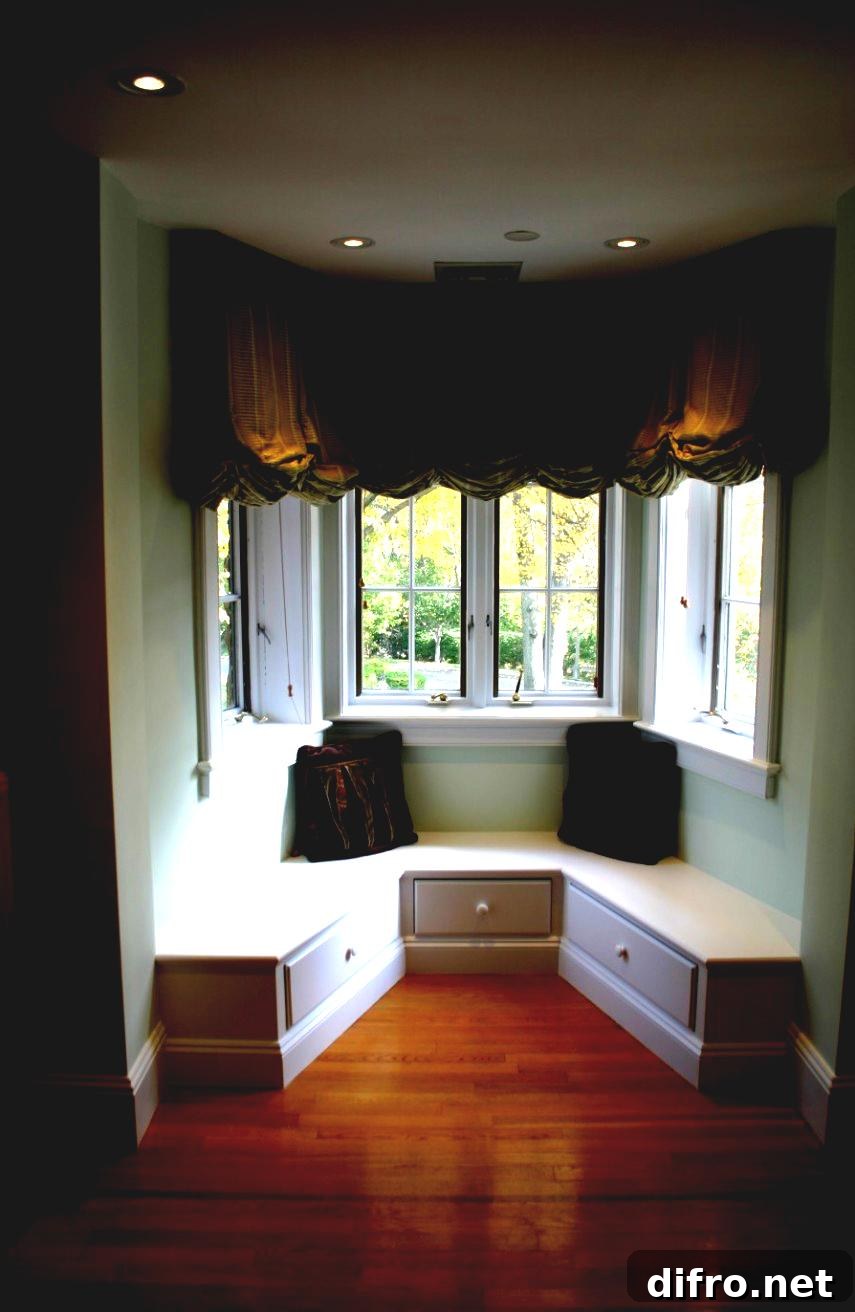
In darker interiors, a plain white bench provides balance and brightness. When designed with integrated storage, it becomes both a focal point and a highly functional piece.
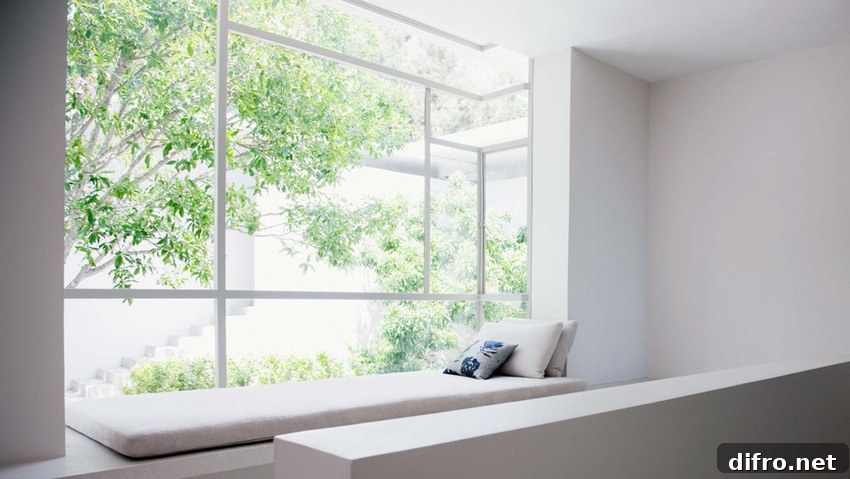
A predominantly white room calls for an understated window seat that almost disappears into the décor. A large, all-white bench preserves the minimalist aesthetic while adding useful seating.
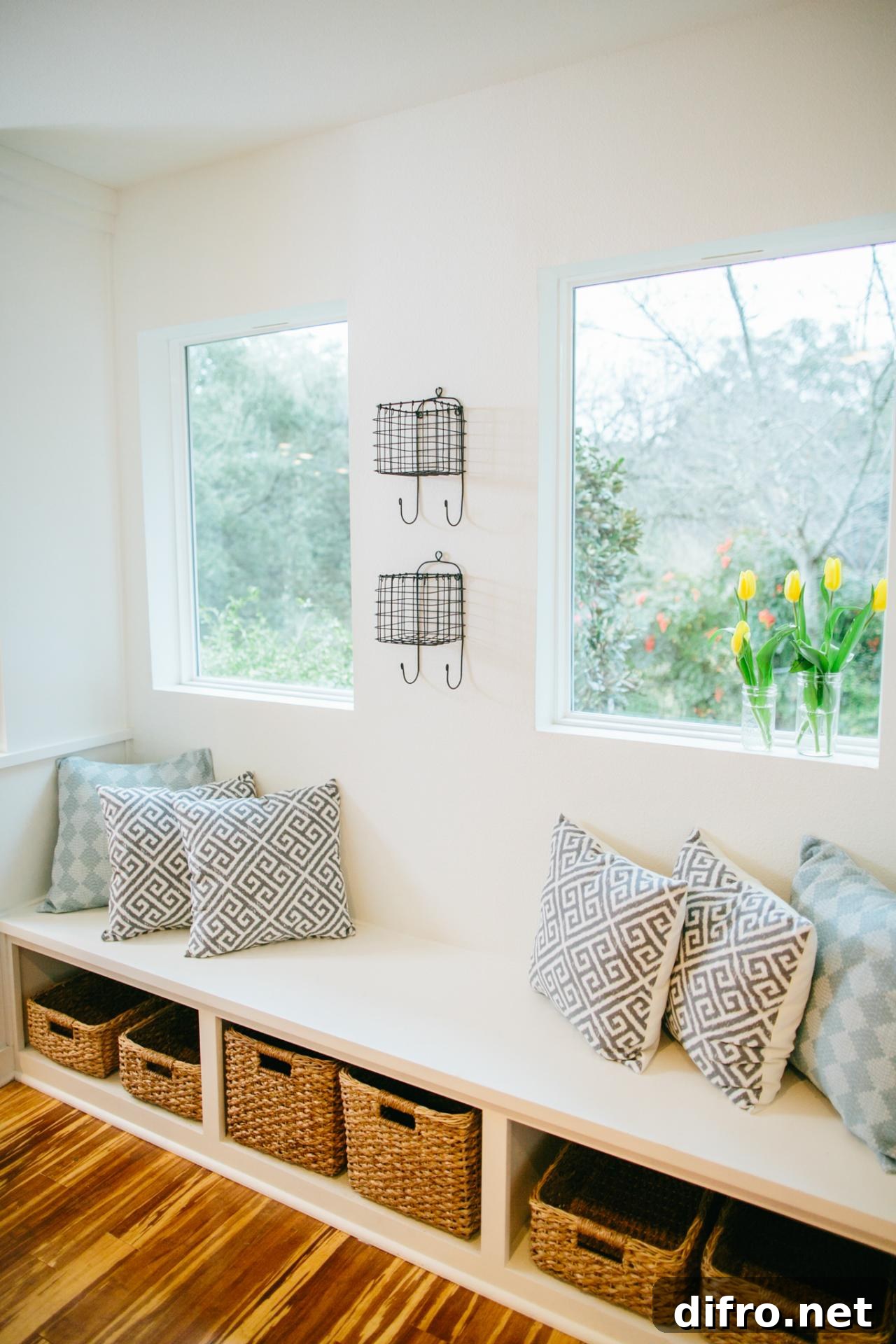
A compact window bench with a couple of monochrome pillows can double as clever storage. White finishes are flexible and pair well with rustic baskets or other practical accents to keep the look tidy yet welcoming.
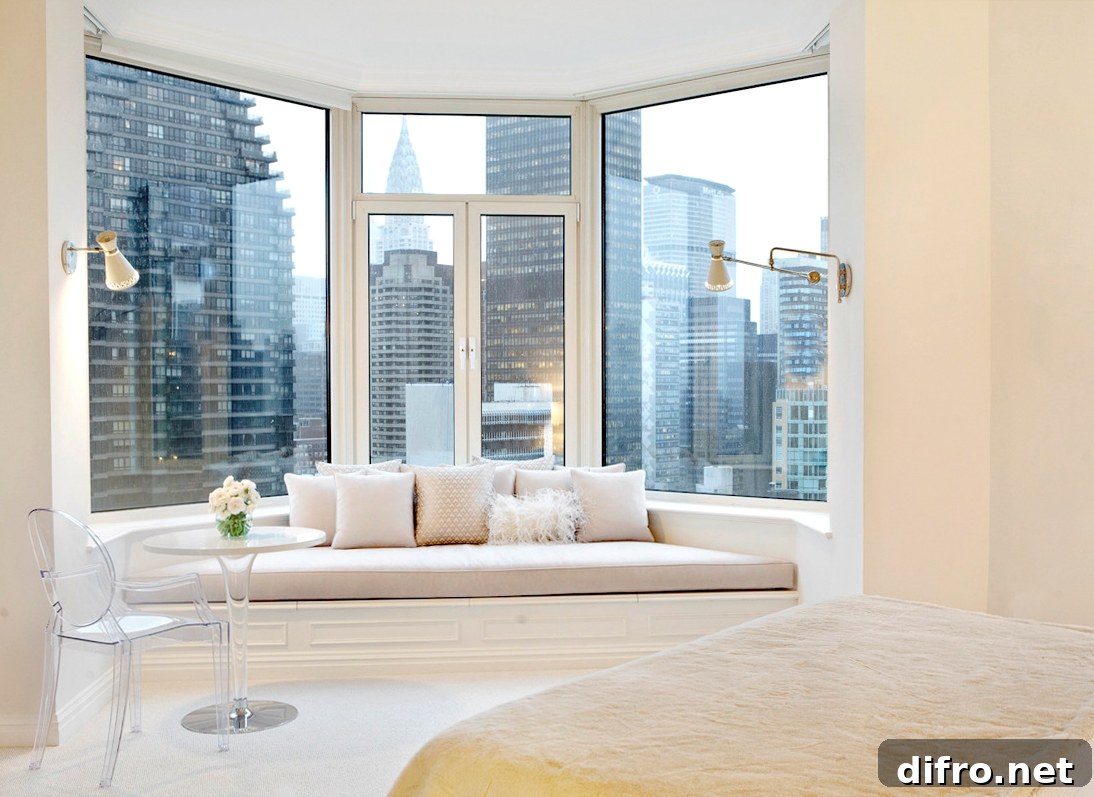
Use a window seat to frame a city view and bring the outside in. Gentle, bright tones create a coordinated interior that offers a peaceful counterpoint to the urban landscape beyond the glass.
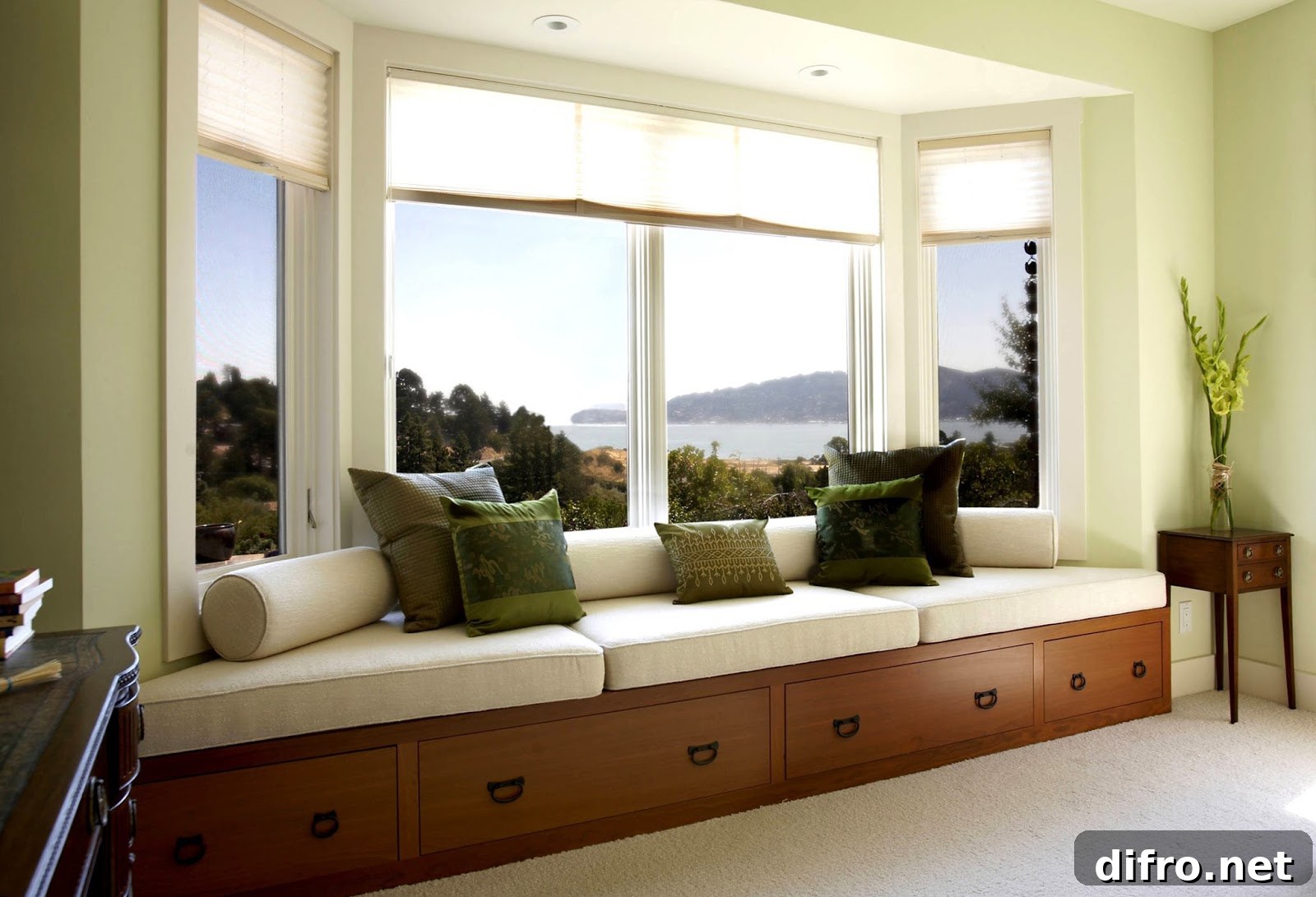
Consistency across materials and colors helps a space feel cohesive. A wooden bench with white cushions and olive throw pillows echoing nearby walls is an excellent example of creating harmony through deliberate repetition of hues.
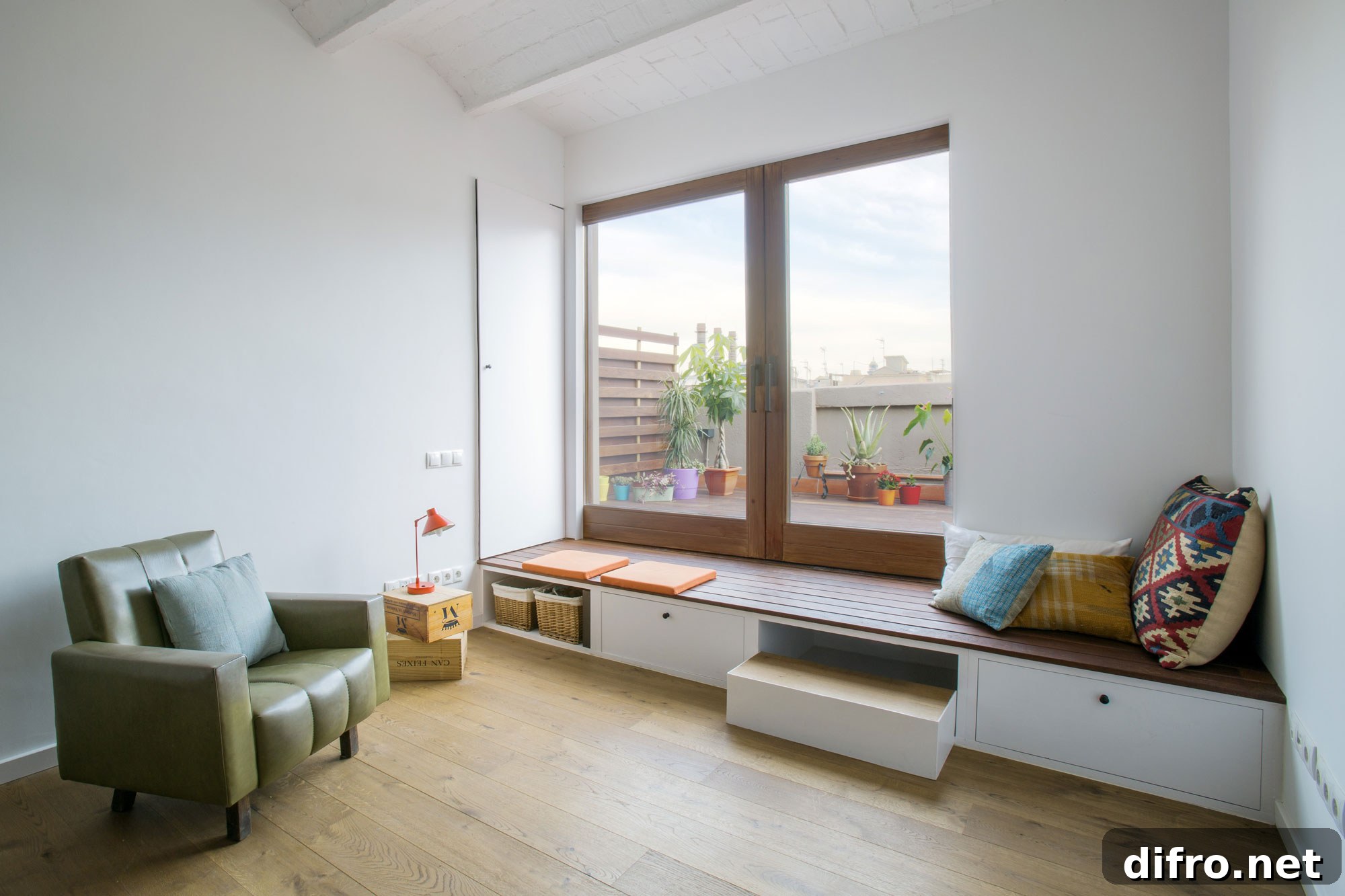
Simplistic design often yields the most functional results. A streamlined window seat can provide ample seating and hidden storage while maintaining an uncluttered, ordered appearance.
Open Up the Room
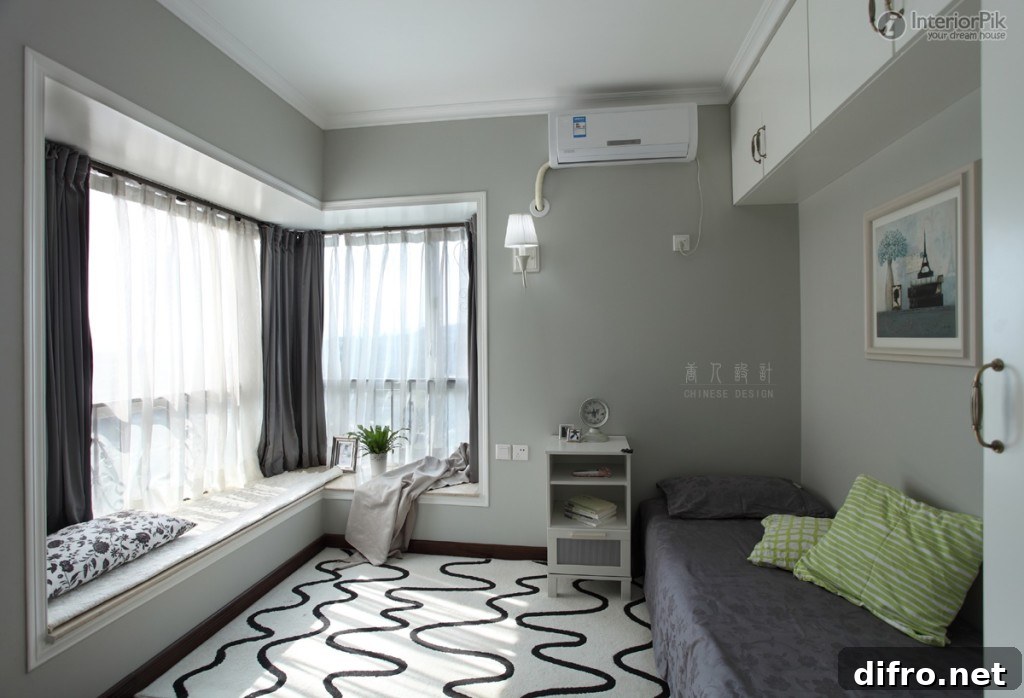
A bench that runs the length of a room and embraces a corner can visually expand a tight space. Long, continuous seating is an especially effective strategy in small rooms with cool or gray palettes.
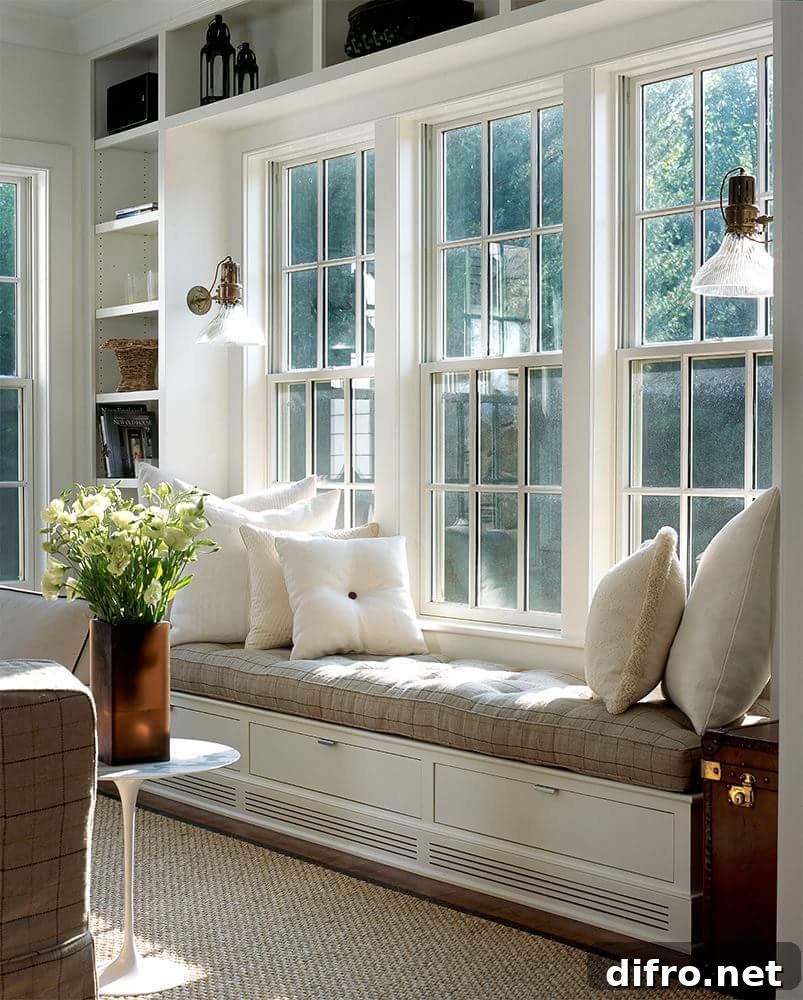
Traditional-styled window seats can feel timeless and charming. A simple, well-proportioned bench proves that restrained elements often deliver the strongest impact.
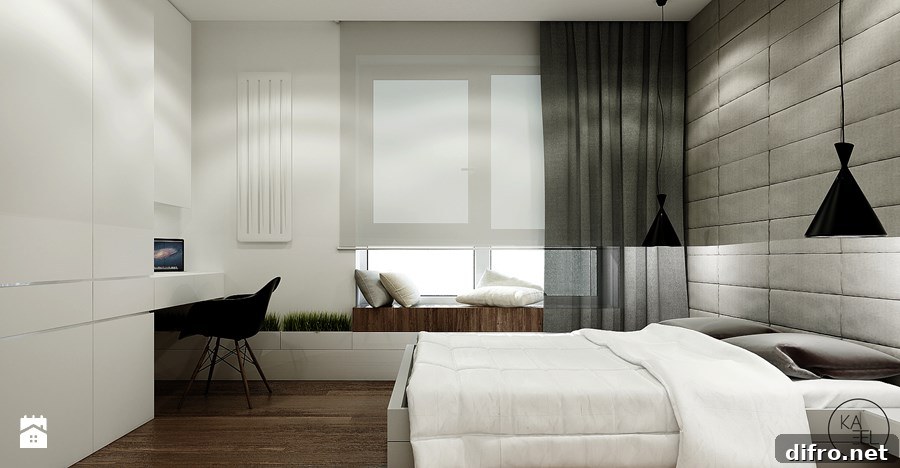
When a seat blends into a neutral palette, it can be easy to miss—but that quiet integration is exactly what creates a cozy, understated nook in a modern room.
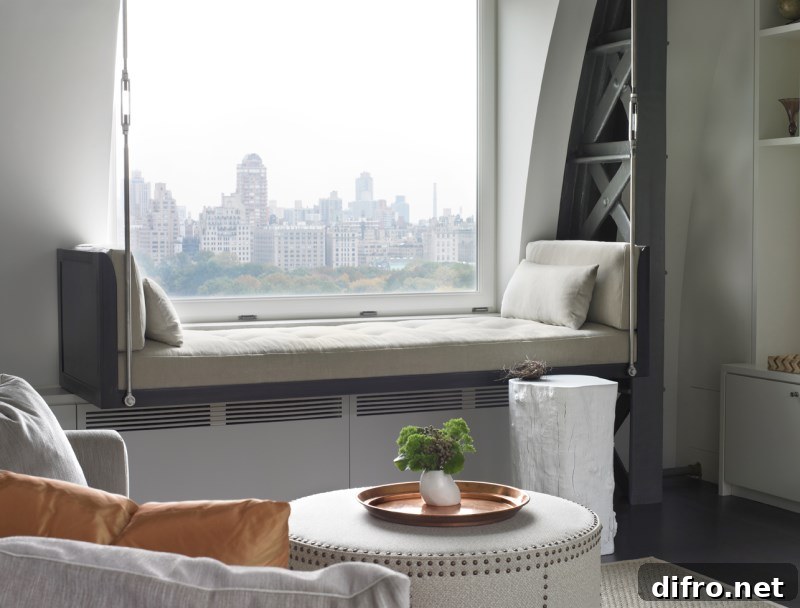
If floor space is limited, consider a lifted or raised bench. Elevated window seating is an inventive twist on tradition and can become a distinctive interior feature.
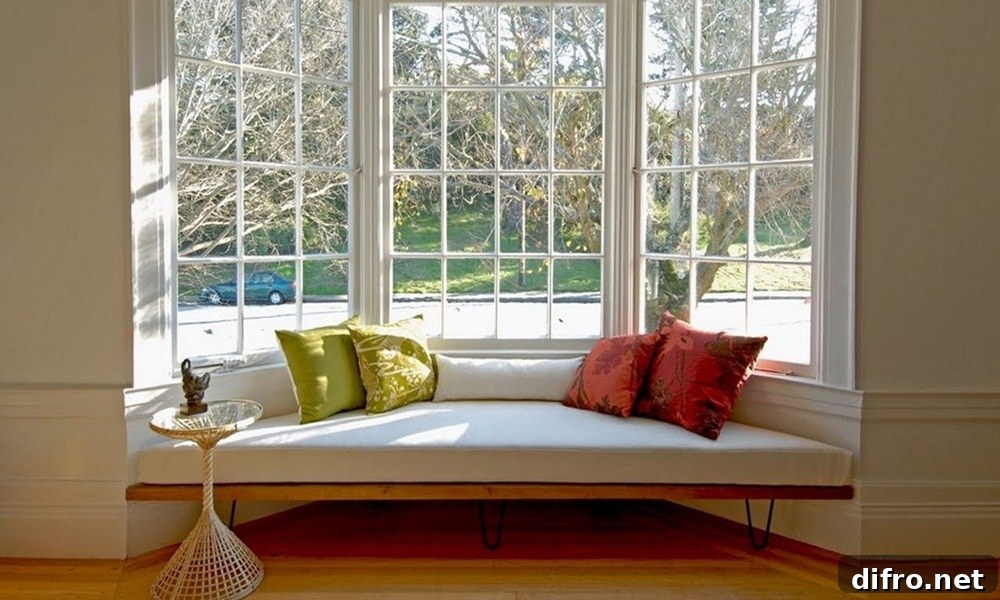
Not all window seats sit directly on the floor. Low wooden benches inspire minimalist seats that are both cute and unpretentious, proving that small design choices can have big personality.
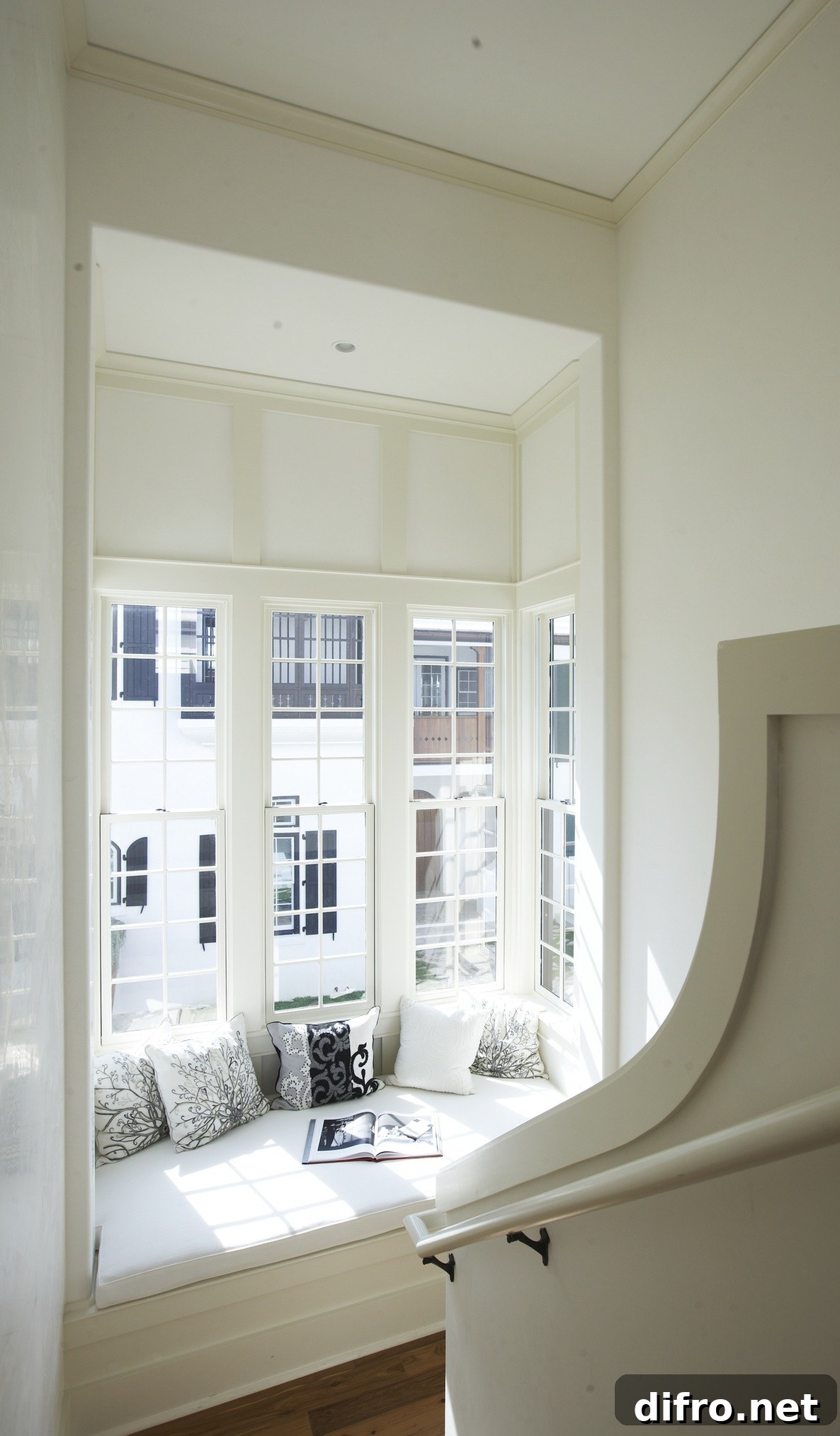
Stairwells are often overlooked, but a tall window with an accompanying bench can transform a narrow passage into a bright, restful landing—an unexpected place to pause and enjoy light and views.
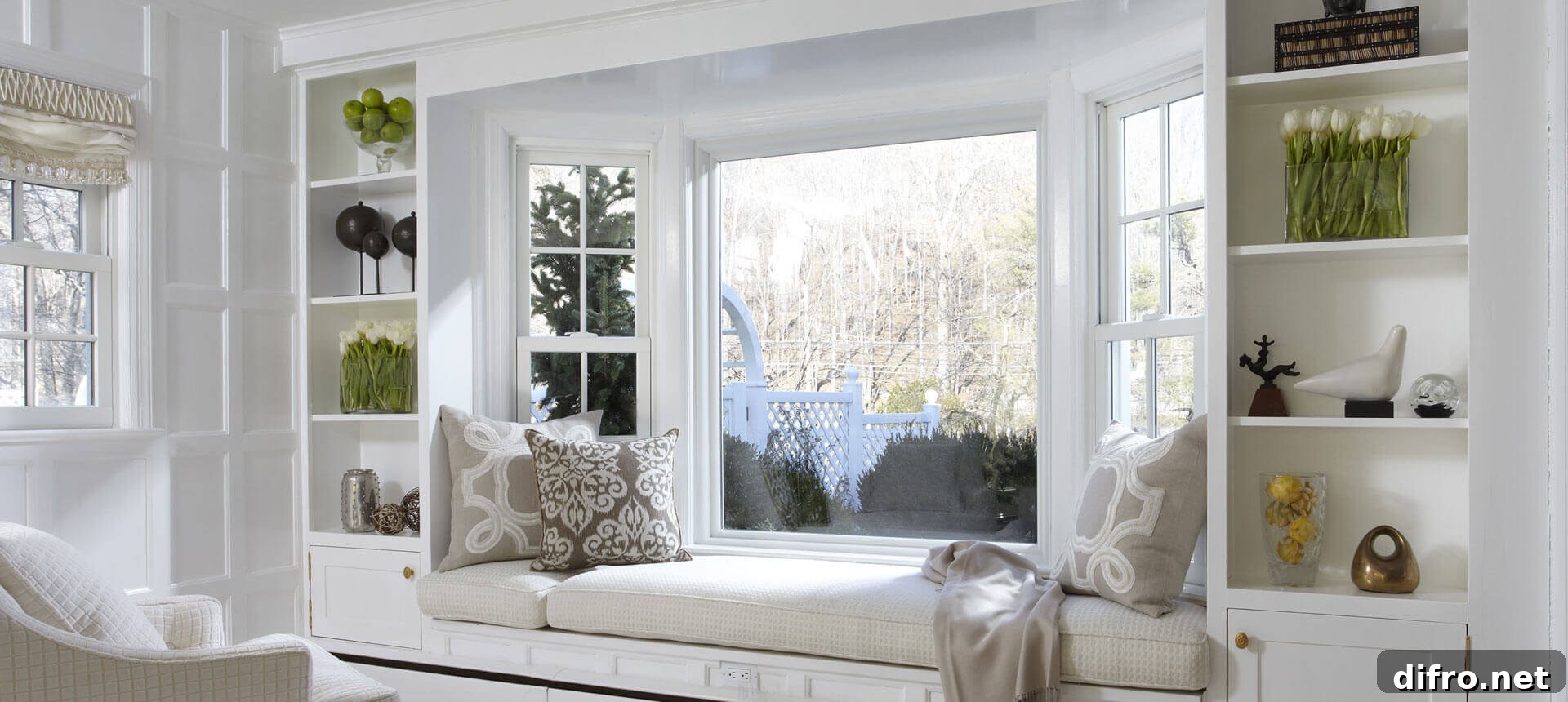
A large window seat can serve as the focal point of a minimalist room. Keep decorations sparse—natural-toned cushions and a few plants are all you need to maintain the calm, airy aesthetic.
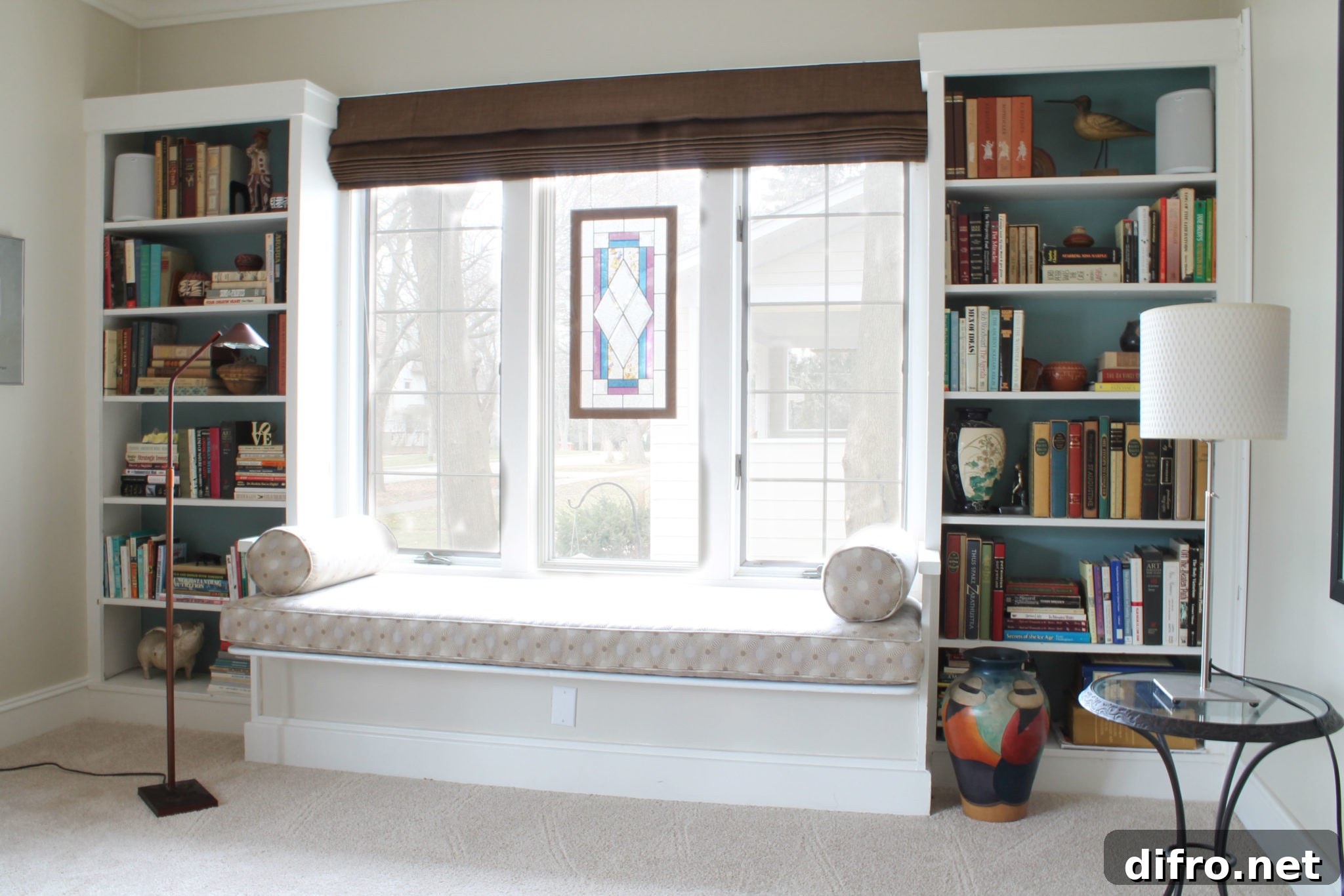
For book lovers, a window seat placed between bookcases offers a balanced solution: comfortable seating and a calm reading nook that keeps the surrounding shelves from overwhelming the room.
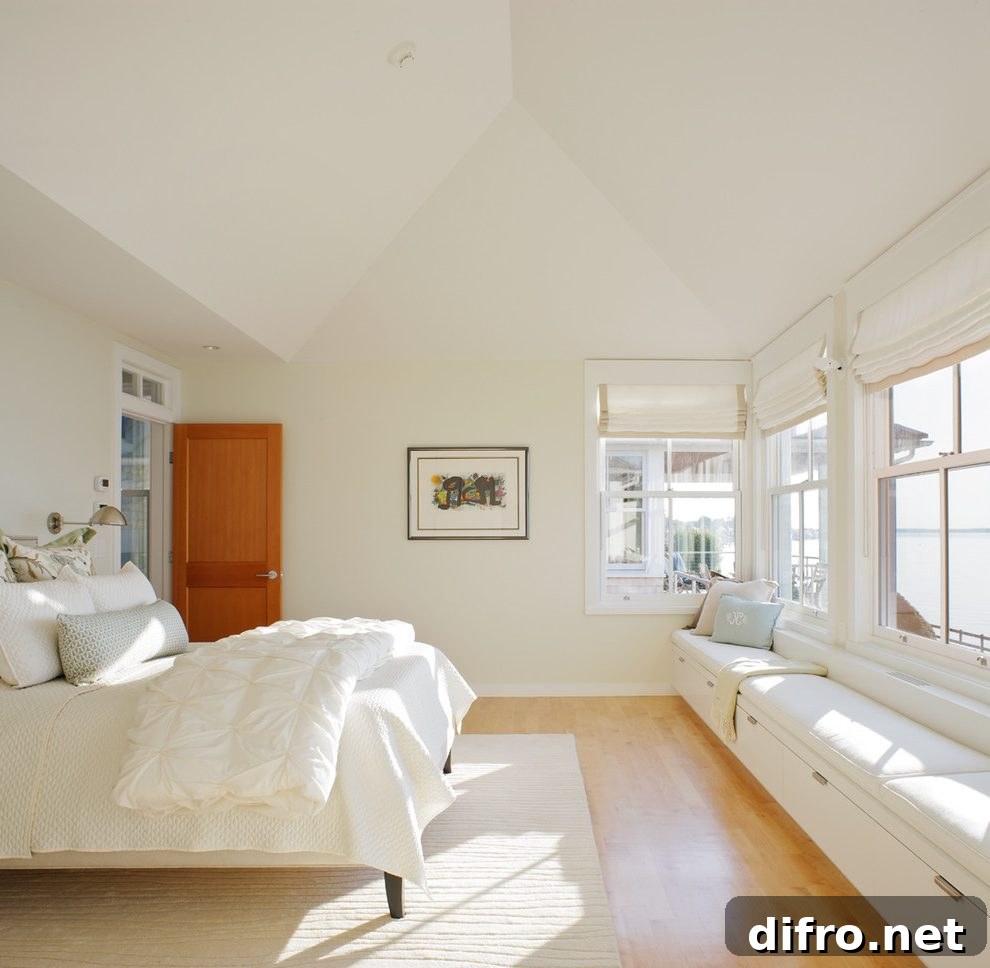
A long, unobtrusive bench is an excellent way to add form and function to a plain white bedroom. It fills the room subtly and becomes a useful, minimal anchor for the space.
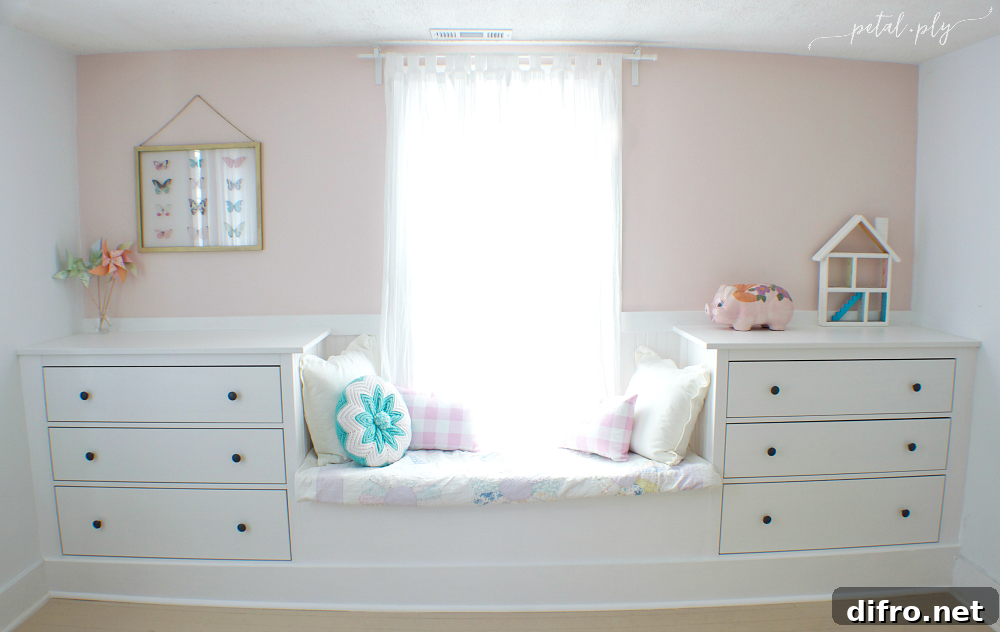
A petite seat between dressers gives a room new purpose—an intentional place for pausing, putting on shoes, or reading. Keep textiles and accents to soft pastels to preserve peace and serenity.