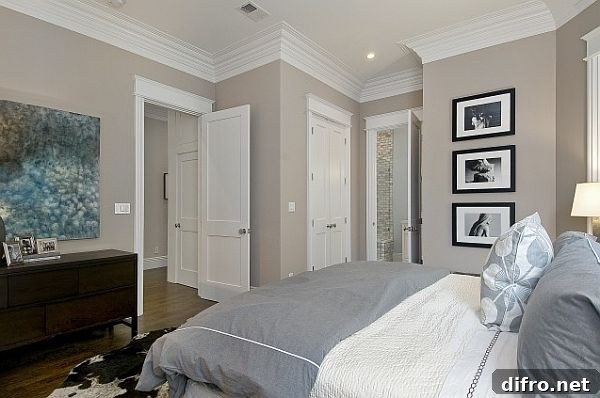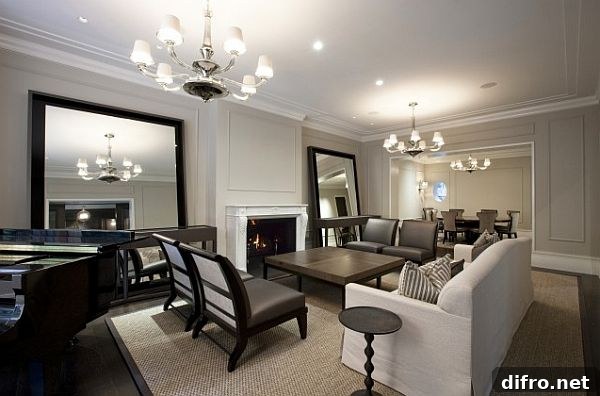
Royalty has long fascinated us: titles, ceremony, and the image of stately homes. While knighthoods and dukedoms belong to a rarefied past, the symbol we most associate with regal life is the crown itself. In interior design, that symbol becomes crown molding — an elegant architectural trim where wall meets ceiling that instantly elevates a room’s appearance and adds perceived value and refinement.
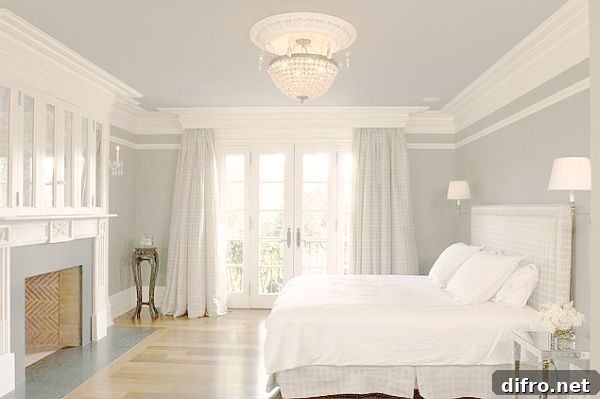
Crown molding can transform a simple room into one that looks custom-built. Whether you’re renovating a historic property or updating a modern apartment, the right molding — installed accurately — refines proportions, highlights ceilings, and hides minor imperfections where wall and ceiling meet. Below is a clear, practical guide to installing crown molding for a polished, professional finish.

1. Paint the molding before installation. It’s usually easier to prime and paint trim while it’s still on the ground. Painting beforehand reduces the need to balance on ladders and minimizes the risk of splattering paint on finished walls or ceilings. You can touch up seams and nail holes after installation, but pre-painting saves time and gives a more even finish.
2. Locate studs and ceiling joists. Use a reliable stud finder to identify framing members in both the wall and ceiling. Secure attachment to framing is essential: if the molding is only fixed to drywall, it can sag or pull away over time. Mark the stud locations clearly — these will determine where you nail and how you join pieces together.
3. Measure and cut carefully. Measure each run twice and cut molding with a compound miter saw. Accurate measurements prevent gaps and awkward joints. When cutting, keep safety front of mind: use a sharp blade, steady work surface, and proper hand placement to avoid injury.
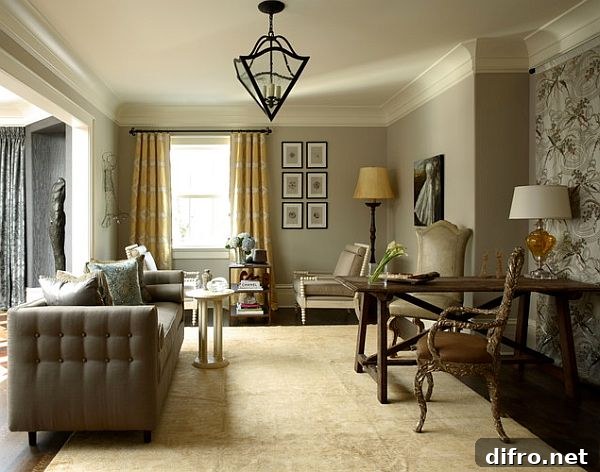
4. Fasten securely. Position the molding with one flange against the ceiling and the other against the wall. Use a finish nail gun loaded with 2½-inch finish nails to secure the molding through the flanges into the studs and joists so that nail heads are minimally visible. Accurate placement and firm attachment are critical to prevent sagging and shifting over time.
5. Set your miter saw for crown profiles. For standard crown molding cuts, set the saw’s horizontal (miter) angle and vertical (bevel) angle to match the profile. For many common crown profiles, a miter of roughly 34 5/8° and a bevel of roughly 31 3/8° will produce the correct compound cut. Verify the settings with a test piece before cutting your final lengths.
6. Cope inside joints for the best fit. Use a coping saw to follow the precise outline of the front edge of your angled cut. Coping the joint allows the end grain of one piece to fit tightly against the profile of the adjoining piece, producing a seamless, gap-free inside corner that accommodates minor wall irregularities.
7. Handle outside corners differently. For external corners that project into the room, cut both pieces with matching miter and bevel settings so the blade tapers inward rather than outward. These miters typically fit together without coping. Test-fit the joint, apply a small amount of adhesive if desired, and secure with finish nails for a tight, durable corner connection.
8. Finish with caulk and putty. After installation, fill gaps and seams with acrylic caulk along the top and bottom edges of the crown and in the joints. Cover visible nail heads with wood putty, sand smooth, then touch up paint where needed. Proper caulking and a final paint pass create a continuous, professional appearance that makes the molding look built-in.
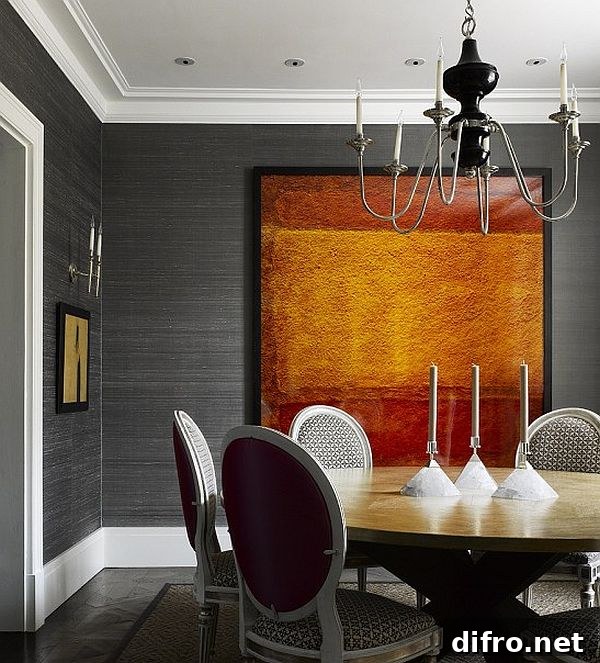
With patience and attention to detail, crown molding will dramatically change a room’s character. It defines the intersection between wall and ceiling, emphasizes room proportions, and lends a finished, architectural look that complements many styles — from classic to contemporary.
Take your time with measuring, cutting, and fitting. Test cuts and dry-fitting save frustration. If the room has irregularities, careful coping and caulking will produce a result that looks professional. When finished, your space will feel elevated — as if it wears a crown that commands respect.
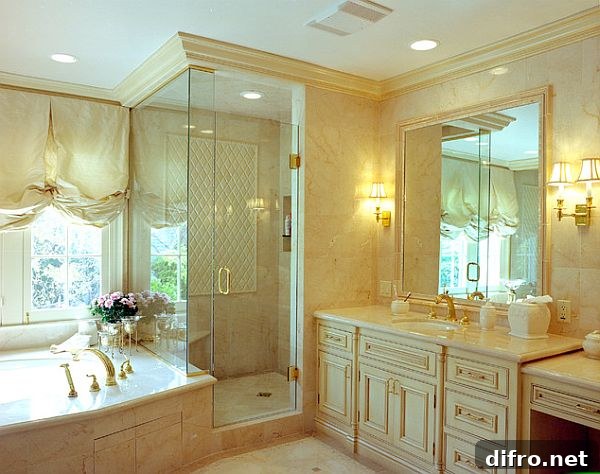

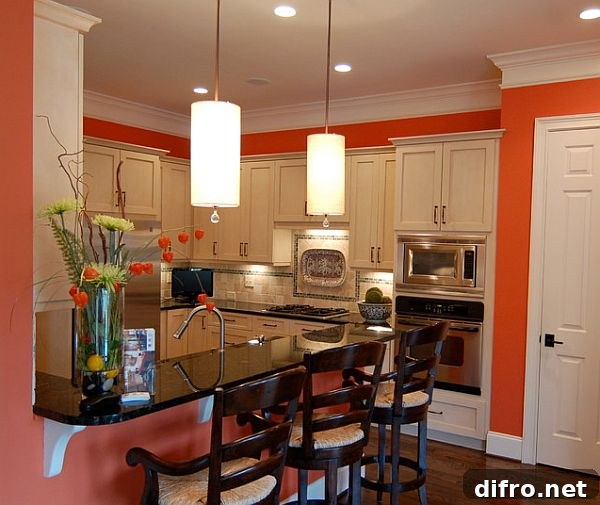
When the final caulk is dry and the paint is touched up, step back and enjoy the transformation. Crown molding doesn’t merely decorate — it defines spaces and elevates interiors. With careful work, your room will look like it belongs to a different class of design: refined, cohesive, and confidently finished.