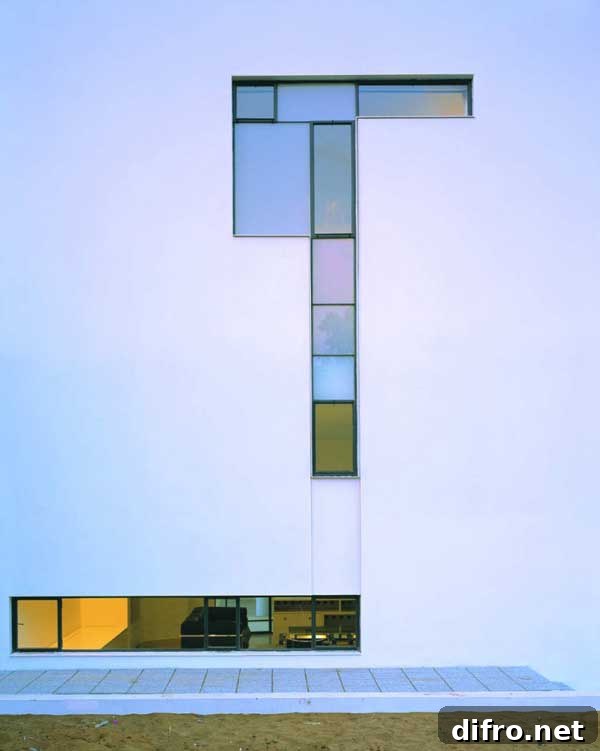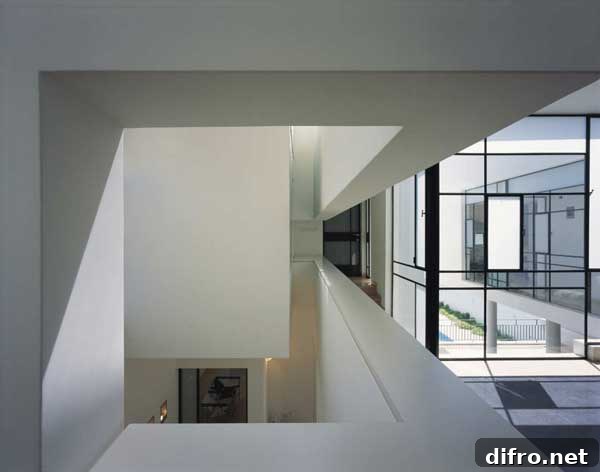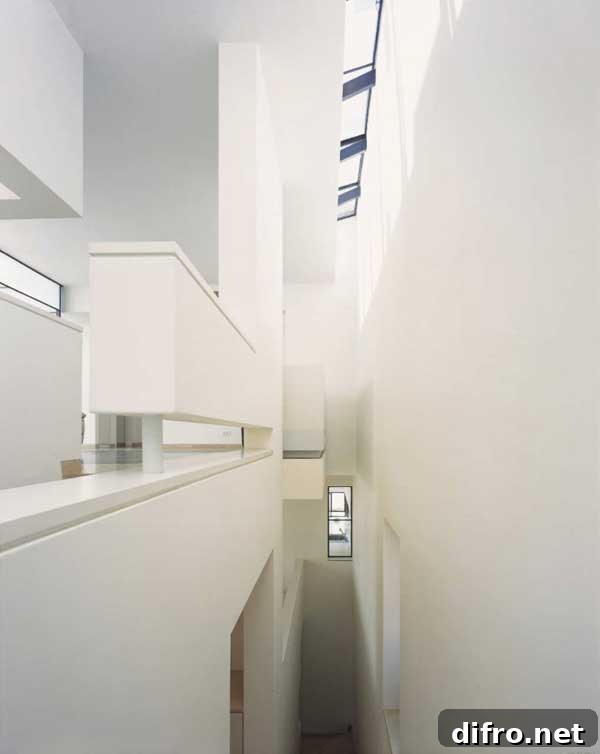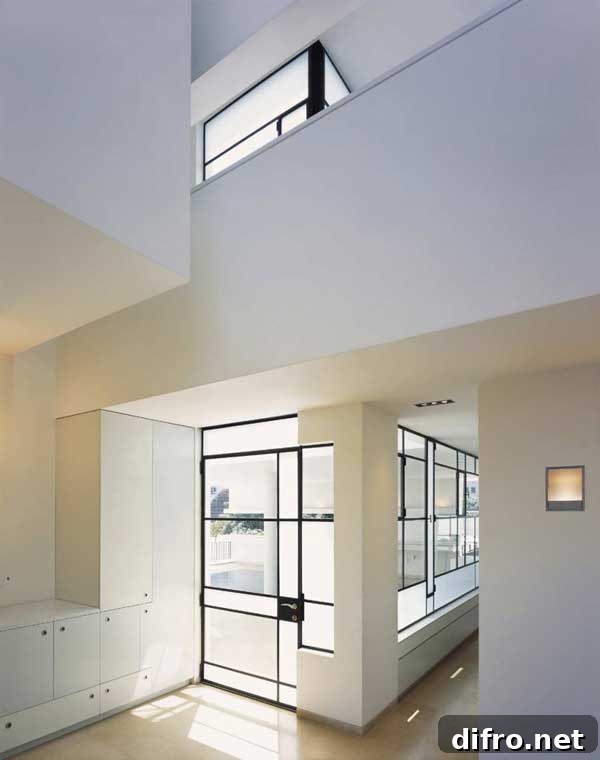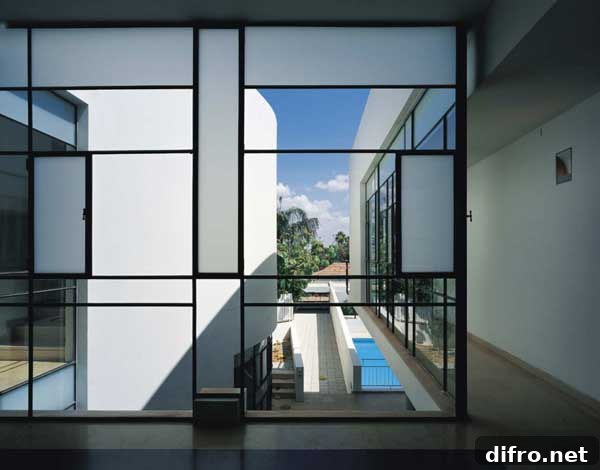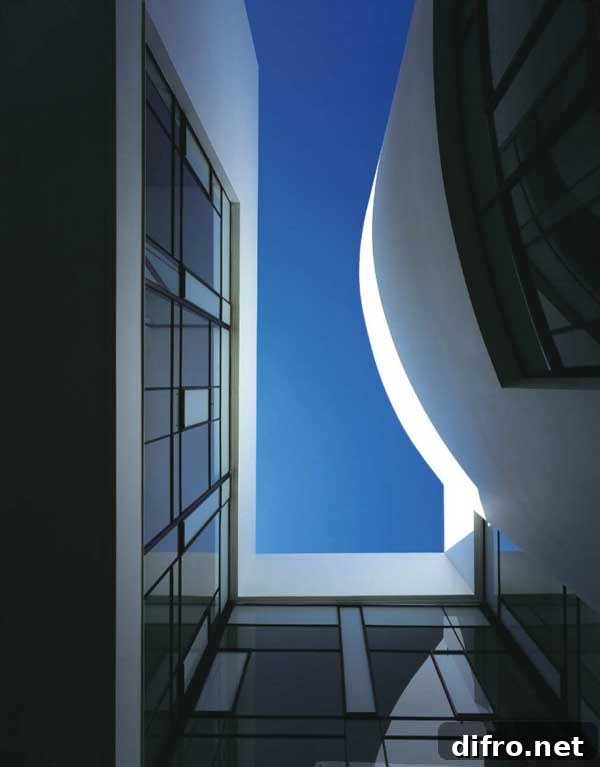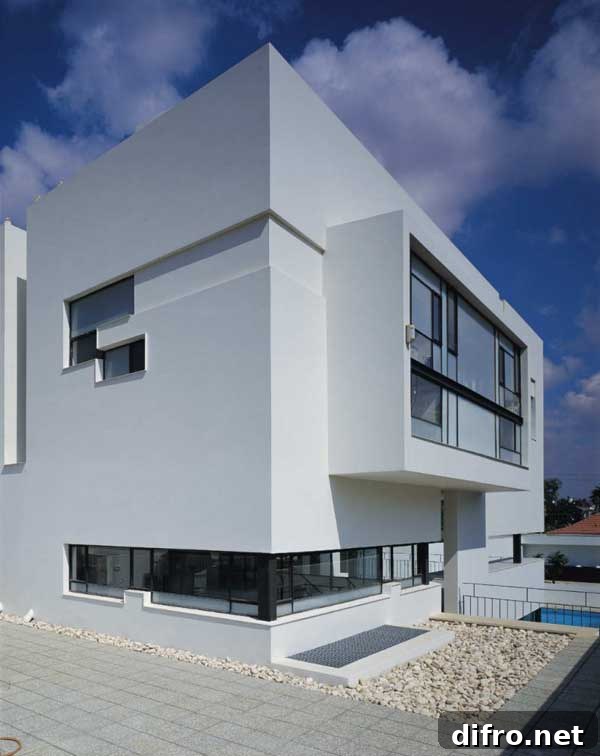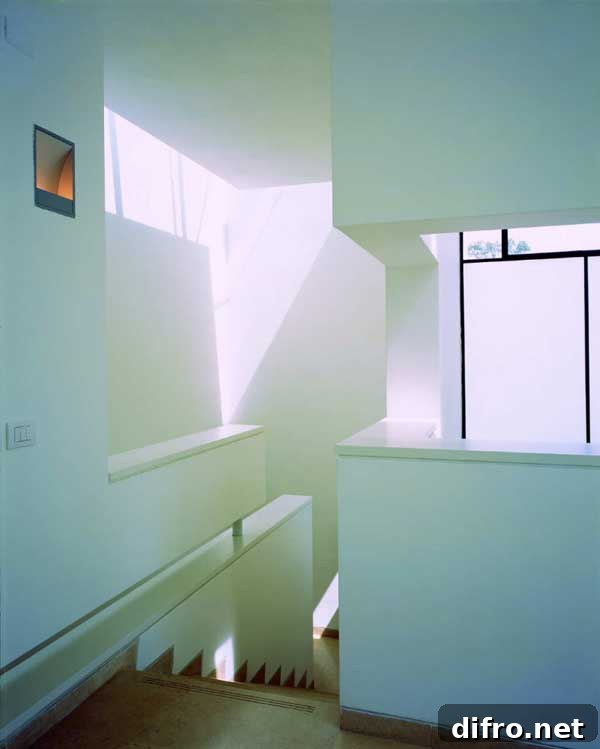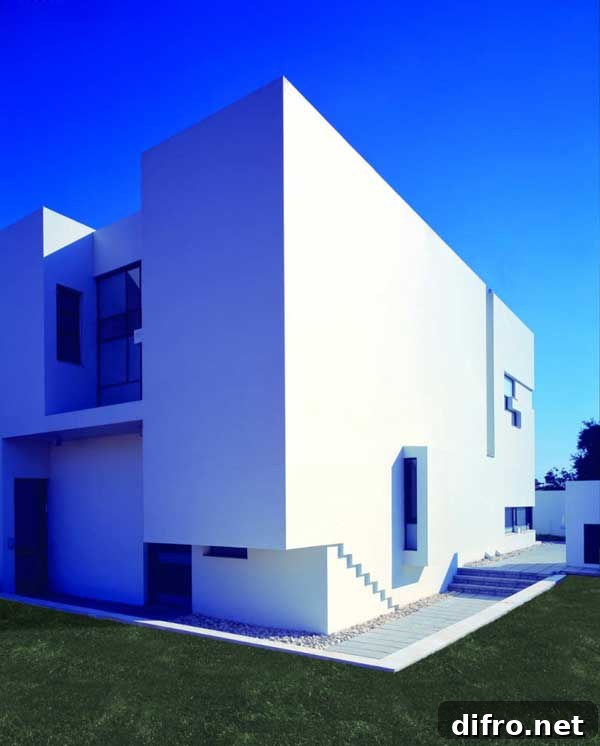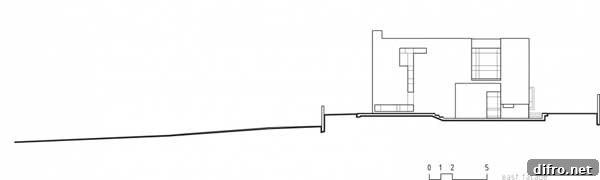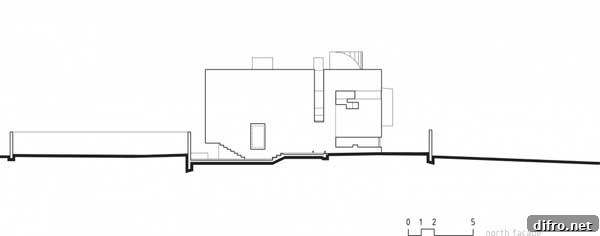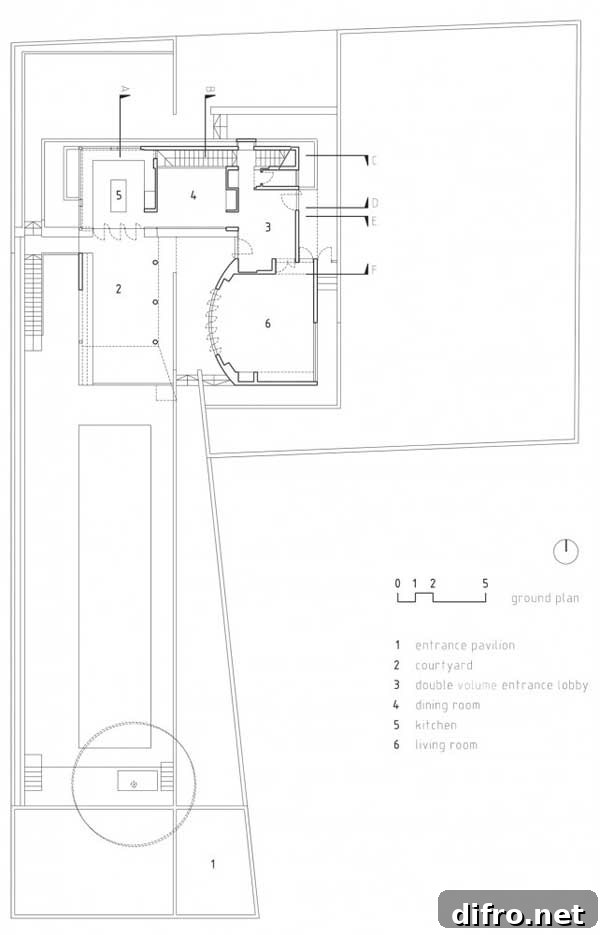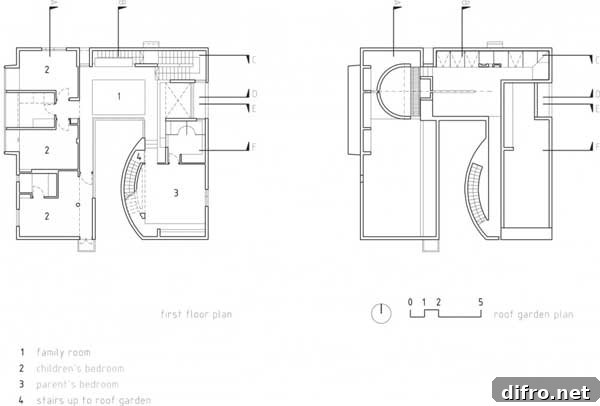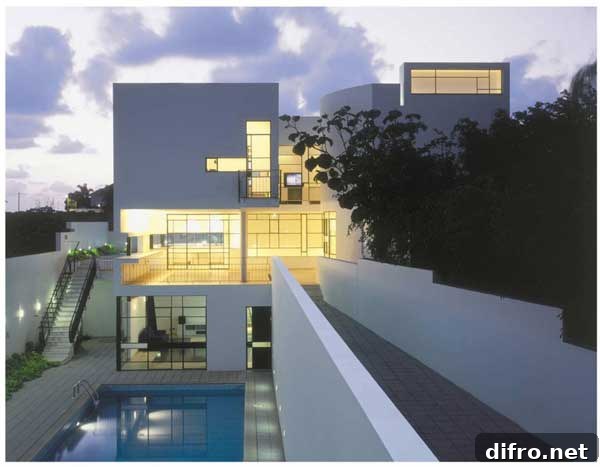
TheHeder Partnership has added an impressive residence to its portfolio: House PS. Located in Even Yehuda, Israel, this contemporary family home covers approximately 400 square meters and showcases a thoughtful composition of volumes, light and outdoor spaces. At its heart lies a sectional courtyard that draws sunlight deep into the interior and functions as an extension of the living areas. The house benefits from dual access—two separate entrances on parallel streets—which allowed the architects to organize private and formal circulation independently and to create two distinct garden areas for relaxation and entertaining.
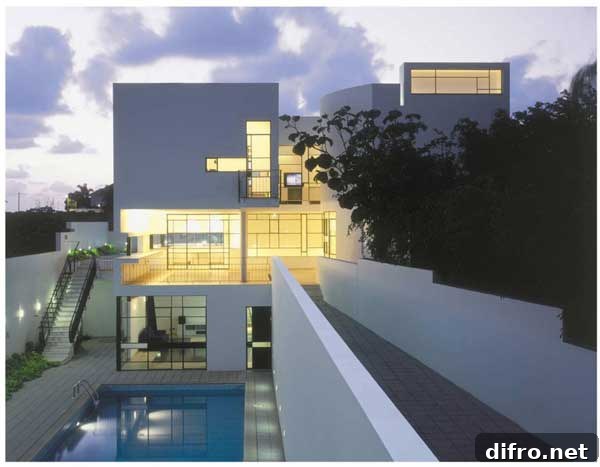
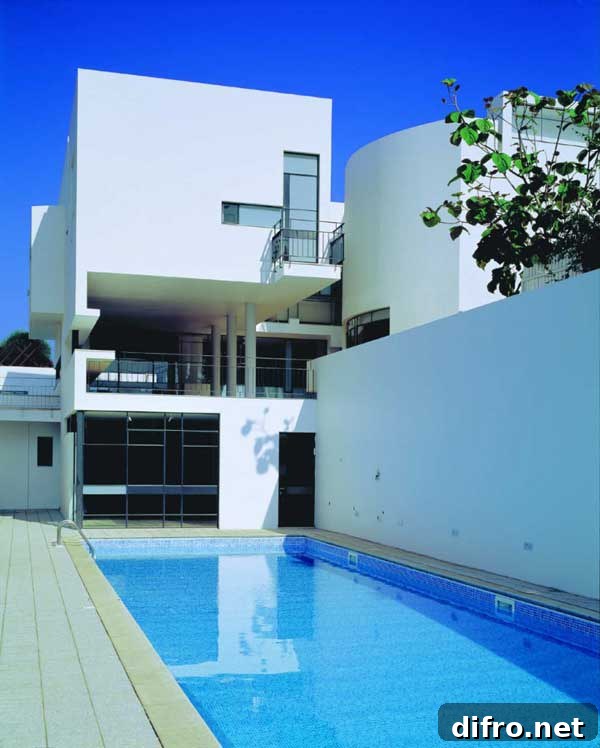
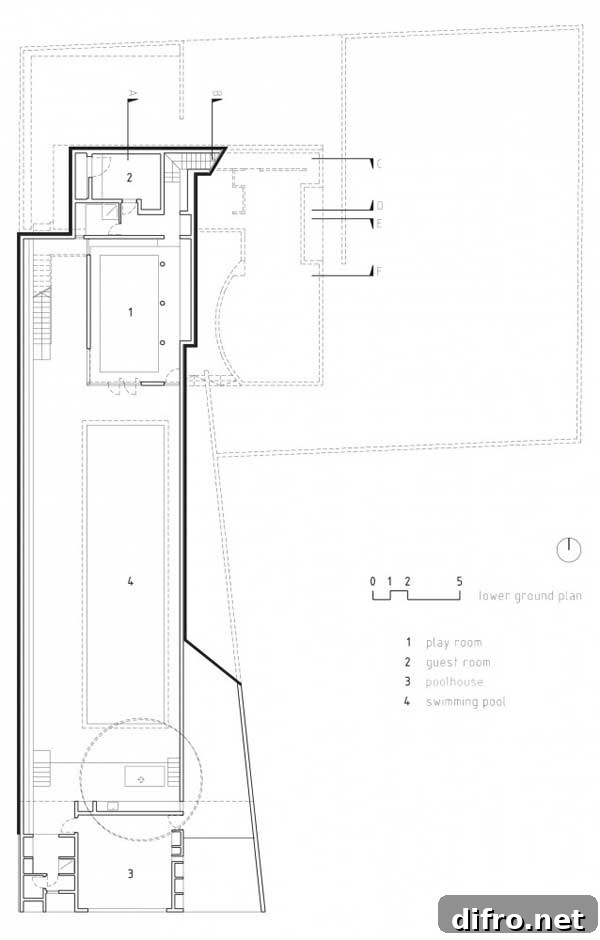
House PS organizes its outdoor spaces to respond to different uses and orientations. The lower, south-facing garden contains a swimming pool that frames the leisure area and creates a visual and recreational focus for the ground floor. The upper, east-facing garden functions as a winter garden—an intermediate, sheltered outdoor room that extends the living areas in cooler months while still admitting morning light. Together these gardens enhance the sense of indoor-outdoor continuity and offer varied settings for family life and social gatherings.
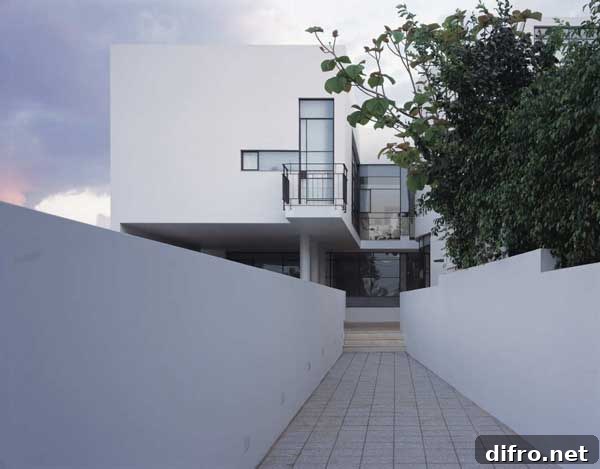
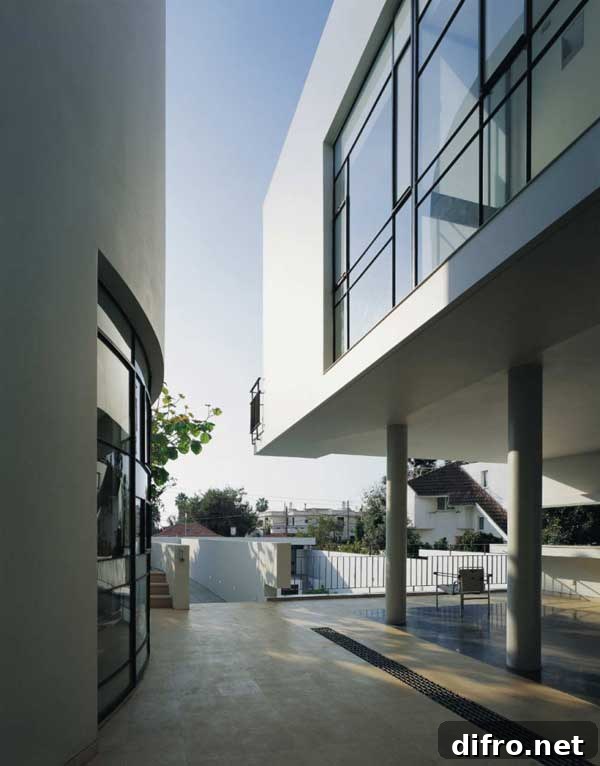
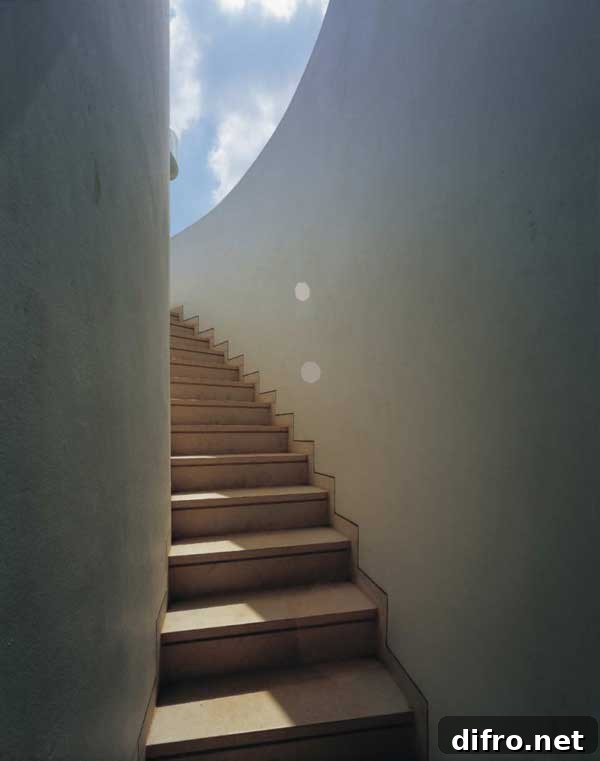
Circulation through the house is carefully choreographed. The formal approach from the north arrives at a double-height entrance hall that establishes a generous, ceremonial entry and provides a direct visual connection to the central courtyard. The family’s everyday arrival, by contrast, is through a more intimate entrance beneath a cantilevered canopy, reached by an elevated walkway. This secondary approach prioritizes shelter and convenience and creates a clear separation between public and private sequences.
The architectural composition follows principles of proportion and modular order. The designers employed the golden section and Le Corbusier’s modular system as guiding rules, using proportional relationships to shape volumes and spatial relationships. These formal strategies produce interiors and façades with a measured balance between openness and enclosure, producing spaces that feel both rational and warm.
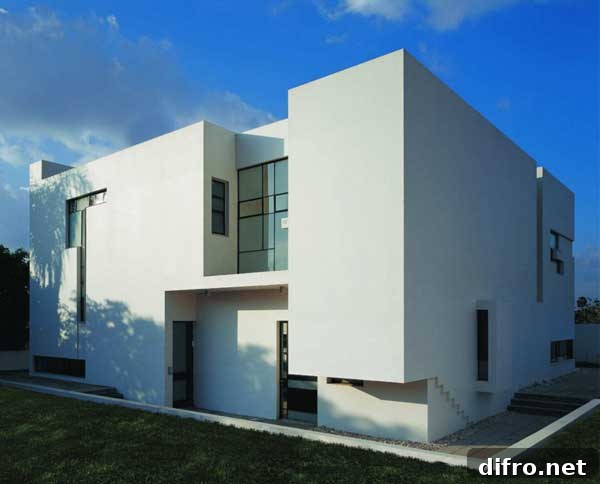
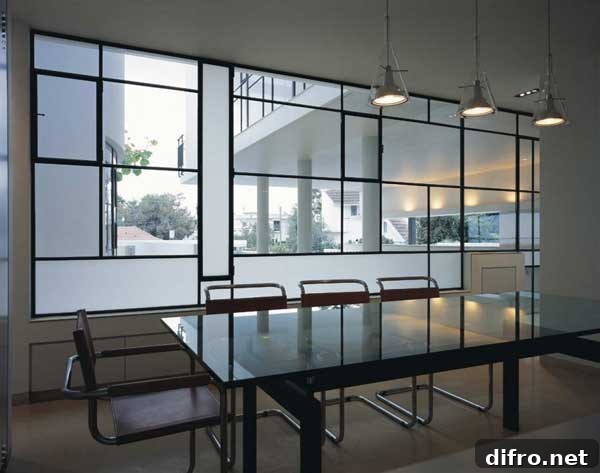
The house’s three-level plan is articulated as interlocking geometric shapes that respond to program and site. The ground floor is arranged as a long rectangle and accommodates more active, flexible uses, including a playroom that opens directly to the garden and pool area. The middle level adopts an L-shaped plan and contains the main entrance lobby along with primary social spaces—the living room, dining room and kitchen—arranged to benefit from views into the courtyard and to the gardens. The top floor is U-shaped, centering a family room with bedrooms positioned along each wing. This configuration allows for clear separation of communal and private areas, while the central family space on the upper floor maintains connection between the sleeping zones.
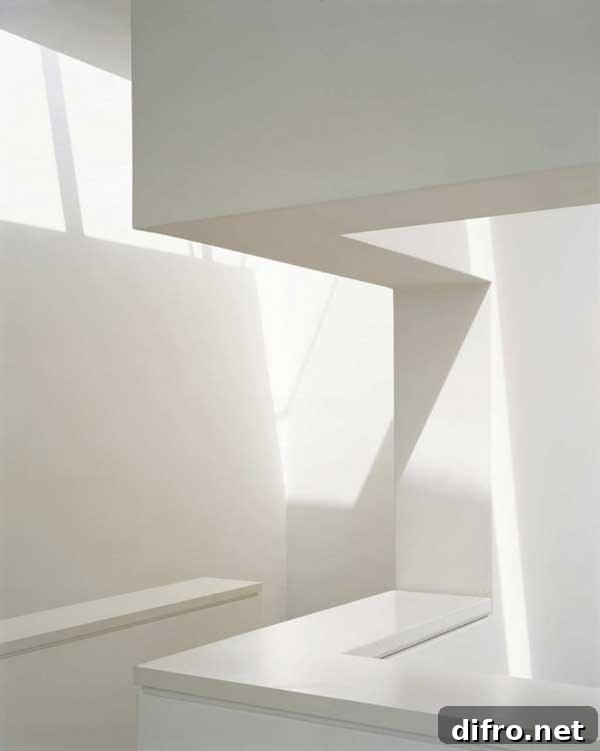
Throughout House PS, natural light and visual connections to the outdoors are emphasized. The sectional courtyard, varied garden terraces and carefully composed openings bring daylight into the core of the plan while preserving privacy from the surrounding streets. Cantilevered elements and elevated paths strengthen the sense of approach and provide sheltered thresholds that mediate between exterior and interior.
Thoughtful spatial organization, adherence to classical proportional systems and a clear response to site conditions combine to make House PS a contemporary, customized family home. Its layout supports both everyday family routines and social life, while the two distinct gardens and dual entrances offer flexibility and privacy. The result is a modern, carefully resolved residence that reflects a considered approach to proportion, light and landscape. (Found on ArchDaily)