There will always be critics of plastic — a material that often attracts negative headlines and blanket dismissal. I am not among them. I see plastic as a versatile, elegant and enduring material capable of producing celebrated design objects. In many ways it is a superb material for modern design.
What is Plastic?
“Plastic” is a broad term for a range of polymer materials used across countless products. Common examples include polyethylene terephthalate (PET) used for fizzy drink bottles; high-density polyethylene (HDPE) for shampoo and detergent bottles; polyvinyl chloride (PVC) used in windows and tubing; low-density polyethylene (LDPE) for carrier bags; polypropylene (PP) for microwaveable food containers; and polystyrene (PS) used in disposable cutlery and packaging.
Source: WRAP. [Accessed: 28th February 2016].
Fantastic Plastic Designs
1. Jelly Vase
The Jelly vase, designed by Patricia Urquiola for Kartell, blends retro charm with a contemporary sensibility. Its textured surface and translucent body evoke the appearance of jelly. Produced in Kartell’s signature PMMA plastic—often dyed through or finished with metallic transparency—the vase reads as cool, sculptural and distinctly modern.
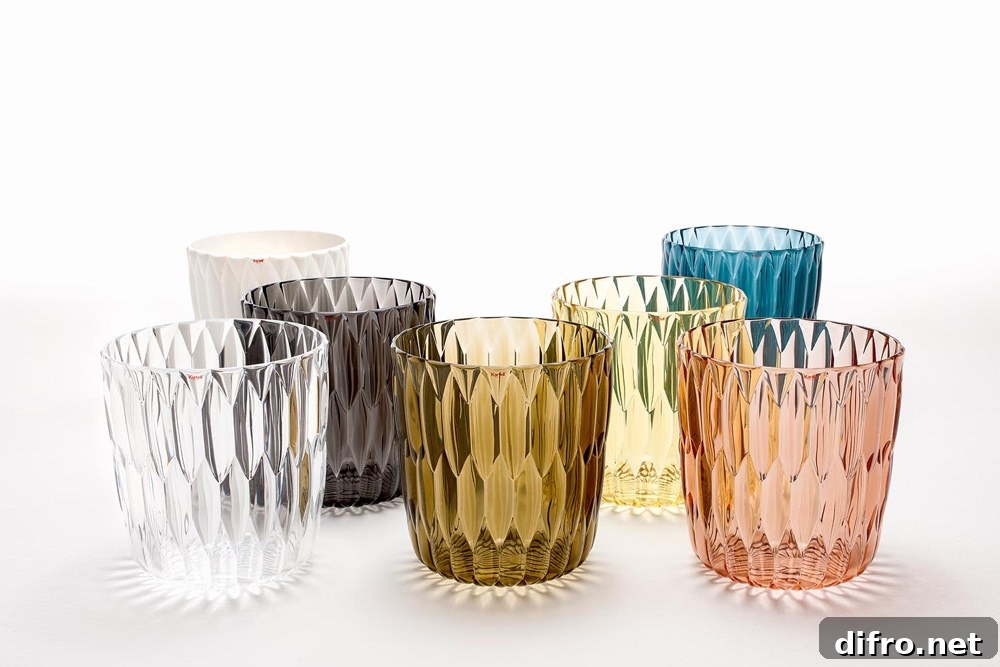
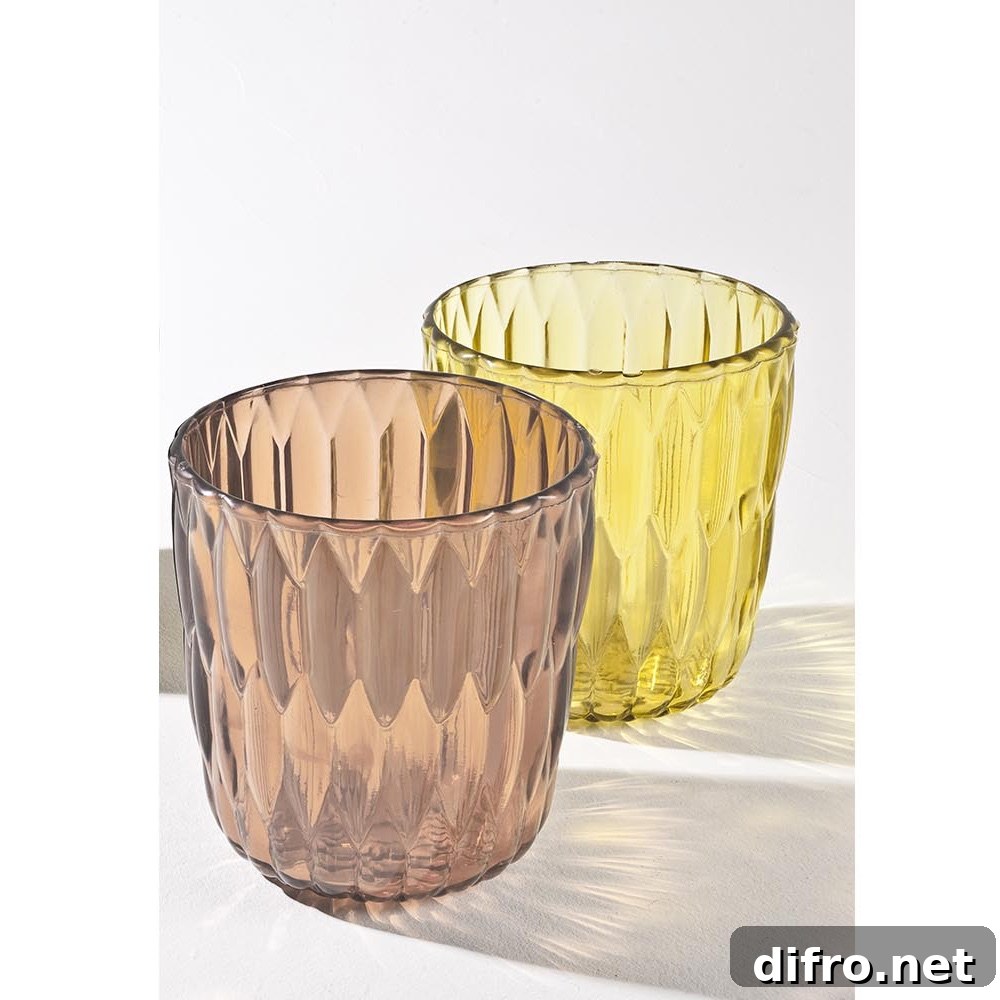
Image credit: Space Furniture.
2. Ettore Sottsass for Kartell
Ettore Sottsass’s work for Kartell epitomises the postmodern Memphis aesthetic: playful shapes, bold colours and unconventional silhouettes. His stools and vases are produced in mass-coloured technopolymer, a thermoplastic that captures vivid hues while keeping forms light and durable.
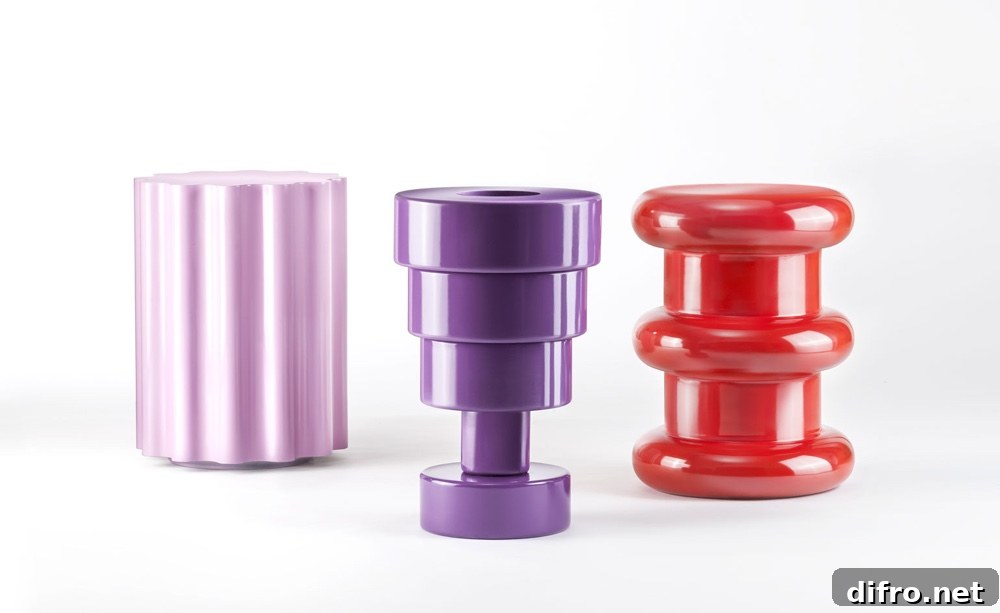
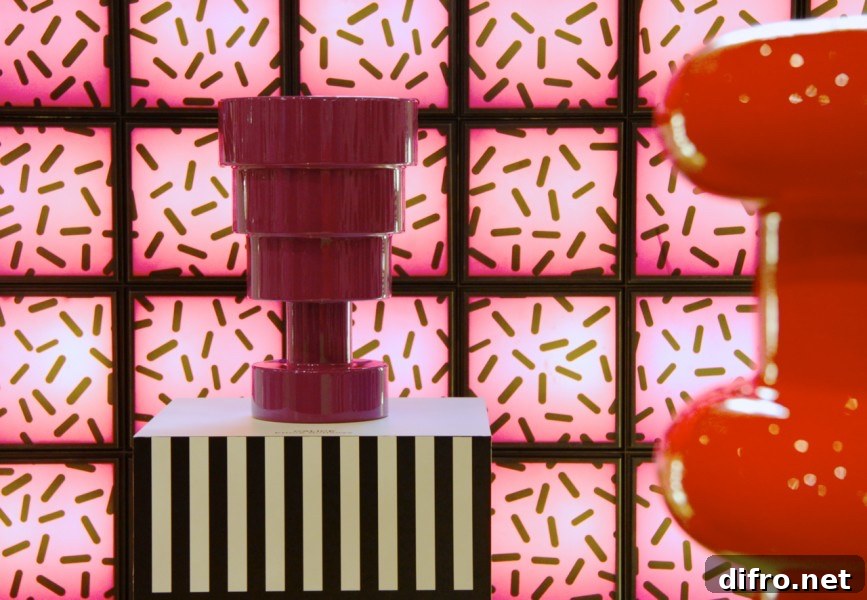
Image credit: wallpaper.com / 10.Corso.Como.
3. Formwork Accessories
Industrial Facility designed the Formwork accessories for Herman Miller as a set of functional, attractive containers for home and office. Made from ABS (acrylonitrile-butadiene-styrene) with a non-slip silicone base, these organizers demonstrate how plastic can combine practicality with refined aesthetics.
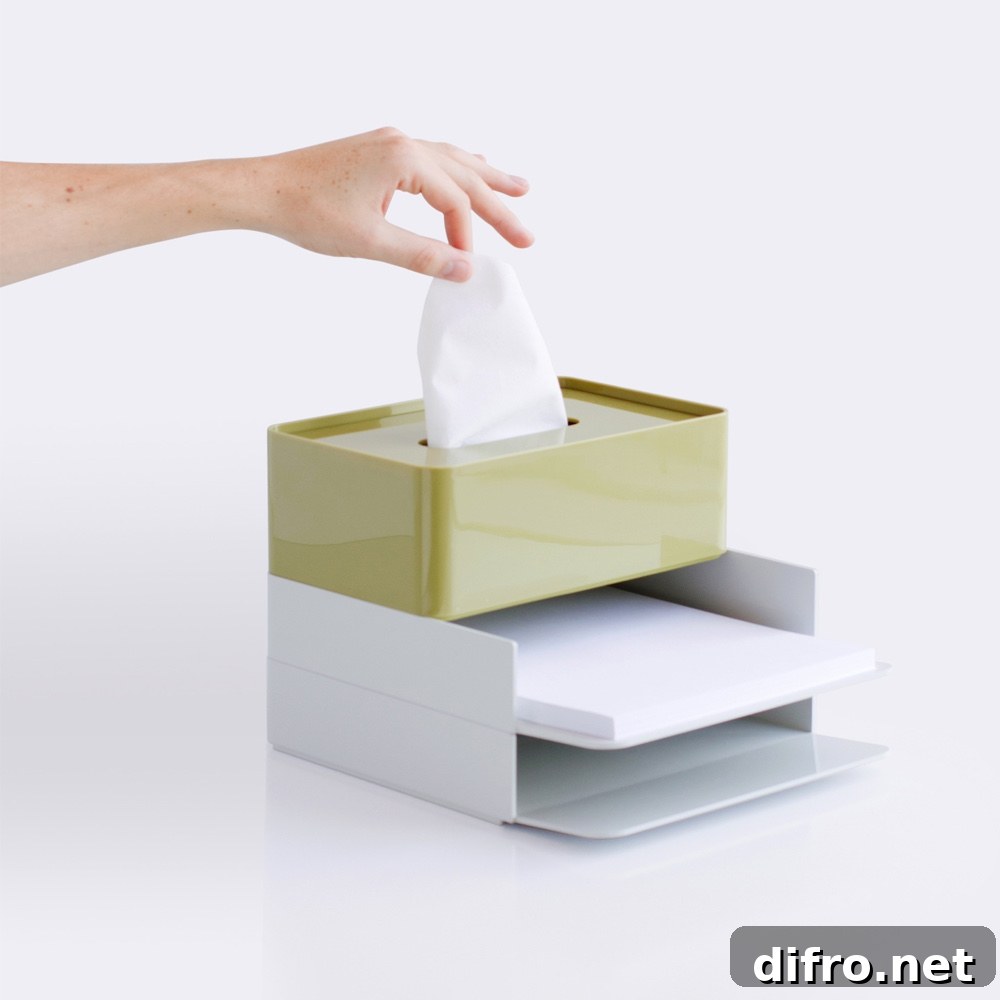
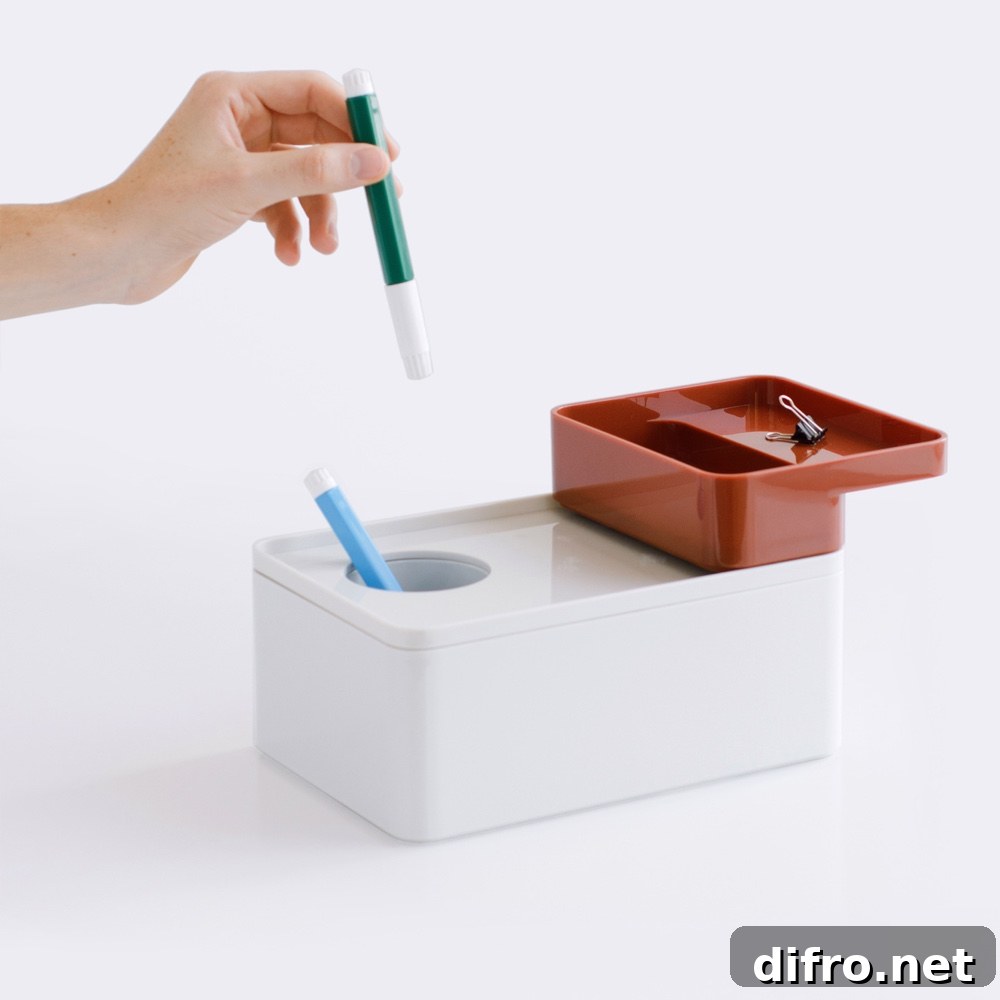
Image credit: Industrial Facility.
An Abridged History of Plastics (Part I)
- Late 19th century: Cellulose nitrate helped make photographic film widely available and replaced natural materials like horn for combs and toys.
- 1930s: 3M introduced the first transparent sticky tape and toothbrushes with nylon tufts entered production.
- 1940s: PVC was used to make 12-inch long-play records, and Tupperware—made from low-density polyethylene—launched in the United States.
- 1950s: Polyethylene bags became common and Eero Saarinen’s Tulip Chair introduced a seat formed from glass-fibre-reinforced plastic.
- 1960s: Silicone gel breast implants were developed and a nylon flag was planted on the moon during the Apollo missions.
More Fantastic Plastic Designs
4. Eames Elephant
Charles and Ray Eames conceived the Elephant in 1945. Initially designed in plywood, the form later became a widely loved plastic object produced by Vitra. Its whimsical silhouette has turned it into an iconic toy and occasional seat for both children and adults.
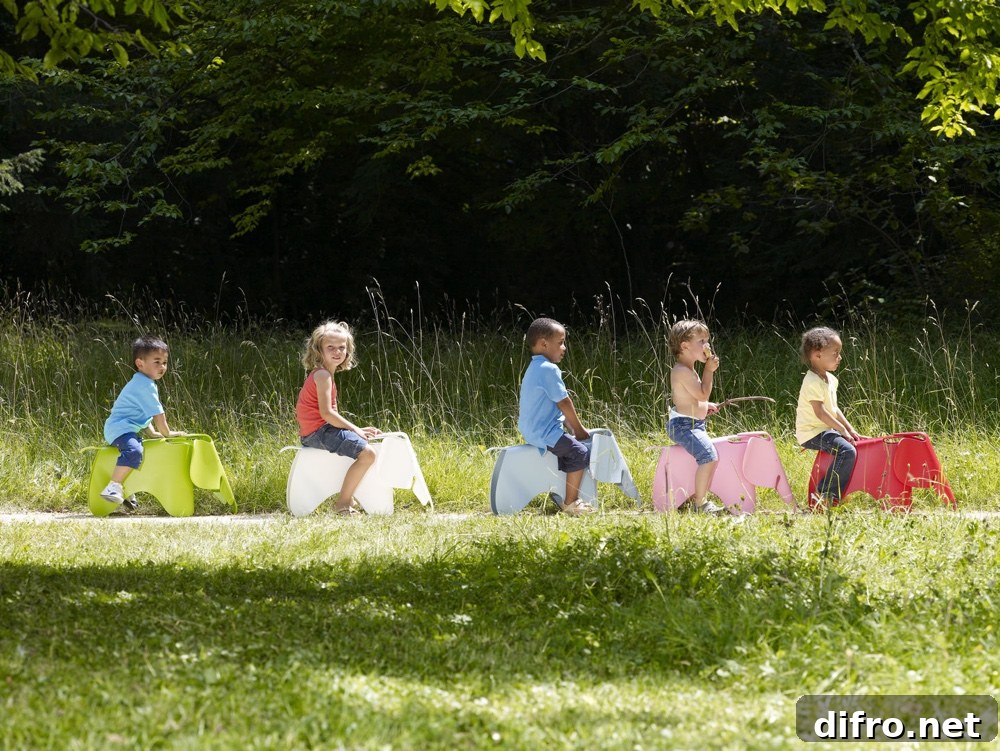
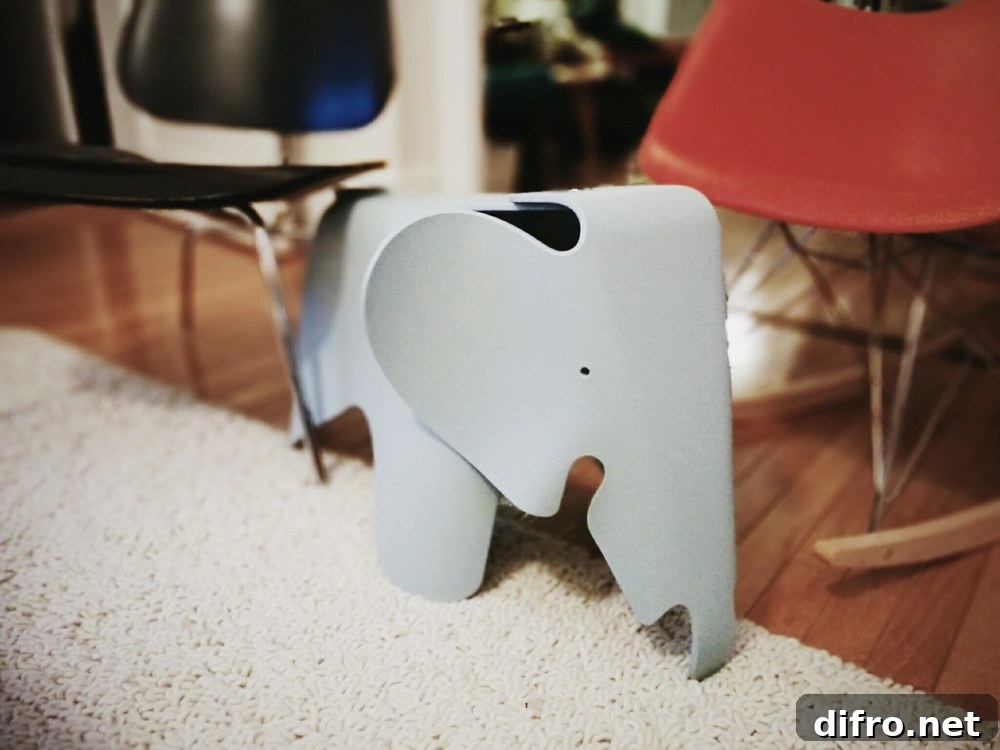
Image credit: Vitra AG / The Eames Restoration Project.
5. Arne Jacobsen Table Clock
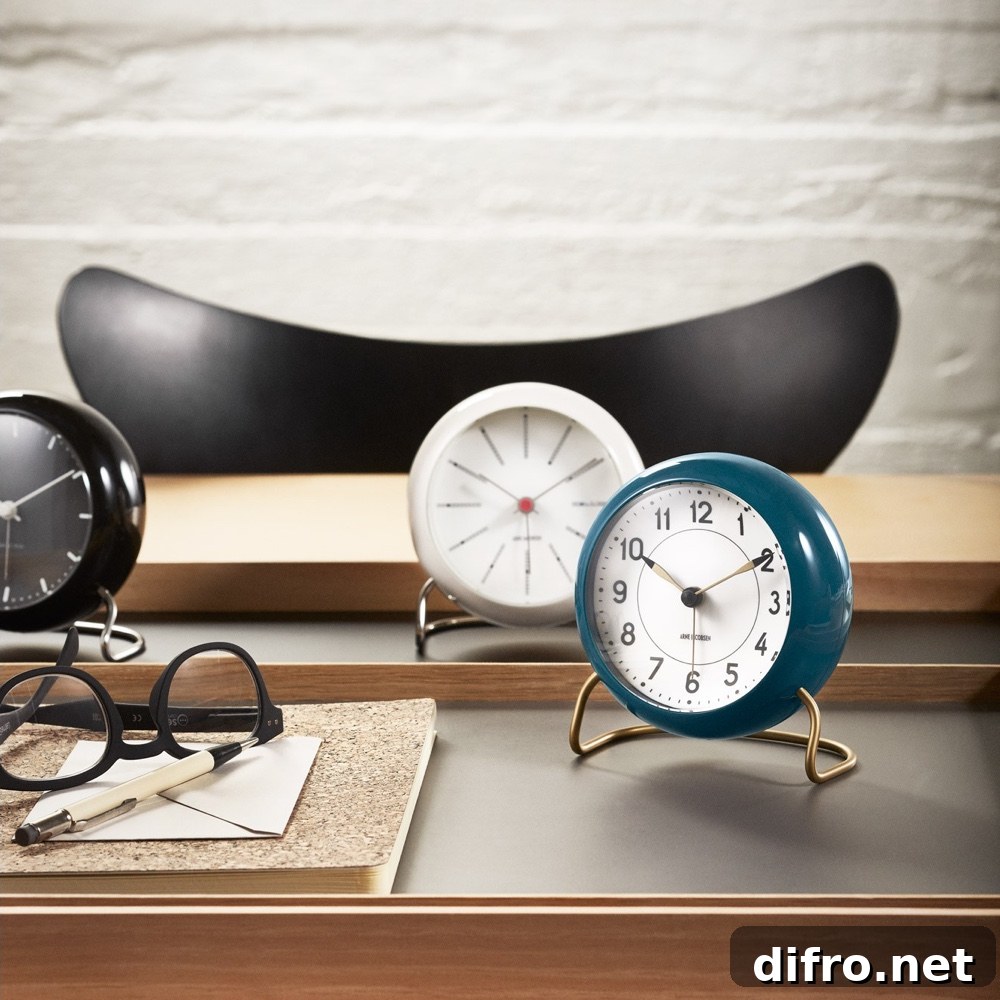
Arne Jacobsen’s Table Clock, designed in 1939 for a private residence associated with Lauritz Knudsen, reflects early experimentation with moulded materials. Today the clock is produced using hardened glass and plastic by Rosendahl Design Group, retaining Jacobsen’s clean, functional aesthetic.
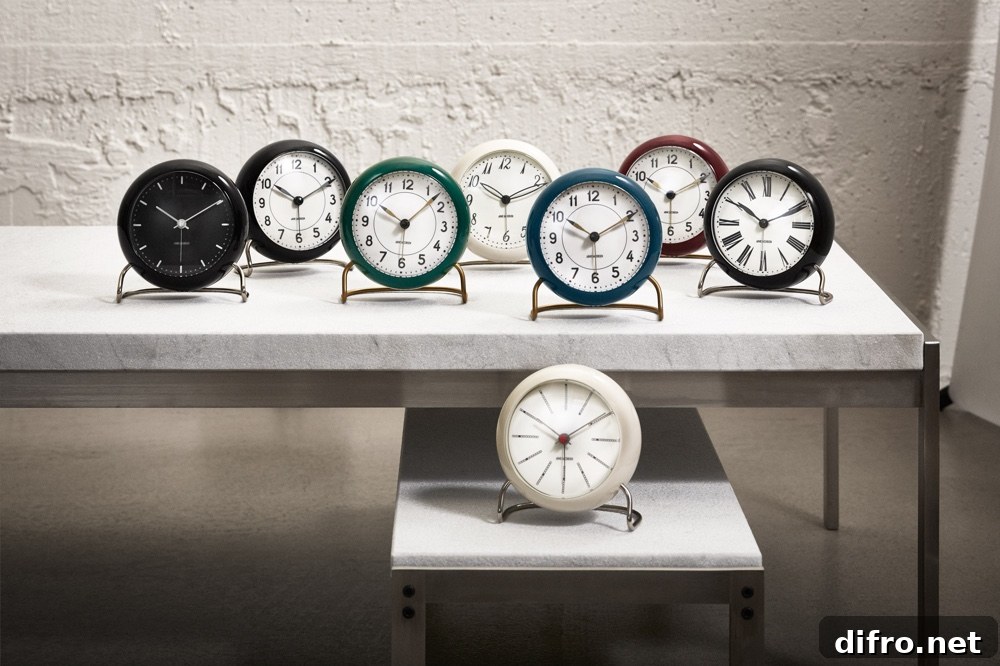
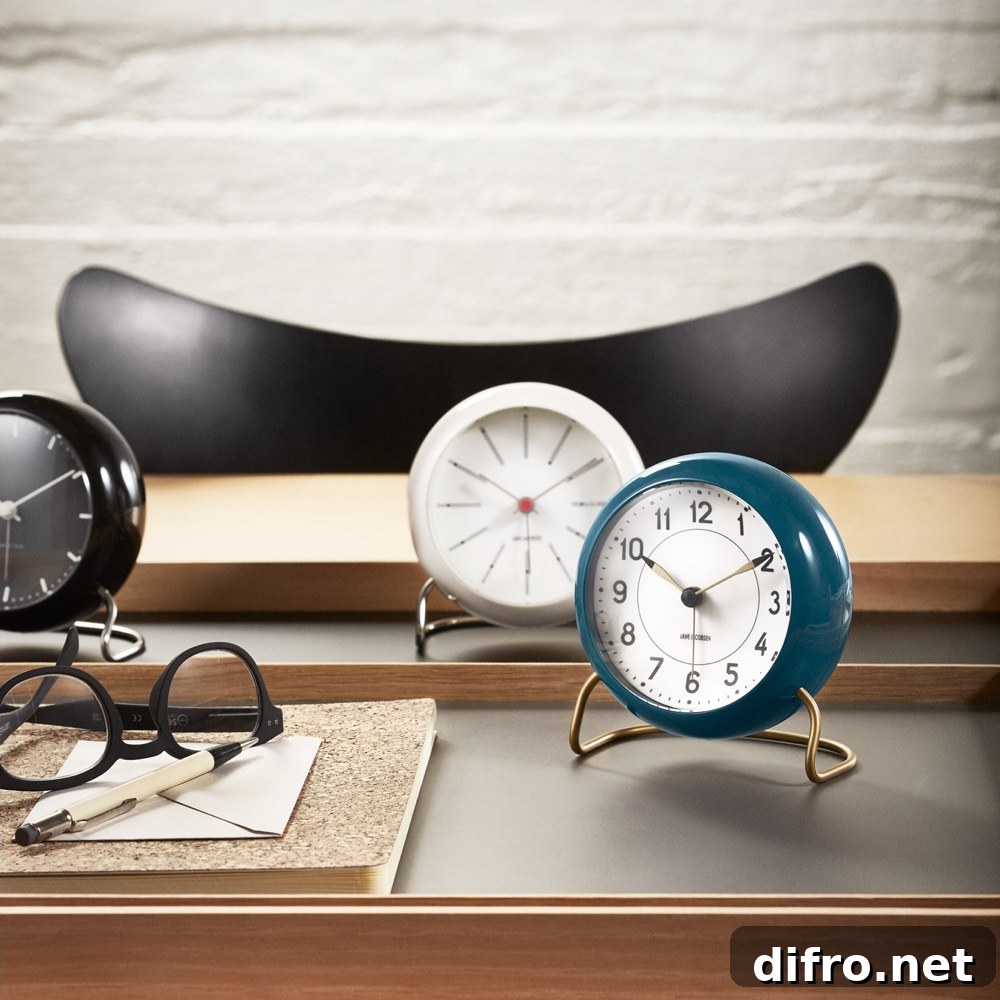
Image credit: Skandium.
6. Tip Ton
Designed in 2011 by Edward Barber and Jay Osgerby for Vitra, the Tip Ton chair is a solid plastic seat engineered to encourage an active sitting posture. Its forward tilt supports the pelvis and spine, improving circulation and engaging core and back muscles.
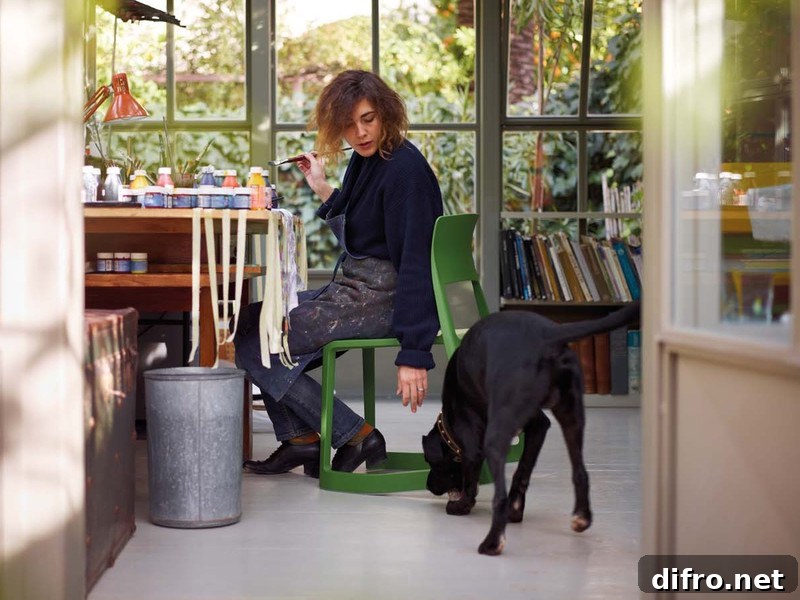
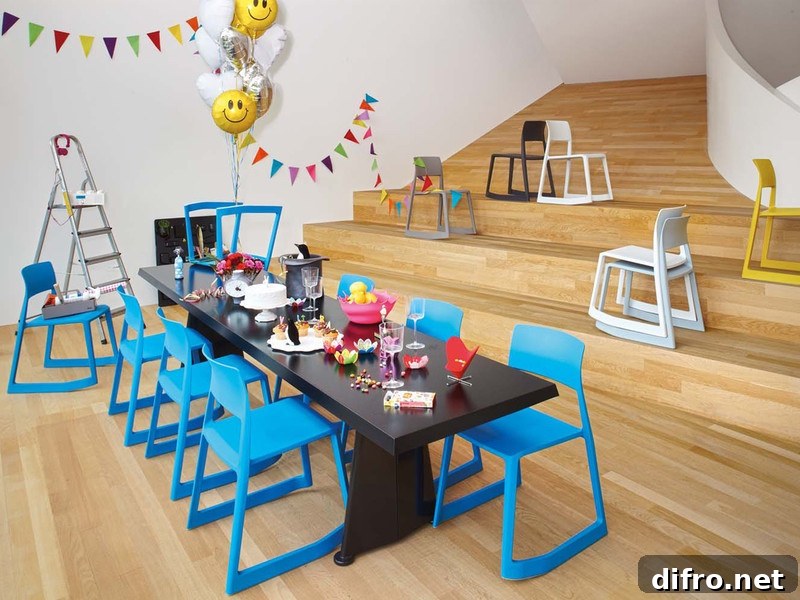
Image credit: Nest.co.uk.
7. Eames Plastic Chairs
Charles and Ray Eames’ moulded plastic chairs are among the most recognized furniture designs of the 20th century. Lightweight, colourful and endlessly adaptable, these chairs helped redefine mass-produced modern seating and remain design staples in homes and public spaces.
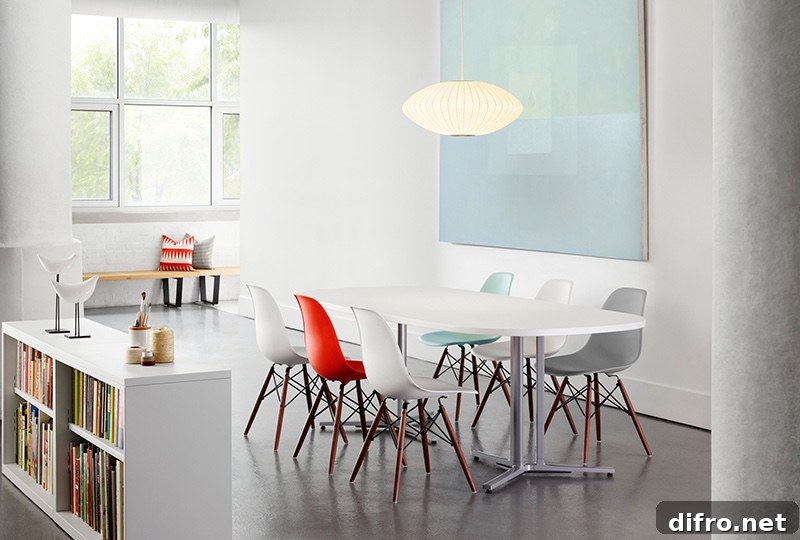
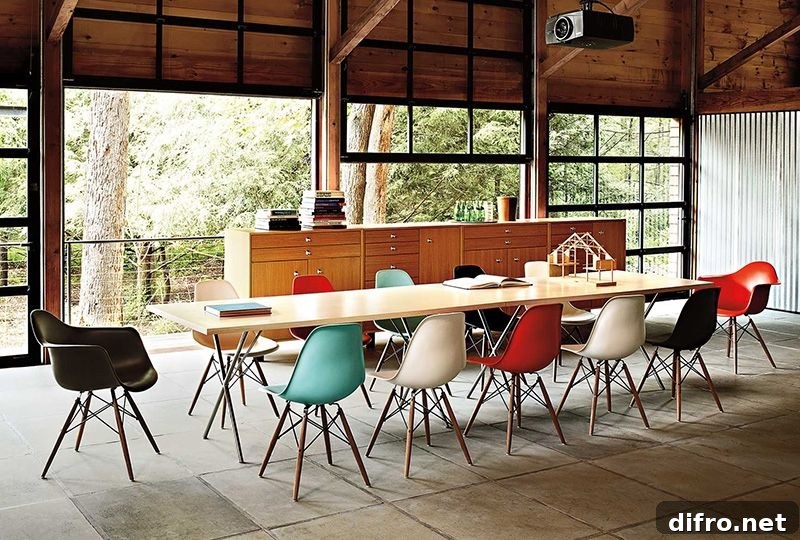
Image credit: Herman Miller, Inc.
An Abridged History of Plastics (Part II)
- 1970s: PET beverage bottles entered the market and the first commercial mobile phones appeared.
- 1980s: Swatch watches incorporated many plastic components and the triangular recycling symbols for plastics were developed.
- 1990s: Commercially available biodegradable plastics were introduced.
- 2000s: Consumer electronics such as the iPod featured plastic components and aircraft manufacturers used large plastic composites, for example in the Boeing 787.
- 2010 and beyond: Research has explored advanced polymer applications, including blood-mimicking materials and implantable polymers for neurological treatments.
Source: British Plastics Federation (2016). [Accessed: 28th February 2016].
And More Fantastic Plastic Designs
8. Componibili Storage Unit
Anna Castelli Ferrieri’s Componibili storage unit, designed in 1968 for Kartell, is a modular plastic system that remains a design classic. Available in round and square stackable modules of various sizes and colours, it demonstrates plastic’s strengths: adaptability, affordability and practical beauty. These units are typically produced in ABS plastic.
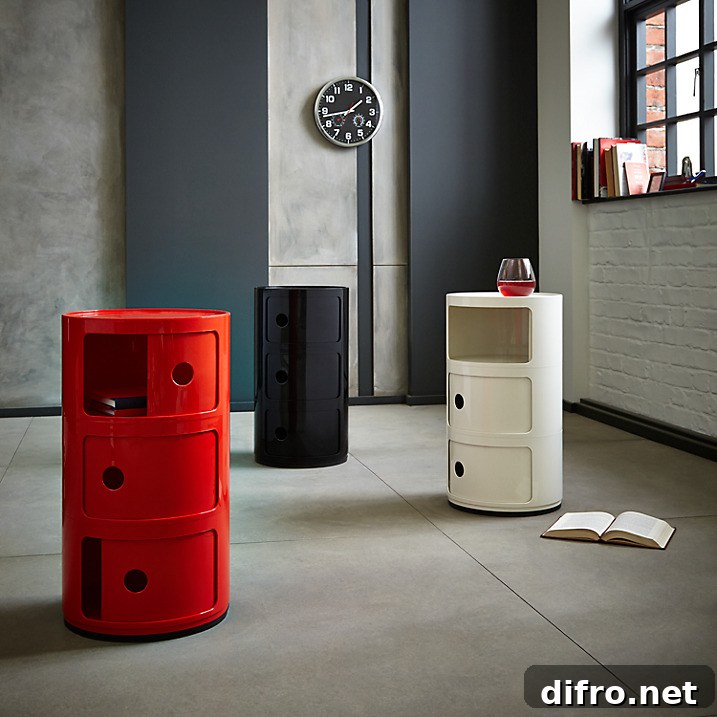
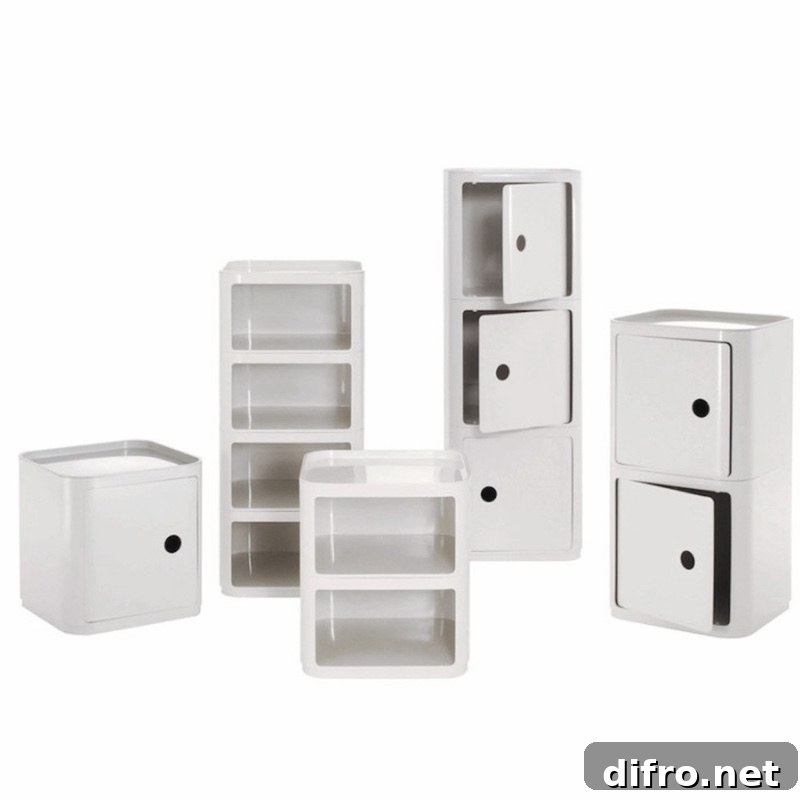
Image credit: John Lewis Partnership / Utility Design.
9. Elephant Stool
Sori Yanagi’s Elephant Stool from 1954 is a study in simplicity and function. Made from coloured polypropylene, the stool’s organic, sculptural form works indoors and outdoors as a seat, step or small table. It is lightweight, stackable and emblematic of postwar Japanese design.
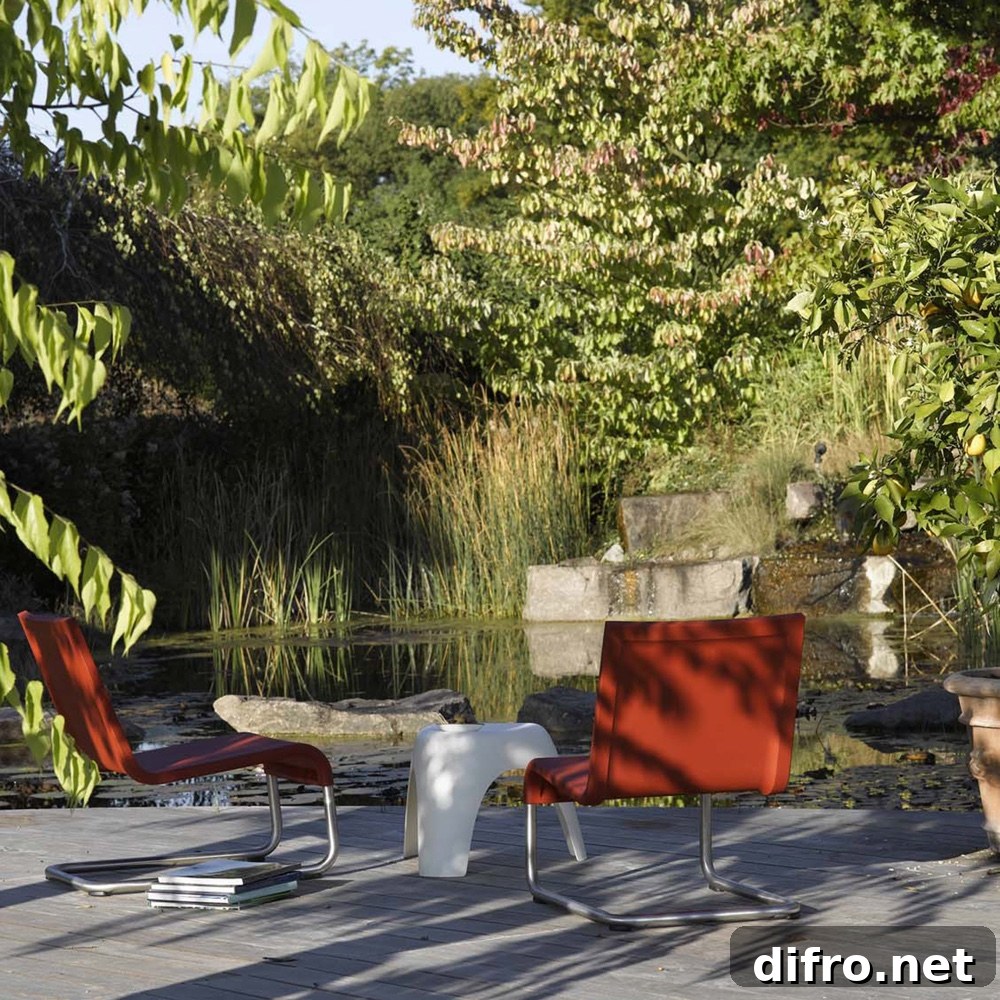
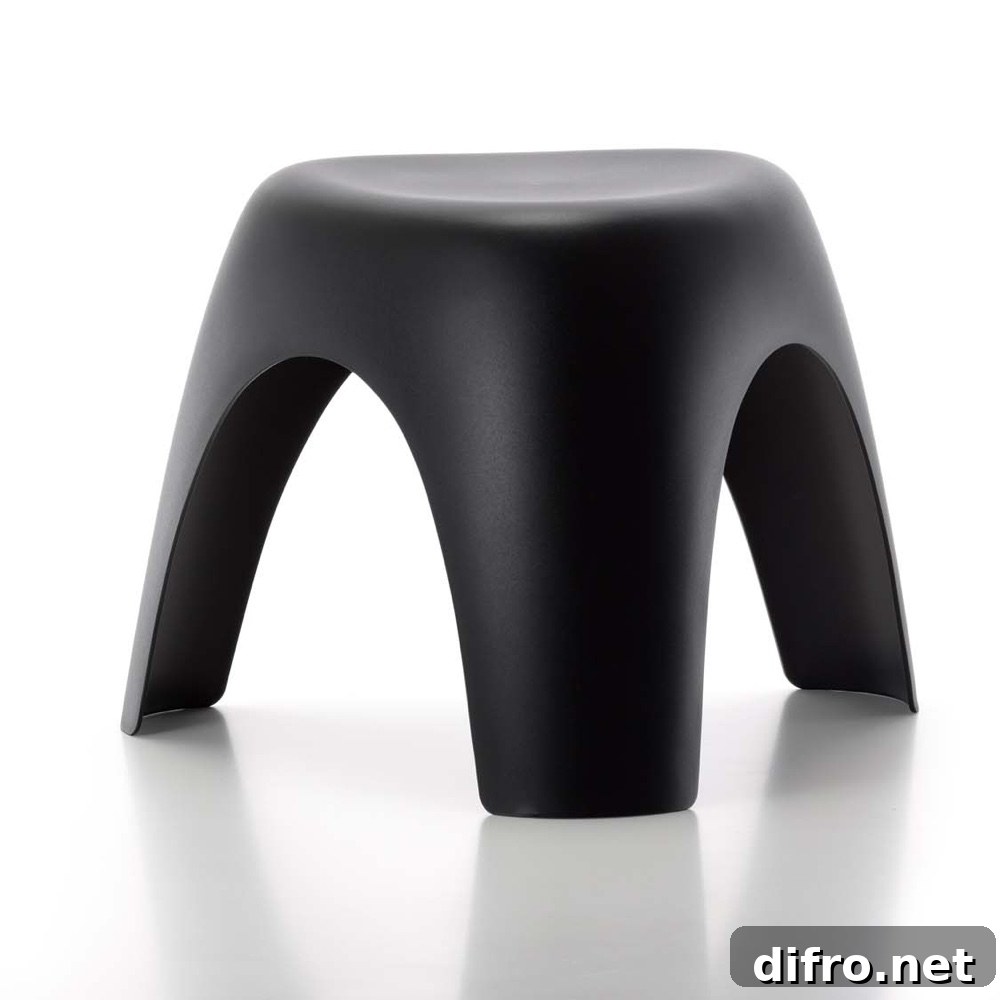
Image credit: Vitra AG.
10. Panton Classic Chair and Panton Chair
Verner Panton’s Panton Chair, conceived in 1960 and produced in various forms since the late 1960s, is a landmark in plastic furniture design. The Panton Classic used a hard foam plastic shell with a glossy finish; later versions, including the widely produced Panton Chair, are made from dyed-through, durable plastics with matt finishes and cantilevered forms that offer comfort and flexibility.
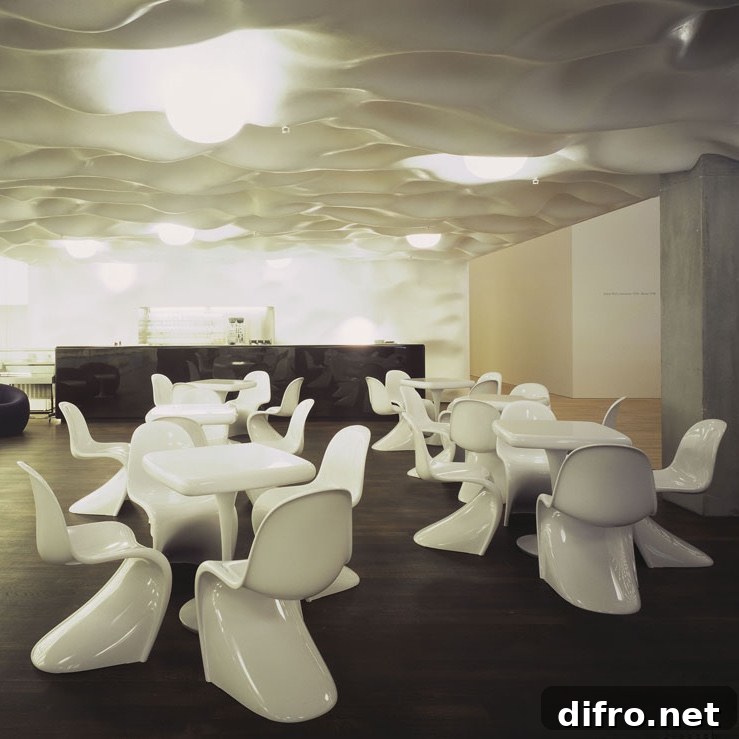
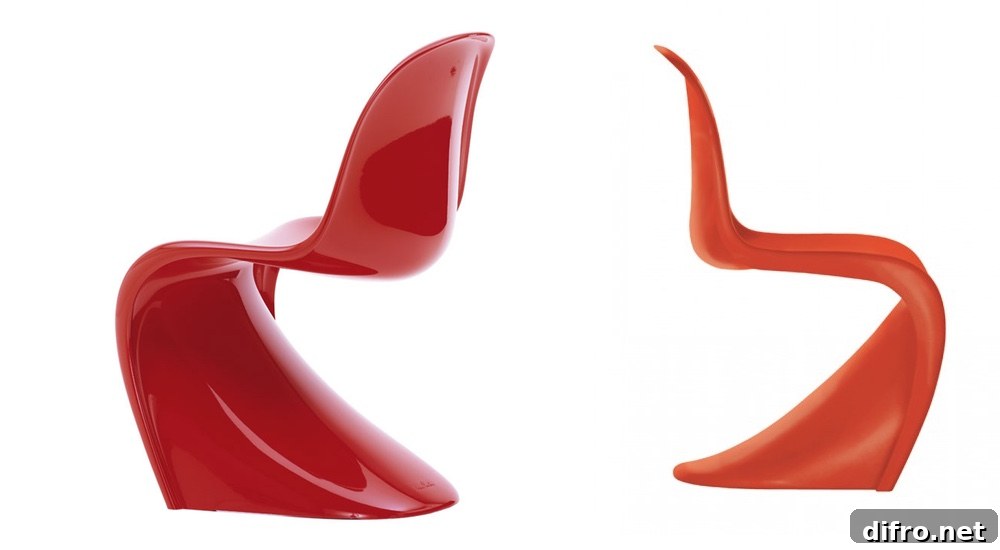
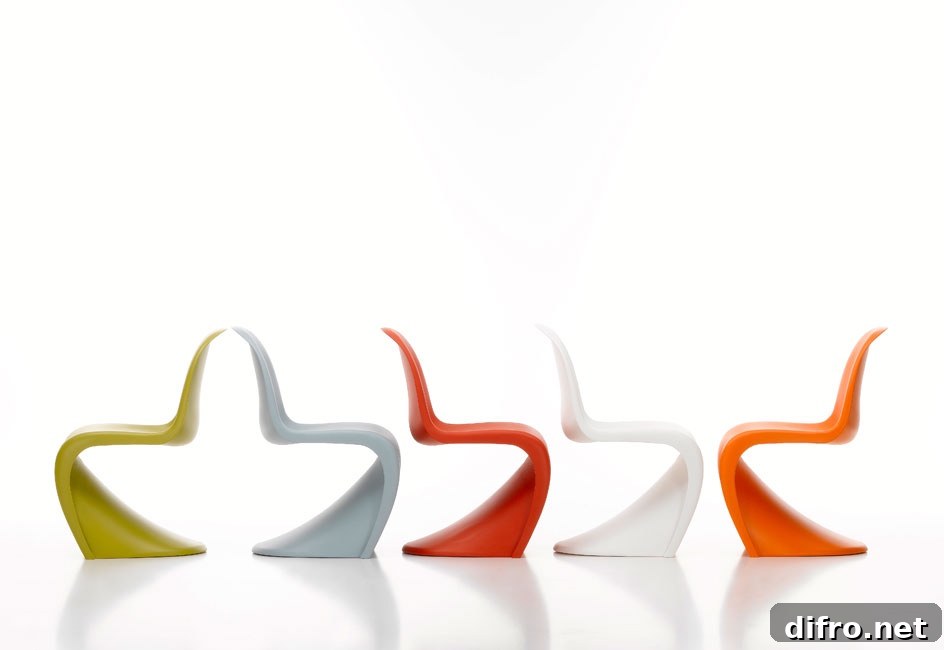
Image credit: Danish Design Blog.
Why Plastic Is Good
Plastic often receives negative attention, but it offers significant advantages. It can reduce energy consumption in manufacture and transport compared with some alternatives, plays a vital role in hygienic medical equipment, and provides effective thermal and electrical insulation. Plastic is durable, mouldable into complex shapes, and many types are recyclable. In design, plastic has enabled affordable mass production of iconic forms, expanded colour and texture options, and allowed designers to explore new structural possibilities.
Source: Aotea Plastics Industries Ltd.