The fashion industry often faces criticism for its environmental impact across production, distribution and consumption. As consumers grow more environmentally conscious, designers and entrepreneurs are beginning to rethink traditional models. One striking example is MALHA in Rio de Janeiro, Brazil—a creative and sustainable fashion hub that combines adaptive reuse, local production and social responsibility with smart design.
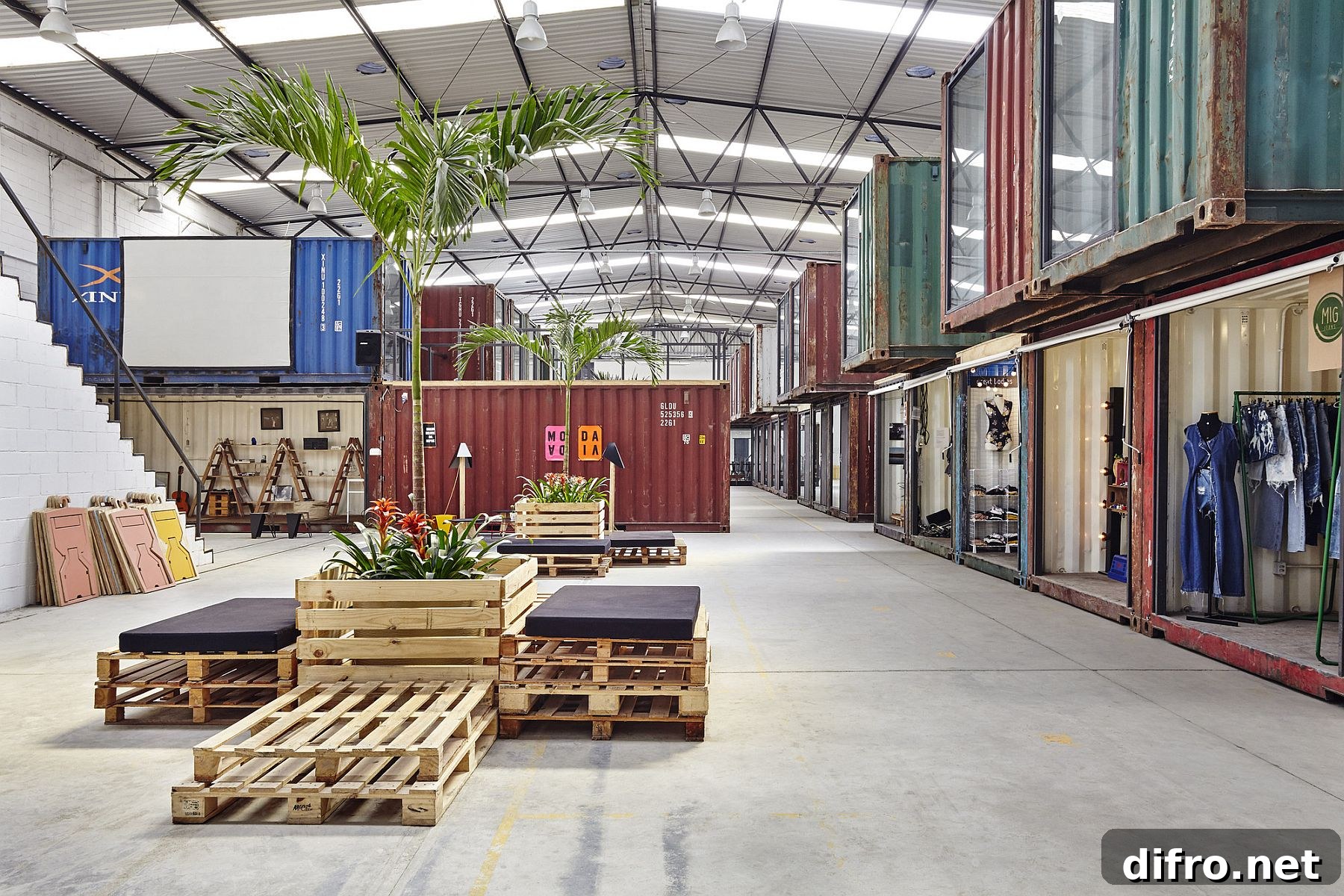
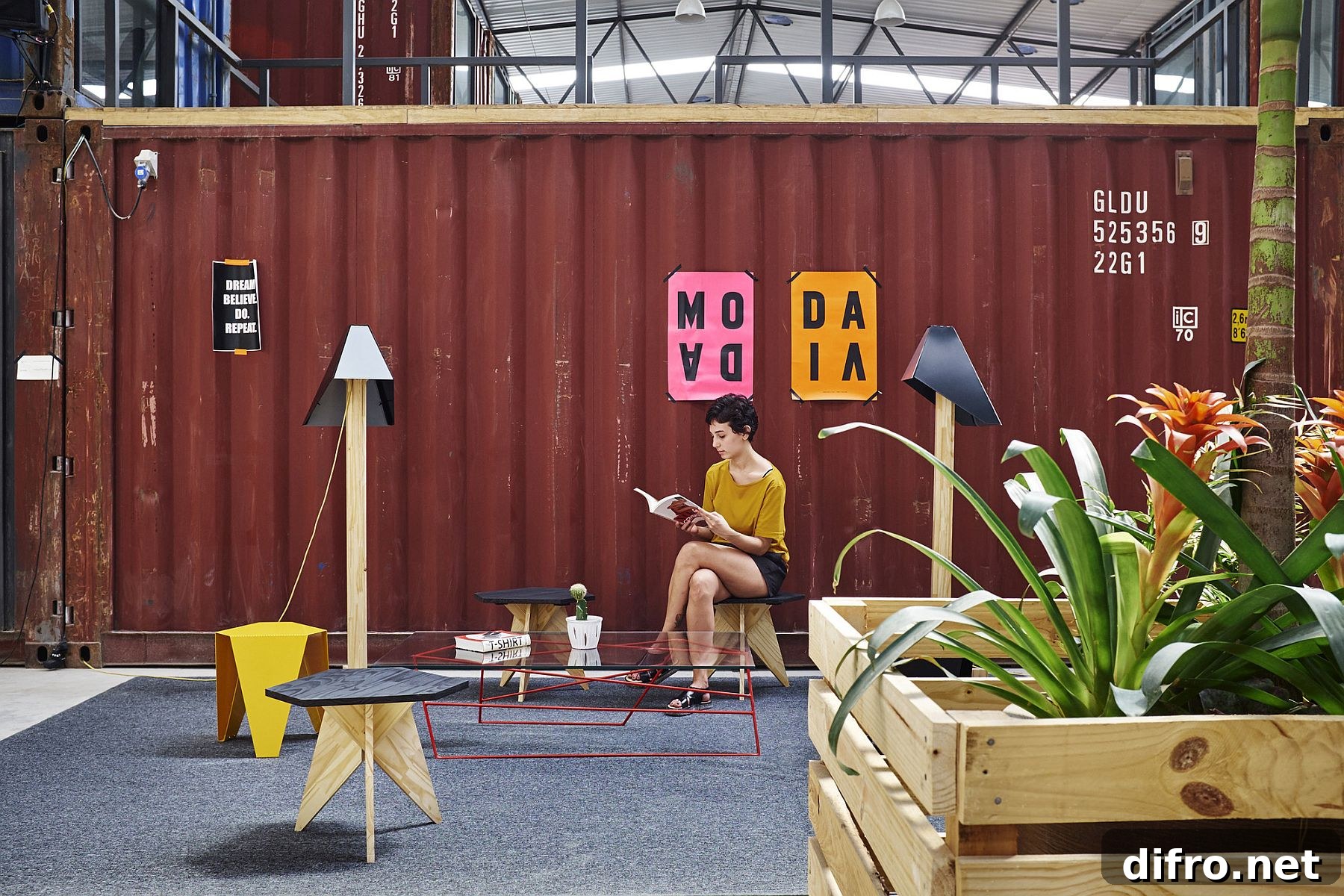
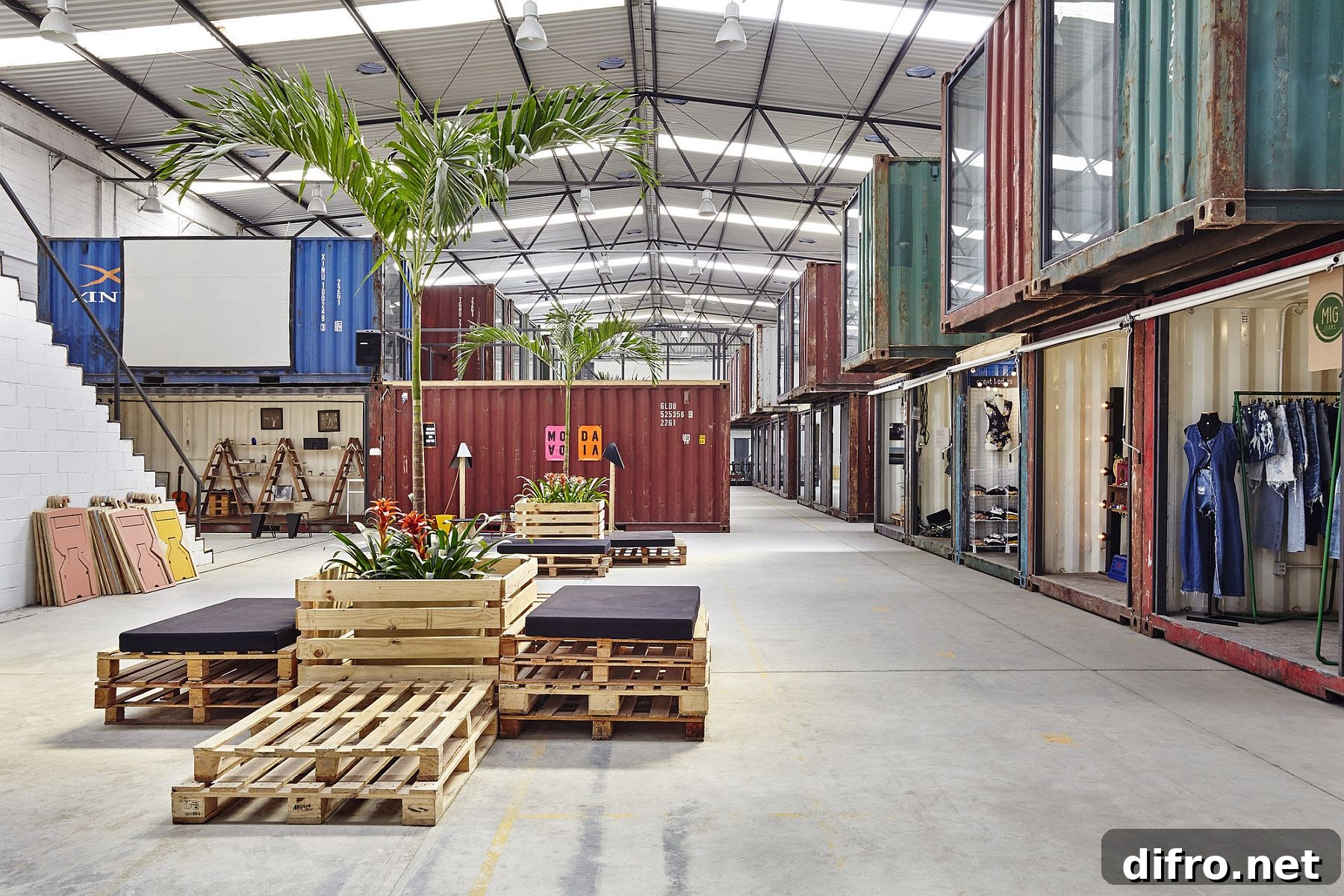
Designed by Tavares Duayer Arquitetura, MALHA transforms an old industrial shed into a 2,500-square-meter platform that houses fashion labels, ateliers, showrooms and creative services. The architects converted existing space and incorporated 42 repurposed shipping containers as modular units, creating a flexible layout that supports small brands, independent makers and collaborative projects. The result is a multi-use complex where production, presentation and community activities occur under one roof.
MALHA’s program emphasizes fair trade, environmental stewardship and social sustainability. By prioritizing local production and independent designers, the platform reduces long supply chains and supports small businesses in the Brazilian fashion ecosystem. The complex has become known as one of the largest fashion platforms in Latin America, offering an alternative to fast-fashion models through curated, planet-minded design and production.
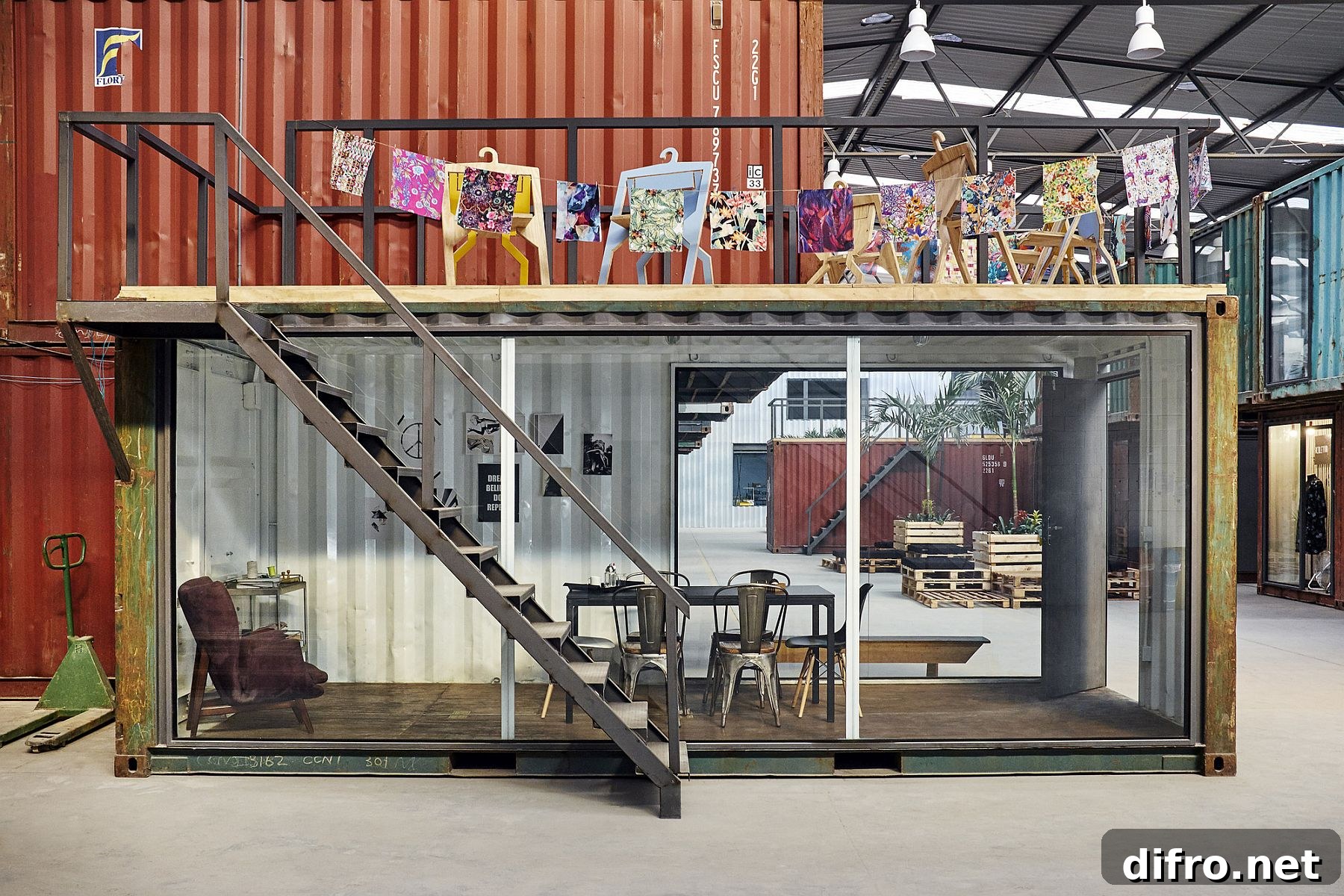
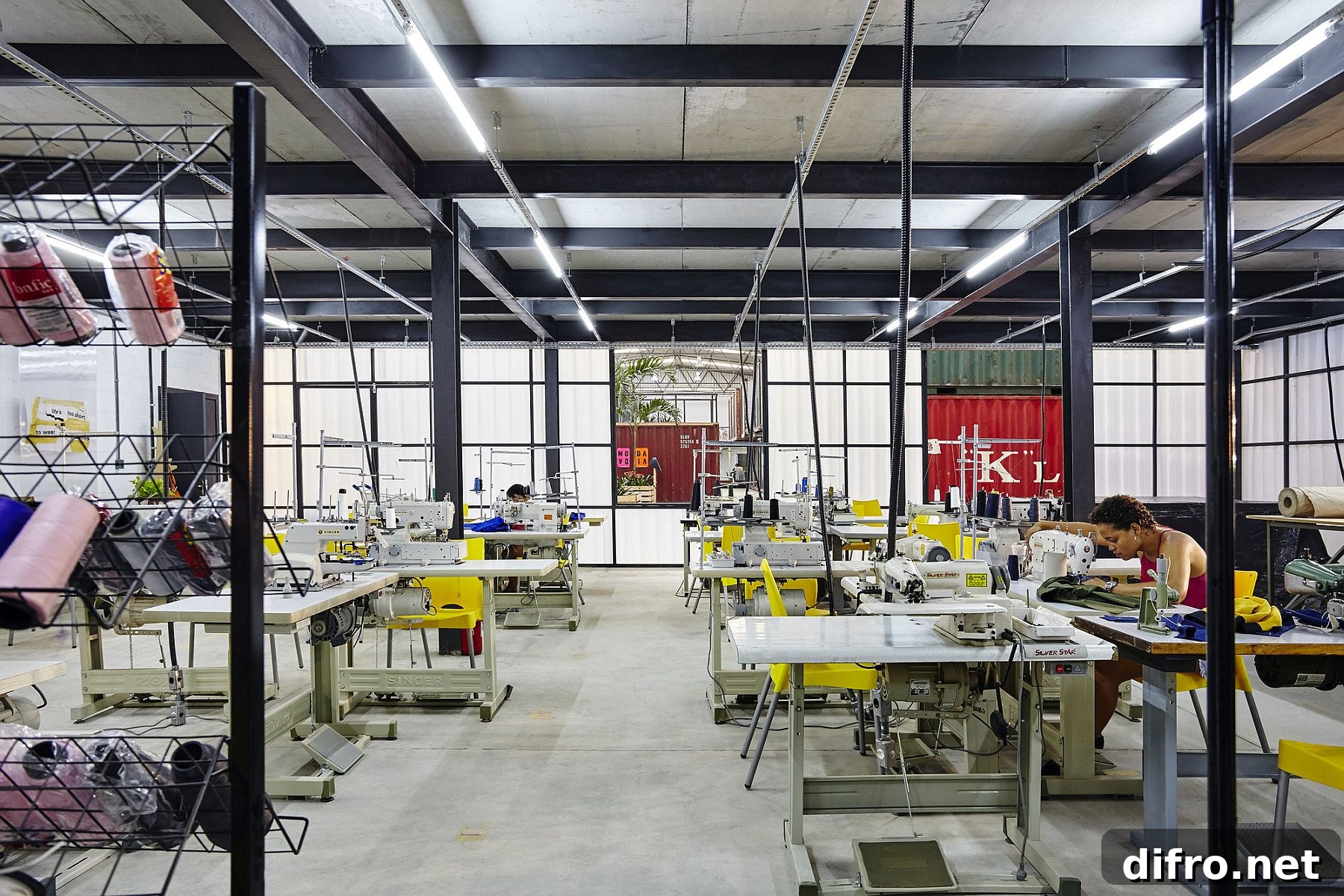
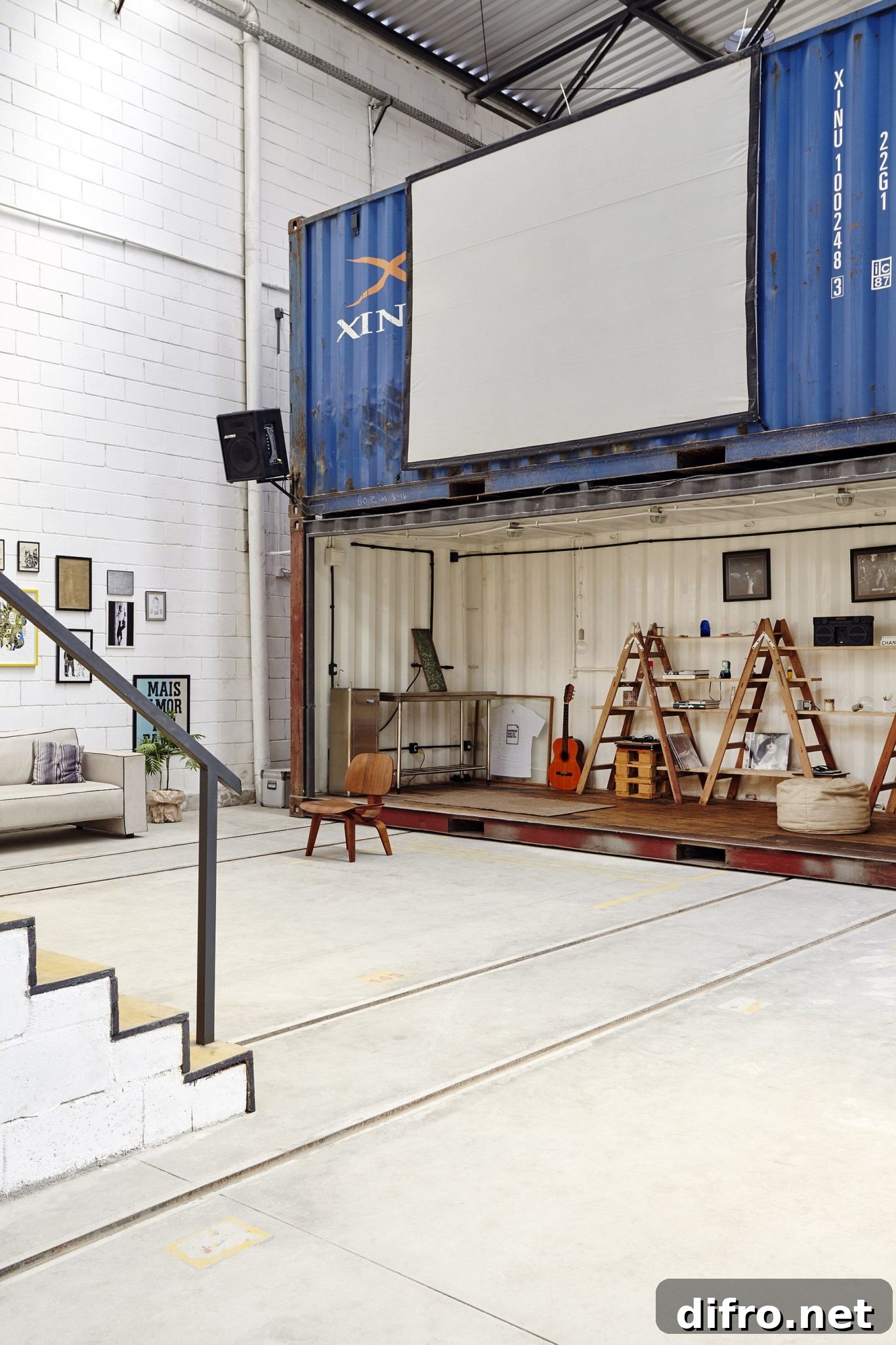
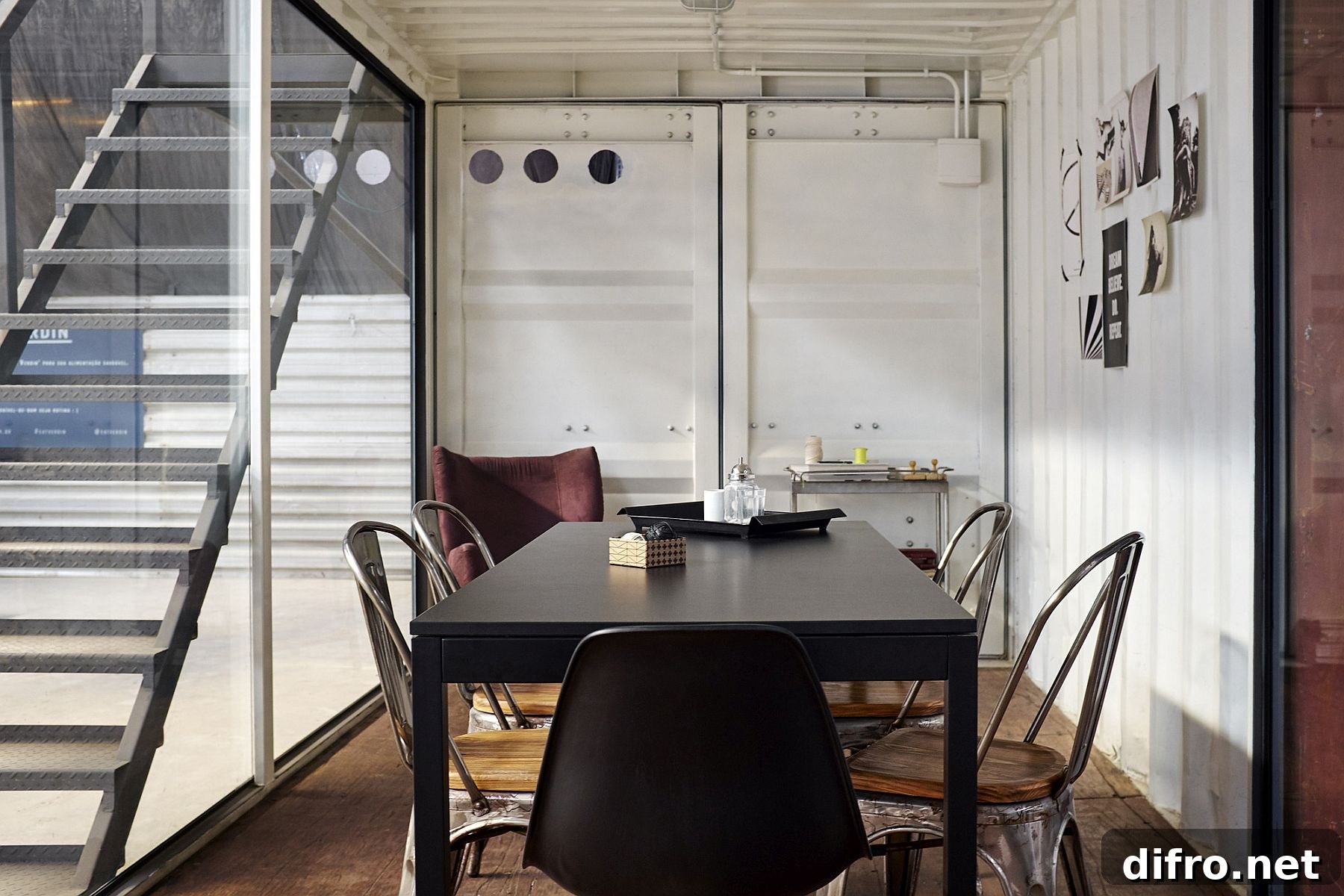
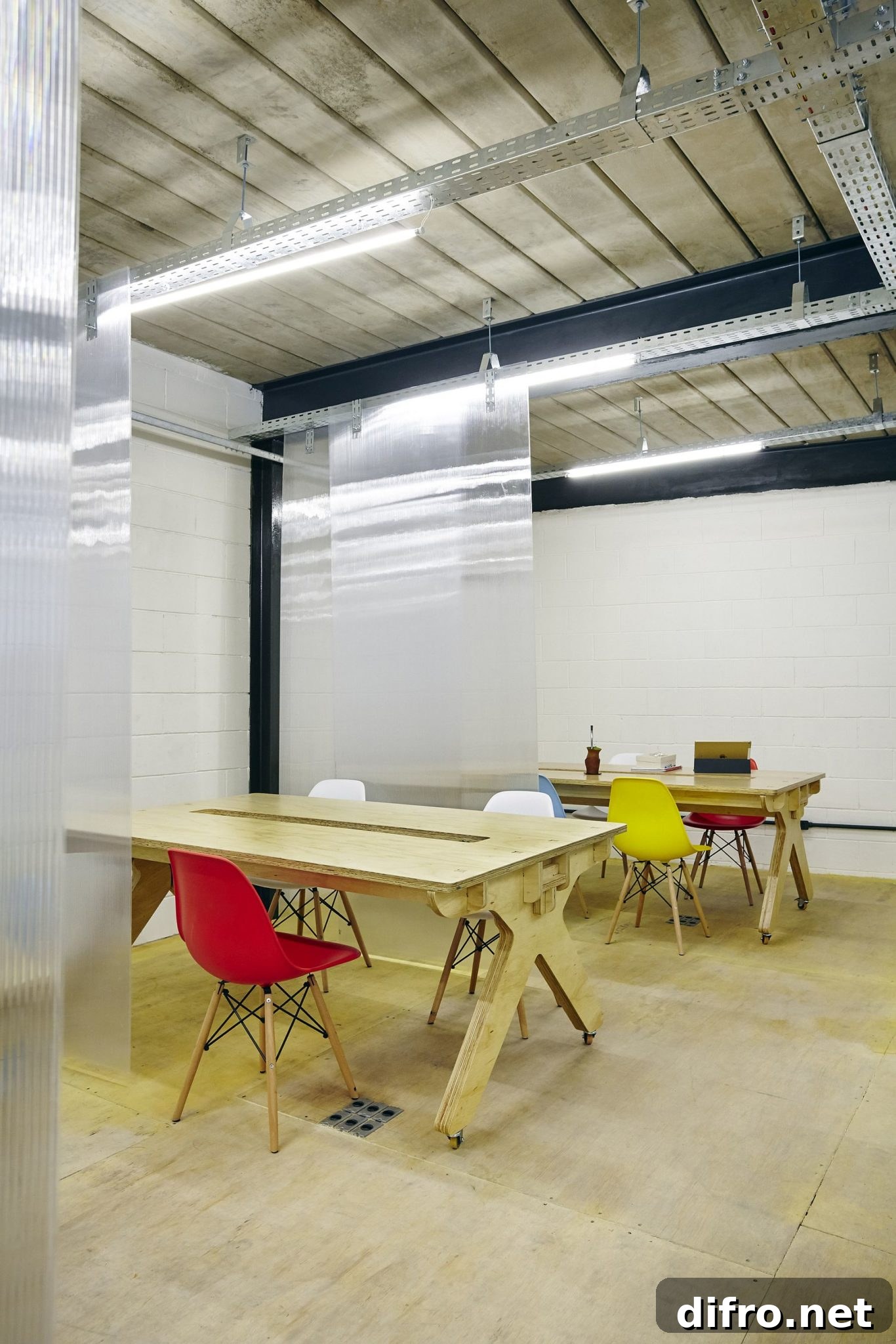
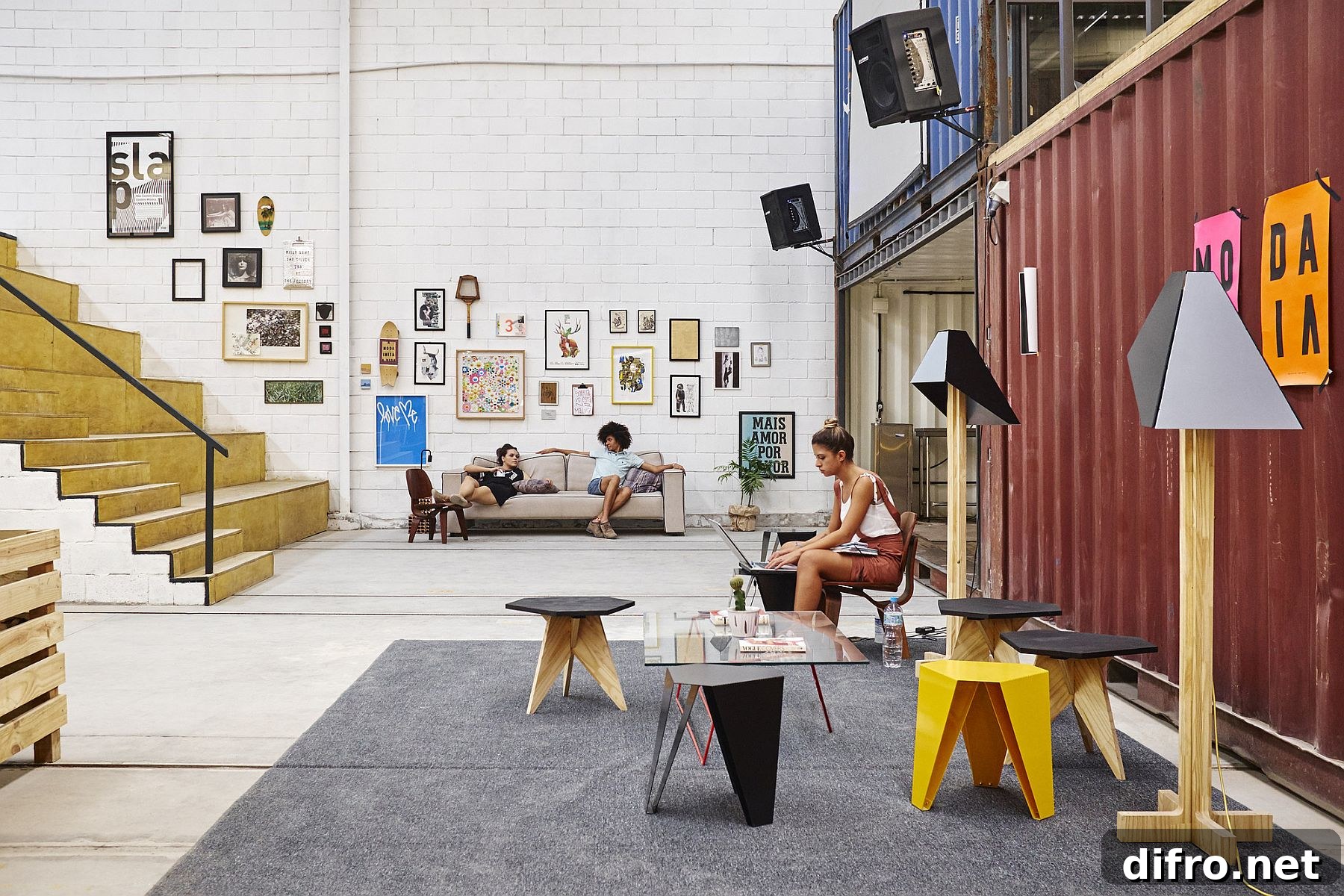
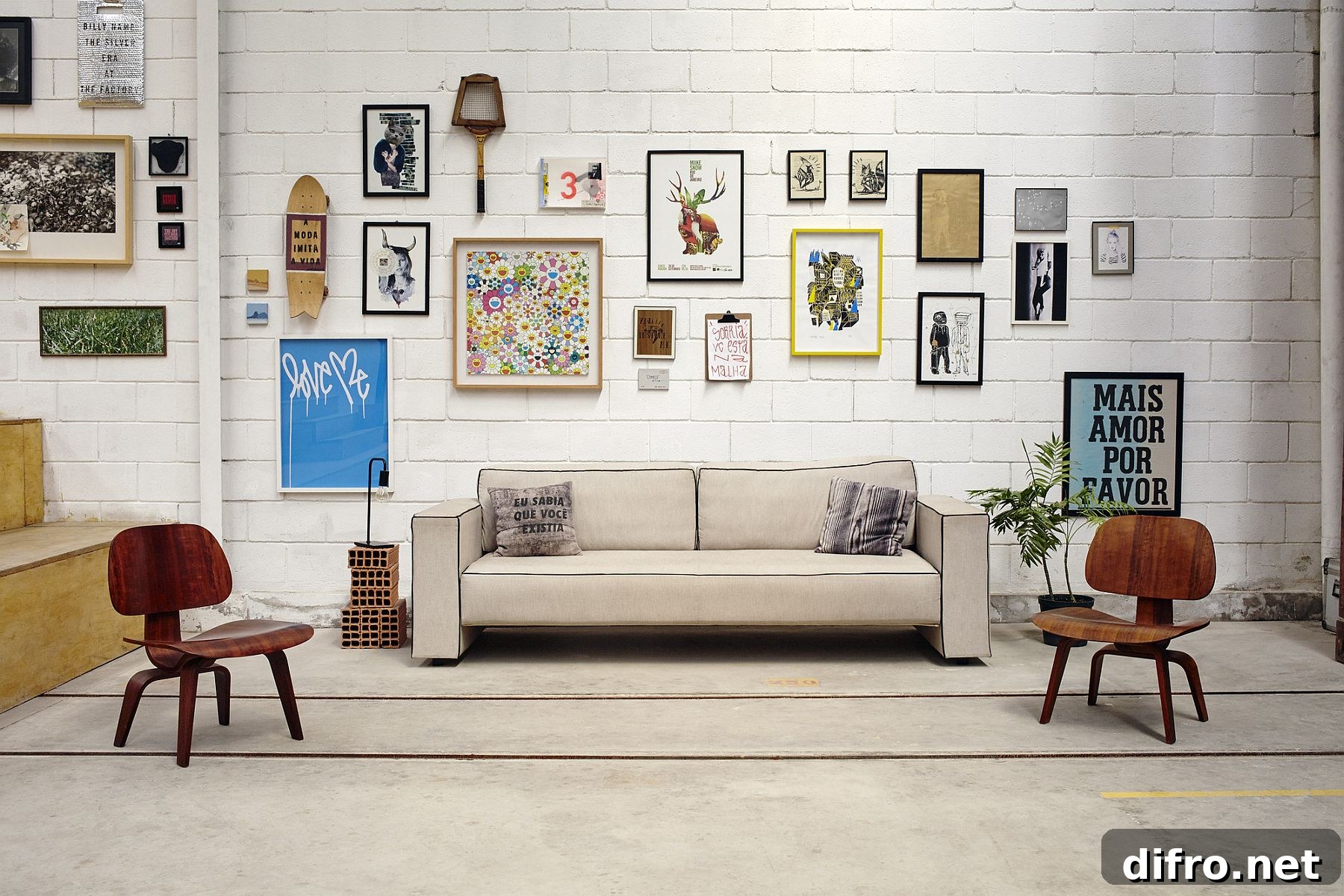
The interior design is intentionally understated: neutral tones, abundant natural light, and simple finishes let products and creative work take center stage. Shipping containers are adapted to house a variety of functions—private studios, showrooms, photography spaces and sewing workshops—while open areas and gaps between containers create informal meeting points and social hangouts. Shared kitchens, utility rooms and flexible multipurpose areas support daily operations and events, making MALHA a place for production and exchange.
Beyond everyday production, the venue supports a lively program of events—workshops, seminars, screenings and exhibitions—thanks to its auditorium and cinema area. These public-facing components reinforce MALHA’s mission: to promote eco-conscious practices across design, manufacturing and retail. Co-working facilities and meeting zones also invite collaboration between designers, photographers, stylists and industry professionals, helping to build a resilient local network.
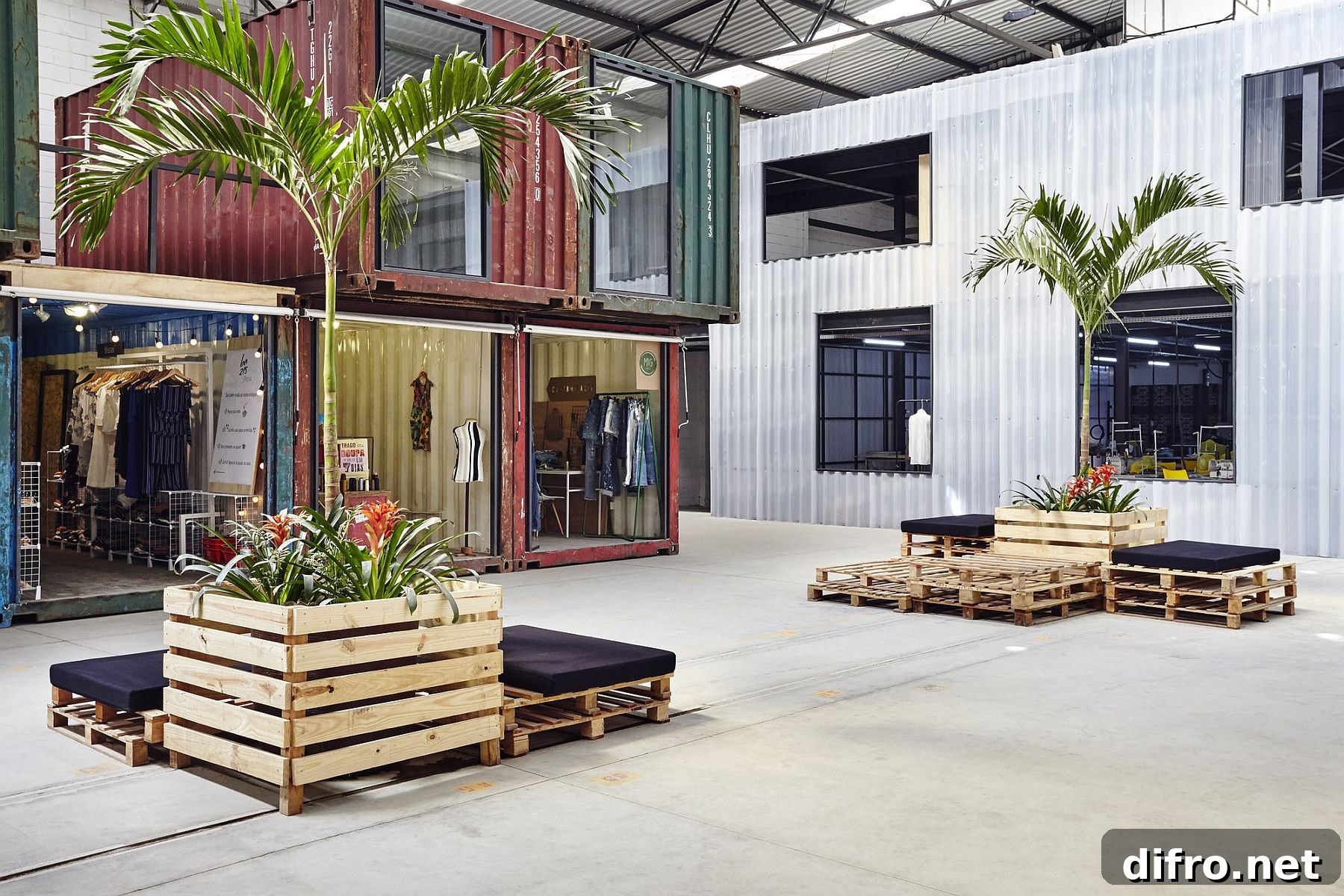
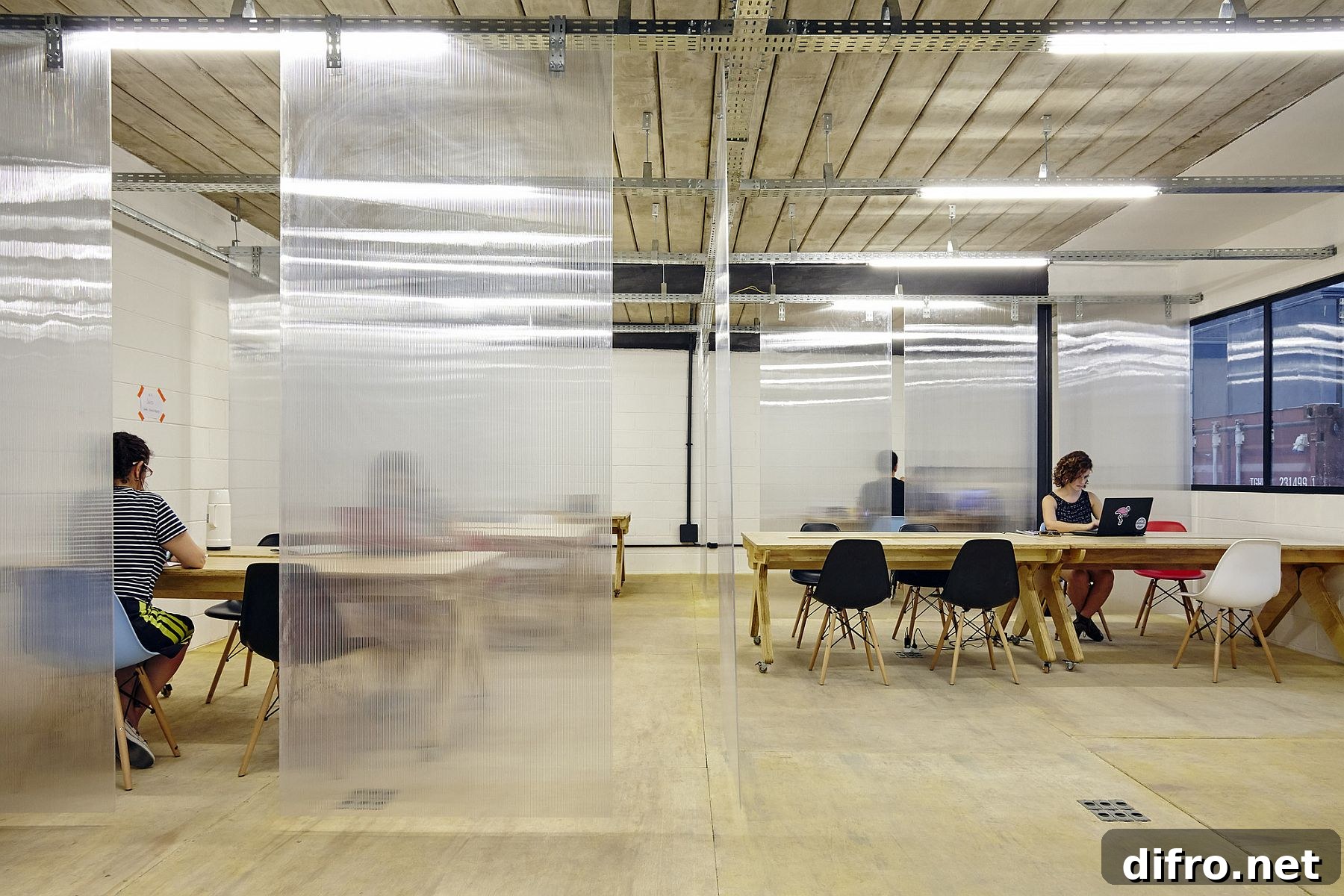
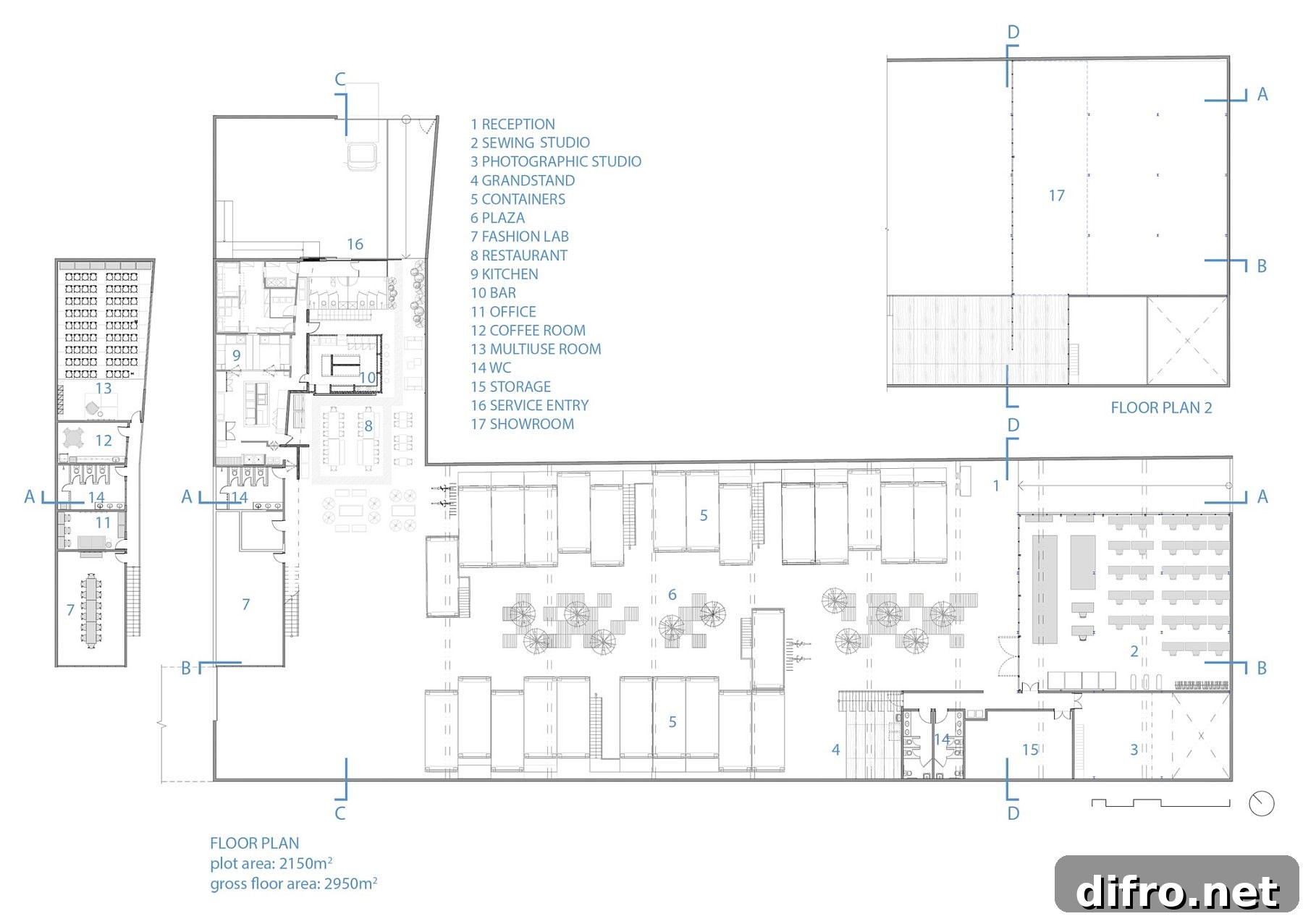
The spatial arrangement places showrooms, sewing studios and photography spaces toward the front of the warehouse for easy public access, while shared services and support areas sit toward the rear. Meeting rooms and private areas provide quiet space for creative work, and dining and display areas are integrated to support product launches and community gatherings. The clear circulation paths and cohesive white-and-neutral palette ensure the interior feels airy and bright, while the repurposed containers contribute to the project’s sustainable character.
Photography for the project was captured by Ilana Bessler, whose images document how adaptive reuse, modular construction and a community-driven program can reshape the idea of a fashion hub. MALHA demonstrates that sustainable design and independent production can coexist with high-quality presentation and a dynamic cultural program—offering a model for other cities seeking to support local fashion ecosystems.
RELATED: Old Warehouse In Melbourne Acquires A New Lease Of Life!