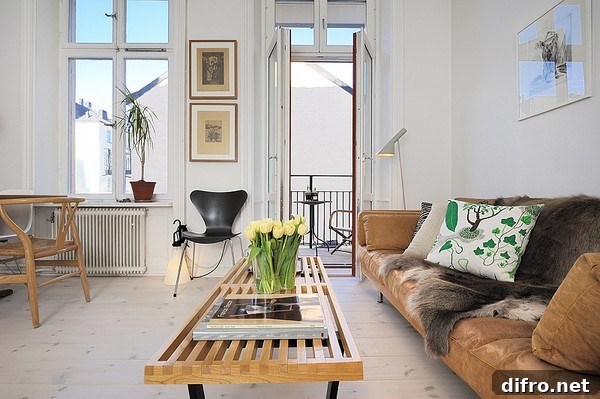
IKEA and other Scandinavian brands have brought Nordic design into homes around the world. The clean, practical aesthetic developed in Sweden, Denmark, Norway and Finland focuses on light, function and timeless simplicity—qualities that translate well from compact urban apartments to spacious modern houses. Scandinavian interiors prioritize natural materials, clever storage and an uplifting palette to make everyday living both comfortable and beautiful.
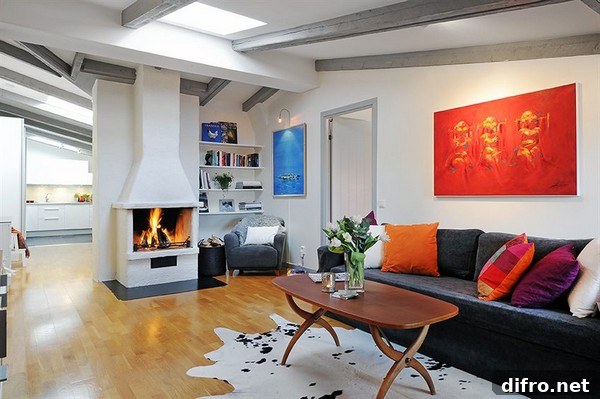
Design ideas from the Nordic countries—often featured in interior magazines—have influenced trends from Manhattan lofts to European townhouses. Their approach is rooted in practicality and a respect for craftsmanship, resulting in rooms that feel serene, functional and welcoming.
Here are a few tips to guide you on your Scandinavian décor journey.
- White, White and More White! Scandinavian interiors often use a predominantly white palette to maximize light and create a crisp, airy backdrop. White walls and ceilings paired with pale natural wood floors reflect daylight and visually expand small spaces. Use warm white paints and layered lighting—ceiling fixtures, floor lamps and task lights—to keep rooms feeling cozy rather than stark. White provides a neutral canvas that lets furniture, textiles and accents stand out while maintaining a calm, cohesive look.
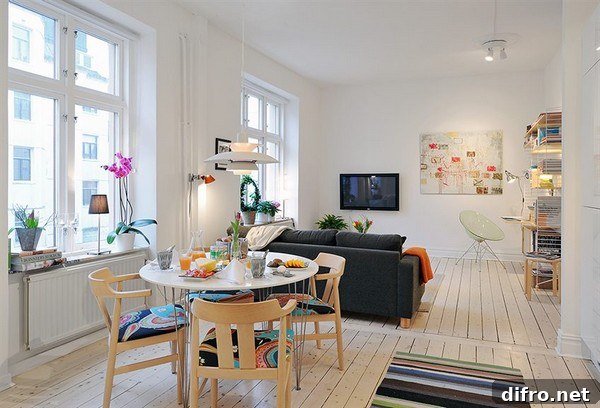
- Introduce Color and Playful Prints. To avoid a clinical feel, add strategic pops of color and a few bold prints. Scandinavian design often relies on primary hues or muted tones in small doses: a red armchair, a blue rug, or a patterned cushion can bring personality and warmth. Choose geometric or nature-inspired patterns for textiles and rugs, and limit the variety so the overall look stays uncluttered. When used sparingly, prints draw the eye and create focal points without overwhelming the calm palette.
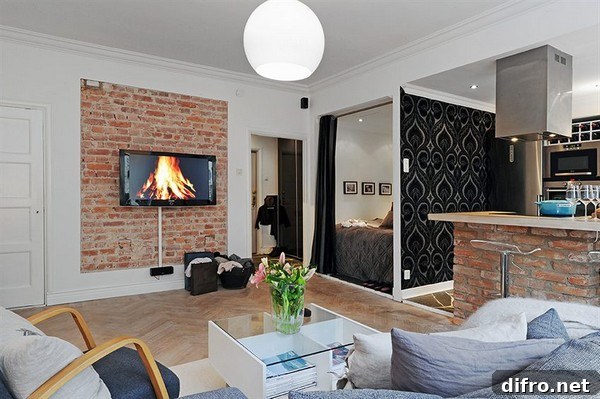
- Simplicity and Functional Living. Minimalism in Scandinavian design means keeping only what serves the room’s purpose. Furniture is functional and thoughtfully chosen—beds, sofas and tables with clean lines, reliable construction and modest proportions. Incorporate built-in or freestanding storage to hide clutter and maintain open surfaces. Think in terms of utility: a streamlined bed, a bedside lamp for reading, and a simple shelf or dresser can be all you need in a bedroom. This pared-back approach creates calm, efficient spaces that are easy to maintain.
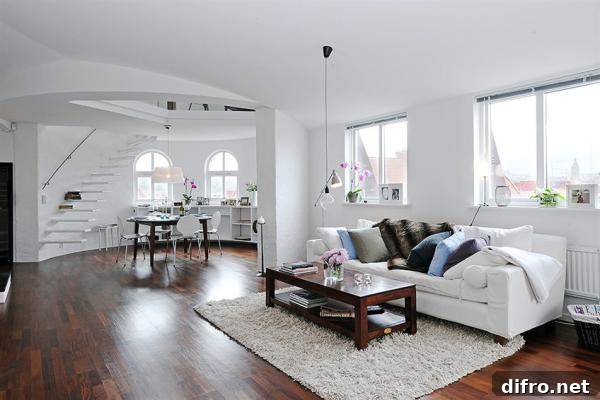
Although Scandinavian interiors favor simplicity, they still celebrate detail—especially in textiles. Use patterned cushions, throws and rugs to introduce texture and visual interest. Keeping patterns limited to a few pieces allows them to stand out without cluttering the space. Natural fibers such as wool, linen and cotton reinforce the tactile quality that makes these rooms feel inviting.
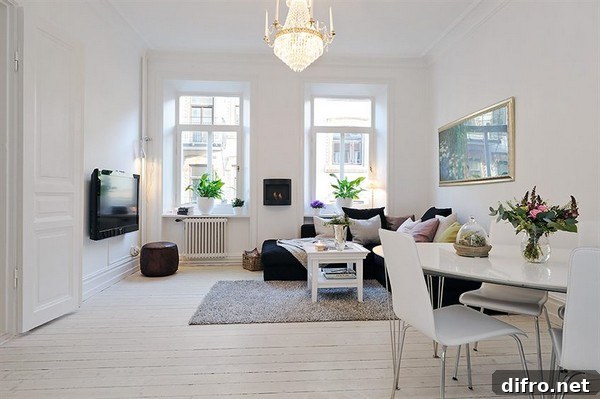
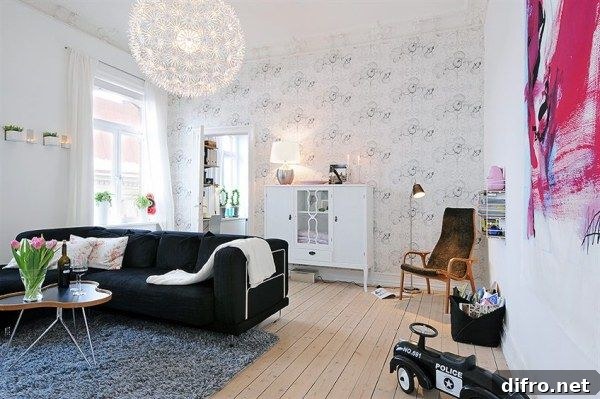
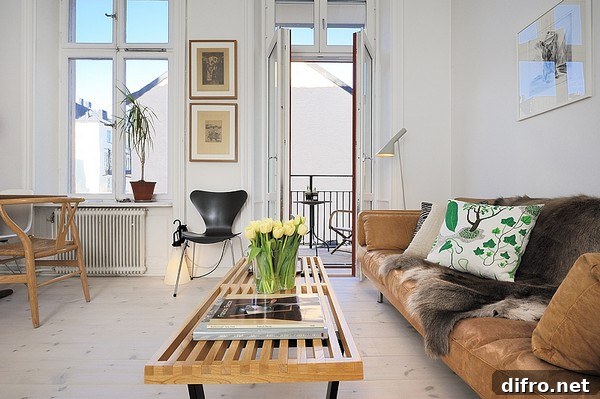
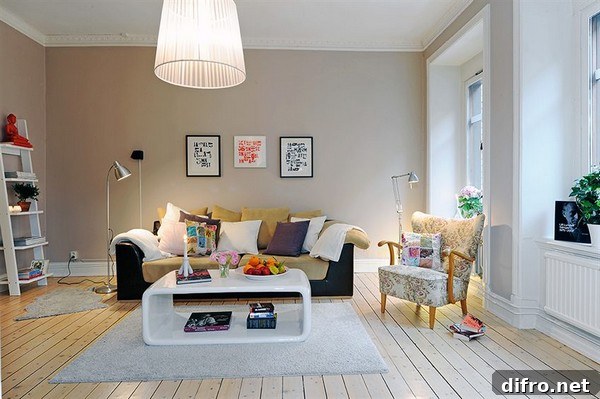
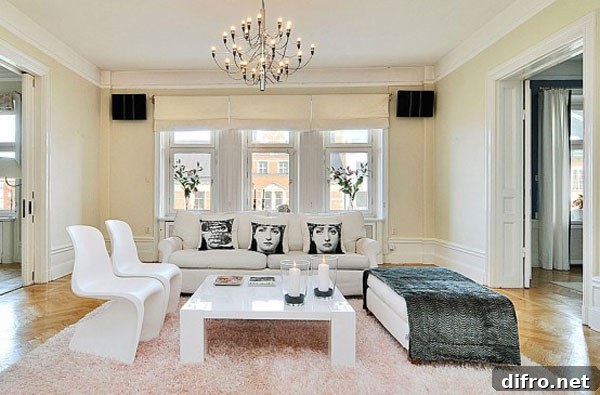
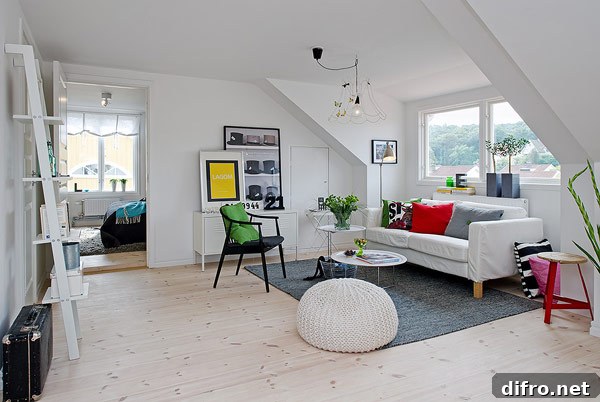
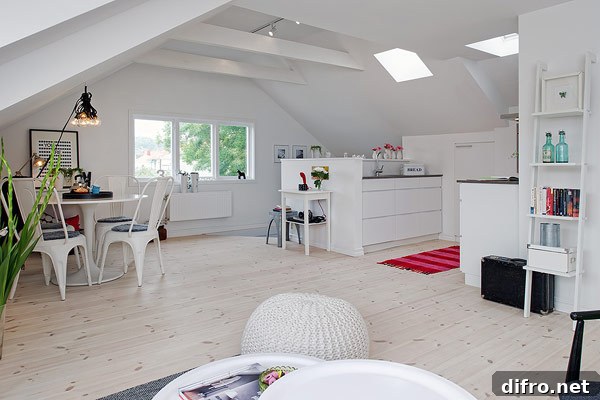
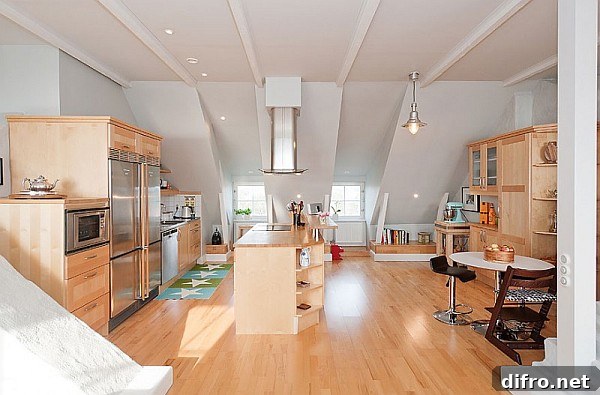
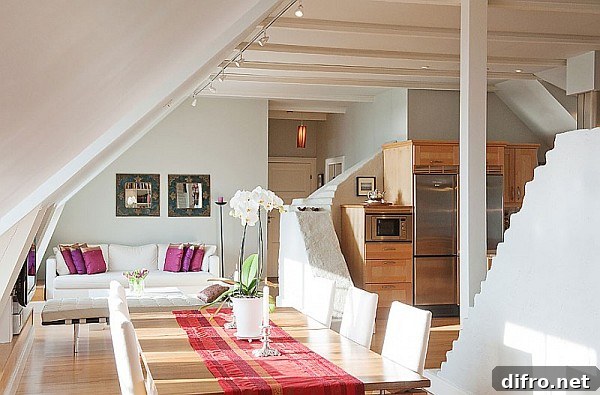
For practical success with Scandinavian décor, focus on three essentials: light, texture and function. Maximize natural light and supplement it with layered artificial lighting. Bring in tactile materials—wood, wool, linen and leather—to add warmth. Choose furniture that is both beautiful and useful, and prioritize clever storage so surfaces remain open and uncluttered.
Small changes can have a big impact: swap heavy curtains for sheer panels, replace an overcrowded coffee table with a slim one, or add a cozy throw and a couple of cushions to soften a minimal sofa. Plants and simple, sculptural accessories add life and personality without compromising the understated elegance of the style.
Whether you are updating a single room or rethinking your entire home, Scandinavian interior design offers an enduring framework: prioritize comfort, embrace simplicity and let natural light and materials lead the way.