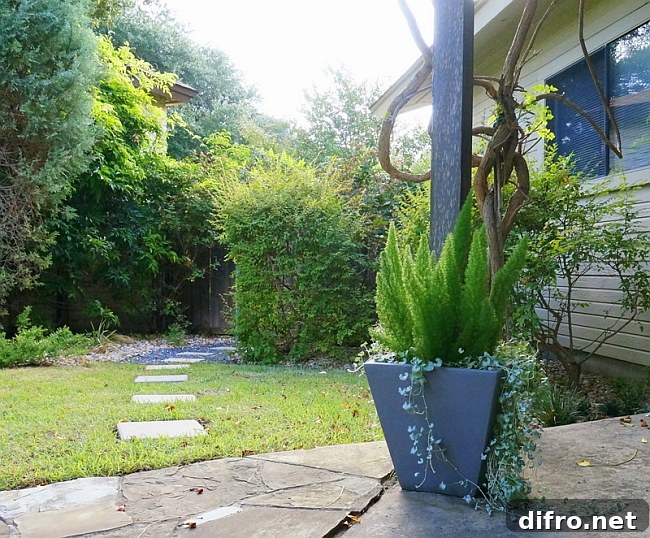
Enjoying the last weeks of summer? Me too. The long, hot days can take a toll on any yard: grass browns, plants struggle, and motivation to work outdoors dwindles. Beyond regular watering, this article offers a short, practical pep talk and useful tips to overcome the summer gardening slump. These suggestions work for many yards and climates and will help you start planning for the cooler season ahead.
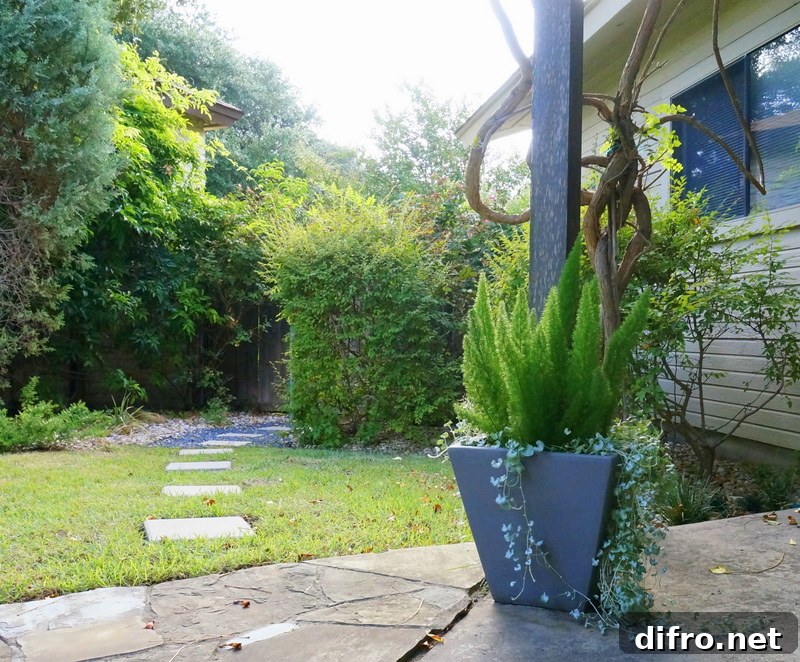
The photos in this post come from my own yard, and the advice reflects hands-on experience. Think of this as a quick guide to help you refocus, tidy up, and finish summer strong so your garden is ready for fall improvements.
Take a Good Look at Your Yard
Begin by assessing your yard objectively. Walk each area and note what’s thriving and what isn’t. Some plants may be flourishing with fragrant blooms, while other spots could be struggling in the heat. For example, morning freshness often gives way to droopy, sun-scorched leaves by midday. Identifying these patterns helps you prioritize actions—watering schedules, shade solutions, or plant swaps.
Clean Up
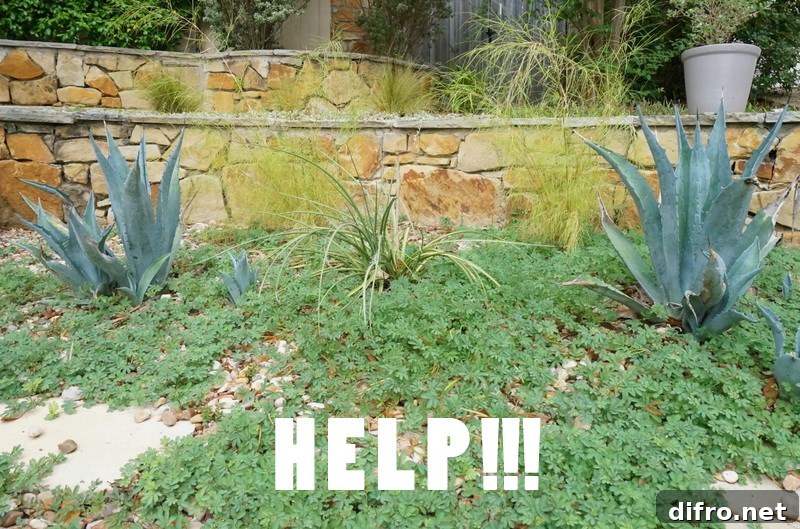
Weeding and basic cleanup deliver one of the biggest visual improvements for the least effort. If you can’t pull weeds weekly, aim for a thorough session every few weeks—especially during summer when weeds can run rampant. Removing invasive ground cover and cutting back overgrown shoots instantly clarifies plant shapes and gives healthy specimens room to breathe.
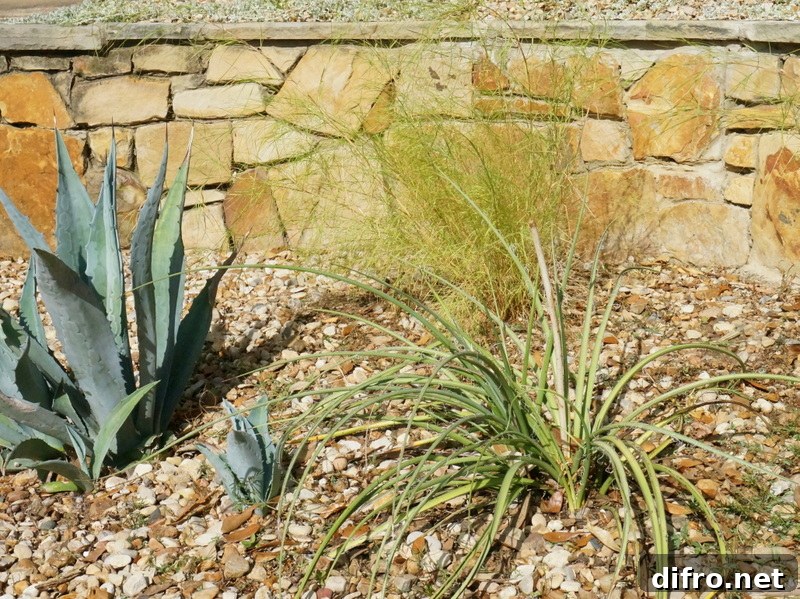
Some weeds are stubborn and require cutting rather than pulling, and occasional trimming of dead foliage can revive plants that merely look neglected. For example, trimming browned parts from bamboo grass or other perennials can dramatically improve their appearance while preserving the healthy growth that tolerates sun and heat.
Learn From Your Mistakes
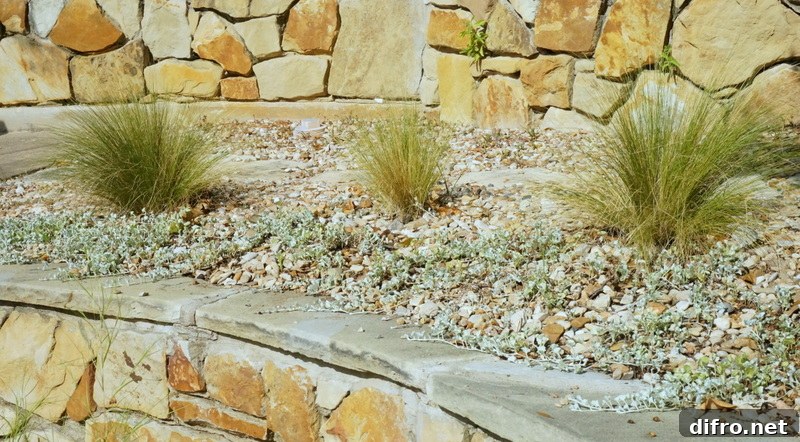
Every gardener makes mistakes—overwatering, choosing a plant for the wrong spot, or planting at the wrong season. Treat these as lessons. I once overwatered Mexican feather grass and lost it; when replanted with a more conservative watering routine, it thrived. If a potted plant repeatedly declines in one location, try moving it to a different microclimate in your yard. If a shrub is wilting, a deeper, less frequent soak often helps more than light daily watering.
Stay Positive
Yard maintenance can feel like a never-ending chore. Diseases, pests, drought, and storms will test your patience. Rather than dwelling on losses, focus on the progress: plants that bounce back, new blooms after a harsh winter, or a planter that finally fills in. Small victories keep you motivated and make future projects feel achievable.
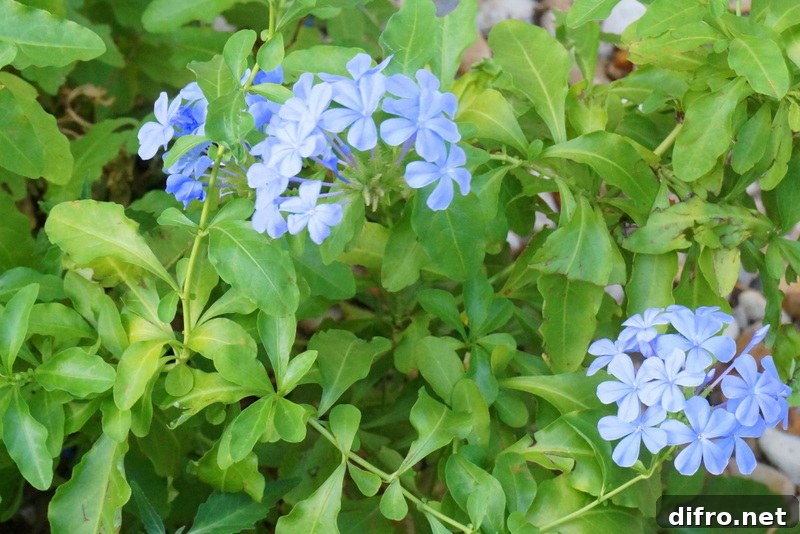
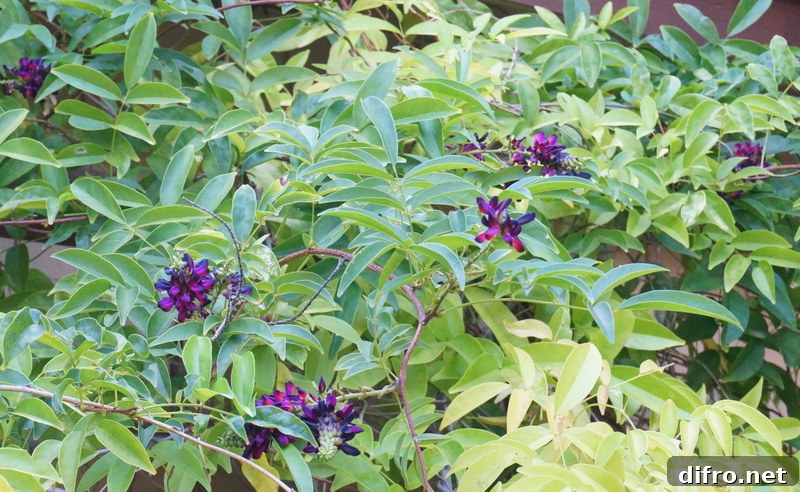
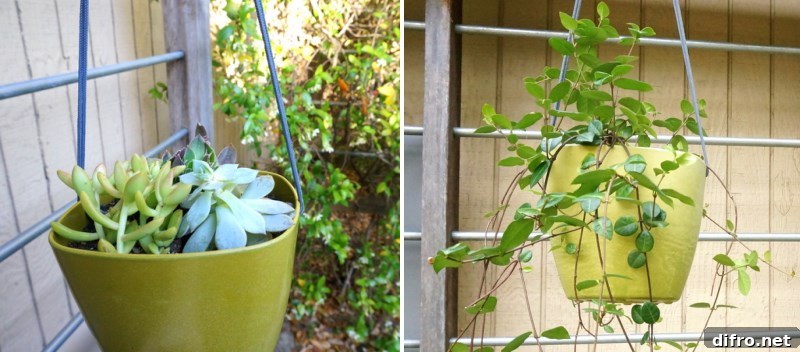
For instance, a plumbago that looked dead after winter is sending out fresh leaves and flowers. A DIY hanging planter that once held succulents now supports cascading Asian jasmine, adding greenery where the trellis needed it most. These small changes add up and remind you that plants can recover and evolve into new focal points.
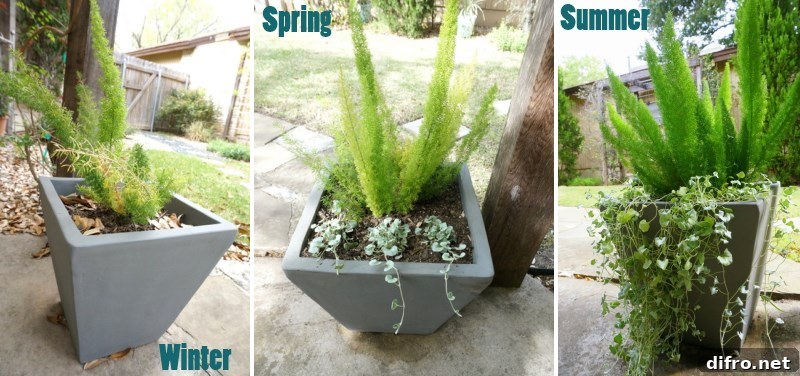
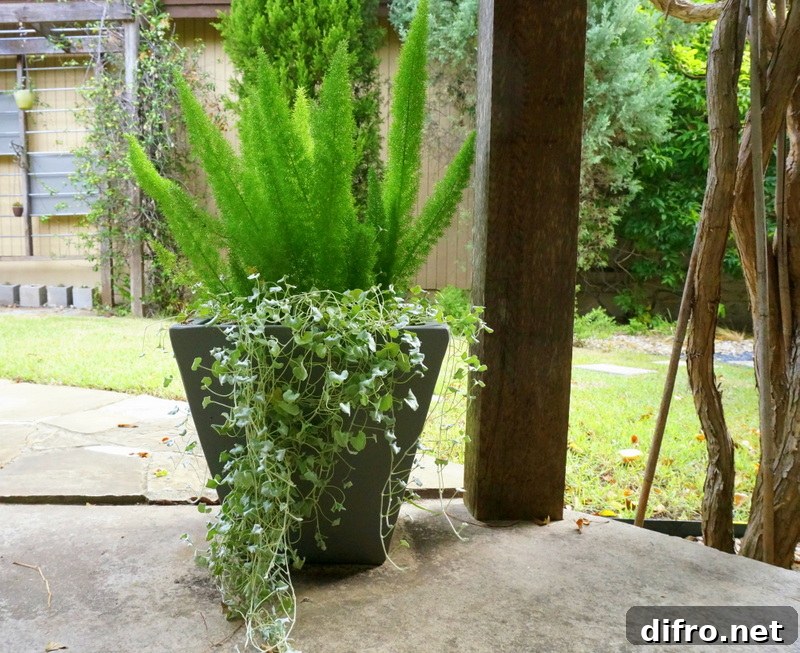
Time to Touch Up
After cleanup and a morale boost, move on to fine-tuning. In very hot climates, avoid major transplanting for plants rooted in the ground; summer stress can increase transplant shock. However, trimming dead leaves, refreshing potting soil, dividing crowded container plants, or moving rapidly growing specimens into larger containers are excellent summer tasks.
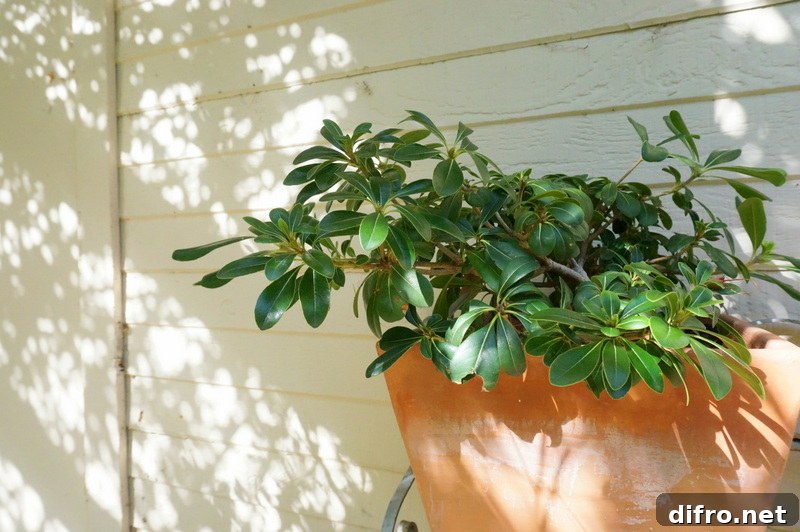
Refreshing planters often delivers immediate rewards. Succulents recovering from overwatering can be rearranged to fill empty spaces, or a few new seasonal plants can brighten a container. These modest updates are low-effort ways to renovate your outdoor space while you wait for cooler weather to tackle larger projects.
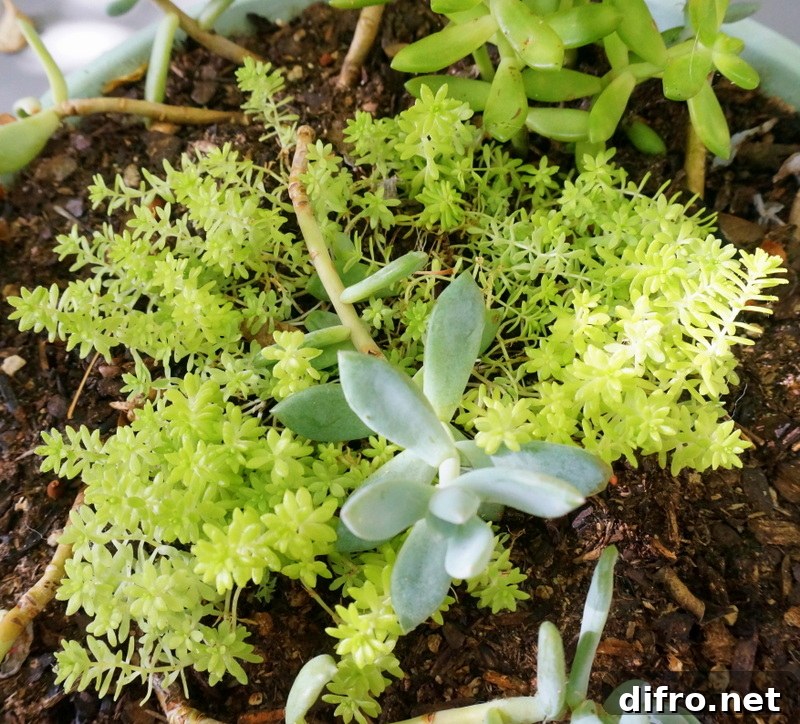
Finally, start thinking ahead to fall. Summer cleanup, small tweaks, and thoughtful observations now will make seasonal transitions smoother. A little focused effort today—removing weeds, trimming dead growth, adjusting water habits, and refreshing containers—sets the stage for a vibrant yard in the months to come.