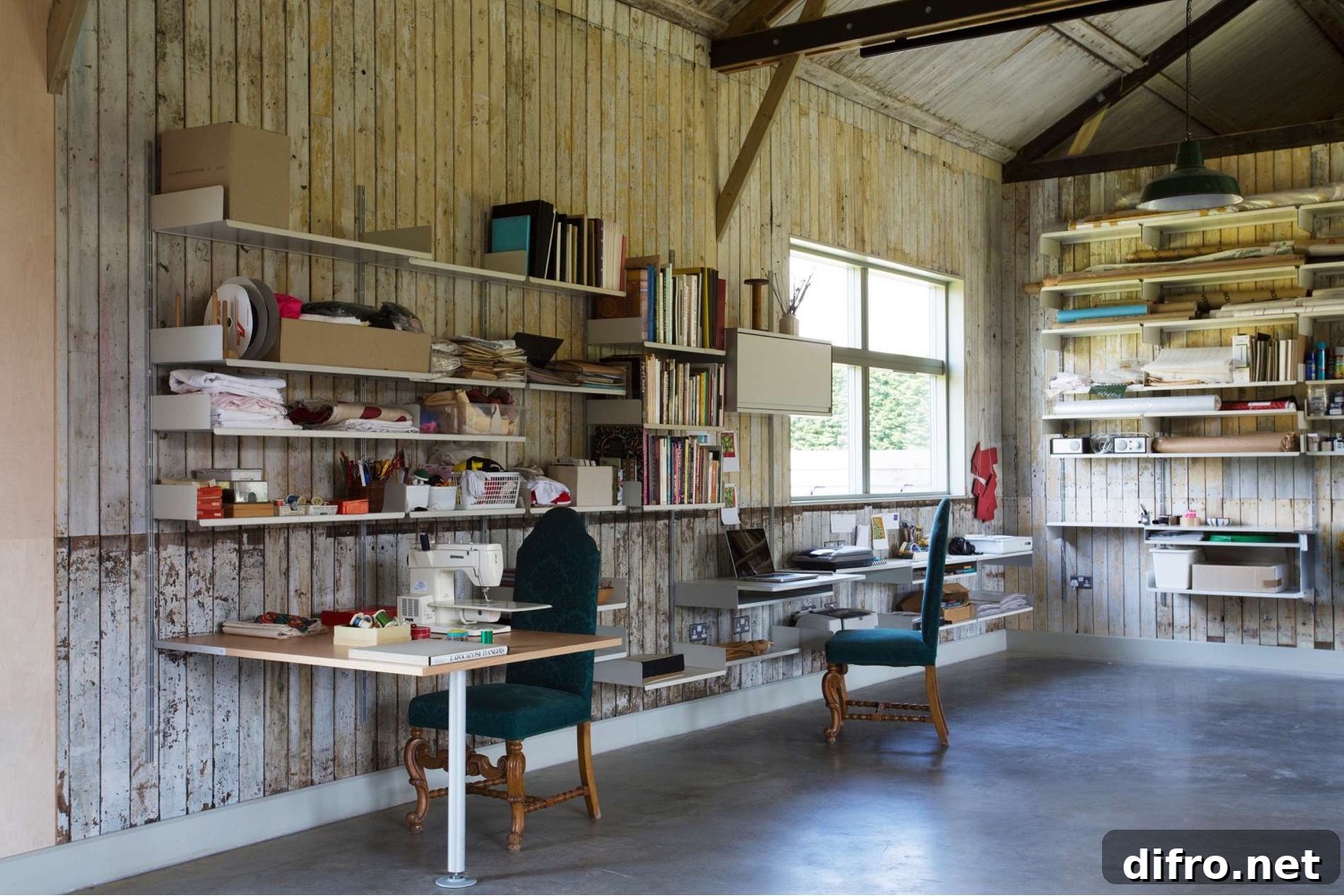
Shopping events like Black Friday and Cyber Monday tempt people with deep discounts and flash promotions, encouraging impulsive purchases and a culture of short-term gratification. In a world of finite resources, this accelerating cycle of over-consumption is increasingly unsustainable. Many manufacturers and retailers feed a constant demand for newer, cheaper, or trendier items, treating people as consumers rather than individuals. One practical way to resist this pattern is to shift from consuming disposable goods to choosing objects you will use and keep for life.
Well-designed objects show respect for the people who use them. They leave space for personal expression, perform reliably, and age with dignity. When products earn a user’s attachment, they are kept longer, repaired when needed and valued across time. Thinking of design as “for keeps” means prioritizing durability, timeless aesthetics and functional clarity over novelty.
A shelf for keeps
Furniture maker Vitsœ keeps a simple promise: it does not run sales because its prices are always set to be fair. As a symbolic choice, the company closes its New York shop on Black Friday. Vitsœ treats customers as individuals rather than just transactions. Dieter Rams’s classic 606 Universal Shelving System, introduced in 1960 and produced by Vitsœ ever since, exemplifies that philosophy. Flexible, functional and visually restrained, the 606 is designed to adapt across decades and become a lifetime companion.
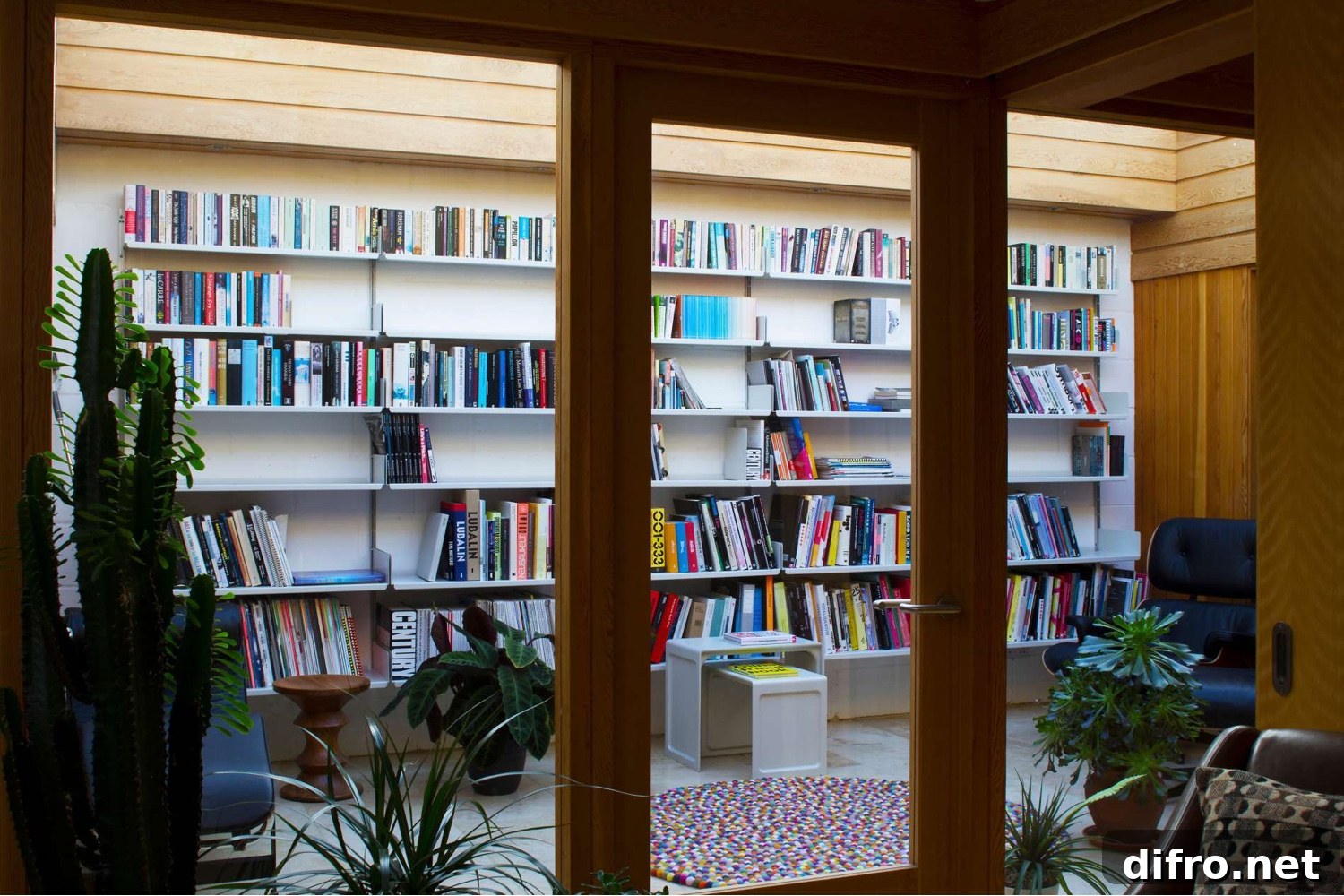
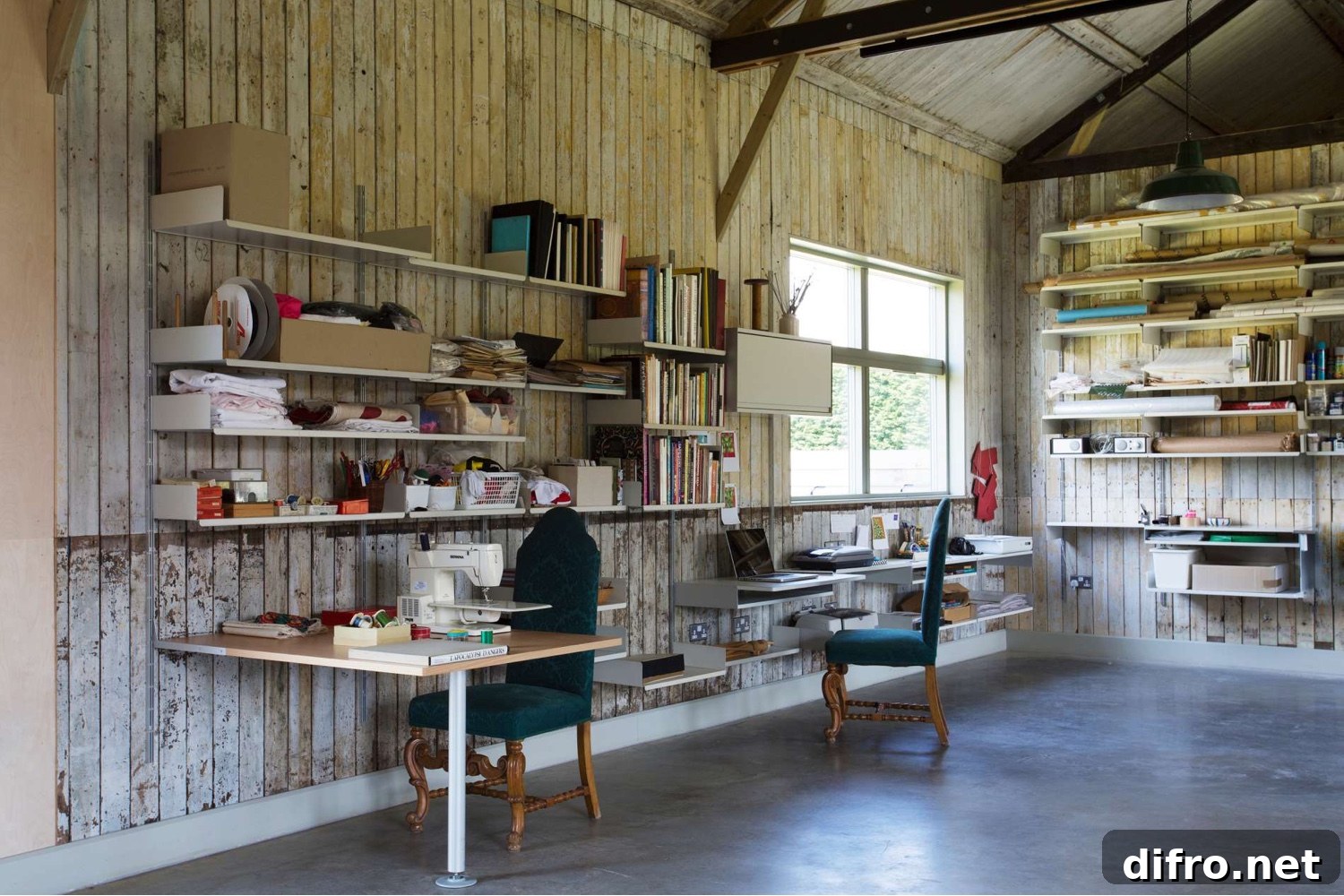
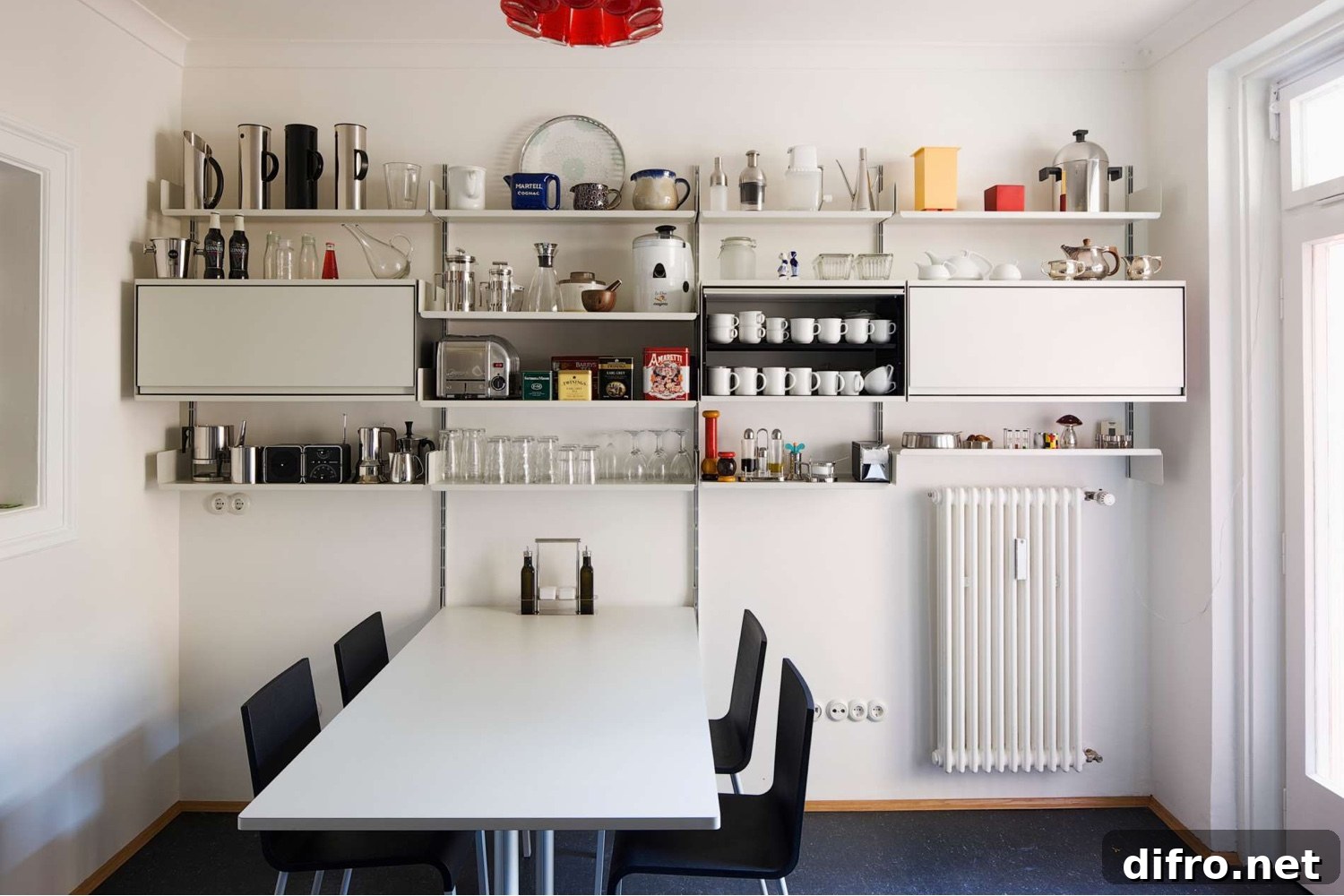
Images © 2016 Vitsœ.
A dining chair for keeps
Arne Jacobsen’s Series 7™ chair, produced by Fritz Hansen since 1955, has become one of the best-selling chairs in design history, with more than seven million units sold worldwide. Its molded plywood shell, slender profile and broad range of finishes make it versatile for both formal and casual dining. The Series 7™ combines economy of form with comfort, proving that a single well-conceived chair can meet many needs over time.
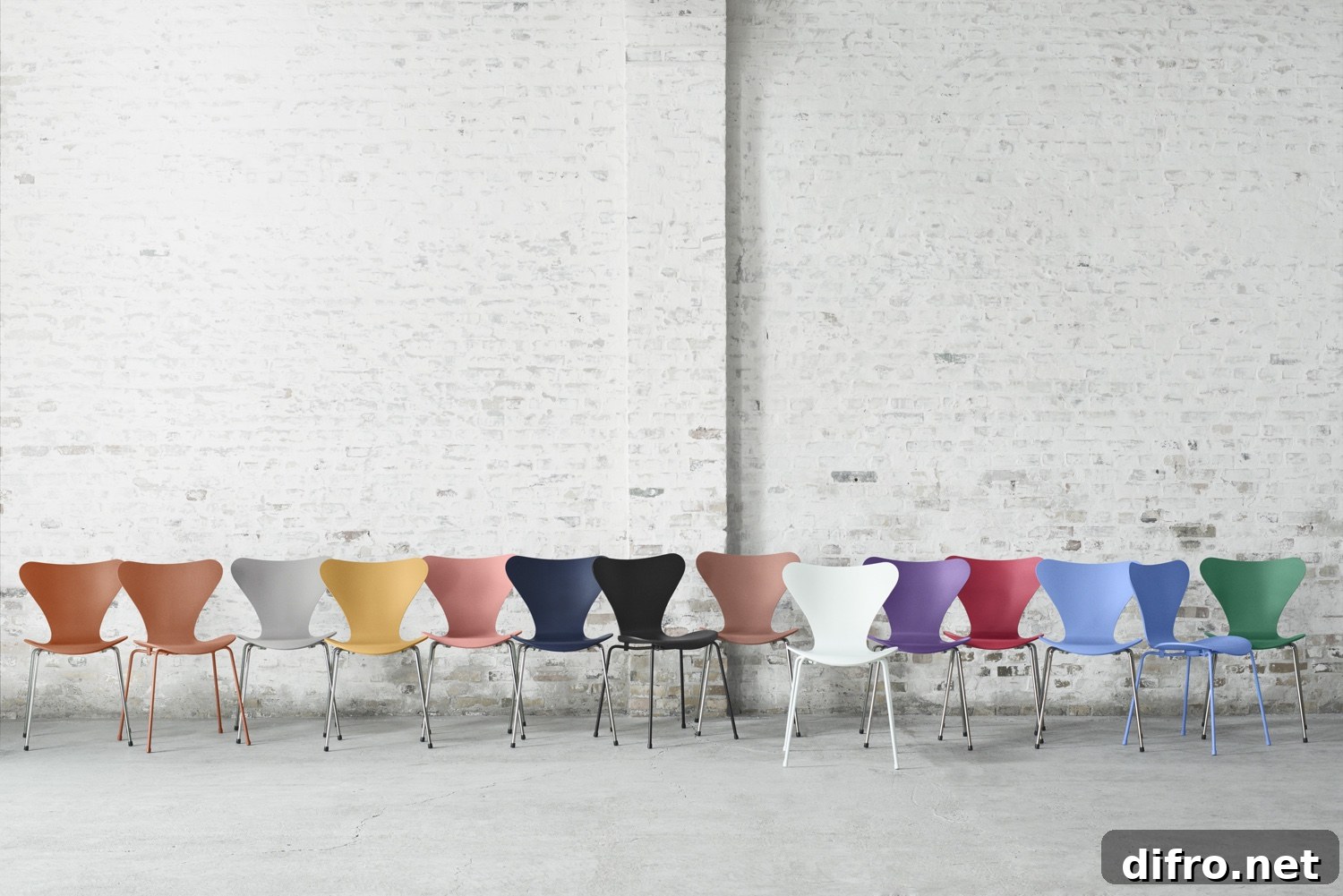
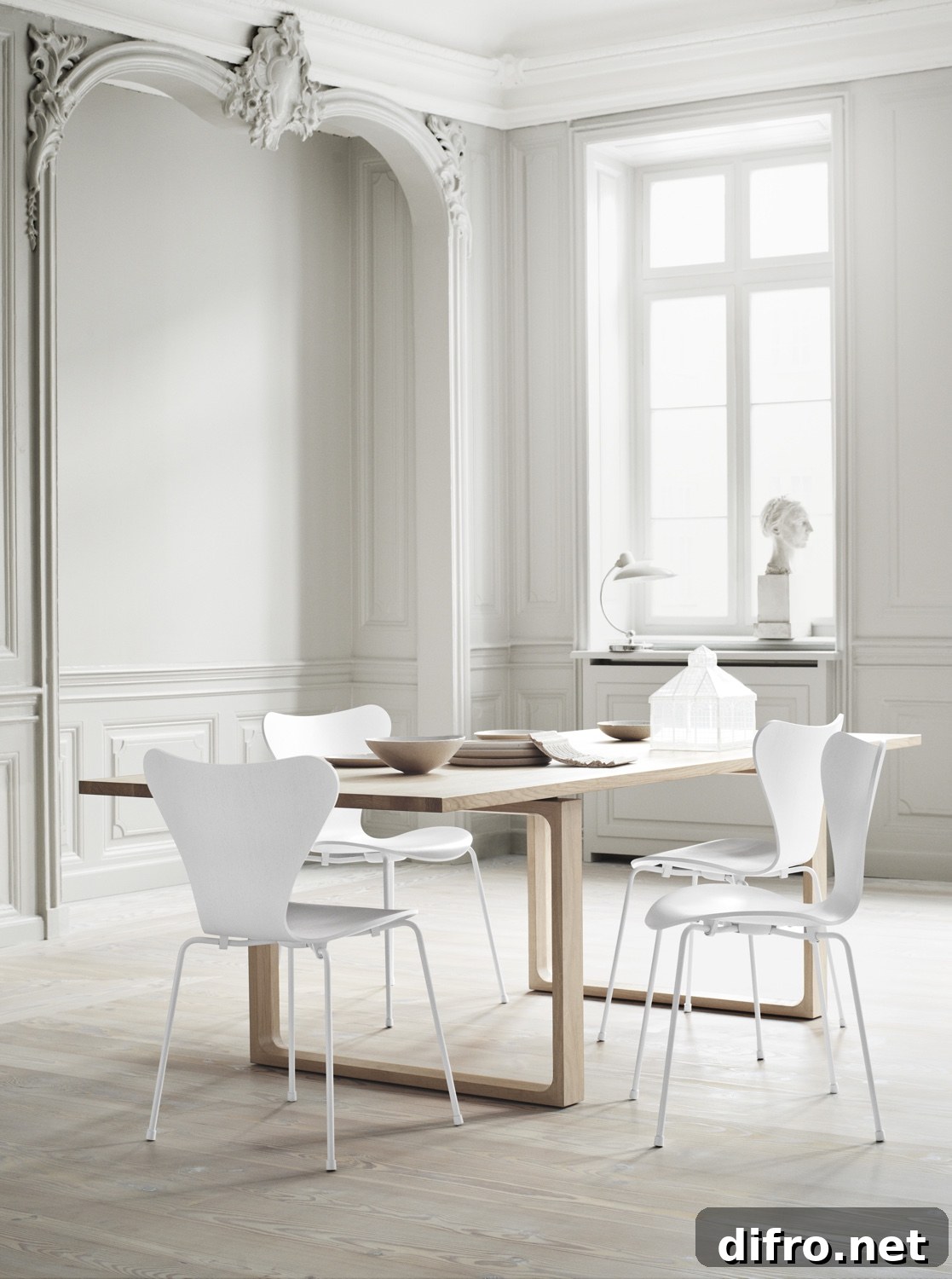
Images © Republic of Fritz Hansen 2016.
A lounge chair for keeps
Charles and Ray Eames’s Lounge Chair and Ottoman, launched in 1956, remain icons of American design. Born from the Eameses’ experiments with molded plywood, these pieces pair sculptural comfort with durable construction. The Lounge Chair’s soft leather upholstery and layered-wood shell give it a lived-in look that deepens with time, making it a natural candidate for a piece you keep for life.
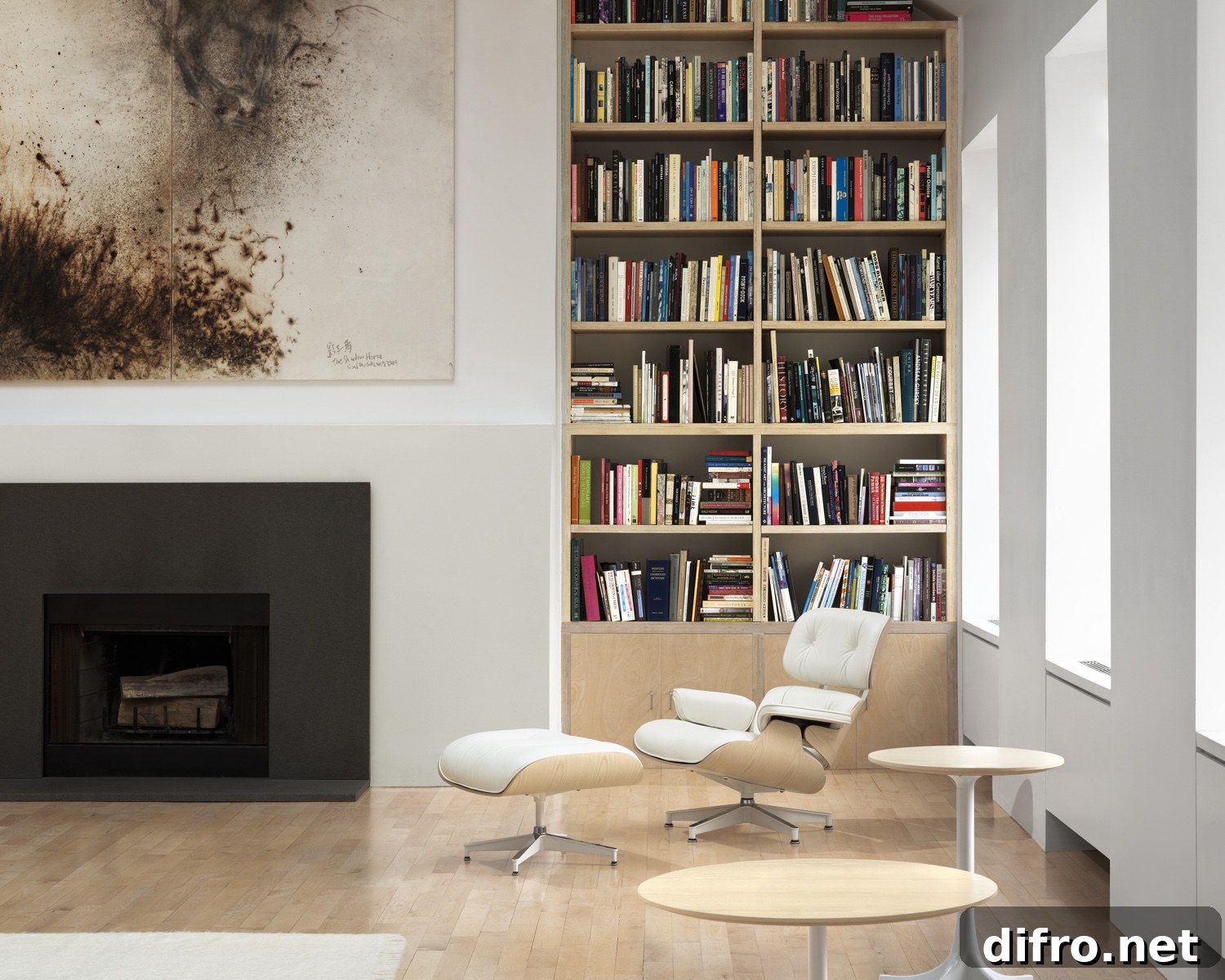
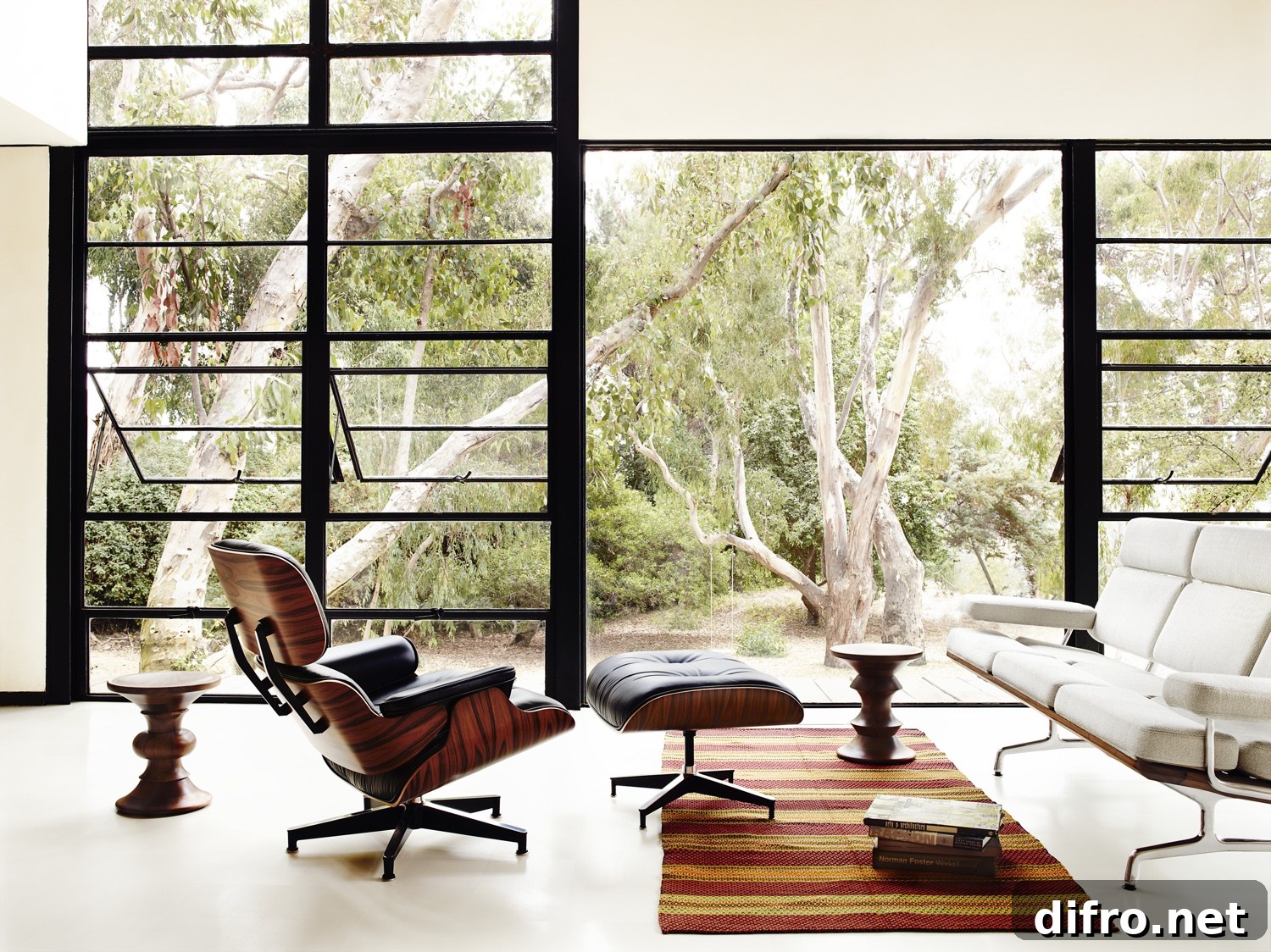
Images © 2016 Herman Miller, Inc.
A coffee table for keeps
Hans J. Wegner’s CH417 tray table, designed in 1970 and reintroduced by Carl Hansen & Søn, is a study in multifunction and simplicity. The reversible round tray and collapsible stainless-steel base make it adaptable to different settings, while the integrated handle enhances portability. Thoughtful features like these extend a product’s usefulness and encourage long-term ownership.
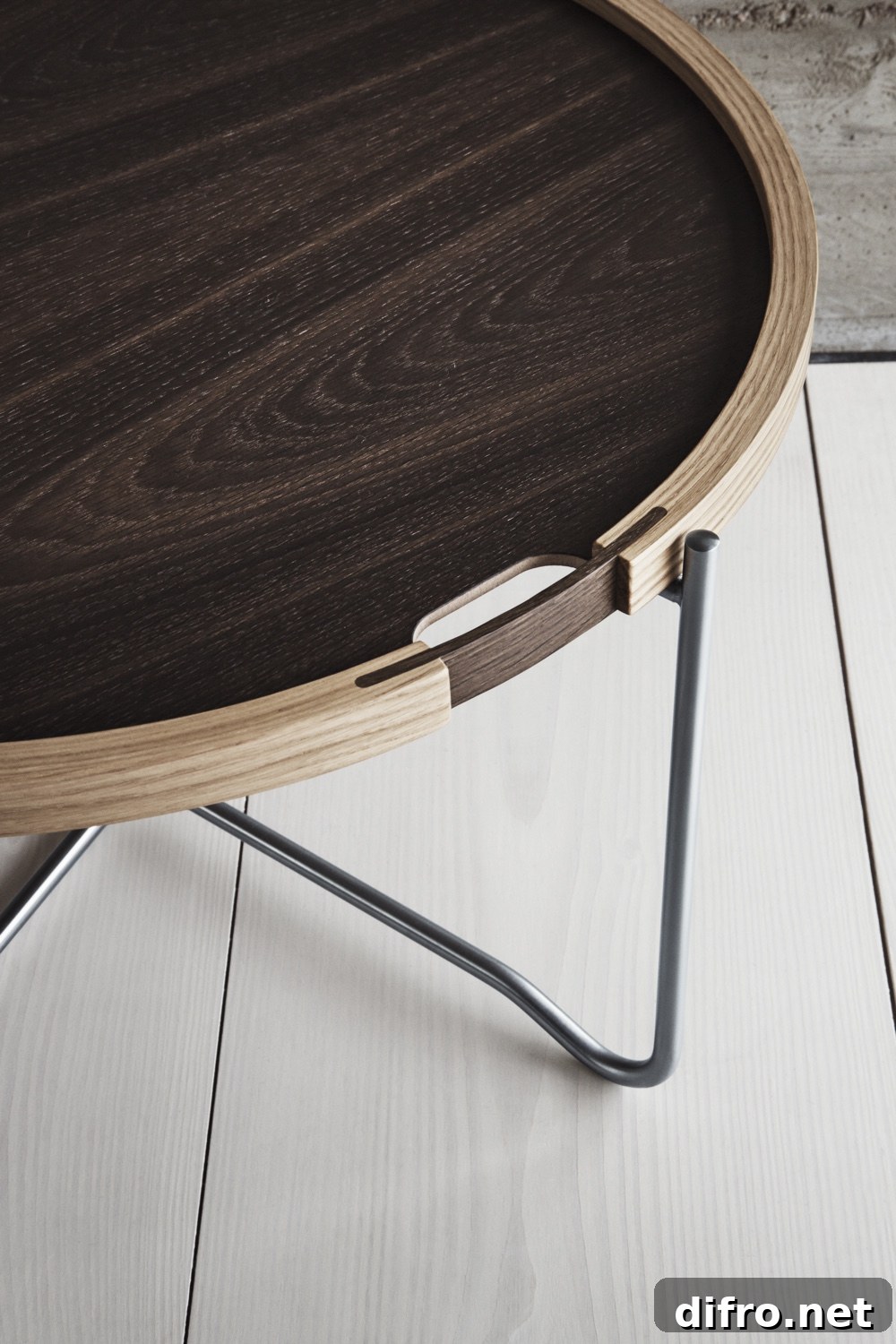
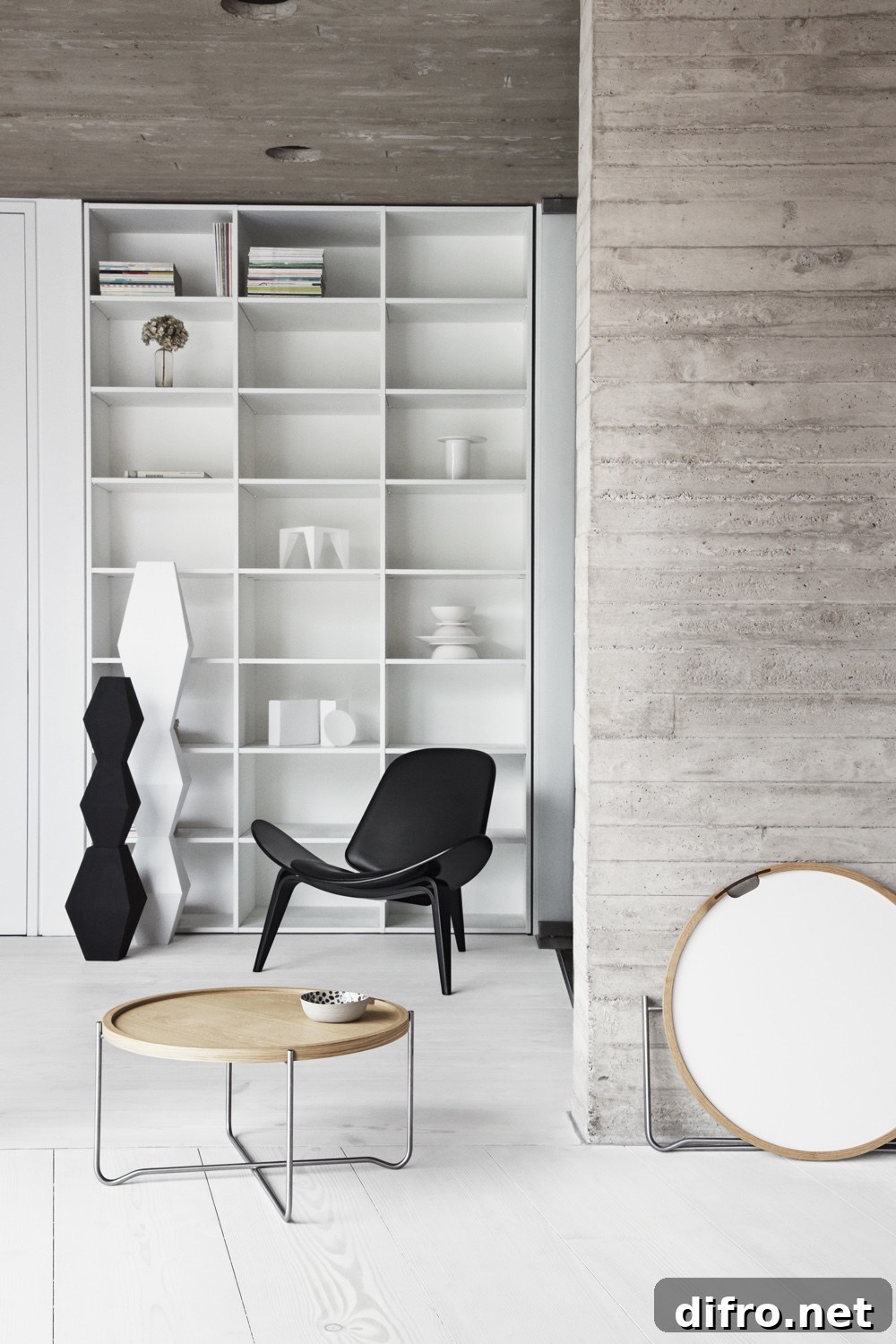
Images via Carl Hansen & Søn.
A bin for keeps
The Vipp bin traces its roots back to a practical waste bin made by founder Holger Nielsen in 1939 for his wife’s hair salon. Its enduring industrial aesthetic and robust mechanics turned a tool into a design classic. The Vipp range demonstrates how utility and thoughtful engineering create objects that belong in the home for decades.
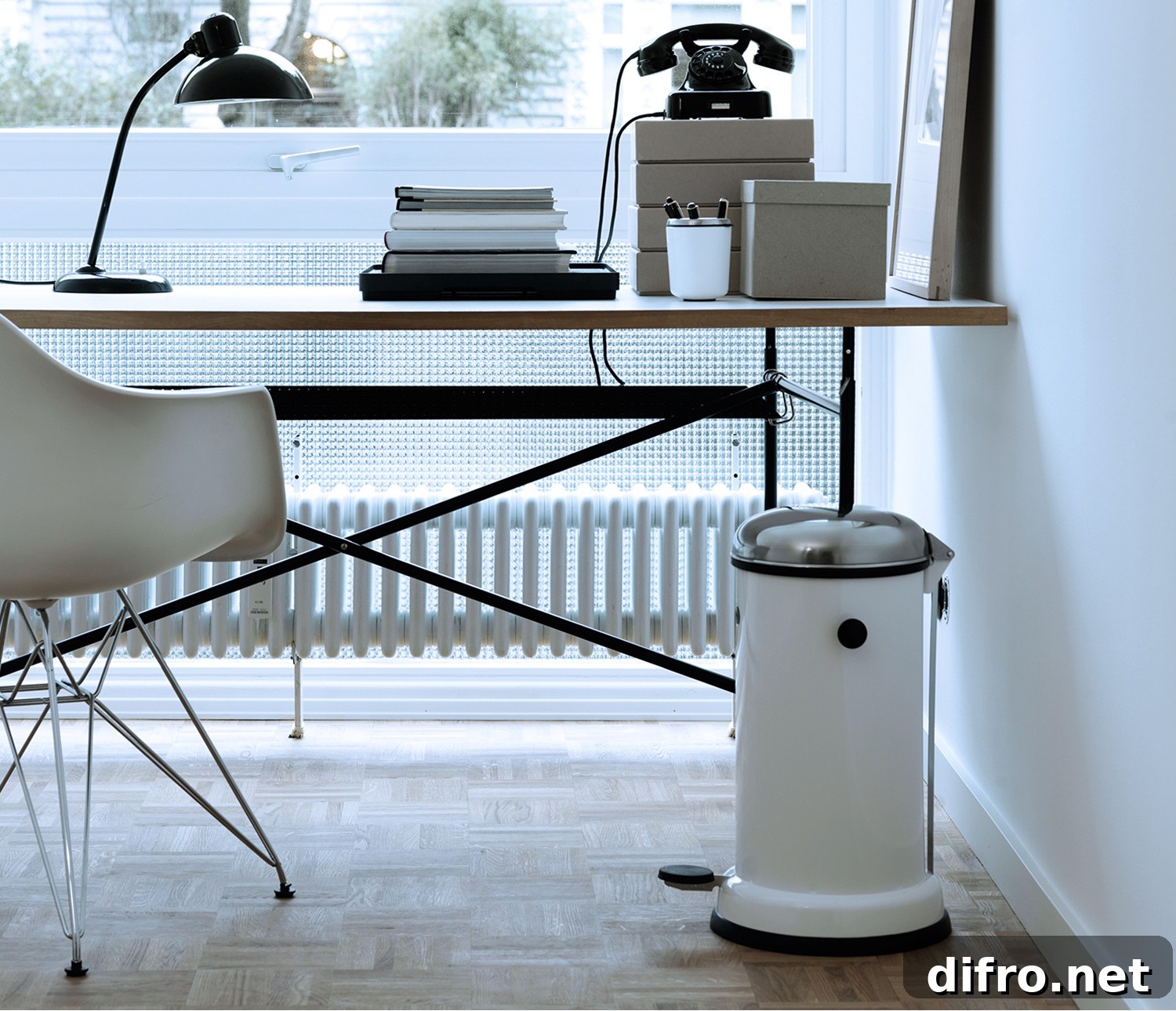
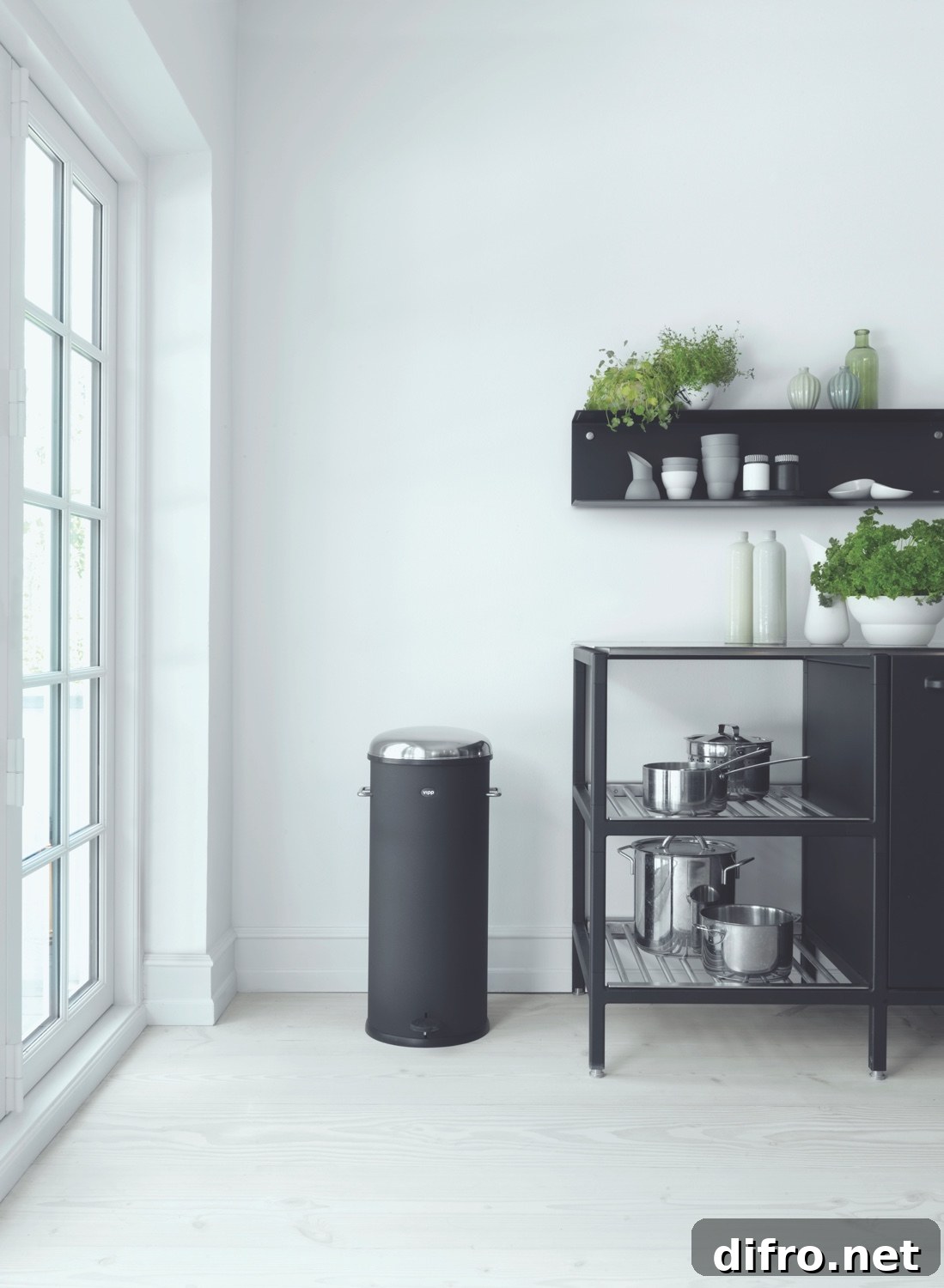
Images © 2016 Vipp.
A toy for keeps
Kay Bojesen’s wooden monkey is a playful example of craftsmanship meeting character. Built from teak and limba hardwoods and composed of many articulated parts, the monkey delights both children and adults with its expressive poseability. Crafted in multiple sizes by Brdr. Krüger for Rosendahl Design Group, it shows how careful materials and hand-finishing can turn a simple toy into a treasured heirloom.
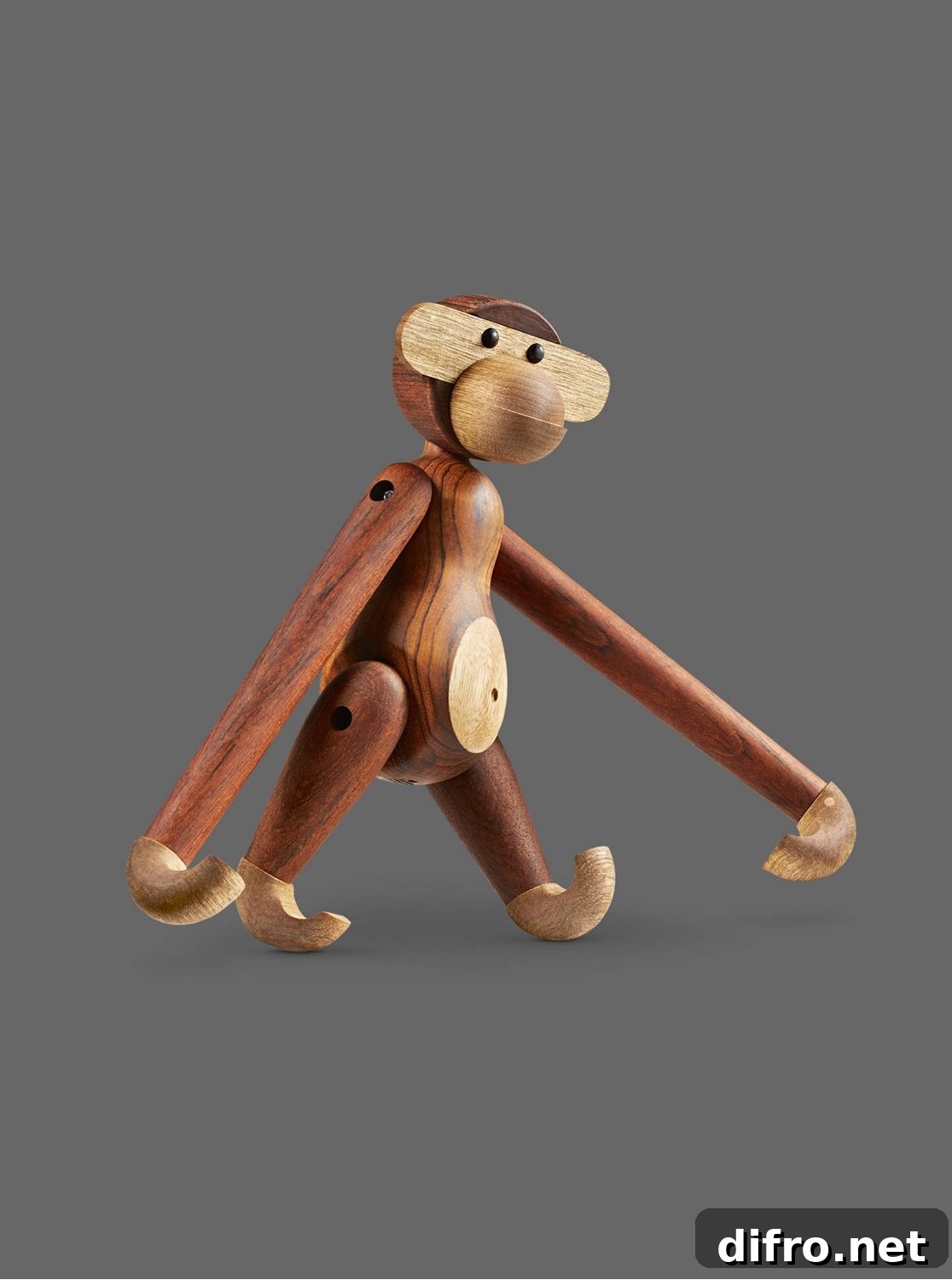
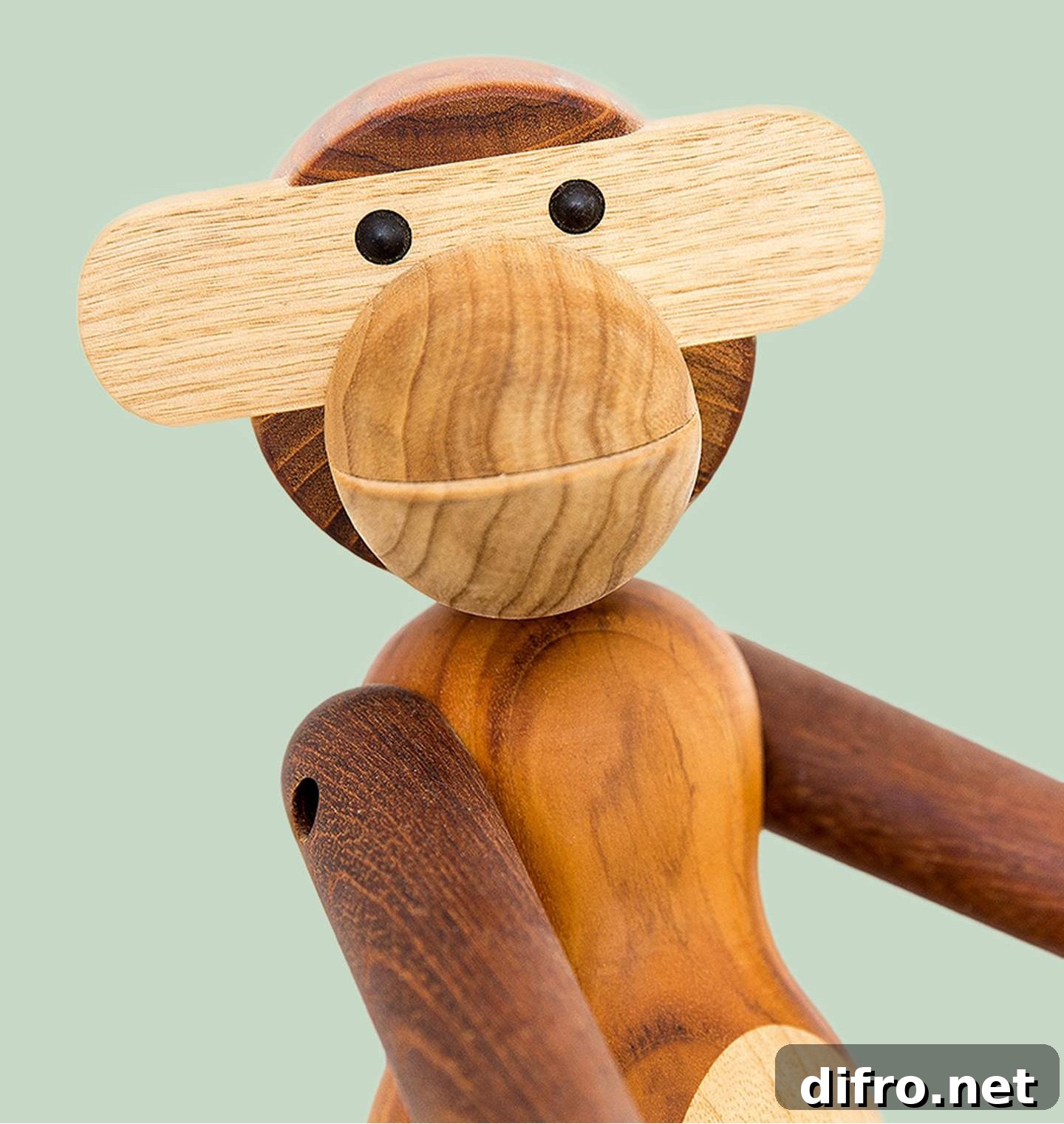
Images via Brdr. Krüger.
A clock for keeps
Finn Juhl’s FJ Clock, designed in 1950 for the UN Trusteeship Council Chamber, pairs teak wood with a minimalist aluminum dial. Its numberless face and subtle proportions reflect Juhl’s restrained approach to form-making. Reissued by ARCHITECTMADE, the clock is an example of how a quiet, well-proportioned object can remain relevant for decades.
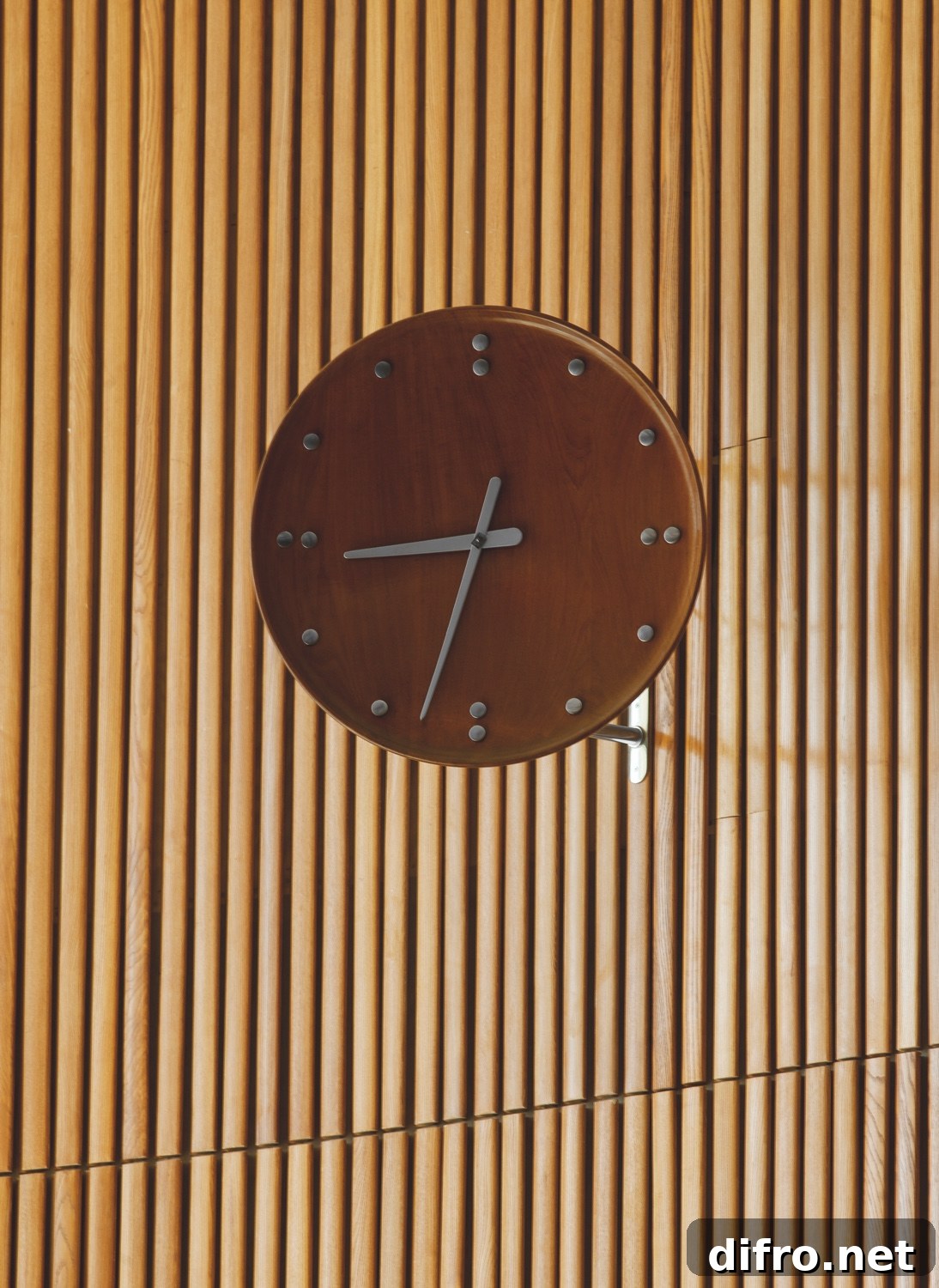
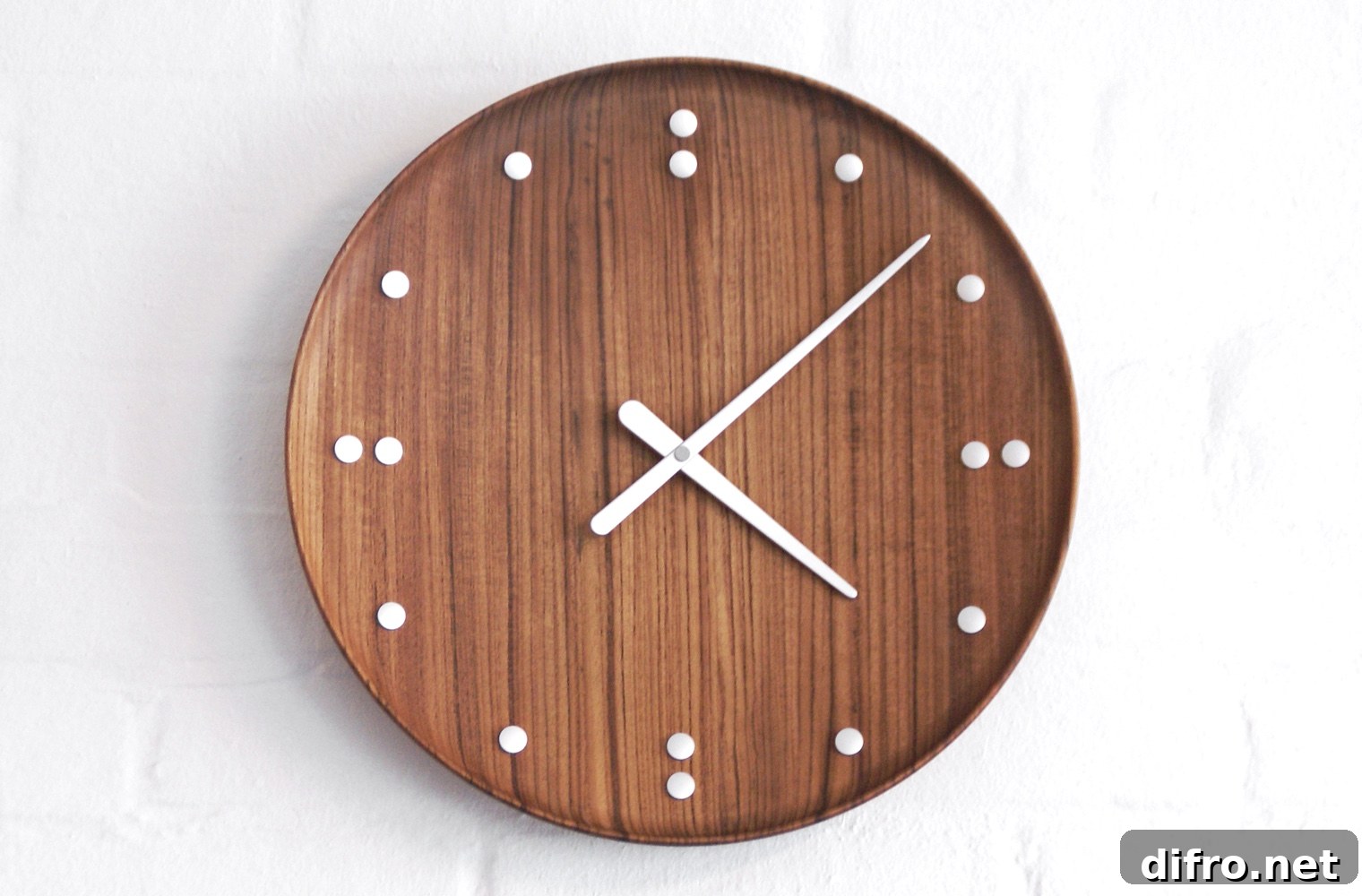
Images via ARCHITECTMADE.
A mug for keeps
Kaj Franck’s Teema tableware for Iittala, developed between 1948 and 1952, exemplifies a pared-back, utilitarian approach to ceramics. The Teema mug is intentionally simple: durable, stackable and easy to use. Franck reduced form to essentials so that the objects remain practical and visually unobtrusive through long-term daily use.
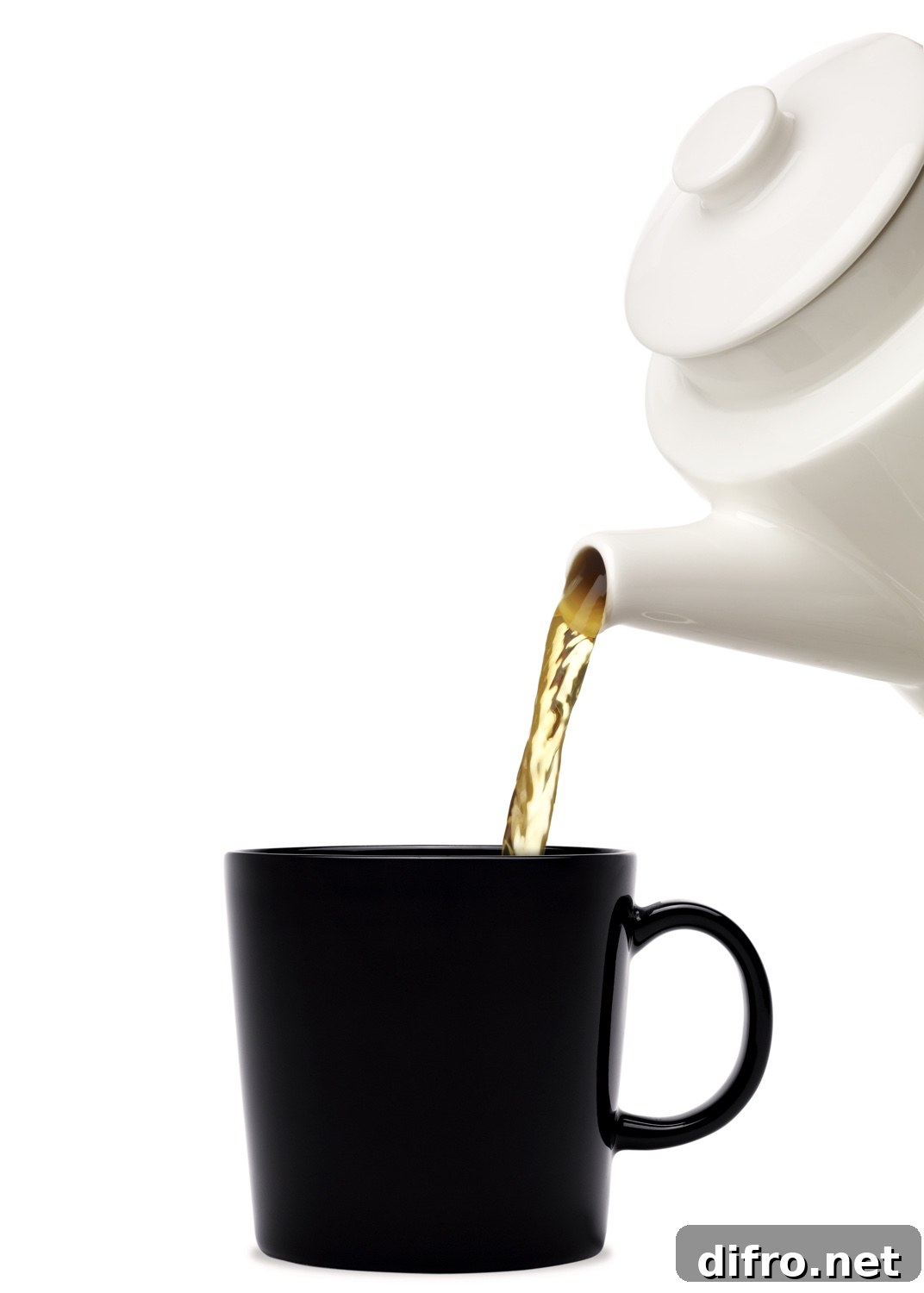
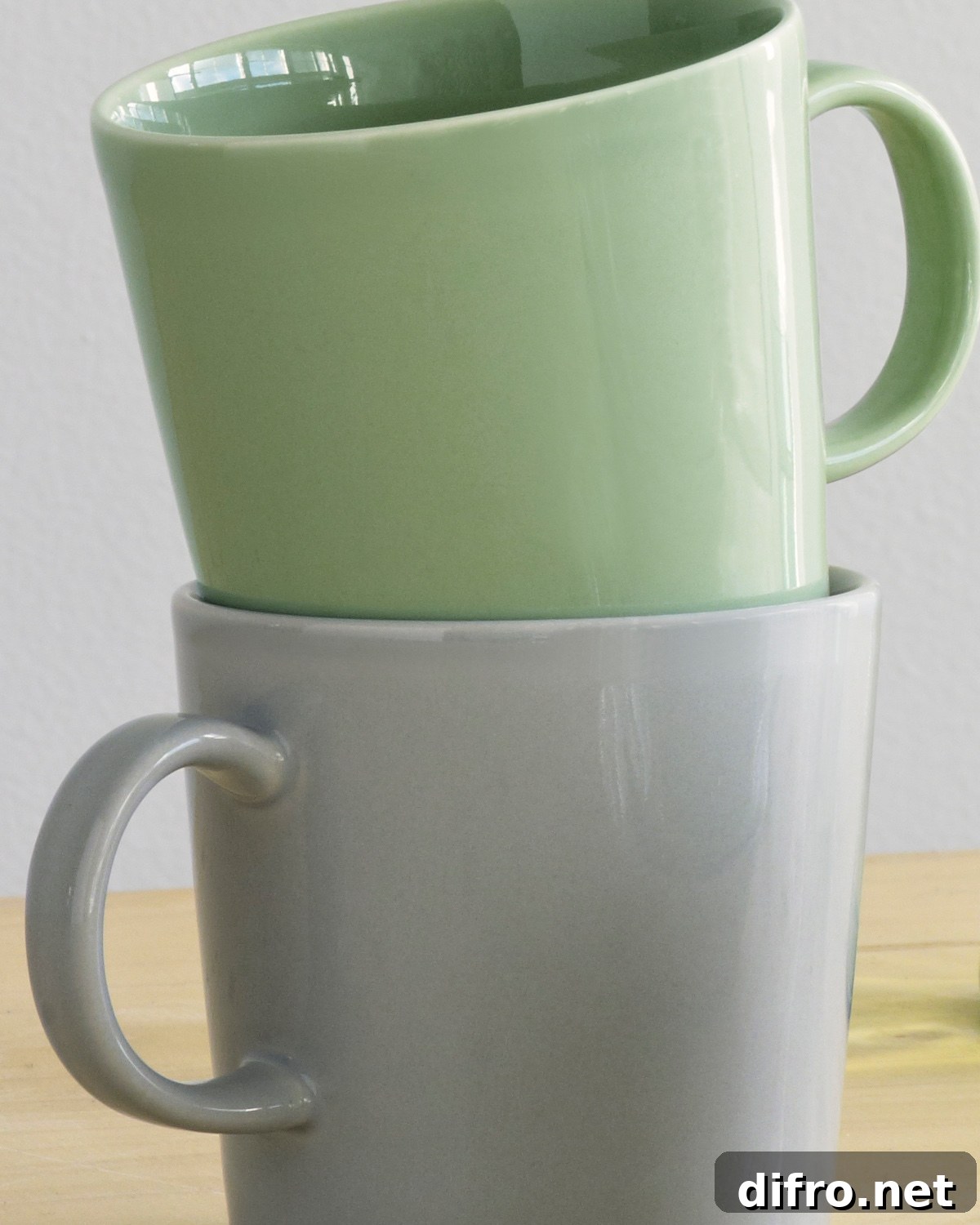
Images © Fiskars Finland.
A lamp for keeps
Kenneth Grange’s Type 75™ desk lamp for Anglepoise® (2004) blends industrial engineering with refined proportions. Its balanced springs and adjustable head make it highly functional, while the crisp silhouette and dependable performance encourage long-term use. Designers and architects often favor it for studios and offices because it delivers both style and utility.
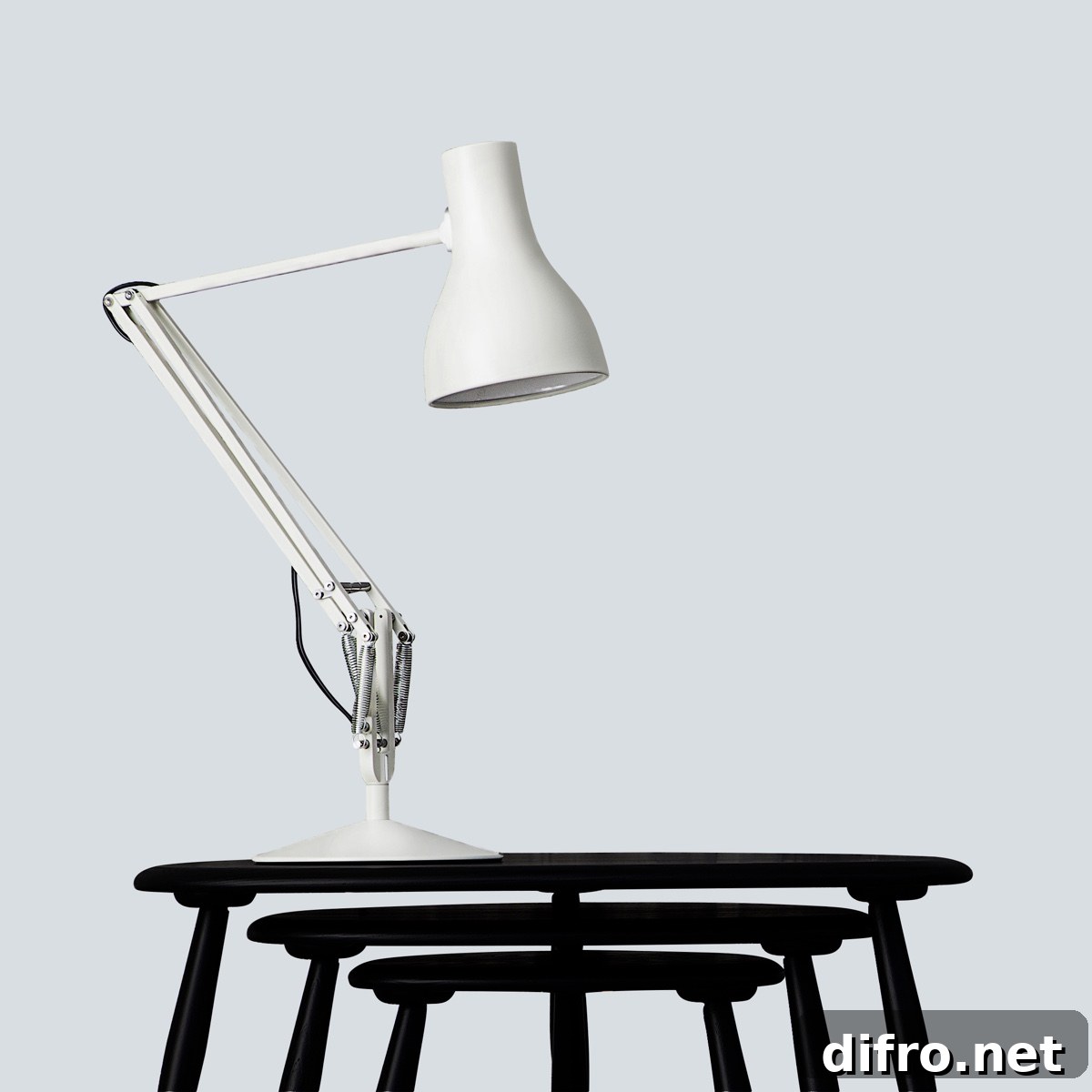
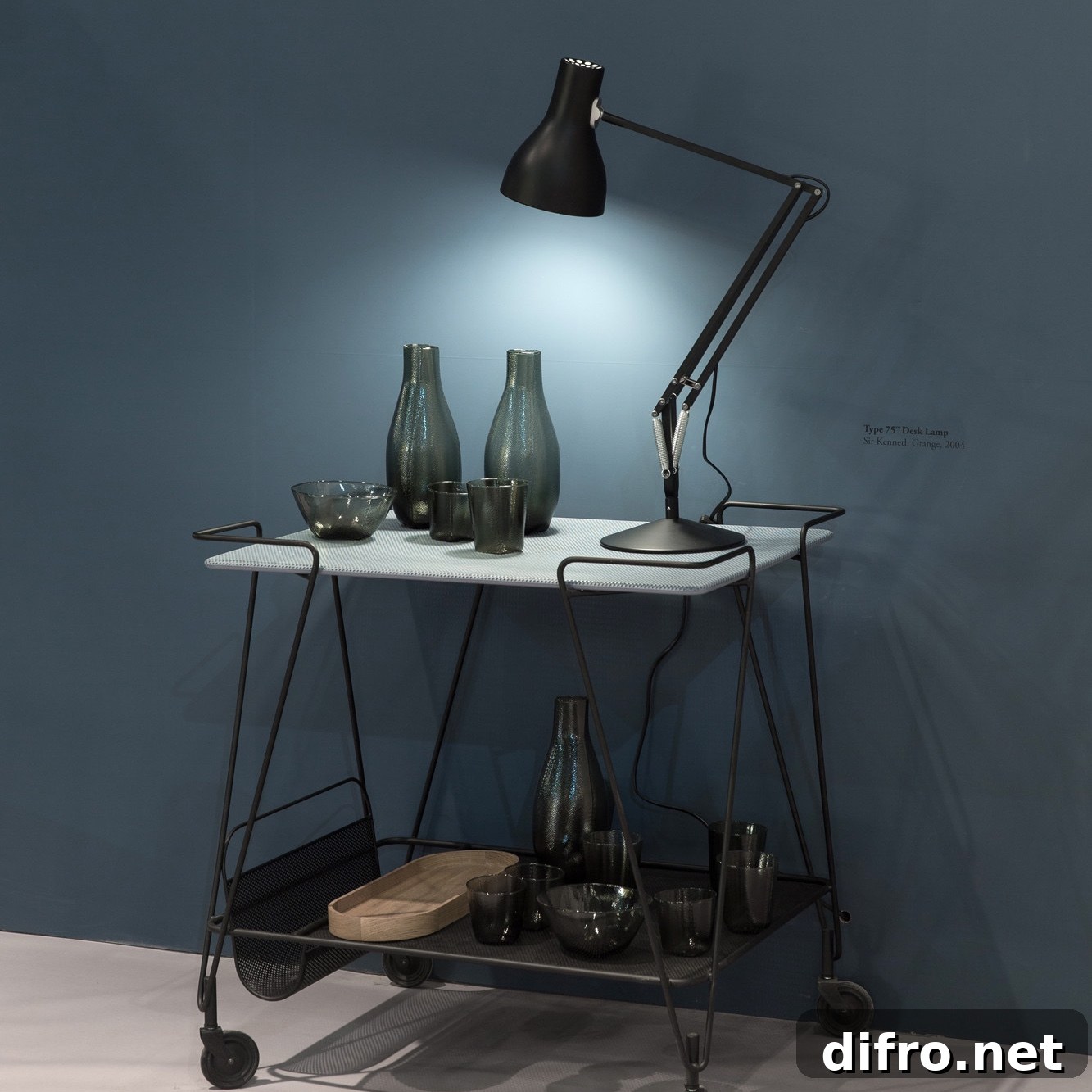
Images © 2016 Anglepoise.
A rug for keeps
Sybilla’s Mélange collection for nanimarquina reinterprets the flat-woven kilim with geometric patterns and hand-dyed Afghan wool. Crafted in Pakistan and woven by hand, these kilims combine traditional techniques with contemporary composition. A well-made rug like this can anchor a room for many years, offering tactile warmth and visual longevity.
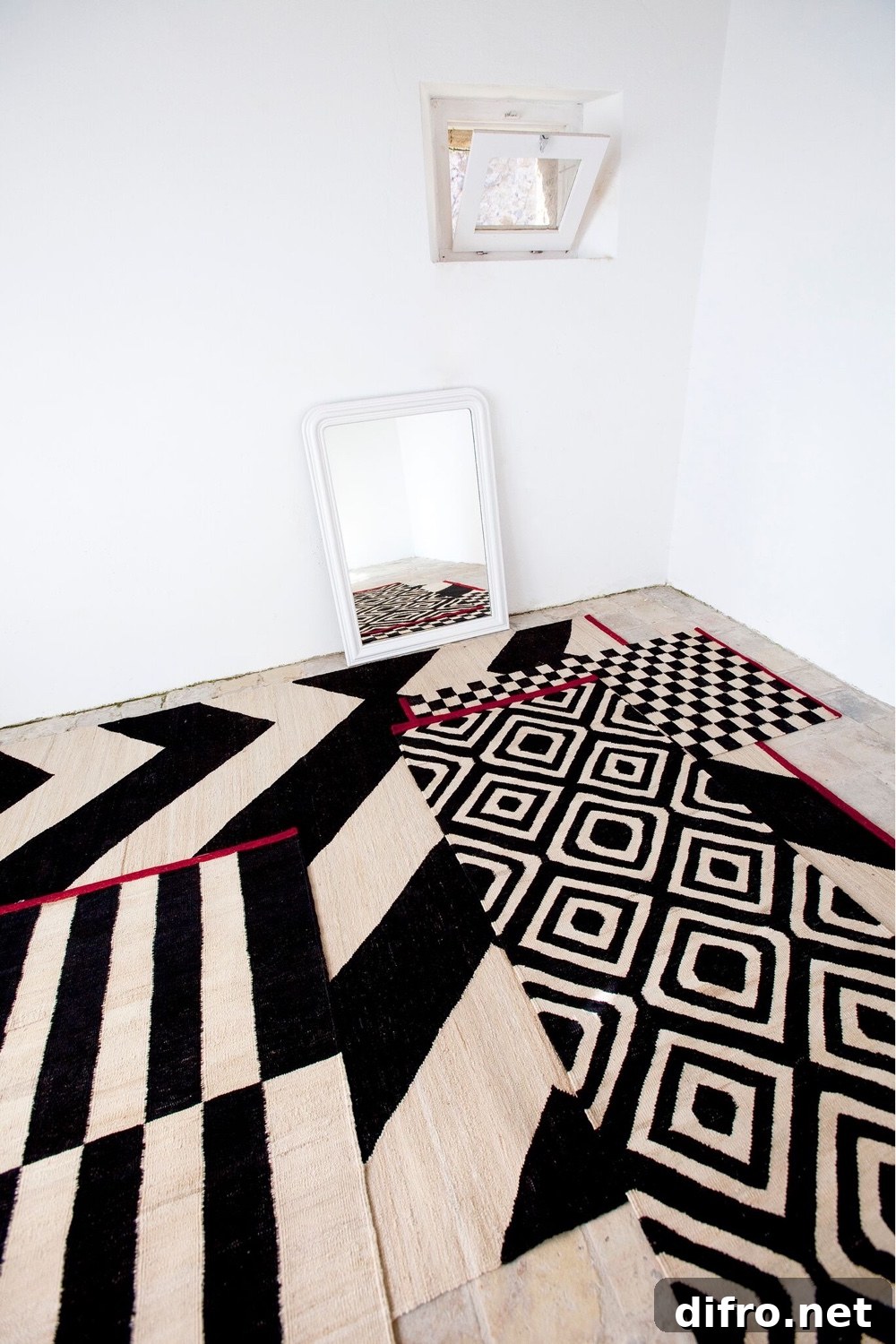
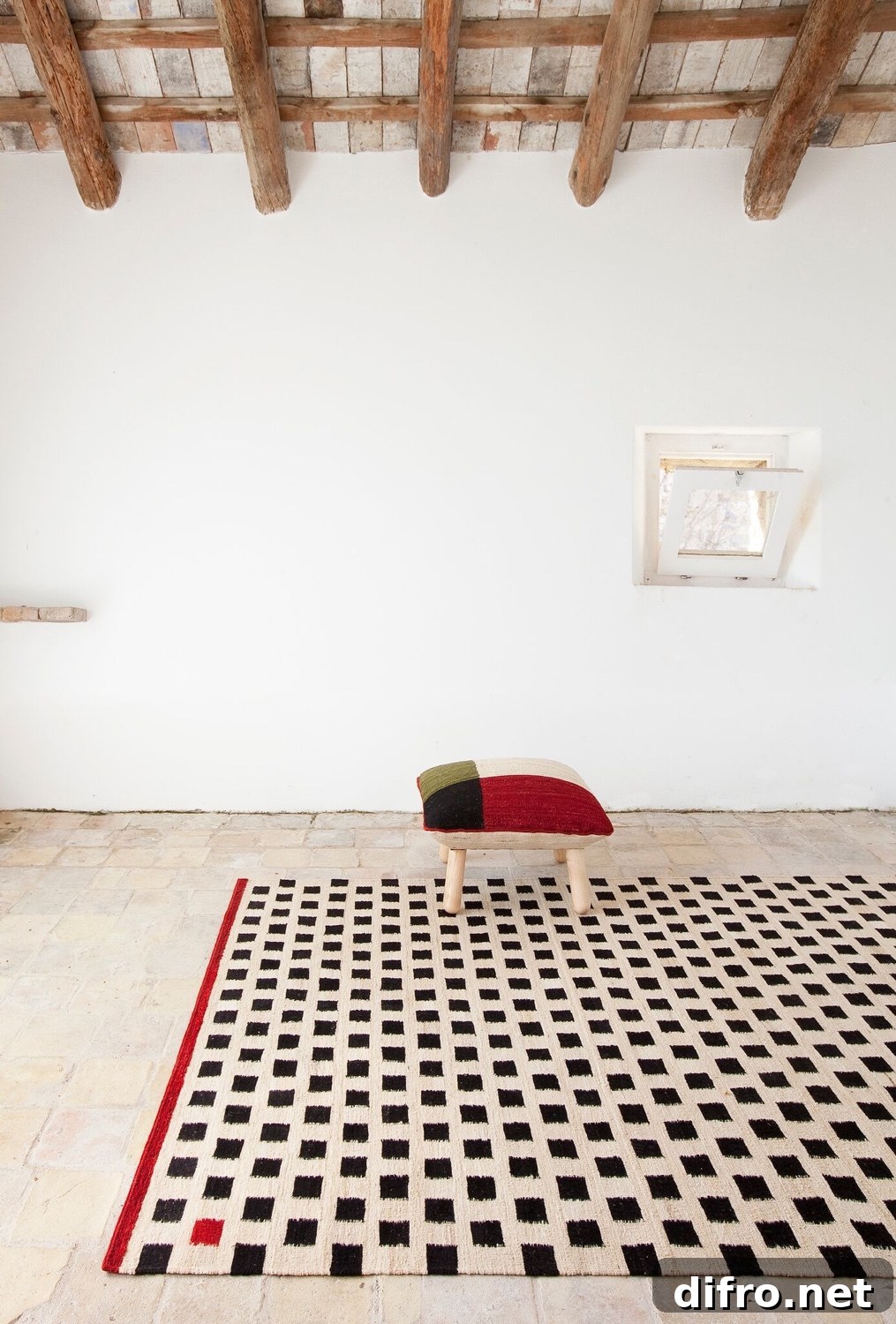
Images © nanimarquina.
Choosing objects that are designed to last—both in build and in aesthetic—changes how we live with things. By valuing craft, durability and timeless design, we reduce waste and build a home filled with items that support everyday life for years, not seasons.