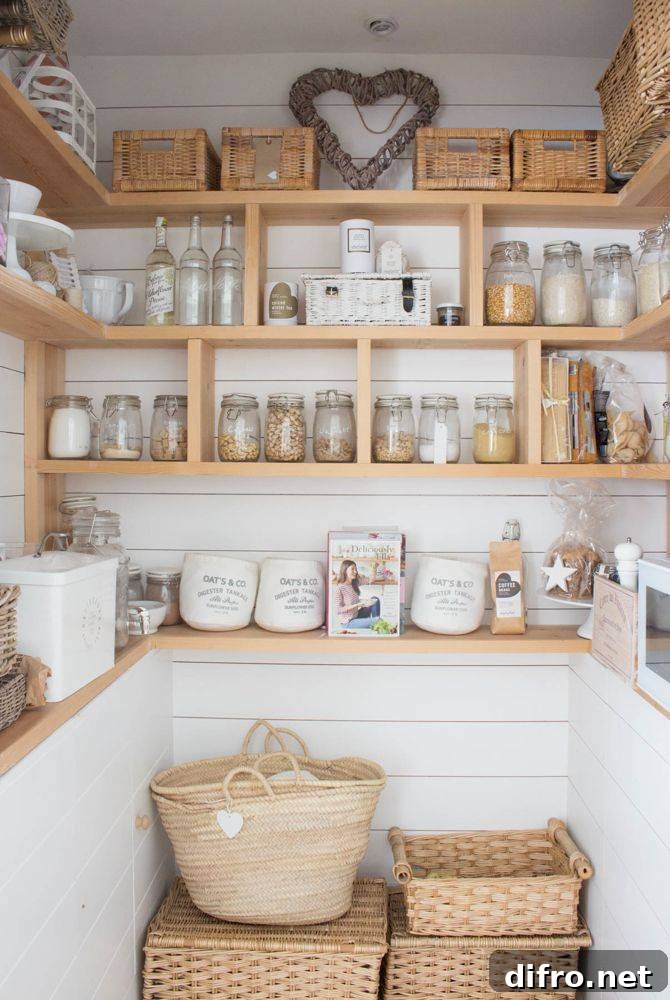
Starting a new decorating project is exciting, but the early enthusiasm can quickly give way to stress once planning, cleaning and shopping pile up. With so many choices—colors, furniture, finishes—it’s easy to feel overwhelmed and delay the work. This guide breaks down practical steps to help you start and manage your decorating project with confidence, avoid decision fatigue and keep costs under control.
Define your aesthetic
Begin by clarifying the overall look you want to achieve. Are you drawn to modern minimalism, boho chic, mid-century modern, farmhouse, or a mix of styles? Pinpointing a clear aesthetic makes later decisions far easier: it narrows down material choices, color palettes, and patterns so each purchase supports a unified vision. Collect a few reference images, note recurring colors and textures, and write a short description of the mood you want—cozy, airy, dramatic, or serene. This short brief will guide every step of the project and make it easier to say no to items that don’t fit.
Plan your decorating project
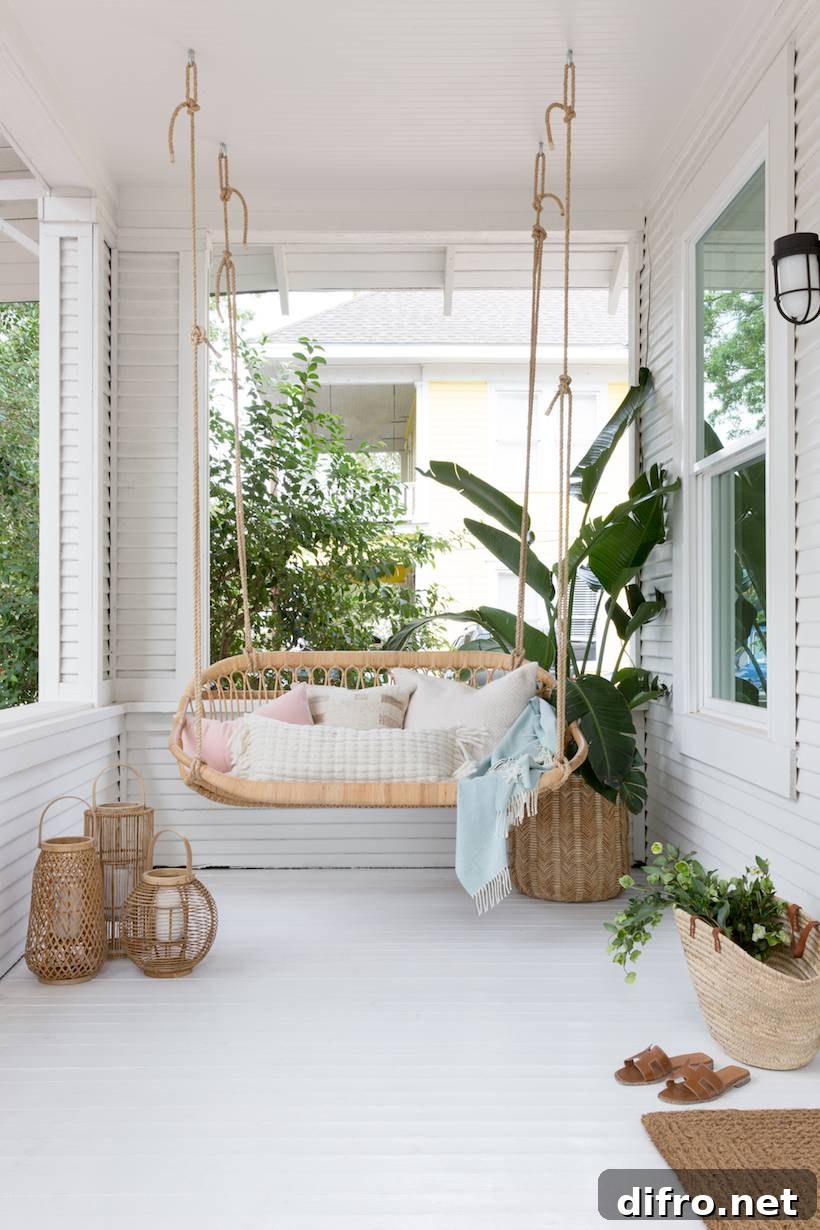
Sketch a simple plan before buying anything. Measure the room, note existing architectural features you’re keeping, and create a realistic timeline. Decide which tasks you can do yourself and where you might need professional help, such as electrical work or complex carpentry. Breaking the project into phases—preparation, painting, flooring, furniture, and finishing touches—keeps work manageable and helps you set priorities.
Also consider logistics: how will large pieces be delivered, where will you store items during the work, and what areas need to remain usable? Building a step-by-step schedule with tentative dates reduces surprises and helps you track progress.
Set a budget
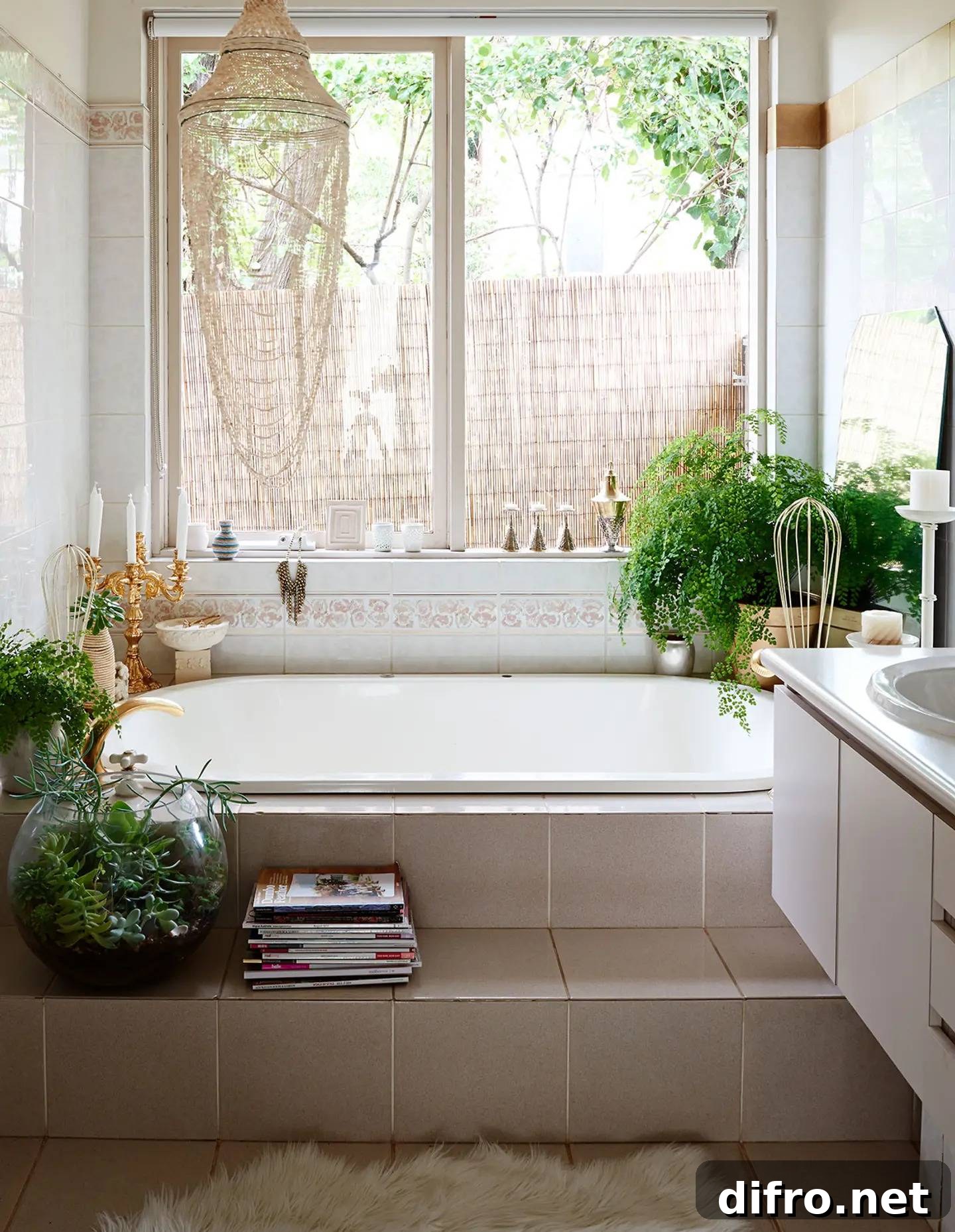
A clear budget is the backbone of any decorating project. Include paint, materials, furniture, fixtures and a contingency for unexpected costs. Prioritize spending on items that will have the most visual or functional impact—lighting, a sofa, or a focal wall—while looking for savings on accessories and accents.
If your budget is limited, focus on high-impact, low-cost updates: repaint walls, change hardware, swap out light fixtures, or add a statement rug. Small changes often freshen a space dramatically without a full renovation.
Create a shopping list
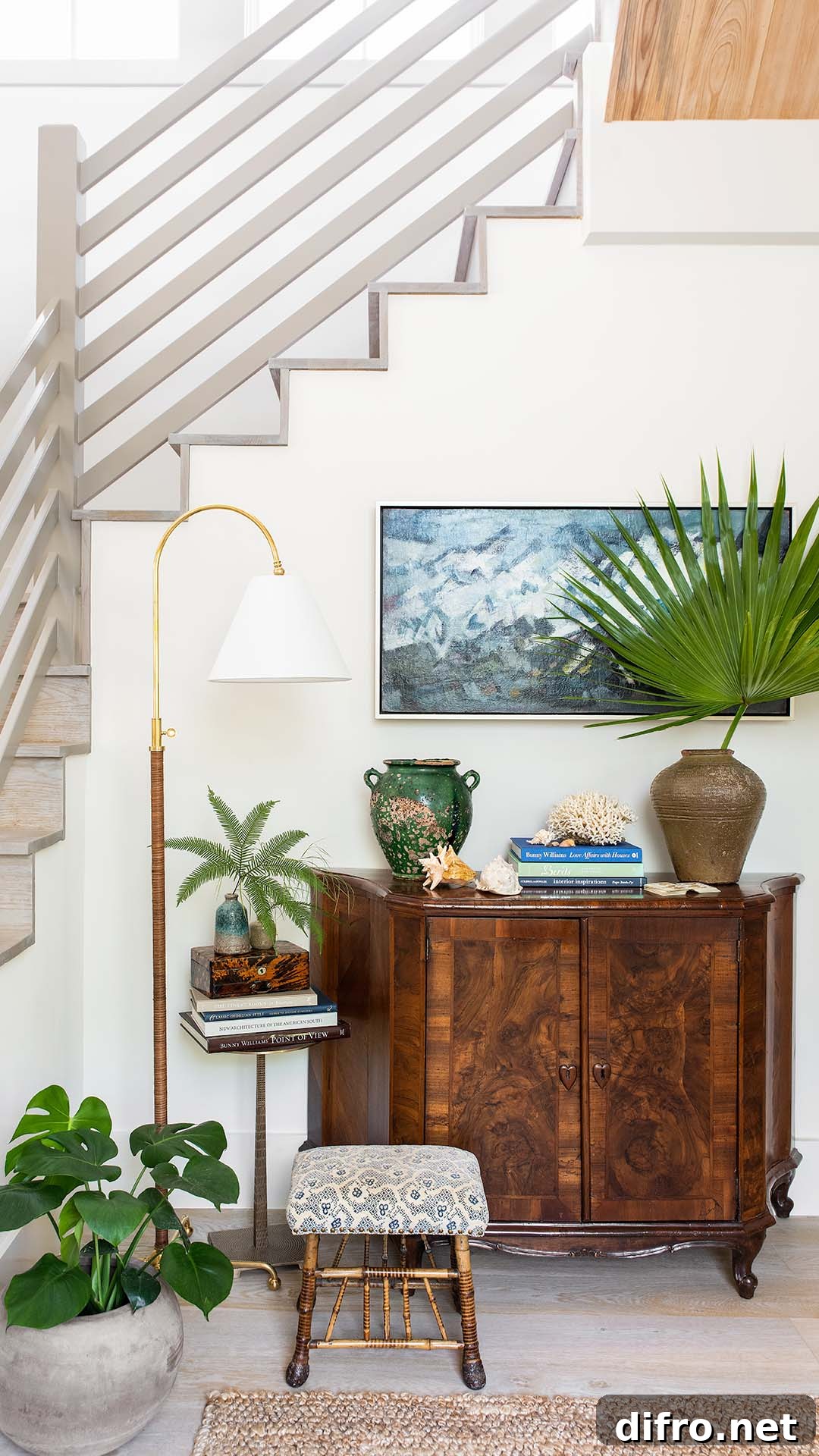
Once your budget and style are set, make a detailed shopping list covering paint, textiles, lighting, hardware and furniture. Itemize must-haves separately from nice-to-haves so you can prioritize. Compare prices across stores, and don’t forget outlets like thrift shops, flea markets and sample sales for unique finds that fit your budget.
Order samples early—paint chips, fabric swatches and flooring samples—to see how colors and textures look under your home’s lighting. This step reduces costly returns and ensures cohesion across the room.
Tip: Photograph the room and take measurements when shopping; it prevents scale mistakes and helps visualize how pieces will fit.
Clear and prepare your space
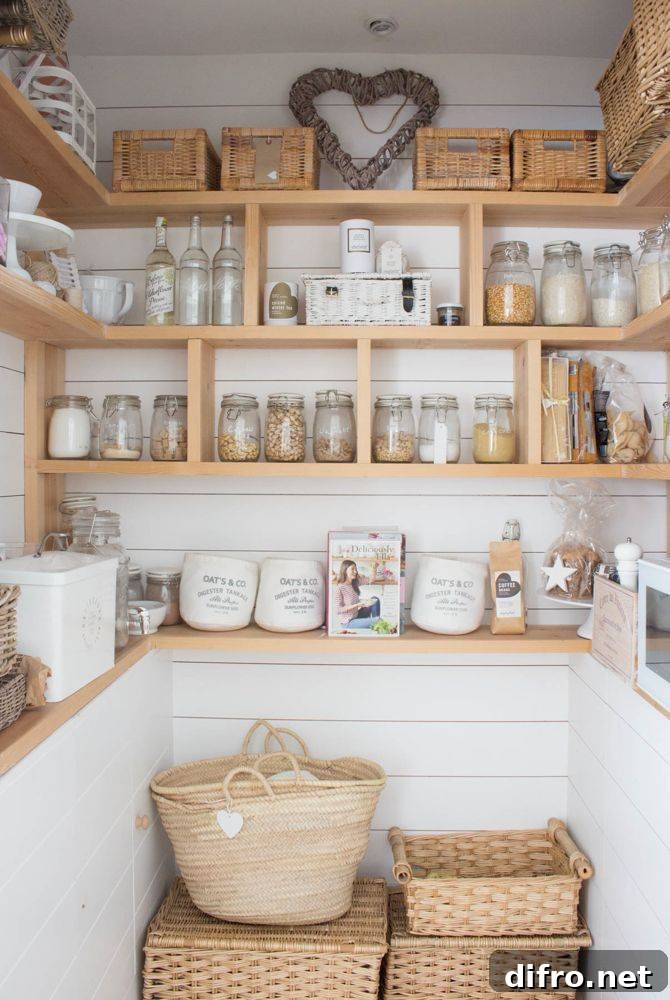
A clean, decluttered room makes any decorating project move faster and look better. Remove items that don’t fit your new plan and temporarily relocate furniture if possible. If you can’t remove a piece, consider repainting or reupholstering it later, or use rugs and textiles to draw attention elsewhere. Preparing surfaces—patching walls, priming, and protecting floors—saves time and ensures a professional-looking result.
Organize a staging area for incoming items and a disposal plan for unwanted pieces to avoid living in chaos during the remodel. Small organizational steps reduce stress and speed up progress.
Stay focused and finish strong
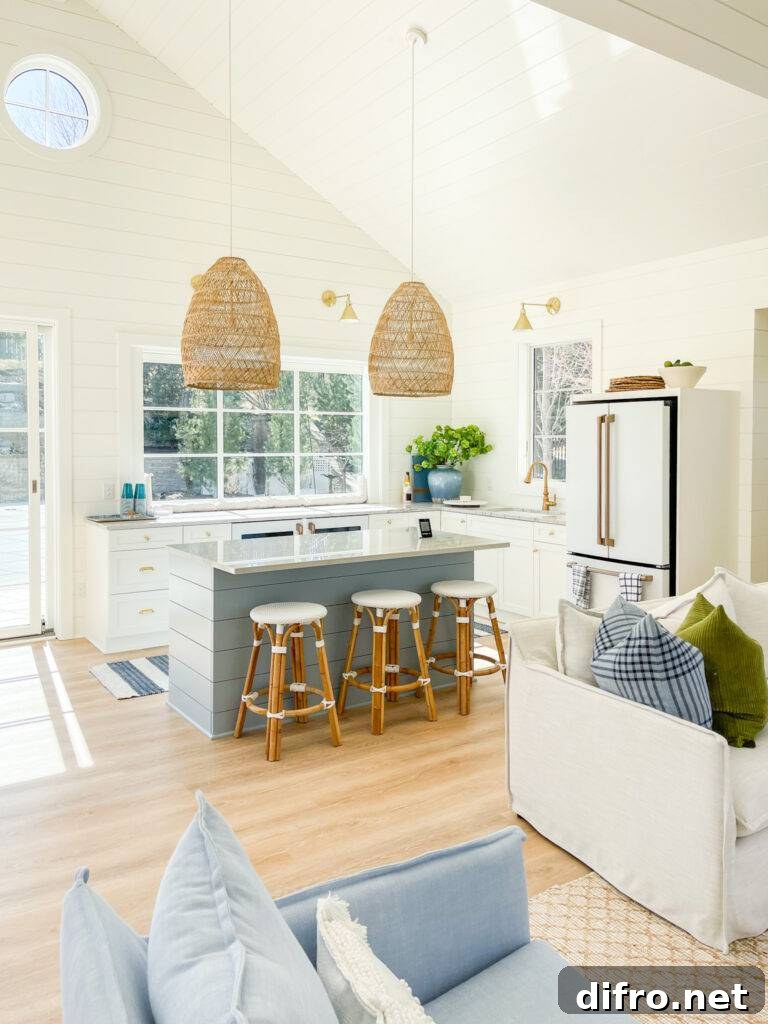
Break the work into small, achievable tasks and tackle them in logical order. Limit choices to a shortlist for each decision to avoid decision fatigue. Keep a project checklist and update it as tasks are completed. When the major elements are in place, add layers—lighting, pillows, art and plants—to create depth and personality.
Finally, live with the space for a few weeks before making minor tweaks; often the room will reveal what still needs adjusting. Decorating is an evolving process—prioritize the essentials, pace yourself, and enjoy transforming your home step by step.