Over the last few years, the word “ombré” has become a common way to describe a soft gradient effect that shifts smoothly from one shade to another. While it first gained popularity in hair coloring, the ombré concept has since moved into fashion, nails, textiles and interior design. Applied to walls, a gradient finish can introduce subtle depth, a glowing atmosphere and a refined visual focus without overwhelming a room.
Courtesy of OKB Architecture / Tamara Leigh Photography
How to bring the ombré wall trend into your home
An ombré wall can be a striking focal point, from a soft accent behind a bed to a bold statement in an entryway. Below are practical, easy-to-follow tips that will help you plan and paint a flawless gradient wall that enhances a room’s light and scale.
1. Plan the design before you start. Start by deciding whether the wall will be an accent or cover an entire room. Measure the wall height and divide it into equal horizontal bands with light pencil marks; this helps you maintain even transitions from one shade to the next. Sketch the gradient on paper or use a digital swatch tool so you can preview how the hues move across the space. Professionals often recommend mixing paint progressively—adding a little more pigment to each new batch—rather than relying on separate pre-mixed cans for each band. This helps ensure each step blends naturally into the next.
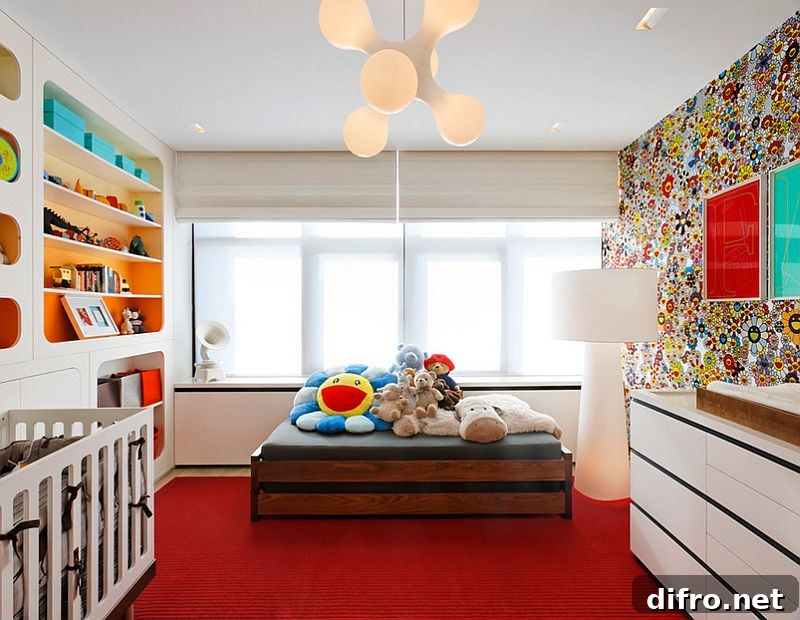
Design idea by d’apostrophe design
2. Choose colors that are related. The most pleasing ombré effects come from variations of the same color family rather than high-contrast pairings. For example, a range from light mint to medium teal works beautifully in bathrooms, while a shift from light taupe to rich chocolate brings warmth to living rooms and bedrooms. Use multi-shade paint swatches to identify smooth transitions and test small sample patches on the wall to confirm the effect in your room’s lighting before committing.
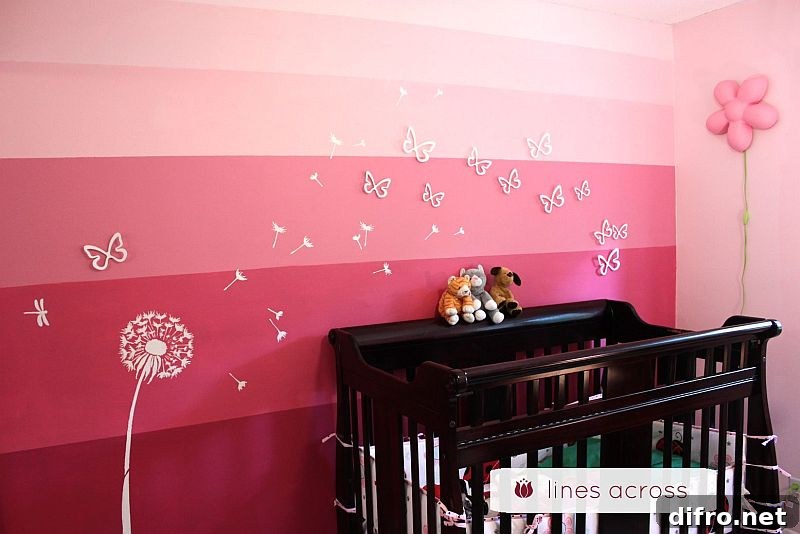
Image based on a DIY ombré accent wall project
3. Fade vertically rather than toward the middle. For a room that feels more open and airy, transition colors from top to bottom or bottom to top. Avoid concentrating the gradient toward the center; fading toward the middle can visually compress the space and often looks heavy or awkward. A gradual, even fade—where each band gently overlaps and is blended with a damp brush or roller—produces the most natural, luminous effect.
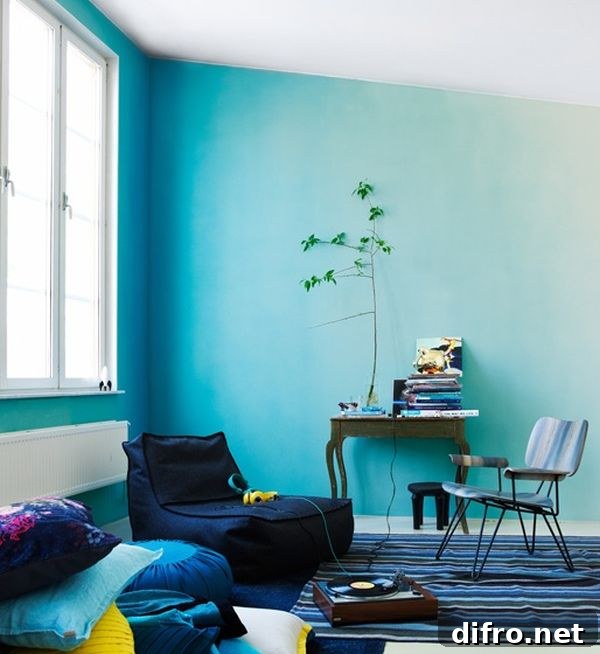
4. Use the right tools and techniques. Quality rollers, a few different brushes, a wide flat brush for blending, a clean damp sponge and painter’s tape are the essentials. Work wet-on-wet when blending adjacent bands: apply the lighter and darker shades next to each other, then soften the seam with a clean, slightly damp brush or sponge and a gentle back-and-forth motion. Work in manageable sections and keep a consistent rhythm so the transitions remain uniform across the wall.
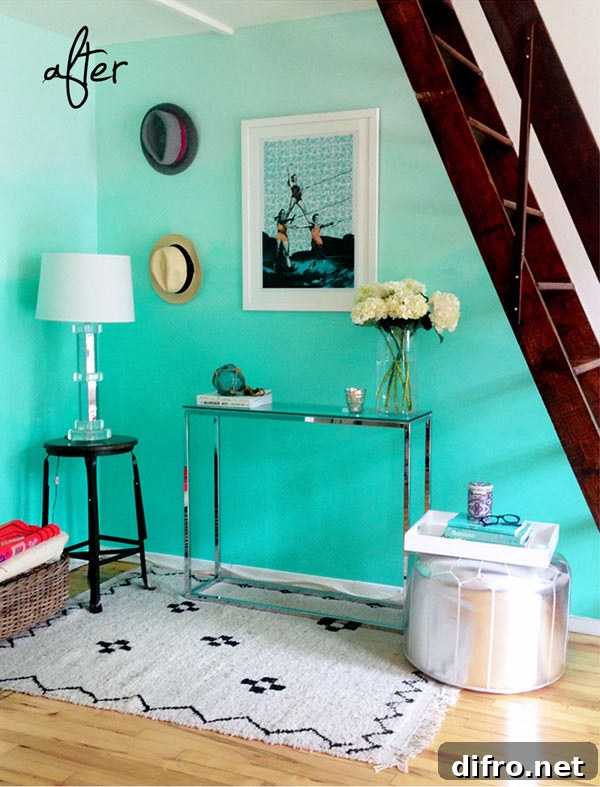
Project example by CreamyLife
5. Keep the finish and maintenance in mind. Satin or eggshell sheens often work best for gradient walls because they reflect light subtly and hide minor irregularities. After the paint dries, step back and evaluate the overall effect; you can always refine transitions with a thin glaze or a carefully blended touch-up. Clean painted surfaces with a soft cloth and mild detergent when needed, and touch up high-traffic areas to maintain the fresh gradient look.
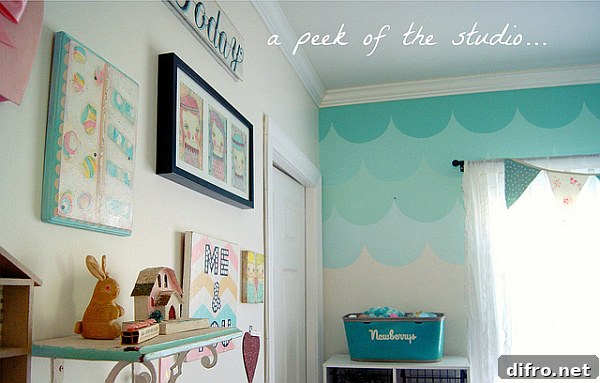
Creative scalloped ombré accent wall variation
When done thoughtfully, an ombré wall can transform a standard room into a warm, visually layered space. Start with a clear plan, choose colors that harmonize, practice blending techniques on a test board, and work patiently. The result will be a personal, custom finish that adds depth and a subtle sense of movement to your interiors.
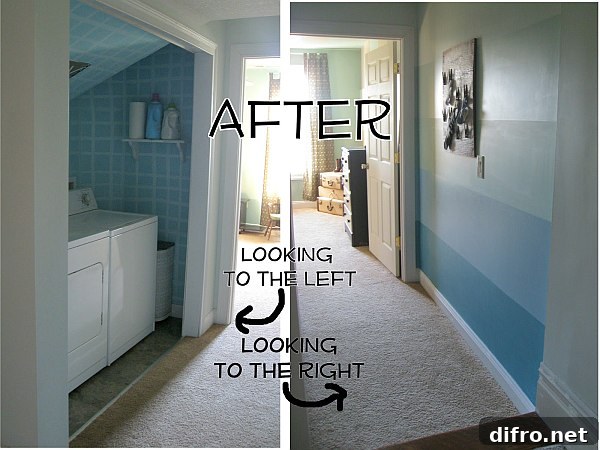
DIY ombré wall inspiration
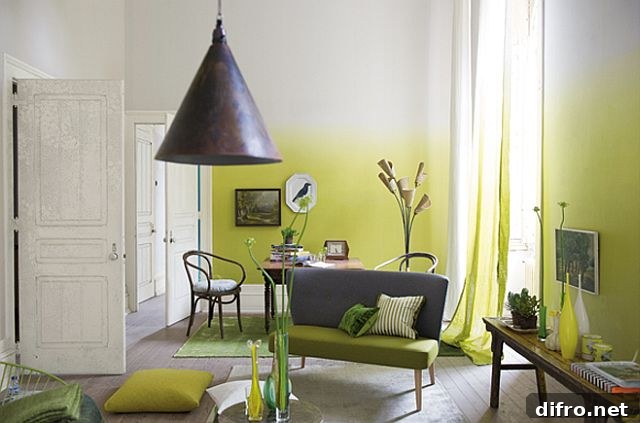
Image courtesy of Designers Guild (inspiration image)