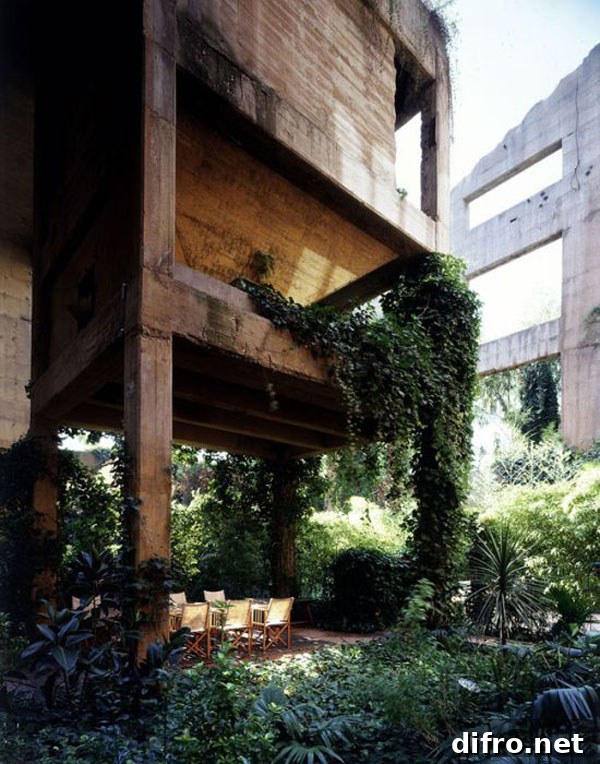
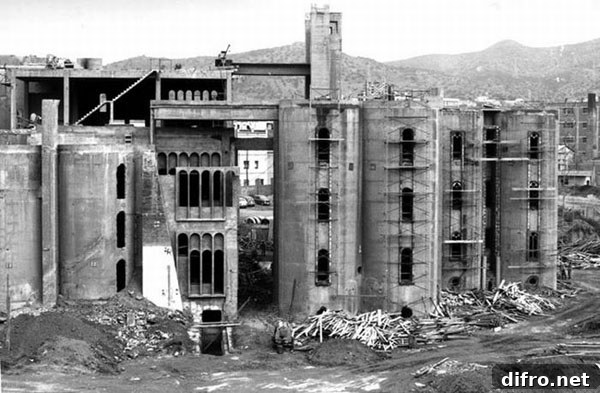
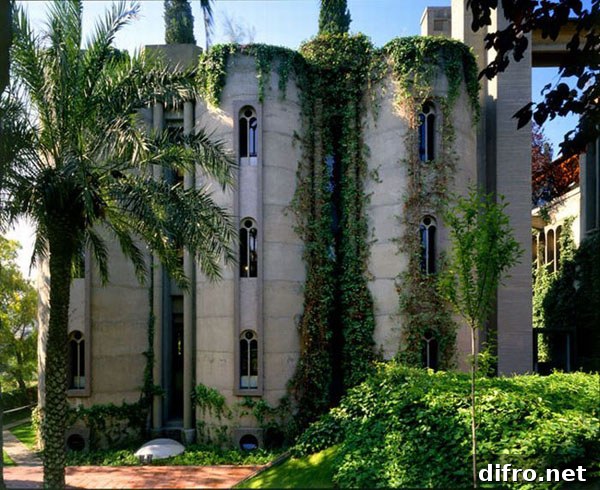
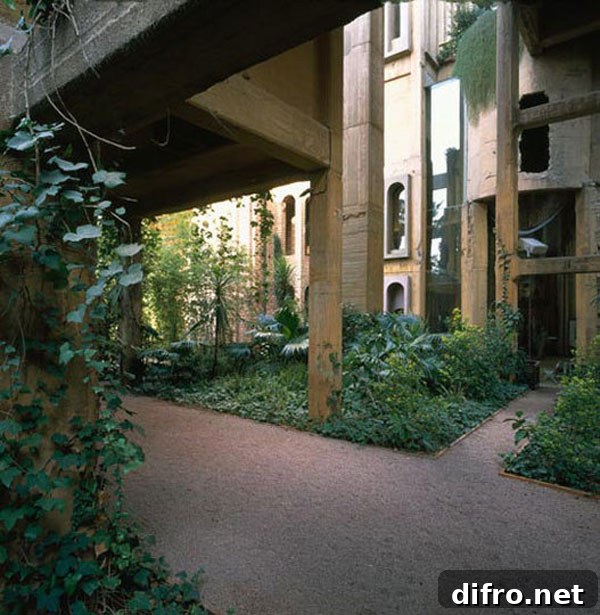
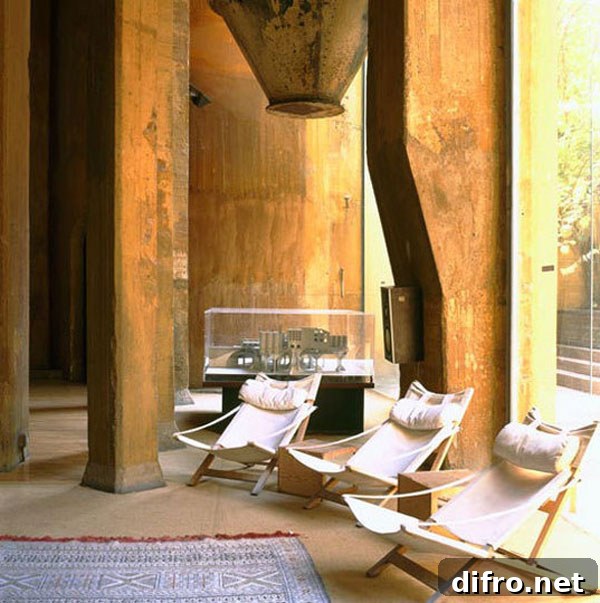
The Barcelona home of architect Ricardo Bofill is a striking example of industrial conversion: towering concrete pillars, Romanesque-style windows and ivy-clad, bastion-like walls combine to create one of the most remarkable transformations of a former factory into a private residence. What was once a vast, dormant concrete plant has been reimagined as a living work of architecture—bold, atmospheric and unexpectedly warm.
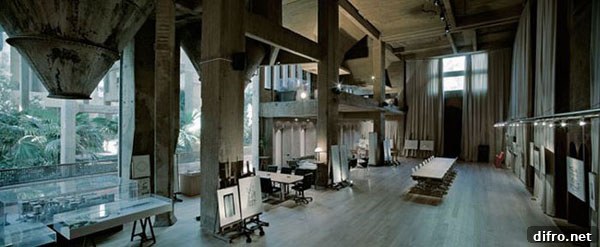
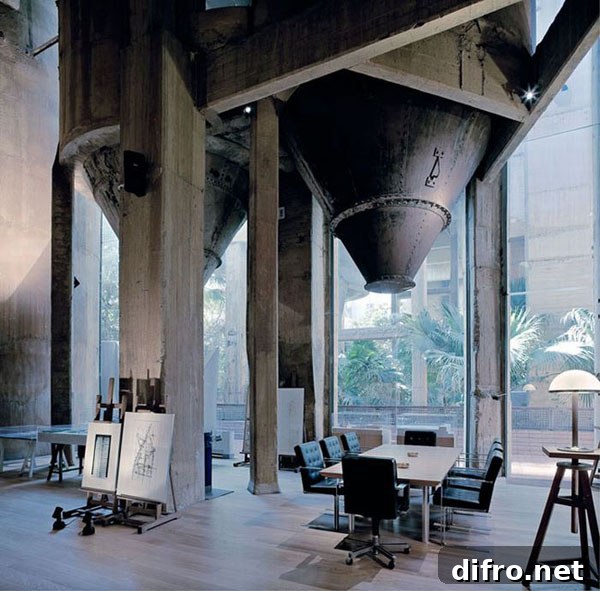
In 1973 Bofill purchased the abandoned industrial complex and set about converting it into a residence and studio. Rather than erase the building’s past, the project embraces its industrial DNA. The two-story volumes, exposed concrete columns and the oversized concrete mixers that hover visually over the living spaces are deliberate reminders of the site’s history. These industrial elements, preserved and celebrated, give the interiors a raw, honest quality that contrasts beautifully with the refined details introduced during the conversion.
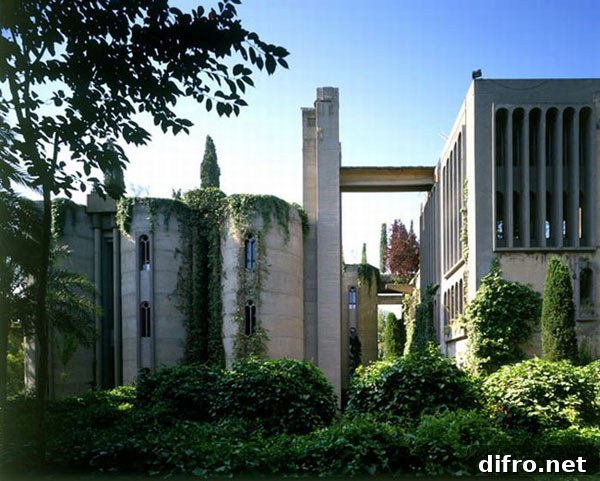
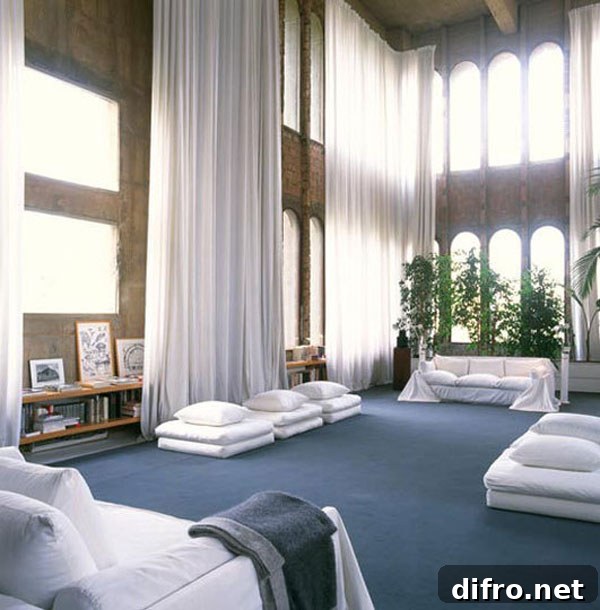
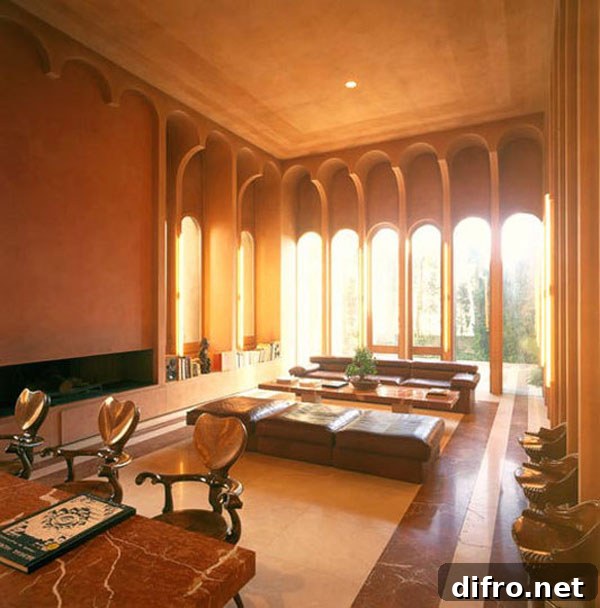
What makes this residence exceptional is the way Bofill layered historical and regional influences over the industrial framework. Rounded arch niches and Romanesque window profiles were preserved or introduced to bring a sense of continuity with Mediterranean and historic architectural language. These forms soften the otherwise stark concrete geometry and create intimate pockets of light and shadow throughout the house.
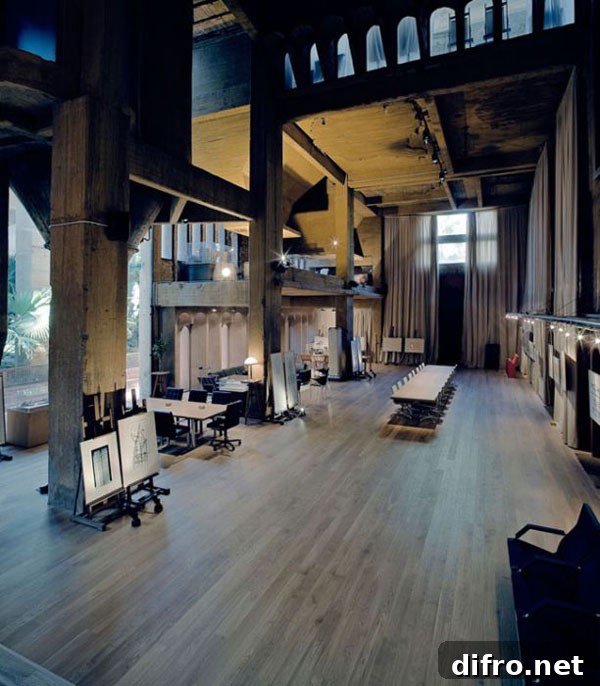
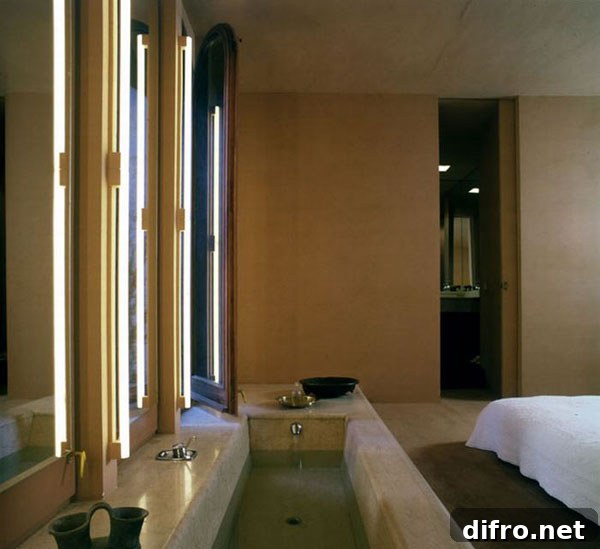
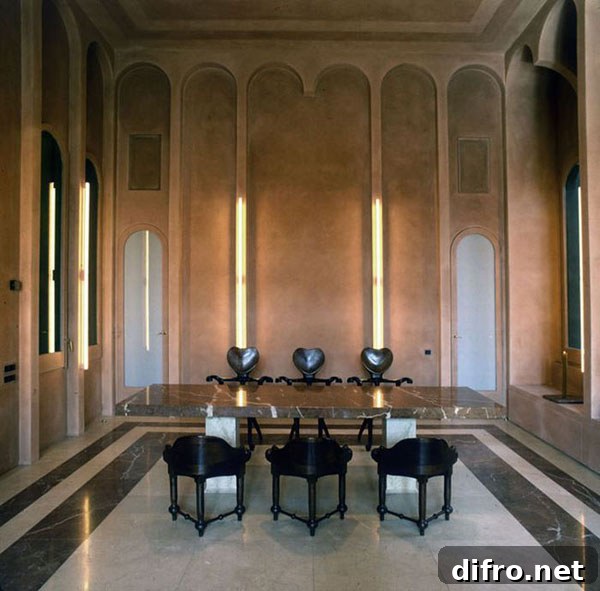
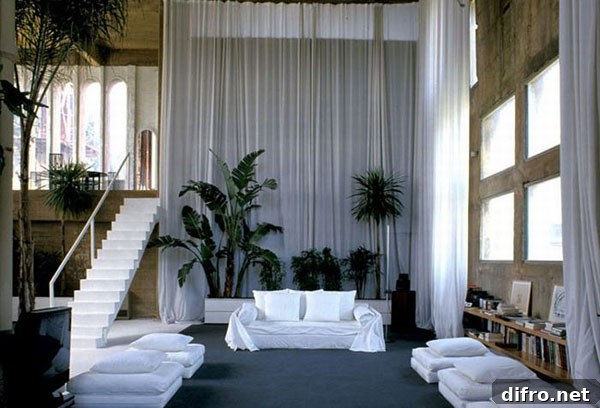
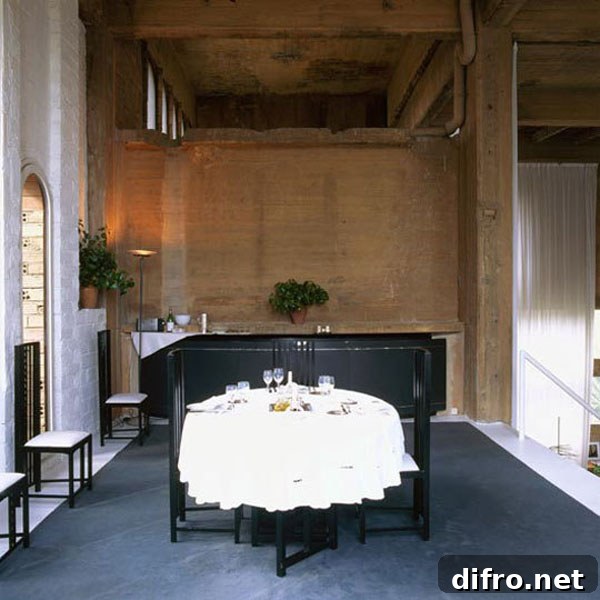
To balance the austerity of concrete, Bofill introduced materials and details associated with refinement: slabs of marble anchor the dining room and its table, a freestanding marble bathtub offers a sculptural focal point, and long, flowing curtains add softness and movement to the high volumes. Wood and ceramic tile accents—especially in round-arched doorways—further enrich the palette, lending warmth and a human scale to the expansive industrial spaces.
The residence also demonstrates a subtle but intentional nod to Moorish aesthetics. Patterned ceramics, rounded arches and quietly ornamental details layer a calm, Mediterranean opulence over the utilitarian shell. This blending of industrial modernity and vernacular Moorish influences creates an intriguing cross-reference of styles—one that feels both contemporary and rooted in regional tradition.
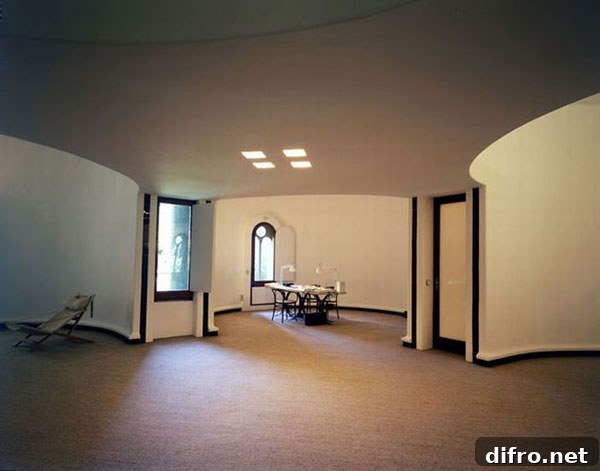
One of the most memorable features is the use of industrial artifacts as architectural props: the cement mixers, repurposed as suspended sculptural elements, act like oversized chandeliers and transform the scale of the living areas. For some this is provocative; for others, including many who appreciate industrial style, these details are witty and liberating—an explicit celebration of the building’s original function.
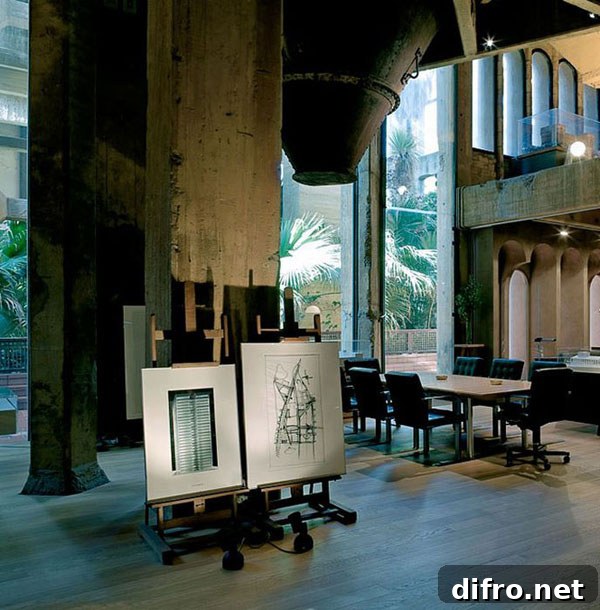
Throughout the house, carefully composed vistas, layered lighting and contrasting textures create a sense of discovery. Alcoves and archways reveal unexpected views; planted terraces and ivy on the outer walls bring a softness and connection to the surrounding city. The result is a residence that reads as both monumental and intimate—an architectural statement that still functions as a welcoming home.
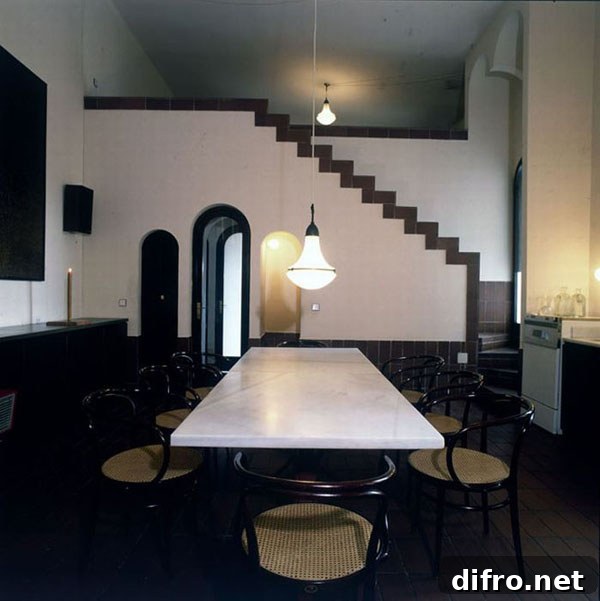
Ricardo Bofill’s Barcelona residence is an instructive case study in adaptive reuse: it demonstrates how respect for a building’s industrial past can coexist with thoughtful insertions of luxury, comfort and regional character. The design neither erases history nor merely preserves it as an artifact; instead it weaves historical, regional and industrial threads into a coherent whole. The transformation remains an inspiring model for architects, designers and anyone interested in how old structures can be given new life without losing their essence.