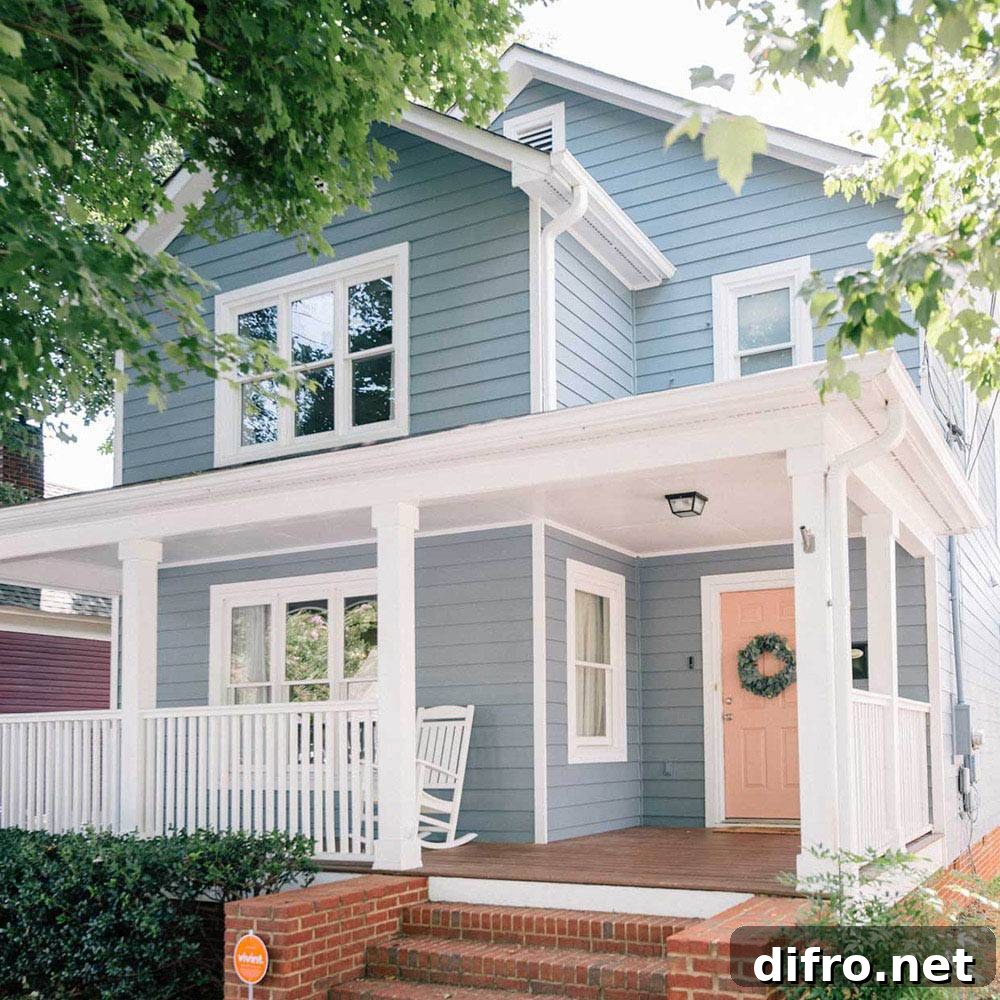
A fresh coat of paint not only keeps a home looking spotless but also protects the exterior surfaces from weather and wear. A well-executed paint job refreshes curb appeal and can increase resale value. While regional trends sometimes influence exterior color choices, many homeowners prefer to express personality through distinctive palettes that balance style and longevity.
Choosing a color depends on whether you want to make a bold statement, harmonize with the neighborhood, or keep a neutral look that appeals to potential buyers. Below we outline practical tips for painting exterior surfaces and present the most popular color families for house exteriors, along with guidance on pairing trims and accents.
Tips for painting your house exterior
Most homes benefit from a fresh exterior paint every five to ten years, depending on climate, sun exposure, and the quality of the previous paint job. Repainting an average single-family home can take several days to complete when factoring in preparation, priming, multiple coats, and drying time.
Choose the right product for the substrate: elastomeric or high-quality acrylic latex paint works well for brick, and acrylic paints are appropriate for vinyl siding. Proper surface preparation — cleaning, scraping loose paint, repairing damaged areas, and priming — is essential to ensure adhesion and durability. After painting, updating hardware such as house numbers, porch lights, and door hardware can dramatically enhance the finished look.
When deciding on a palette, consider the architectural style of the home, the surrounding landscape, and how much contrast you want between body color, trim, and accents like doors and shutters. Below are popular exterior colors and suggestions for complementary trims and accents.
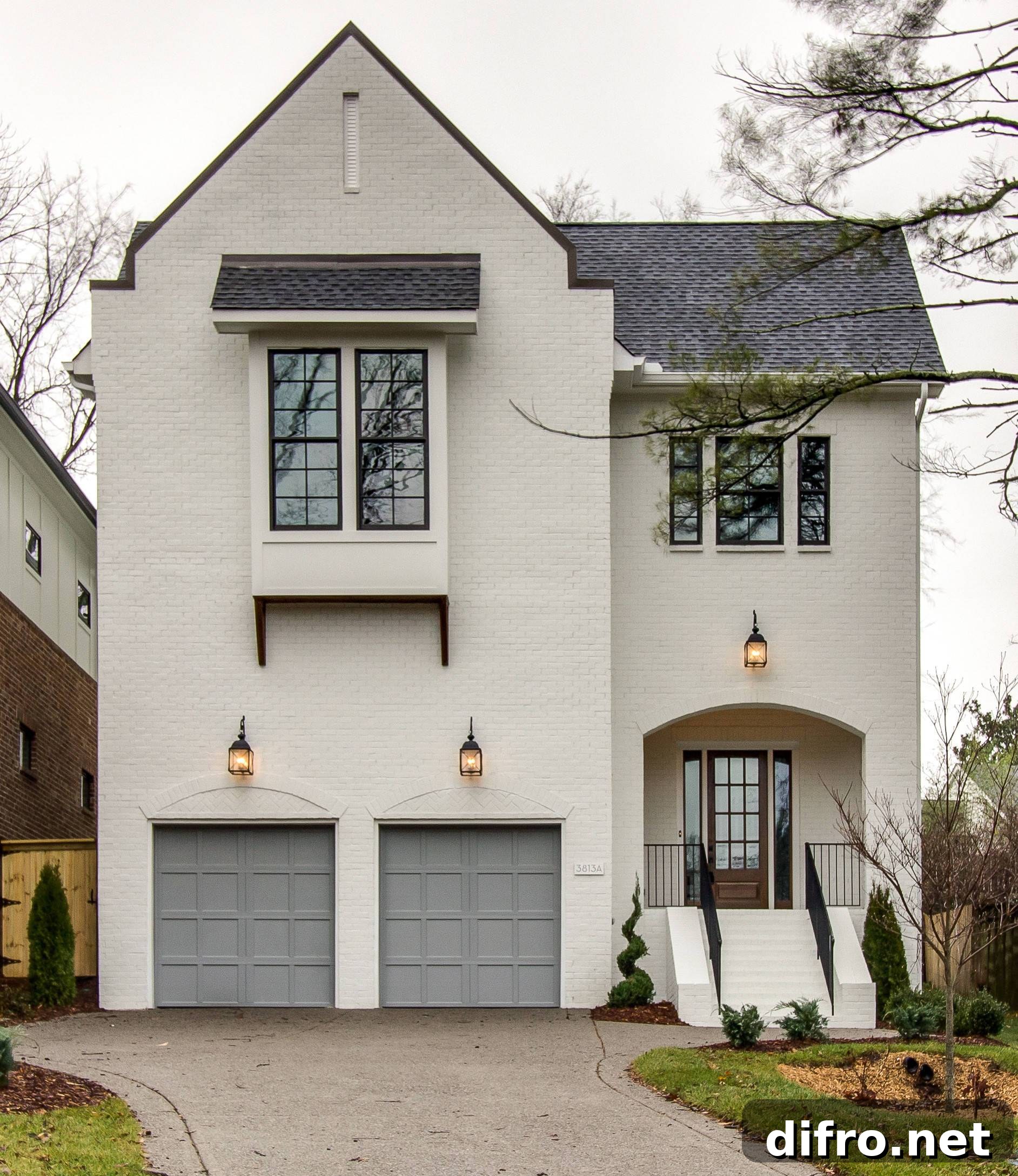
Off-white
Off-white delivers a timeless, soothing backdrop that makes architectural details stand out. It creates a flexible canvas for experimenting with bolder accents: a brightly colored front door, darker shutters, or natural wood tones can add personality without overwhelming the façade. Off-white is especially effective for traditional and transitional homes where a clean, classic look is desired.
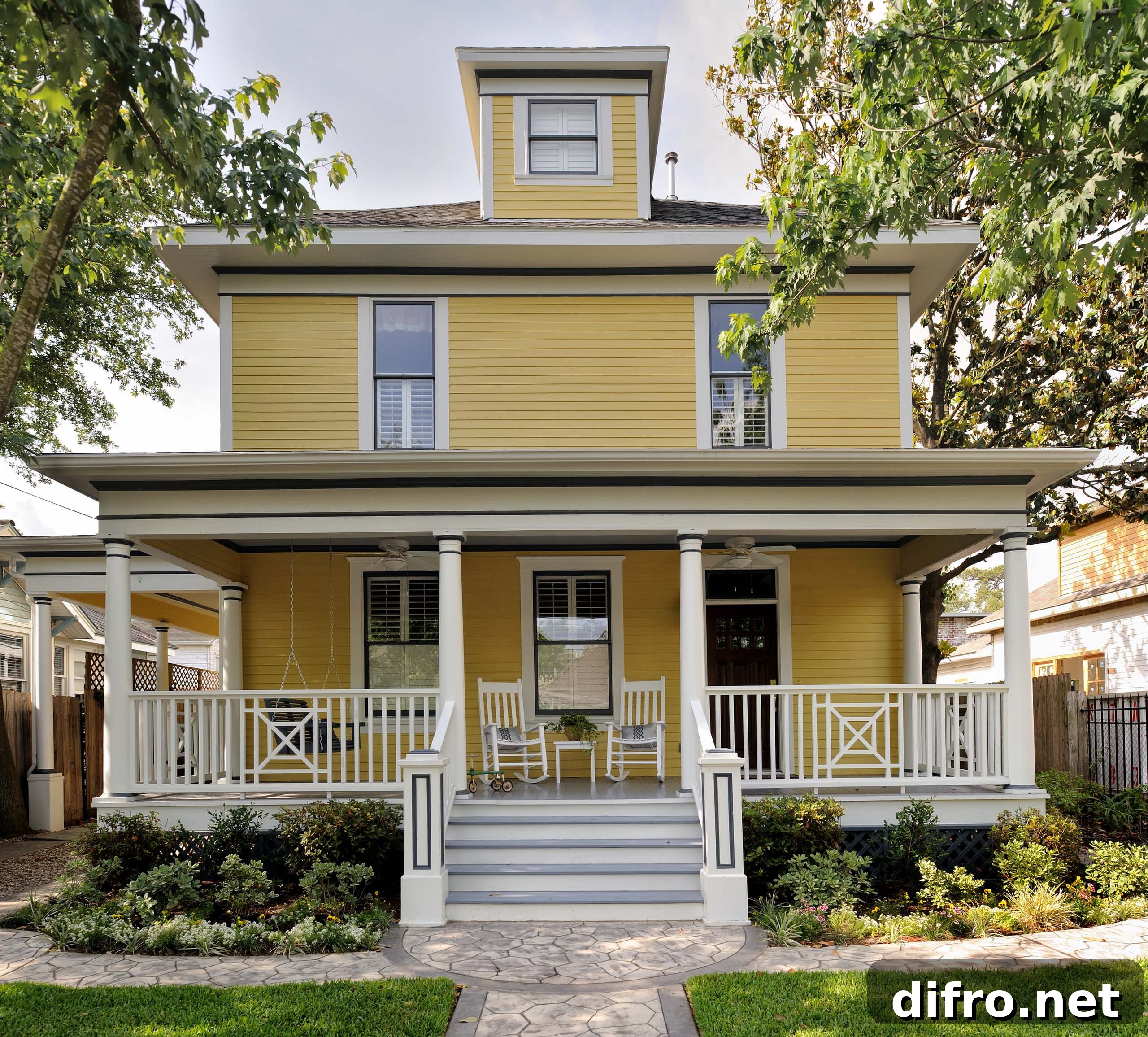
Yellow
Yellow offers a cheerful, welcoming look and comes in many tones from soft buttery shades to warm golds. When paired with crisp white trim, yellow reads fresh and lively. Combinations with green accents like shutters, landscaping, or front-door hues create a warm, cottage-like charm, while a monochromatic scheme using several yellow tones can feel sophisticated and cohesive.
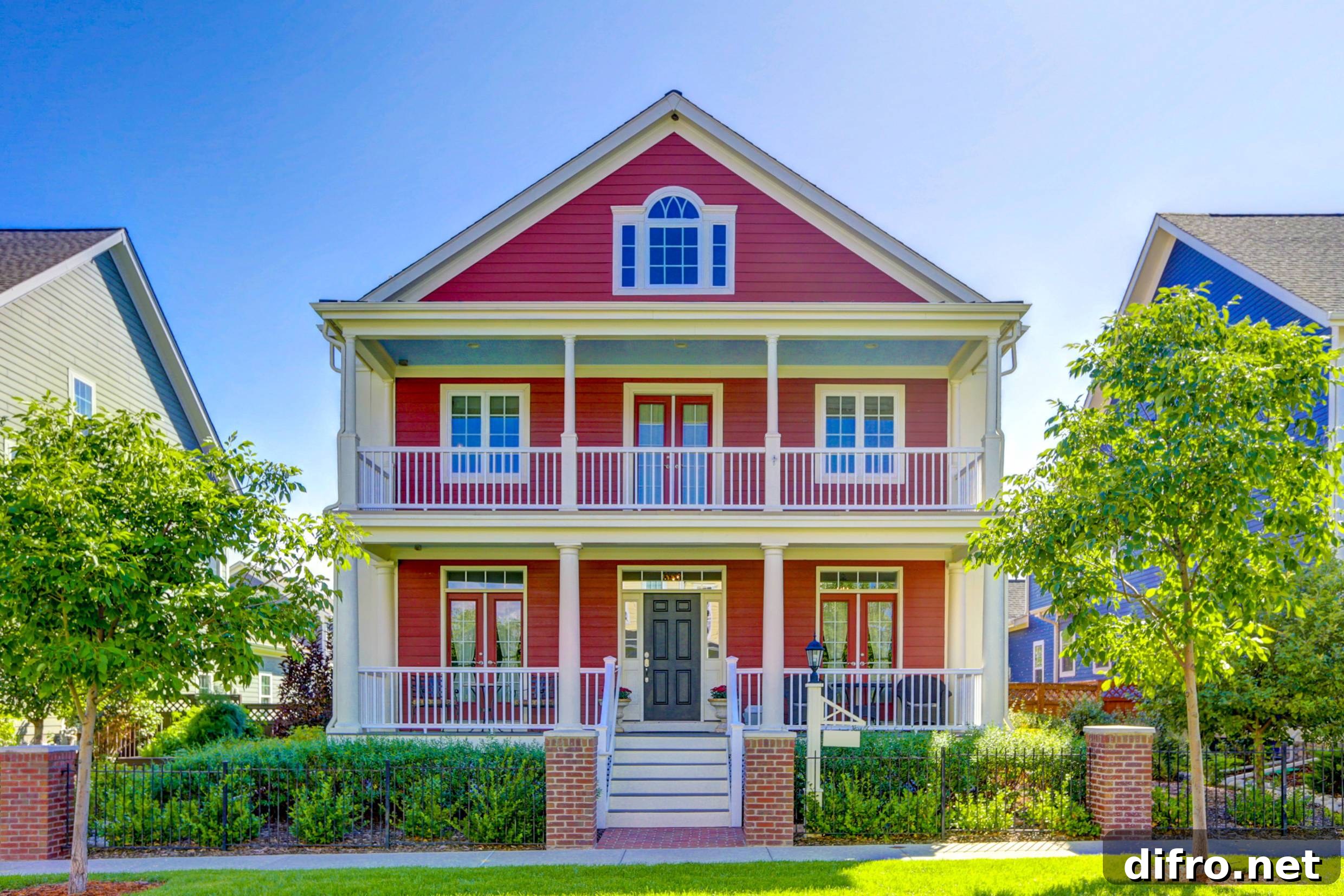
Red
Red ranges from bold, attention-grabbing shades to more muted, earthy tones. Classic barn red is a popular traditional option, and deeper reds can create a dramatic focal point for historic and farmhouse styles. Pair red exteriors with neutral trim to keep the overall look balanced and timeless.
Blue
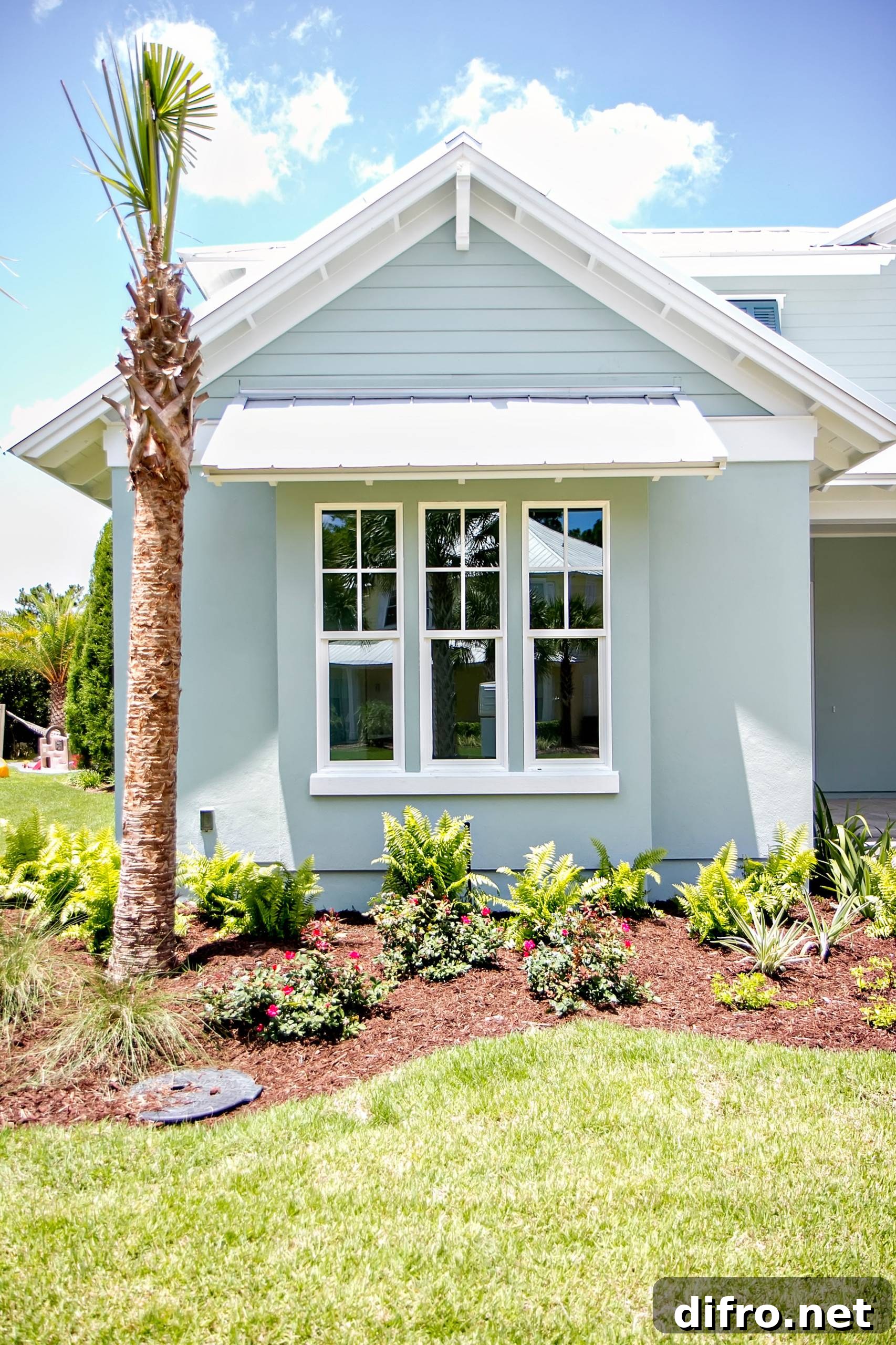
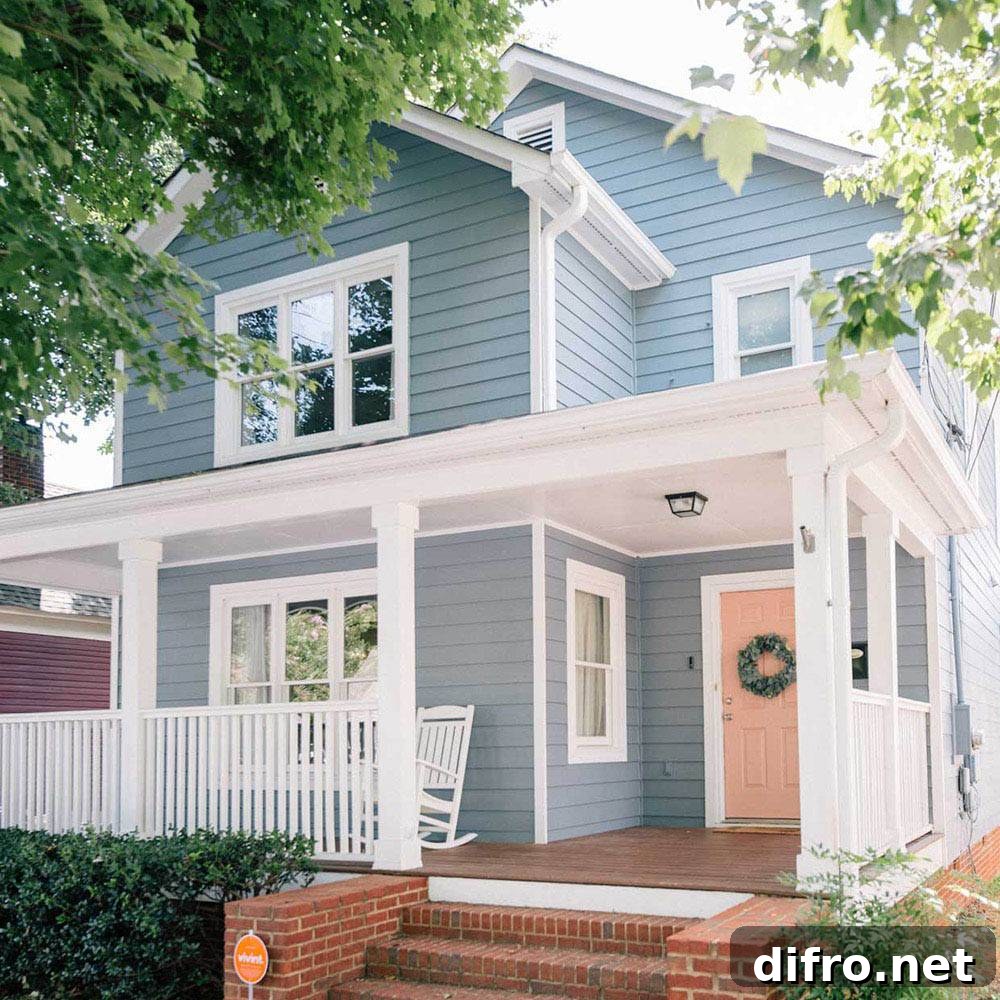
Blue is a calming option that complements a variety of materials and styles. Light blues bring an airy, fresh feel; mid and darker blues can read sophisticated and modern. Blue pairs beautifully with white trim for a crisp contrast, while warm wood accents soften the overall effect. Consider samples in different lighting to see how blues shift through the day.
Gray
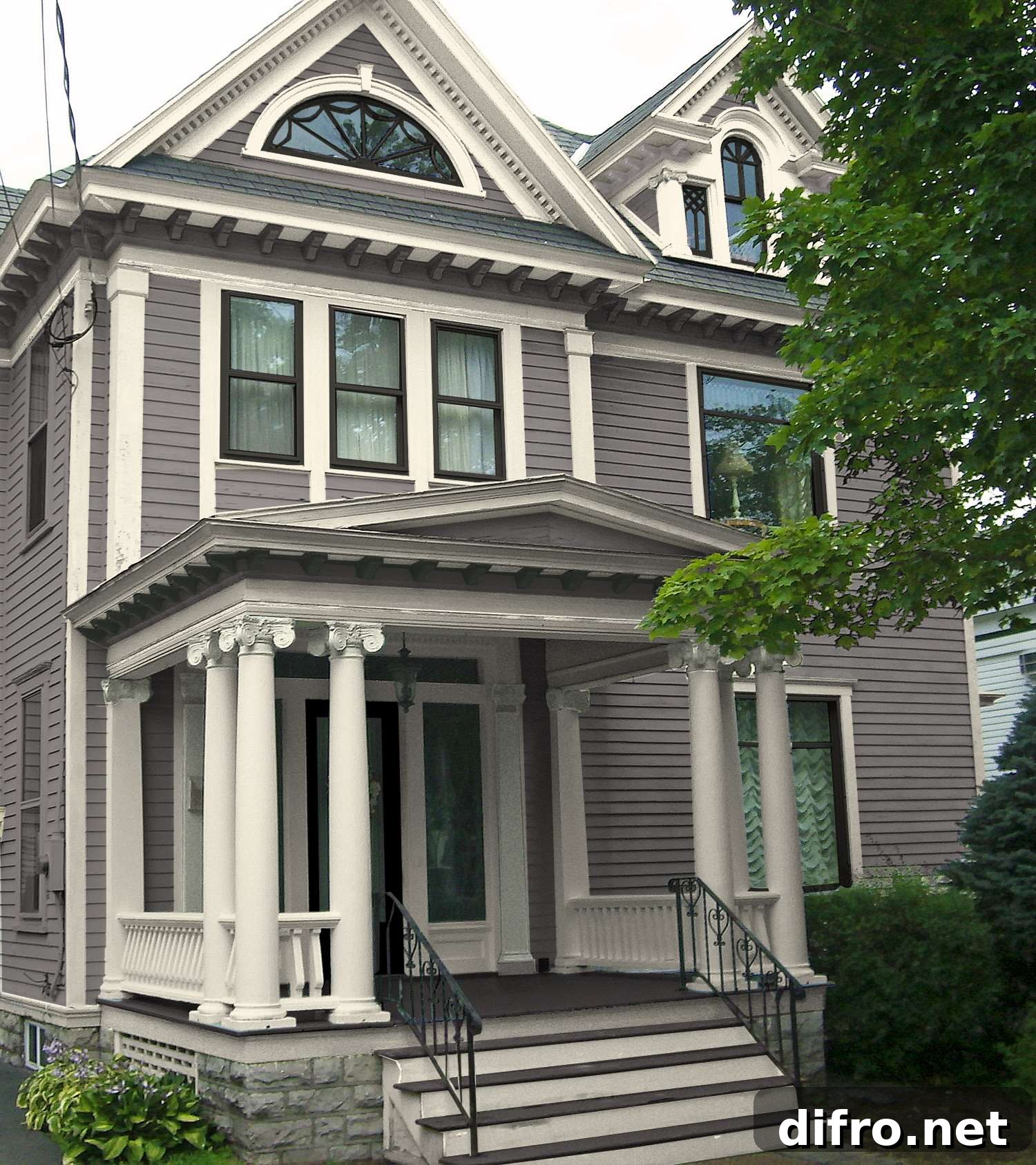
Gray is a versatile neutral that supports both understated and bold accents. Lighter grays feel modern and airy, while darker grays add drama and depth. Pair grays with white trim for crisp definition, or combine two shades of gray for a contemporary, layered look that suits many architectural styles.
Taupe
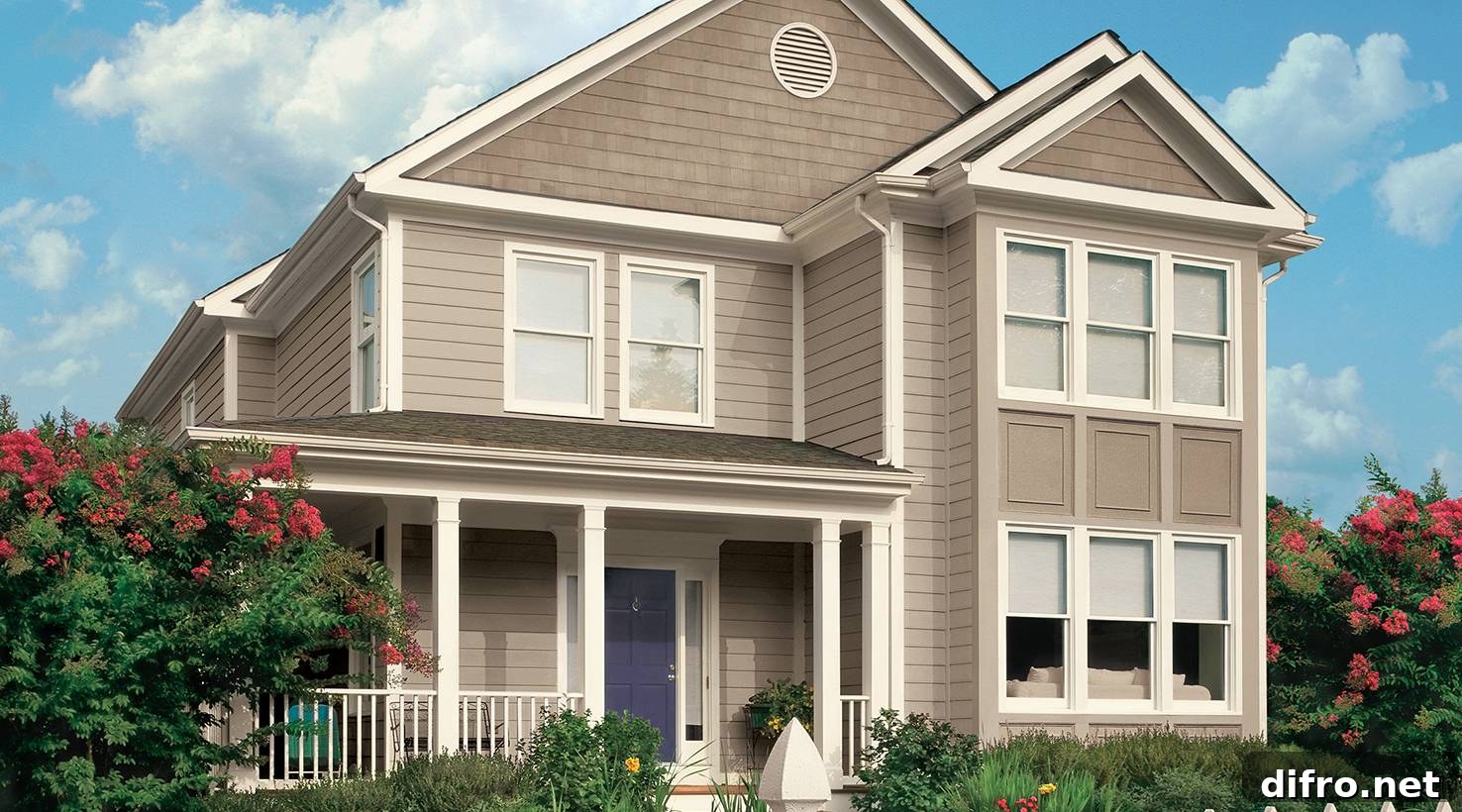
Taupe is a warm, sophisticated neutral that creates broad appeal and lends a polished, upscale look to exteriors. Neutral palettes like taupe are often safest when preparing a home for sale because they attract a wider range of buyers while still feeling rich and welcoming.
Sage
Sage is a muted green tone that blends beautifully with natural surroundings. This soft, earthy shade works well with yellow-green accents, natural-wood elements, and stone features to create a calm, integrated exterior palette that complements landscaping and outdoor spaces.
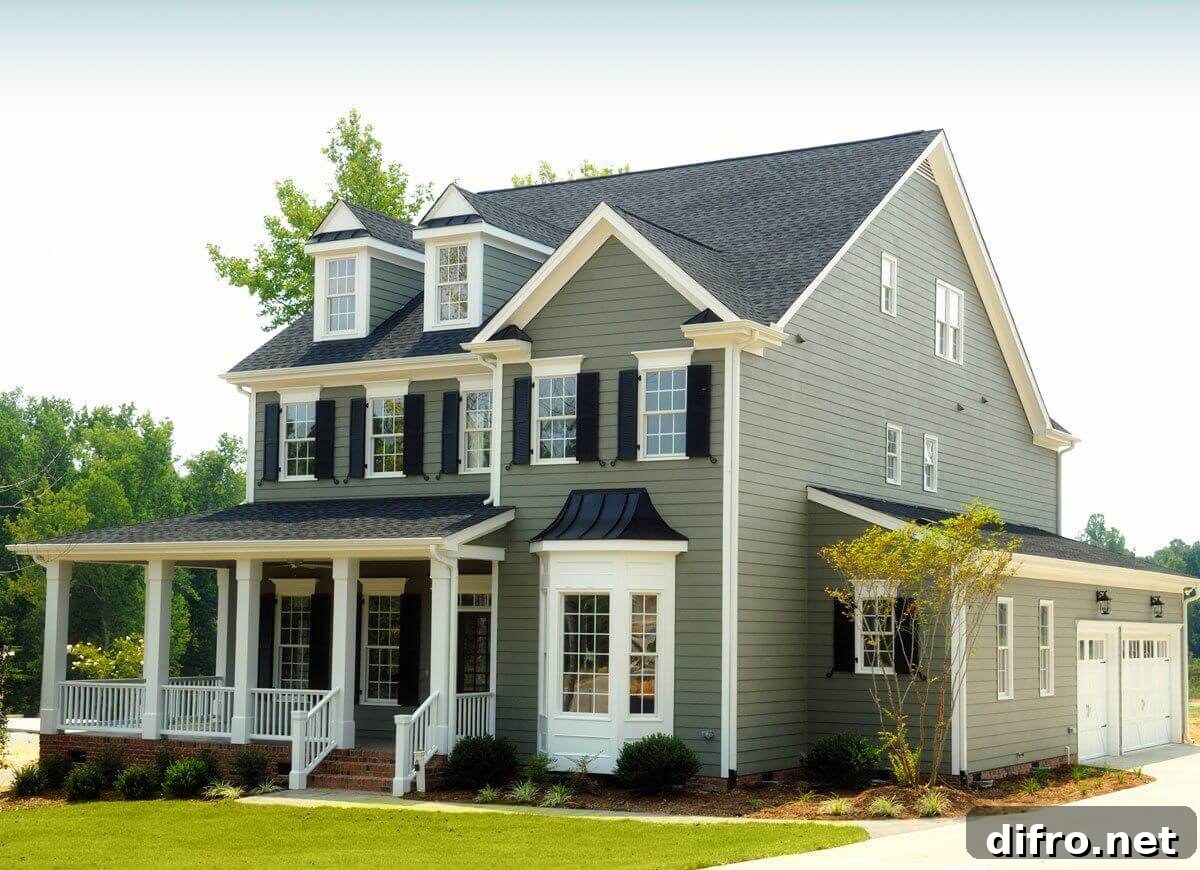
Blue-gray
Blue-gray sits between cool and neutral, offering depth while remaining understated. It creates striking contrast with white trim and can be balanced with warm accents like natural wood or bronze hardware. Blue-gray is a refined choice for homeowners seeking a distinctive but timeless exterior color.
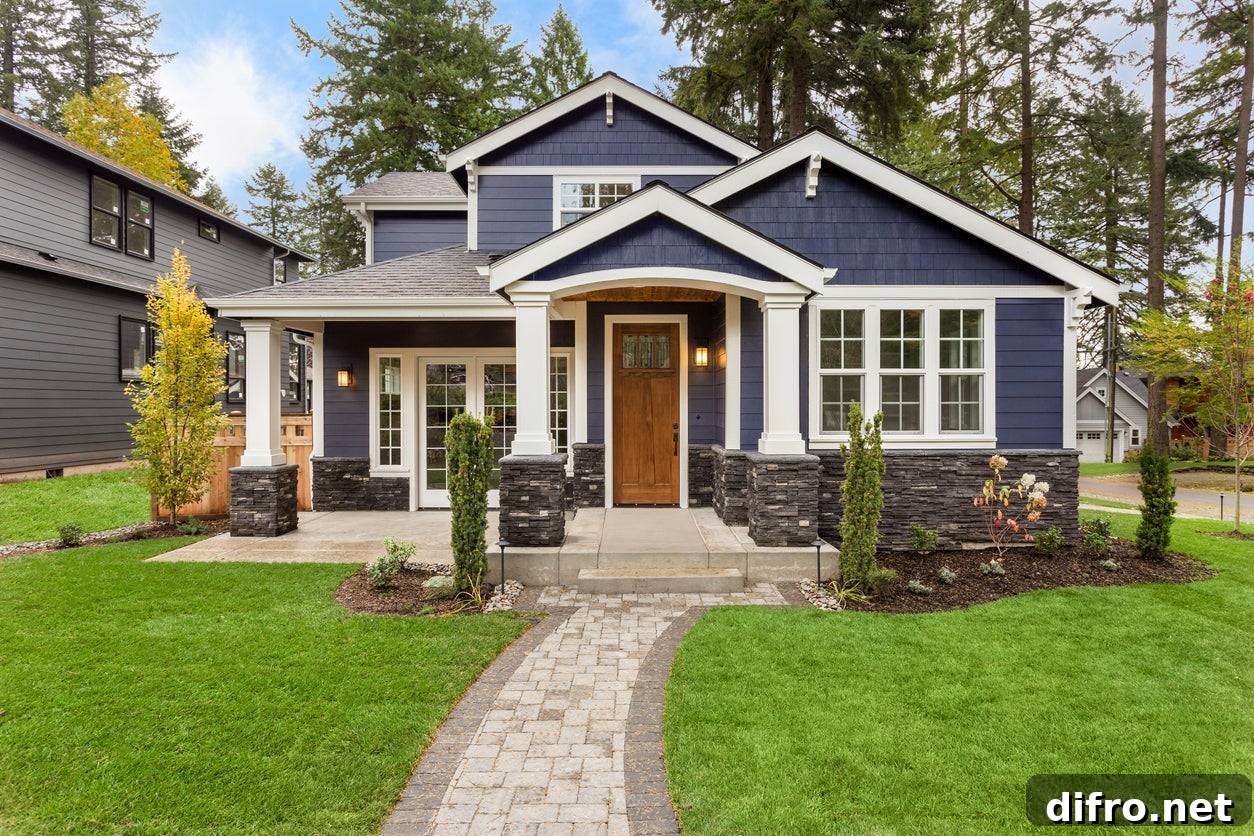
When narrowing selections, test paint samples on multiple exterior sections and observe them at different times of day. Consider the roof color, driveway, and landscaping to ensure a cohesive result. With the right preparation, materials, and color pairing, a fresh exterior paint can dramatically elevate your home’s appearance and long-term value.