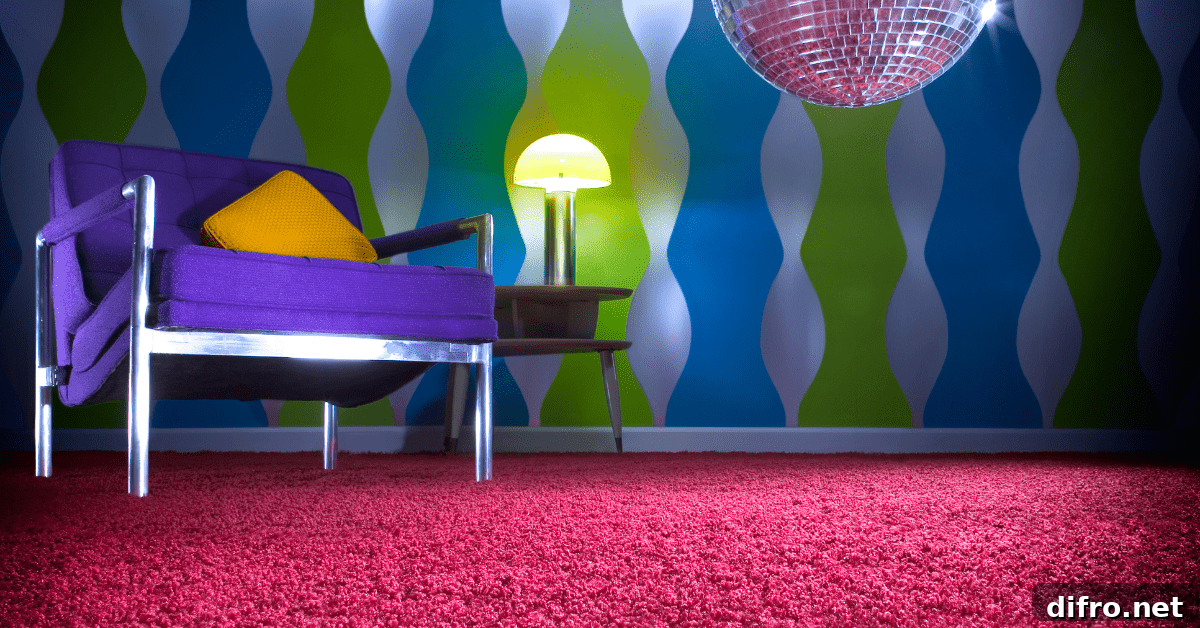
Do you remember when shag carpets, wood paneling and avocado-green appliances defined the look of a home? The 1970s produced a distinct design vocabulary—bold colors, tactile materials and playful shapes—that still feels instantly recognizable. Below are eight unmistakable 70s home decor trends, with a clear nod to how they shaped interiors then and how they’re viewed now.
1. Shag Carpets: The Ultimate 70s Floor Covering
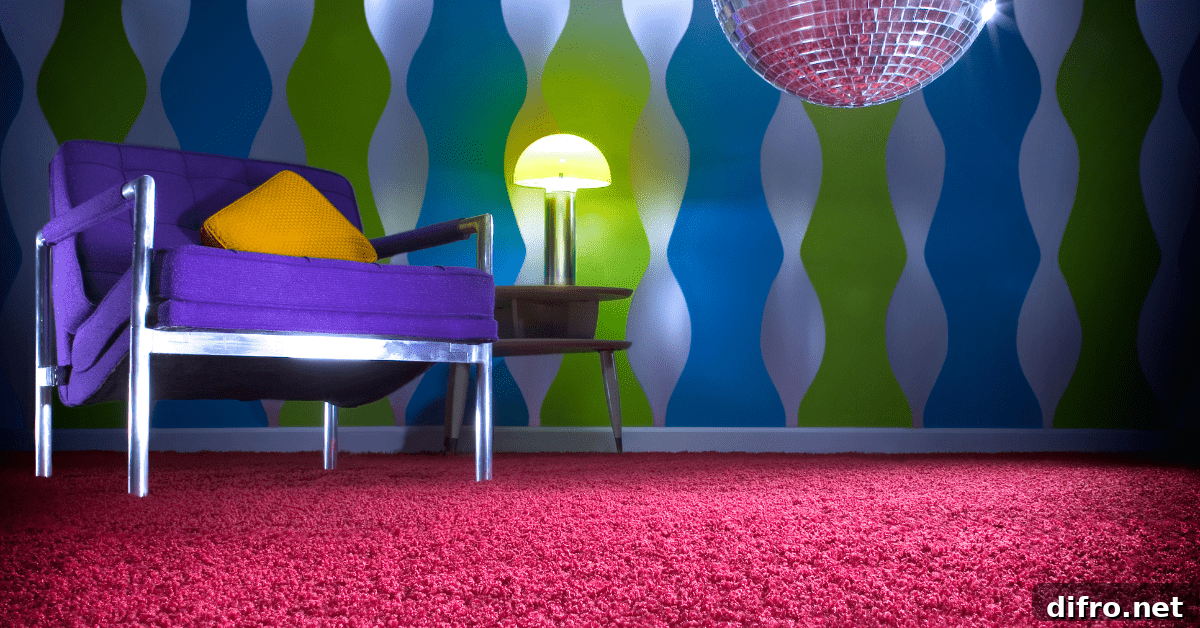
Shag carpet became a visual shorthand for 70s interiors: deep, plush fibers in saturated hues that created a soft, tactile floor. These wall-to-wall coverings were celebrated for comfort and warmth, though they could be difficult to clean and often made rooms feel visually heavy.
Today, homeowners favor easy-care floors such as hardwood, tile or low-pile rugs, but shag survives in smaller doses—shag-inspired area rugs or accent pieces that offer texture without committing to a full room of pile. Used selectively, it can add retro charm without overwhelming a space.
2. Wood Paneling: The 70s Wall Treatment of Choice
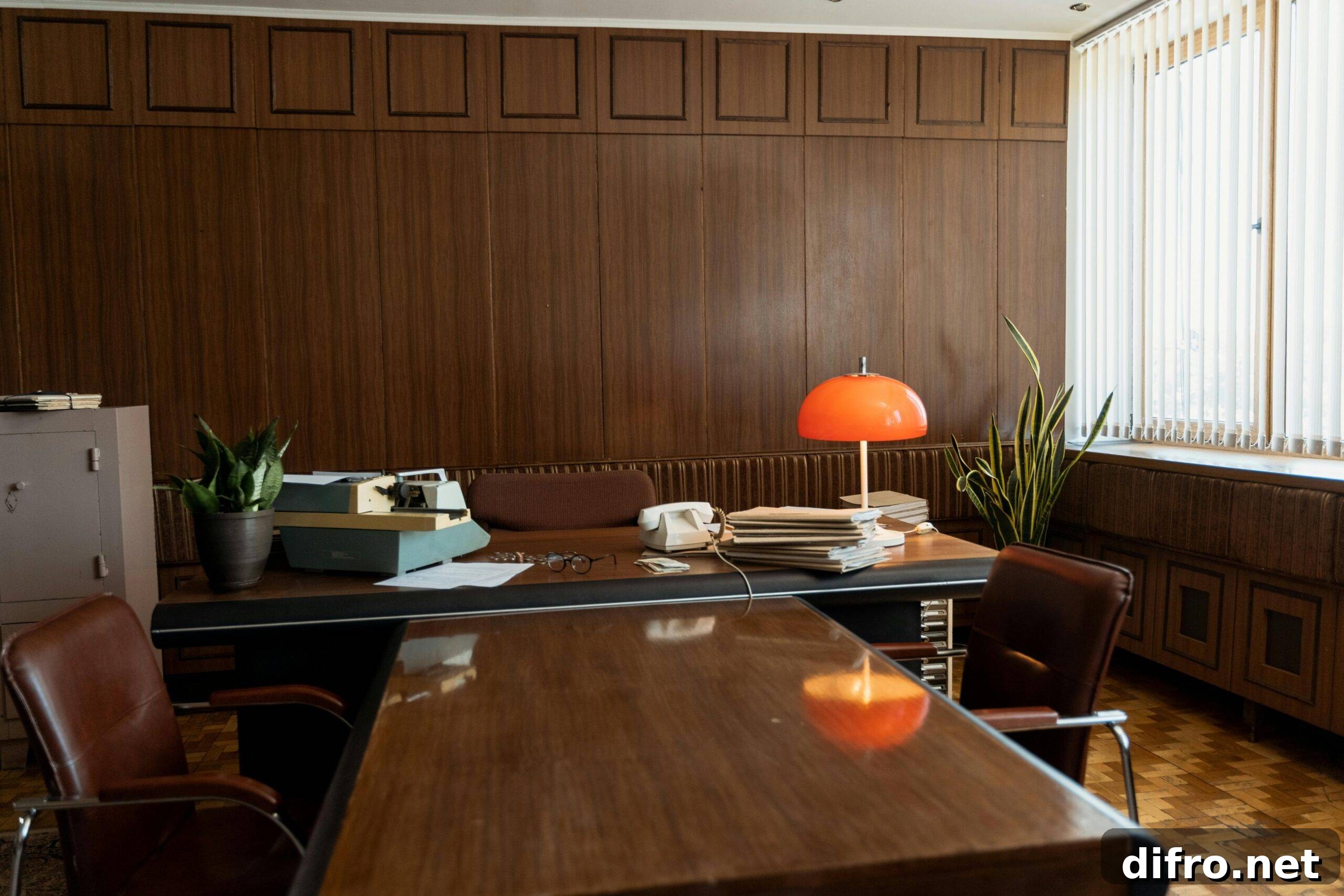
Wood paneling was a hallmark of 70s residential interiors, used to cover entire rooms and create a warm, cocooning feel. Much of it was manufactured with faux grain and darker stains that can now read as dated or oppressive in smaller spaces.
Contemporary design often borrows the idea of natural texture but prefers lighter, more refined finishes—think painted shiplap, reclaimed wood accents or subtle vertical slat walls. When used thoughtfully, wood paneling elements can reference the era while keeping rooms bright and modern.
3. Avocado Green Appliances: The Kitchen Color Craze
Avocado green, often paired with harvest gold or burnt orange, dominated 70s kitchens and extended to refrigerators, ovens and dishwashers. The saturated, earthy palette reflected the decade’s interest in nature-inspired colors and strong visual statements.
Most contemporary kitchens favor stainless steel, black, white or muted color palettes for major appliances. Vintage avocado appliances are now collector’s items or retro focal points in curated remodels, but they are no longer mainstream for everyday kitchens.
4. Macramé Everything: The DIY Decor Phenomenon
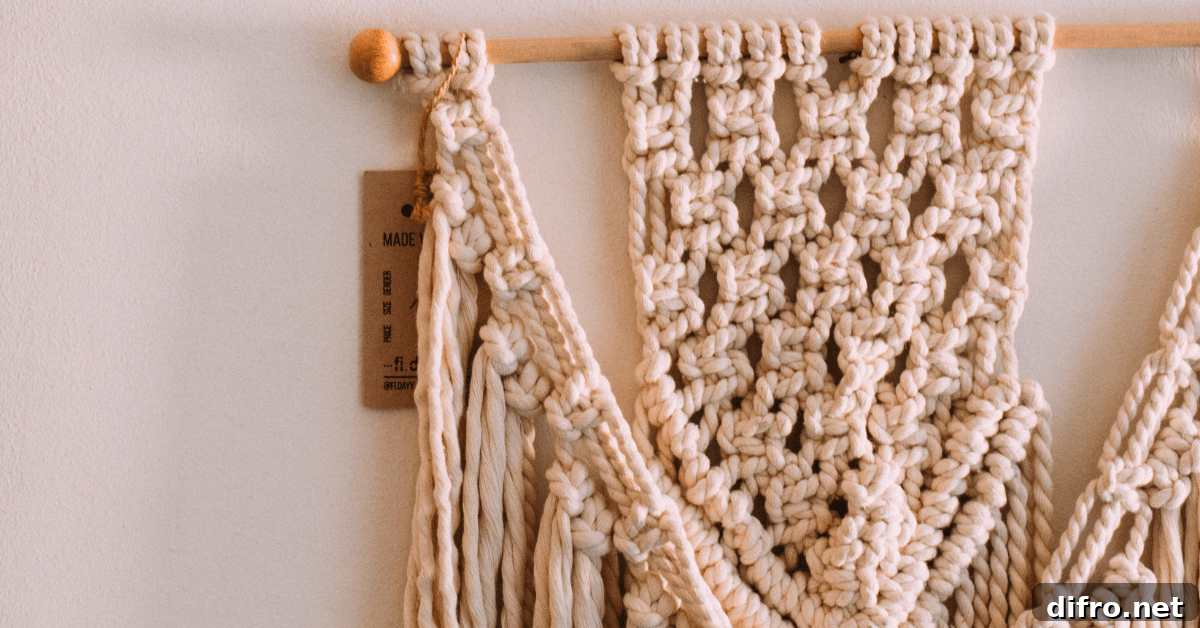
Macramé was everywhere in the 70s: wall hangings, plant holders, lampshades and room dividers made from knotted cords. It embodied the decade’s embrace of handmade crafts and textured, bohemian accents.
Macramé has seen a modest resurgence within boho and handmade-focused interiors, but it’s typically used sparingly today. Rather than filling entire rooms, macramé pieces serve as curated accents that add warmth and artisanal detail.
5. Conversation Pits: The Social Seating Arrangement
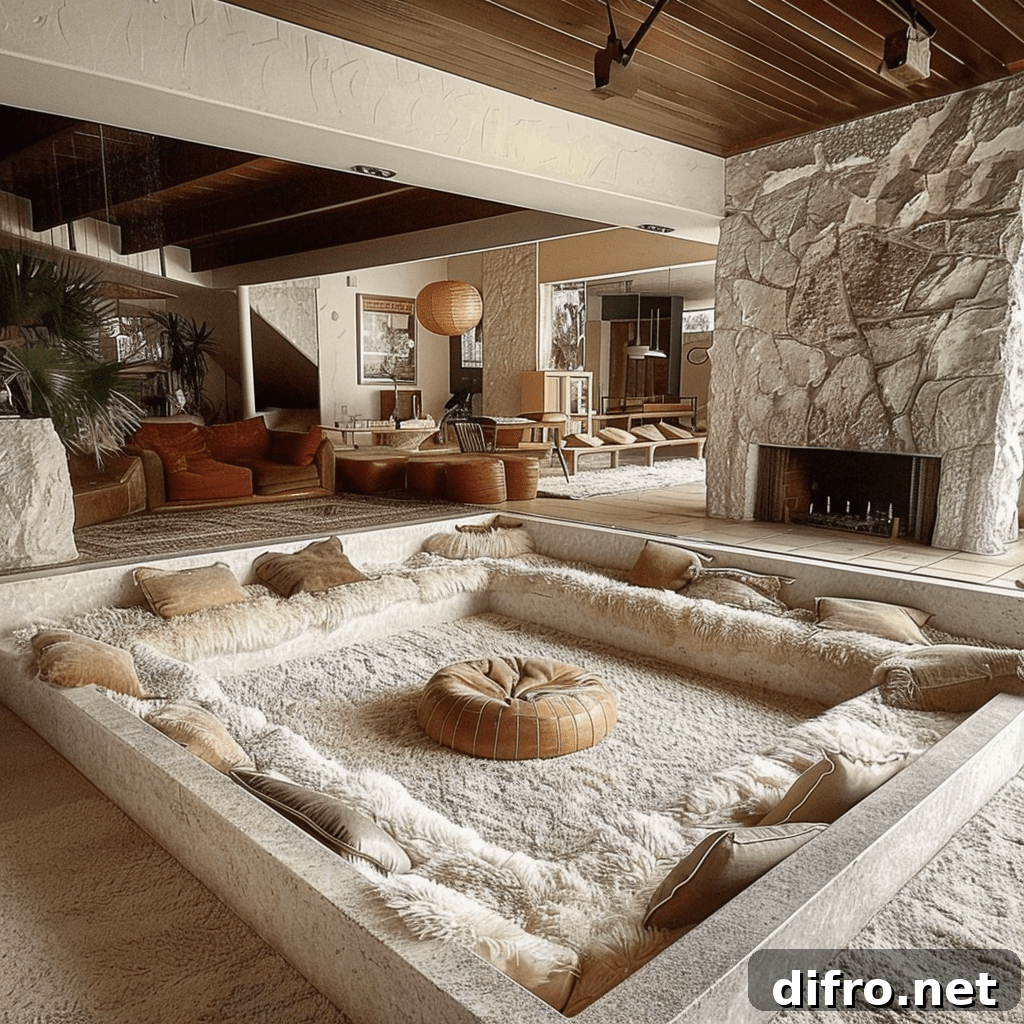
Conversation pits—sunken seating areas with built-in couches and abundant cushions—were designed to encourage intimate social interaction. They created a distinct architectural feature and a dedicated gathering place within the living room.
Open-plan living and flexible furniture layouts have largely replaced fixed, sunken seating. While a few contemporary homes and designers reimagine the concept with updated shapes and ergonomics, the classic conversation pit remains a nostalgic 70s signature rather than a modern standard.
6. Lava Lamps: The Groovy Lighting Trend
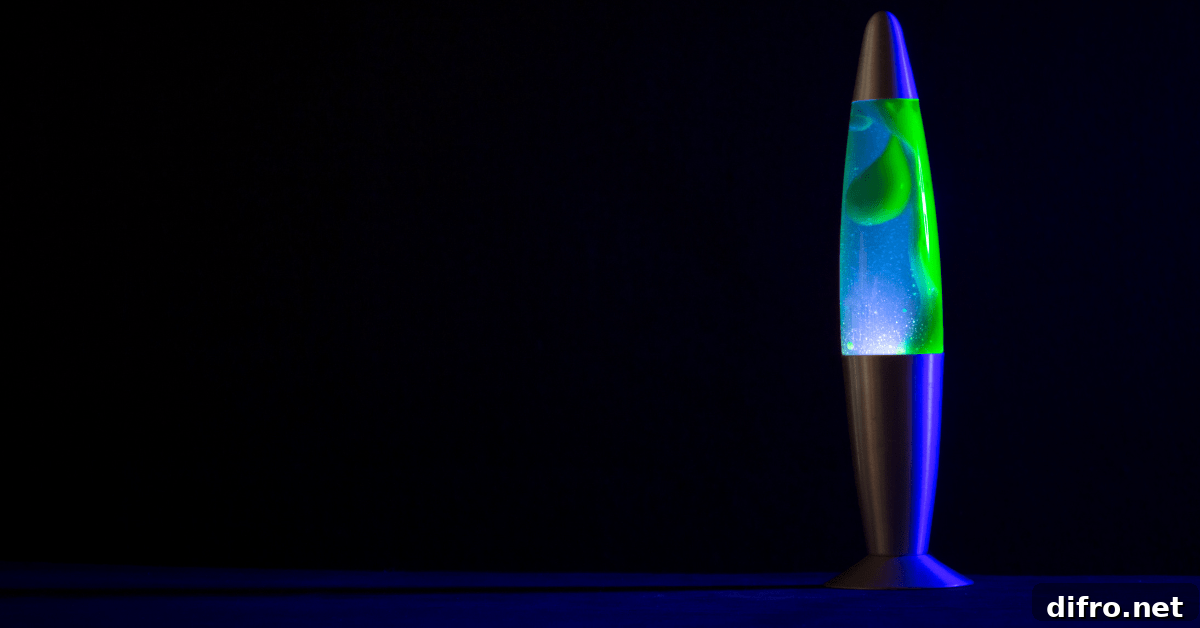
Lava lamps delivered a hypnotic, kinetic light source with colorful wax blobs rising and falling inside a glass vessel. They were a playful, mood-driven accessory popular in bedrooms and rec rooms throughout the decade.
Modern lighting trends prioritize efficiency, dimming control and layered illumination, so lava lamps are now seen mostly as nostalgic or novelty items. When used today, they’re typically chosen for retro-themed spaces or decorative accents rather than primary lighting.
7. Hanging Chairs: The Swinging Seating Solution
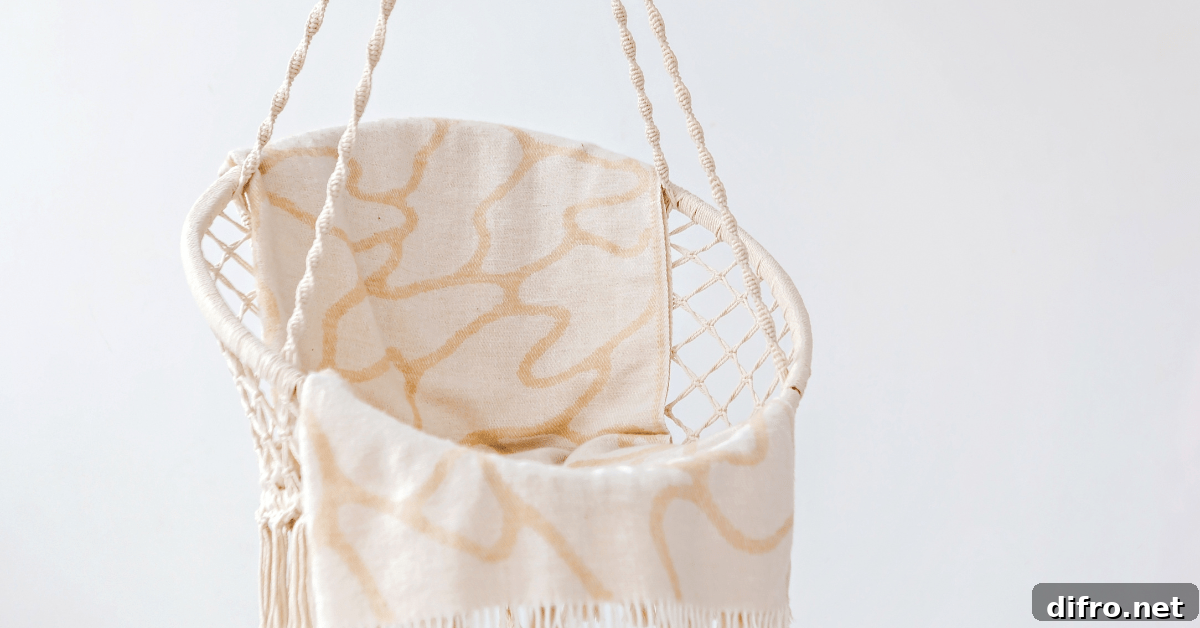
Hanging chairs—rattan or plastic seats suspended from the ceiling or a stand—offered a playful, relaxed vibe in the 70s. Egg-shaped and hammock-style designs were especially popular in casual living areas and bedrooms.
While not ubiquitous today, hanging chairs still appear in bohemian or outdoor settings where their sculptural form and gentle motion enhance comfort. They’re used more selectively now, often as statement pieces rather than everyday seating.
8. Foil Wallpaper: The Shiny Wall Covering
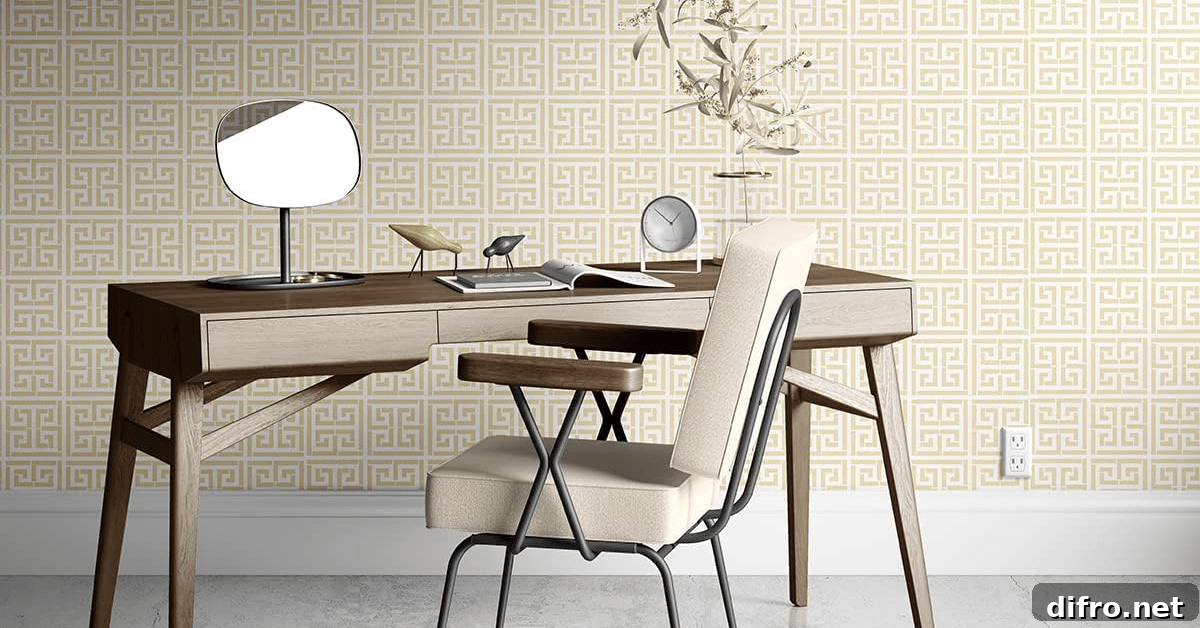
Foil wallpaper added disco-era glamour with metallic sheens and reflective patterns that made rooms feel bold and dramatic. Applied across whole walls, the effect could be eye-catching—or overwhelming.
Contemporary wallpaper choices favor subtle texture, organic patterns and matte finishes, but metallic accents still appear in moderation. Designers today are more likely to apply metallics as an accent wall or restrained detail rather than an entire-room treatment.
Many hallmarks of 70s design can still inspire modern interiors when used carefully: a touch of shag for texture, a macramé accent for warmth, or a vintage appliance as a focal point. The key is balance—honoring the era’s playful spirit while adapting colors, scale and materials to today’s tastes and practical needs.