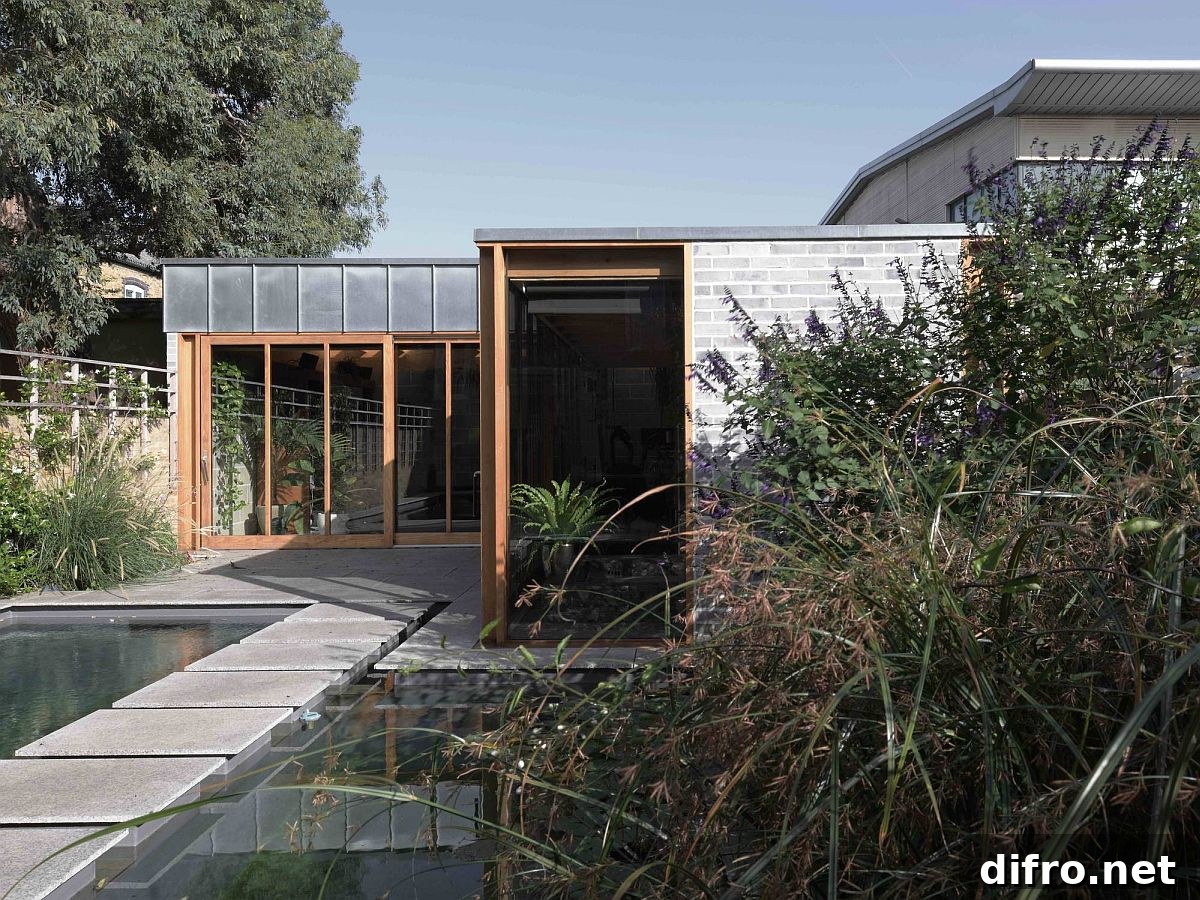
Most contemporary renovations and extensions tend to focus on adding rooms or improving interior light and ergonomics. This Grade II listed home in London takes a different approach, however: a carefully considered garden room that feels like a natural extension of the main house while bringing the garden and water features into the interior. The Garden Room, designed by Hugh Strange Architects in London, combines practical adaptability with quiet elegance. It functions as a home gym, bathing area and a collection of relaxation zones, blurring the boundary between indoor and outdoor living.
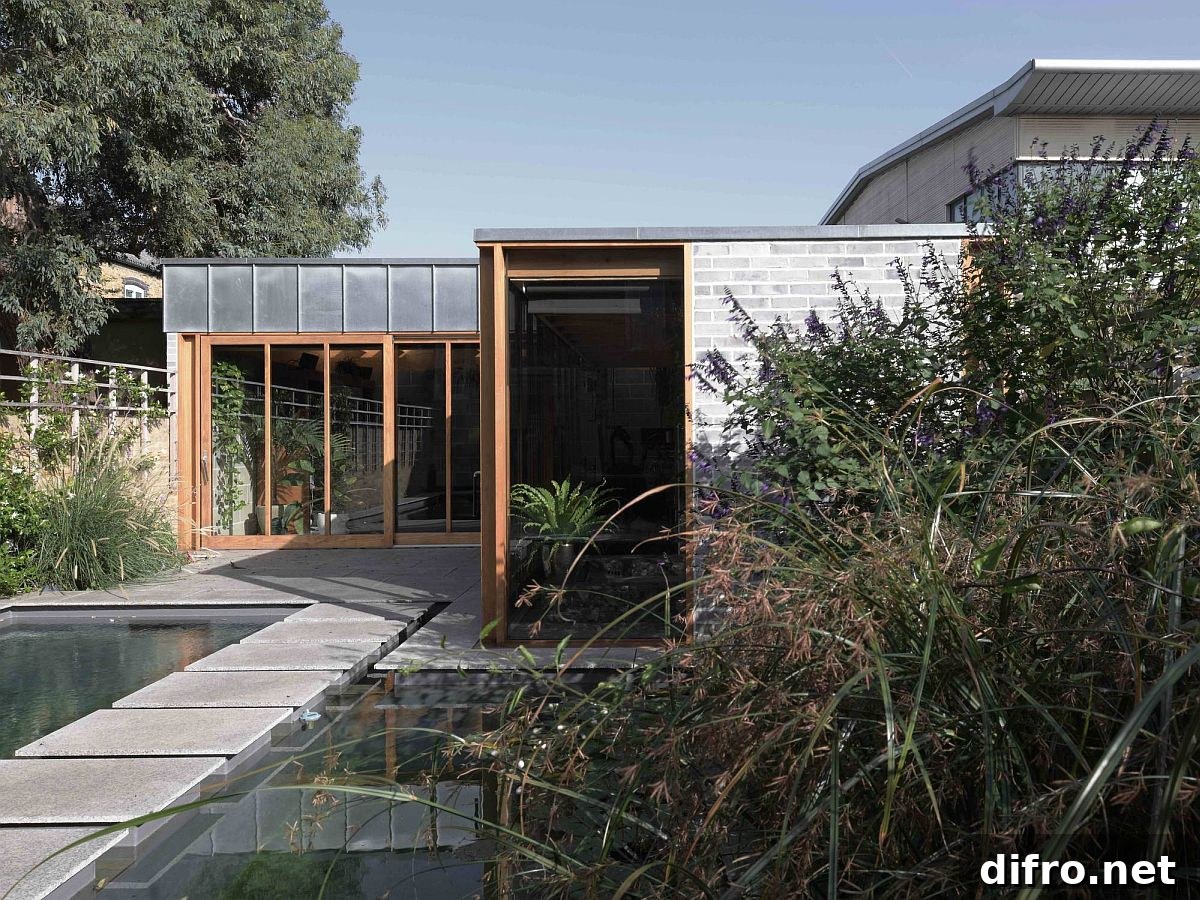
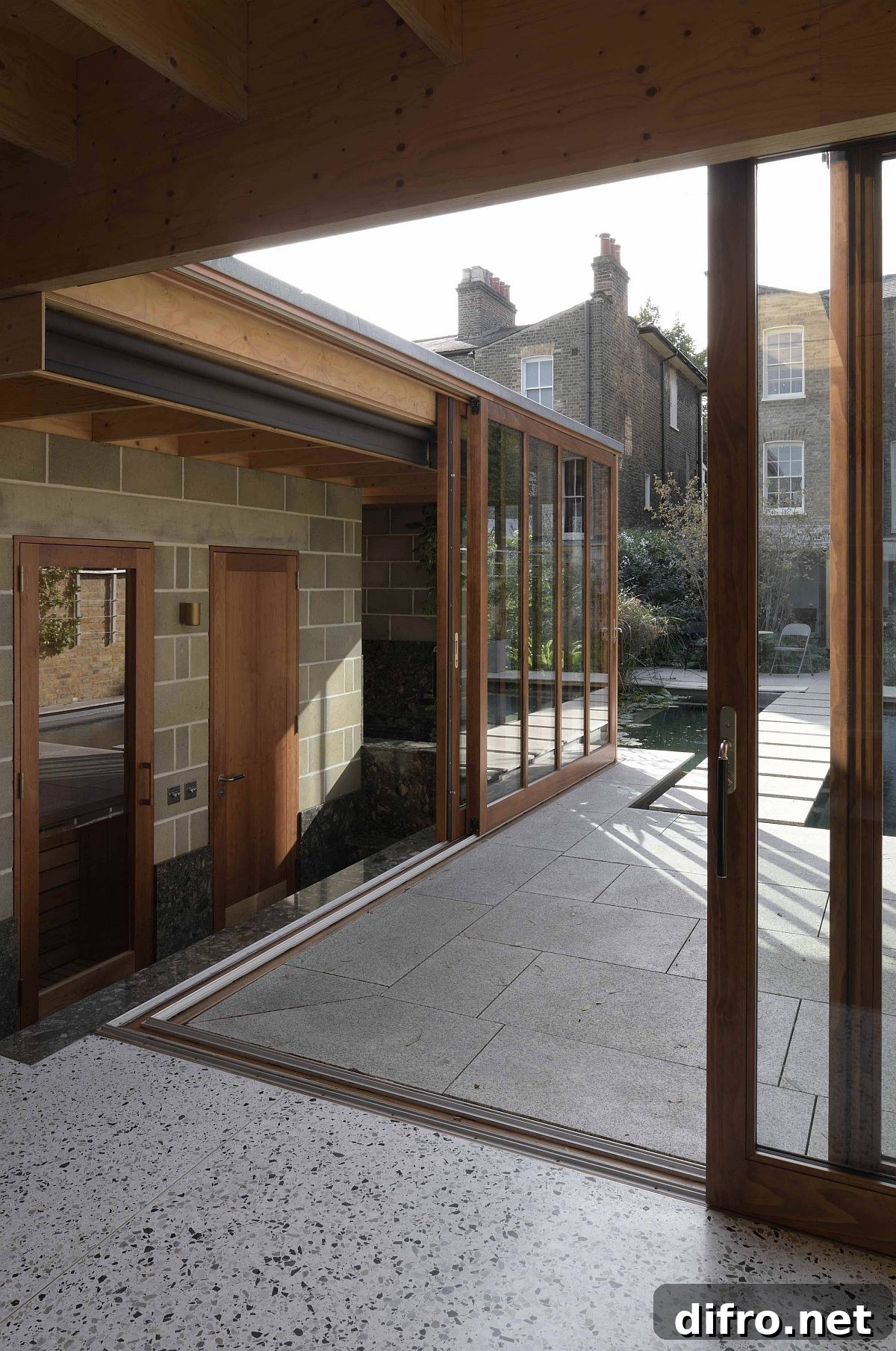
The new room is anchored by an engineered timber roof that gently projects outward, creating sheltered outdoor spaces that sit between the addition and the main house. This roof structure is deliberately modest in profile, yet it creates a generous span over the principal volume and a cantilevered edge over a smaller adjoining volume. Inside, exposed blockwork walls and poured terrazzo flooring provide a straightforward, durable backdrop that highlights the simplicity of the scheme and prioritizes utility and longevity.
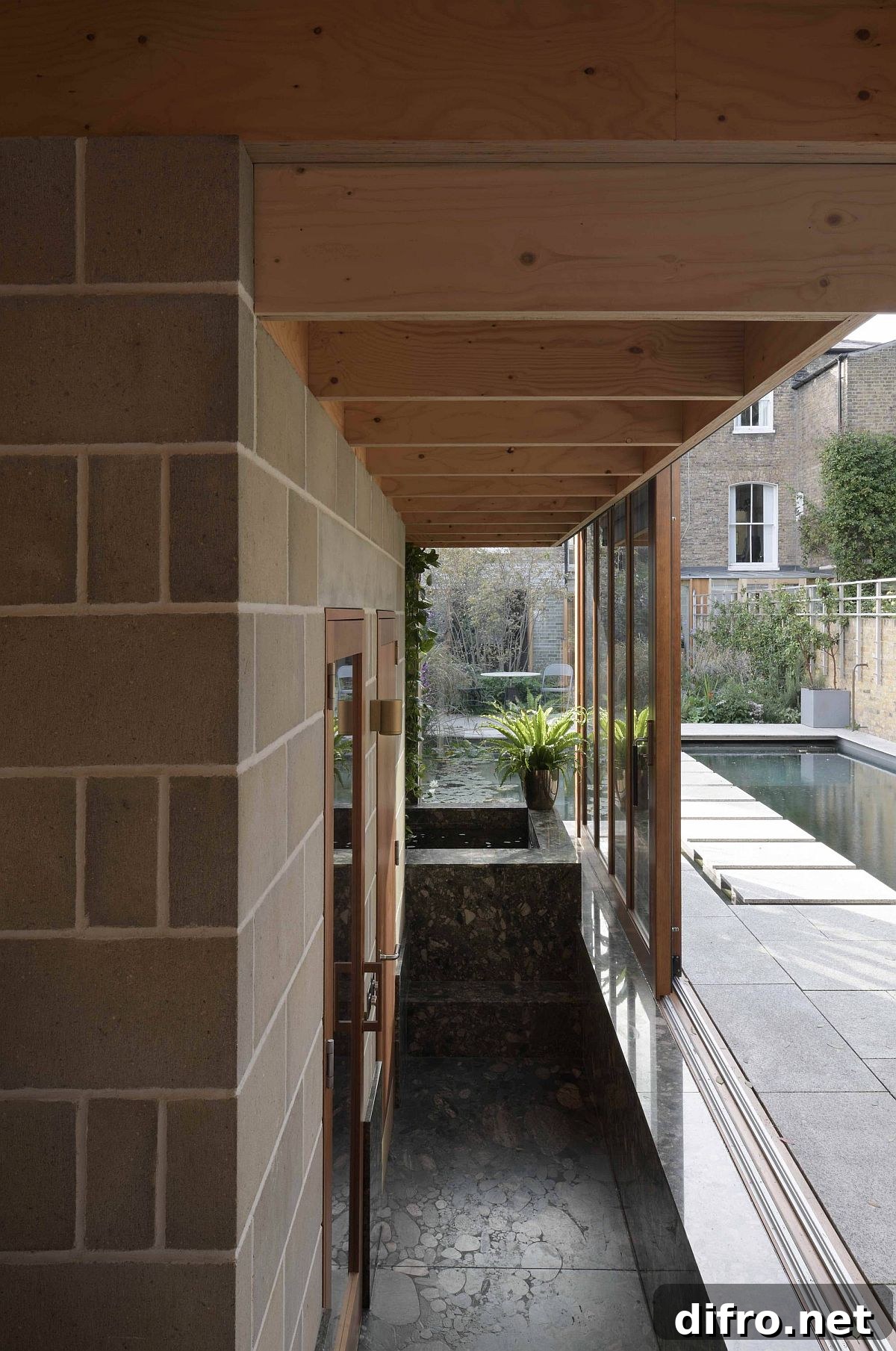
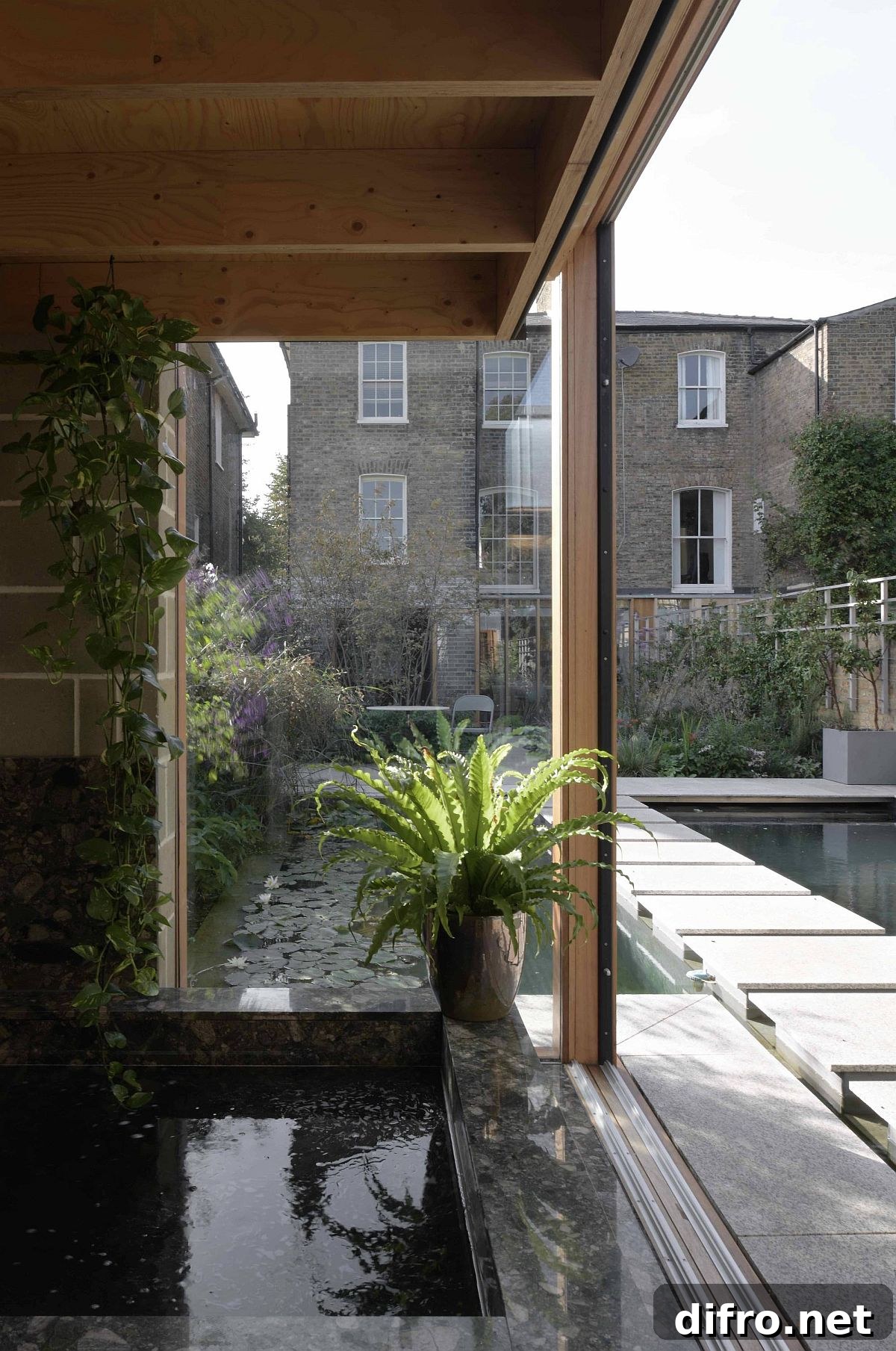
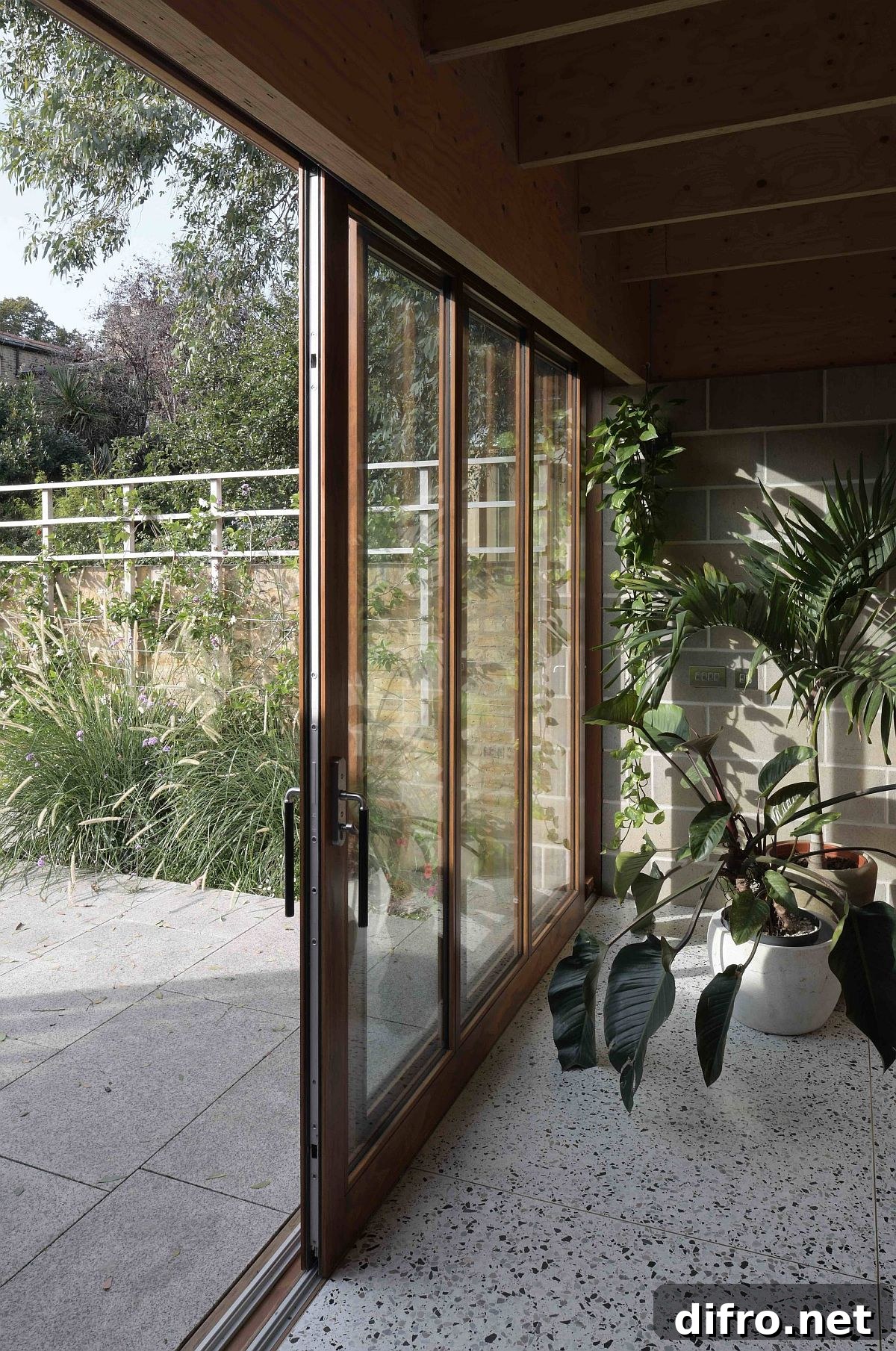
Large sliding glass doors set within warm wooden frames open the room to the surrounding landscape on multiple sides. When open, they dissolve the threshold between interior and garden, allowing water features, planting and natural light to become part of the interior experience. Even when closed, the doors maintain visual connection with the outside and provide a sense of privacy and enclosure thanks to their careful framing and proportion.
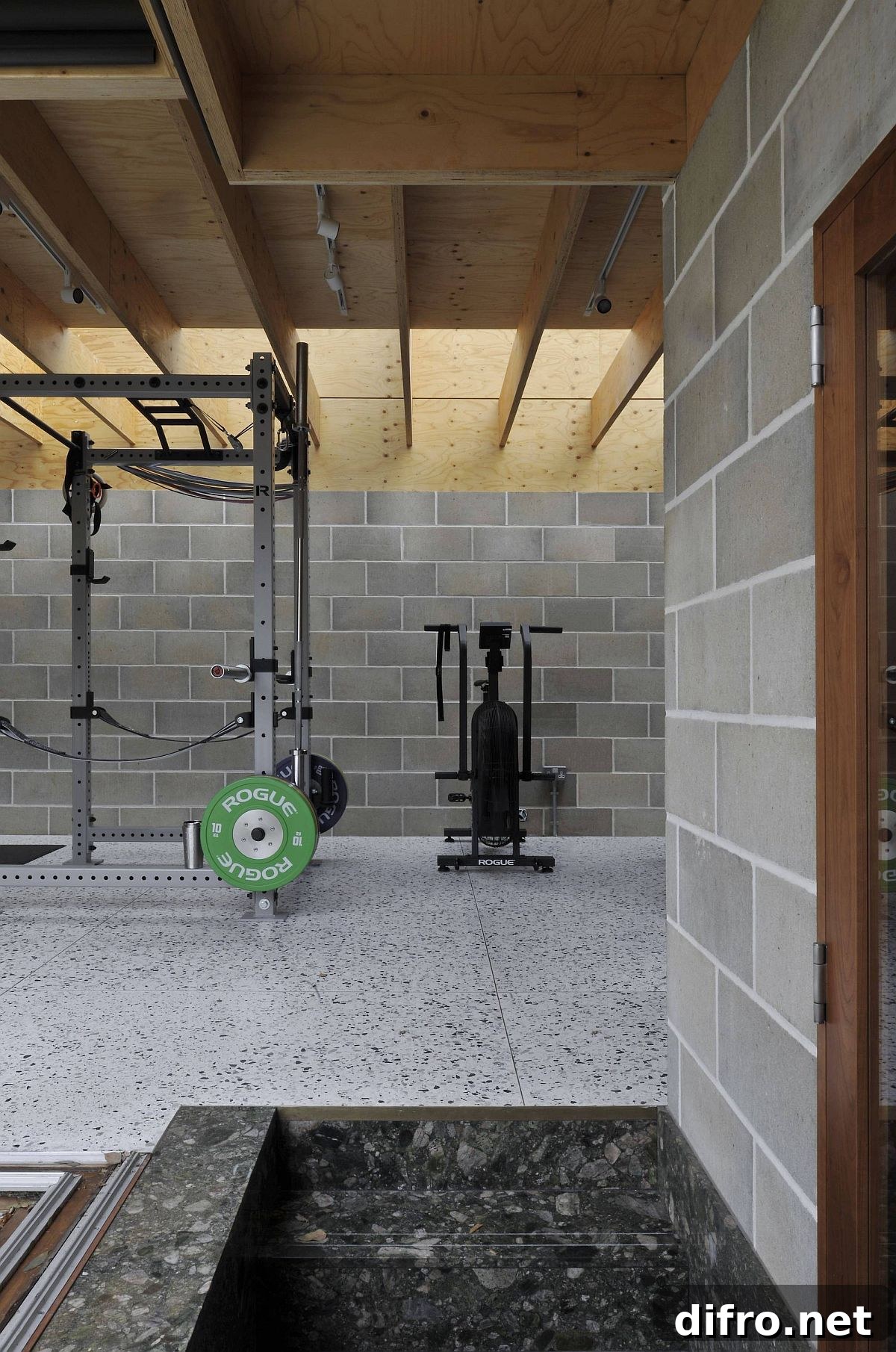
Functionality lies at the heart of the design. The space is flexible by intention: one area is equipped and arranged for exercise, while adjacent zones accommodate bathing and quiet relaxation. These uses can overlap or be used independently, depending on the household’s needs. Simple finishes such as blockwork and terrazzo are both practical and visually restrained, allowing furniture, plants and people to take priority and giving the space a calm, versatile character.
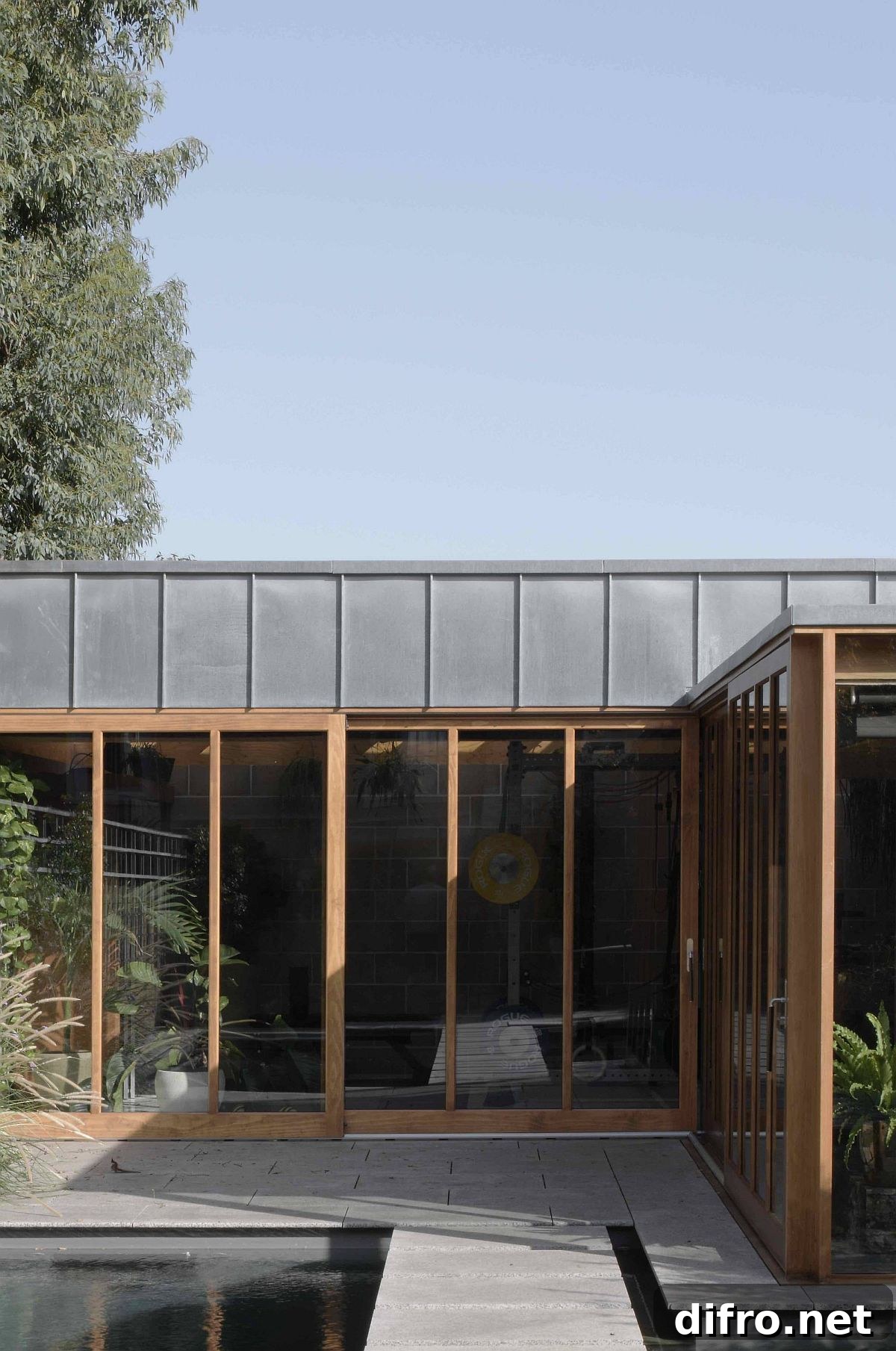
A commanding eucalyptus tree nearby provides generous shade and helps to anchor the garden room within its immediate landscape. Planting and water elements have been integrated so that they appear as a natural extension of the interior. The result is a calm retreat that remains connected to the seasonal rhythms of the garden, offering a cool, green aspect in summer and a framed view through changing light across the year.
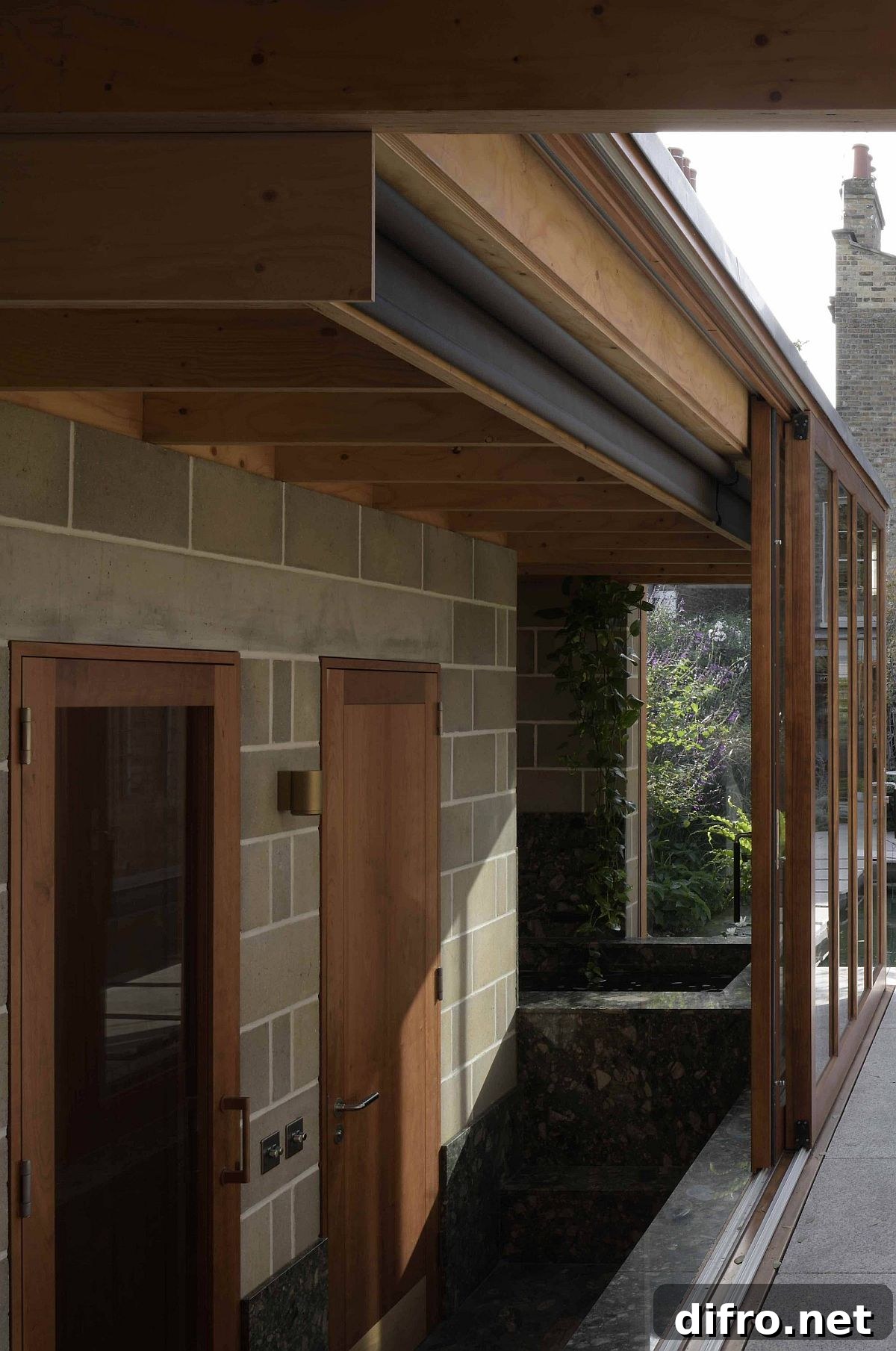
The engineered timber roof—constructed from a laminated veneer product—forms a clean, wide span that opens onto the main volume of the building and cantilevers over a smaller volume beside it. That structural clarity gives the garden room its sense of shelter and generosity while keeping the overall aesthetic understated. Exposed materials and honest detailing reinforce a restrained palette that feels both contemporary and sympathetic to the original, listed villa.
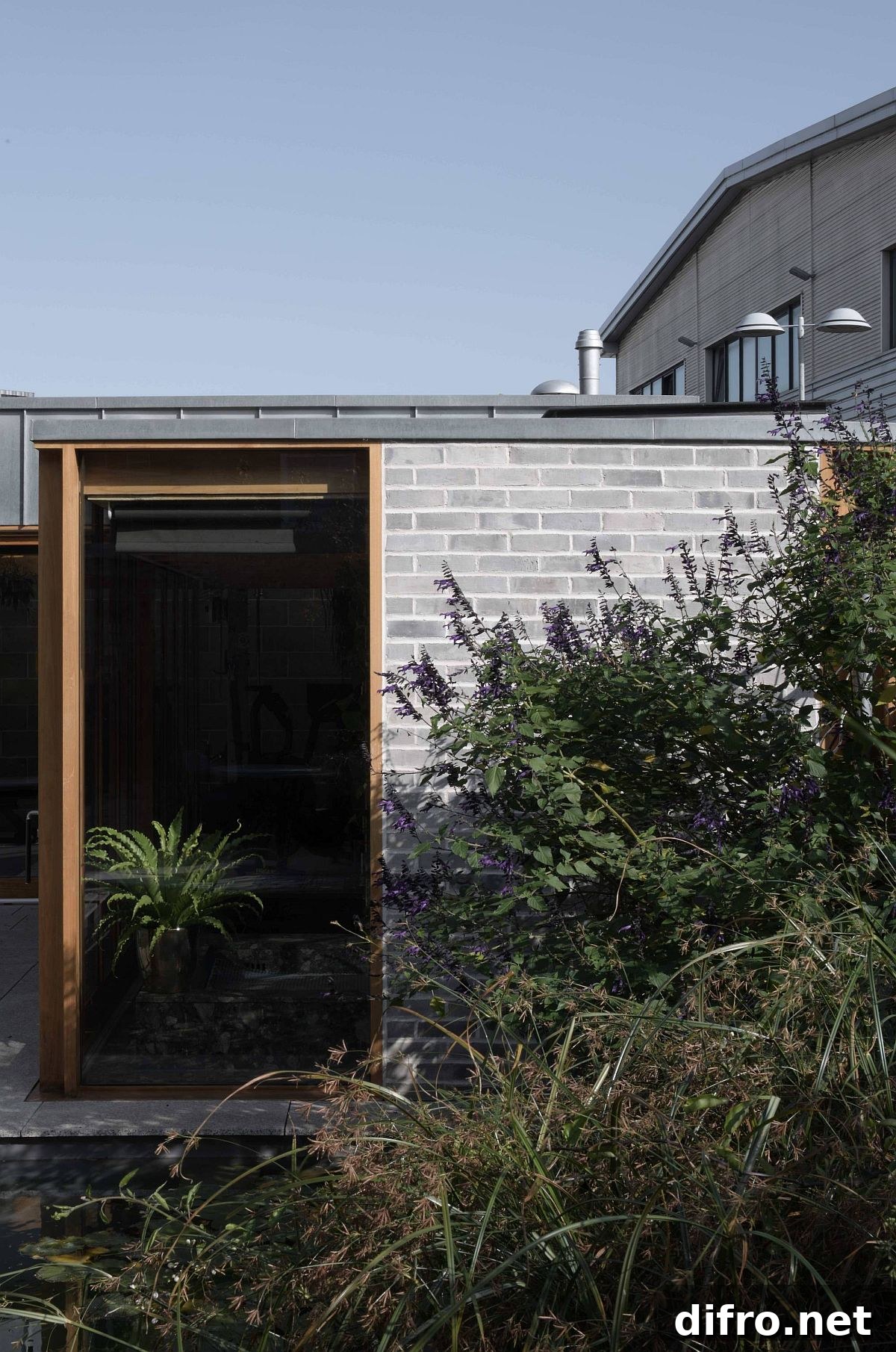
The overall approach is deliberately simple and modest. Instead of dramatic gestures, the design emphasizes how materials, daylight and landscape can combine to create a flexible, peaceful retreat that meets everyday needs. For homeowners seeking a multi-use garden extension—one that supports exercise, bathing, socializing and quiet time—the project demonstrates how careful detailing and a restrained material palette can deliver a sensitive addition to a listed property without overpowering the original architecture.
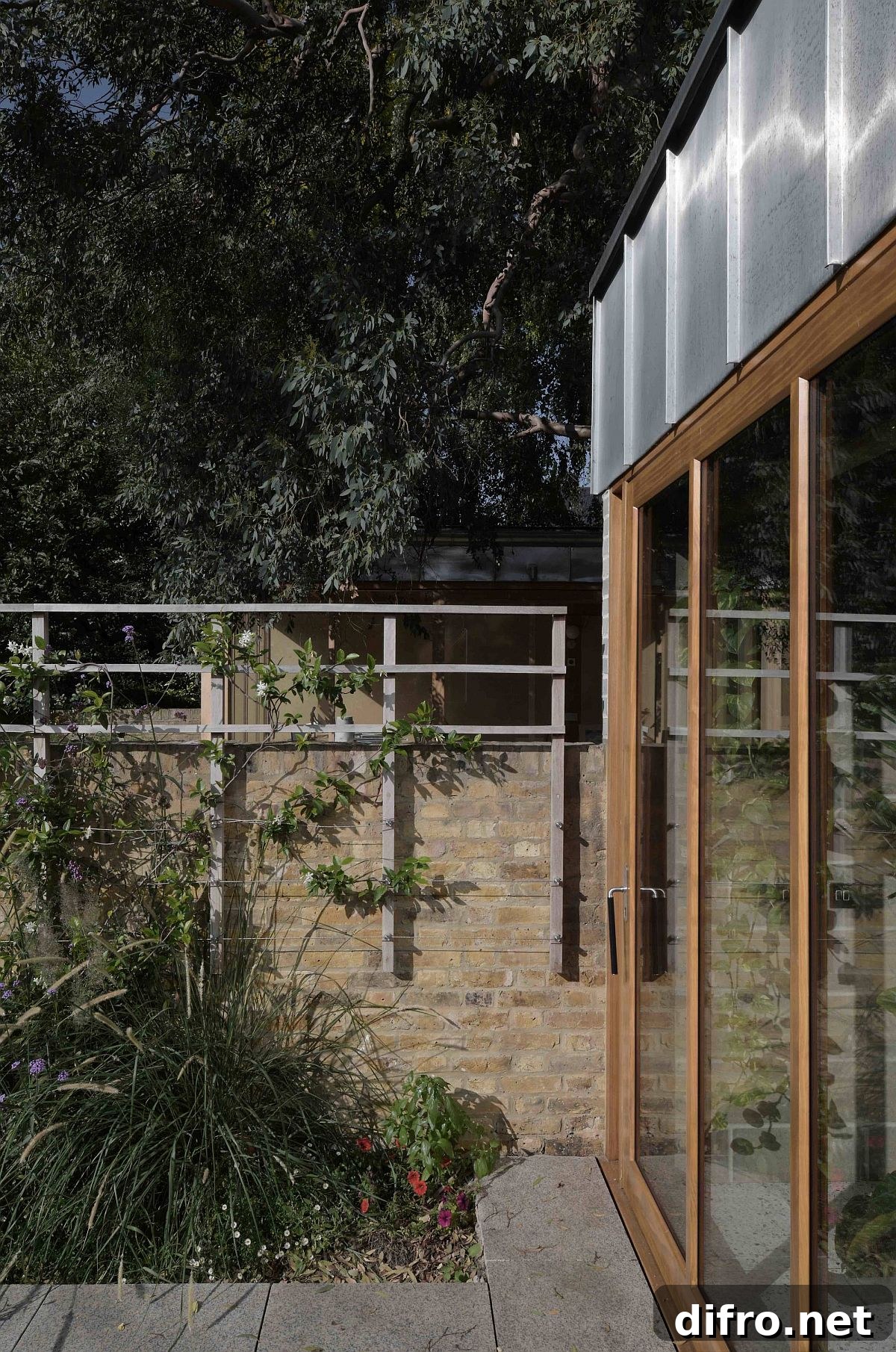
Photography: David Grandorge.