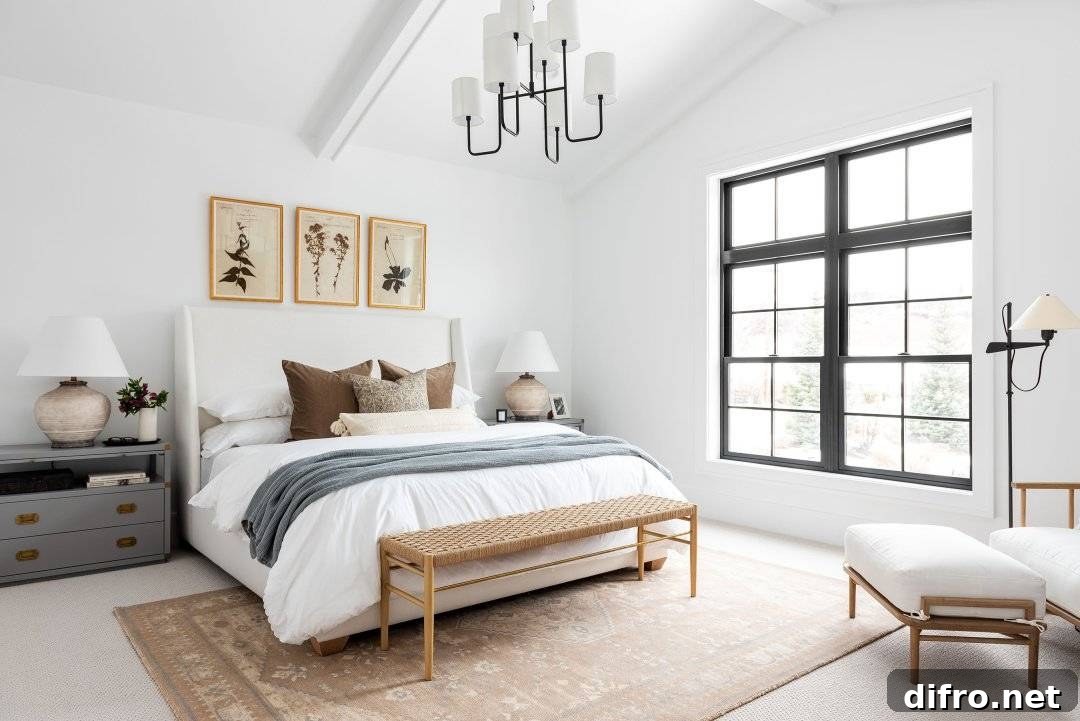
Your bedroom should be a retreat — a place to rest, recharge, and unwind. When the space around you is cluttered, it’s hard to relax. Visual noise and untidiness stimulate the brain and make it difficult to switch off. Decluttering your bedroom creates a calmer atmosphere that supports better sleep and a more restful mindset.
Below are practical, professional tips to help you declutter and organize your bedroom into a serene, sleep-friendly environment. These ideas focus on smart storage, simple habits, and design choices that keep your space tidy without a major renovation.
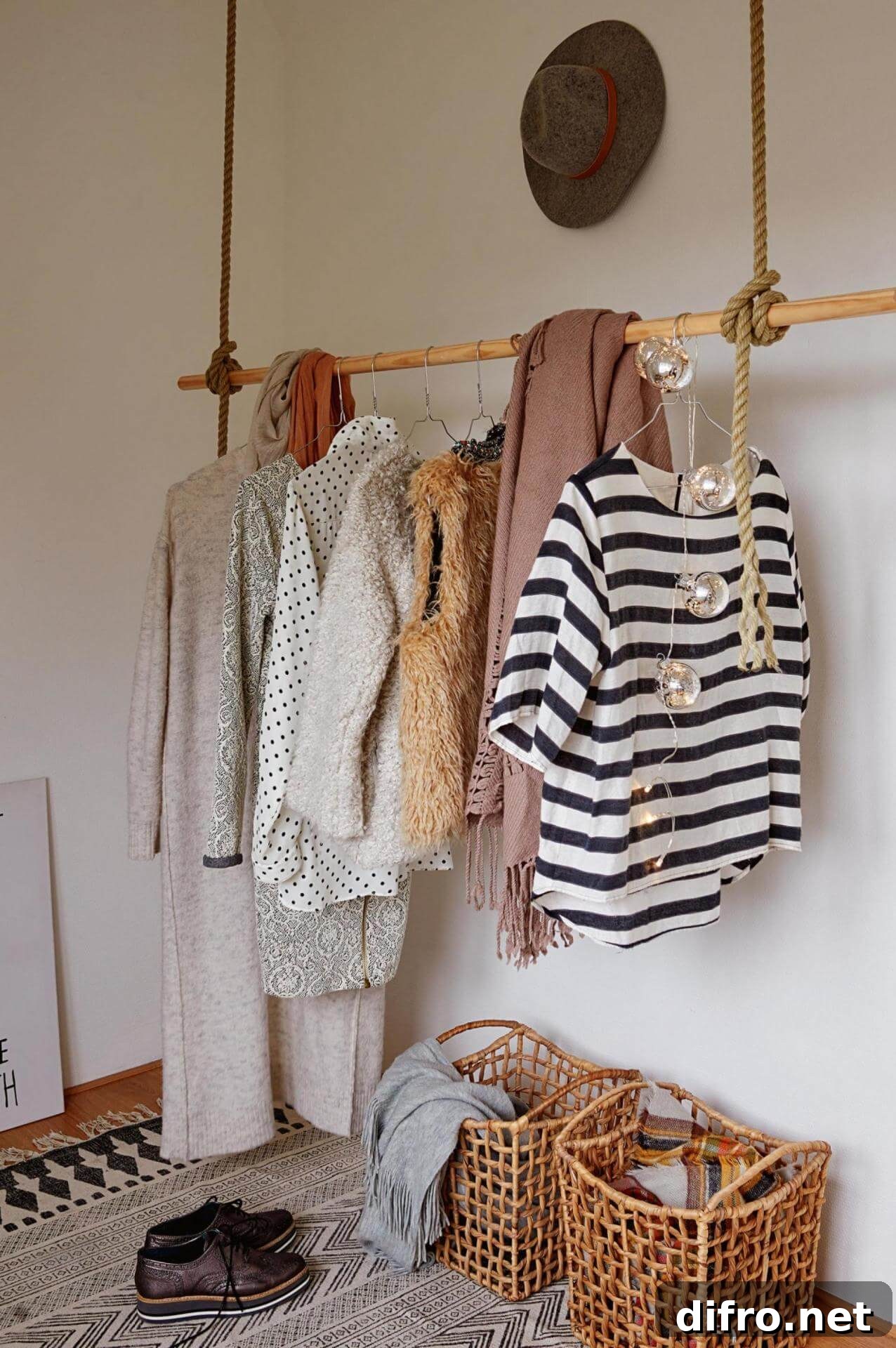
Get a clothing rail
We all have clothes that are worn once or twice and then left on chairs, stools, or the bed. Instead of letting those items form piles, use a clothing rail or valet stand to keep them off the floor and out of sight. A rail gives worn-but-not-dirty clothes a designated place and helps maintain a neater visual flow in the room.
Choose a compact rail that fits your space: a slim freestanding rail, a wall-mounted hook system, or a small garment rack at the foot of the bed. Use matching hangers and limit the number of items you leave out — for example, designate a maximum of five pieces on the rail at any time. Combine the rail with a laundry basket for truly worn items so clean and dirty clothing stay separated.
Double duty furniture
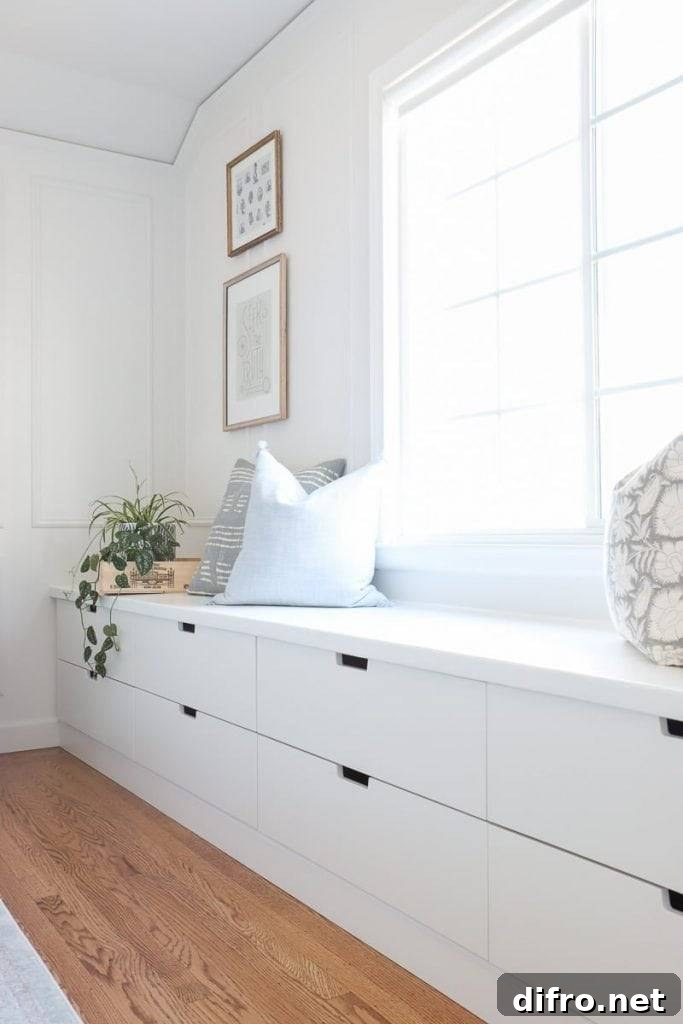
If storage is limited, invest in furniture that serves more than one purpose. Multifunctional pieces make the most of small bedrooms and keep surfaces clear.
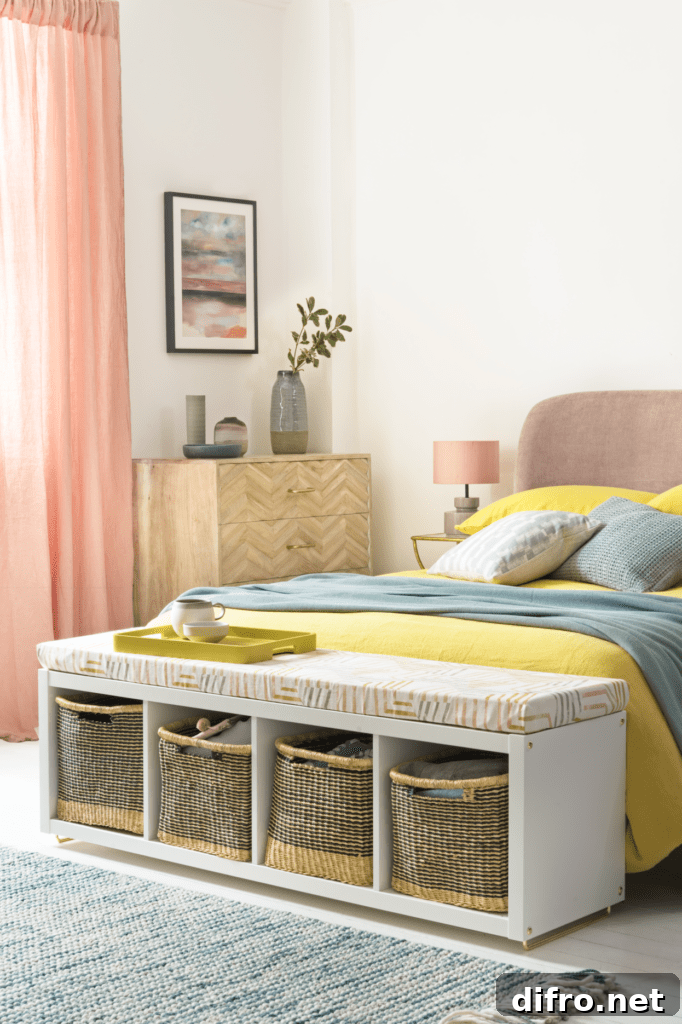
Consider a bench with internal storage at the end of the bed for extra bedding or seasonal items. A bed frame with built-in drawers is ideal for linens and clothing. Other options include ottomans with storage, nightstands with deep drawers, and window seats with hidden compartments. Always measure before purchasing and choose styles that complement your room so storage solutions become part of the décor rather than an afterthought.
Provide aesthetic storage
Everyday items like jewelry, watches, reading glasses, and chargers often end up scattered across the nightstand. Give these items a stylish, intentional home to reduce visual clutter.
Small trays or shallow dishes on the nightstand keep rings and watches organized and prevent misplacing essentials. For bulkier or less-attractive items, use concealed storage such as lidded baskets, woven bins, or decorative boxes to keep throws, spare pillows, or magazines out of sight but within reach.
Uniform storage containers create a cohesive look: choose materials and colors that match your room’s palette for a tidy, designed appearance. Add labels inside drawers or on the underside of lids to make maintenance easy and quick.

Embrace minimalism
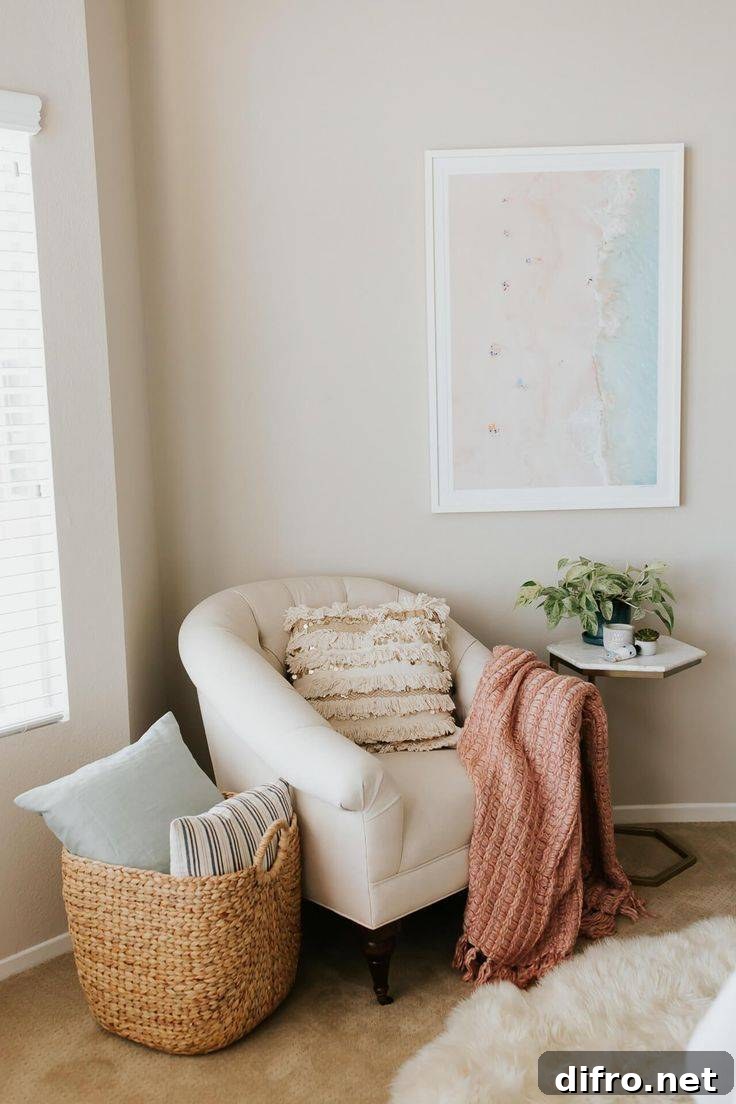
A crowded room feels smaller and creates visual tension. You don’t need to renovate to achieve a sense of space—adopting a minimalist approach can open up the room and calm the mind.
Start by removing items that don’t belong in the bedroom or don’t promote rest. Use a simple sorting method: keep, donate, or discard. Rotate seasonal items into storage and keep daily essentials within easy reach. Choose a restrained color palette, limit busy patterns, and store or remove devices that disrupt sleep, such as televisions or work-related materials.
Minimalism doesn’t mean empty — it means intentional. Keep surfaces clear, maintain a few meaningful pieces, and let negative space do some of the visual work for you.
Limit decorative items
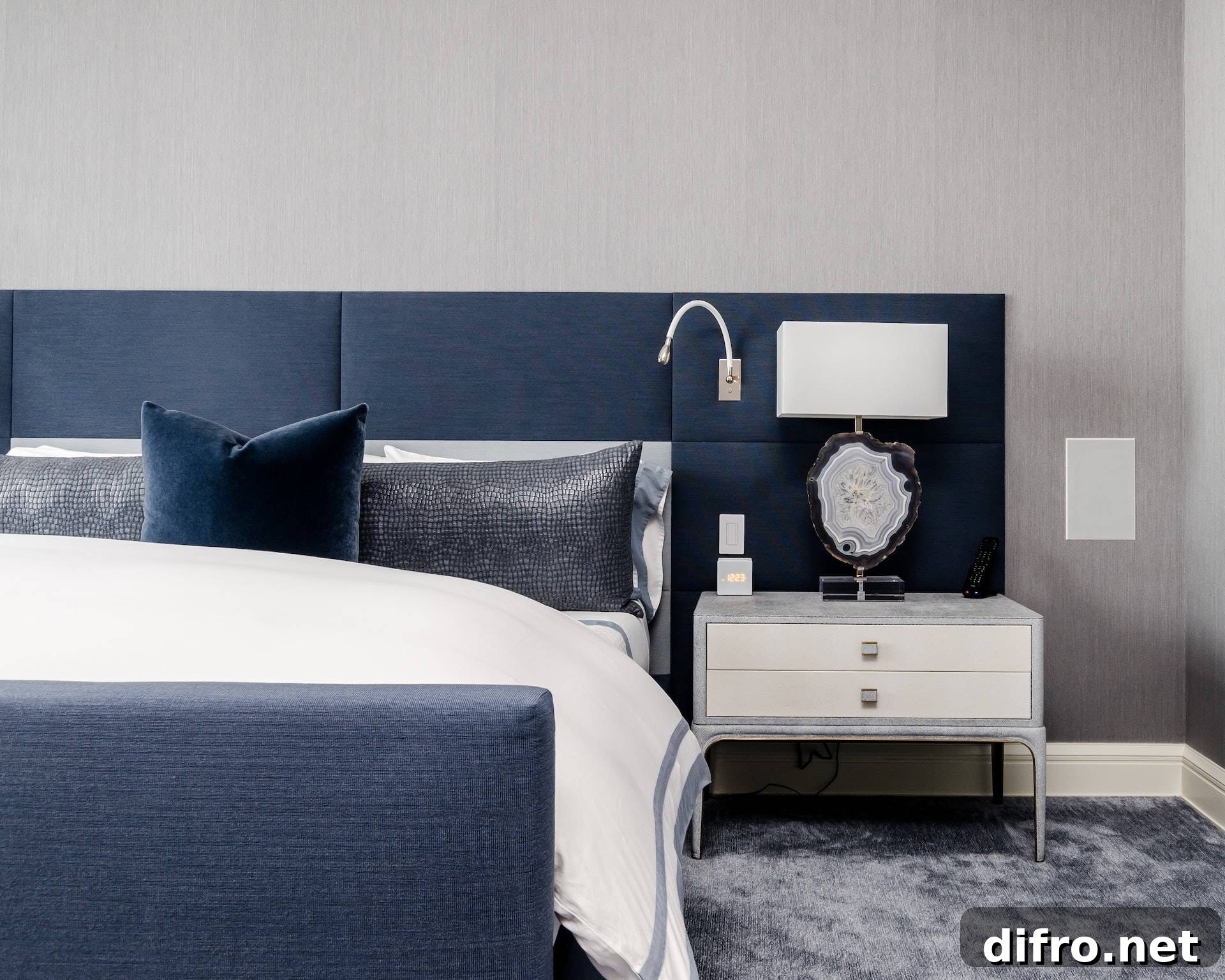
Decor gives personality, but too many small items create clutter. Limit decorations to two or three larger, well-chosen pieces rather than a scatter of small objects. Larger elements—such as a single painting, a sculptural lamp, or a potted plant—provide visual interest without overwhelming the space.
When selecting decor, prioritize pieces that bring calm or meaning. Avoid overcrowding horizontal surfaces and use vertical space for art or shelving to keep floors and tabletops clear.
Take small steps
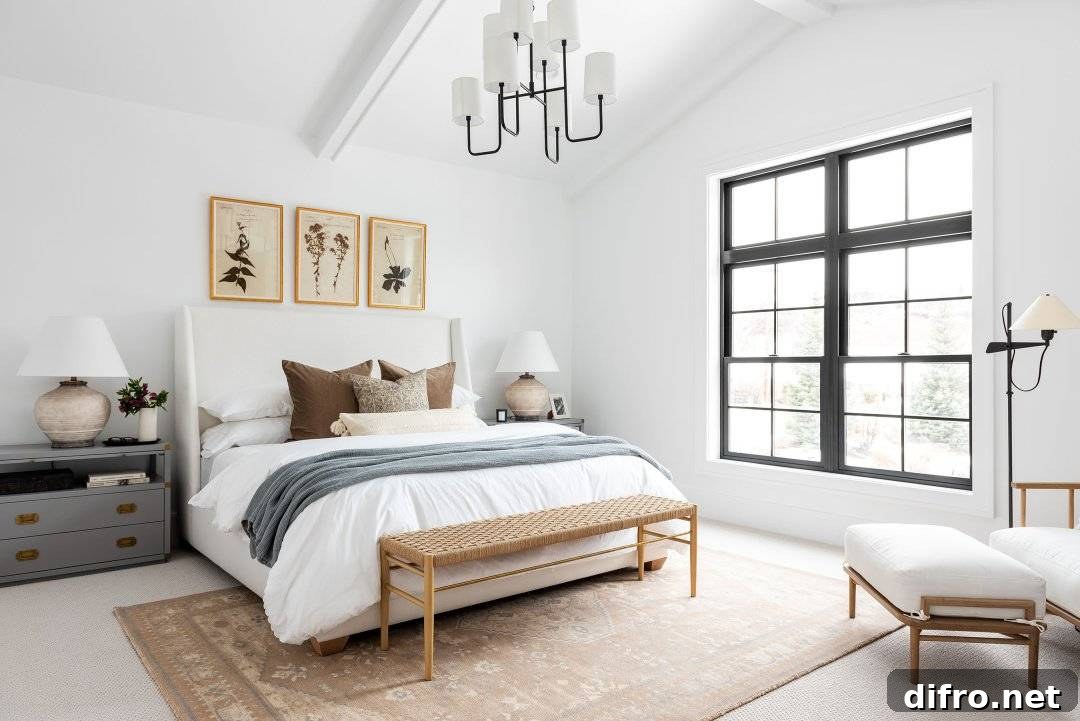
Decluttering an entire bedroom at once can feel overwhelming. Break the project into manageable tasks and build sustainable habits.
Start with a single surface: the nightstand, the top of the dresser, or one drawer. Set a timer for 20–30 minutes and sort items quickly into keep, donate, or discard piles. Tackle the closet or under-bed storage another day. Maintain progress with a simple routine: make the bed each morning, put clothes away immediately, and spend five minutes each evening returning items to their homes.
Create a monthly or seasonal declutter schedule: once a month check the nightstand and vanity, quarterly rotate seasonal clothing, and annually review items to donate. Small, consistent actions prevent clutter from building back up and keep your bedroom calm and inviting.

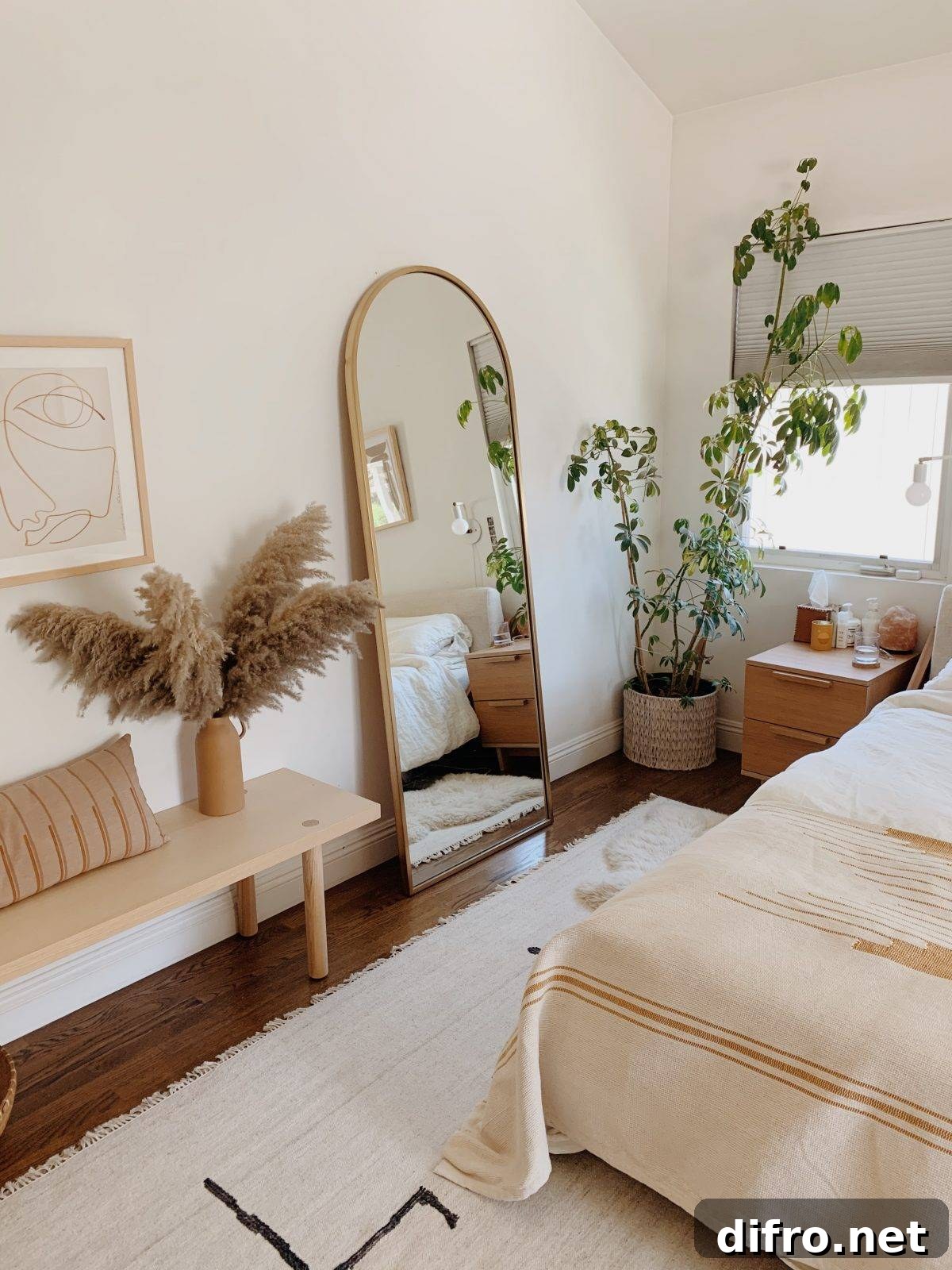
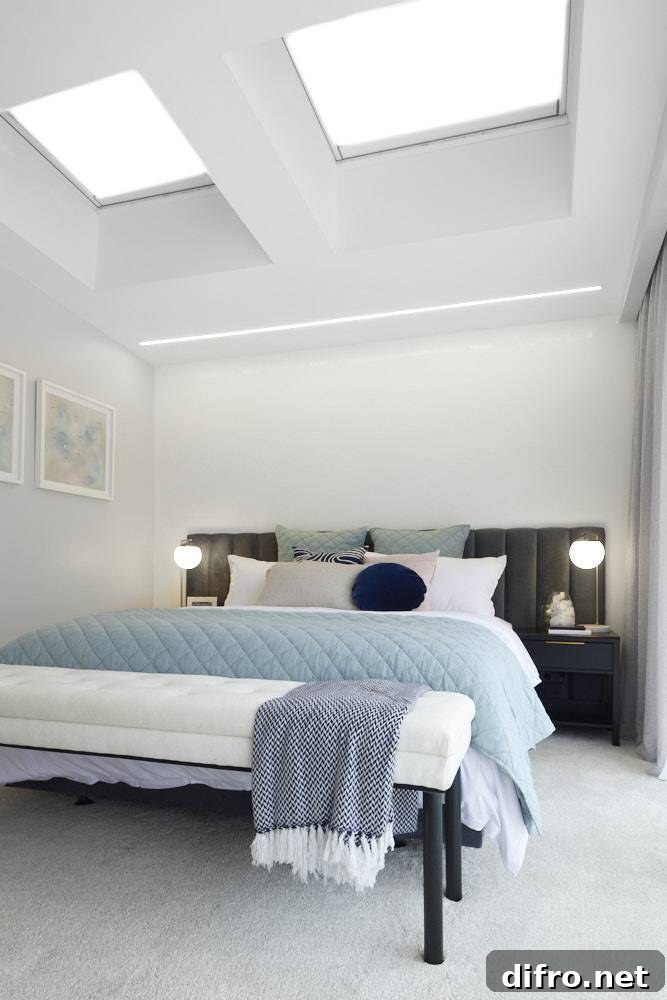
A decluttered bedroom leads to clearer mornings, fewer distractions, and a more restorative night’s sleep. Focus on storage that suits your habits, adopt small daily routines, and deliberately choose the items that remain. Over time, these simple changes create a calming bedroom that supports rest and wellbeing.