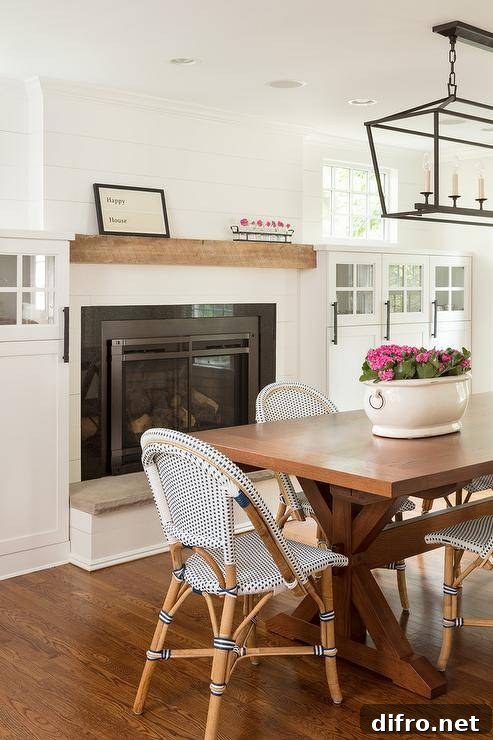
The Shaker style is a distinctive design tradition rooted in simplicity, functionality, and high-quality craftsmanship. For centuries, Shaker design has influenced furniture, cabinetry, and home architecture with its clean lines, restrained ornamentation, and emphasis on natural materials. Today it remains a popular choice for modern interiors because it blends timeless elegance with practical living.
Shaker design is versatile and enduring, making it an excellent choice for anyone seeking a calm, well-ordered aesthetic in homes, kitchens, or commercial spaces.
History of Shaker Style Homes
Shaker-style homes developed in the late 18th century under the care of the United Society of Believers in Christ’s Second Appearing, commonly known as the Shakers. Their built environment reflected religious ideals of modesty, utility, and community, resulting in houses and furnishings stripped of excess decoration and focused on function.
Traditional Shaker residences used natural materials such as wood and stone, and emphasized simple geometric shapes, symmetrical facades, and efficient room layouts. Typical interiors were organized around essential living spaces—kitchen, dining, sleeping, and a communal or family room—often featuring built-in cabinetry and multipurpose furniture.
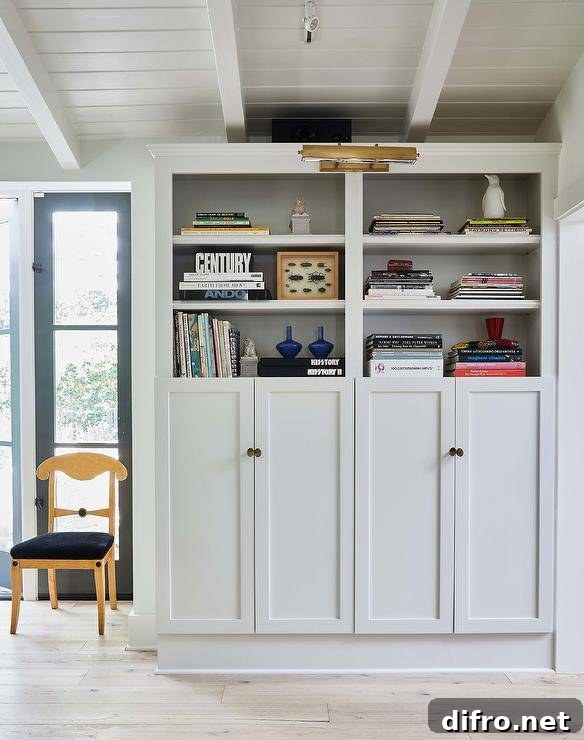
Shaker furniture is typically wooden, rectilinear, and purposeful—pieces like dining tables, storage chests, benches, and simple chairs illustrate the style’s restraint. Although Shaker communities were concentrated in the United States, their aesthetic has found an international audience, appreciated for its timeless proportion and unpretentious beauty.
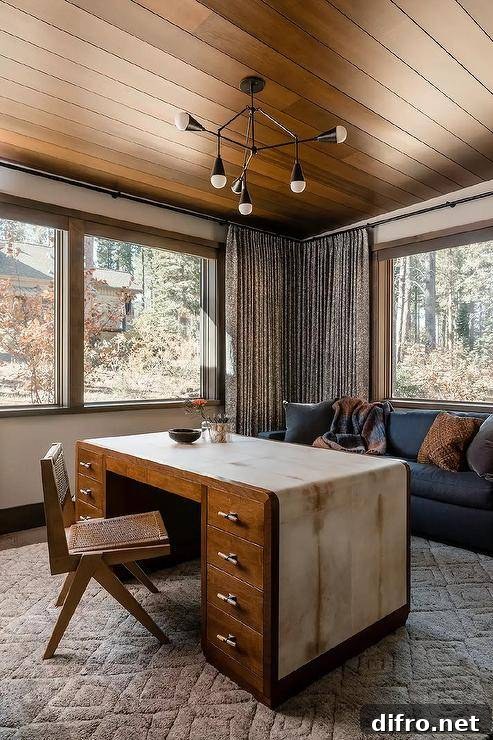
Over time the Shaker aesthetic has adapted to contemporary needs. Modern Shaker interpretations commonly include larger windows, more open floor plans, higher ceilings, and modern building systems for improved energy efficiency. Yet these updates are typically executed in ways that honor the original Shaker values: well-made materials, simple silhouettes, and thoughtfully organized spaces.
Key Elements of Shaker Design
The hallmarks of Shaker design are simplicity, utility, and honest craftsmanship. Common attributes include:
- Clean, straight lines and minimal ornamentation.
- Functional floor plans with efficient circulation and built-in storage.
- Natural materials—solid wood floors and cabinetry are central features.
- Windows often arranged in orderly rows to bring balanced natural light.
- Paneled doors with raised or recessed borders and straightforward hardware.
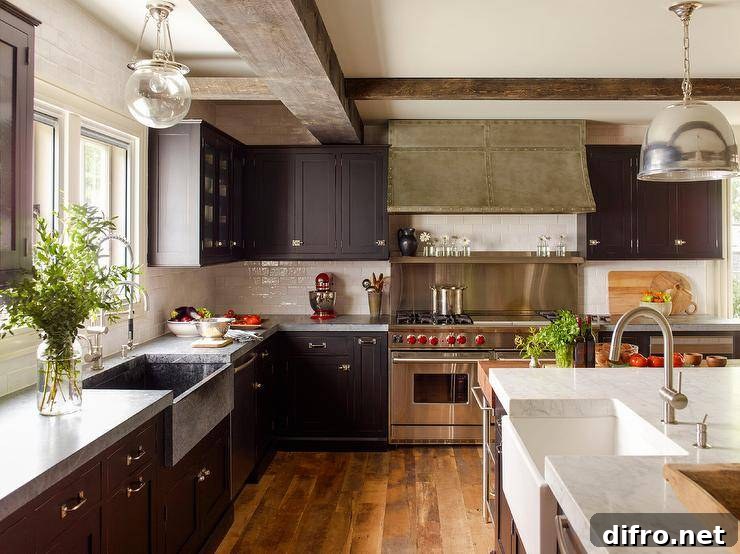
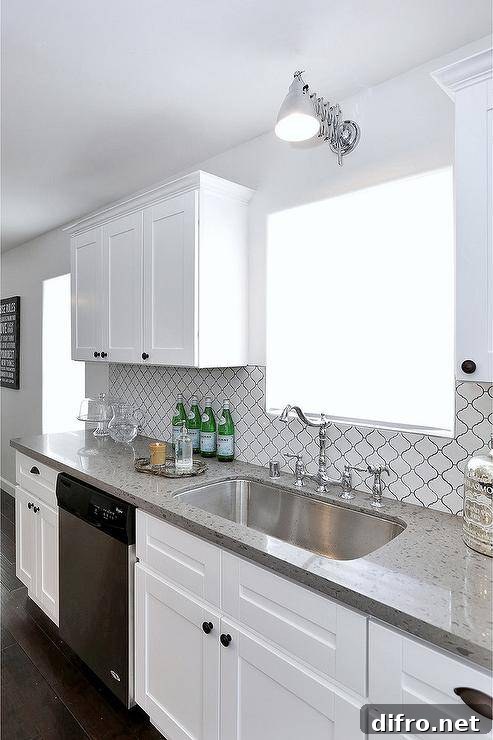
Functionality is emphasized throughout Shaker interiors: built-in cabinetry, multipurpose furniture, and uncluttered surfaces support everyday living while preserving a calm, cohesive look.
Furniture
Shaker furniture is defined by straightforward forms, tapered or straight legs, and a focus on durability. Typical pieces include dining tables, benches, chairs, chests, settees, desks, and bookcases. Common chair types found in Shaker interiors include Windsor and ladderback styles, and blanket chests are a frequent storage solution.
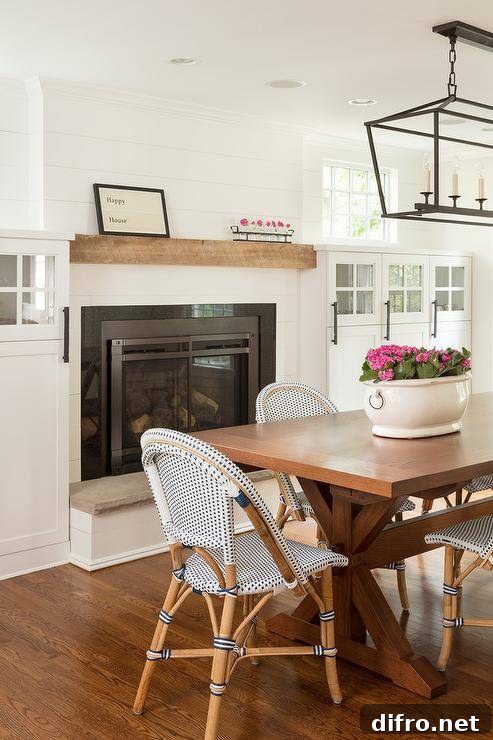
- Dining Table – Rectangular, often with tapered legs and room for communal dining.
- Rocker – Simple rocking chairs with comfortable proportions.
- Wardrobe – Tall storage pieces with plain doors and practical shelving.
- Sideboard – Low storage units for linens and serving items.
- Coffee Table – Rectangular and understated with clean lines.
- Bookcase – Functional shelving for books and display.
- Settee – A modest upholstered seating piece with wooden frame.
- Desk – Simple writing desks with a single drawer.
- Benches – Long, low seating that doubles as storage in some cases.
Windows and Doors
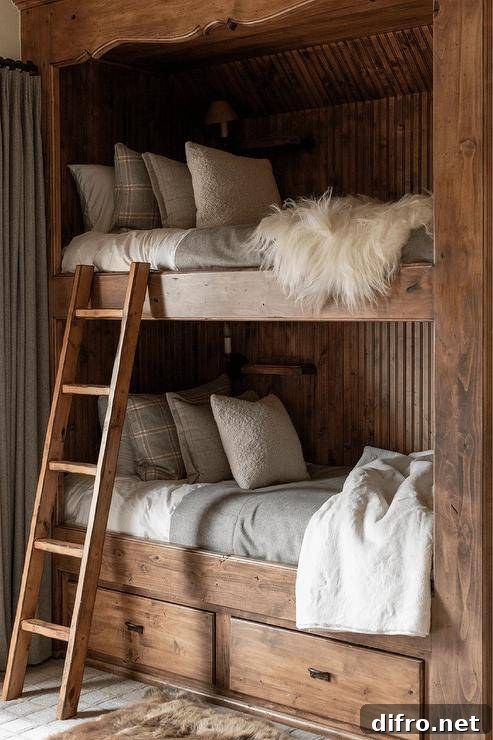
Windows in Shaker-style homes are usually tall and narrow with modest frames and multiple panes in the upper sash. Frames are commonly painted in neutral tones to maintain the overall simplicity. Doors follow the same restrained aesthetic: flat panels with recessed or raised borders and minimal hardware.
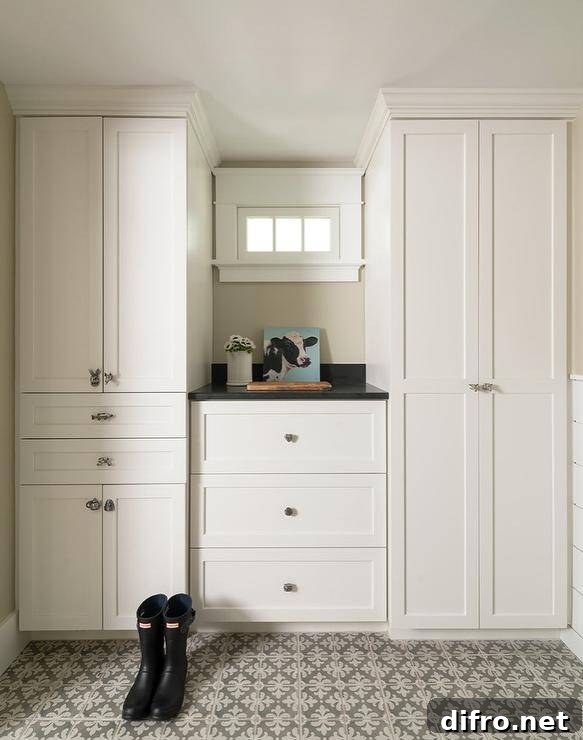
Tips for Incorporating Shaker Style
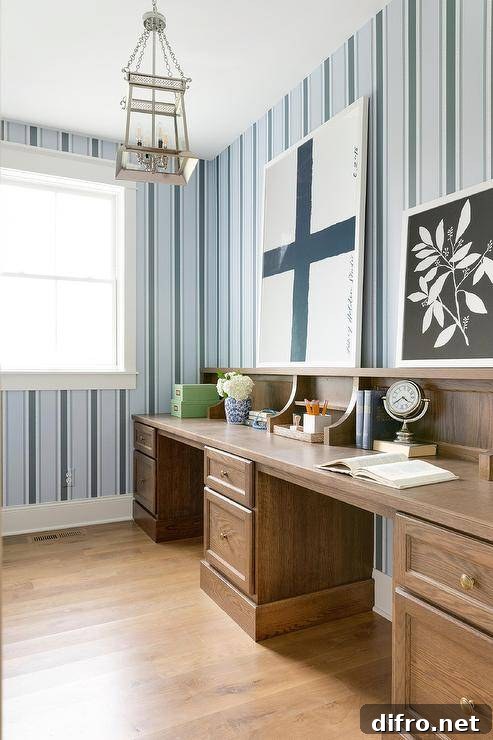
- Choose furniture with straight, clean lines and minimal decoration to honor the Shaker ethos.
- Mix light and dark wood tones to create depth while keeping finishes natural and matte.
- Prioritize storage: built-ins, drawers, and multipurpose furniture keep spaces tidy and functional.
- Introduce natural textures—jute rugs, woven baskets, and pottery add warmth without clutter.
- Blend modern and traditional elements carefully—pair contemporary lighting with classic shaker cabinetry.
- Use subtle hardware finishes like brass or oil-rubbed bronze for restrained accents.
- Add personal artwork or family photos to give Shaker rooms a lived-in, meaningful feel.
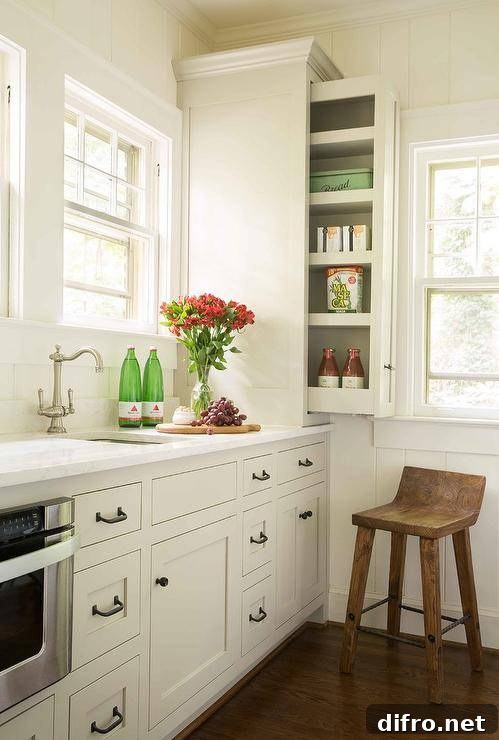
The Difference Between Shaker and Craftsman Styles
Shaker and Craftsman styles both value quality and natural materials, but they diverge in emphasis. Shaker design focuses on minimalism, utility, and unadorned surfaces—forms are simple and details restrained. Craftsman (also called Mission) celebrates visible joinery, handcrafted detail, and heavier proportions, often showcasing wood grain and artisanal touches.
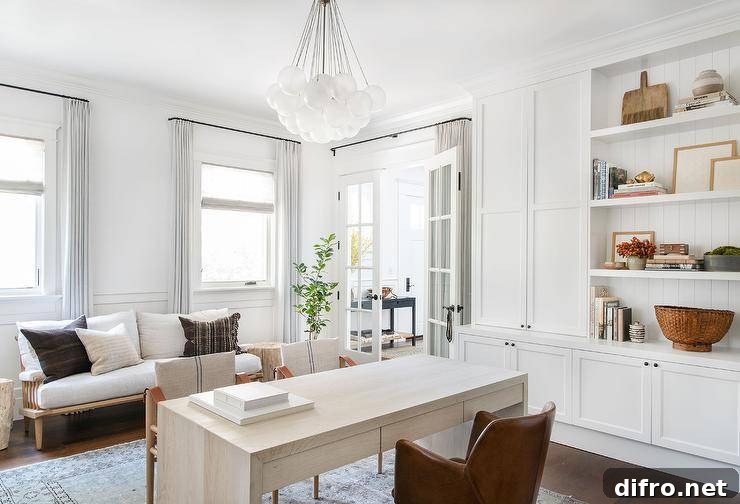
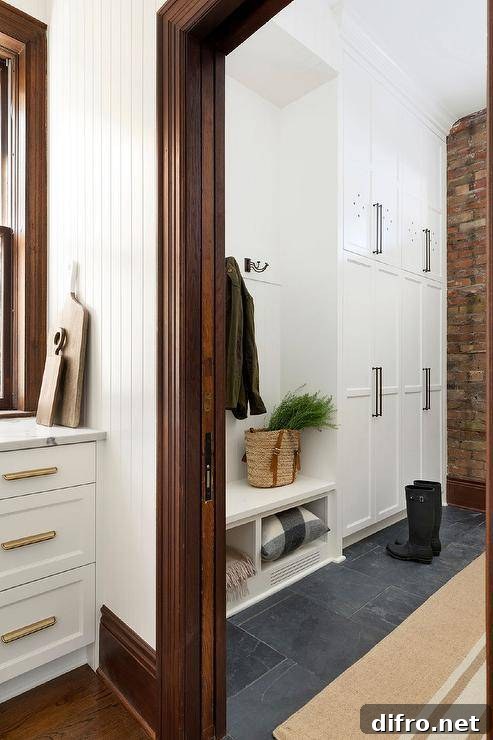
Frequently Asked Questions (FAQs)
What is a Shaker style exterior?
A Shaker exterior emphasizes simple geometry, balanced proportions, and minimal ornamentation. Rooflines and window placements are straightforward, and cladding materials—wood or painted siding—are chosen for durability and a timeless look.
What are the essential elements of Shaker style?
Key elements include clean lines, tapered or straight legs on furniture, flat-panel doors, simple hardware, and a restrained color palette. Materials are typically natural and finished to highlight their inherent qualities rather than to ornament them.
What materials are commonly used for Shaker furniture?
Shaker furniture commonly uses solid woods such as maple, oak, and pine, finished with stains, oils, or paints that reveal rather than obscure the grain. The focus is on durable, well-crafted construction.
How can I incorporate Shaker design into my home?
Start with a few key pieces—a simple dining table, shaker-style cabinets in the kitchen, or built-in shelving—and keep the palette neutral. Add natural textiles and practical storage. Blend a few modern elements for comfort while preserving the Shaker commitment to order and function.