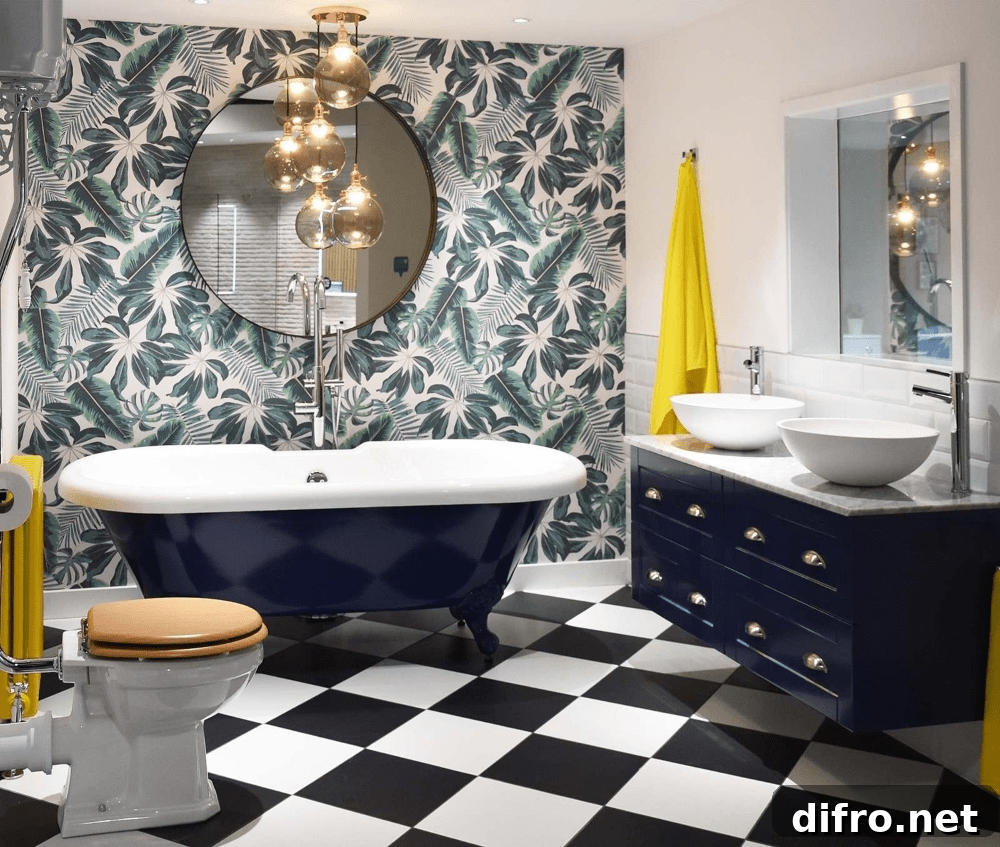
When choosing a new bathroom floor, start by assessing your style preferences, budget, and daily routines. The right flooring needs to balance looks, durability, moisture resistance, and maintenance. For many homeowners, porcelain and ceramic tiles are top contenders thanks to their water resistance and wide range of finishes, but other materials can be just as suitable depending on your needs.
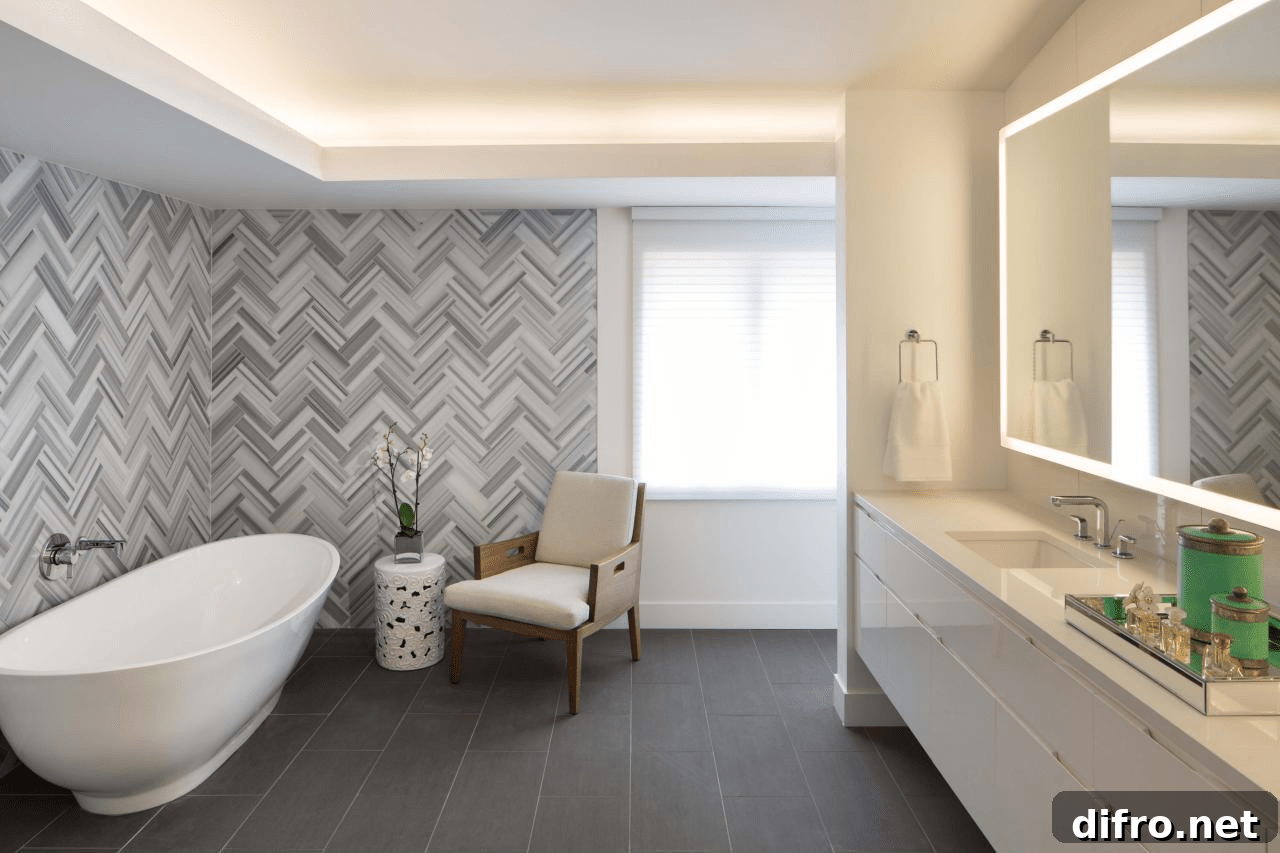
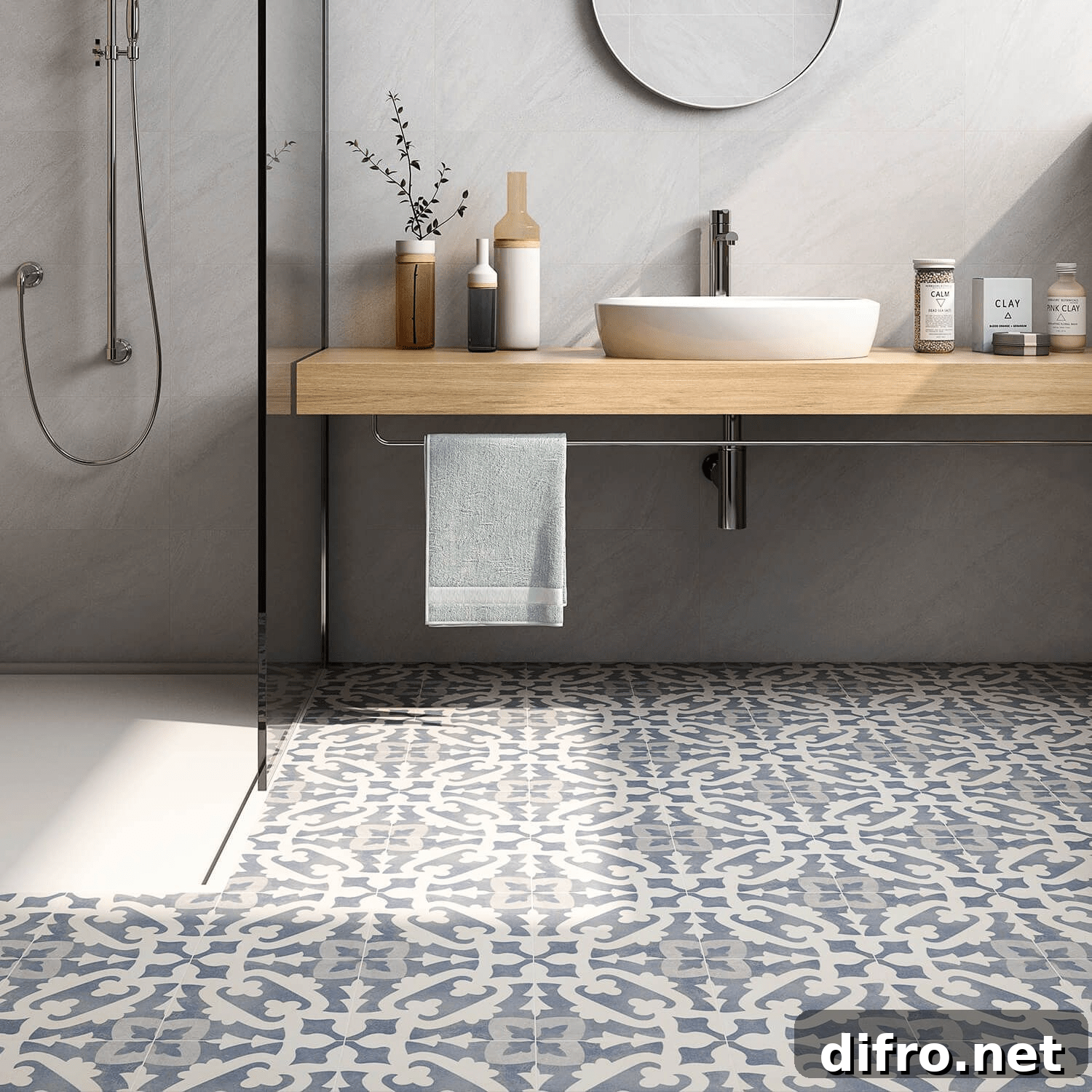
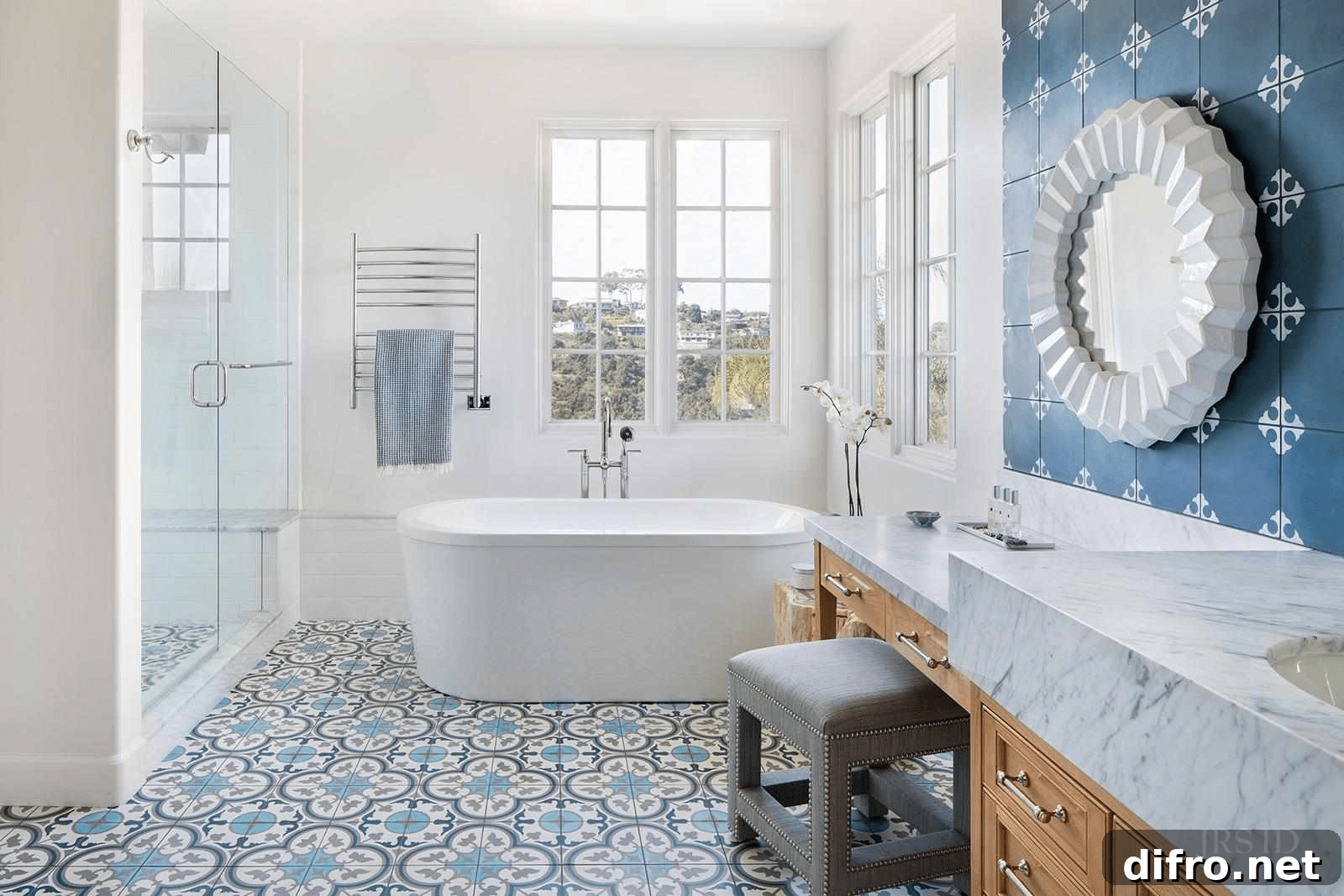
Best Flooring For Small And Large Bathrooms
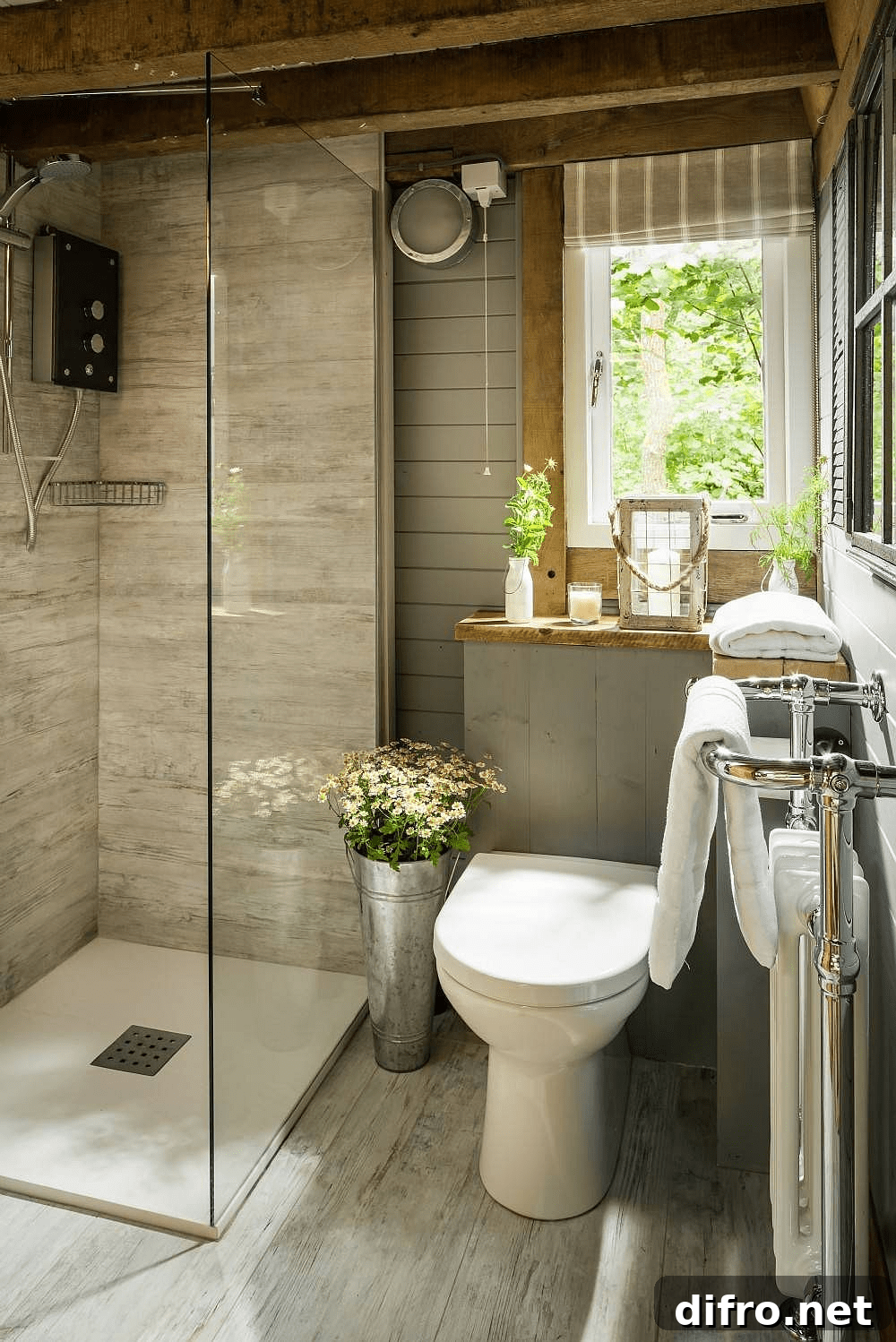
Both small and large bathrooms can look and function beautifully when you choose flooring that suits the room’s proportions and your lifestyle. The same material can behave differently depending on tile size, pattern, and installation layout, so plan with care.
Small Bathrooms
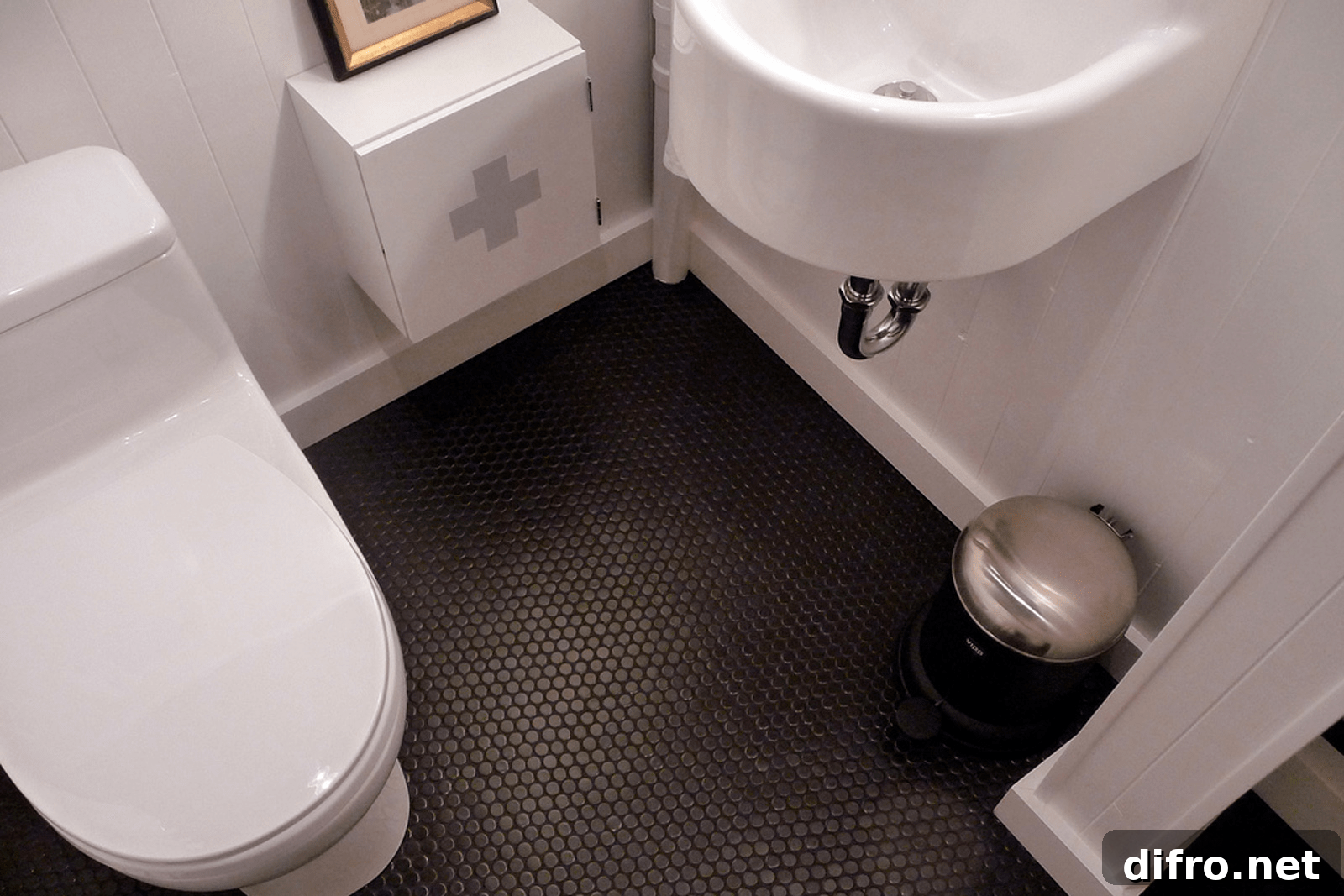
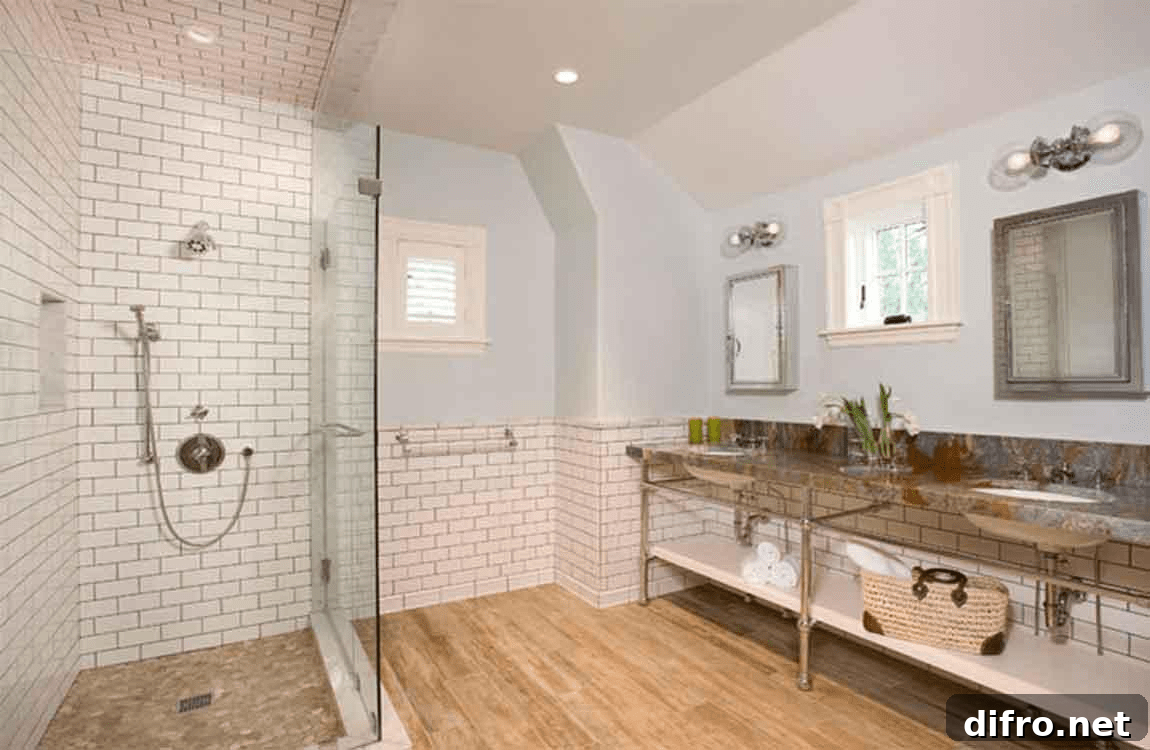
In a compact bathroom, maximizing the feeling of space is important. Avoid tiny tiles, overly busy patterns, or too many contrasting grout lines that can make the room feel cluttered. Instead, consider larger format tiles or planks laid in a continuous pattern to visually expand the floor area. Light, neutral tones often help, but texture and subtle patterns can add character without overwhelming the room.
Good flooring options for small bathrooms include:
- Cork tile — naturally warm and comfortable underfoot, with moderate water resistance when sealed.
- Luxury vinyl tile (LVT) — waterproof, budget-friendly, and available in many looks that mimic wood or stone.
- Natural stone tile — elegant and durable when properly sealed, best for moderate-to-large small bathrooms where cost and maintenance are acceptable.
- Laminate flooring — can mimic wood or tile, but choose products rated for bathrooms and be diligent about moisture control.
- Porcelain tile — very durable and water-resistant, available in large formats that reduce grout lines.
- Ceramic tile — cost-effective and water-resistant; choose larger tiles and a complementary grout color for a clean look.
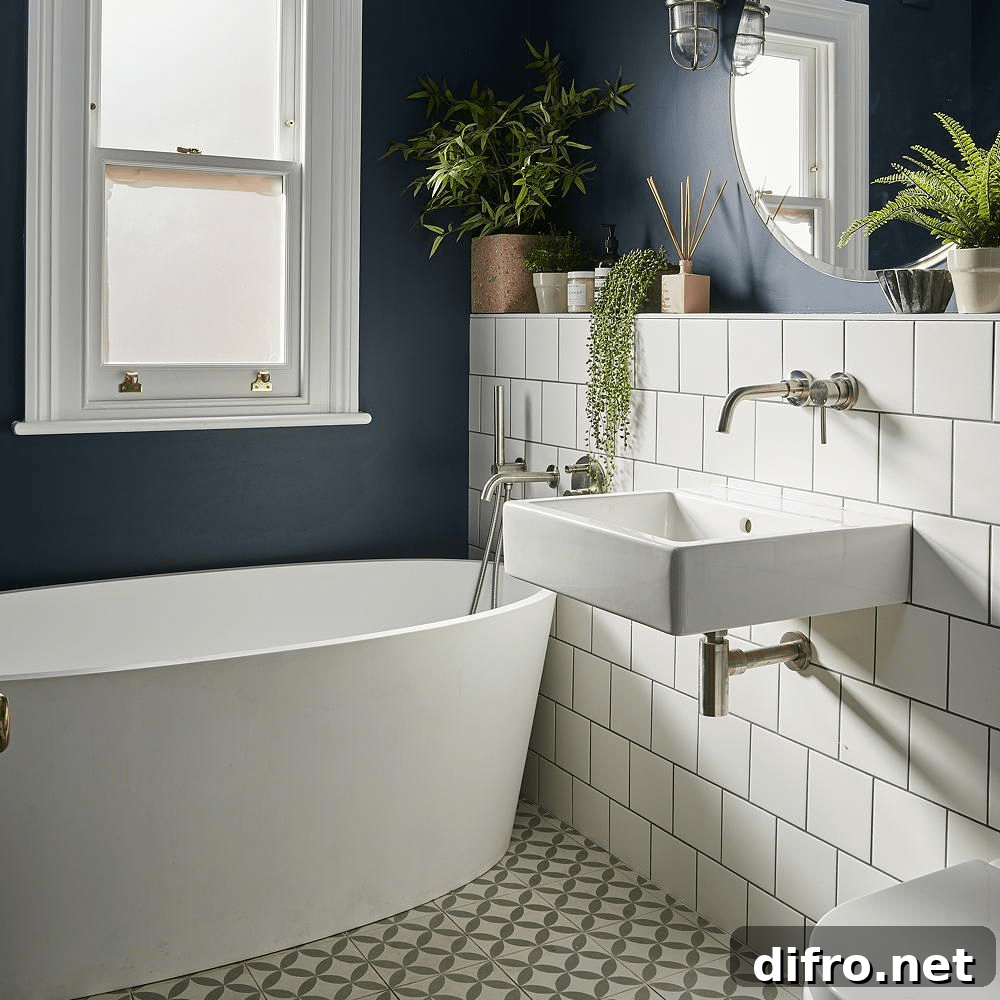
Large Bathrooms
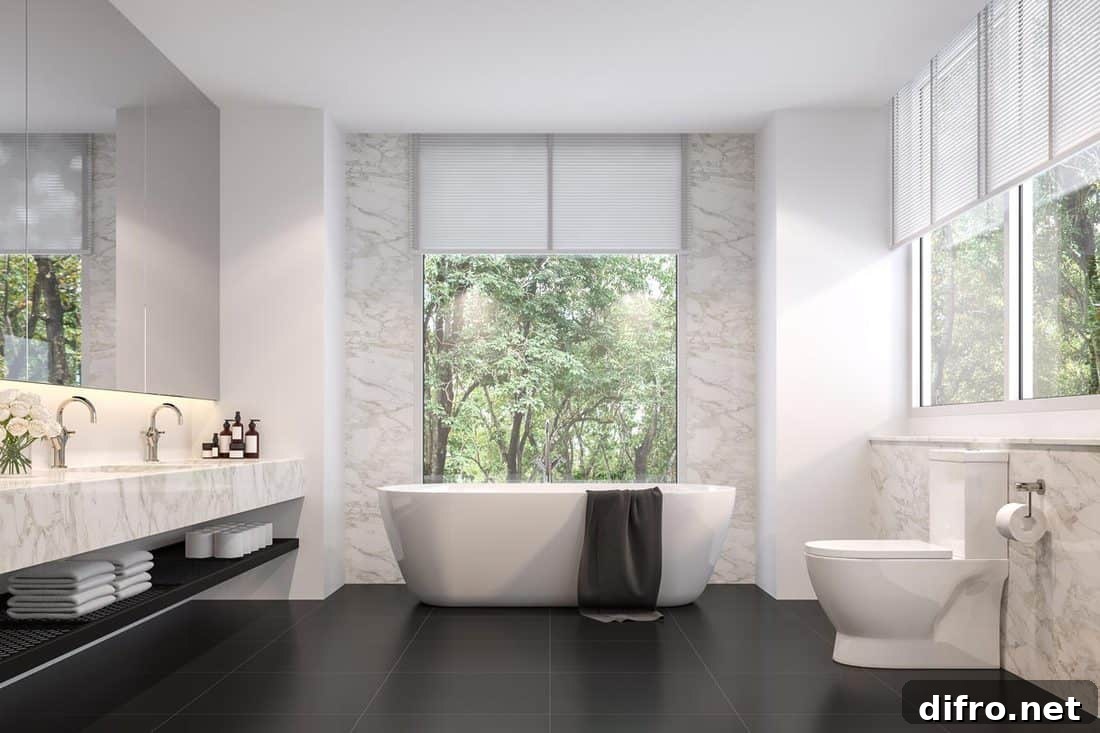
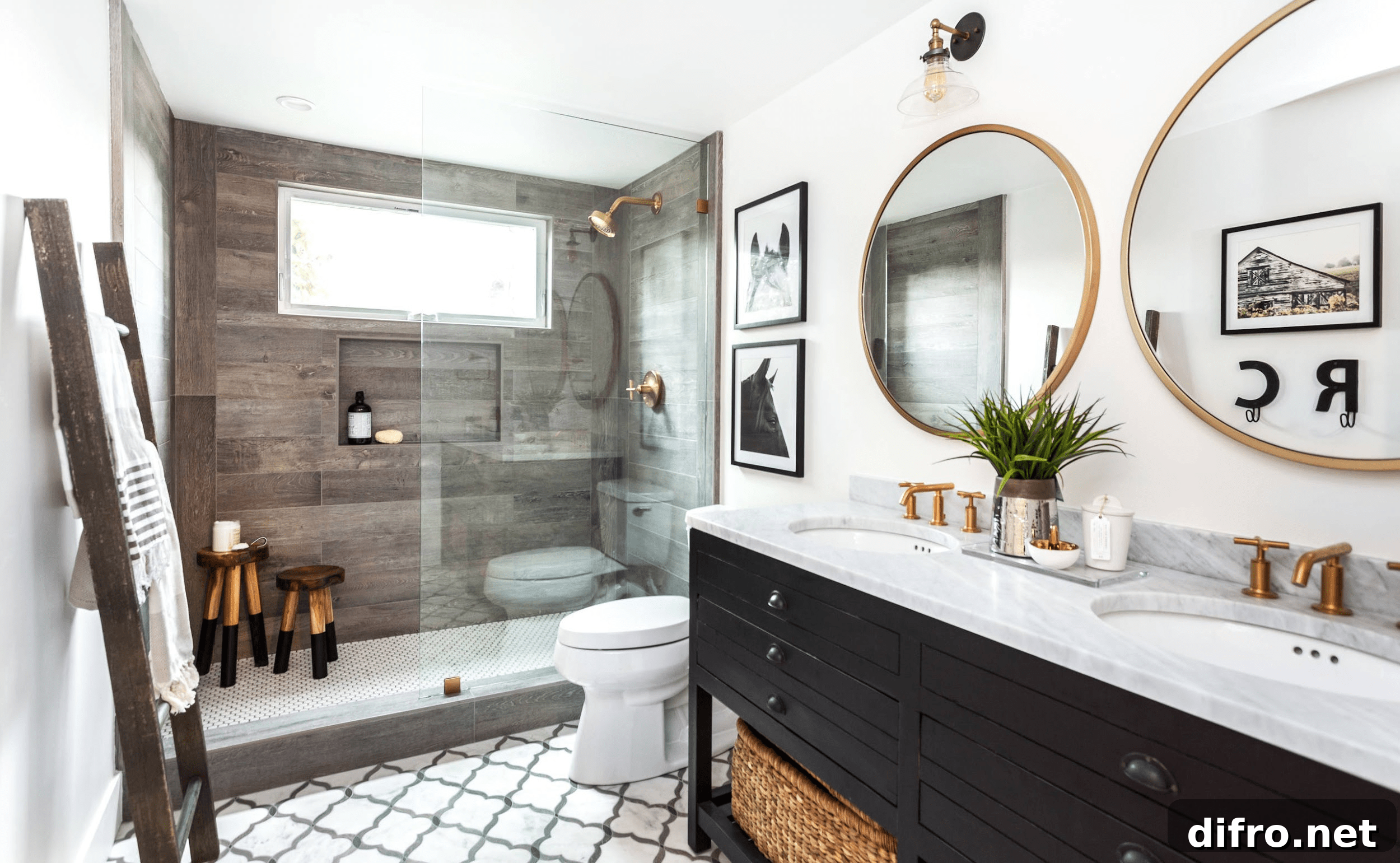
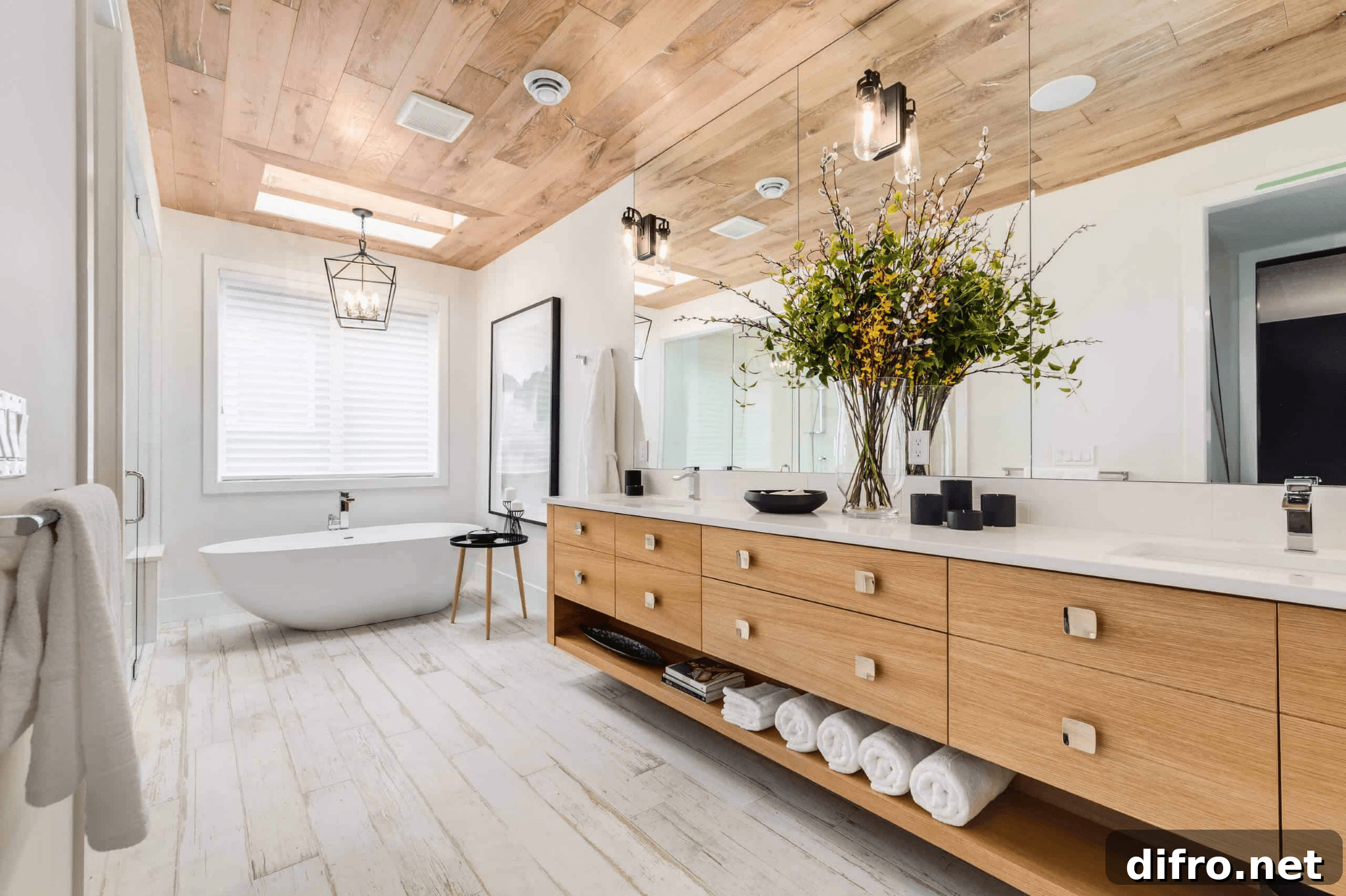
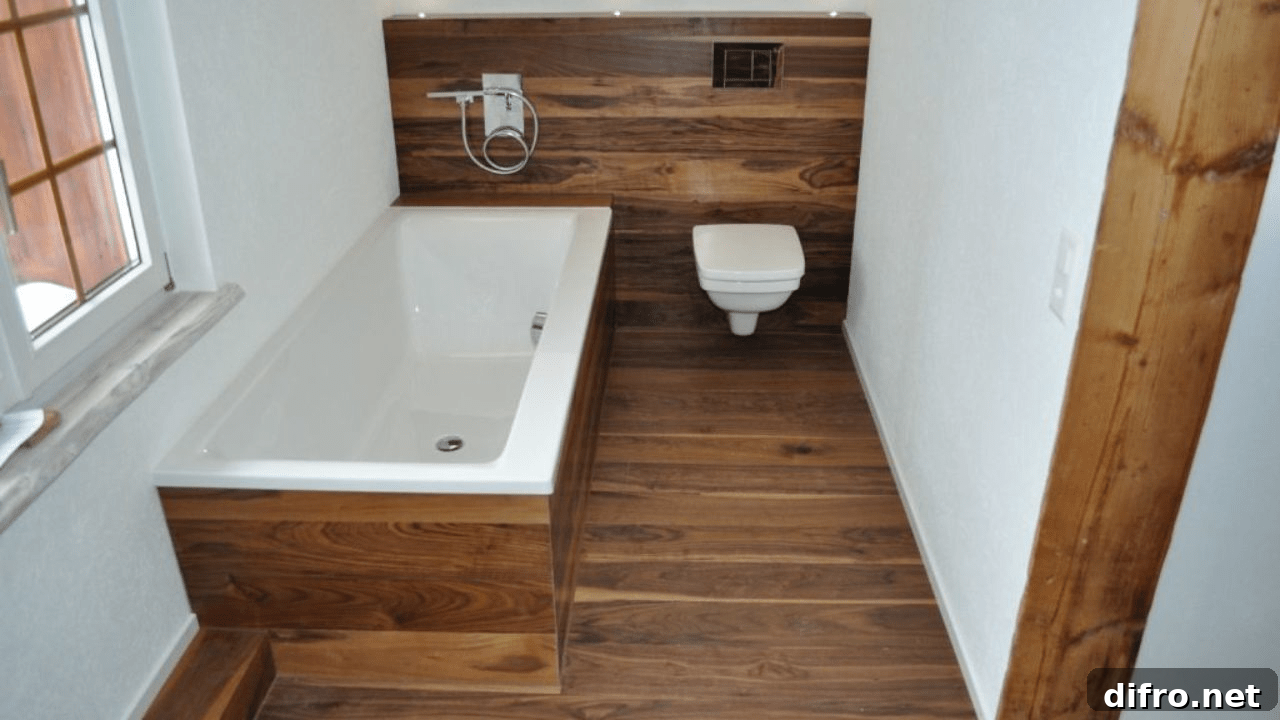
In a large bathroom you have more freedom to experiment. Big spaces allow bolder patterns, feature floors, or mixed materials. Decide first on the overall design direction—minimal and spa-like, bold and dramatic, or warm and rustic—then select flooring that supports that vision. Consider using floor patterns as a focal point or continuing the floor material up a wet wall to create a cohesive look.
Recommended flooring for larger bathrooms includes:
- Natural stone tiles — marble, slate, or travertine provide upscale durability and a distinct aesthetic when sealed and maintained properly.
- Waterproof vinyl flooring — practical, comfortable underfoot, and available in wide planks and realistic finishes.
- Stained or polished concrete — modern, durable, and seamless for an industrial or contemporary look.
- Ceramic or porcelain tiles — versatile in size and finish, suitable for creating patterns or clean, monolithic floors.
Common Mistakes When Flooring A Bathroom
Installing bathroom flooring requires attention to moisture management, proper subfloor preparation, and correct installation methods. Common costly mistakes include using poor-quality materials, skipping a waterproofing layer, or neglecting the underlayment. Those missteps can lead to mold, warping, or early failure. If you lack experience, hiring a qualified professional is often the safest approach.
Avoid these common DIY errors:
- Laying tile directly over existing tile without verifying the stability of the old substrate.
- Installing standard hardwood in a wet bathroom area without appropriate sealing or engineered alternatives.
- Skipping proper waterproofing for wet-room areas and around shower bases.
- Failing to inspect or repair the underlayment before installing new flooring.
- Not preparing the floor correctly for tile, including leveling and using the correct adhesive and grout.
Pros And Cons Of Different Bathroom Flooring Materials
Tiles
Pros
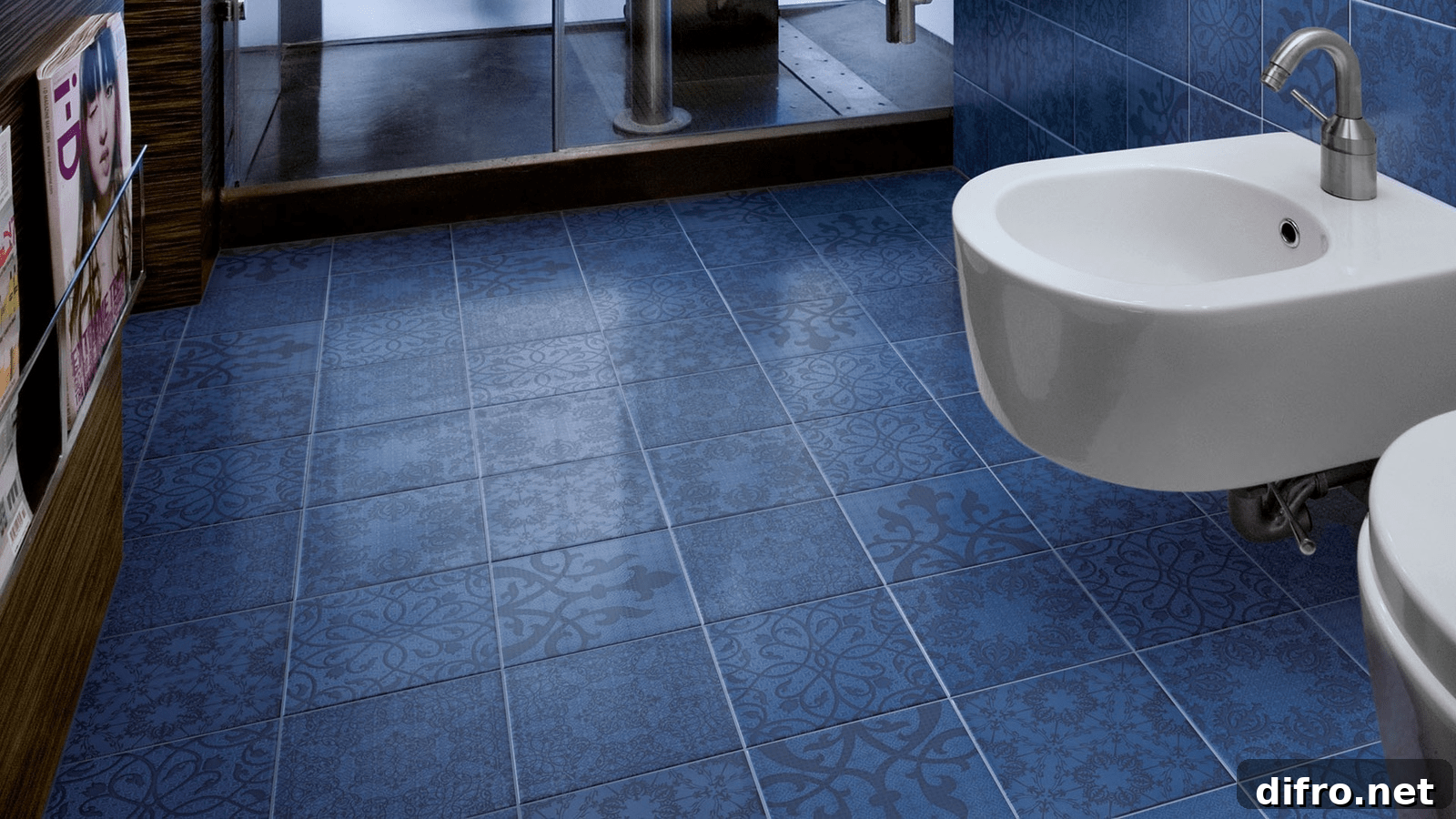
Tile is an outstanding choice for bathroom floors: it’s water-resistant, easy to clean, long-lasting, and adds resale value. Porcelain and ceramic tiles come in many sizes, textures, and finishes, making them highly versatile for different design styles.
Cons
Tile can feel cold underfoot and, when glazed, may be slippery when wet. Installing tile correctly requires a solid substrate and experienced workmanship to avoid issues over time.
Vinyl
Pros
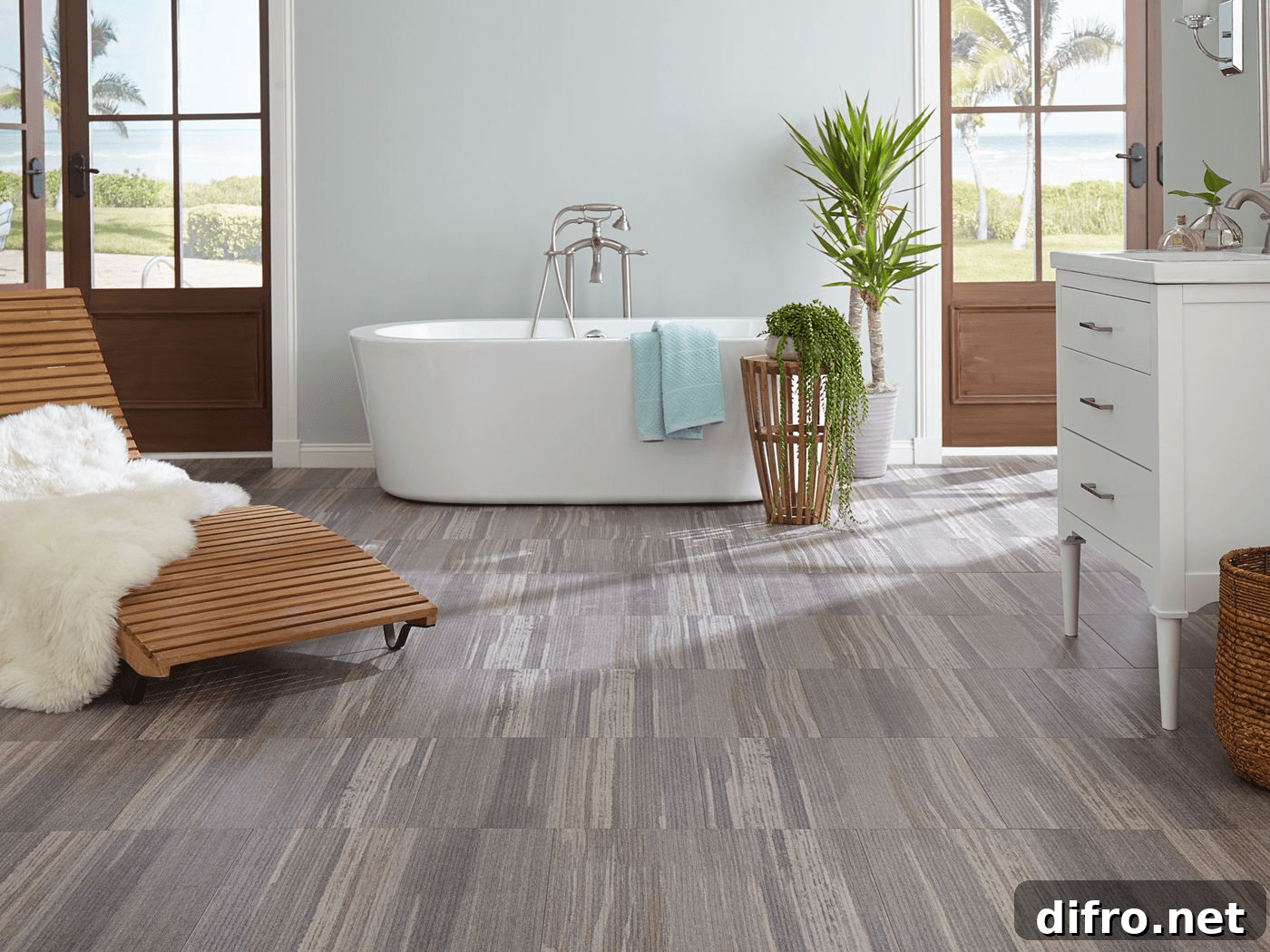
Vinyl is affordable, waterproof (in many modern LVT products), and can convincingly mimic wood, stone, or tile. It tends to be more comfortable and warmer underfoot than ceramic or stone.
Cons
Lower-cost vinyl can reduce resale value and may be difficult to repair if damaged. Choose high-quality, waterproof products for bathrooms to avoid issues down the line.
Laminate
Pros
Laminate offers many design choices and can emulate more expensive floors at a lower cost. It’s relatively easy to install and maintain when used in appropriate areas.
Cons
Traditional laminate is vulnerable to standing water and cannot be refinished. For bathroom use, select waterproof-rated products and ensure rapid removal of moisture to prevent damage.
Ultimately, the best bathroom flooring depends on how you use the space, your style goals, and how much maintenance you’re willing to perform. Prioritize waterproofing and proper installation to ensure the floor lasts and performs well for years to come.