Cleaning our homes often feels like a routine chore, but many of us unknowingly use techniques that reduce effectiveness or even damage items. Certain everyday objects require special care, and small adjustments to how you clean them can extend their lifespan and improve hygiene. Below are five common household items you’re probably cleaning incorrectly — with clear, practical corrections and tips to get better results.
1. Wood Furniture
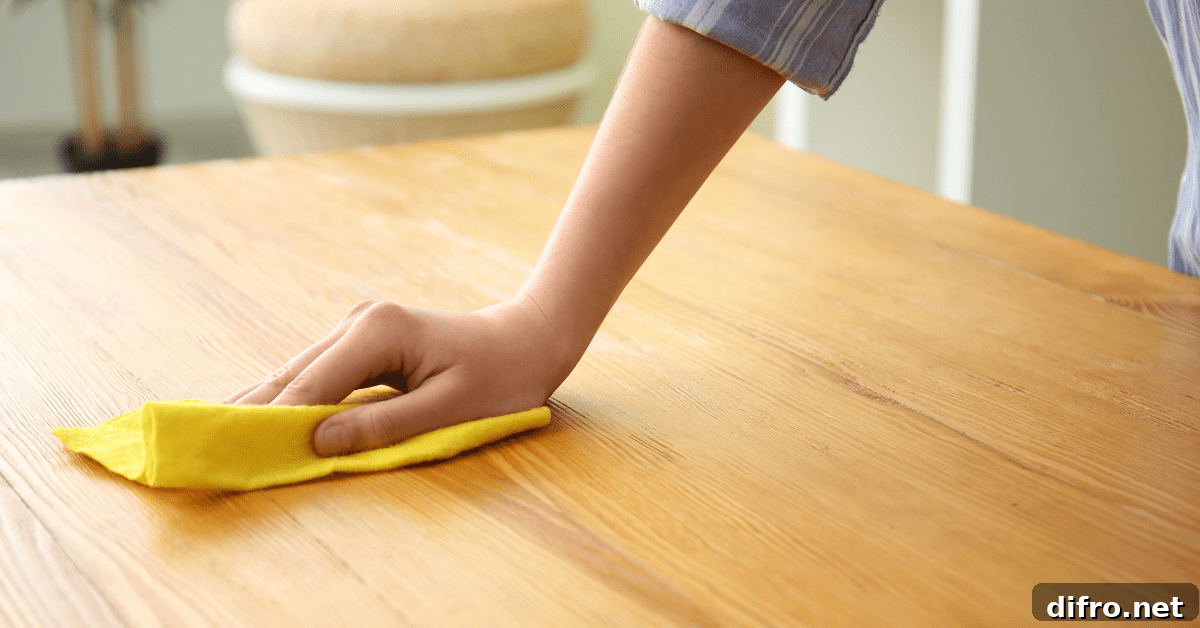
Using plain water, harsh detergents, or abrasive tools on wood furniture can strip protective finishes, cause discoloration, and lead to warping over time. Over-wetting is a frequent culprit, especially around joints and veneers.
The right approach: Dust regularly with a soft microfiber cloth to prevent grit from scratching surfaces. For routine cleaning, lightly dampen a cloth with a mixture of equal parts water and white vinegar, then immediately dry the surface to avoid soaking the wood. For deeper care, use a cleaner formulated for wood and follow with a wood conditioner or polish to replenish oils and protect the finish. Always test any product or homemade solution on an inconspicuous spot first.
Extra tips: Avoid placing hot or wet items directly on wood. Use coasters and pads, and maintain stable indoor humidity where possible to reduce cracking and warping.
2. Stainless Steel Appliances
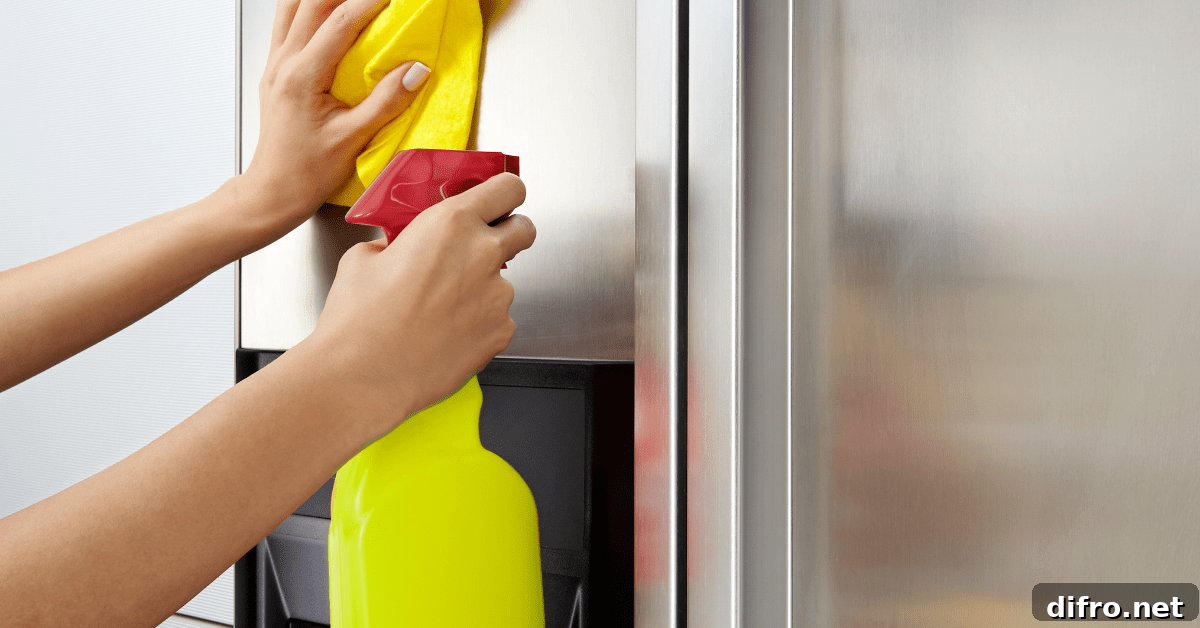
Stainless steel shows fingerprints and streaks easily, and abrasive sponges or concentrated cleaners can scratch or dull the surface. Wiping against the grain is a common mistake that accentuates streaks.
The right approach: Use a soft, lint-free cloth and a gentle, streak-free cleaner made for stainless steel or a mild soap solution. Wipe in the direction of the metal grain to minimize streaking, then buff dry with a clean cloth for a polished finish. For stubborn spots, a small amount of olive oil or a dedicated stainless steel polish applied sparingly and buffed out can restore shine without harming the surface.
Extra tips: Avoid bleach and abrasive pads. Keep cleaning cloths dedicated to stainless steel to prevent cross-contamination of residues from other surfaces.
3. Toilets
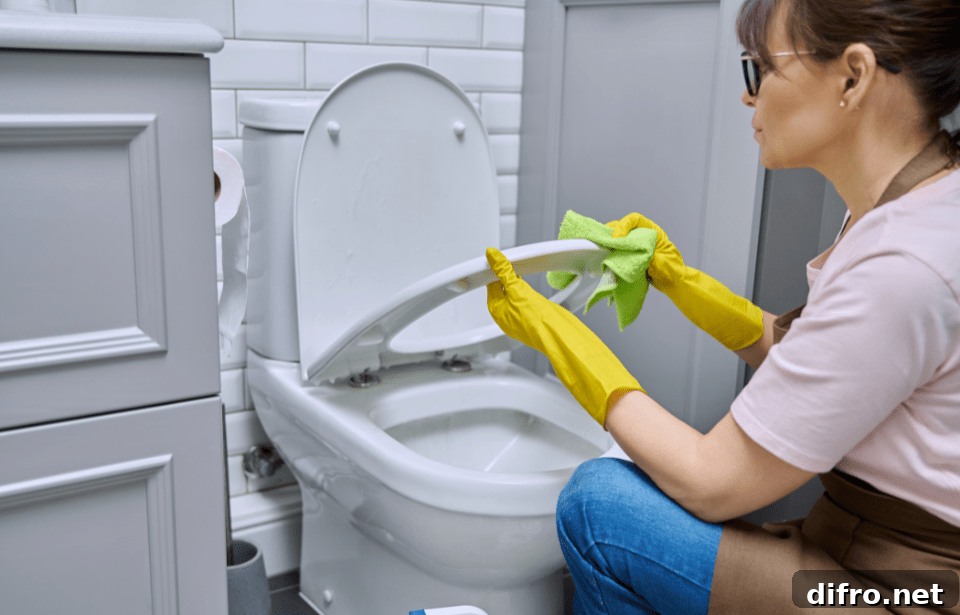
A quick bowl scrub may remove visible grime but often leaves bacteria in overlooked areas such as under the rim, around hinges, or at the base. Using an unsuitable cleaner or insufficient contact time reduces disinfecting power.
The right approach: Choose a bathroom disinfectant or toilet cleaner formulated to remove limescale and germs. Apply cleaner under the rim and around the bowl, let it sit for at least 10 minutes to work, then scrub with a toilet brush, including under the rim. Wipe the exterior, seat hinges, and base with a disinfecting wipe or cloth and allow surfaces to air dry if recommended by the product label. Wear gloves and ventilate the room while cleaning.
Extra tips: Regularly clean the toilet brush and let it dry between uses; replace it periodically. For persistent stains or mineral buildup, use a pumice stone designed for toilet bowls gently to avoid scratching.
4. Carpets
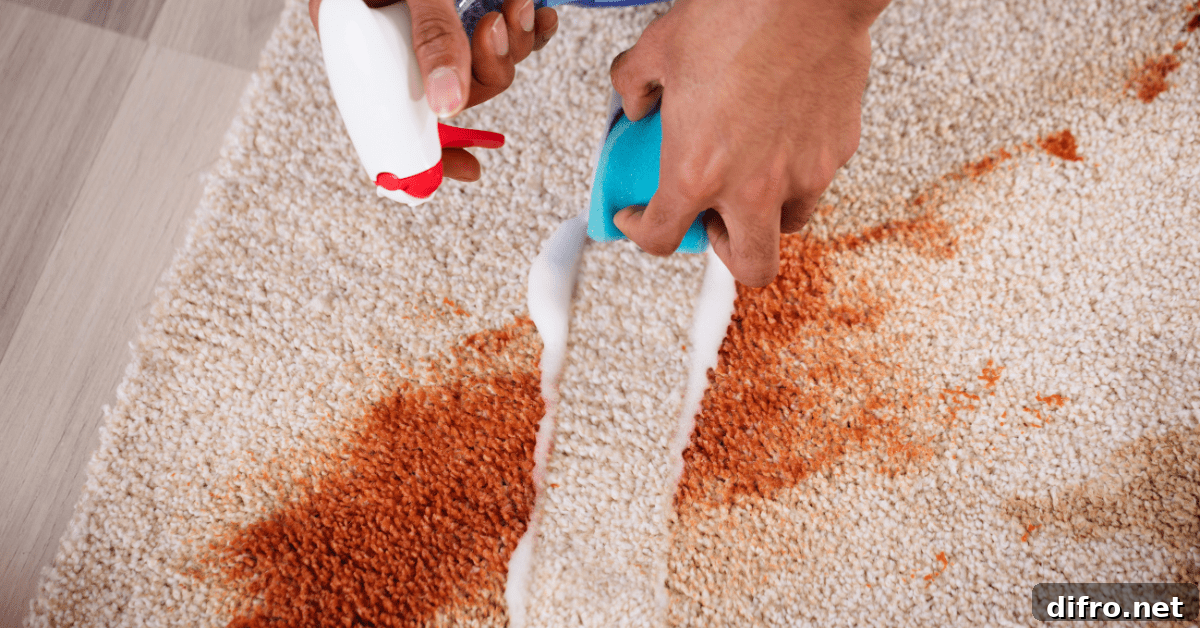
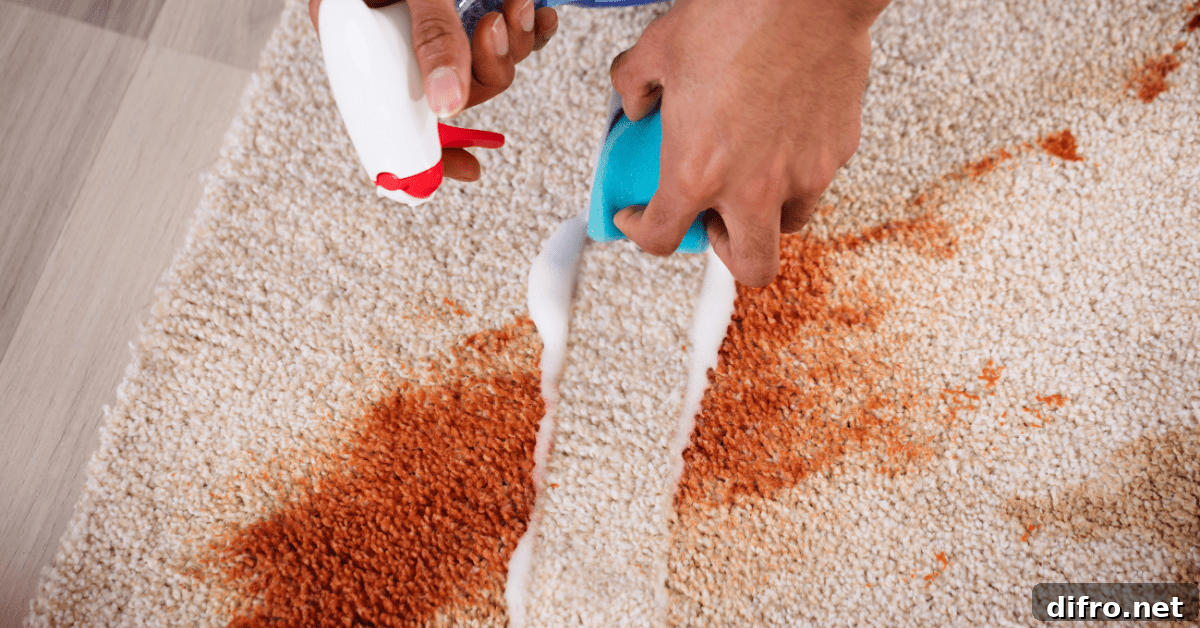
Vacuuming is essential, but relying solely on it leaves embedded dirt, oils, and odors. Scrubbing stains aggressively can damage fibers and spread the stain. Using overly harsh chemicals may fade colors or break down carpet backing.
The right approach: Vacuum high-traffic areas frequently to remove surface dirt and debris. For spills, blot immediately with a clean cloth to lift liquid—avoid rubbing, which pushes the stain deeper and harms fibers. Use a gentle carpet cleaner suitable for your carpet type and follow instructions carefully. For strong odors or deep, set-in stains, use a carpet-cleaning machine or consider hiring professionals who can deep-clean and extract residues without over-wetting the carpet.
Extra tips: Sprinkle baking soda over carpets, let it sit for a few hours, then vacuum to help neutralize odors. Rotate area rugs and use protective mats in heavy-use zones to extend carpet life.
5. Dish Sponges
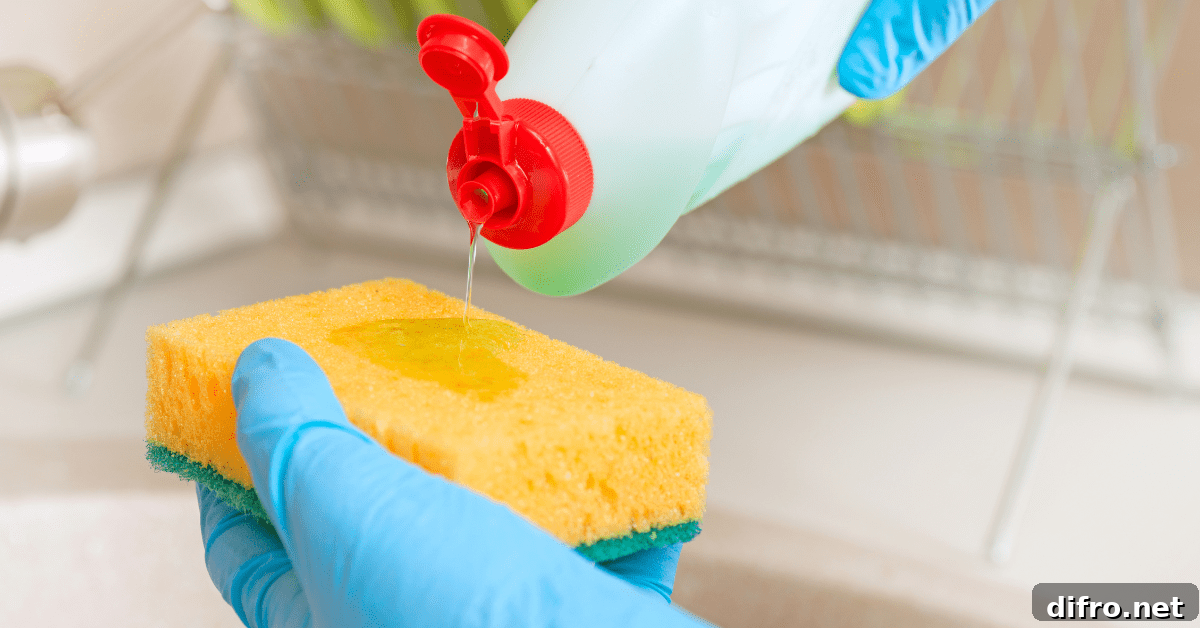
Sponges sit in a damp environment and can quickly harbor bacteria if not cared for. Simply rinsing and leaving them by the sink allows microbes to multiply, making sponges a source of cross-contamination.
The right approach: Rinse and wring sponges thoroughly after each use, and store them where they can air dry. Sanitize periodically by microwaving a wet sponge for about one minute (ensure there’s no metal in or on the sponge, and that the sponge is wet to avoid fire risk) or by placing it on the top rack of the dishwasher during a hot cycle. Replace sponges regularly—frequently used sponges may need replacing about once a week; adjust based on odor or wear.
Extra tips: Use separate sponges or cloths for dishes, countertops, and raw meat areas to prevent cross-contamination. Consider using washable dishcloths that can be laundered frequently.
Related articles
- Effective Tips and Tricks for How to Clean Sticky Kitchen Cabinets
- Quick and Easy Chemical-Free Upholstery Cleaning
- How to Clean and Deodorize Area Rugs the Right Way
Cleaning correctly makes your home cleaner, safer, and better maintained. Small changes—using the right products, following recommended contact times, and treating each material appropriately—save time and prevent damage. Adopt these methods to extend the life of your belongings and create a healthier living space.
Ready to refresh your home? Subscribe to our newsletter for practical interior and cleaning tips, seasonal suggestions, and ideas to keep your space looking its best.