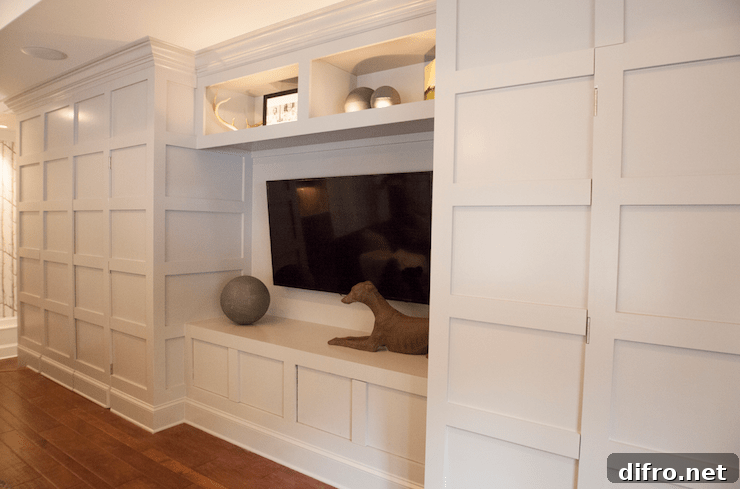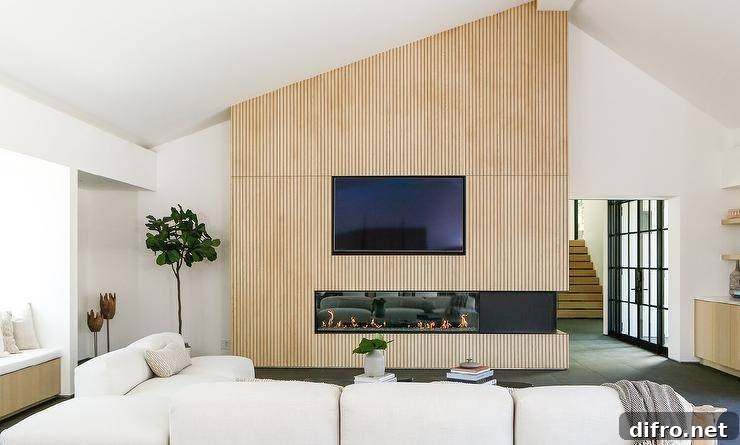
Entertainment centers are a central feature in many modern homes. Beyond housing televisions and media devices, a well-designed entertainment center defines a living space, offers practical storage, and contributes to the room’s overall style. As design trends evolve, homeowners can choose from a wide range of modern entertainment center ideas to suit their lifestyle and décor.
Below are practical, stylish design ideas and tips to help you create a modern entertainment center that is both beautiful and functional.
Popular Styles for Modern Entertainment Centers
Minimalist
The minimalist entertainment center emphasizes clean lines, hidden storage, and restrained materials. Floating shelves or a single wall-mounted unit keep the floor clear, creating a light and uncluttered feel. This approach works particularly well in small living rooms or open-plan spaces where visual simplicity helps the area feel larger and more cohesive.
Industrial
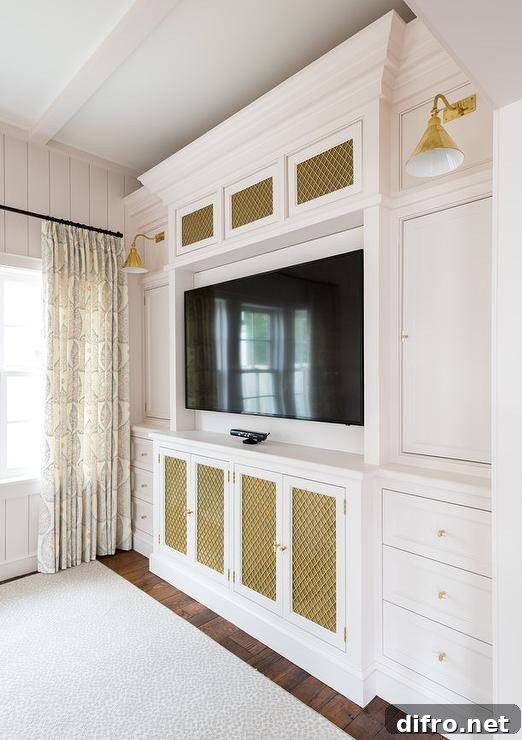
Industrial entertainment centers use raw materials such as metal, reclaimed wood, and concrete textures to create an edgy, modern focal point. Open shelving, iron frames, and exposed hardware give the unit a bold, workshop-inspired appearance that pairs well with leather seating and neutral color palettes.
Traditional and Transitional
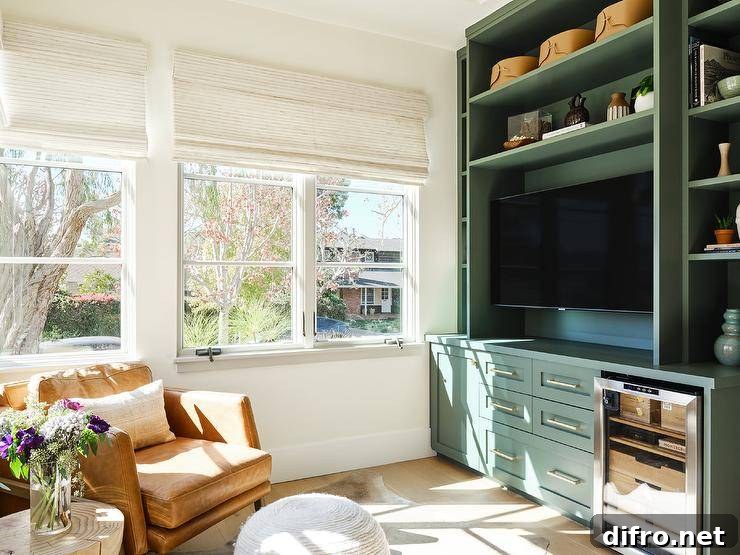
Classic entertainment centers often feature rich woods, moulding details, and balanced proportions. Transitional designs blend traditional craftsmanship with contemporary elements—such as streamlined hardware or slimmer profiles—so the unit feels timeless without appearing dated.
Floating and Wall-Mounted Units
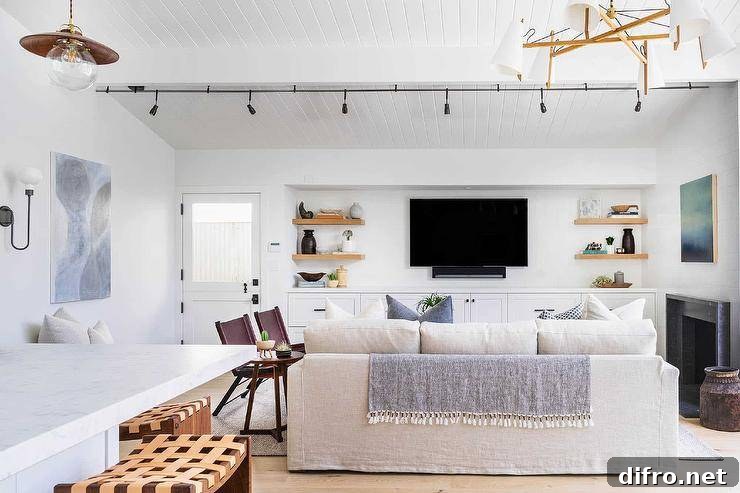
Floating entertainment centers are wall-mounted to free floor space and create a contemporary, streamlined look. They are especially useful in smaller rooms and can be designed with concealed wiring, drawers, and hidden compartments to preserve a minimalist aesthetic while offering ample storage.
Storage, Materials, and Finishes
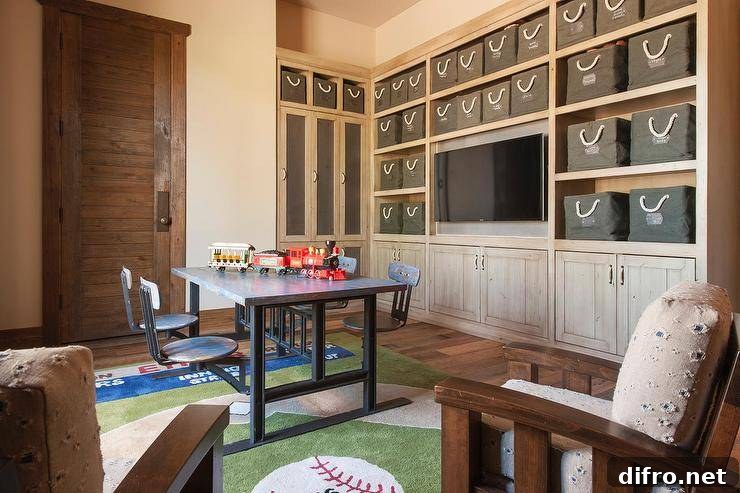
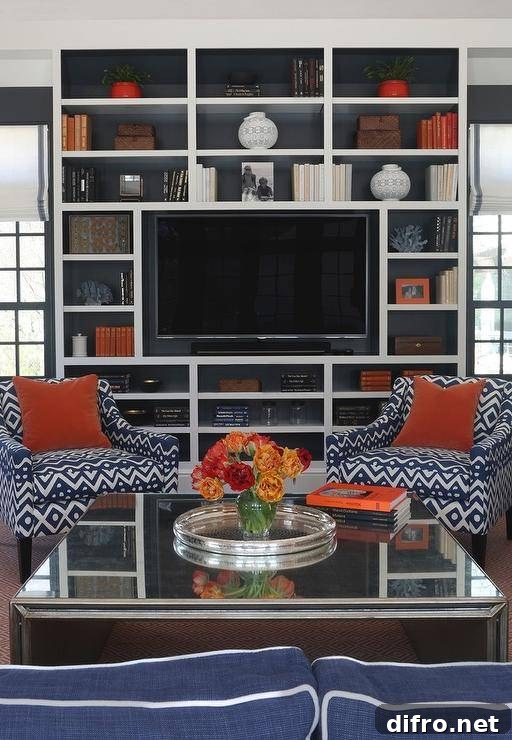
Storage options range from fully open shelving to closed cabinets and deep drawers. Open shelves are great for displaying books, art, and decor, while cabinets keep electronics, cables, and media collections out of sight. Consider a mix of open and closed storage to balance display and concealment.
Material choices influence both durability and style. Solid hardwood or quality engineered wood (like plywood) provides structural strength and long-term reliability. Metal frames or legs add an industrial or modern accent and improve load-bearing capacity. Tempered glass shelves or doors offer an elegant, safe option for display areas.
Color and Finishing Tips
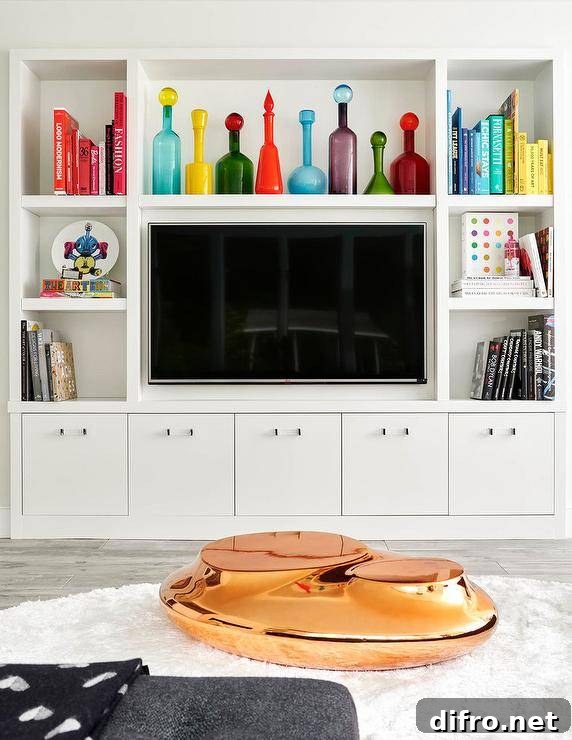
Neutral tones like white, black, and natural wood remain popular because they integrate seamlessly with many room styles. Bolder colors—such as deep greens, navy, or warm charcoals—can make the entertainment center a strong focal point. Consider matching or contrasting the finish with room trim, flooring, or cabinetry to create a cohesive look.
Practical Considerations
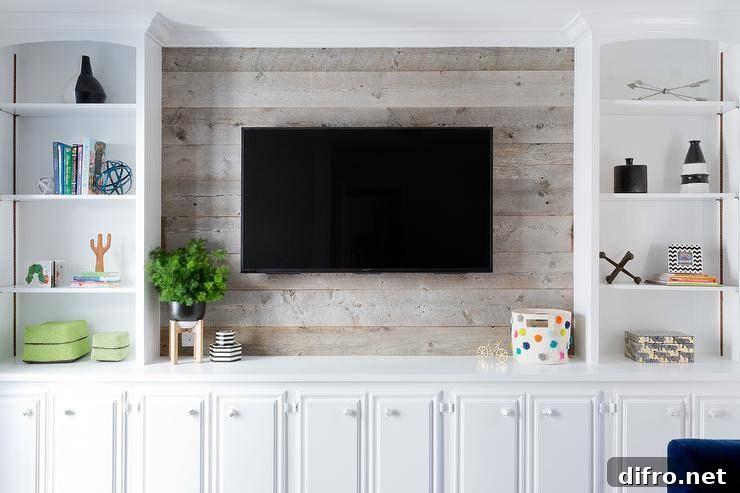
Measure your television and equipment before selecting or building a unit. Leave room for ventilation around electronics, allow access for cable connections, and plan power placement for a clean installation. If the unit will bear substantial weight, choose sturdy materials and support methods. Custom cabinetry offers the best solution when you need exact fit, concealed wiring, or tailored storage.
Frequently Asked Questions (FAQs)
What are some popular modern entertainment center design ideas?
Floating shelves, built-in media cabinets, minimalist wall units, and mixed-material industrial designs are all popular choices.
How do I choose the right size for my entertainment center?
Base the size on your TV dimensions, equipment, and the wall or room where it will be installed. Allow space for airflow, wiring, and practical storage needs.
How can I incorporate storage into my entertainment center design?
Mix open shelving for display with closed cabinets or drawers for media, remotes, and cables. Use adjustable shelving to adapt to changing collections.
What materials work best for modern entertainment centers?
Solid wood and quality plywood offer stability. Metal adds an industrial edge. Tempered glass gives an elegant look for doors and shelves. Choose durable finishes that suit your lifestyle.
How do I make my entertainment center stand out?
Use contrasting colors, textured back panels, integrated lighting, or custom hardware. A painted interior shelf back or a wood accent can create a deliberate focal point.
How do I ensure my entertainment center is both functional and stylish?
Plan layout and storage according to how you use the room. Combine practical features—like hidden storage and cable management—with finishes and proportions that complement your décor.
Summary
Modern entertainment centers range from minimalist and floating units to industrial and classic built-ins. By considering style, materials, storage needs, and the room’s layout, you can select or design an entertainment center that enhances both function and aesthetics in your living space.